Loading subject page…

- Nursing
- Communication
- Nursing Process for Patient and Caregiver Teaching II: Planning and Implementation
Micro-course: Communication
93,900 views
Learn key concepts and earn your certificate.


Nursing Process for Patient and Caregiver Teaching II: Planning and Implementation

00:00
01:24
Video Summary: Nursing Process for Patient and Caregiver Teaching Planning and Implementation
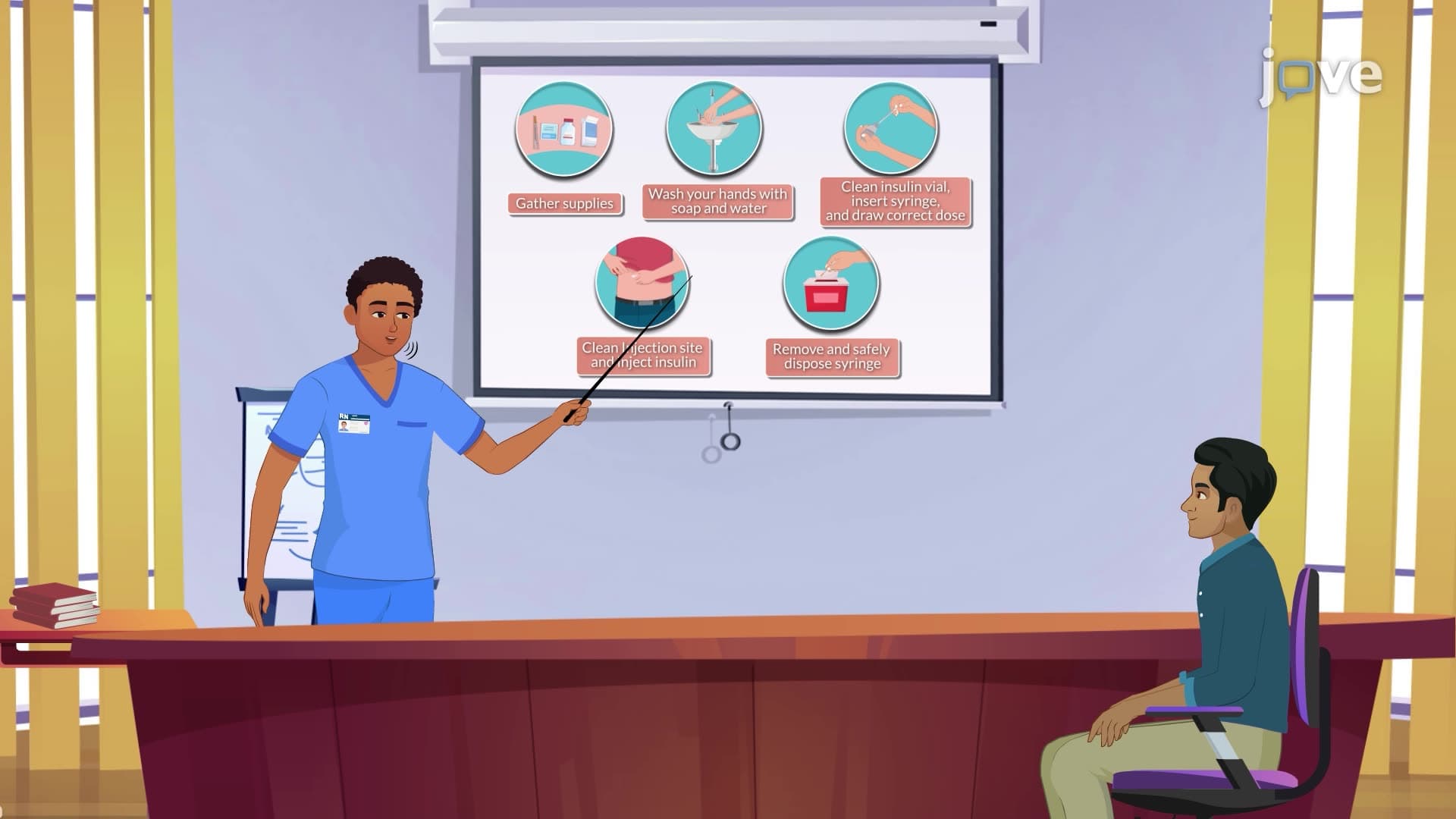
Did you know that 89% of medication errors stem from poor patient education? The nursing process patient caregiver teaching framework transforms how healthcare professionals educate patients and families about critical health topics. Consider a diabetic patient at Mayo Clinic learning insulin administration-the Nursing Process for Patient and Caregiver Teaching: Planning and Implementation ensures they master self-care skills before discharge through structured goal-setting and evidence-based teaching strategies. Watch the full video on JoVE Coach to master this concept with expert-led visuals and step-by-step explanations.
- Understand the Nursing Process for Patient and Caregiver Teaching: Planning and Implementation as a systematic framework for effective health education
- Identify the critical components of goal-setting and outcome development in patient education scenarios
- Analyze how patient demographics, literacy levels, and developmental stages influence teaching method selection
- Apply evidence-based content selection strategies when preparing educational materials for diverse patient populations
- Evaluate environmental factors that optimize learning conditions during implementation phases
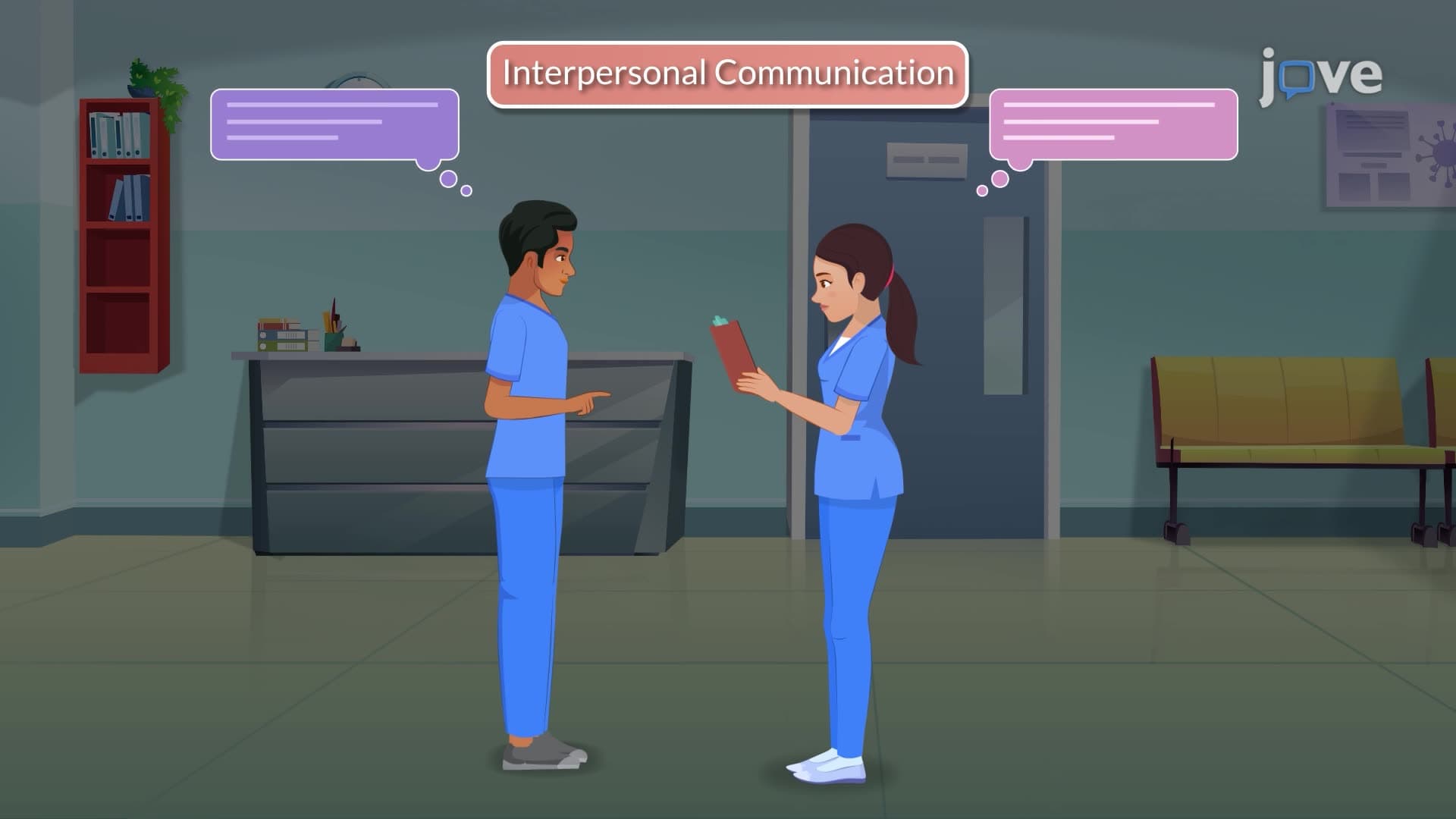
- Recognize effective interpersonal communication techniques that enhance patient engagement and participation
- Compare various teaching strategies suitable for different age groups and learning preferences
- Explore the connection between proper planning phases and successful patient health outcomes
Understanding the Nursing Process for Patient and Caregiver Teaching: Planning and Implementation
The nursing process patient caregiver teaching methodology represents a cornerstone of modern healthcare education. This systematic approach ensures that patients and their support systems receive comprehensive, individualized instruction that promotes optimal health outcomes. Unlike generic health education, this framework tailors every aspect of teaching to the specific needs, capabilities, and circumstances of each patient-caregiver dyad.
Strategic Planning: Goals and Outcomes Framework
Effective planning distinguishes between goals and outcomes with surgical precision. Goals represent the broader knowledge or skill acquisition targets-what patients need to understand about their condition or treatment. For instance, a goal might be "patient demonstrates understanding of heart failure management." Outcomes, conversely, specify measurable actions patients must perform within defined timeframes, such as "patient accurately measures daily weight and identifies when to contact healthcare provider within 48 hours of instruction."
This distinction proves crucial for NCLEX-RN preparation, where nursing students must demonstrate competency in creating SMART (Specific, Measurable, Achievable, Relevant, Time-bound) outcomes. Consider a post-operative patient at Johns Hopkins Hospital: the goal involves understanding wound care principles, while the outcome requires demonstrating proper dressing changes independently before discharge.
Content Selection and Research Integration
Nurses must conduct thorough research to ensure teaching content reflects current evidence-based practices. This process involves consulting peer-reviewed sources, clinical practice guidelines from organizations like the American Nurses Association, and institutional protocols. The depth of research varies based on complexity-teaching basic medication compliance requires different preparation than educating about complex disease management.
Age-appropriate content selection considers developmental stages beyond simple chronological age. A 16-year-old managing diabetes requires different approaches than a 65-year-old with the same condition. Literacy assessments, using tools like the Rapid Estimate of Adult Literacy in Medicine (REALM), guide content complexity decisions.
Implementation Excellence: Environment and Communication
Successful implementation demands optimal learning environments and superior communication skills. Environmental factors include adequate lighting, comfortable seating, minimal distractions, and appropriate privacy levels. These elements directly impact knowledge retention and patient confidence.
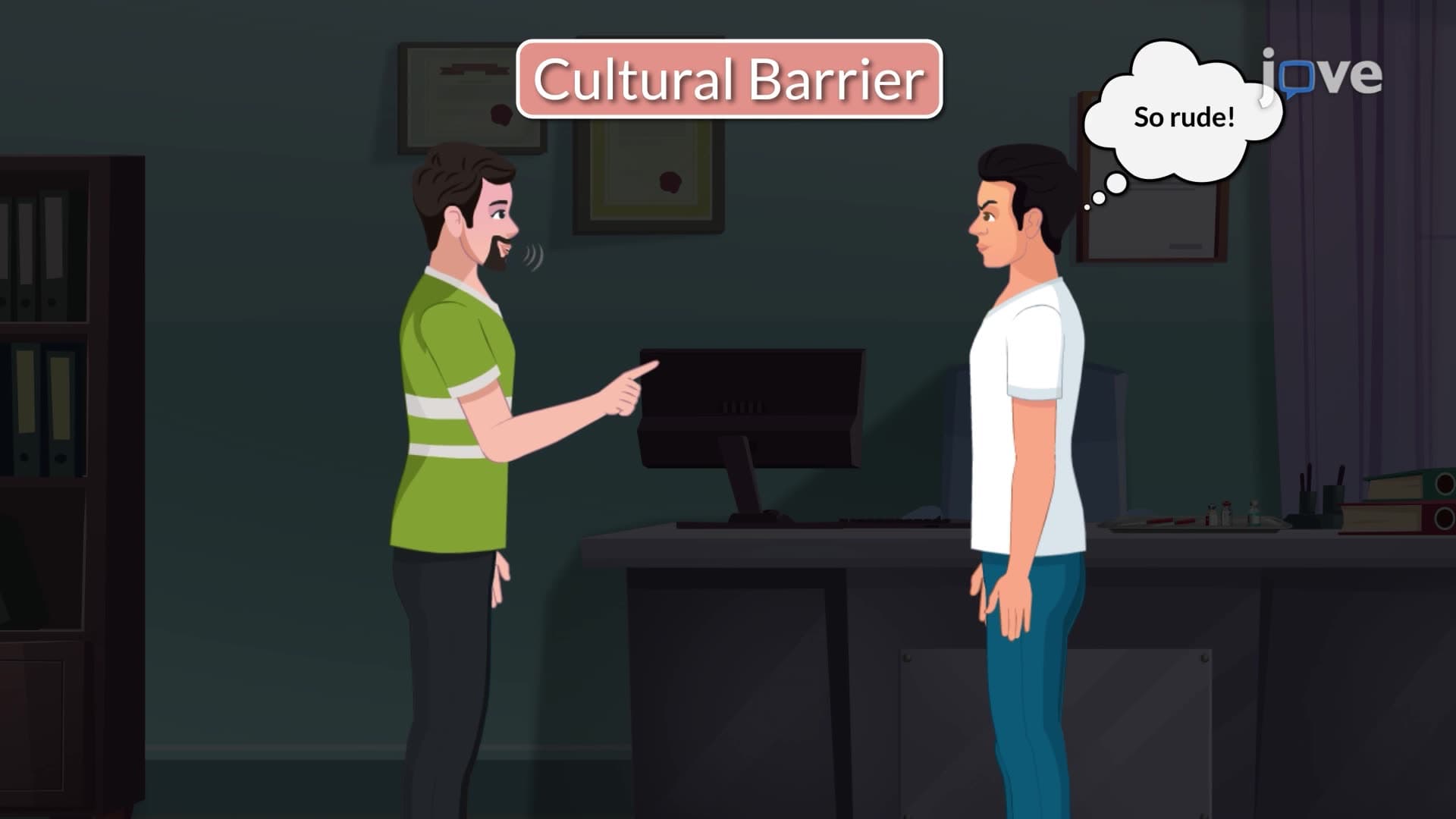
Communication strategies encompass both verbal and non-verbal elements. Effective nurses employ active listening, maintain appropriate eye contact, use plain language principles, and demonstrate cultural sensitivity. They also utilize multiple teaching modalities-visual aids, hands-on practice, written materials, and digital resources-to accommodate different learning preferences and reinforce key concepts.
Frequently Asked Questions
This systematic framework guides nurses through structured patient education phases, from setting measurable learning goals to implementing evidence-based teaching strategies. It ensures patients and caregivers receive individualized instruction that promotes optimal health outcomes and self-care competency.
NCLEX-RN questions frequently test your ability to prioritize teaching content, select age-appropriate methods, and create measurable outcomes. You'll encounter scenarios requiring identification of effective teaching strategies for diverse populations and evaluation of patient learning success.
Create concept maps linking assessment data to teaching plans, practice writing SMART outcomes for common conditions, and role-play teaching scenarios with classmates. Focus on matching teaching methods to patient characteristics and environmental considerations.
At institutions like Cleveland Clinic, nurses use structured teaching plans for discharge preparation, medication education, and chronic disease management. They document goal achievement, adjust strategies based on patient response, and collaborate with interdisciplinary teams to ensure comprehensive education.
No prior teaching experience is required-this framework provides step-by-step guidance for nursing students and new graduates. The systematic approach builds confidence and ensures consistent, quality patient education regardless of your experience level.
Unlike generic health promotion, this nursing-specific process incorporates individualized assessment data, considers medical conditions and treatments, and focuses on measurable behavioral outcomes. It emphasizes the therapeutic nurse-patient relationship and evidence-based practice integration.
Explore health behavior change theories, motivational interviewing techniques, and cultural competency in patient education. Consider studying evaluation methods for teaching effectiveness and interprofessional collaboration in patient education initiatives.
Related Micro-courses

22 Concepts
7 Concepts

10 Concepts