Loading subject page…

- Organic Chemistry
- Synthetic Polymers
- Anionic Chain-Growth Polymerization: Mechanism
Micro-course: Synthetic Polymers
58,700 views
Learn key concepts and earn your certificate.




Anionic Chain-Growth Polymerization: Mechanism

00:00
01:04
Video Summary: Anionic Chain Growth Polymerization Mechanism Explained
Ever wonder how the rubber in your car tires or the synthetic polymers in medical devices are made with such precise control? Anionic chain growth polymerization creates these materials through a carefully controlled mechanism where negatively charged ions drive polymer formation. This process is crucial in manufacturing everything from high-performance plastics used in aerospace applications to specialized materials in pharmaceutical manufacturing. The anionic chain growth polymerization mechanism explained reveals how chemists achieve remarkable control over molecular weight and polymer structure. Watch the full video on JoVE Coach to master this concept with expert-led visuals and step-by-step explanations.
- Understand the three fundamental stages of anionic chain growth polymerization mechanism and how each contributes to controlled polymer synthesis
- Identify the role of nucleophilic anions like butyllithium as initiators and explain their electron-donating properties
- Analyze how carbanion intermediates form and remain stabilized throughout the propagation process
- Compare anionic polymerization with other chain growth mechanisms in terms of control and termination requirements
- Evaluate why anionic polymers are classified as "living polymers" and the significance of this designation
- Apply knowledge of Michael addition reactions to understand the propagation step mechanism
- Recognize the importance of controlled termination using weak acids or electrophiles like carbon dioxide
- Explore real-world applications where precise molecular weight control is essential for material properties
Understanding Anionic Chain Growth Polymerization Fundamentals
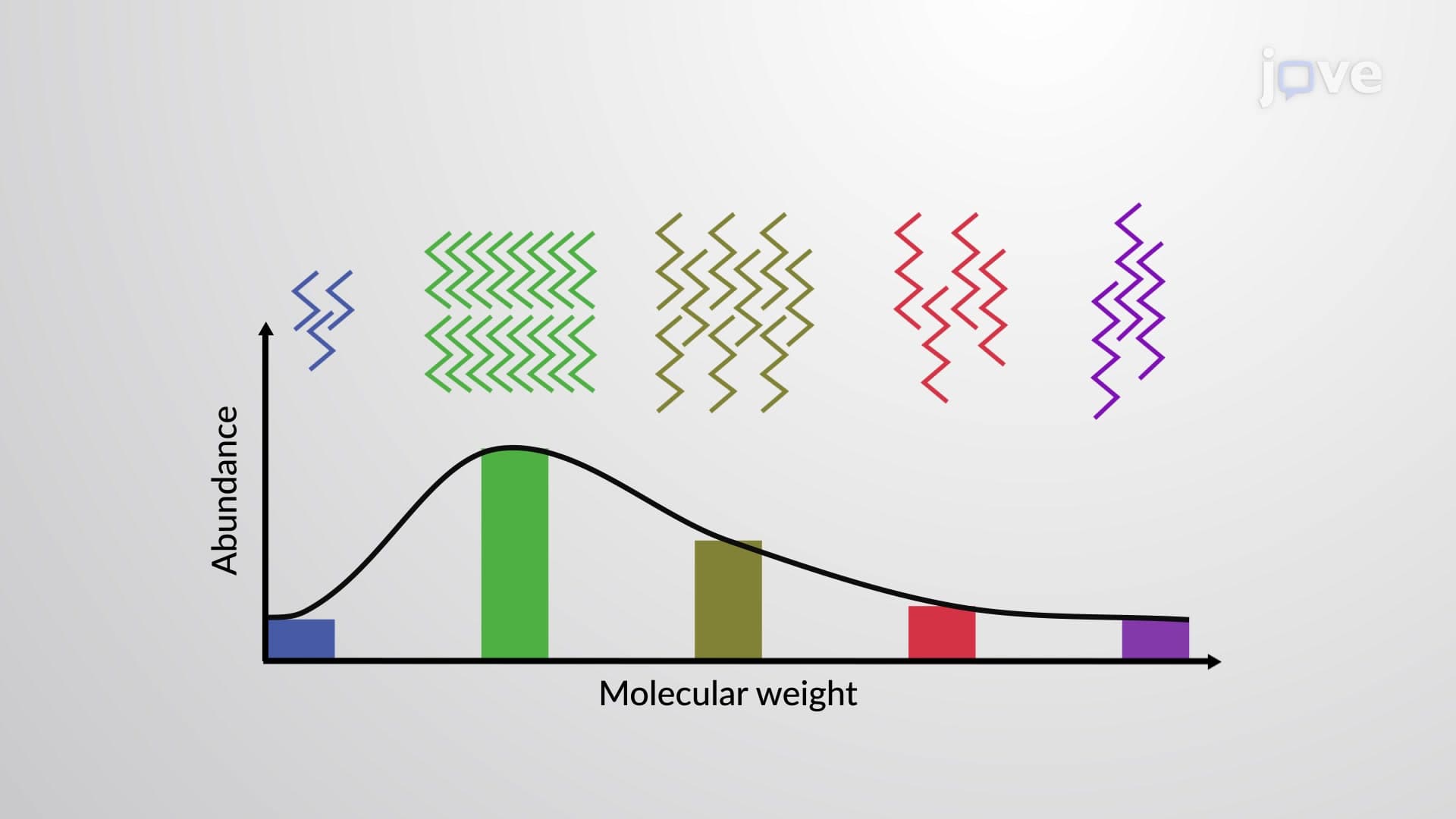
Anionic chain growth polymerization represents one of the most controlled methods for creating synthetic polymers, offering chemists unprecedented precision in molecular design. Unlike other polymerization techniques, this mechanism relies on negatively charged intermediates that maintain their reactivity throughout the entire process, enabling the creation of polymers with narrow molecular weight distributions and predictable properties.
Initiation: The Foundation of Controlled Growth
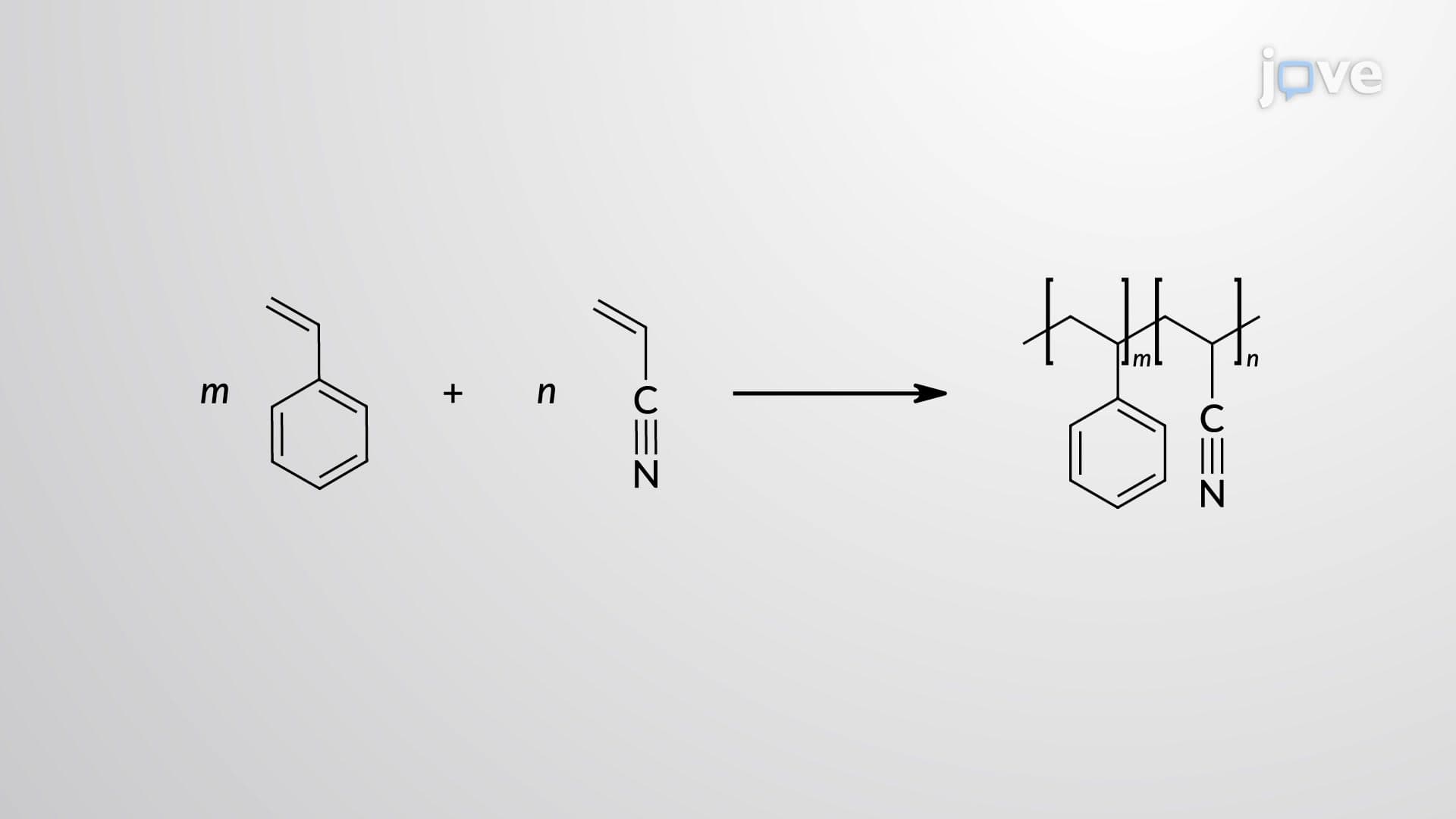
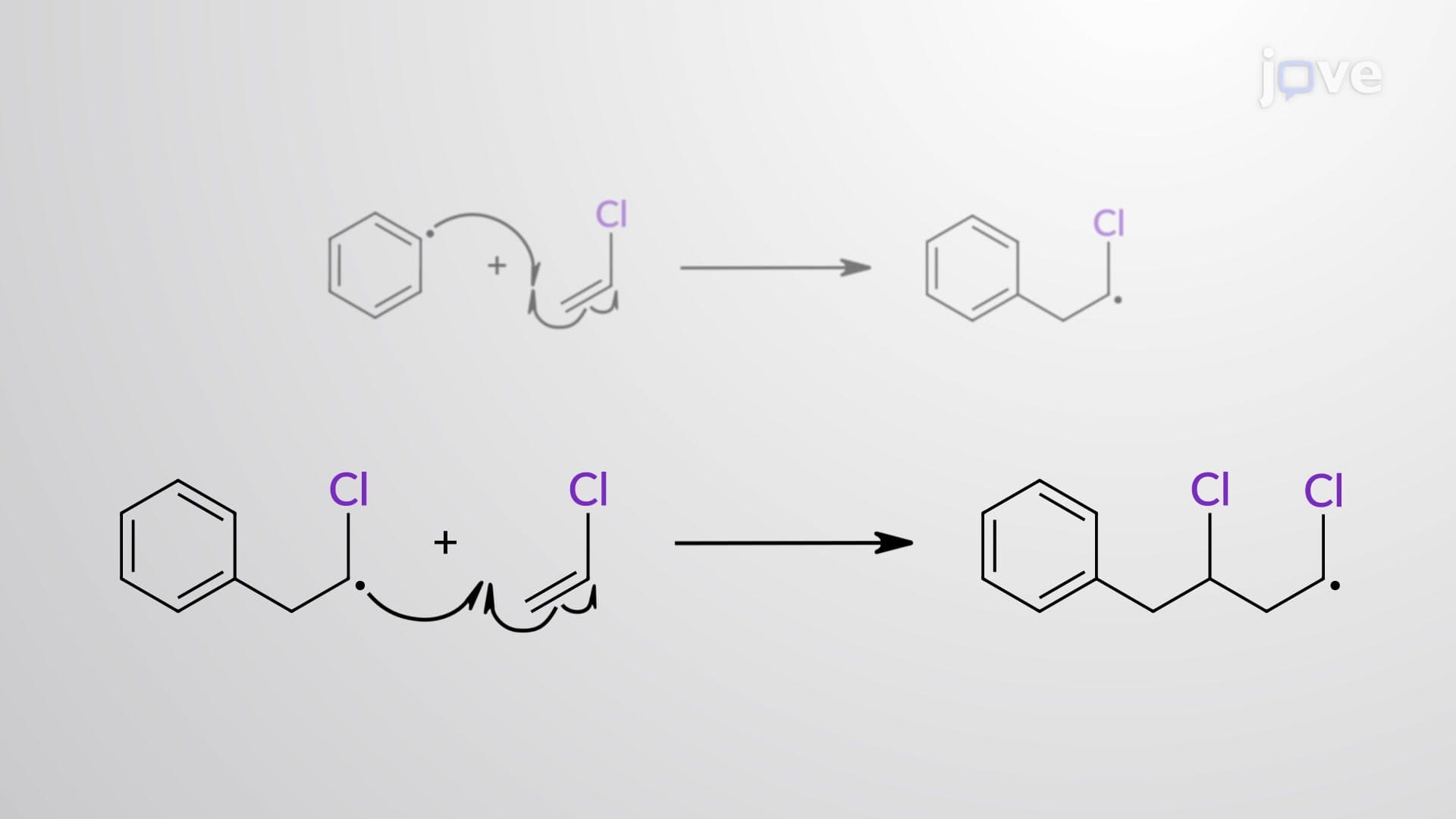
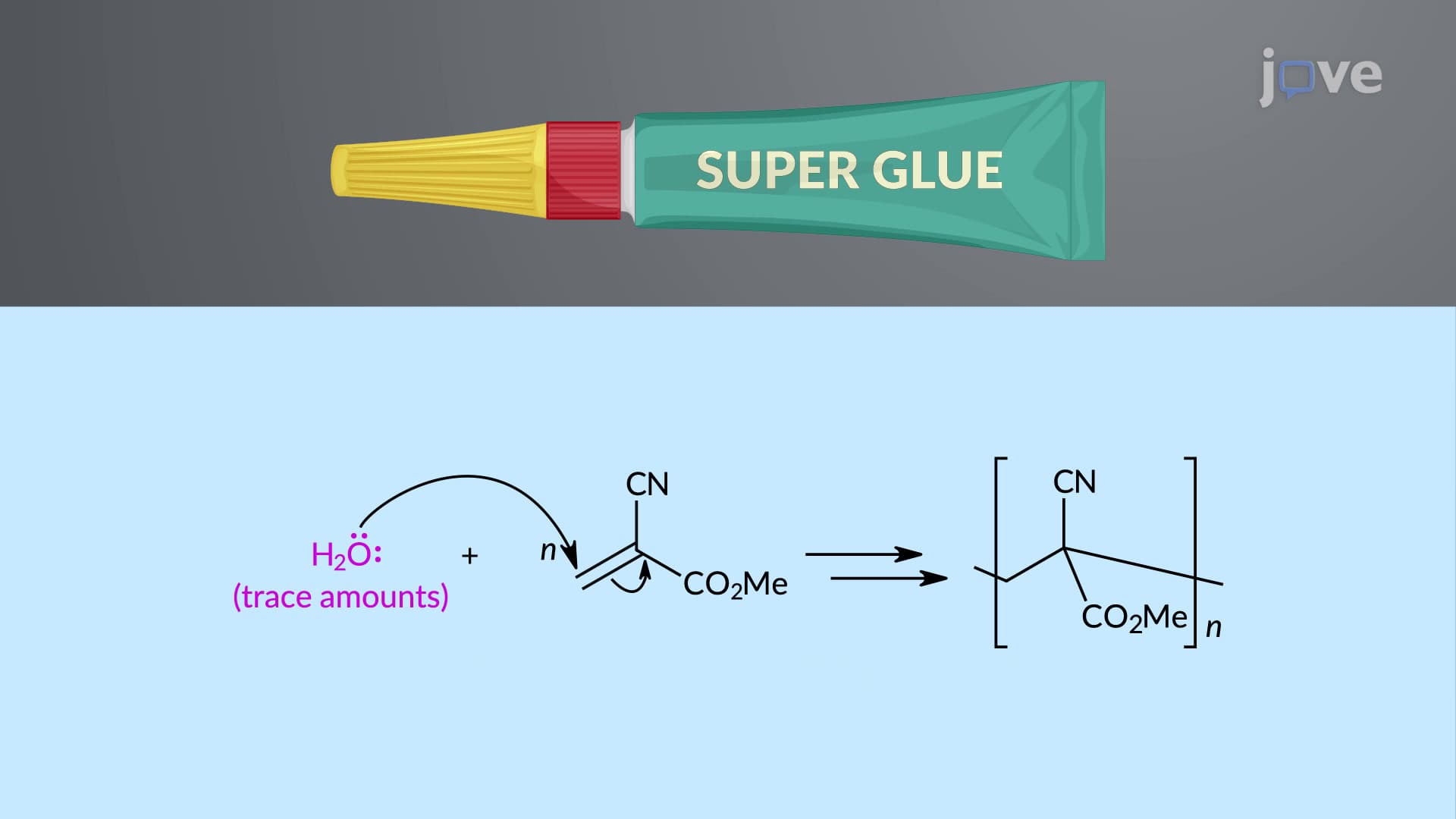
The initiation step begins when a strong nucleophile, typically an organolithium compound like butyllithium, attacks the electron-deficient carbon of a vinyl monomer. This creates a carbanion-a carbon atom bearing a negative charge-that becomes stabilized by electron-withdrawing groups present in the monomer structure. Common monomers include styrene, methyl methacrylate, and acrylonitrile, all containing groups that can delocalize the negative charge effectively. This stabilization is crucial because it prevents unwanted side reactions while maintaining the reactivity needed for continued growth.
Propagation: Building the Polymer Chain
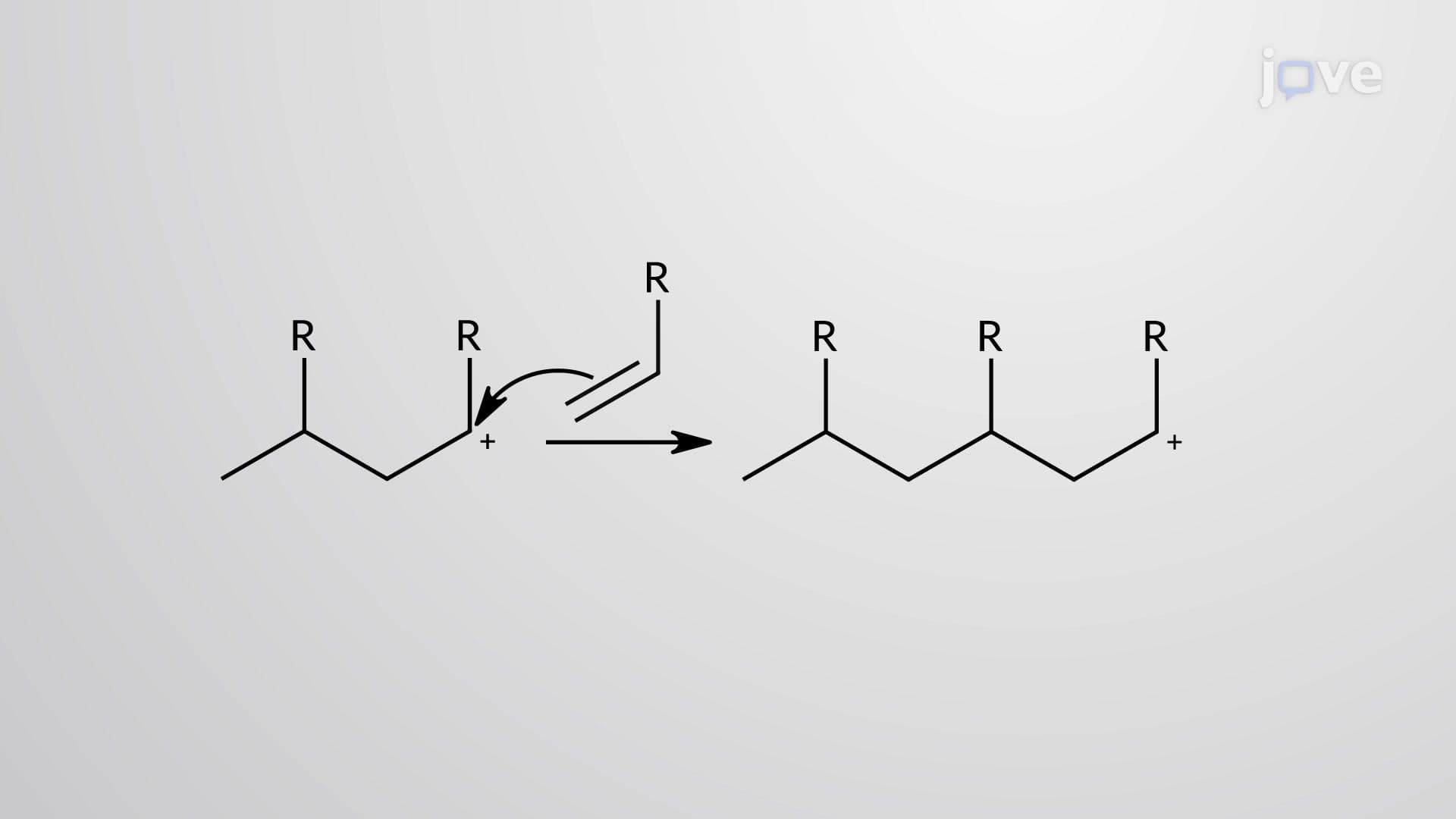
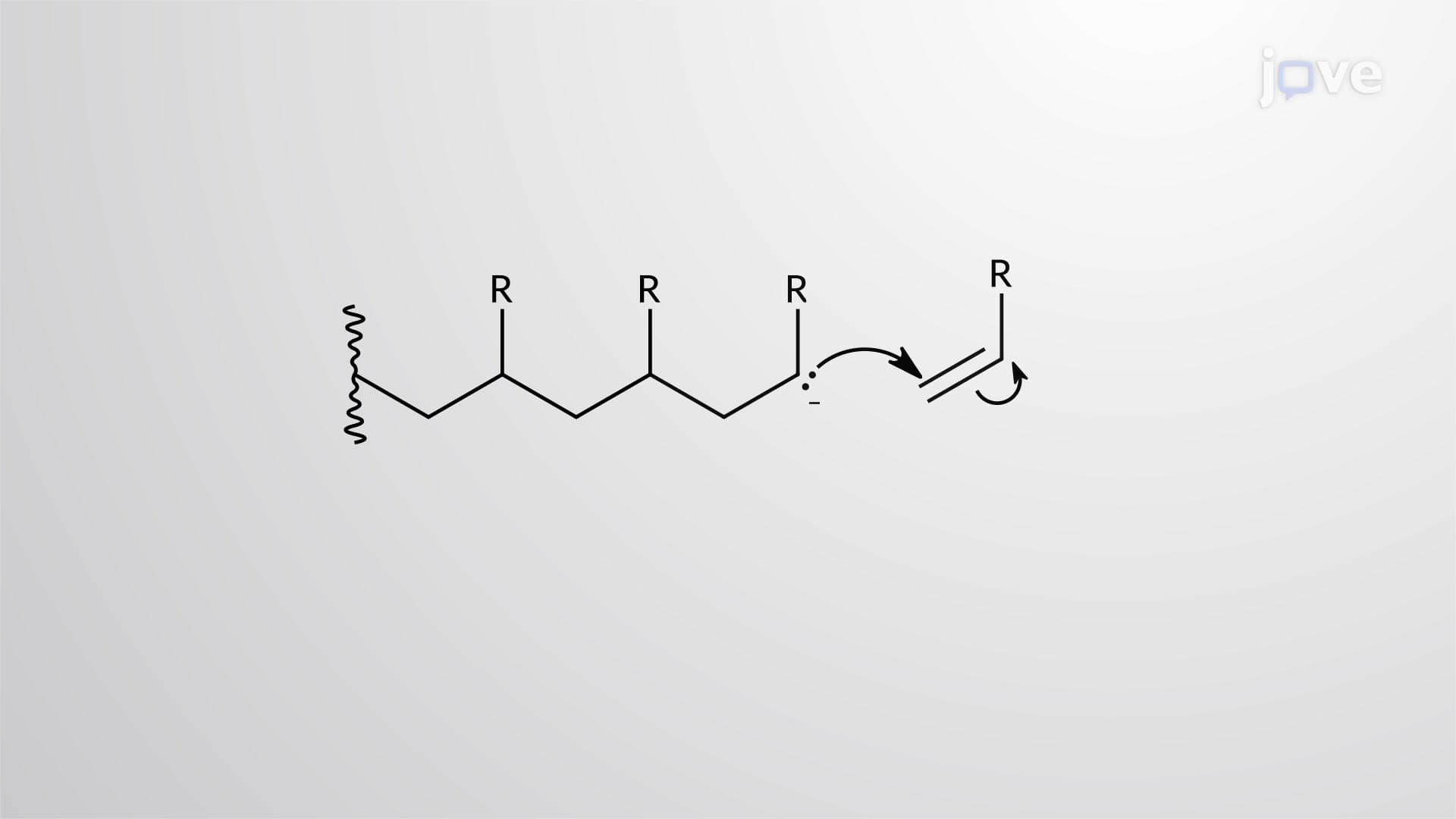
During propagation, the newly formed carbanion acts as a Michael donor, attacking another monomer molecule (the Michael acceptor) in what essentially becomes a series of conjugate addition reactions. Each addition creates a new carbanion at the chain end, which immediately becomes available for the next monomer addition. This process continues with remarkable efficiency because the carbanion remains "alive"-chemically active-throughout the entire polymerization. Students preparing for the MCAT or AP Chemistry exams should note that this mechanism differs significantly from radical polymerization, where chain transfer and termination reactions constantly compete with propagation.
Termination and Living Polymer Characteristics
Perhaps the most fascinating aspect of anionic chain growth polymerization is that it doesn't terminate spontaneously. The polymer chains remain "living" until deliberately quenched with a proton source (like methanol) or an electrophile (such as carbon dioxide). This characteristic allows chemists to create block copolymers by sequentially adding different monomers, or to achieve extremely narrow molecular weight distributions. In industrial applications, companies like Dow Chemical and ExxonMobil use this technique to produce high-performance elastomers for automotive and aerospace applications where material consistency is paramount.
The living nature of these polymers has revolutionized materials science, particularly in creating specialty plastics for medical devices, where biocompatibility and consistent mechanical properties are essential. Understanding this mechanism is fundamental for students pursuing careers in chemical engineering or materials science, as it forms the basis for many advanced manufacturing processes used throughout American industry.
Frequently Asked Questions
Anionic chain growth polymerization is a controlled polymerization technique where negatively charged intermediates (carbanions) drive chain growth, creating "living" polymers that don't terminate spontaneously. Unlike radical polymerization, it offers precise control over molecular weight and enables creation of complex polymer architectures like block copolymers.
Monomers with electron-withdrawing groups work best, including styrene, methyl methacrylate, acrylonitrile, and various acrylates. These groups stabilize the carbanion intermediate formed during polymerization. The electron-withdrawing nature is essential for maintaining the living character of the growing chain.
MCAT questions often focus on mechanism steps, stereochemistry, and comparing different polymerization types. AP Chemistry may test initiation mechanisms and factors affecting polymer properties. Students should practice identifying electron-withdrawing groups and predicting which monomers can undergo anionic polymerization successfully.
This mechanism demonstrates advanced concepts like carbanion stability, Michael additions, and controlled synthesis that bridge organic and polymer chemistry. Students learn how electronic effects control reactivity and how chemists design materials with specific properties-skills essential for pharmaceutical and materials science careers.
Major applications include high-performance tire manufacturing (Michelin, Goodyear), specialty medical device polymers, and aerospace materials. Companies like 3M use controlled anionic polymerization for adhesives and coatings where precise molecular weight control ensures consistent performance and regulatory compliance.
While the mechanism involves advanced concepts, students with solid understanding of electron movement, resonance, and acid-base chemistry can grasp the fundamentals. Starting with simpler nucleophilic additions and building up to polymer applications makes the concept more accessible.
Focus on drawing mechanism arrows, identifying stabilizing groups, and predicting termination conditions. Practice comparing anionic vs. radical polymerization characteristics. Create concept maps linking initiation agents, suitable monomers, and termination methods to build comprehensive understanding.
Students can explore block copolymer synthesis, ring-opening polymerization, and polymer characterization techniques. Understanding this mechanism provides foundation for materials science courses and research in polymer chemistry, nanotechnology, and biomedical engineering applications.
Related Micro-courses
15 Concepts

12 Concepts

14 Concepts