Loading subject page…


58,701 views

Video Summary: Characteristics and Nomenclature of Copolymers Explained
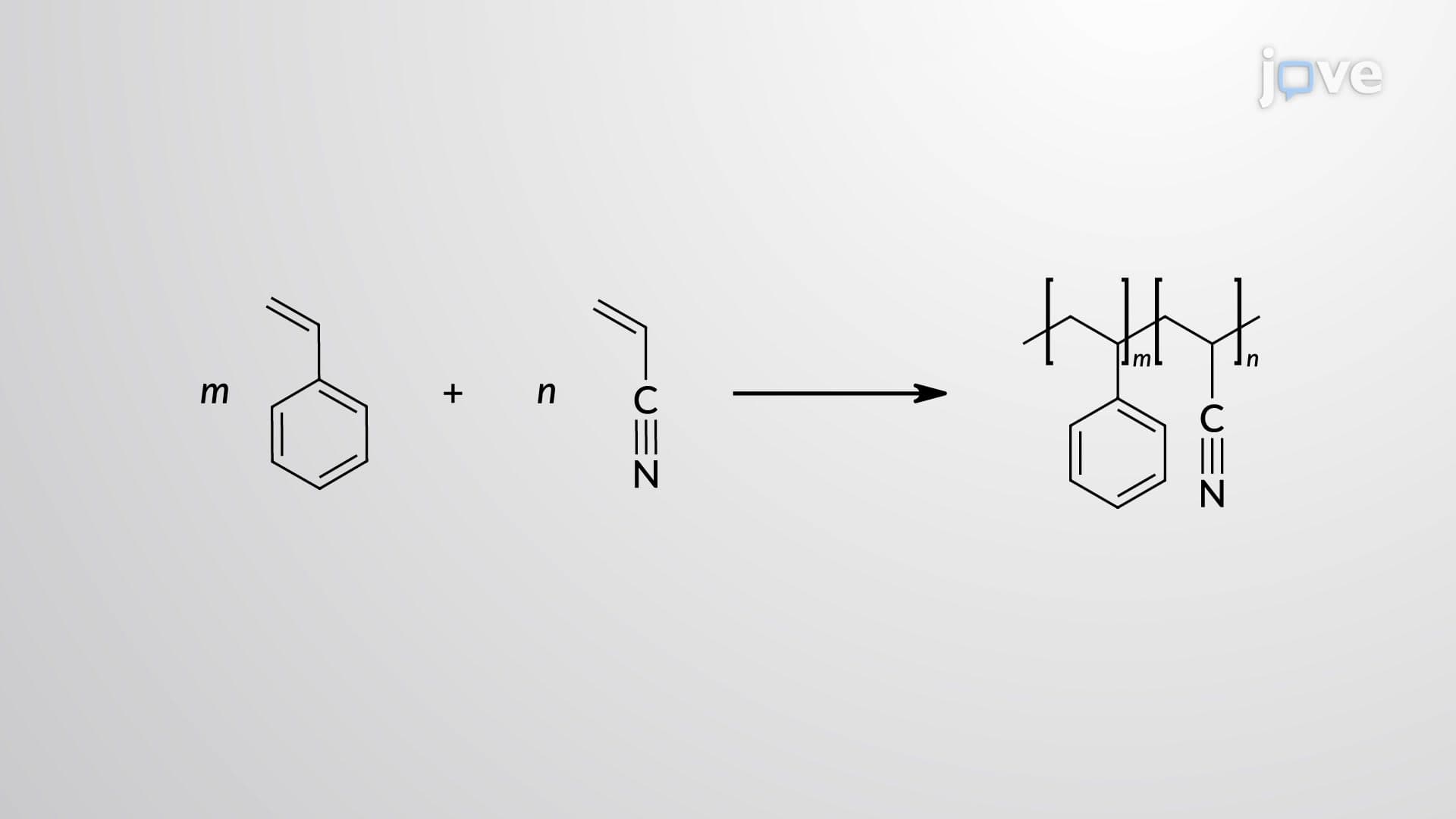
Did you know that the plastic components in your smartphone case and car bumpers are made from copolymers with precisely controlled characteristics and nomenclature? Copolymers form when two or more different monomers polymerize together, creating materials like polystyrene-co-acrylonitrile used in electronics manufacturing. Understanding the characteristics and nomenclature of copolymers explained helps predict material properties and applications. Watch the full video on JoVE Coach to master this concept with expert-led visuals and step-by-step explanations.
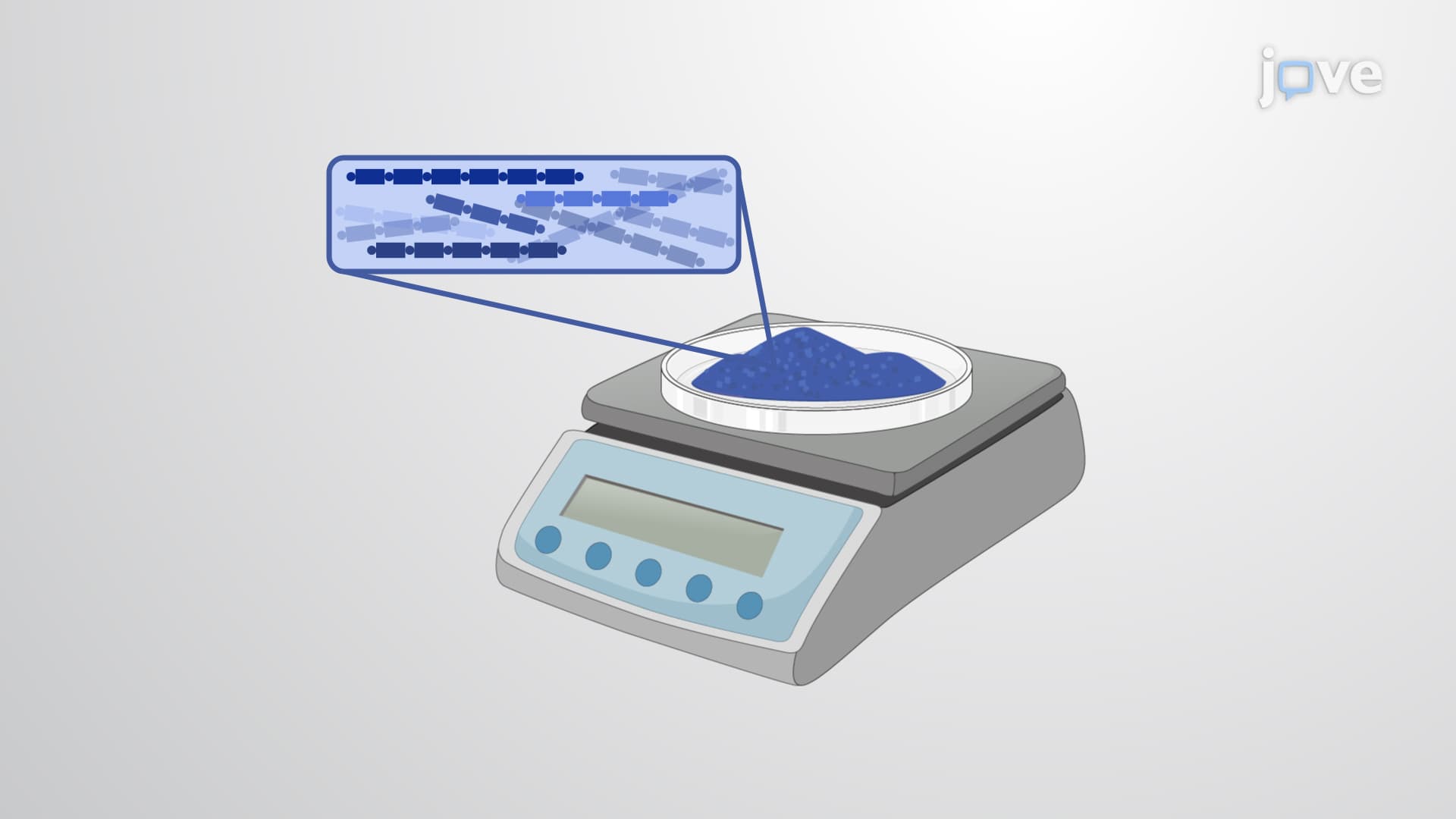
Copolymers represent one of the most versatile classes of synthetic materials, formed through the polymerization of two or more distinct monomers. Unlike homopolymers, which contain only one type of repeating unit, copolymers combine different monomer units to create materials with tailored properties. The systematic approach to copolymer nomenclature follows specific rules that reflect both composition and structure.
The naming system for copolymers incorporates several key elements: the prefix "poly," the infix "co," and the names of constituent monomers. For example, polystyrene-co-acrylonitrile clearly indicates a copolymer containing both styrene and acrylonitrile units. This nomenclature system helps chemists and engineers immediately understand the material's composition. In advanced polymer chemistry courses and AP Chemistry exams, students must master these naming conventions to accurately describe synthetic materials.
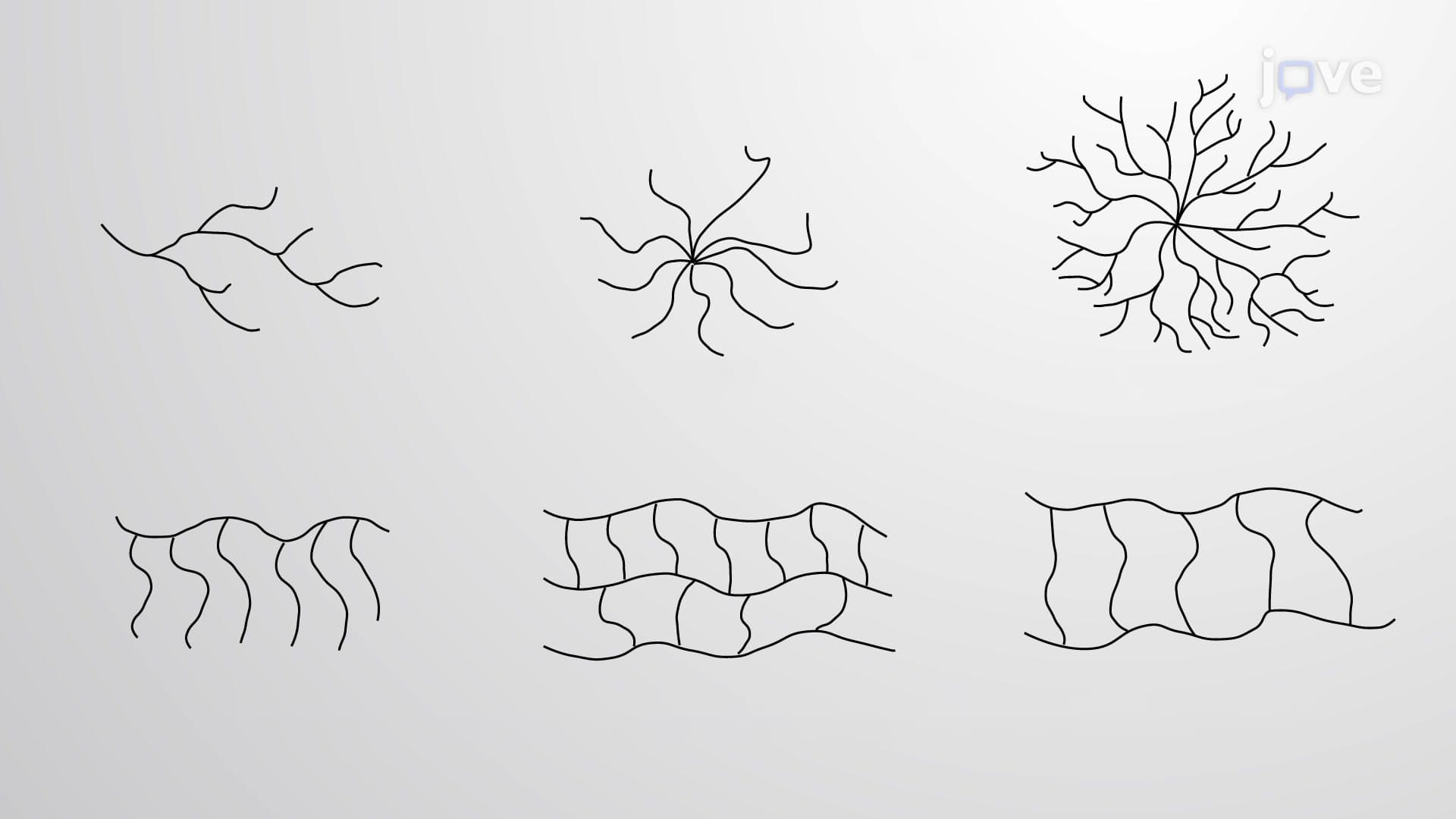
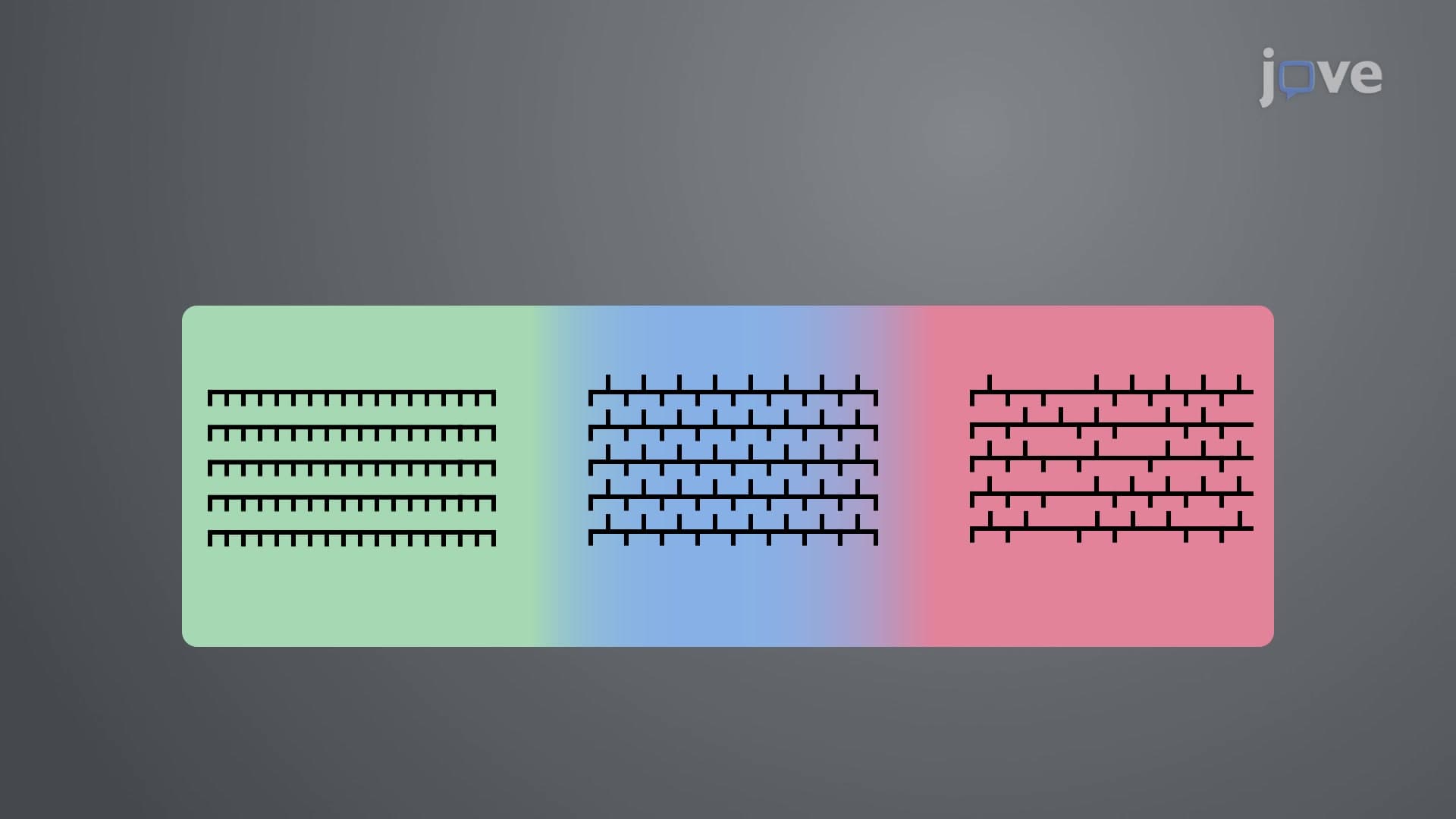
Copolymer characteristics depend heavily on how monomers arrange during polymerization. Alternating copolymers form when each monomer preferentially bonds to the other type, creating a regular ABABAB pattern. Random copolymers result from equal bonding preferences between homo- and copolymerization, producing irregular sequences. Block copolymers consist of distinct homopolymer segments, while graft copolymers feature one polymer type grafted onto another's backbone. These structural differences dramatically affect material properties-alternating copolymers often show intermediate properties, while block copolymers can exhibit phase separation.
Understanding copolymer characteristics proves essential in numerous US industries. Styrene-acrylonitrile (SAN) copolymers appear in household appliances and automotive components due to their excellent chemical resistance and transparency. ABS (acrylonitrile-butadiene-styrene) terpolymers combine three monomers to create the tough, impact-resistant plastics used in LEGO bricks and computer keyboards. The pharmaceutical industry relies on copolymers for controlled drug delivery systems, where specific monomer ratios determine release rates. For students preparing for MCAT or pursuing chemical engineering degrees, recognizing these structure-property relationships becomes crucial for predicting material behavior and designing new polymeric systems.
Related Micro-courses