Loading video…


 20 Concepts
 58.7K views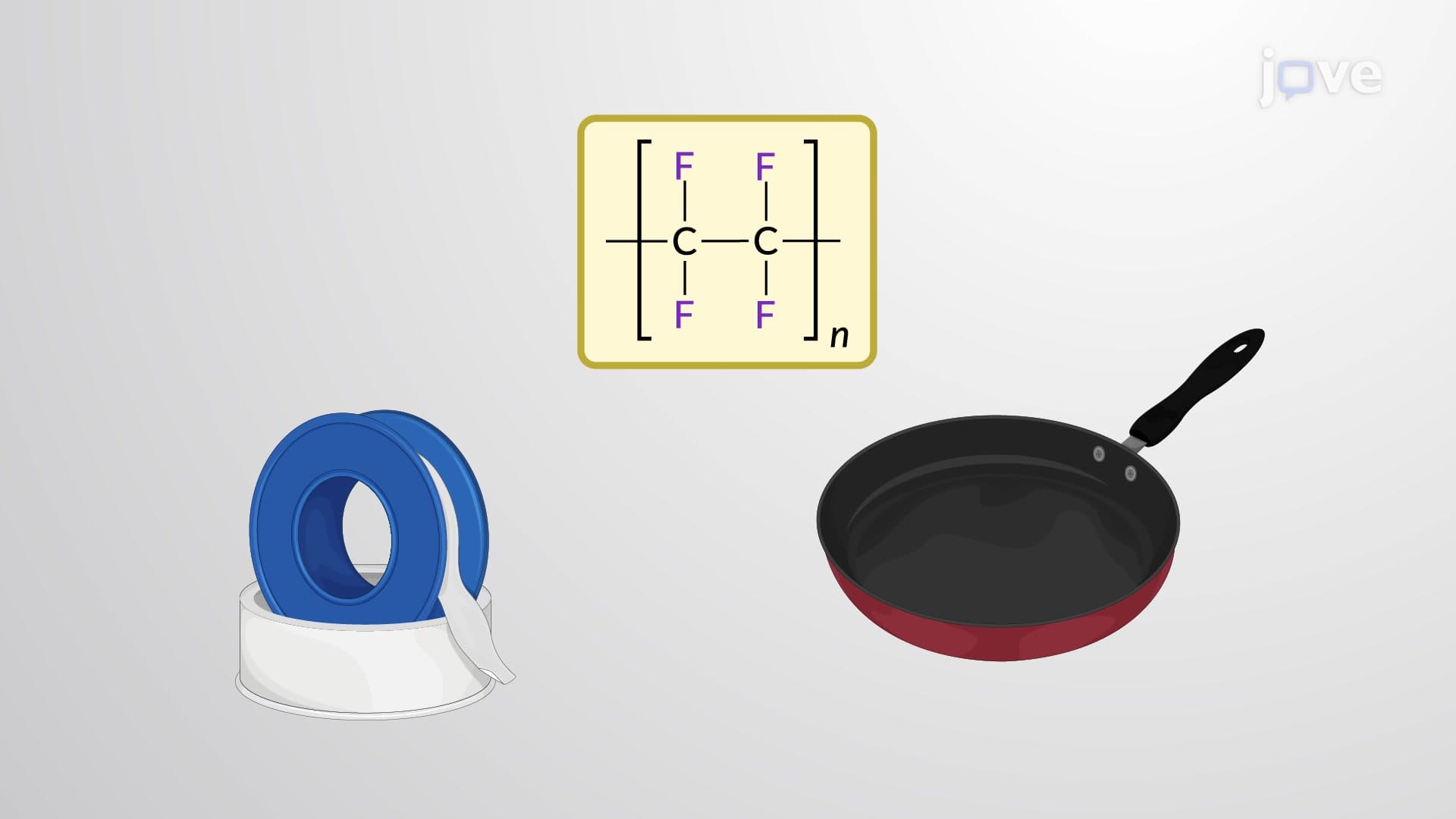

Video Summary: Characteristics and Nomenclature of Homopolymers Explained
Did you know that the plastic water bottle you drank from today contains millions of identical molecular chains all linked together? The characteristics nomenclature homopolymers system helps us understand how these uniform polymer chains are structured and named. For example, the polyethylene terephthalate (PET) in your bottle follows specific naming conventions that reveal its molecular composition. Watch the full video on JoVE Coach to master this concept with expert-led visuals and step-by-step explanations.
Homopolymers represent one of the most fundamental categories in polymer chemistry, distinguished by their uniform composition of identical monomer units. This uniformity creates predictable properties that make homopolymers essential in countless applications, from the polystyrene foam in your takeout container to the polyvinyl chloride (PVC) pipes in American homes.
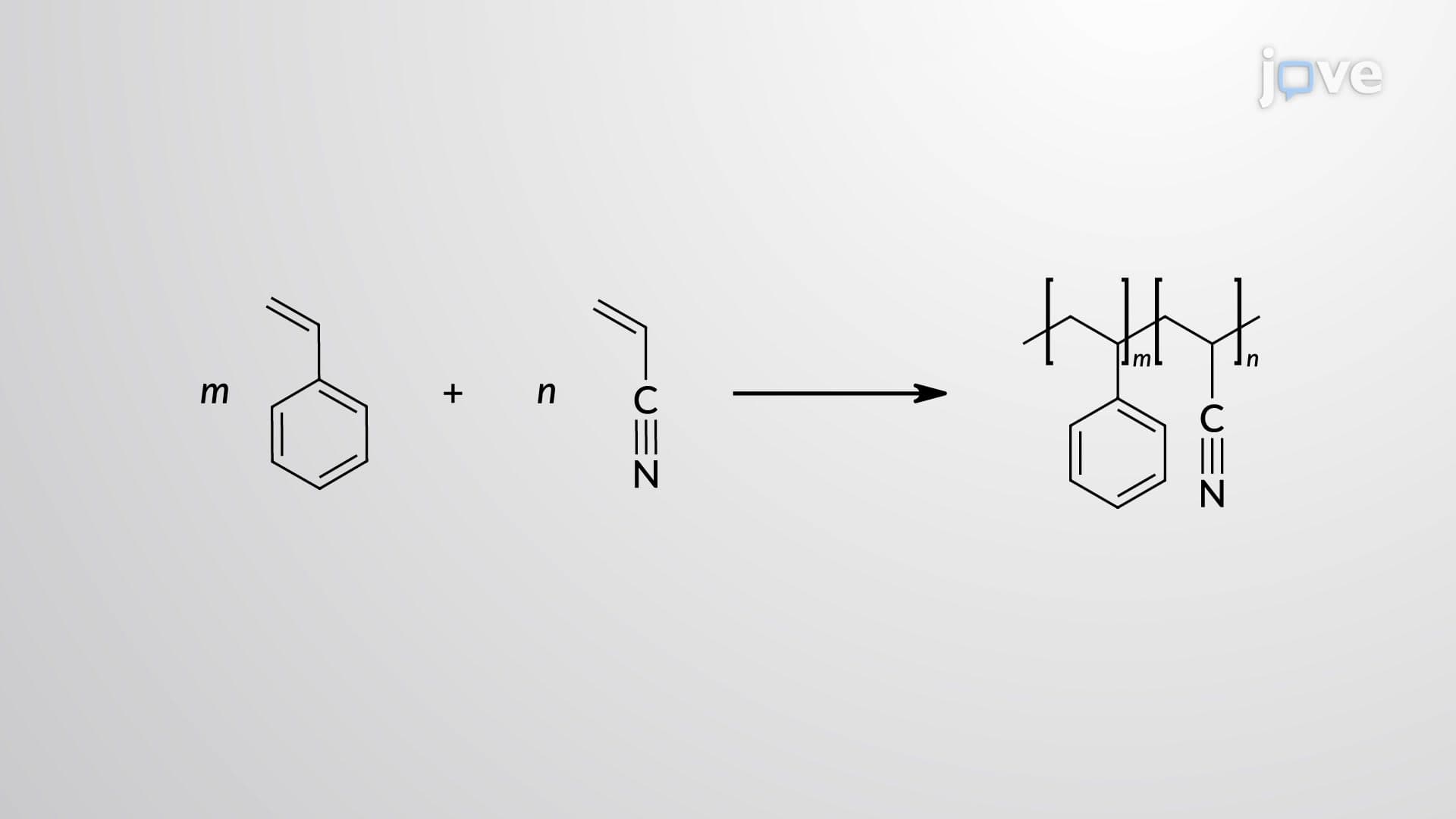
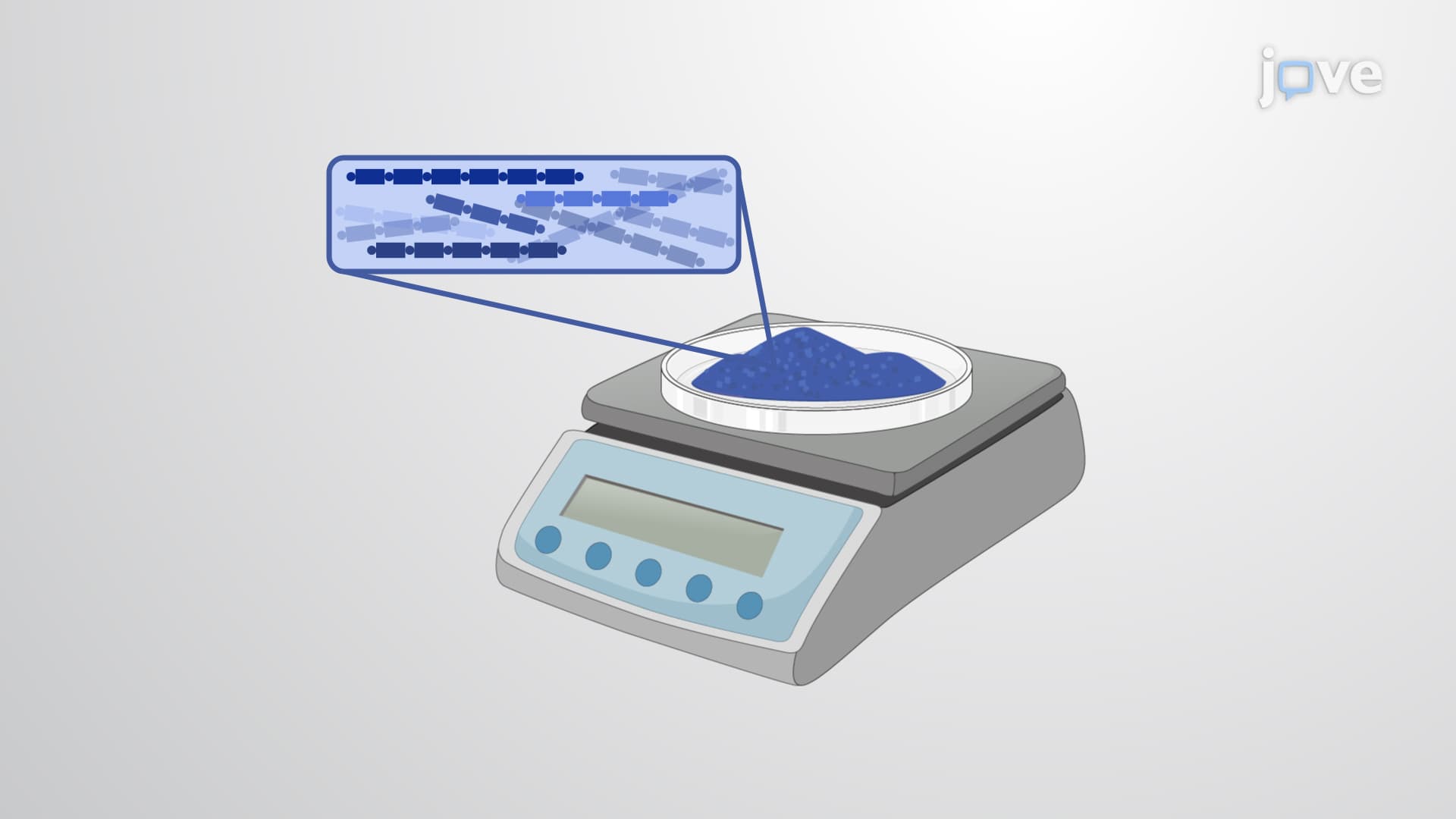
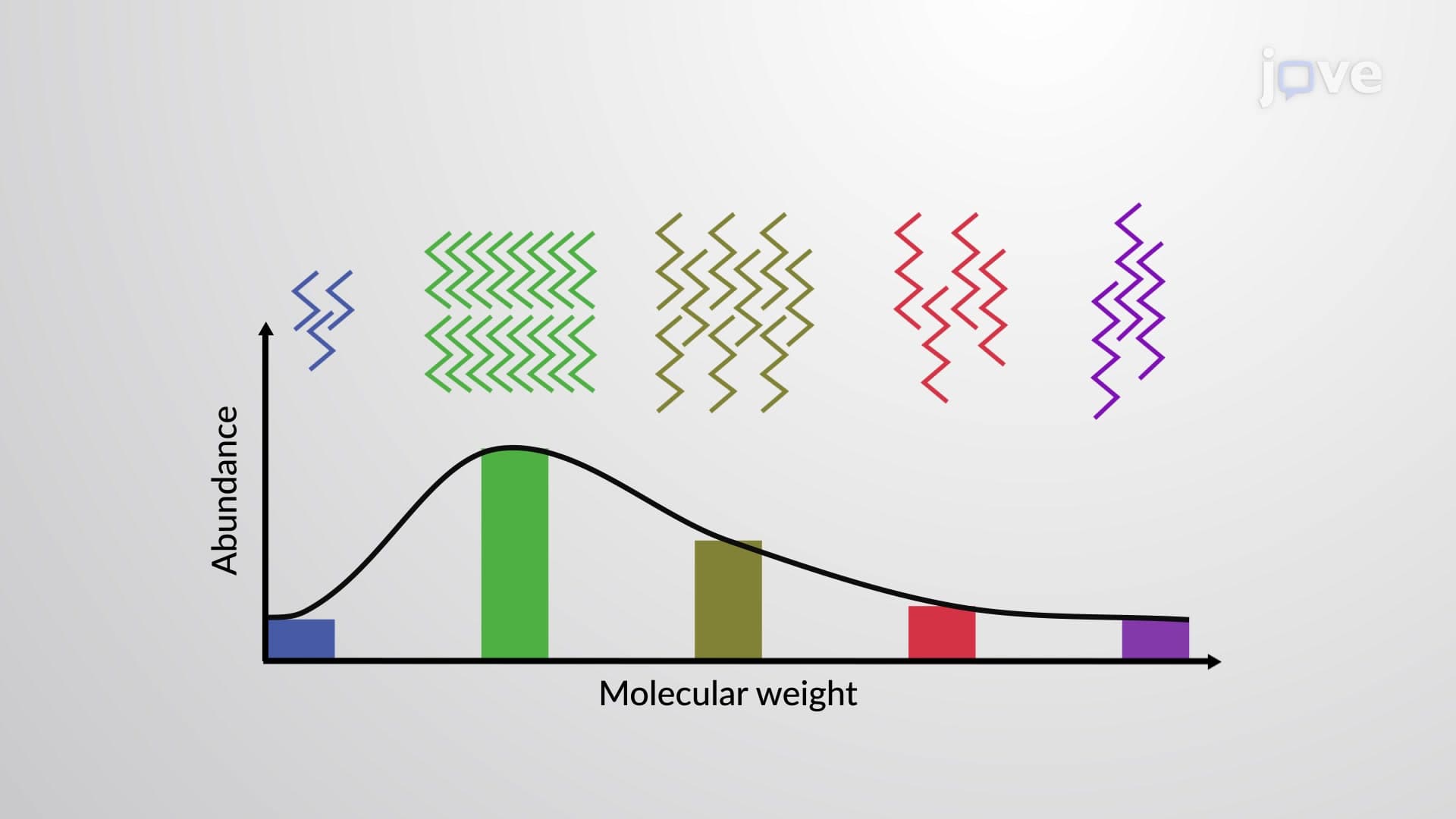
The defining characteristic of homopolymers lies in their repeating unit uniformity. Unlike copolymers that incorporate multiple monomer types, homopolymers maintain consistent chemical structure throughout their chain length. This consistency translates to predictable physical properties, making them ideal for standardized manufacturing processes. The degree of polymerization (DP) indicates how many monomer units link together, directly influencing properties like molecular weight and material strength.
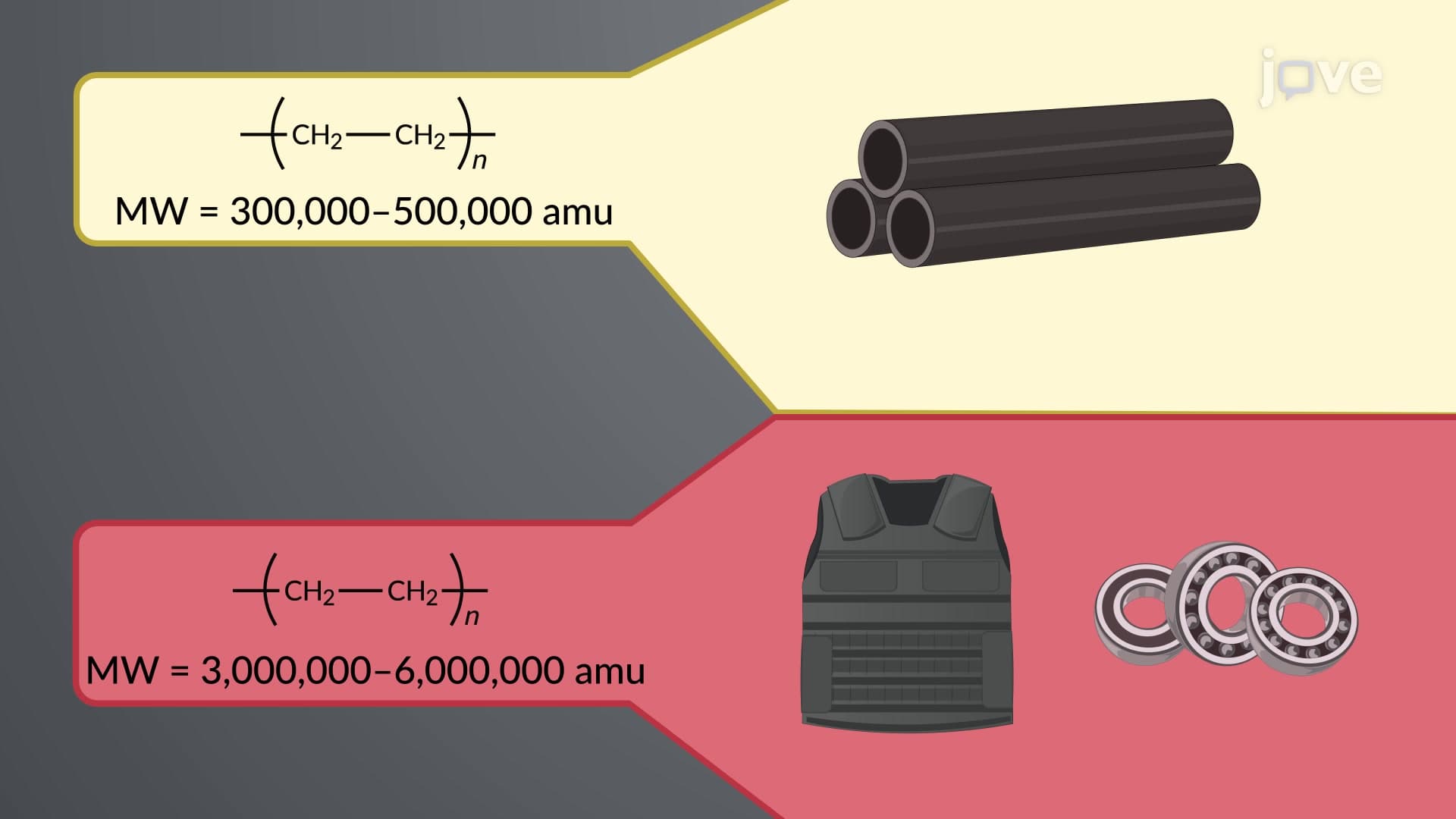
The International Union of Pure and Applied Chemistry (IUPAC) established clear guidelines for homopolymer nomenclature. The standard format places the repeating unit within brackets or parentheses, followed by a subscript indicating the degree of polymerization. For instance, polyethylene appears as [-CH₂-CH₂-]n, where 'n' represents the number of repeating units. When monomer names contain multiple words or prefixes, parentheses become essential for clarity, as seen in poly(vinyl chloride).
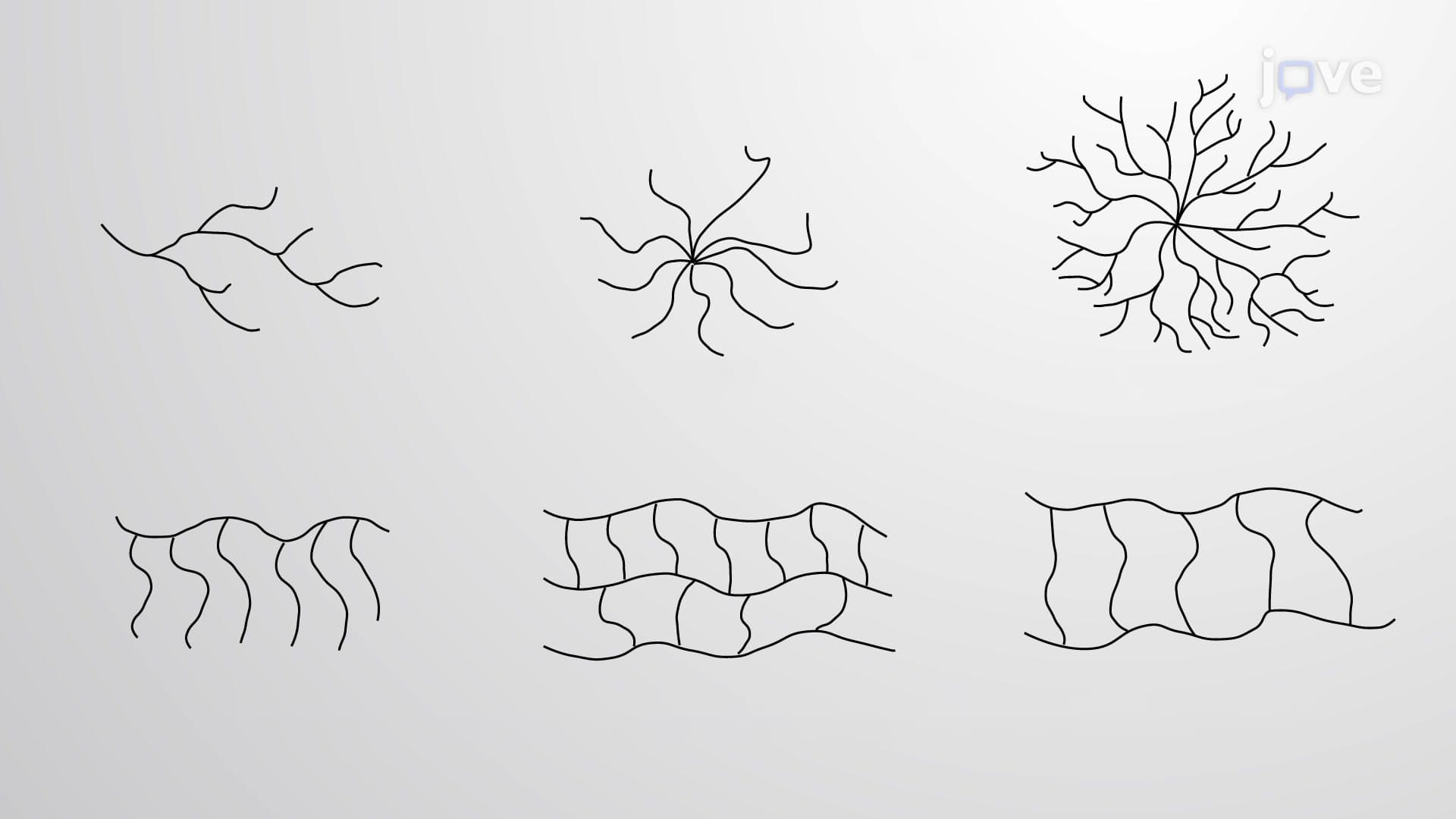
Complex homopolymers often require additional notation elements. Stereochemical descriptors (like isotactic or syndiotactic), locant numbers, and functional group indicators may precede the "poly-" prefix to provide complete structural information. However, many polymers gain recognition through trade names rather than systematic nomenclature. Polytetrafluoroethylene, commonly known as Teflon®, exemplifies how commercial names often overshadow scientific terminology in practical applications.
Students preparing for AP Chemistry or college organic chemistry courses should master both systematic and common naming systems. The MCAT frequently tests polymer recognition skills, while industrial chemistry careers require fluency in trade name-to-structure relationships. Understanding these nomenclature principles proves essential for materials science applications, pharmaceutical development, and chemical engineering processes throughout American industry.
Related Micro-courses