Loading subject page…


58,700 views


Video Summary: Molecular Weight of Step Growth Polymers Explained
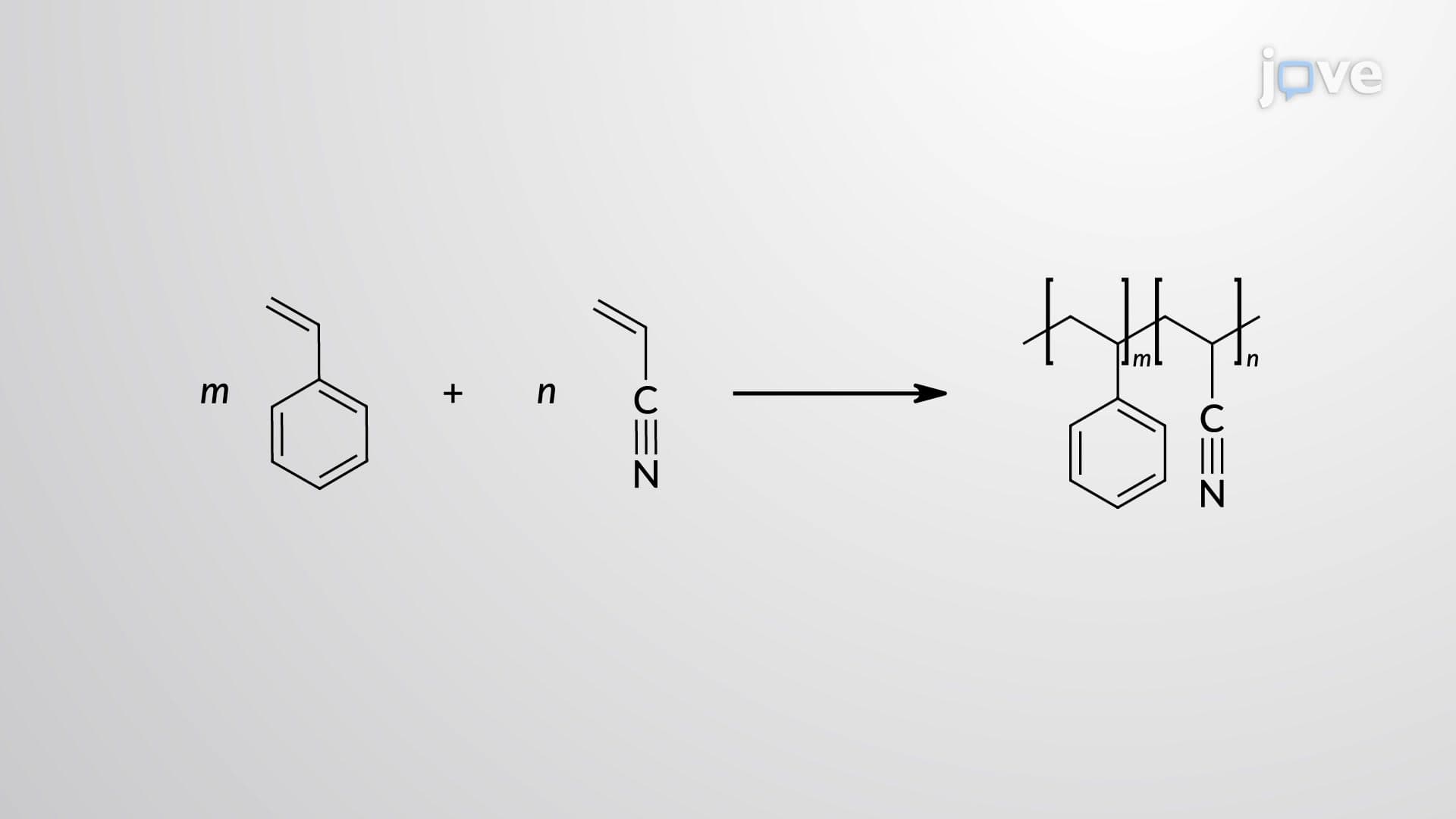
Ever wonder how the plastic in your smartphone case gradually builds its strength during manufacturing? The molecular weight step growth process reveals why these materials start weak but become incredibly durable over time. Unlike typical chemical reactions that happen instantly, step-growth polymerization creates materials like nylon and polyester through a fascinating slow-build process where molecular weight of step growth polymers explained shows how tiny molecules gradually link into massive chains. Watch the full video on JoVE Coach to master this concept with expert-led visuals and step-by-step explanations.
The molecular weight of step growth polymers explained reveals one of chemistry's most elegant building processes. Unlike chain-growth polymerization where molecular weight jumps rapidly, step-growth systems build polymer chains through patient, methodical construction. This fundamental difference impacts everything from manufacturing timelines to final material properties.
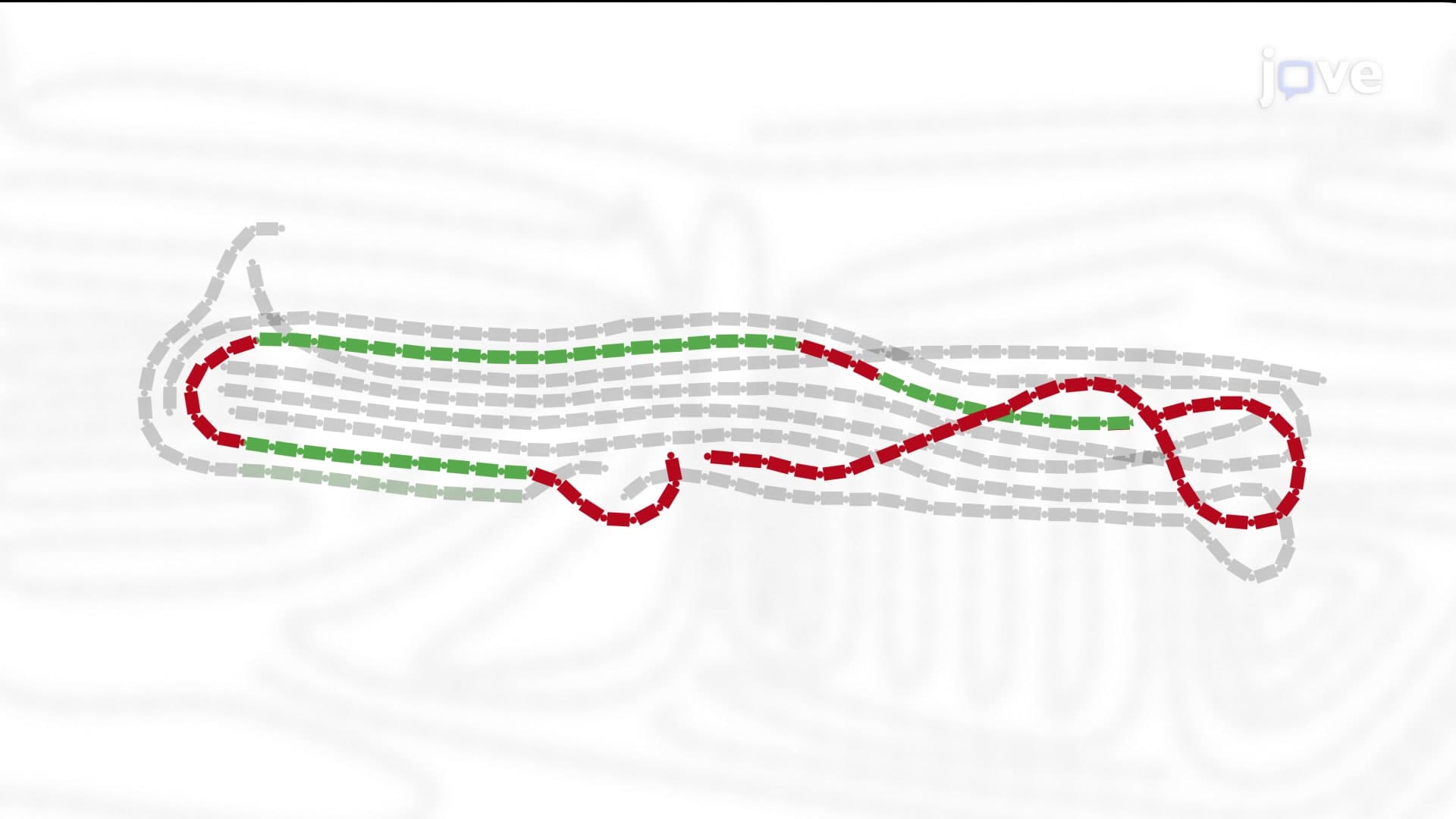
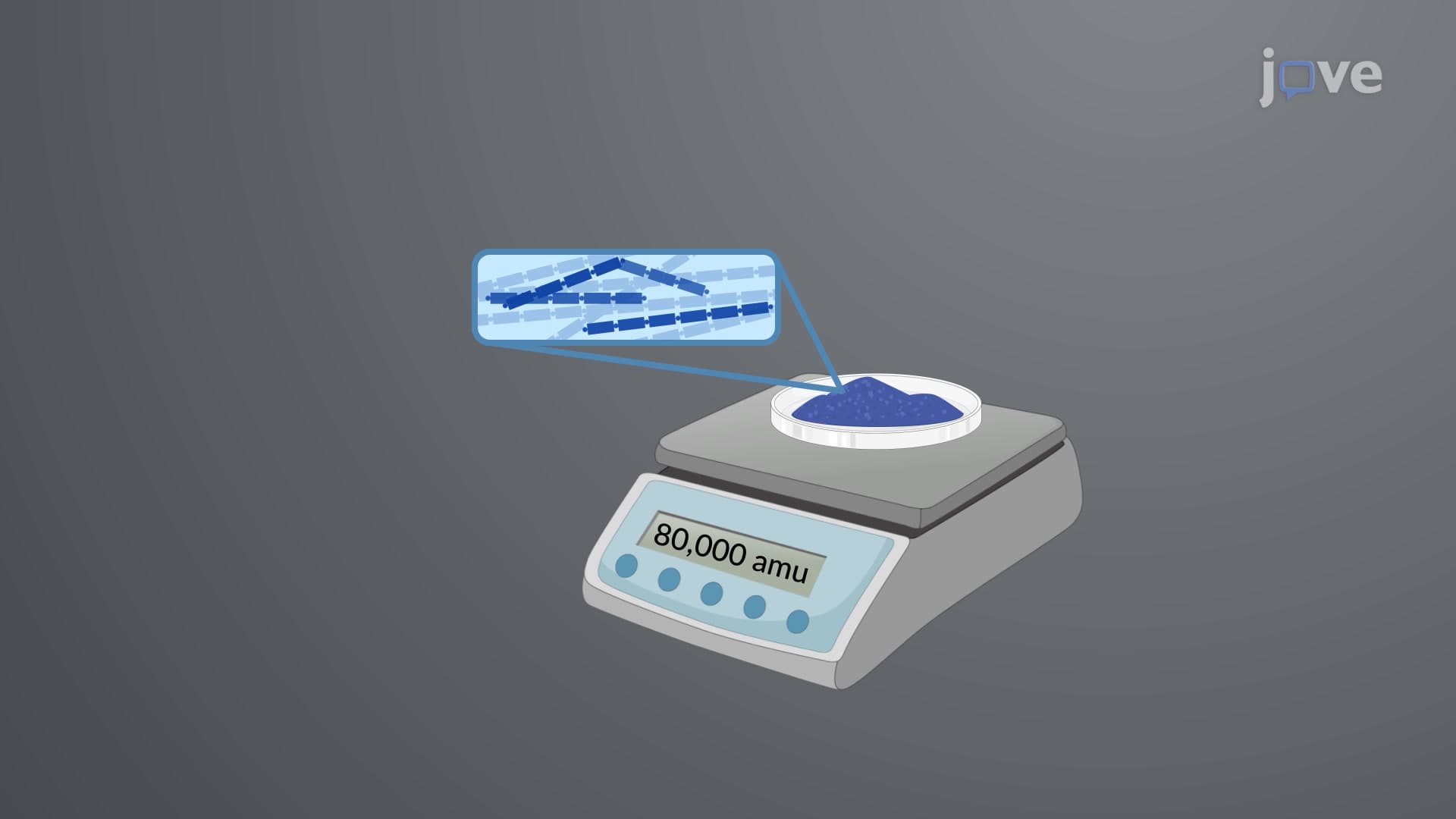
During initial polymerization phases, the molecular weight step growth process creates predominantly low-weight species. Bifunctional monomers-molecules with two reactive sites-begin linking to form dimers (two units), trimers (three units), and tetramers (four units). At this stage, even with 50% monomer consumption, the average molecular weight remains surprisingly low because most molecules are still small oligomers rather than true polymers.
This early-stage behavior explains why materials like polyester resins remain liquid during initial processing. In US textile manufacturing, this principle allows processors to maintain workable viscosity while building molecular framework-crucial for applications from DuPont's Kevlar production to automotive composite manufacturing.
The most fascinating aspect of what is molecular weight of step growth polymers lies in the dramatic transition occurring around 99% monomer conversion. Before this point, small chains primarily react with remaining monomers or other small chains. However, once monomer concentration drops sufficiently, larger oligomers begin reacting with each other, creating an exponential molecular weight increase.
This behavior directly impacts AP Chemistry and college organic chemistry coursework, where students must understand why step-growth polymers require near-complete conversion for useful properties. On the MCAT, this concept frequently appears in polymer chemistry passages, particularly regarding biocompatible materials like surgical sutures.
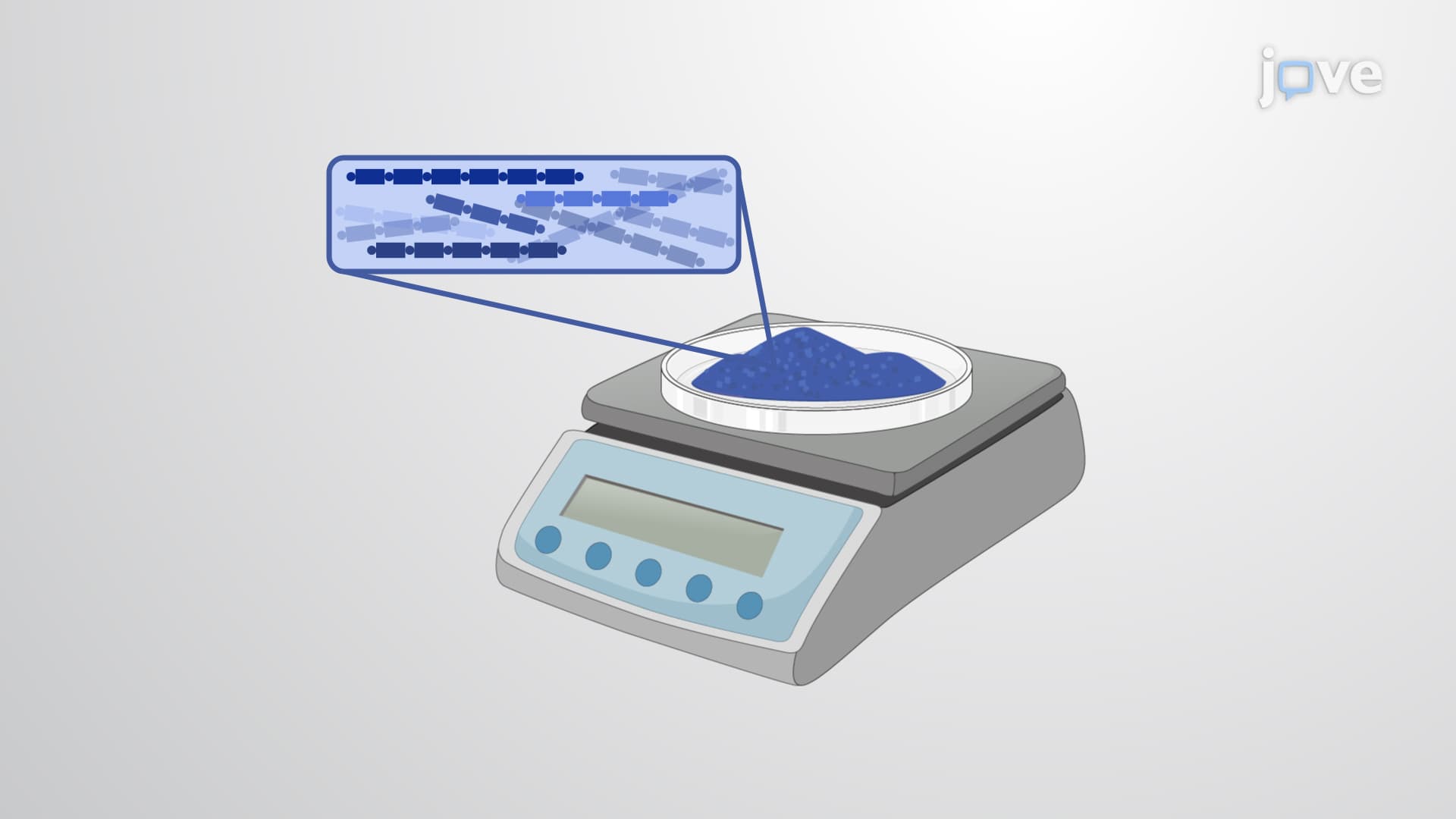
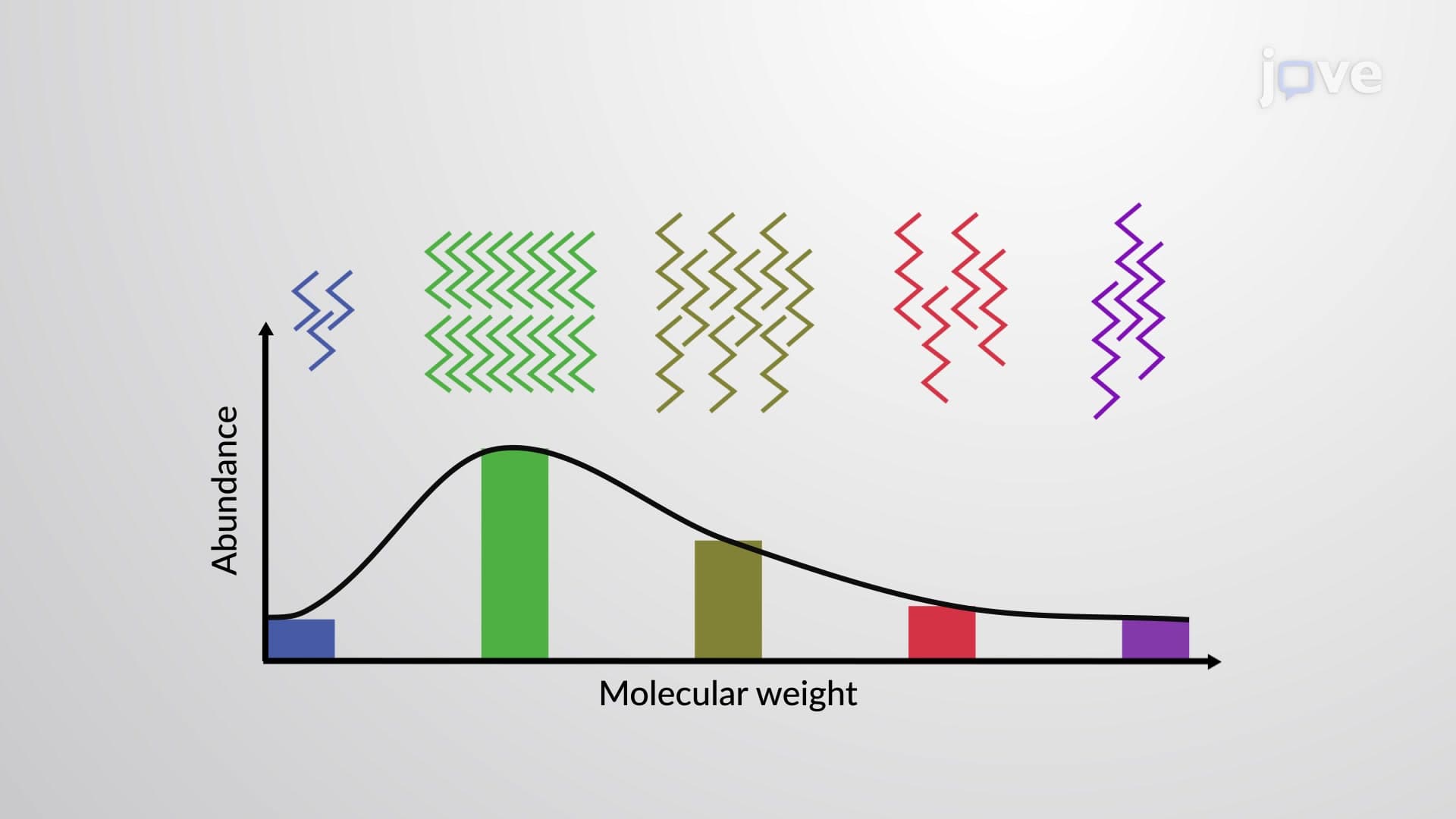
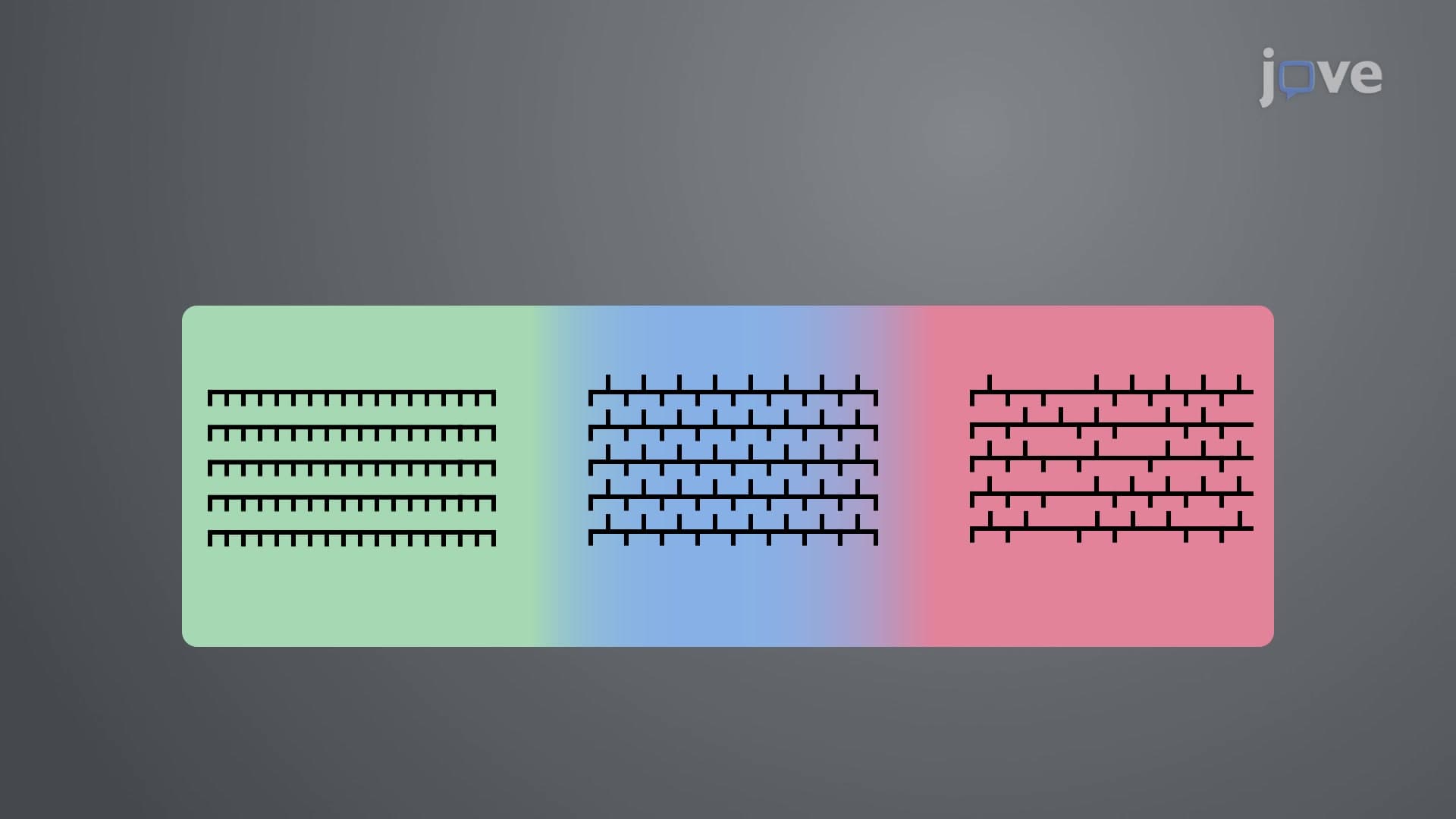
Step-growth polymers characteristically exhibit polydispersity indices greater than one, indicating broad molecular weight distributions. Unlike living polymerization systems that produce narrow distributions, step-growth mechanisms inherently create chains of varying lengths. This distribution affects material properties-broader distributions often provide better processability but may compromise some mechanical properties.
Understanding these distribution patterns proves essential for materials science applications across industries, from 3M's adhesive technologies to biomedical device manufacturing where controlled polymer properties ensure patient safety and device performance.
Related Micro-courses