Loading subject page…


58,700 views

Video Summary: Radical Chain Growth Polymerization Chain Branching Explained
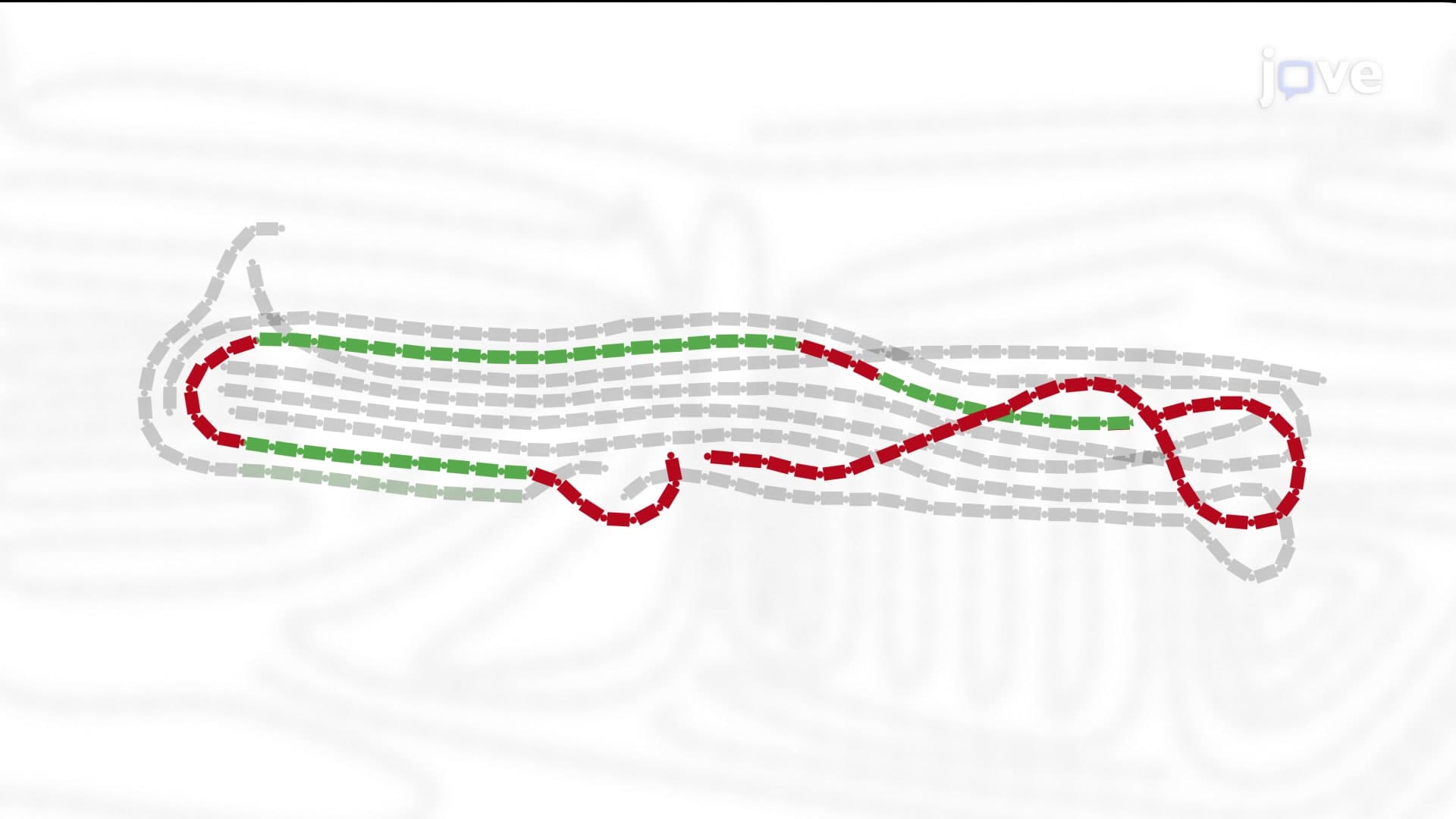
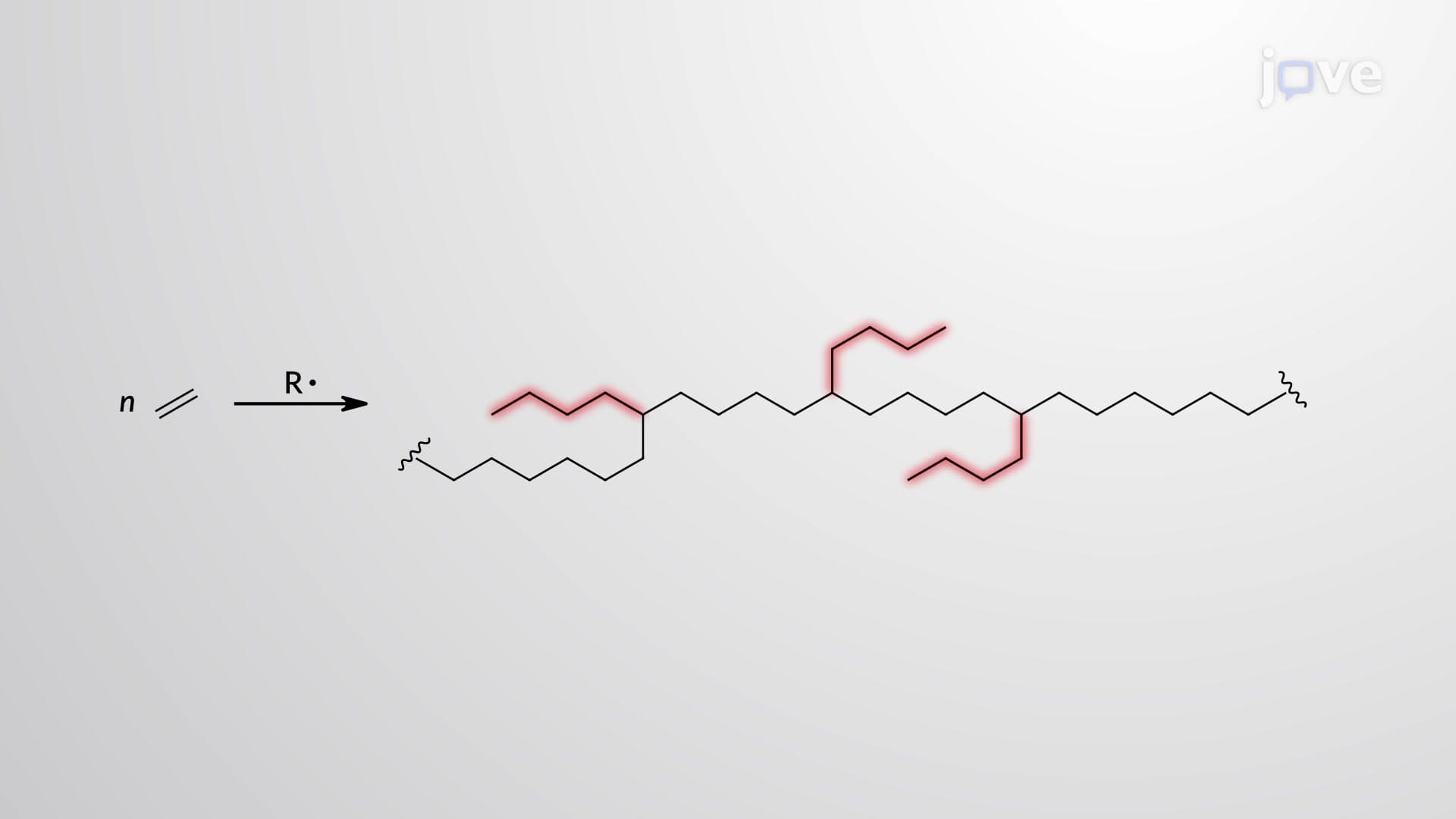
Did you know that the plastic bags at your local Walmart are made through a process that creates thousands of molecular branches? Radical chain growth polymerization naturally produces branched polymer structures, unlike other polymerization methods that create linear chains. For instance, when ethylene undergoes free-radical polymerization, it forms low-density polyethylene with extensive branching - the same material used in everyday plastic shopping bags and food storage containers. This Radical Chain Growth Polymerization Chain Branching Explained demonstrates how reactive radicals steal hydrogen atoms from polymer chains, creating branch points that determine the final material properties. Watch the full video on JoVE Coach to master this concept with expert-led visuals and step-by-step explanations.
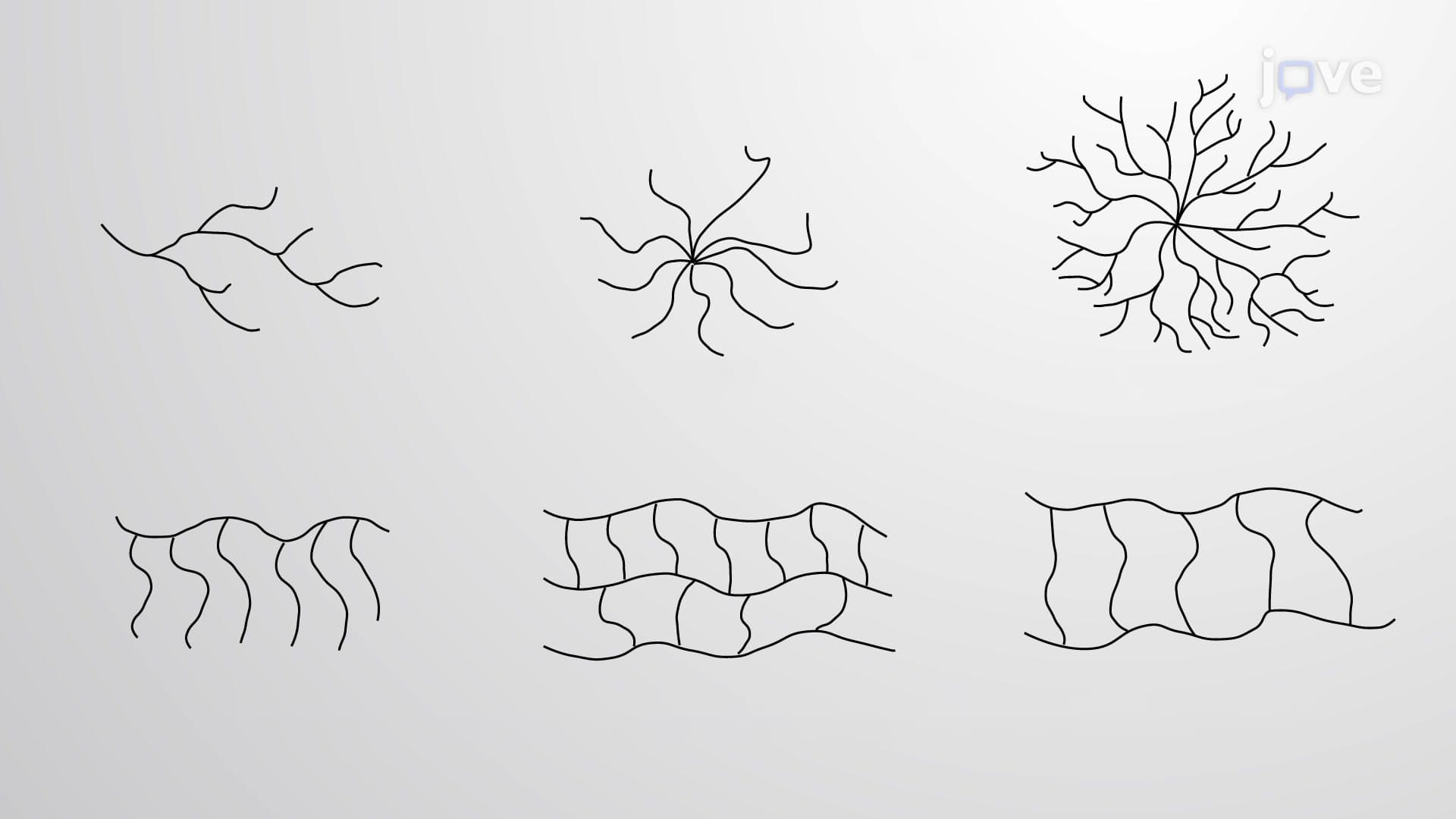
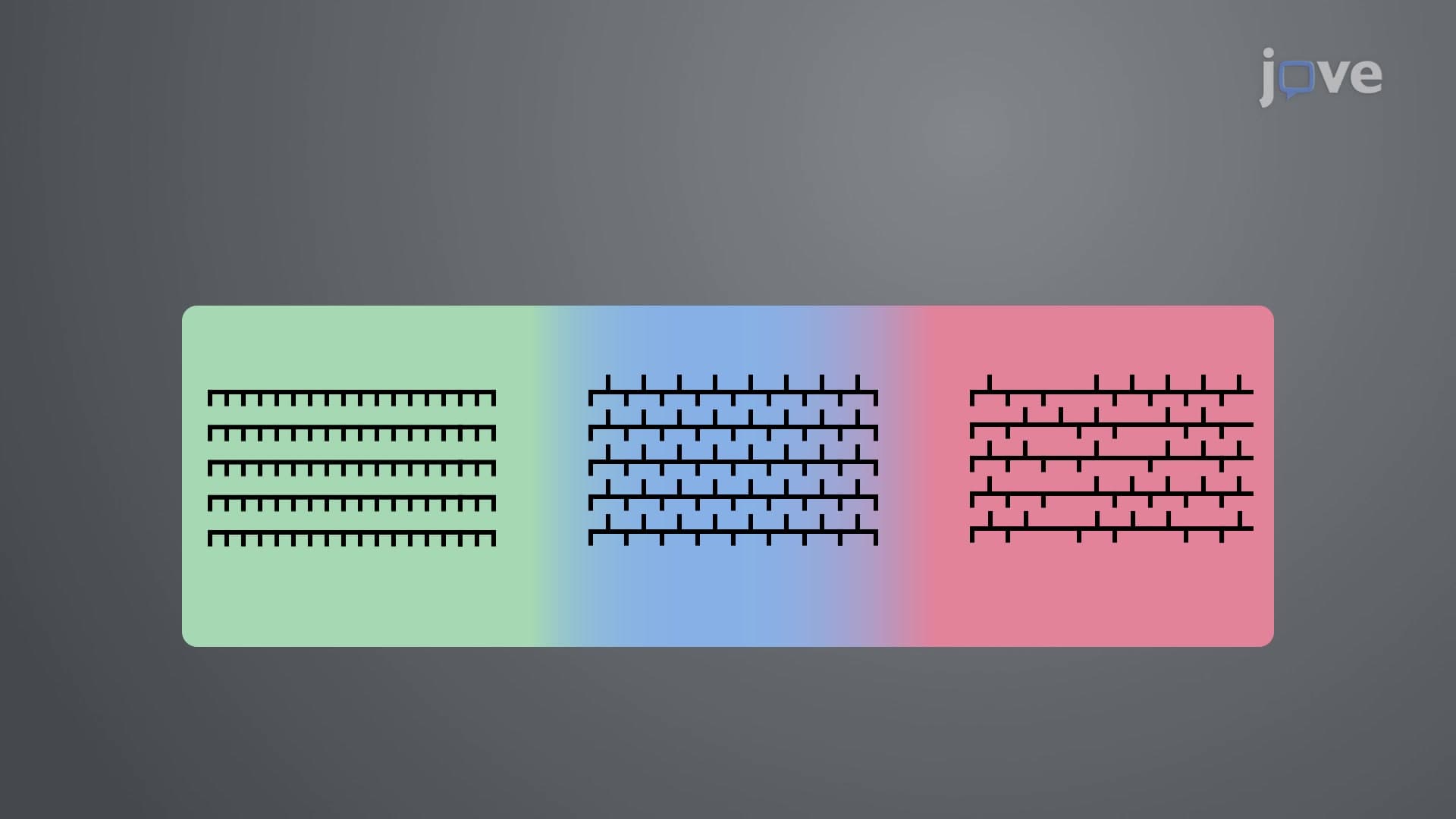
Radical chain growth polymerization chain branching represents a fundamental departure from the linear polymer growth many students initially envision. Unlike step-growth polymerization that creates relatively uniform structures, radical chain growth inherently produces branched architectures due to the high reactivity of radical species. This branching phenomenon explains why materials like low-density polyethylene (LDPE) have different properties compared to their linear counterparts.
The core mechanism driving chain branching involves hydrogen abstraction by highly reactive radical centers. These radicals can "steal" hydrogen atoms from two distinct locations: intramolecularly (from the same growing chain) or intermolecularly (from separate polymer chains). This abstraction creates a new radical site within the polymer backbone, effectively transferring the active propagation center from the chain end to an interior position.
Students preparing for the MCAT or AP Chemistry exams should recognize that this process violates the typical "addition to chain end" pattern, creating branch points that fundamentally alter polymer topology. The abstraction site becomes the new growth center, while the original chain end becomes a branch terminus.
Intramolecular hydrogen abstraction shows remarkable selectivity, with 1,5-abstraction strongly favored over other possibilities. This preference stems from the formation of a stable six-membered transition state that resembles cyclohexane's chair conformation - a geometry familiar to students from organic chemistry coursework. The resulting polymer contains characteristic butyl (four-carbon) branches.
Intermolecular abstraction operates differently, creating branches whose length depends entirely on the distance between the abstraction site and the nearest chain end. This randomness contributes to the heterogeneous branching patterns observed in commercial LDPE production.
Understanding radical chain growth polymerization chain branching proves essential for students pursuing careers in materials science, chemical engineering, or polymer chemistry. Companies like DuPont and ExxonMobil rely on controlled branching to engineer specific polymer properties. For college organic chemistry courses, this concept bridges fundamental radical chemistry with practical industrial applications, appearing frequently on midterm examinations and comprehensive finals.
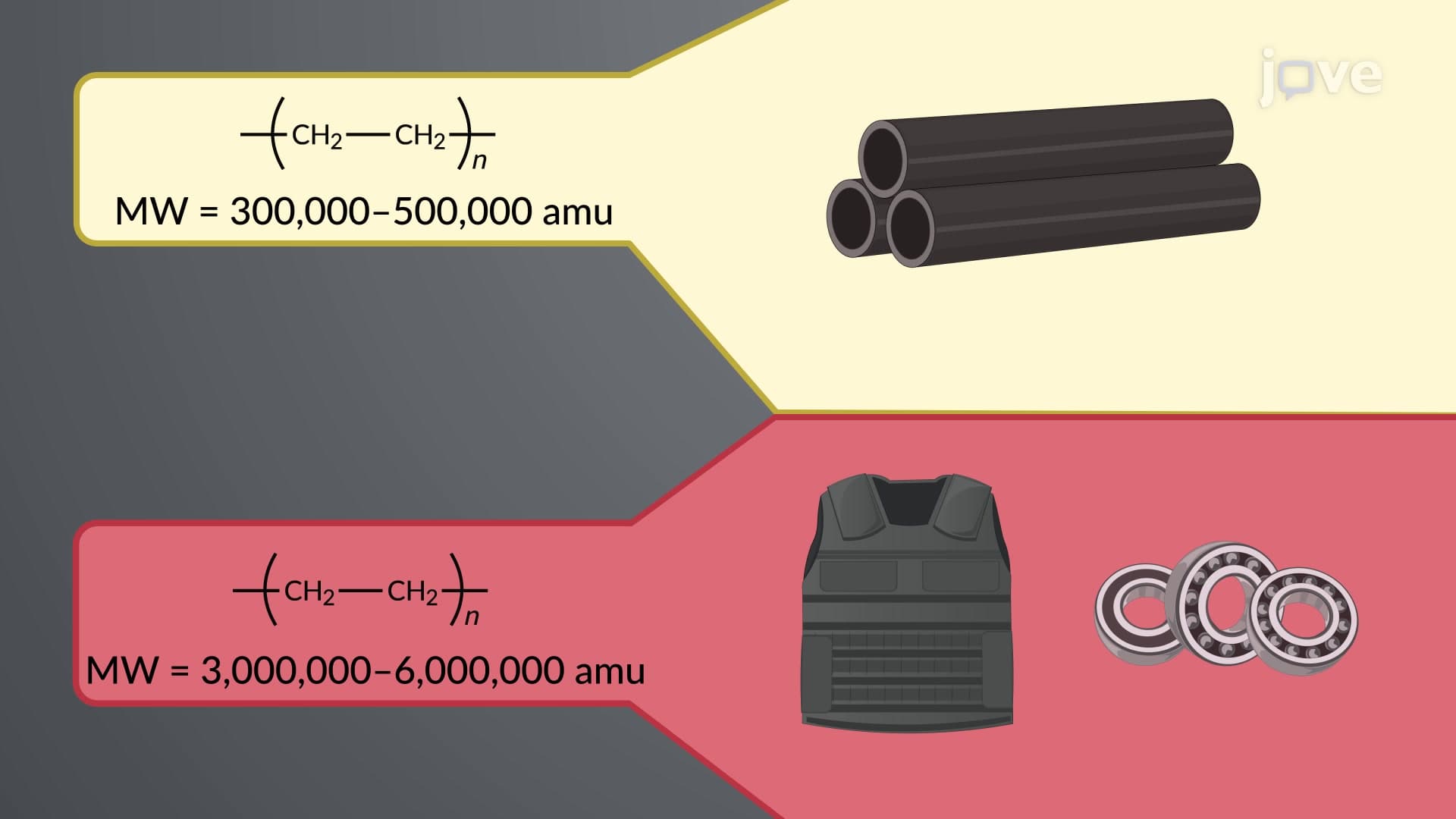
The branching density directly influences material properties: heavily branched LDPE exhibits lower density and different mechanical properties compared to linear high-density polyethylene (HDPE), explaining why grocery bags feel different from milk jugs despite both being polyethylene-based.
Related Micro-courses