Loading subject page…

- Organic Chemistry
- Synthetic Polymers
- Anionic Chain-Growth Polymerization: Overview
Micro-course: Synthetic Polymers
58,700 views
Learn key concepts and earn your certificate.




Anionic Chain-Growth Polymerization: Overview

00:00
01:20
Video Summary: What Is Anionic Chain Growth Polymerization
Ever wonder why superglue bonds instantly to your fingers but takes time to work on other materials? Anionic chain growth polymerization explains this phenomenon through carbanion intermediates that drive rapid polymer formation. This process creates everyday plastics like polystyrene foam cups used across American restaurants and polyvinyl chloride pipes in US infrastructure. What is anionic chain growth polymerization becomes clear when examining how electron-withdrawing groups stabilize reactive intermediates. Watch the full video on JoVE Coach to master this concept with expert-led visuals and step-by-step explanations.
- Understand what is anionic chain growth polymerization and how carbanion intermediates drive the reaction mechanism
- Identify suitable monomers containing electron-withdrawing groups like acrylonitrile and styrene derivatives
- Analyze the role of nucleophilic initiators such as organolithium and Grignard reagents in starting polymerization
- Compare monomer reactivity based on the number of electron-withdrawing substituents present
- Evaluate how electron-withdrawing groups stabilize carbanion intermediates during chain propagation
- Apply knowledge to predict polymerization outcomes for common industrial monomers
- Recognize real-world polymer products like polystyrene, PVC, and cyanoacrylate adhesives
- Explore how trace nucleophiles can initiate polymerization in highly reactive monomer systems
Understanding Anionic Chain Growth Polymerization Fundamentals
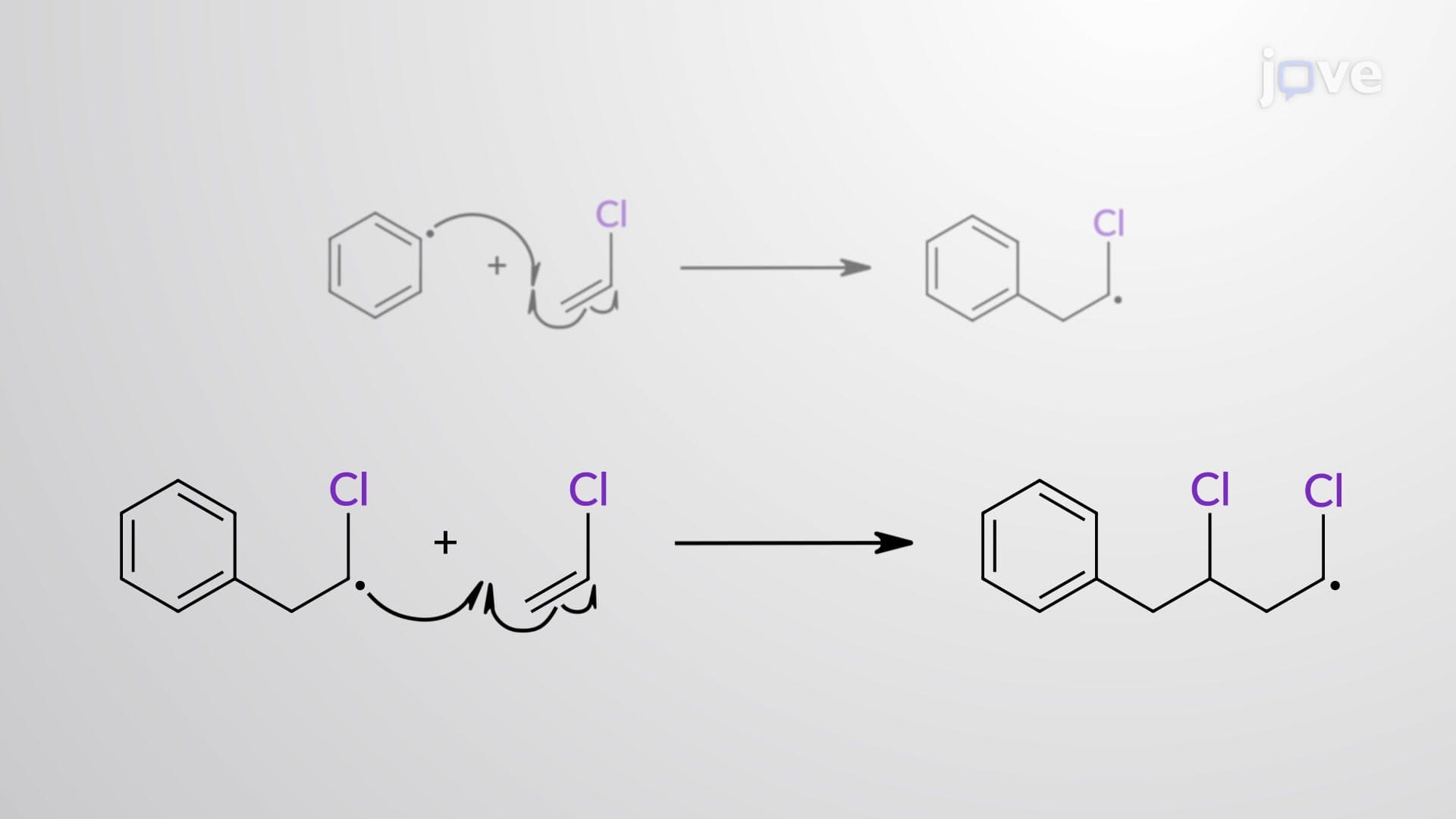
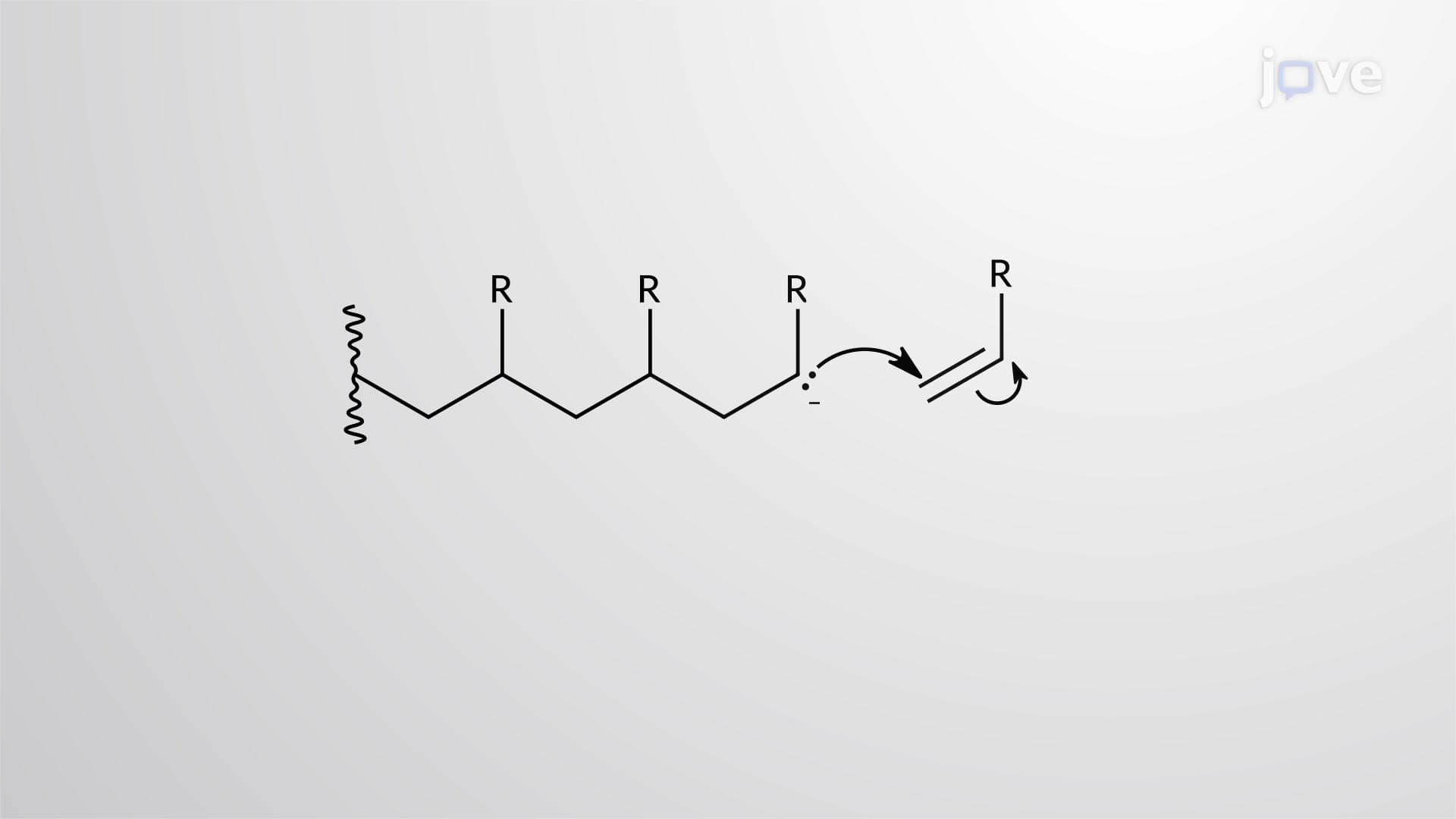
Anionic chain growth polymerization represents a crucial mechanism in polymer chemistry where carbanion intermediates propagate polymer chains through nucleophilic addition reactions. Unlike free radical polymerization, this process maintains ionic character throughout chain growth, enabling precise control over molecular weight and polymer architecture.
The mechanism begins when strong nucleophiles like butyllithium (commonly used in US polymer manufacturing) attack electron-deficient alkenes. These initiators must overcome the activation energy barrier, making monomer selection critical for successful polymerization.
Monomer Requirements and Electron-Withdrawing Groups
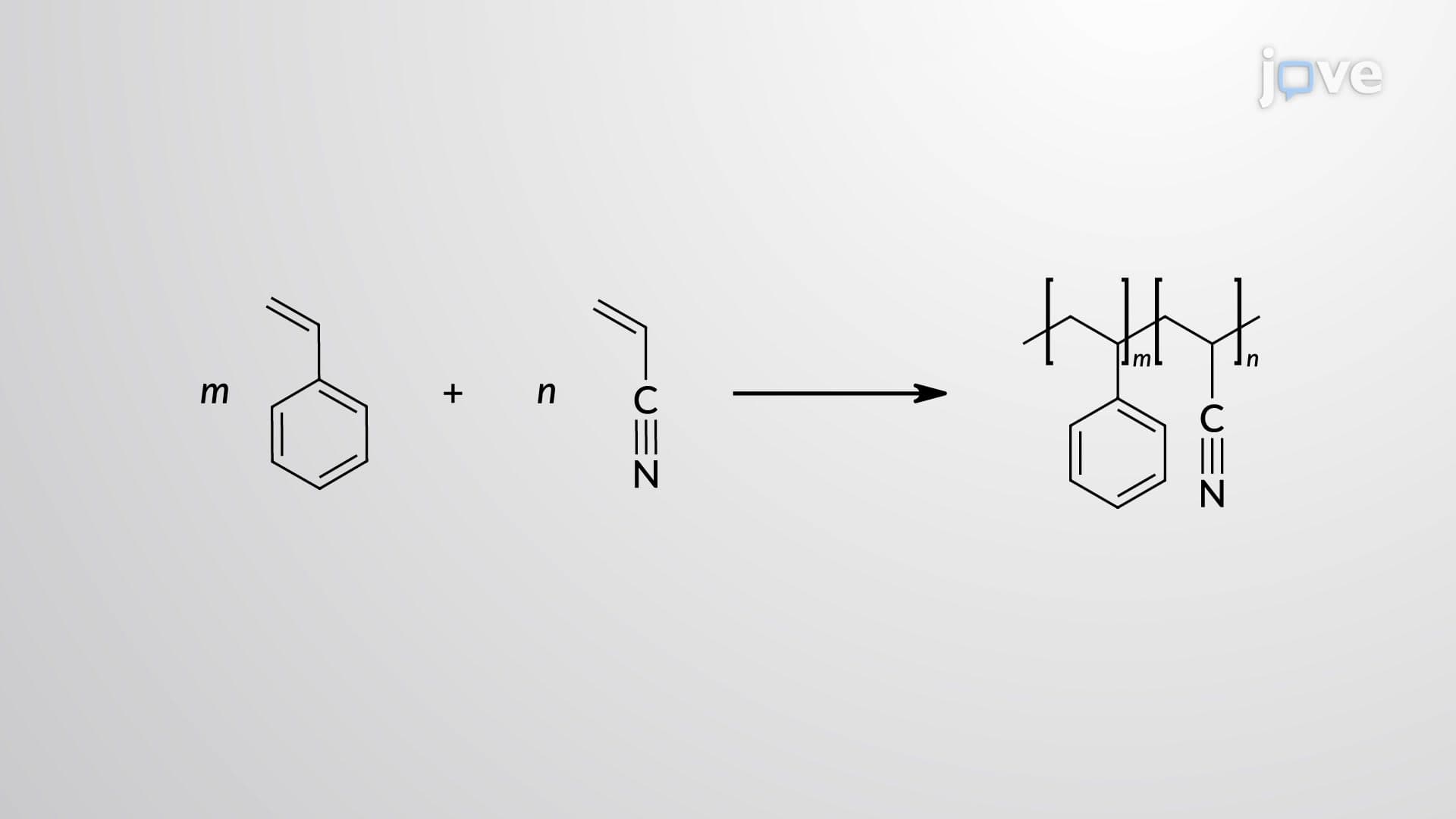
Successful anionic polymerization demands monomers with strategically positioned electron-withdrawing groups. Single electron-withdrawing substituents, such as the nitrile group in acrylonitrile or phenyl ring in styrene, provide sufficient carbanion stabilization without excessive reactivity. These monomers produce industrially important polymers like polyacrylonitrile (used in Orlon® and Acrilan® fibers manufactured in US textile facilities) and polystyrene (found in Styrofoam® products).
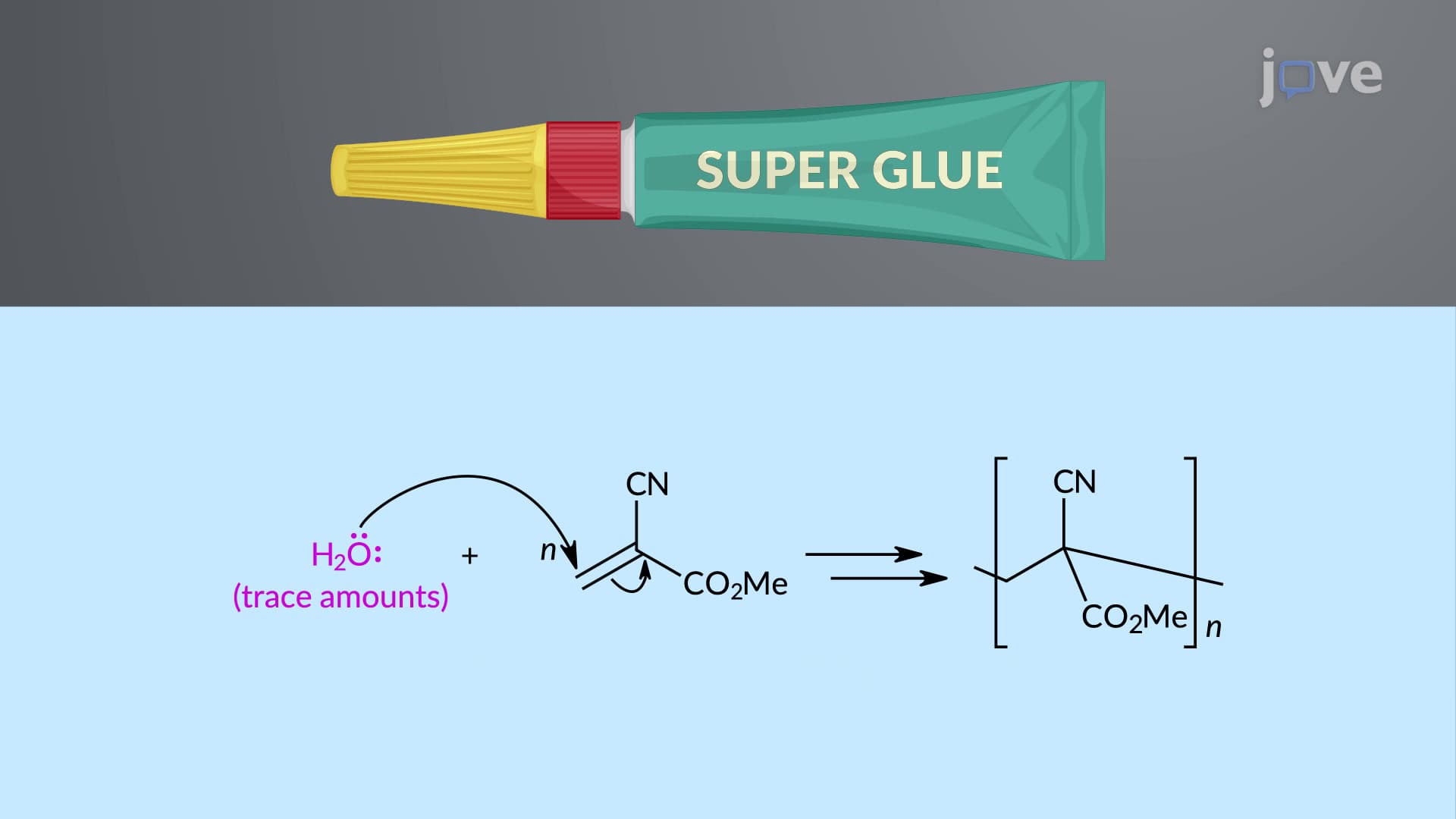
Monomers bearing multiple electron-withdrawing groups exhibit dramatically increased reactivity. Methyl cyanoacrylate exemplifies this principle-its two electron-withdrawing substituents (ester and nitrile groups) create such high reactivity that atmospheric moisture initiates rapid polymerization, explaining superglue's instant bonding properties.
Industrial Applications and Polymer Properties
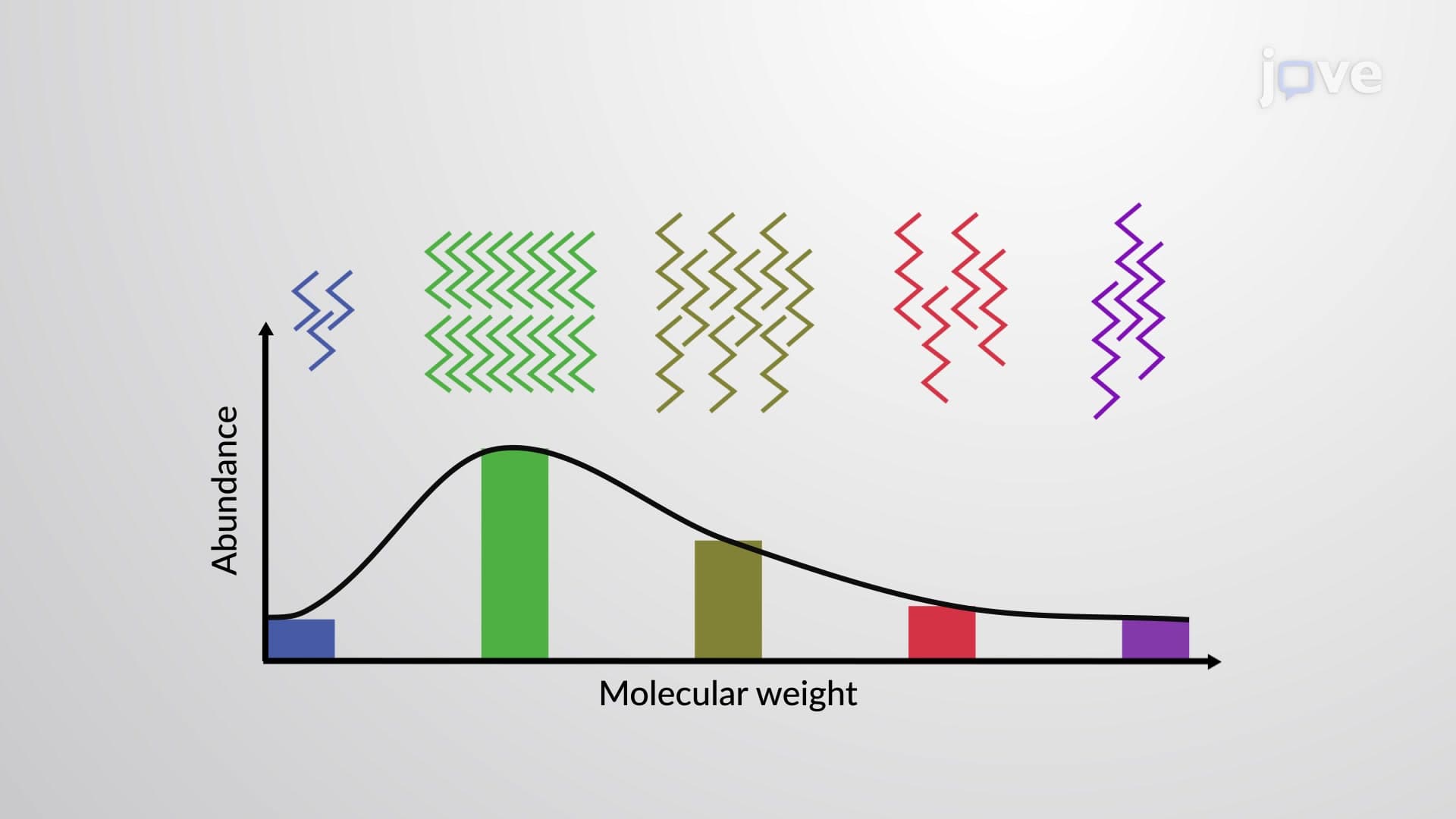
US chemical companies leverage anionic polymerization to produce specialty polymers with narrow molecular weight distributions. Living anionic polymerization, pioneered at companies like DuPont and Dow Chemical, enables synthesis of block copolymers used in advanced materials applications.
Exam Relevance and Study Applications
This concept appears frequently on AP Chemistry exams, particularly in organic chemistry sections focusing on reaction mechanisms. College students encounter anionic polymerization in polymer science courses, where understanding carbanion stability becomes essential for predicting reaction outcomes. MCAT test-takers benefit from recognizing how electron-withdrawing effects influence nucleophilic reactions across organic chemistry contexts.
Frequently Asked Questions
Anionic chain growth polymerization is a polymer-forming process where negatively charged carbon atoms (carbanions) add monomer units sequentially to build long chains. Strong nucleophiles initiate the reaction, and electron-withdrawing groups on monomers stabilize the growing chain. This mechanism produces many common plastics like polystyrene and PVC found in everyday American products.
AP Chemistry tests often include anionic polymerization in organic chemistry free-response questions focusing on reaction mechanisms and electron effects. Students must identify suitable monomers, predict carbanion stability, and explain how electron-withdrawing groups influence reactivity. Practice problems typically involve drawing polymer structures and comparing different polymerization mechanisms.
The MCAT emphasizes anionic polymerization as part of organic chemistry passages testing nucleophilic reactions and electron-withdrawing effects. Test-takers encounter questions about carbanion stability, monomer reactivity patterns, and polymer applications in biological systems. Understanding these principles helps answer broader organic chemistry questions about nucleophilicity and electronic effects.
Common American products include Styrofoam® cups and packaging (polystyrene), PVC pipes in plumbing systems, superglue adhesives (cyanoacrylate), and acrylic fibers in clothing. These polymers demonstrate how anionic polymerization creates materials with specific properties-from rigid pipes to flexible adhesives. Understanding the synthesis helps explain why these materials behave differently in various applications.
Basic organic chemistry knowledge suffices for understanding anionic polymerization fundamentals. Students should grasp concepts like electronegativity, carbocation/carbanion stability, and nucleophilic reactions before tackling this topic. High school chemistry provides adequate background, though college-level organic chemistry offers deeper mechanistic understanding. The key is mastering electron-withdrawing group effects on molecular stability.
Focus on drawing reaction mechanisms showing carbanion formation and propagation steps. Practice identifying electron-withdrawing groups and predicting their stabilizing effects on intermediates. Create comparison charts between anionic, cationic, and radical polymerization mechanisms. Use flashcards for common initiators like organolithium reagents and memorize polymer products from specific monomers for quick exam recall.
Living polymerization techniques, block copolymer synthesis, and polymer stereochemistry represent natural extensions of anionic polymerization principles. Graduate-level topics include controlled radical polymerization, ring-opening polymerization, and polymer characterization methods. Industrial polymer processing and materials science applications provide practical contexts for applying fundamental anionic polymerization concepts in research and development careers.
Superglue contains cyanoacrylate monomers with two electron-withdrawing groups (ester and nitrile), making them extremely reactive toward nucleophiles. Even trace water molecules can initiate rapid anionic polymerization, causing instant hardening. Other adhesives rely on different curing mechanisms requiring heat, catalysts, or longer reaction times, explaining superglue's unique rapid-bonding properties in everyday applications.
Related Micro-courses
15 Concepts

12 Concepts

14 Concepts