Loading subject page…

- Organic Chemistry
- Synthetic Polymers
- Polymer Classification: Architecture
Micro-course: Synthetic Polymers
58,700 views
Learn key concepts and earn your certificate.




Polymer Classification: Architecture

00:00
01:14
Video Summary: What Is Polymer Classification Architecture
Did you know that the plastic water bottles we use daily have a completely different internal structure than the plastic bags at grocery stores? Polymer classification architecture determines whether these materials are flexible or rigid based on how their molecular chains are arranged. High-density polyethylene in milk jugs features linear chains that pack tightly, while low-density polyethylene in shopping bags has branched chains that create flexibility. Understanding what is polymer classification architecture reveals how scientists engineer materials with specific properties for countless applications. Watch the full video on JoVE Coach to master this concept with expert-led visuals and step-by-step explanations.
- Understand what is polymer classification architecture and how chain arrangement affects material properties
- Identify the key differences between linear and branched polymer structures in common materials
- Analyze how polymerization conditions influence whether branching occurs during chain formation
- Compare the physical properties of high-density versus low-density polyethylene based on their architectures
- Evaluate the role of cross-linking in creating three-dimensional polymer networks like vulcanized rubber
- Apply knowledge of polymer architecture to predict material behavior in real-world applications
- Recognize how substituent groups differ from true polymer chain branches in molecular structure
- Explore the relationship between polymer packing efficiency and resulting mechanical properties
Understanding Polymer Classification Architecture Fundamentals
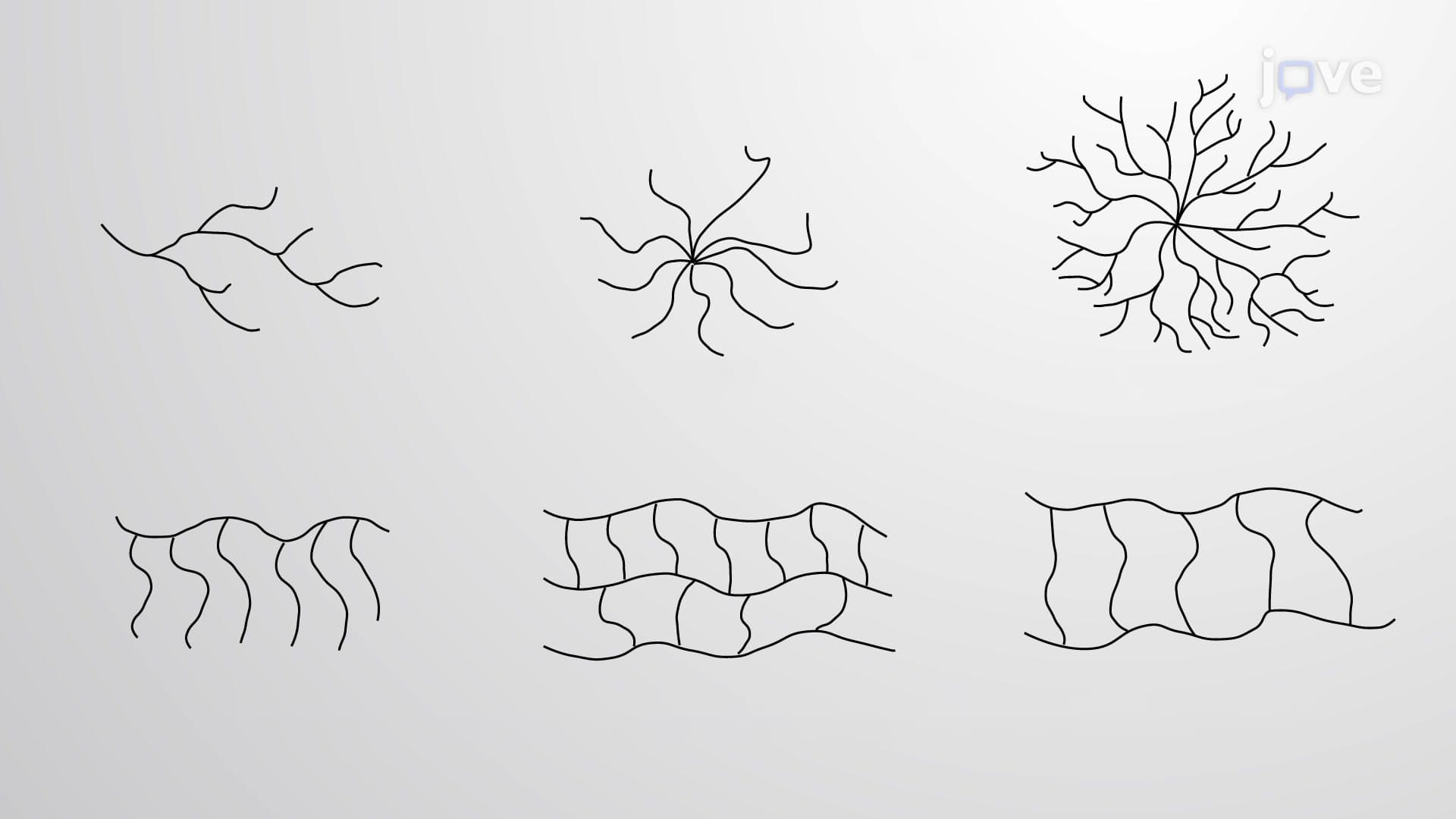
Polymer classification architecture refers to the spatial arrangement and connectivity of polymer chains, which directly determines a material's physical and chemical properties. This classification system helps chemists and engineers predict how polymers will behave in different applications, from medical devices to automotive components.
Linear vs. Branched Polymer Structures
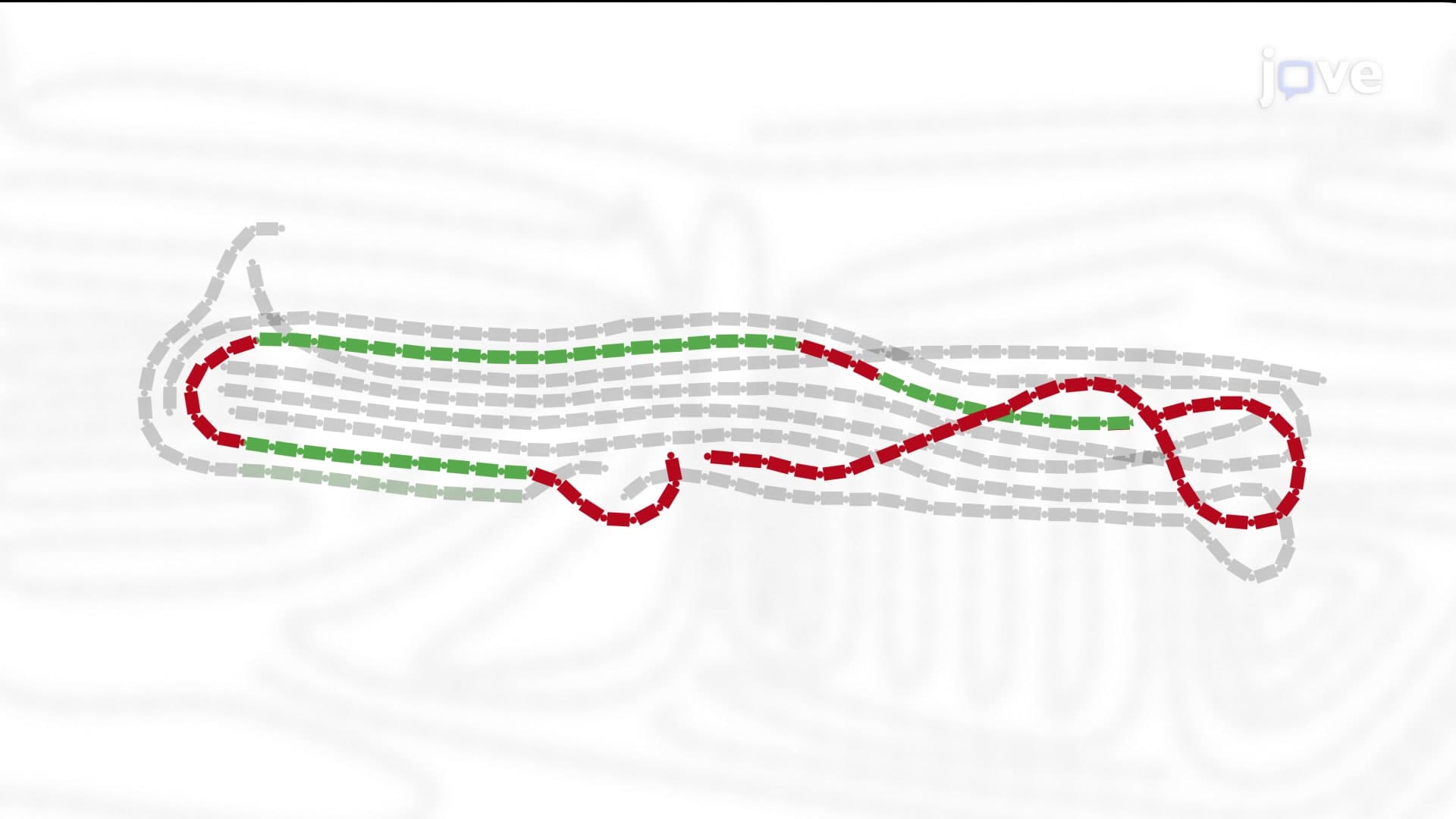
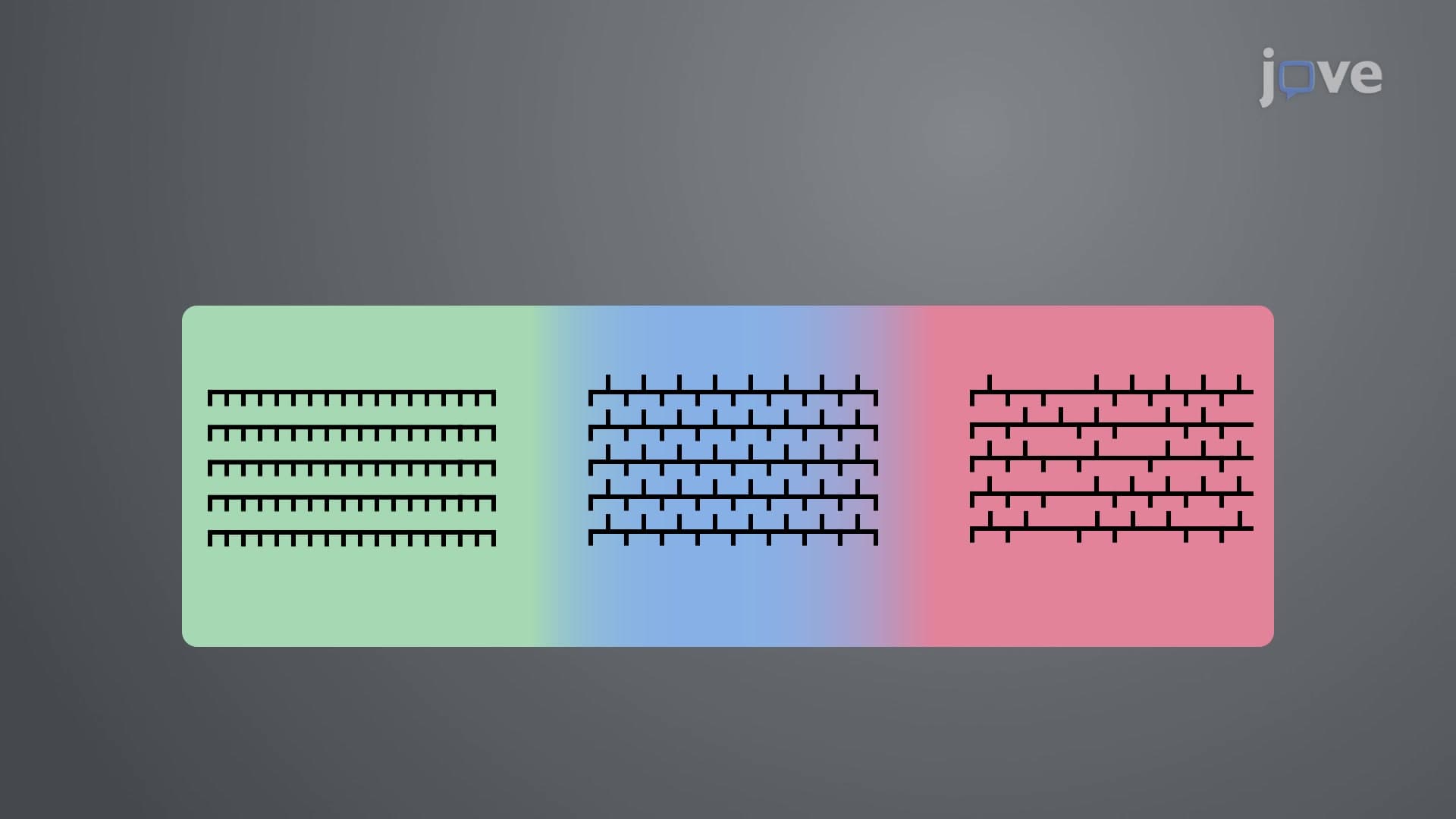
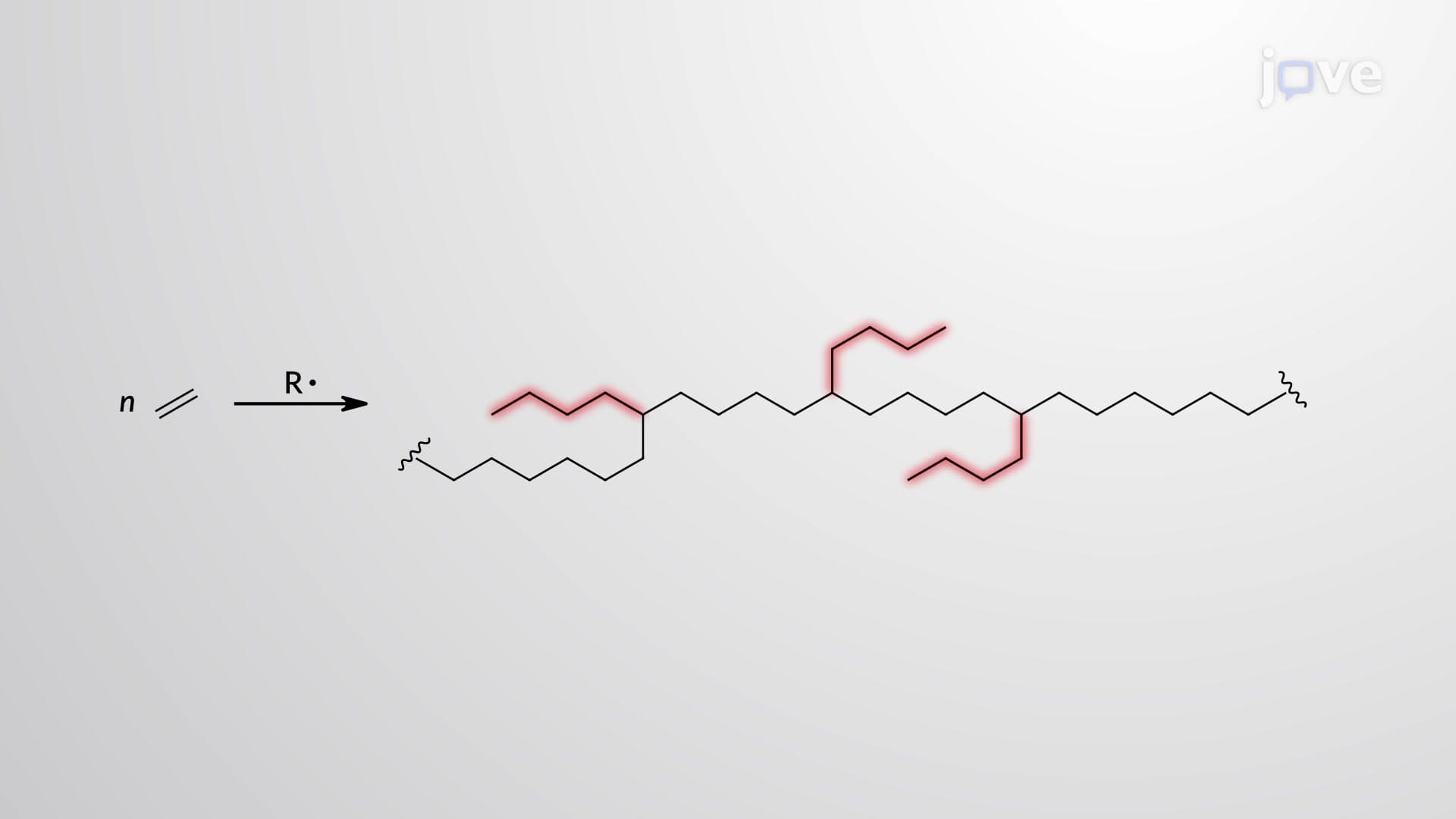
Linear polymers feature long, straight chains with minimal branching, allowing for efficient packing and stronger intermolecular forces. Think of them like well-organized spaghetti noodles that can align closely together. In contrast, branched polymers have secondary chains extending from the main backbone, similar to tree branches, which prevents tight packing and creates more flexible materials.
This distinction becomes crucial in industrial applications. For example, the linear structure of high-density polyethylene (HDPE) makes it ideal for milk jugs and detergent containers that require rigidity and chemical resistance. The tight packing enables strong dispersion forces between chains, resulting in higher melting points and greater structural integrity.
Cross-Linked Polymer Networks
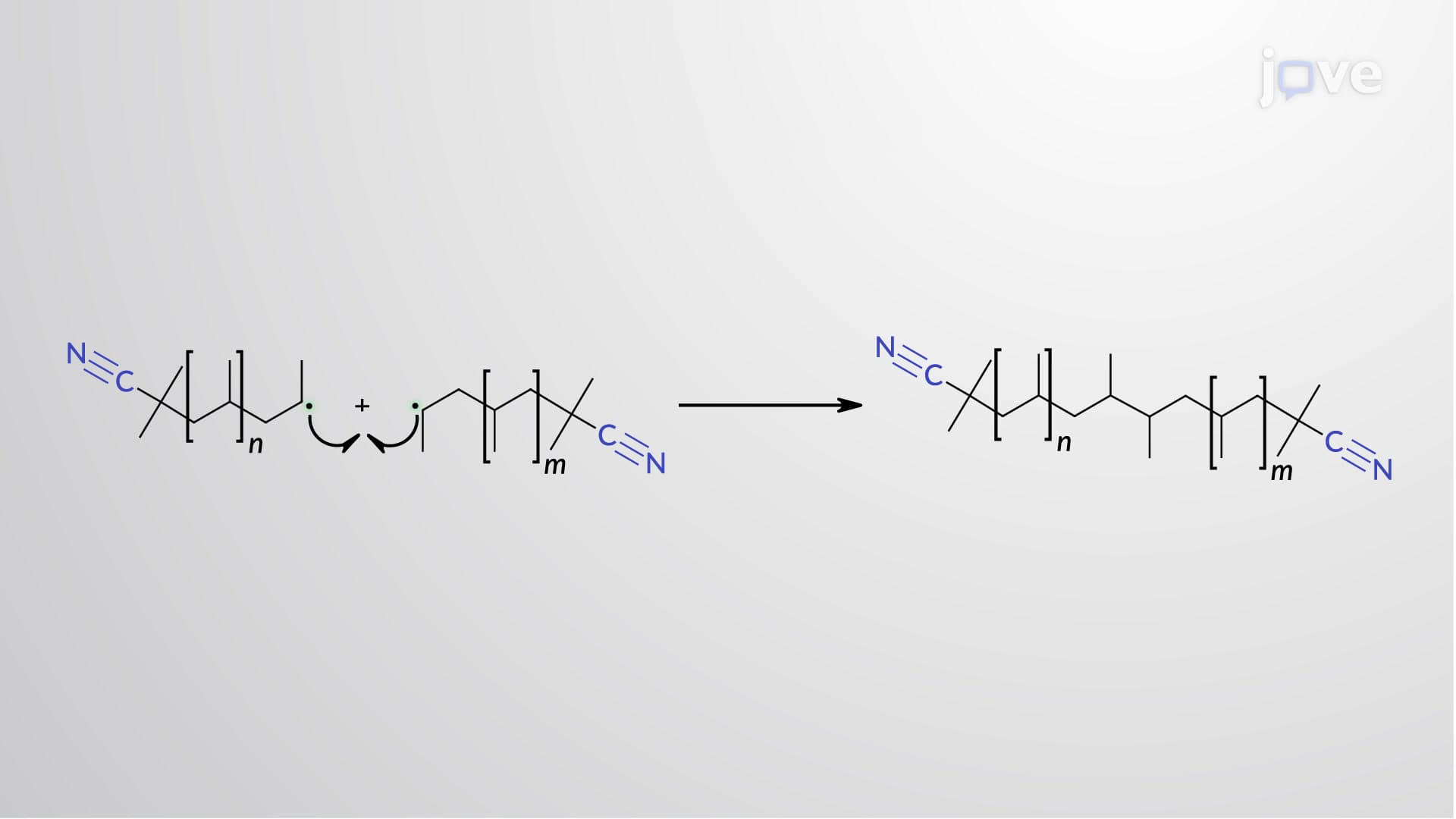
Beyond linear and branched architectures, polymers can form three-dimensional networks through cross-linking. Vulcanization of natural rubber exemplifies this process, where sulfur atoms create disulfide bridges between polymer chains. This cross-linking transforms soft, sticky rubber into the durable material used in car tires and surgical gloves.
Students preparing for AP Chemistry or college organic chemistry courses should understand how these architectural differences affect polymer properties. On standardized tests like the MCAT, questions often focus on structure-property relationships, requiring knowledge of how molecular architecture influences macroscopic behavior.
Real-World Applications and Exam Relevance
Polymer architecture knowledge appears frequently in university chemistry courses and professional exams. Medical students studying for the USMLE encounter polymer concepts when learning about drug delivery systems and biocompatible materials. Engineering students must understand these principles for materials selection in design applications.
The polyethylene example demonstrates how subtle structural changes create dramatically different materials. Low-density polyethylene's branched structure makes it perfect for flexible packaging films, while HDPE's linear chains provide the strength needed for industrial containers and playground equipment manufactured by companies like Little Tikes.
Frequently Asked Questions
Polymer classification architecture describes how polymer chains are arranged and connected in three-dimensional space. This arrangement directly determines whether materials are flexible like plastic bags or rigid like milk jugs. Understanding these structural differences helps predict material properties and select appropriate polymers for specific applications in everything from medical devices to consumer products.
Exam questions typically focus on structure-property relationships, asking students to predict physical properties based on polymer architecture. You might encounter questions comparing melting points of linear versus branched polymers or explaining why cross-linked materials have different mechanical properties. The MCAT often includes polymer concepts in biochemistry sections covering protein structures and drug delivery systems.
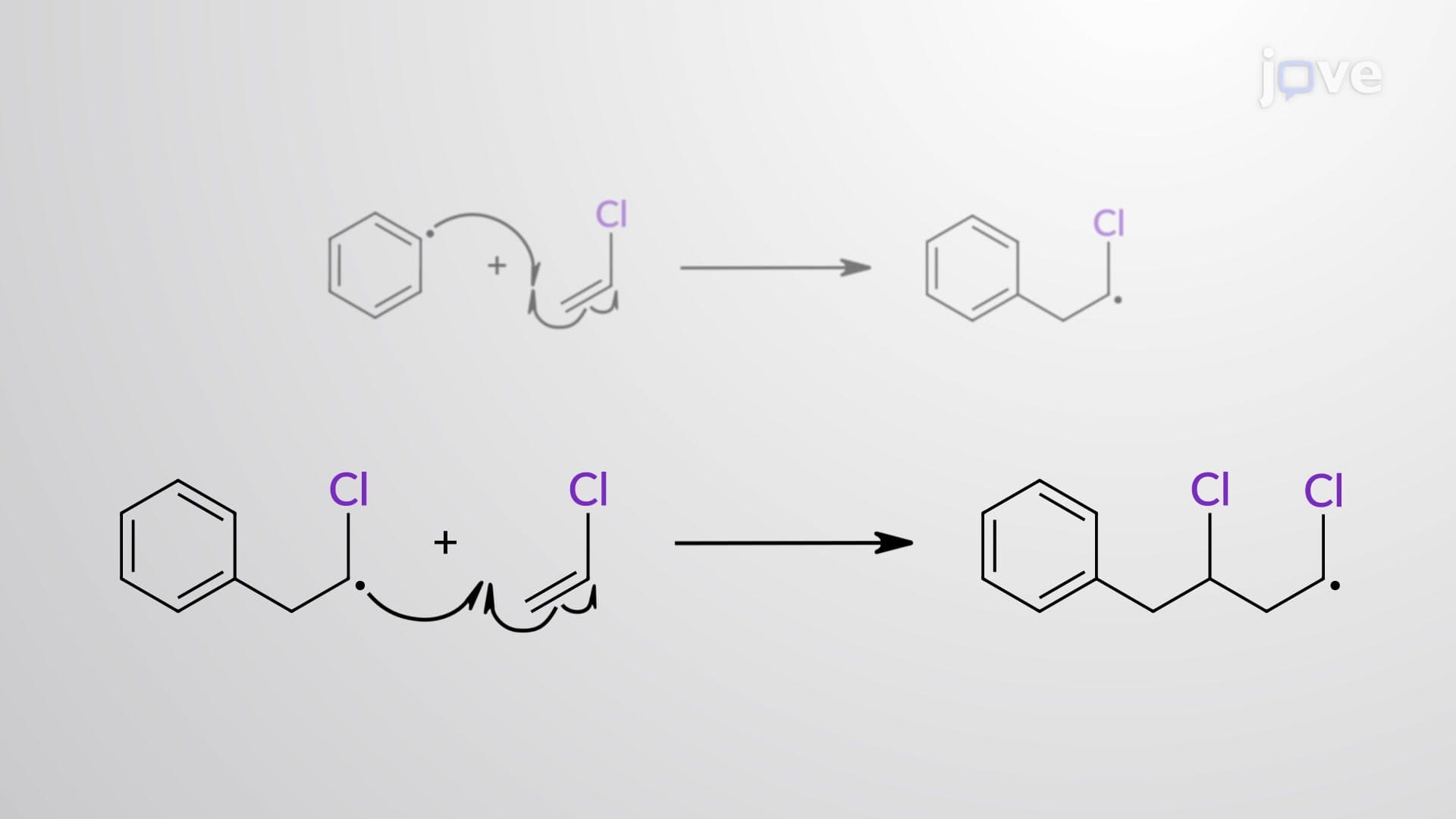
Substituent groups are part of the original monomer structure and don't count as branches in classification systems. True branches are secondary polymer chains that form during polymerization when the growth site shifts from the chain end to other locations. This distinction is crucial for correctly identifying polymer architecture types and predicting material properties.
U.S. companies like DuPont and Dow Chemical use polymer architecture principles to engineer materials for specific applications. Linear polyethylene goes into products requiring strength like Tupperware containers, while branched versions create flexible films for food packaging. Medical device manufacturers select polymer architectures based on biocompatibility requirements for products approved by the FDA.
Not at all! The concepts build on basic chemistry knowledge about molecular structure and intermolecular forces. Start by visualizing polymer chains as long noodles or chains, then consider how different arrangements affect packing. Most students find the real-world connections help make abstract concepts more concrete and memorable.
Create visual diagrams comparing linear, branched, and cross-linked structures alongside their property differences. Practice predicting properties from structures and vice versa. Use common examples like different types of polyethylene to anchor your understanding. Focus on understanding why architectural differences lead to property changes rather than memorizing isolated facts.
Cross-linking creates three-dimensional networks that dramatically increase strength and heat resistance while reducing flexibility. Linear polymers can slide past each other, but cross-linked chains are chemically bonded together. This explains why vulcanized rubber maintains its shape under stress while natural rubber deforms easily.
Explore polymerization mechanisms (addition vs. condensation), tacticity in polymer chains, and crystalline versus amorphous regions. These concepts build on architectural understanding and appear frequently in advanced chemistry courses. Consider studying specific polymer families like polyesters and polyamides to see how architecture principles apply to industrial materials.
Related Micro-courses
15 Concepts

12 Concepts

14 Concepts