Loading subject page…

- Organic Chemistry
- Synthetic Polymers
- Polymer Classification: Stereospecificity
Micro-course: Synthetic Polymers
58,700 views
Learn key concepts and earn your certificate.

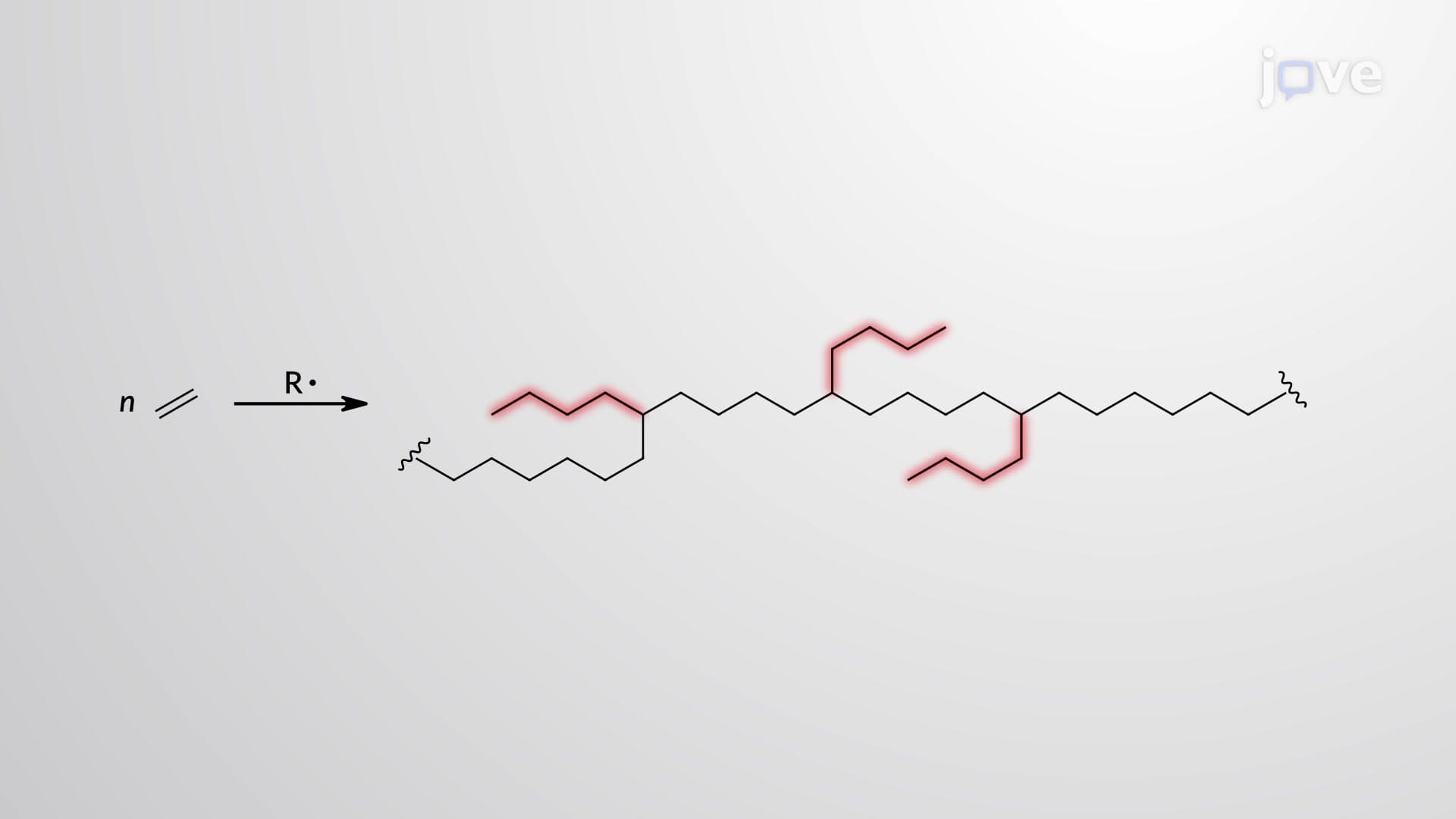
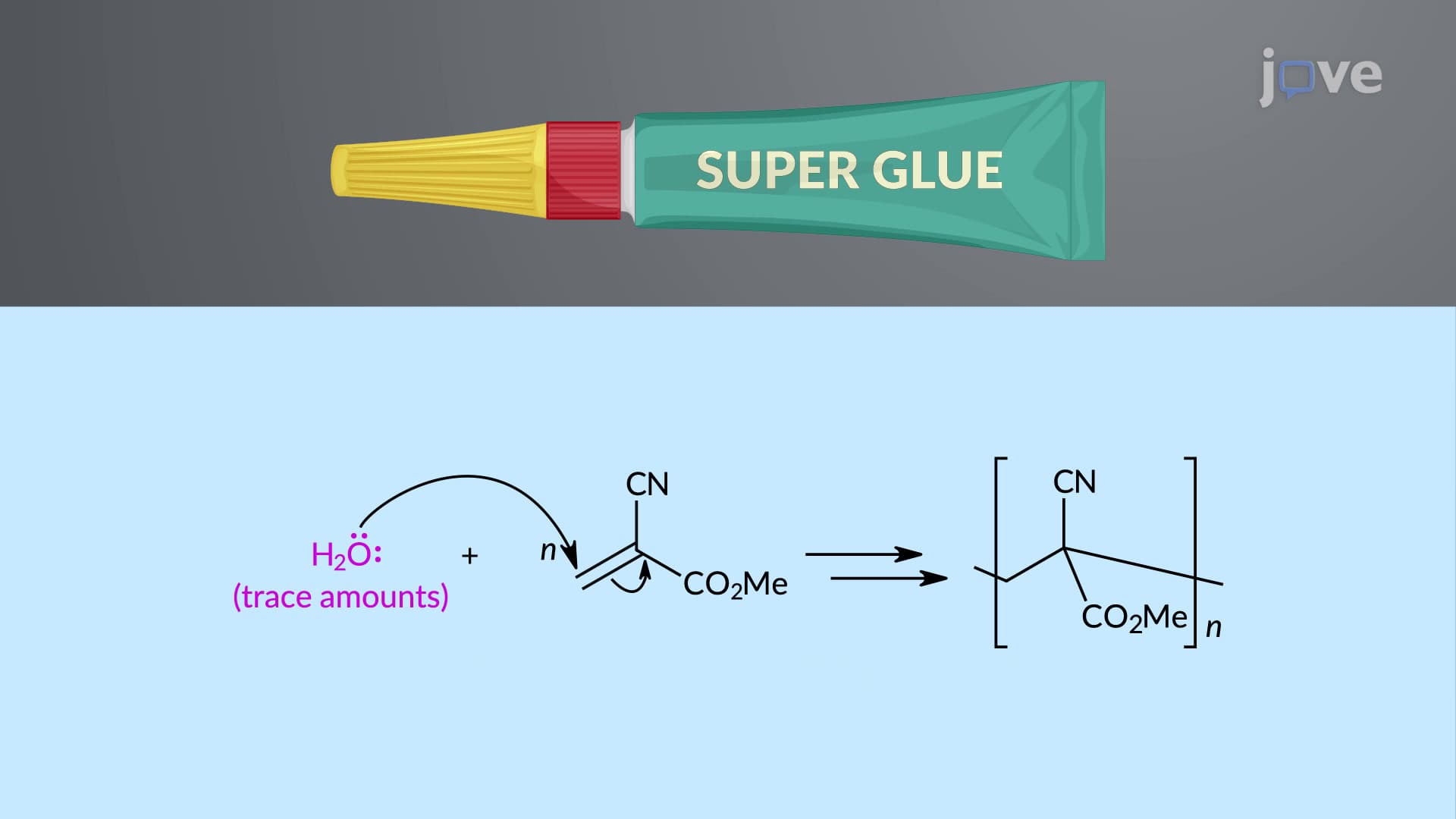
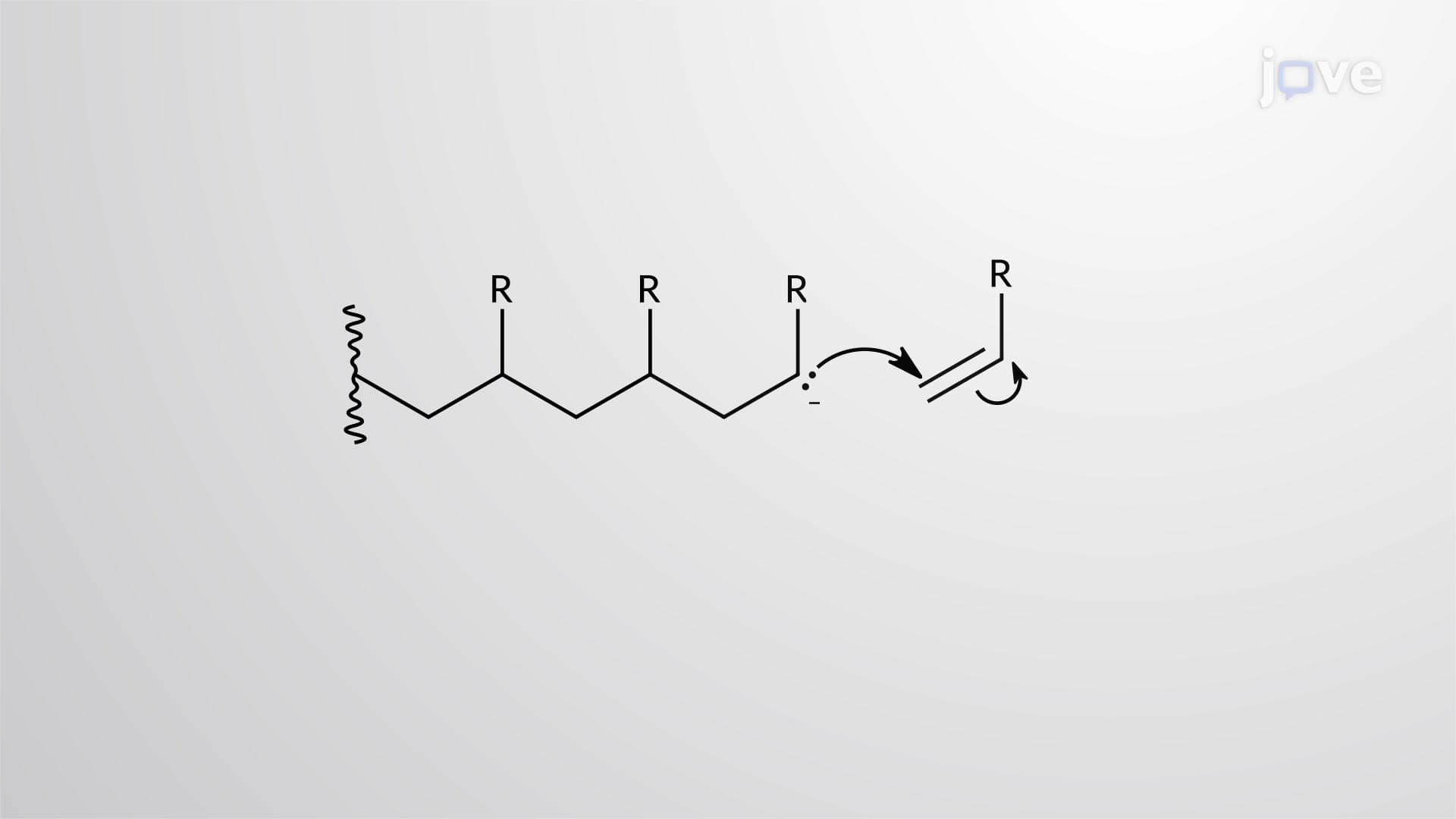
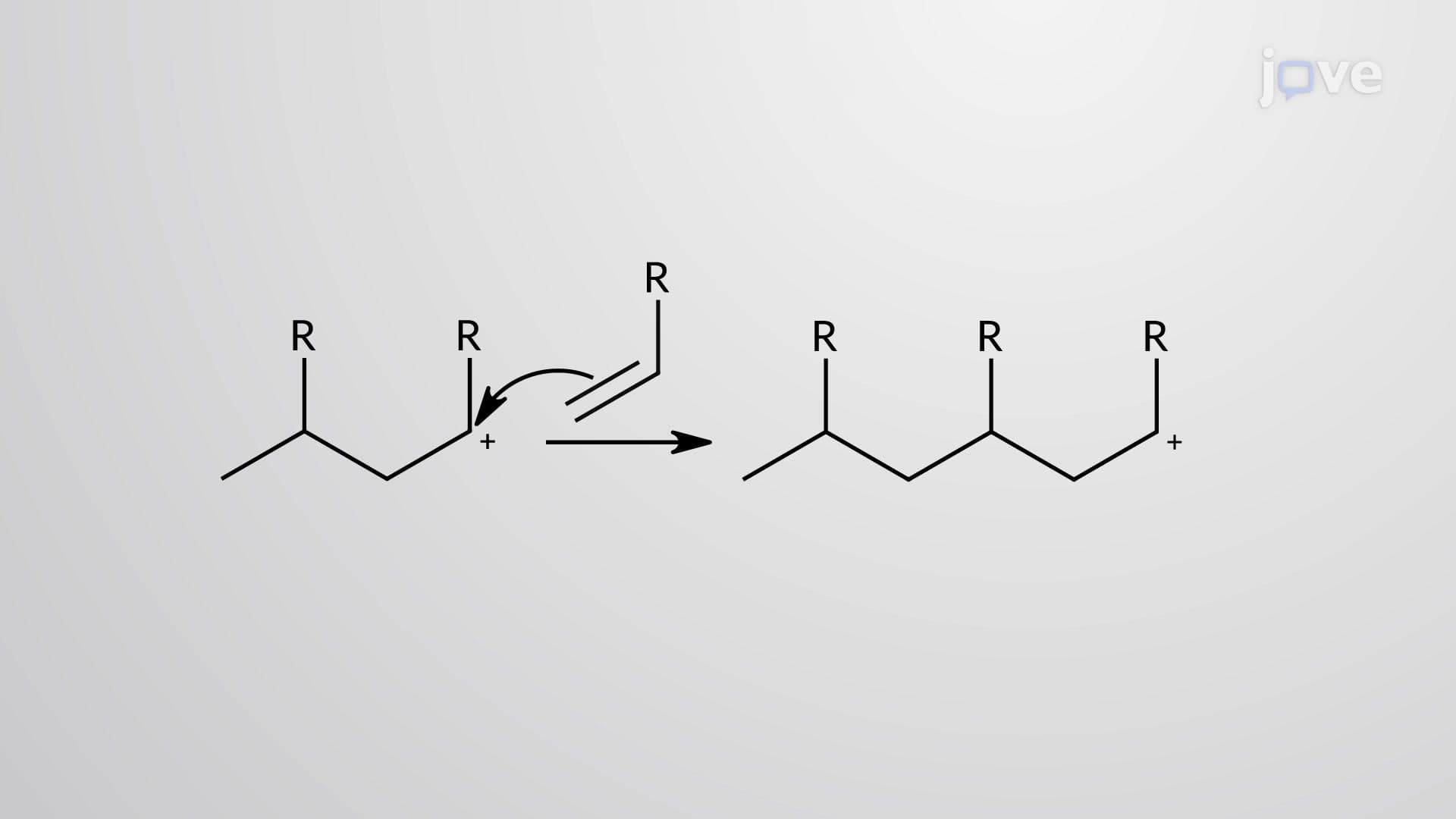



Polymer Classification: Stereospecificity

00:00
01:26
Video Summary: What Is Polymer Classification Stereospecificity
Ever wonder why some plastics melt cleanly while others turn gummy? Polymer classification stereospecificity determines these crucial material properties by describing how substituent groups arrange around chiral carbon centers in polymer chains. This concept explains why isotactic polypropylene used in US medical devices has a sharp 165°C melting point, while atactic polypropylene remains rubbery at room temperature. Watch the full video on JoVE Coach to master this concept with expert-led visuals and step-by-step explanations.
- Understand what is polymer classification stereospecificity and how it categorizes polymers based on chiral carbon arrangements
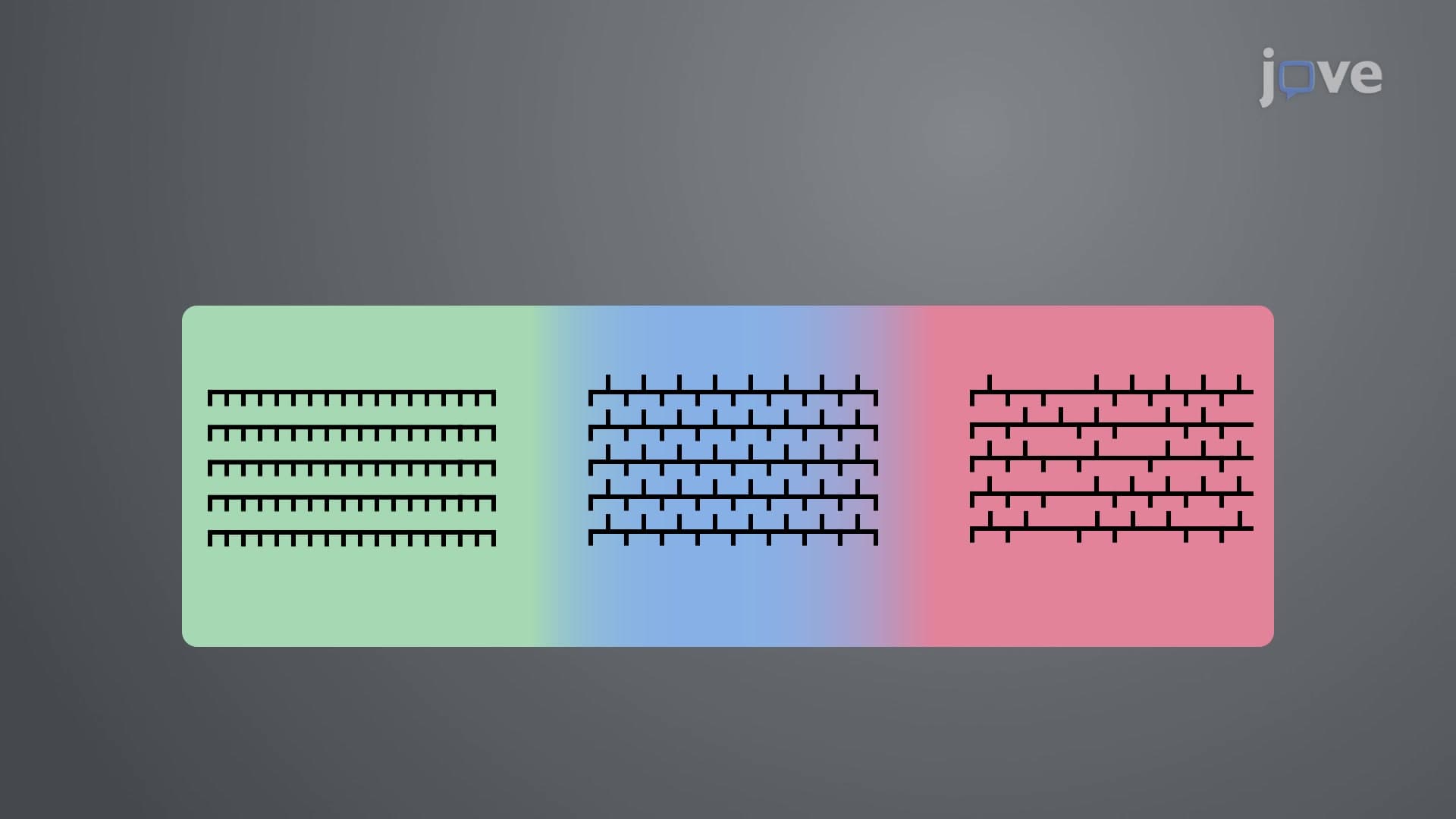
- Identify the three main stereospecific configurations: isotactic, syndiotactic, and atactic
- Compare how substituent positioning affects polymer chain packing and crystallinity
- Analyze the relationship between stereospecificity and melting point temperatures
- Evaluate why isotactic polymers exhibit higher crystallinity than atactic polymers
- Apply stereospecificity concepts to predict material properties of common plastics
- Recognize real-world applications where stereospecificity determines polymer performance
- Explore how polymerization conditions influence final polymer stereospecificity
Understanding Polymer Classification Stereospecificity Fundamentals
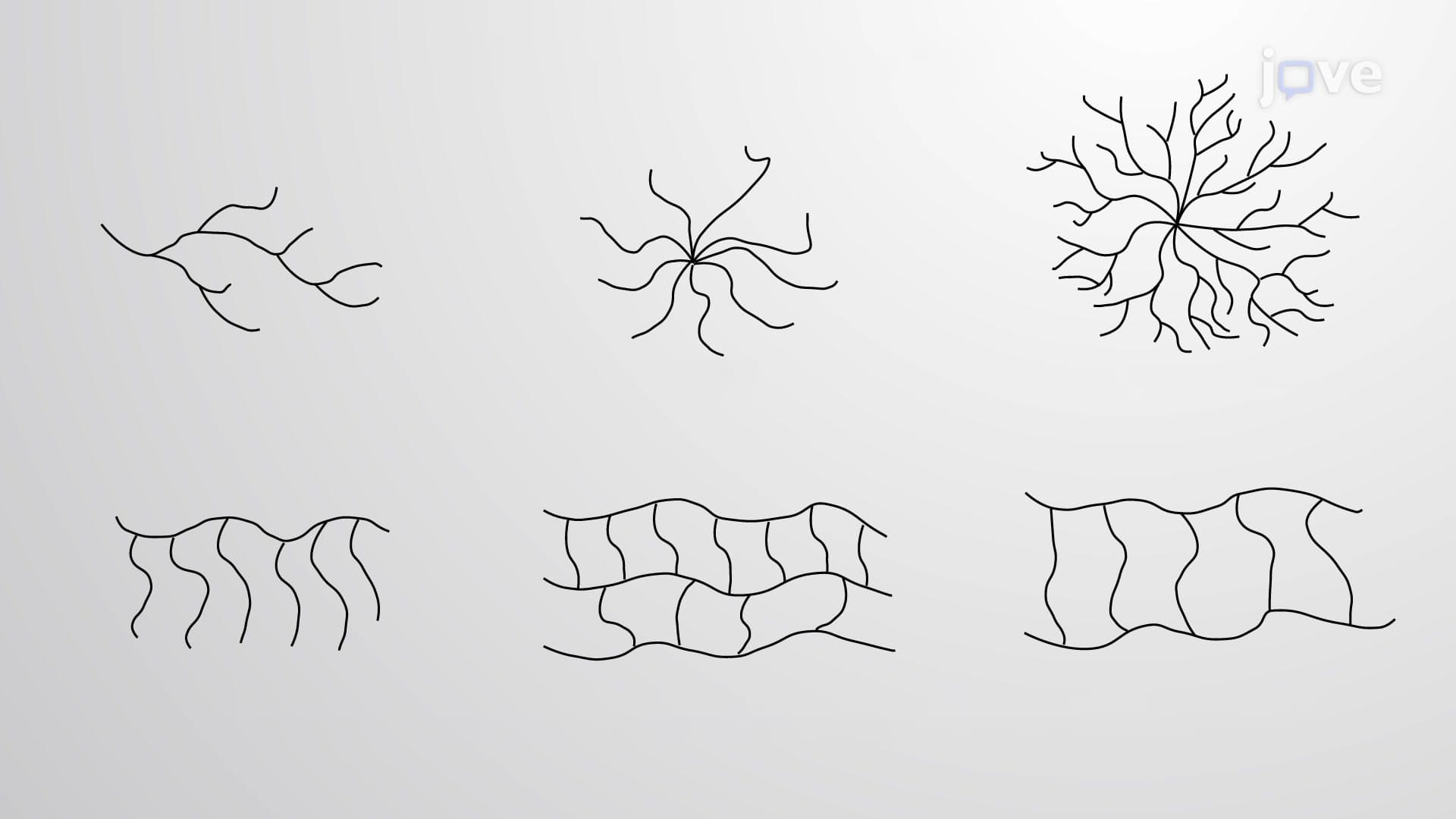
Polymer classification stereospecificity describes how substituent groups orient around chiral carbon atoms in vinyl polymer chains. When vinyl monomers like propylene polymerize, each carbon that was part of the original double bond becomes a chiral center with four different groups attached. The spatial arrangement of these substituents dramatically influences the polymer's final properties.
The Three Stereospecific Configurations
Isotactic polymers feature all substituent groups positioned on the same side of the polymer backbone. This uniform arrangement allows polymer chains to pack tightly together, creating highly ordered crystalline regions. Major US manufacturers like ExxonMobil produce isotactic polypropylene for applications requiring high strength and heat resistance.
Syndiotactic polymers display alternating substituent positions-first on one side, then the other, in a regular pattern. While less common commercially, syndiotactic polystyrene finds specialized uses in electronics packaging due to its unique thermal properties.
Atactic polymers show random substituent orientations with no predictable pattern. This irregularity prevents efficient chain packing, resulting in largely amorphous materials with lower melting points and increased flexibility.
Impact on Material Properties and Applications
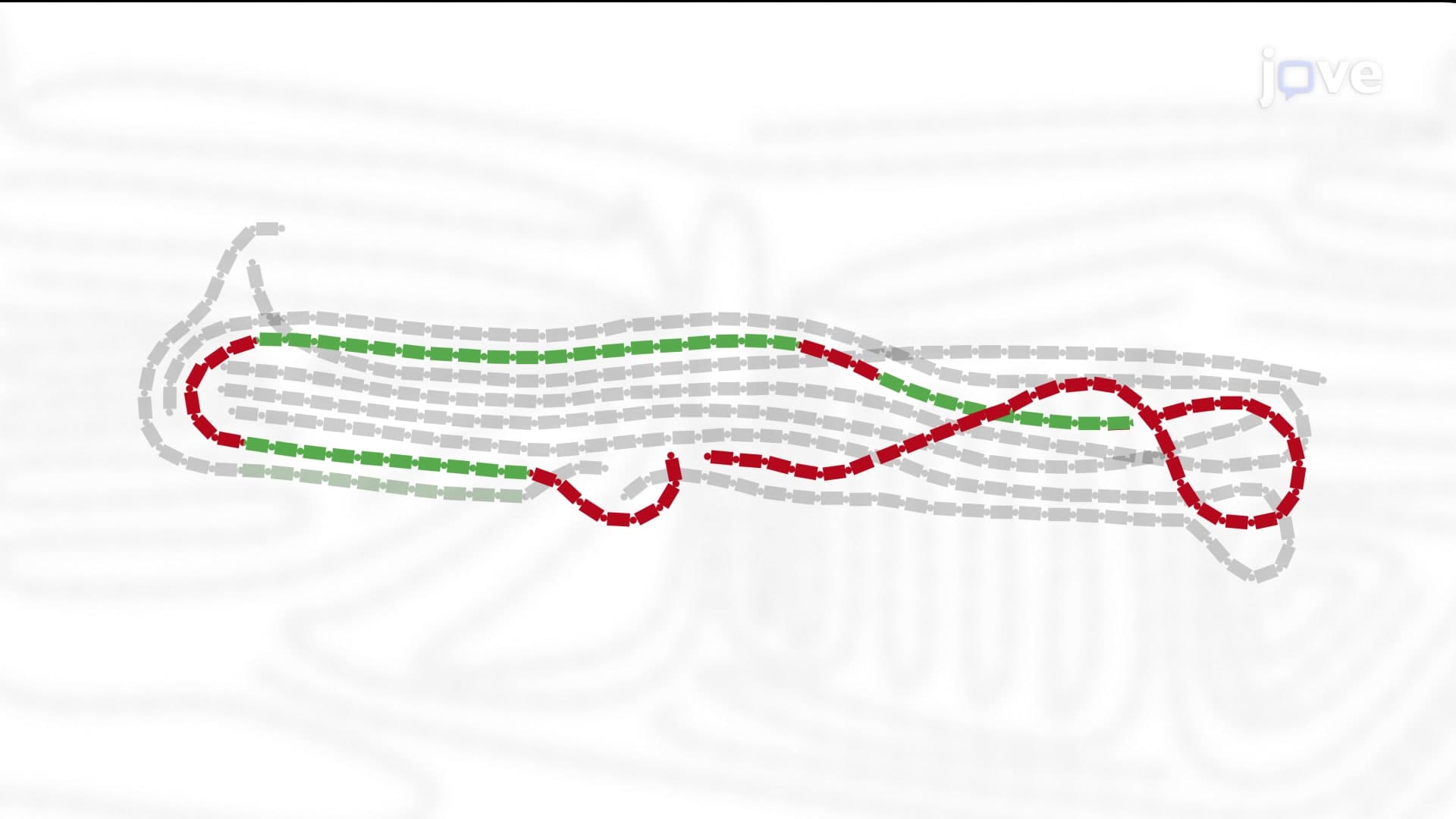
Stereospecificity directly correlates with crystallinity, which determines key performance characteristics. Isotactic polypropylene's organized structure enables crystallization up to 70%, producing rigid materials perfect for automotive parts manufactured by Ford and General Motors. The high melting point (160-170°C) makes it suitable for dishwasher-safe containers.
In contrast, atactic polypropylene's random structure prevents crystallization, creating a soft, tacky material used primarily as adhesives or sealants. This demonstrates how subtle molecular arrangements create vastly different macroscopic properties.
Relevance for Academic Success
This topic frequently appears on AP Chemistry exams, college organic chemistry midterms, and MCAT passages. Students should focus on connecting molecular structure to bulk properties-a key theme in materials science. Practice identifying stereospecific patterns from Fischer projections and predicting relative melting points based on polymer regularity.
Frequently Asked Questions
Polymer classification stereospecificity categorizes how side groups arrange around carbon atoms in polymer chains. It determines whether substituents align uniformly (isotactic), alternate regularly (syndiotactic), or orient randomly (atactic). This arrangement controls crucial properties like melting point, crystallinity, and mechanical strength.
Exams typically test pattern recognition from structural diagrams and property predictions. You'll identify isotactic, syndiotactic, or atactic configurations from Newman projections or polymer chain drawings. Questions often ask you to rank melting points or explain why certain polymers are crystalline while others remain amorphous.
Yes, MCAT Biochemistry passages frequently include polymer stereospecificity within materials science contexts. You might encounter passages about drug delivery systems, where polymer crystallinity affects release rates. Focus on connecting molecular structure to biological applications and material properties.
Isotactic polypropylene appears in Rubbermaid containers, car bumpers, and medical syringes due to its high strength and heat resistance. Atactic polypropylene serves as the sticky layer in packaging tapes and hot-melt adhesives. These contrasting applications highlight how stereospecificity determines commercial utility.
Not at all-it builds naturally on basic organic chemistry concepts like chirality and isomerism. If you understand how carbon atoms form four bonds and can identify chiral centers, you have the foundation needed. The key is visualizing three-dimensional arrangements and connecting them to observable properties.
Create comparison charts showing all three configurations with their properties, melting points, and applications. Practice drawing Newman projections and identifying patterns from different viewing angles. Focus on the cause-and-effect relationship: regular arrangements enable close packing, which increases crystallinity and melting points.
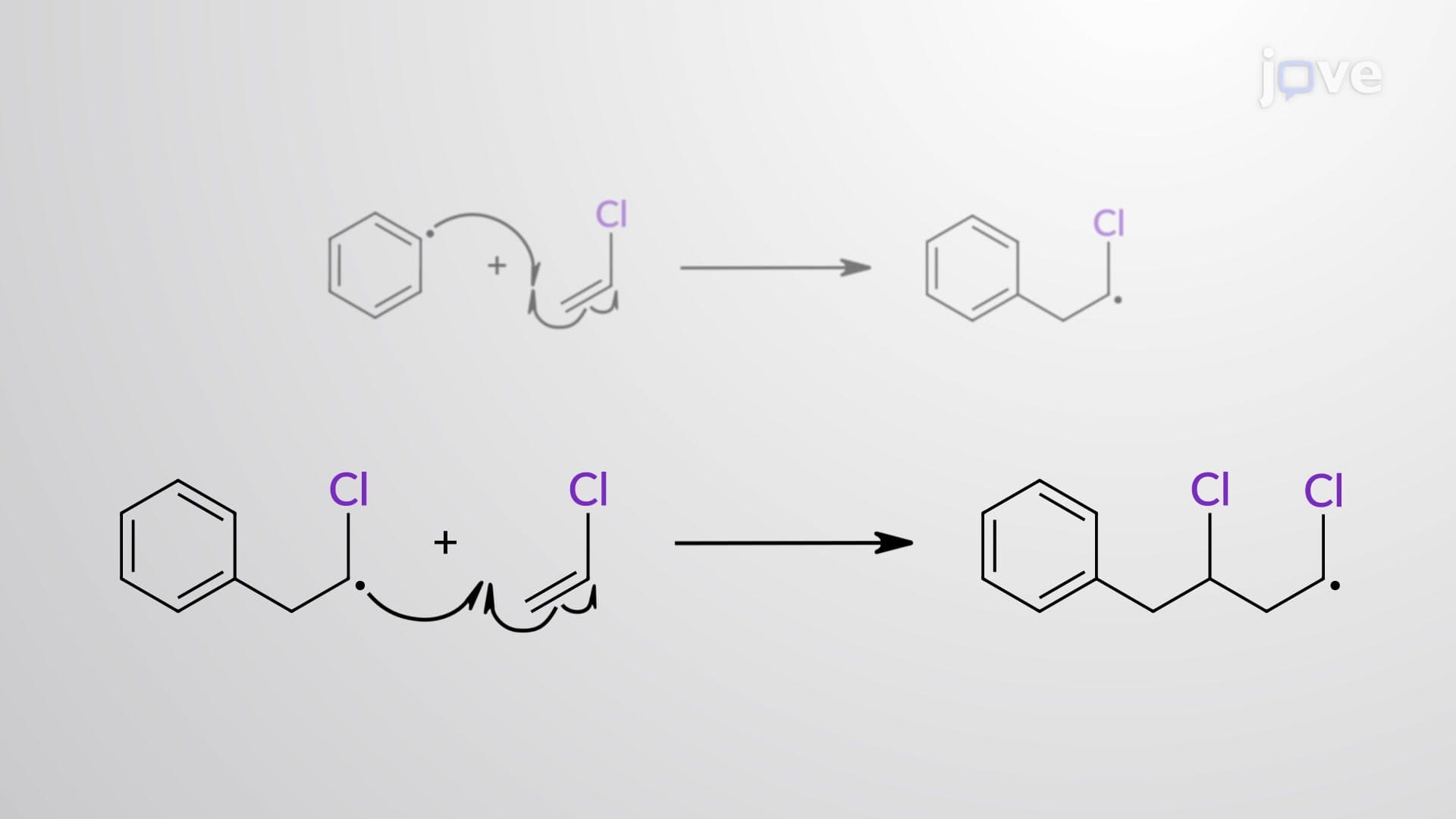
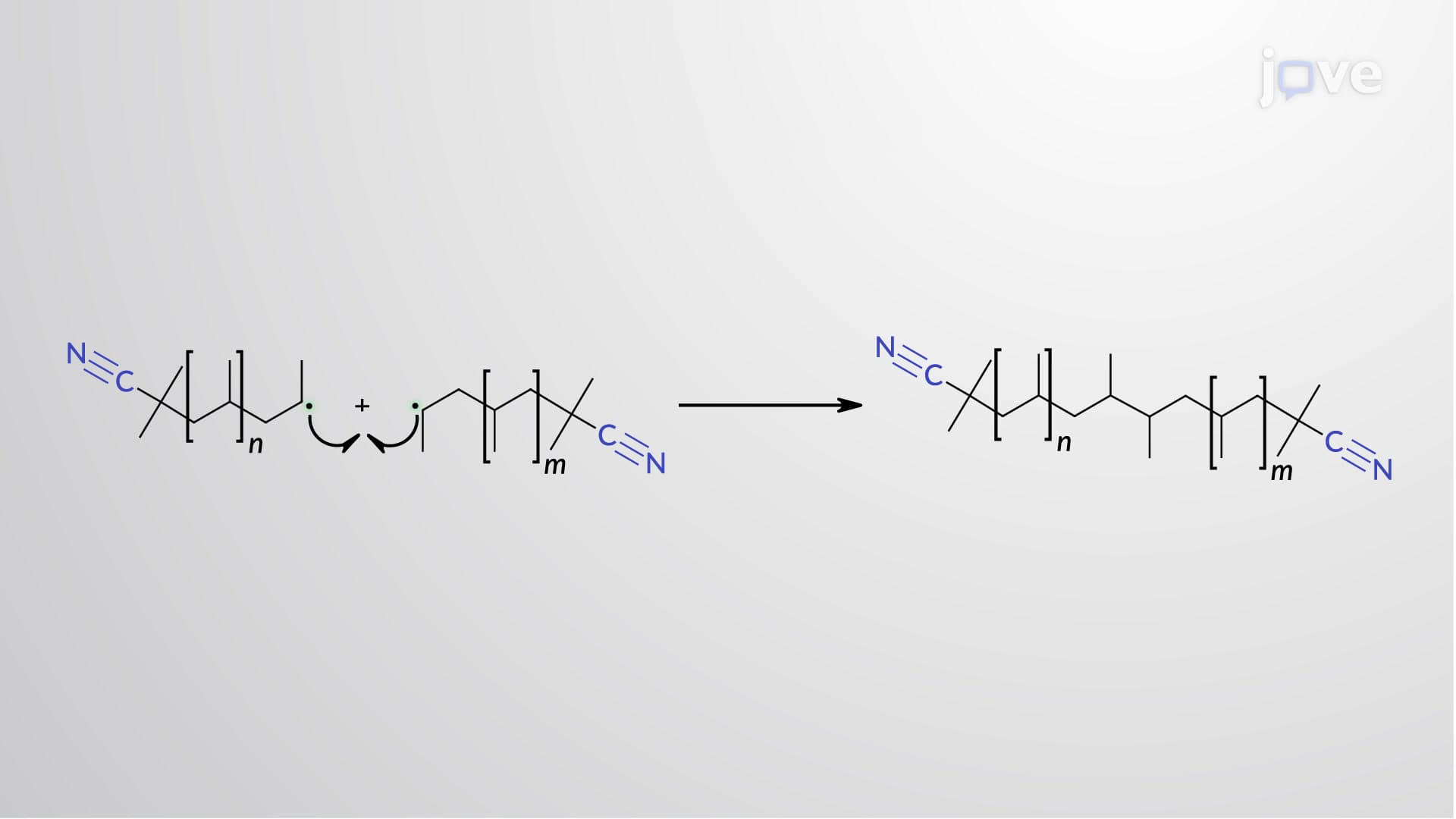
Investigate polymerization mechanisms like Ziegler-Natta catalysis, which controls stereospecificity during synthesis. Study polymer crystallization kinetics and how processing conditions affect final material properties. These advanced topics connect molecular control to industrial manufacturing processes.
Synthetic polymers in medical devices rely on controlled stereospecificity for biocompatibility and performance. Drug delivery systems use crystalline regions to control release rates, while amorphous regions provide flexibility. Understanding these principles helps explain how polymer-based medical implants and pharmaceutical formulations work.
Related Micro-courses
15 Concepts

12 Concepts

14 Concepts