Loading subject page…


58,700 views

Video Summary: What Is Radical Chain Growth Polymerization
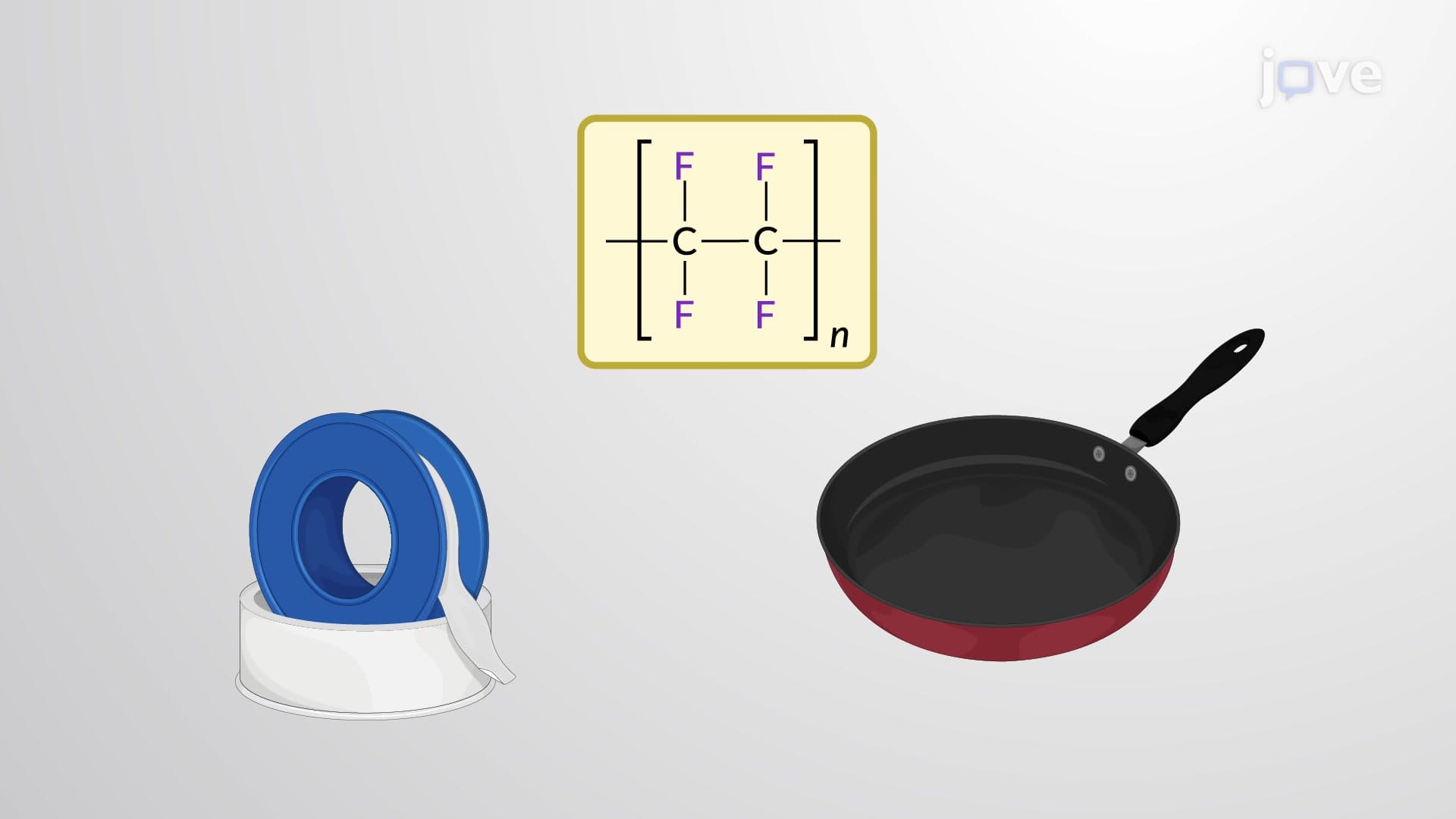
Ever wondered how the plastic water bottle in your hand was made? Radical chain growth polymerization is the chemical process responsible for creating most synthetic plastics we use daily. This mechanism builds long polymer chains through free radicals that successively add monomers, like creating a molecular assembly line. Companies like DuPont use this process to manufacture everything from Teflon to nylon. Watch the full video on JoVE Coach to master this concept with expert-led visuals and step-by-step explanations.
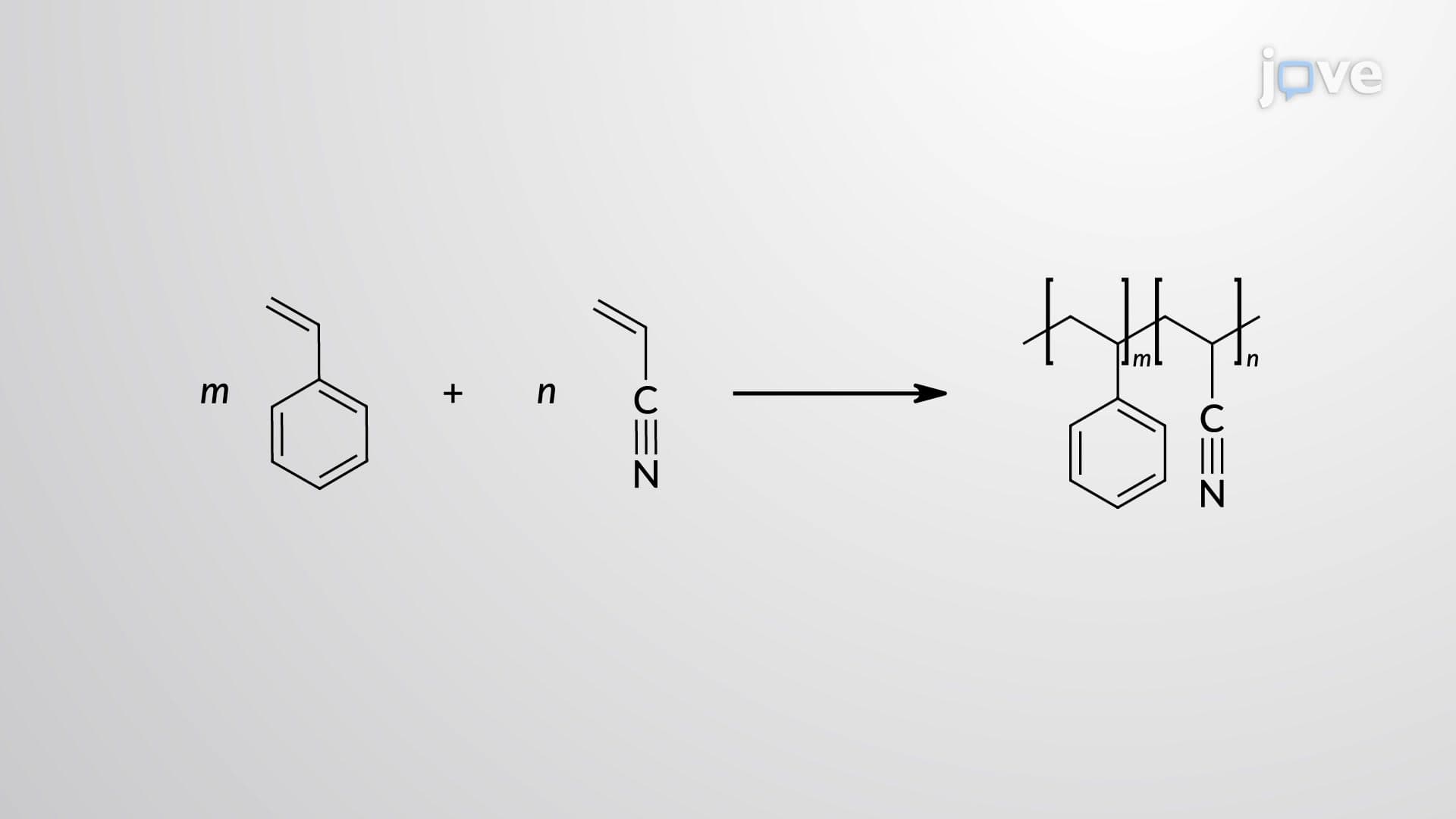
Radical chain growth polymerization represents one of the most important industrial processes for creating synthetic polymers. Unlike step-growth polymerization, this mechanism builds polymer chains through the sequential addition of monomers to a growing chain end containing an unpaired electron-the free radical.
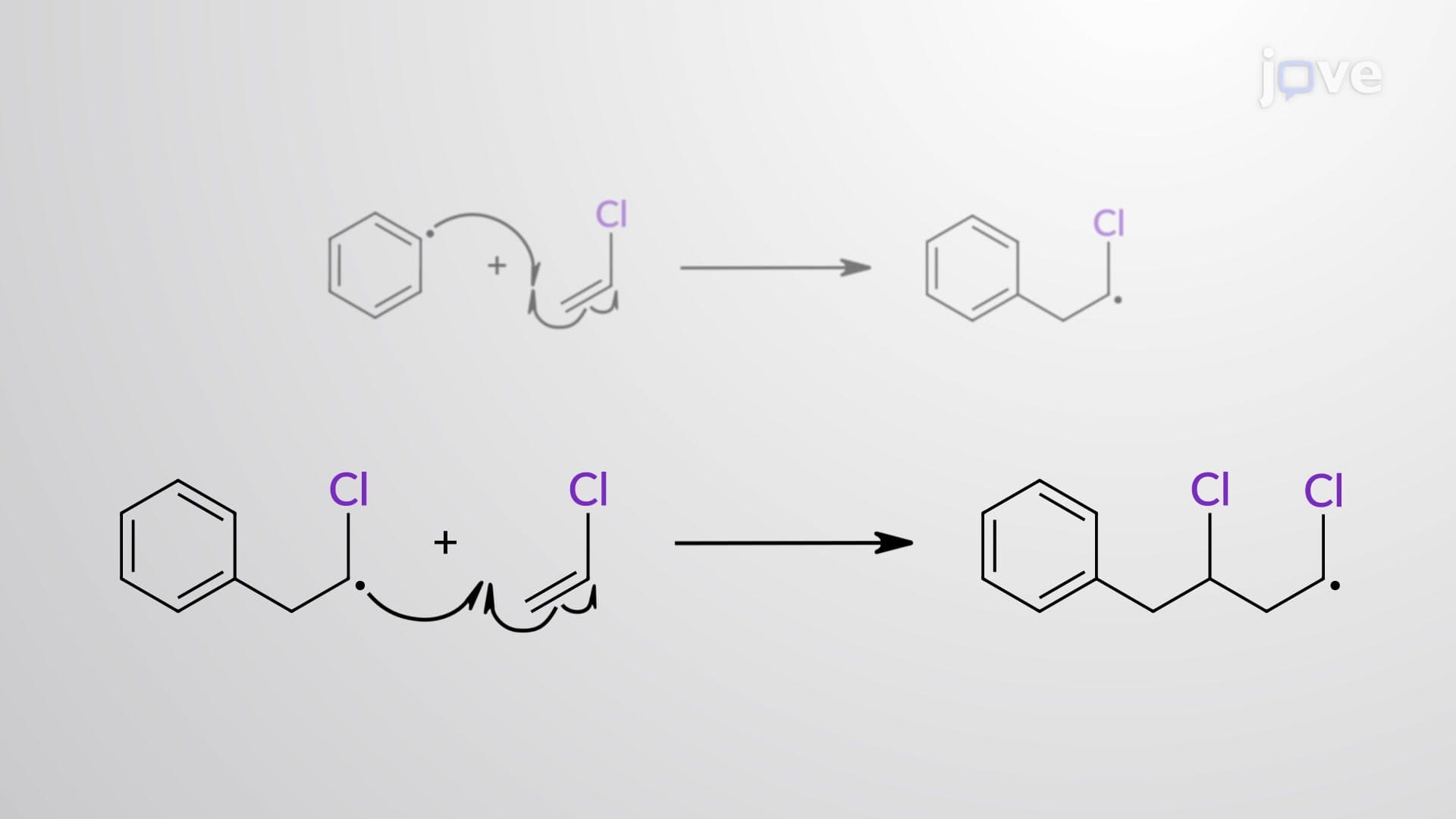
The process begins when a radical initiator generates the initial free radical. Common industrial initiators include benzoyl peroxide and azobisisobutyronitrile (AIBN), which decompose under heat or UV light to produce reactive radical species. This unpaired electron attacks the double bond of a vinyl monomer, forming a new covalent bond while transferring the radical character to the opposite end of the monomer unit.
Initiation occurs when the radical initiator creates the first radical species that attacks a monomer molecule. Propagation follows as this radical intermediate rapidly adds hundreds to thousands of additional monomer units, with the reactive radical site "walking" down the growing chain with each addition. The chain length typically ranges from 1,000 to 10,000 monomer units, creating high molecular weight polymers in seconds.
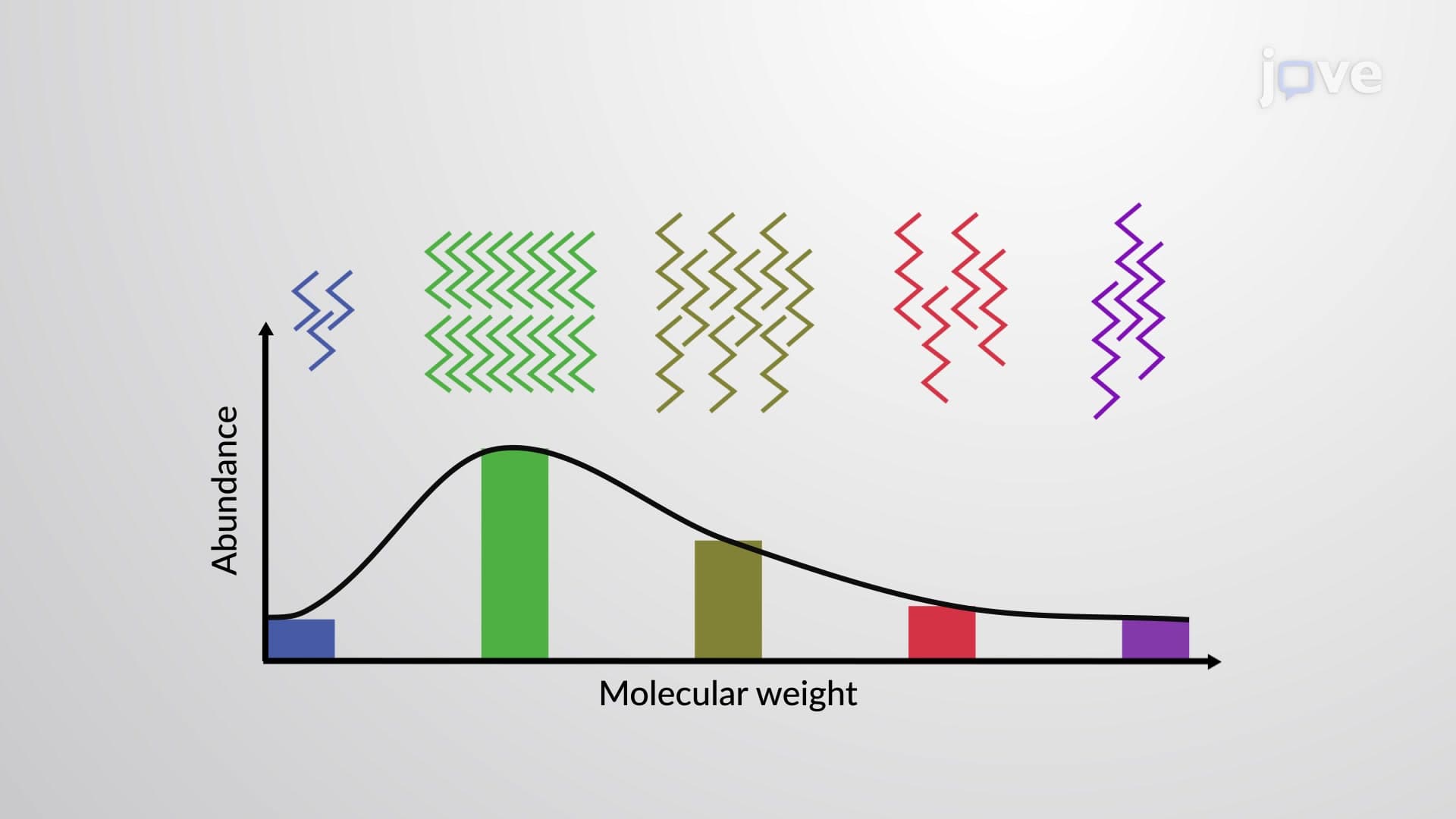
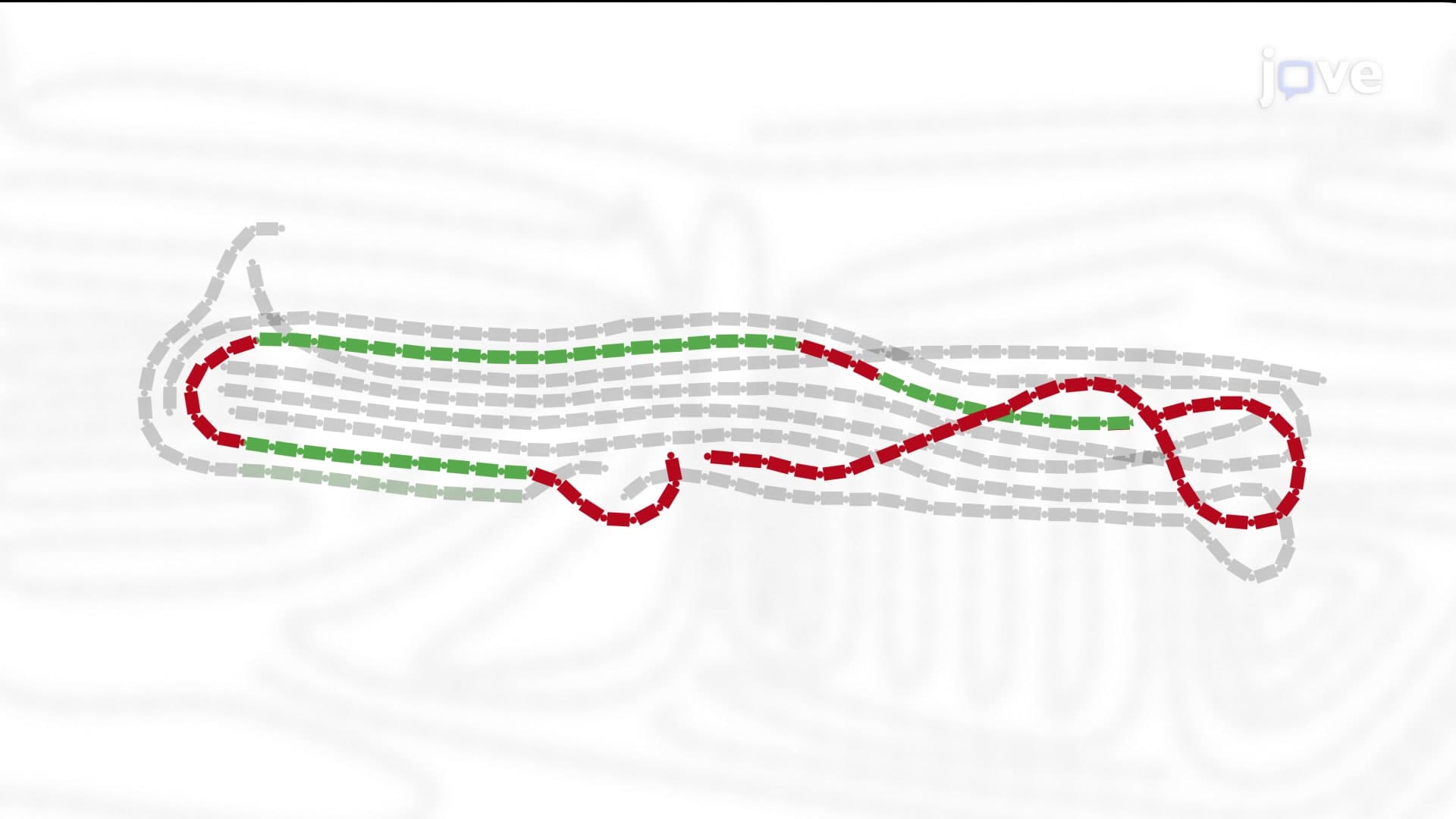
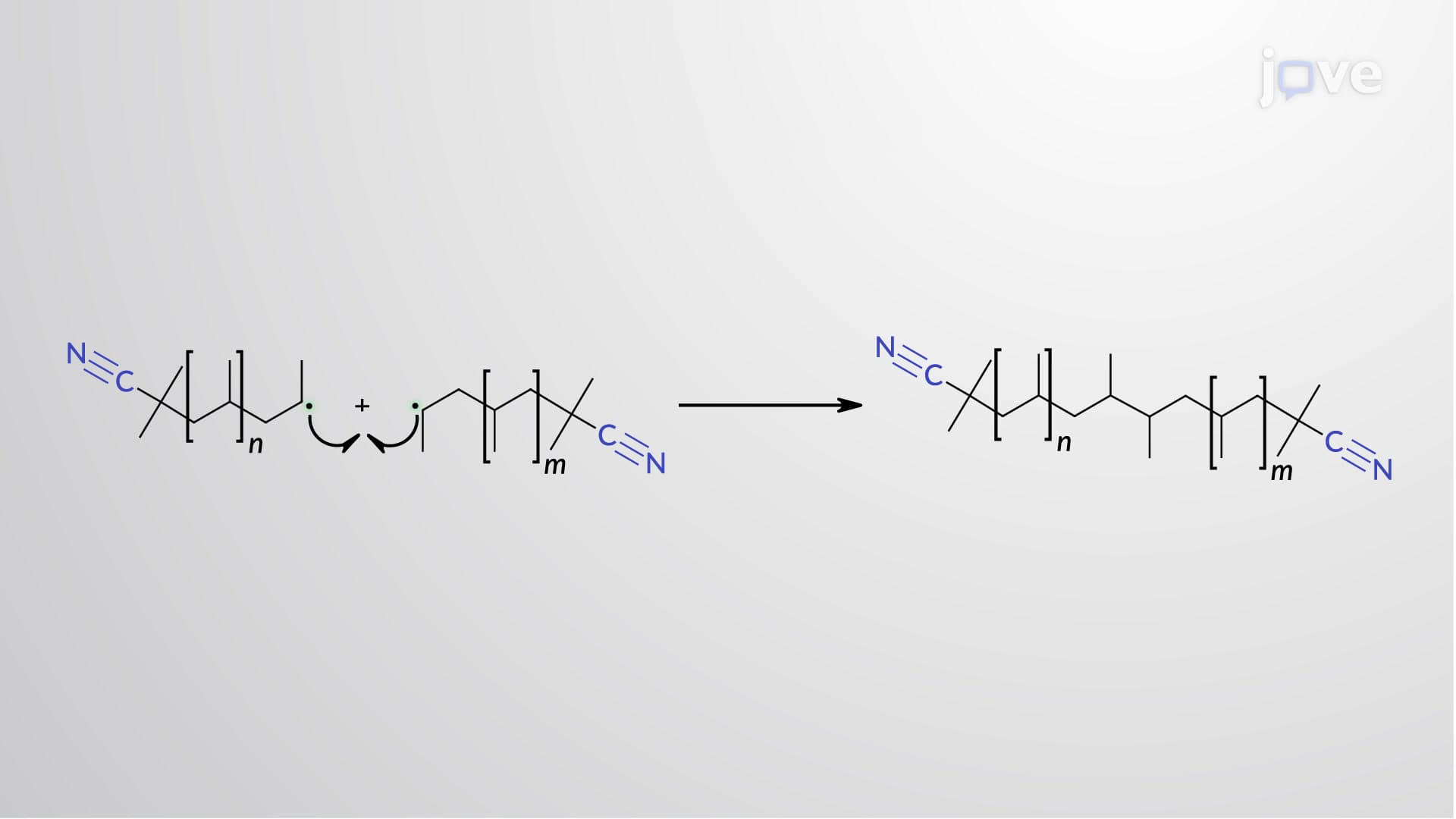
Termination happens through several pathways: radical combination (two growing chains couple), disproportionation (hydrogen transfer between radicals), or reaction with chain transfer agents. Companies like Dow Chemical strategically use chain transfer reagents such as carbon tetrachloride to control molecular weight and produce polymers with specific properties.
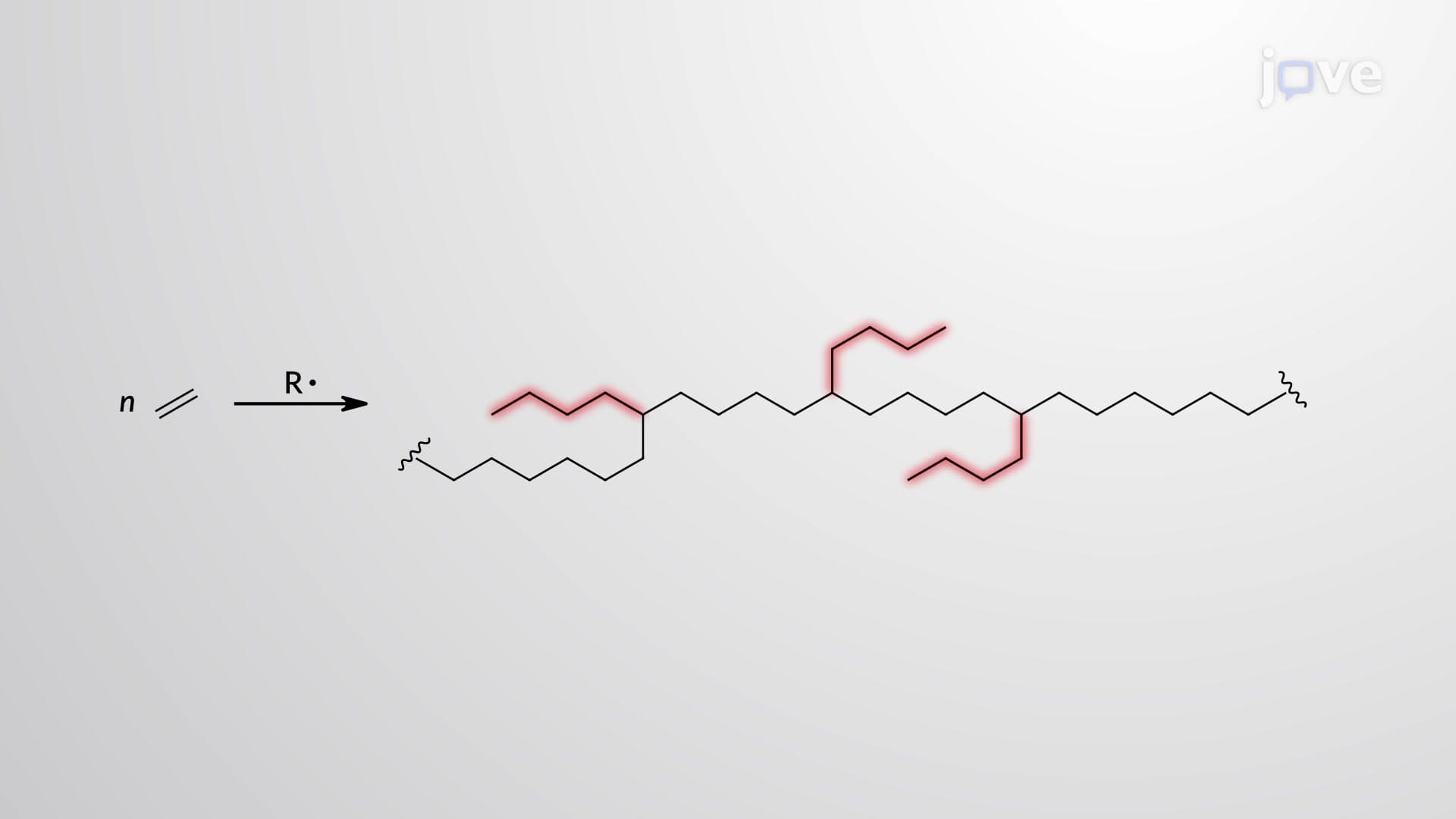
This polymerization method creates essential materials including polyethylene (plastic bags), polystyrene (foam cups), and poly(methyl methacrylate) (Plexiglas). The rapid propagation rate-often adding thousands of monomers per second-makes this process economically attractive for large-scale production.
Manufacturers employ inhibitors like hydroquinone to prevent unwanted polymerization during monomer storage and transport. These compounds stabilize radicals through resonance or hydrogen donation, effectively "quenching" reactive species before they can initiate unwanted chain growth.
Understanding this mechanism proves crucial for AP Chemistry students and college organic chemistry courses, as it demonstrates fundamental concepts of reaction kinetics, radical chemistry, and industrial polymer synthesis.
Related Micro-courses