Loading subject page…

- Organic Chemistry
- Synthetic Polymers
- Ziegler–Natta Chain-Growth Polymerization: Overview
Micro-course: Synthetic Polymers
58,700 views
Learn key concepts and earn your certificate.





Ziegler–Natta Chain-Growth Polymerization: Overview

00:00
01:17
Video Summary: Ziegler Natta Chain Growth Polymerization Explained
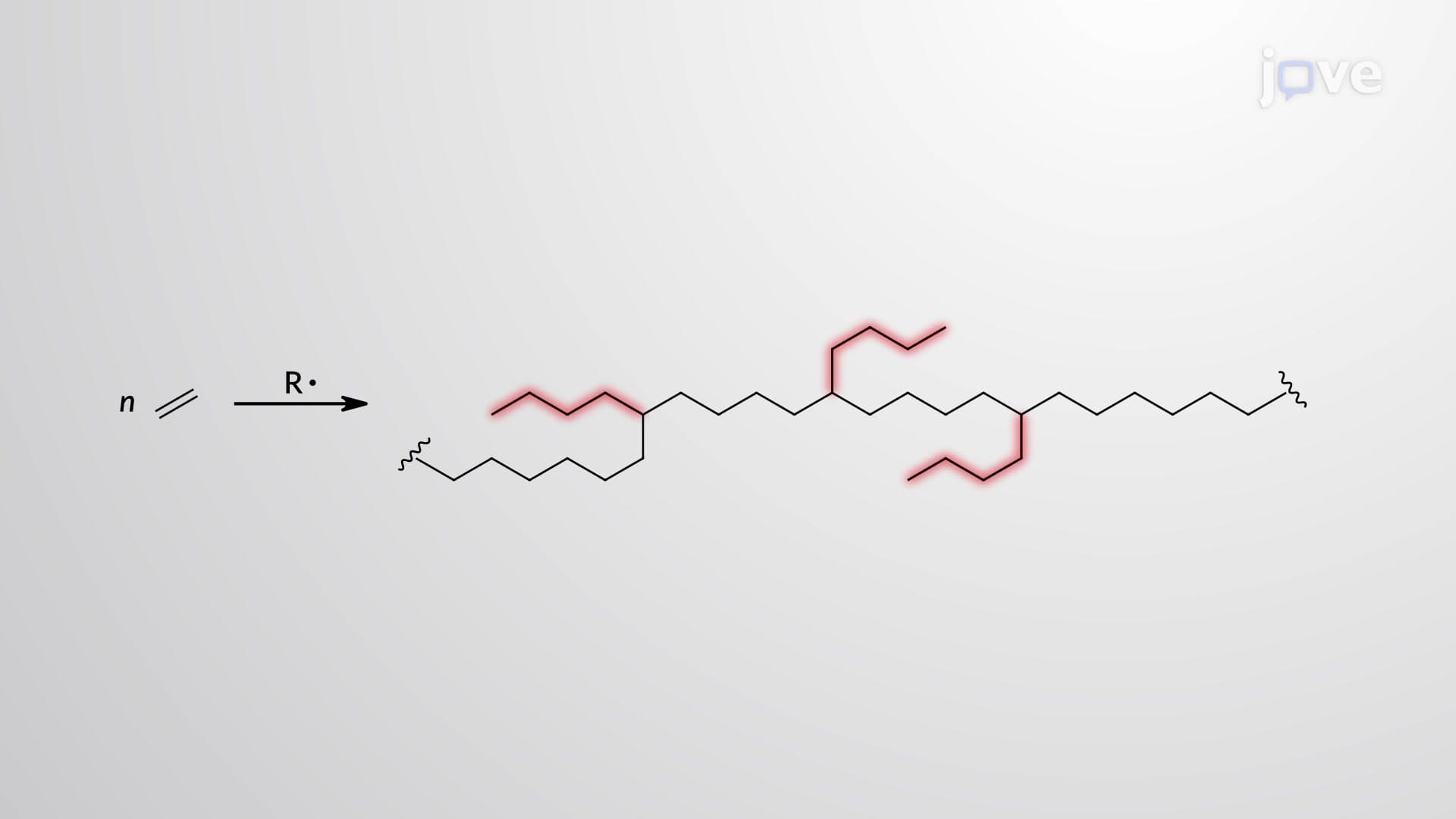
Ever wondered how bulletproof vests achieve their incredible strength? The secret lies in ziegler natta chain growth polymerization, a revolutionary process that creates ultra-strong, linear polymers without branching. Unlike radical polymerization that produces weak, branched structures, Ziegler Natta Chain Growth Polymerization Explained demonstrates how organometallic catalysts like titanium tetrachloride control molecular architecture to synthesize high-performance materials used in everything from underground water pipes to body armor. Watch the full video on JoVE Coach to master this concept with expert-led visuals and step-by-step explanations.
- Understand how Ziegler Natta Chain Growth Polymerization Explained differs from radical polymerization in producing linear versus branched polymer structures
- Identify the key components of Ziegler-Natta catalysts, including titanium tetrachloride and triethyl aluminum organometallic complexes
- Analyze the stereochemical control mechanisms that enable synthesis of isotactic, syndiotactic, and atactic polypropylene forms
- Compare the molecular weight and structural properties of polymers produced through Ziegler-Natta versus radical chain-growth processes
- Evaluate real-world applications of Ziegler-Natta polymers in high-performance materials like UHMWPE and natural rubber synthesis
- Apply knowledge of catalyst systems to predict polymer properties and industrial applications in materials science
- Recognize the role of organometallic chemistry in controlling polymerization mechanisms and product characteristics
- Explore how stereochemical configuration affects polymer performance in commercial applications
Understanding Ziegler Natta Chain Growth Polymerization Fundamentals
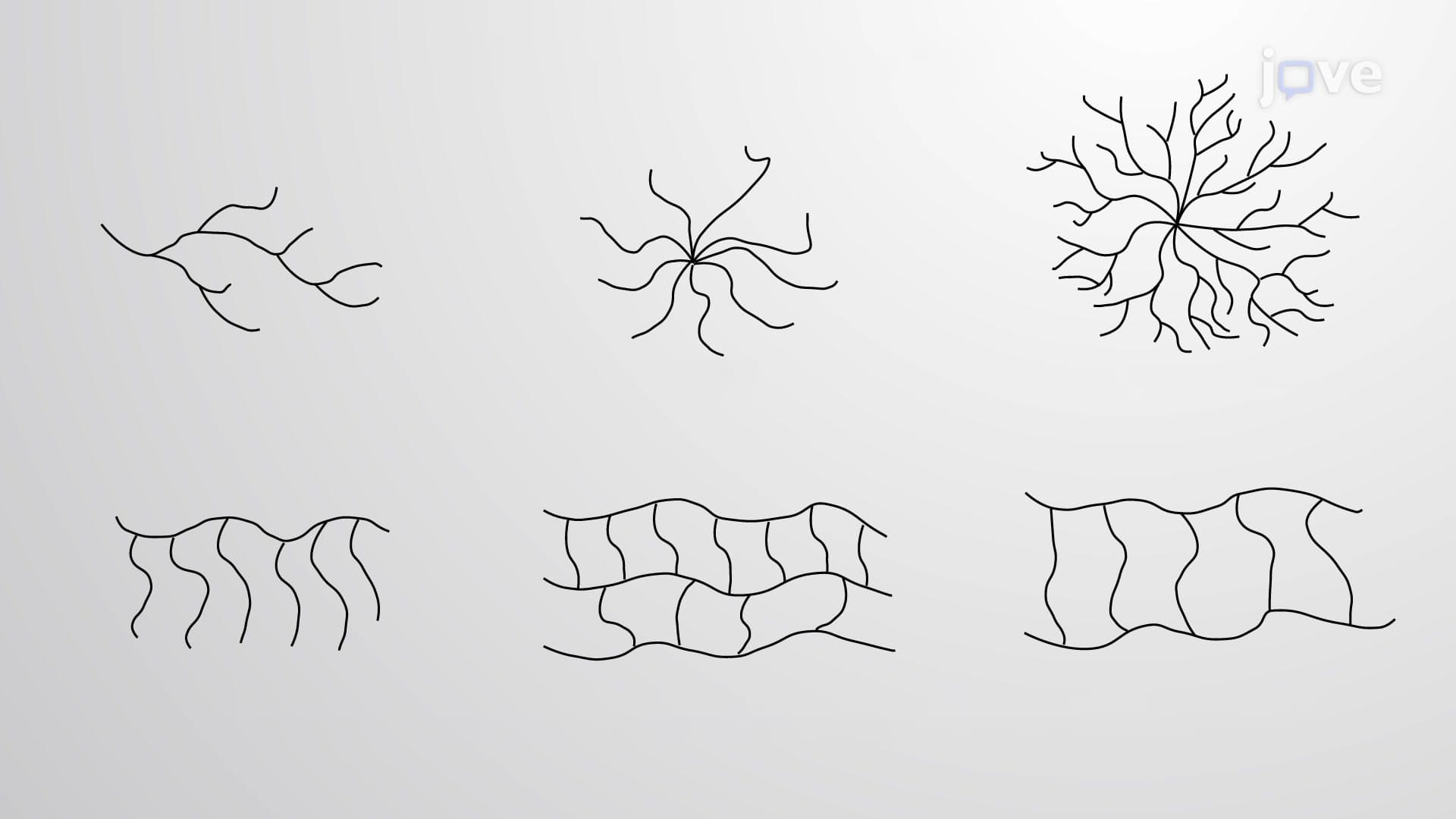
Ziegler Natta Chain Growth Polymerization Explained represents a breakthrough in polymer chemistry that solved a critical manufacturing challenge. Before this innovation, radical polymerization dominated industrial polymer production but created highly branched, low-density materials with limited applications. Karl Ziegler and Giulio Natta's Nobel Prize-winning discovery introduced organometallic catalysts that precisely control polymer chain architecture, enabling synthesis of linear, high-molecular-weight polymers with exceptional properties.
Catalyst Chemistry and Mechanism
The heart of ziegler natta chain growth polymerization lies in its sophisticated catalyst system. A typical Ziegler-Natta catalyst combines titanium tetrachloride (TiCl4) with triethyl aluminum (Al(C2H5)3), creating an organometallic complex that coordinates monomer addition. This catalyst provides both initiation and propagation control, ensuring each monomer unit adds in a stereospecific manner. Unlike radical processes that rely on random chain branching, the organometallic active site maintains precise geometric control throughout polymerization.
Industrial Applications and Performance Materials
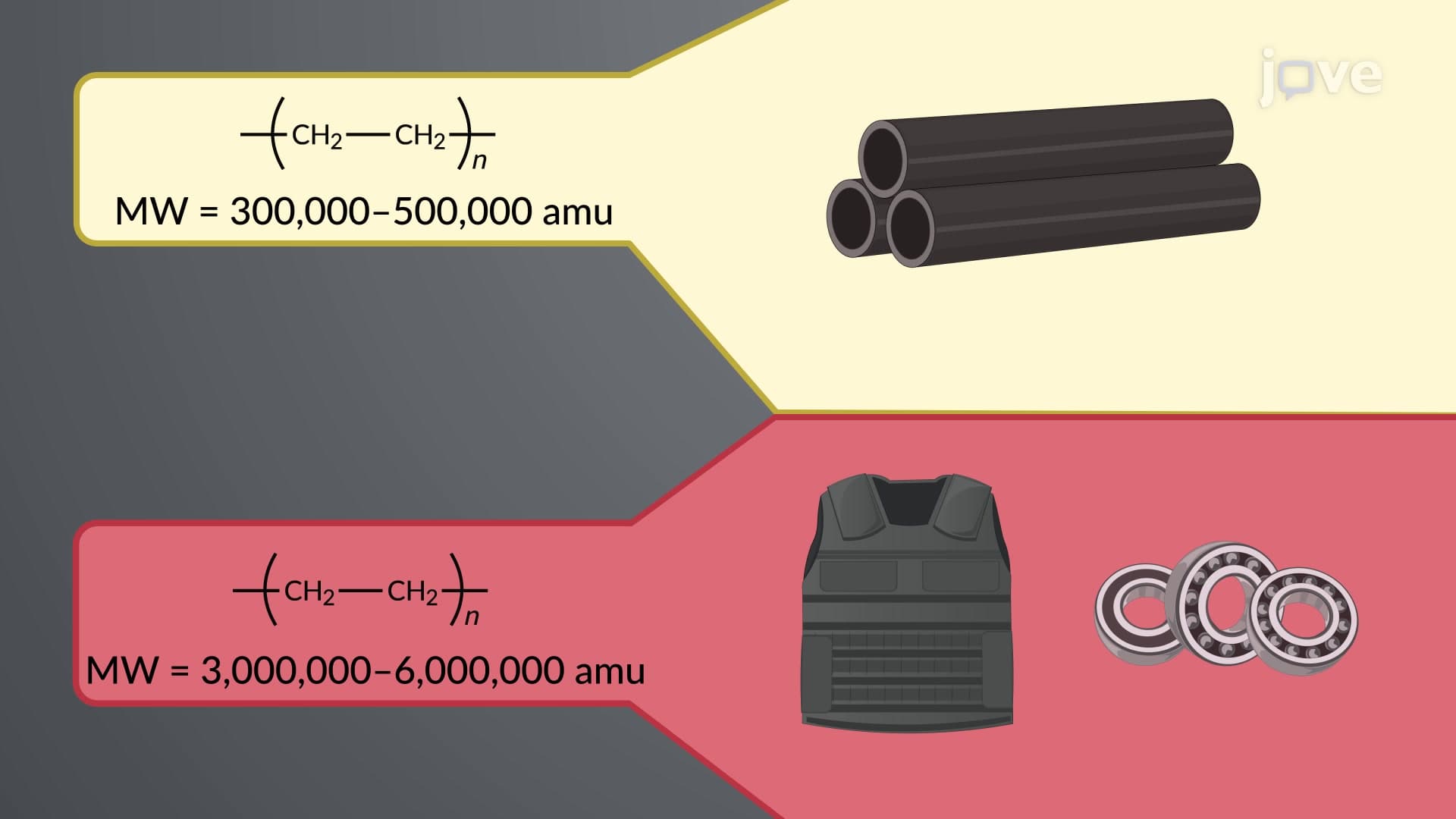
Ziegler natta chain growth polymerization explained becomes particularly relevant when examining high-performance applications. Ultra-high-molecular-weight polyethylene (UHMWPE) produced through this process exhibits molecular weights exceeding 3 million g/mol, creating materials strong enough for bulletproof armor used by US law enforcement and military. The linear chain structure eliminates weak points from branching, resulting in superior tensile strength and impact resistance compared to conventional polyethylene.
Stereochemical Control and Product Diversity
One revolutionary aspect involves stereochemical precision in polypropylene synthesis. Ziegler-Natta catalysts can produce isotactic polypropylene (all methyl groups on same side), syndiotactic (alternating pattern), or atactic (random arrangement) configurations. This control directly impacts material properties-isotactic polypropylene forms highly crystalline structures ideal for automotive parts and medical devices, while atactic forms remain amorphous and flexible. US chemical companies like DuPont and ExxonMobil extensively utilize these principles in commercial production.
Students preparing for AP Chemistry or college organic chemistry courses should understand how this process exemplifies coordination chemistry principles. The metal center provides both Lewis acid activation and geometric constraint, concepts frequently tested on standardized exams. Practice problems often involve predicting polymer properties based on catalyst choice and reaction conditions.
Frequently Asked Questions
Ziegler natta chain growth polymerization is an addition polymerization process using organometallic catalysts to create linear, high-molecular-weight polymers. The catalyst system, typically titanium tetrachloride and triethyl aluminum, coordinates monomer addition in a controlled manner, preventing chain branching. This produces stronger materials with precise stereochemical configurations compared to radical polymerization methods.
AP Chemistry and college organic chemistry exams frequently test catalyst mechanisms, stereochemistry concepts, and polymer property predictions. Expect questions comparing radical versus coordination polymerization, identifying catalyst components, or explaining how stereochemical control affects material properties. Practice drawing mechanism steps and relating molecular structure to macroscopic properties.
Organic Chemistry II, Materials Science, and Polymer Chemistry courses extensively cover Ziegler-Natta polymerization. Advanced Inorganic Chemistry also explores organometallic catalyst mechanisms. Pre-med students encounter these concepts on the MCAT chemistry section, particularly in passages about materials science applications.
UHMWPE from Ziegler-Natta polymerization appears in bulletproof vests worn by US police officers, orthopedic implants in American hospitals, and ultra-strong ropes used by the US Coast Guard. High-density polyethylene pipes transport water in US municipal systems, while specialized polypropylene forms create automotive components and medical devices manufactured domestically.
Basic understanding of chemical bonding, coordination chemistry, and organic reaction mechanisms provides sufficient foundation. High school AP Chemistry or introductory college chemistry covers necessary prerequisite concepts. Focus on understanding Lewis acid-base interactions and stereochemistry principles rather than memorizing complex mechanistic details.
Create comparison charts between radical and Ziegler-Natta polymerization highlighting catalyst types, polymer structures, and applications. Practice drawing simplified catalyst structures and predicting polymer properties. Use flashcards for key terms like isotactic, syndiotactic, and UHMWPE, connecting molecular structure to real-world performance.
Explore metallocene catalysts, living polymerization mechanisms, and block copolymer synthesis. Advanced organometallic chemistry covers similar coordination principles, while materials science examines structure-property relationships in engineering polymers. Consider studying industrial catalysis and sustainable polymer production methods.
MCAT passages frequently feature polymer chemistry in materials science contexts, testing ability to analyze experimental data and predict molecular behavior. Understanding Ziegler-Natta principles helps interpret catalyst effects, stereochemical outcomes, and structure-function relationships. Practice connecting molecular-level mechanisms to macroscopic material properties through passage-based questions.
Related Micro-courses
15 Concepts

12 Concepts

14 Concepts