Loading subject page…

- Pharmacology
- Pharmacokinetics
- Drug Absorption: Factors Affecting GI Absorption
Micro-course: Pharmacokinetics
134,509 views
Learn key concepts and earn your certificate.


Drug Absorption: Factors Affecting GI Absorption

00:00
01:19
Video Summary: Drug Absorption Factors Affecting Gi Absorption Explained
Ever wonder why taking antibiotics with food sometimes reduces their effectiveness? Drug absorption factors affecting how medications enter your bloodstream from the gastrointestinal tract determine whether a pill works as intended. For instance, calcium supplements can interfere with tetracycline absorption in your stomach, making the antibiotic less effective against infections. Understanding Drug Absorption Factors Affecting GI Absorption Explained reveals how stomach pH, intestinal surface area, food interactions, and transport proteins all influence medication effectiveness. Watch the full video on JoVE Coach to master this concept with expert-led visuals and step-by-step explanations.
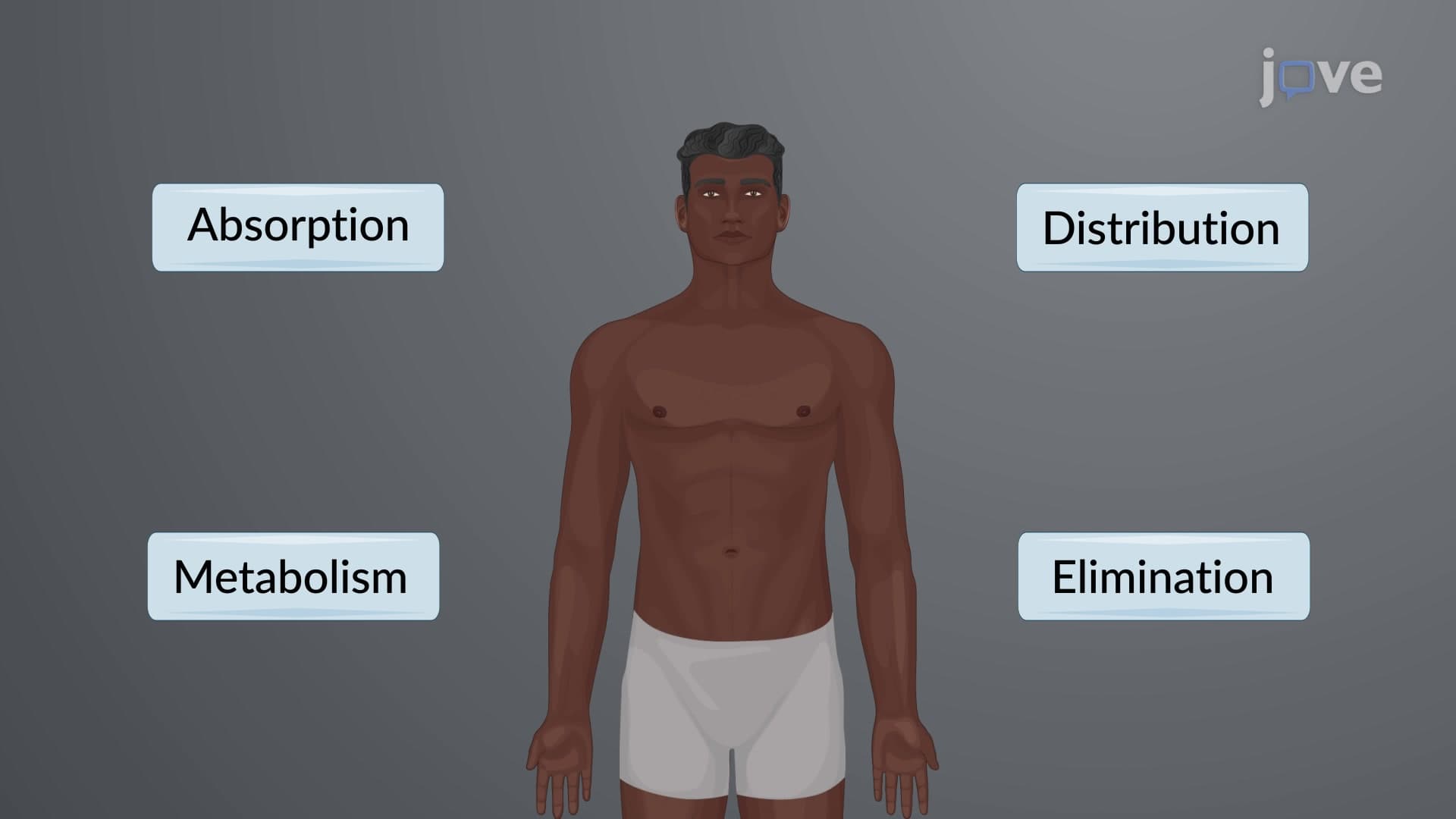
- Understand the fundamental principles behind Drug Absorption Factors Affecting GI Absorption Explained and how molecular properties determine absorption sites
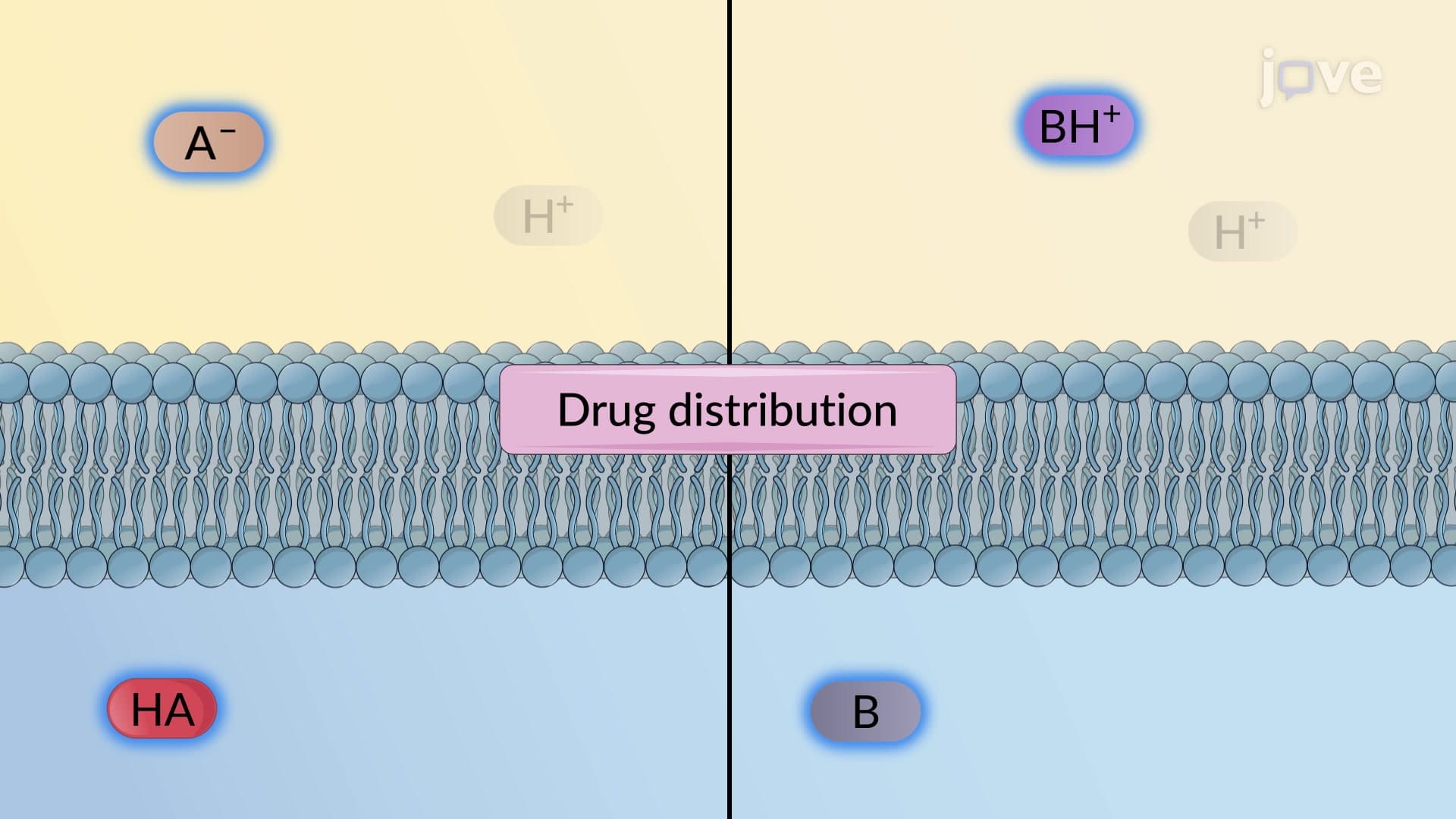
- Identify how stomach pH affects weakly acidic versus weakly basic drugs and their ionization states
- Analyze the role of intestinal villi surface area and blood flow in maximizing drug uptake compared to gastric absorption
- Compare absorption rates between fasting and fed states, explaining food-drug interactions and complex formation
- Evaluate how gastrointestinal motility changes during diarrhea impact drug residence time and absorption efficiency
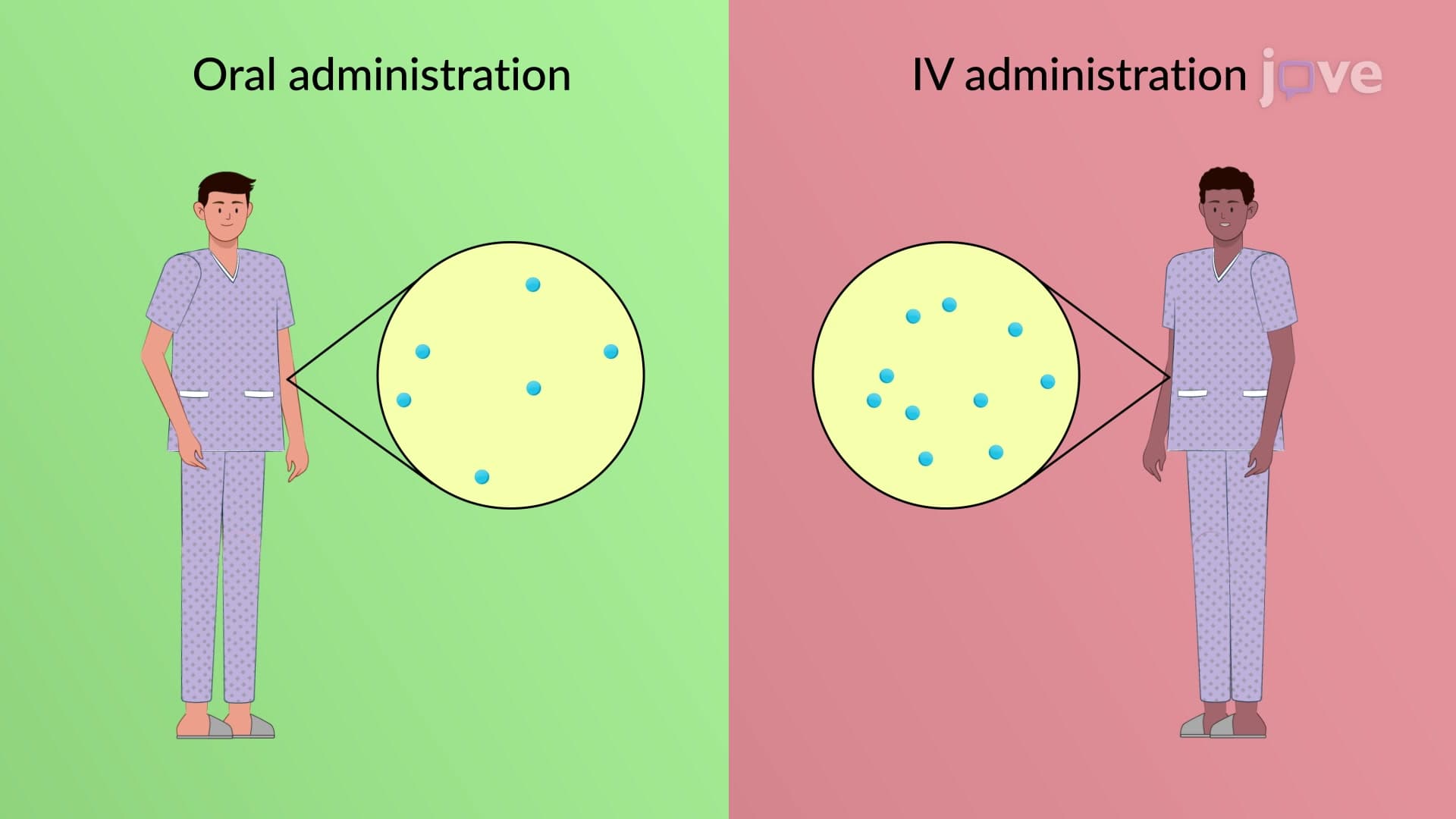
- Apply knowledge of P-glycoprotein efflux pumps to predict which medications face reduced bioavailability
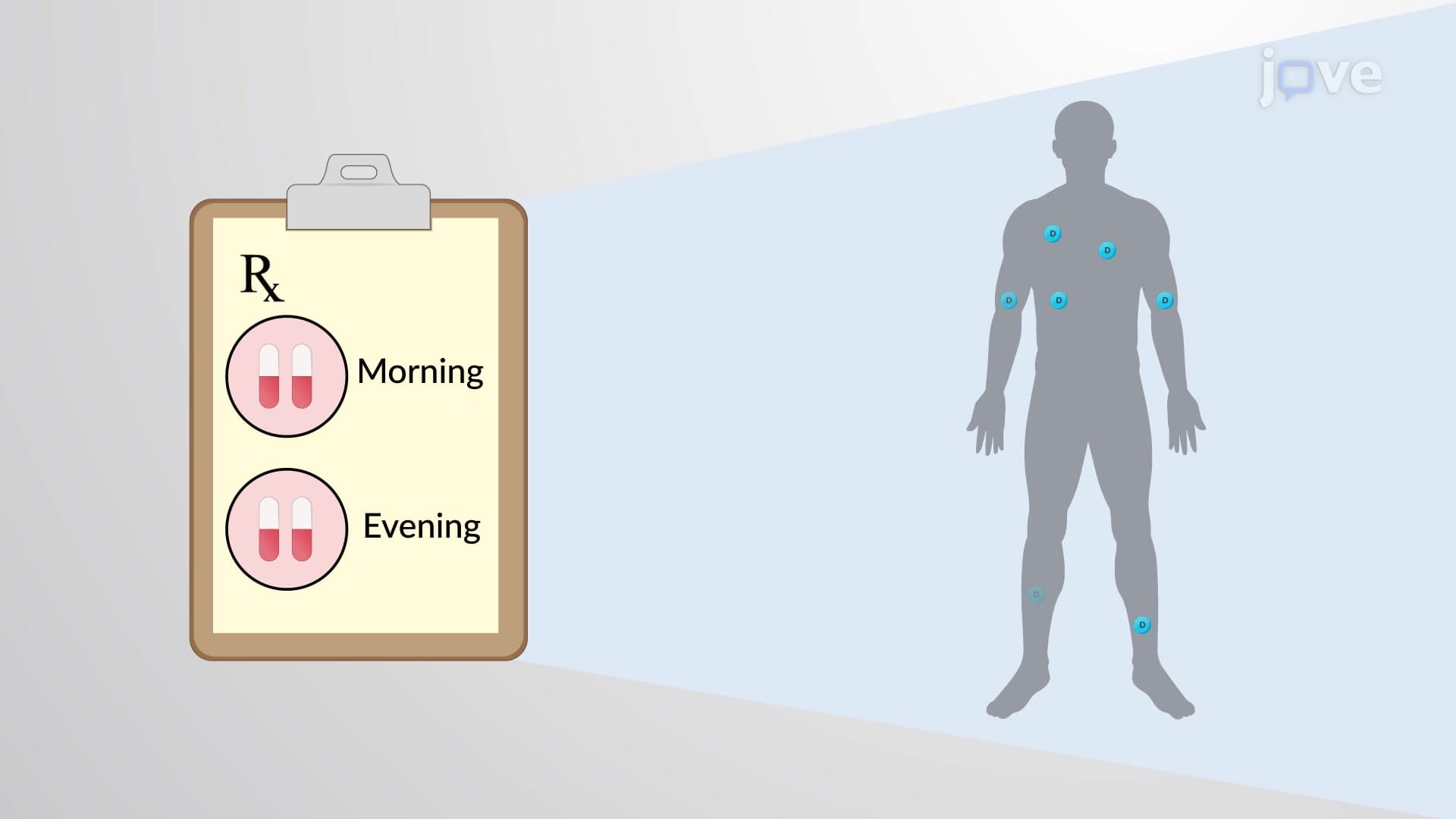
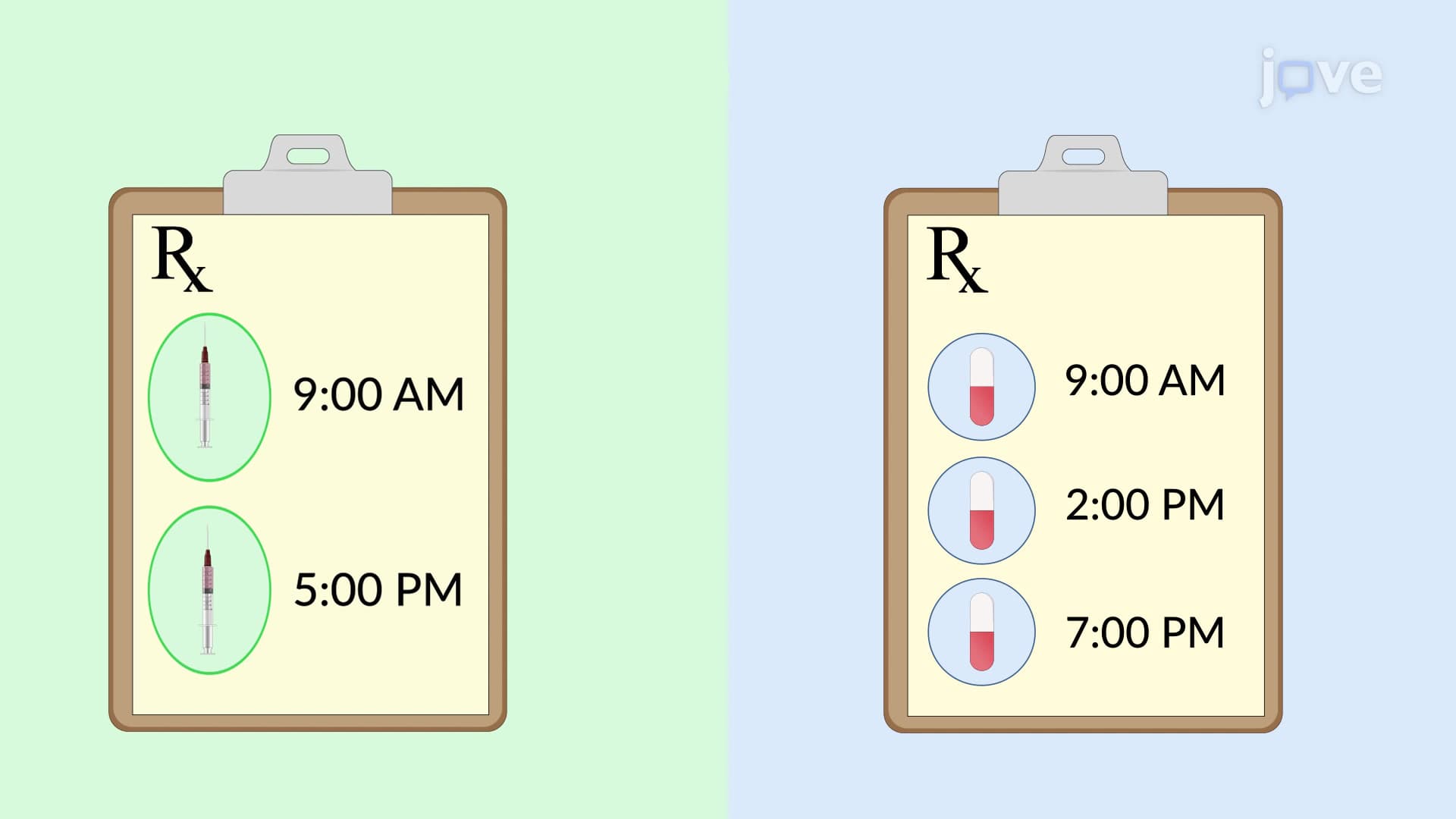
- Recognize clinical scenarios where timing of medication administration affects therapeutic outcomes
- Explore connections between drug physicochemical properties and optimal dosing strategies
Understanding Drug Absorption Factors Affecting GI Absorption
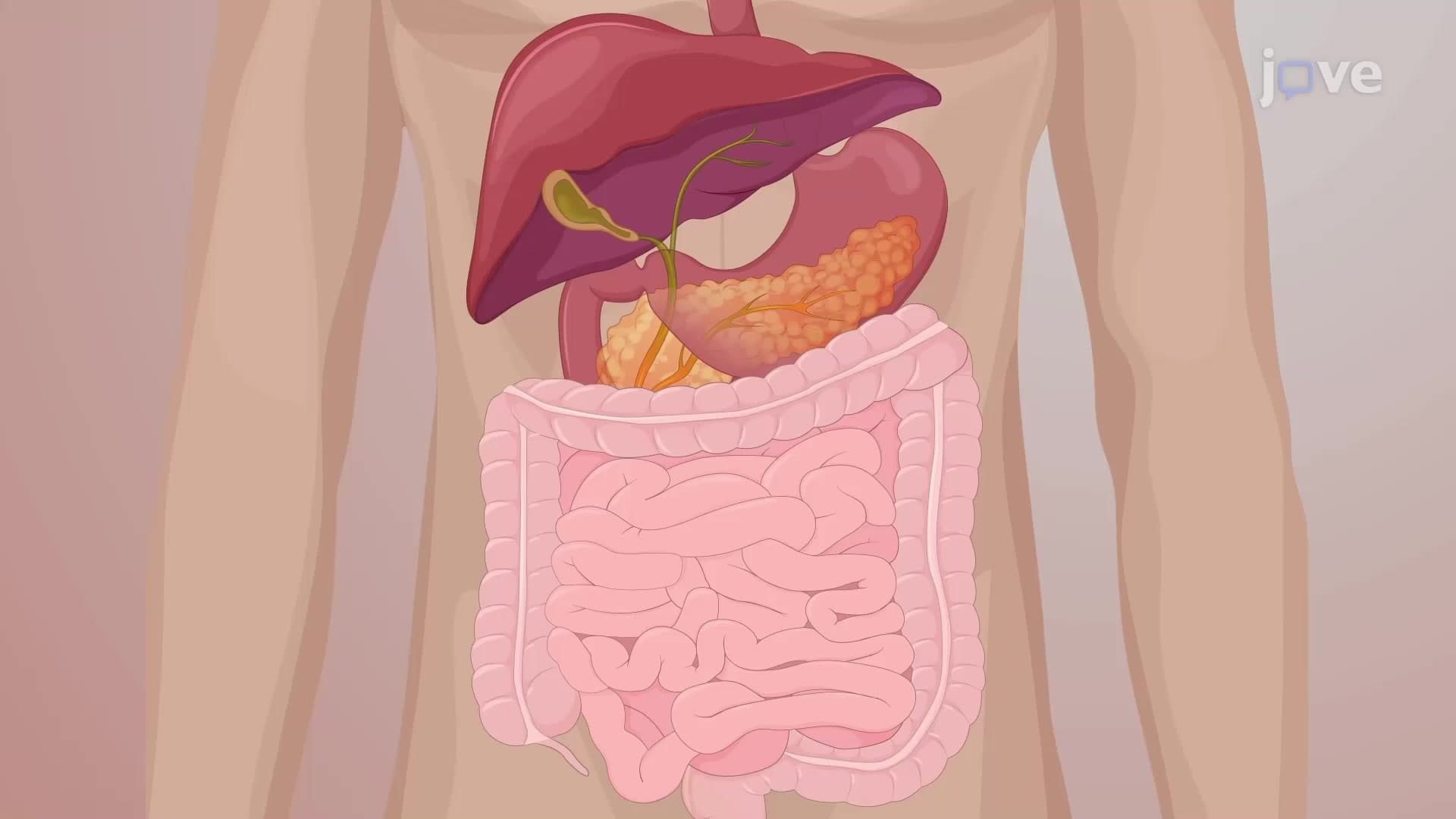
When you swallow a medication, its journey from pill to bloodstream involves complex interactions within your gastrointestinal tract. The effectiveness of any oral medication depends on how well it crosses from the gut lumen into systemic circulation-a process governed by multiple drug absorption factors.
Stomach vs. Intestinal Absorption: The pH Factor
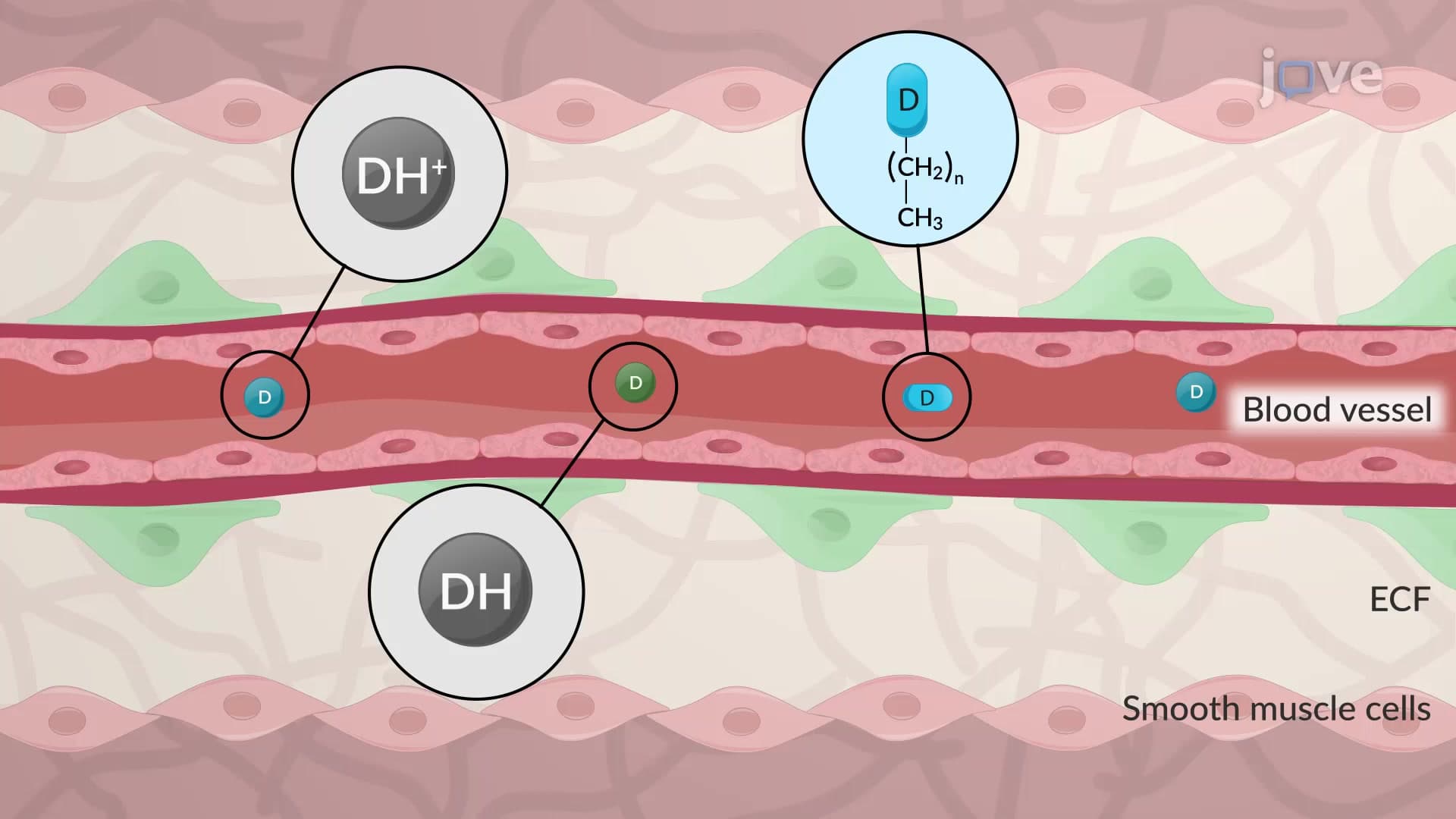
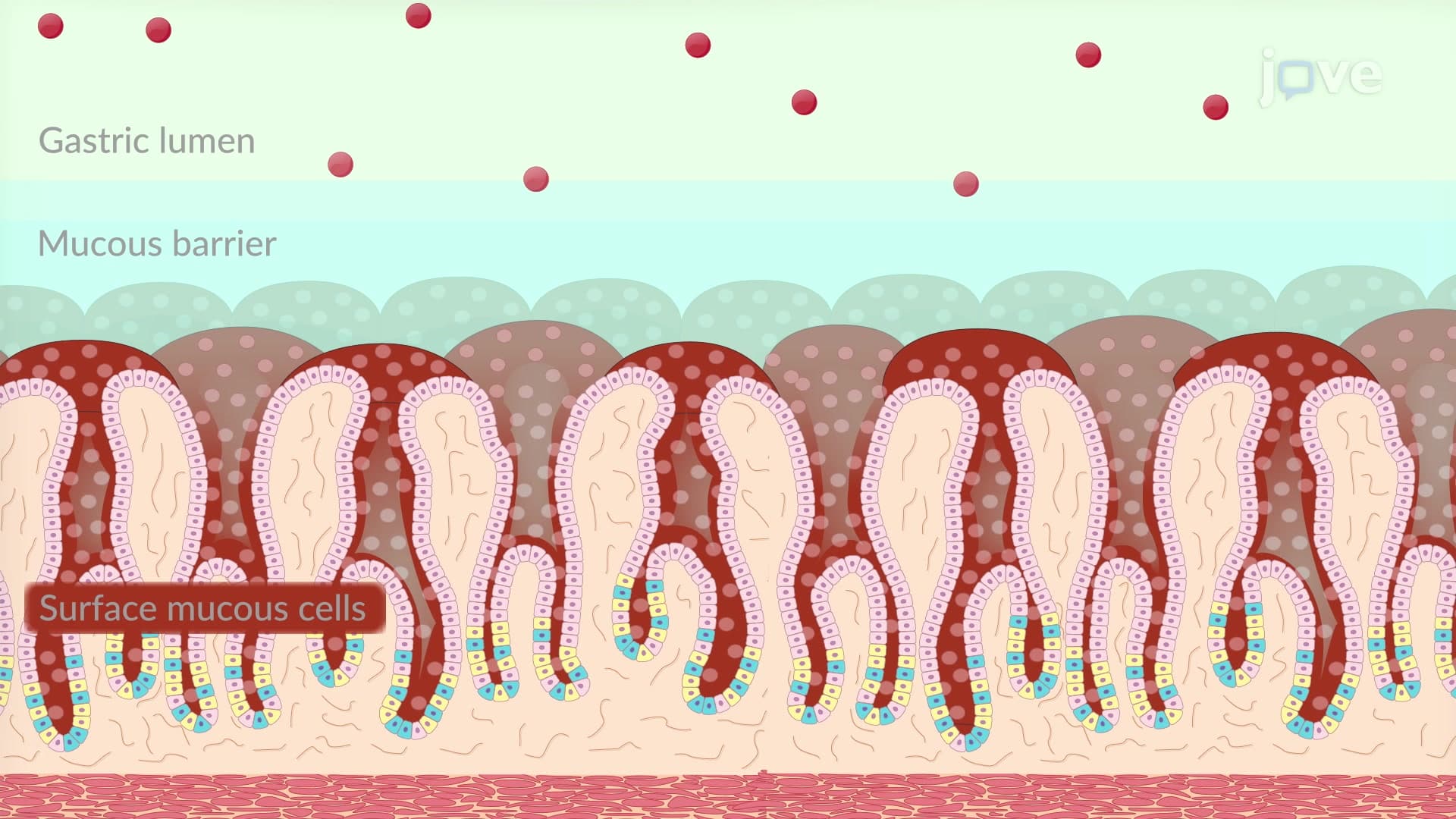
The stomach's acidic environment (pH 1-3) favors absorption of weakly acidic drugs like aspirin and warfarin. In this low-pH environment, these drugs remain largely nonionized, allowing them to pass through lipid membranes more easily. However, the stomach presents significant limitations: its thick mucous layer creates a diffusion barrier, and its relatively small surface area (compared to intestines) restricts absorption capacity.
Conversely, the small intestine's higher pH (6-8) ionizes acidic drugs, potentially reducing their absorption. Yet the intestine's massive advantage lies in its structure-millions of villi create a surface area roughly equivalent to a tennis court. Combined with rich blood supply, this makes the small intestine the primary absorption site for most oral medications, including commonly prescribed drugs like metformin for diabetes.
Food Effects and Gastric Emptying
Food dramatically alters drug absorption factors affecting medication effectiveness. When you take pills with meals, several mechanisms can reduce absorption. Food components may bind directly to drugs-calcium in dairy products famously interferes with fluoroquinolone antibiotics like ciprofloxacin. Additionally, food delays gastric emptying, keeping drugs in the stomach longer before reaching the absorption-optimized small intestine.
This concept frequently appears on MCAT passages and AP Biology exams, where students must predict how meal timing affects drug efficacy. For instance, thyroid hormone levothyroxine requires fasting administration because food reduces its absorption by up to 40%.
Transport Proteins and Efflux Pumps
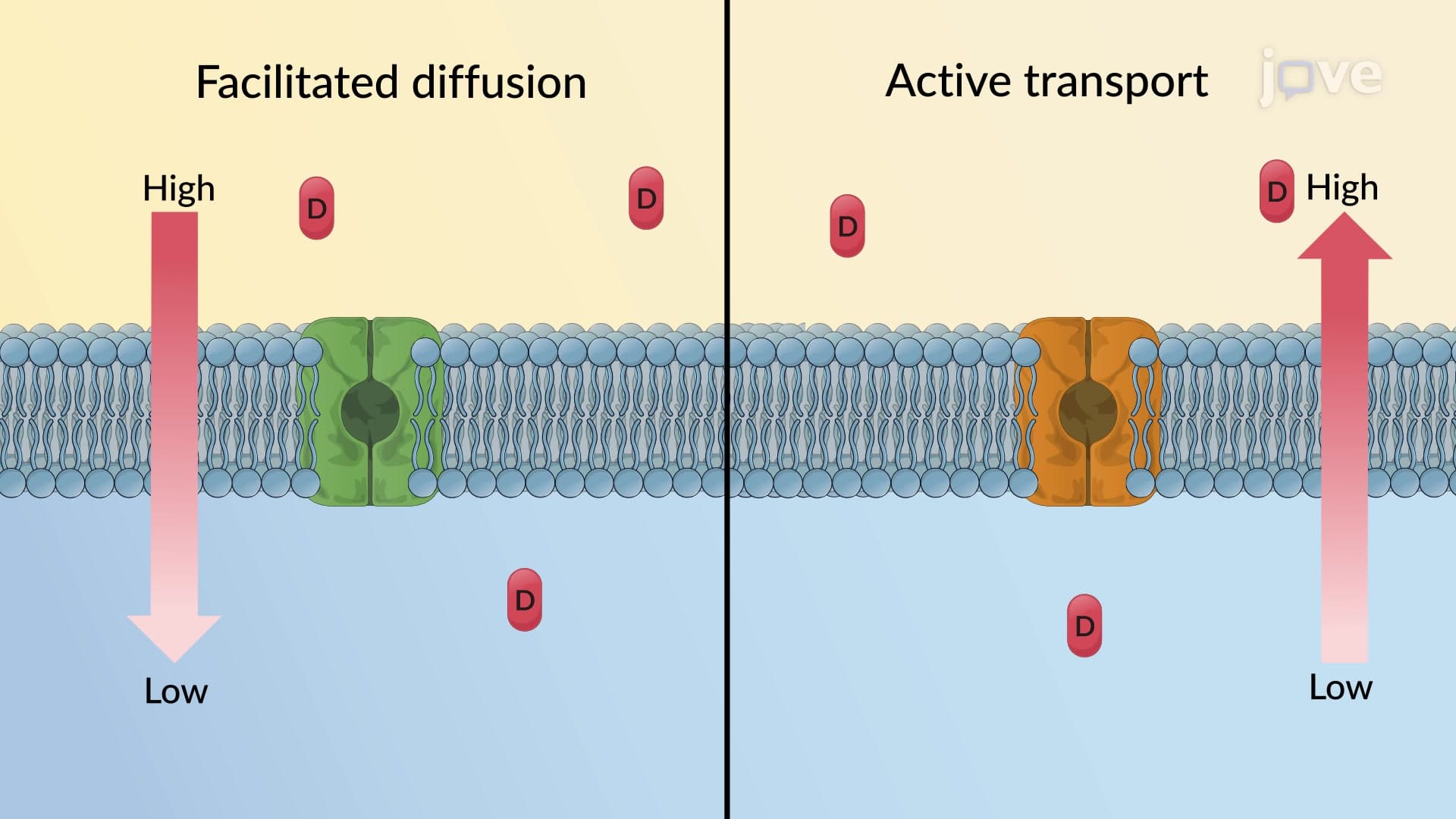
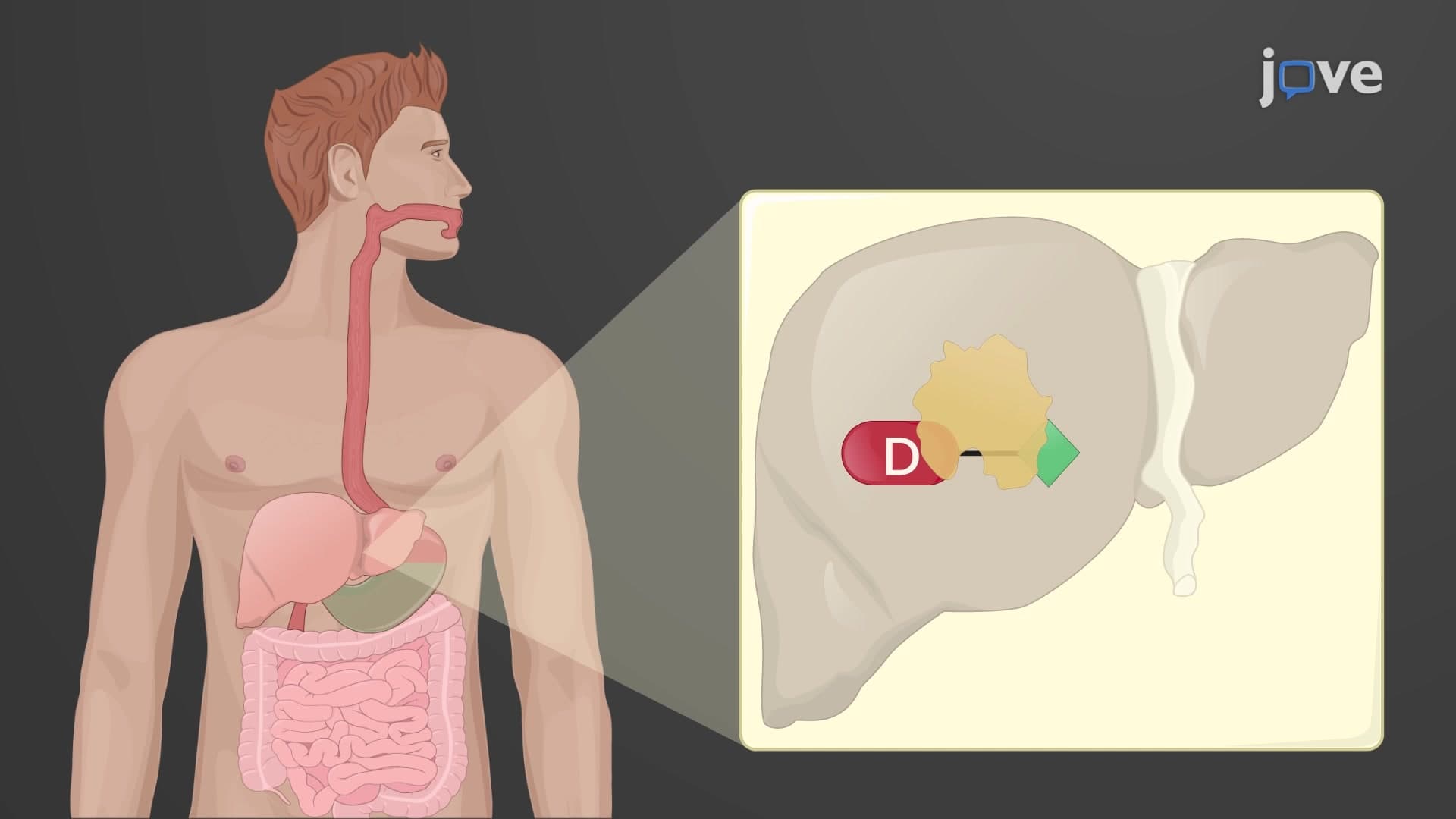
Modern pharmacology recognizes that passive diffusion alone doesn't explain drug absorption patterns. P-glycoprotein efflux pumps actively transport certain drugs back into the gut lumen, reducing their bioavailability. This mechanism affects medications like digoxin (heart medication) and some cancer chemotherapy drugs. Understanding these drug absorption factors helps explain why some patients require higher doses or why certain drug combinations enhance absorption by inhibiting efflux pumps.
Gastrointestinal motility also influences absorption. During diarrhea, rapid transit reduces contact time between drugs and intestinal walls, potentially requiring dosage adjustments for critical medications like anti-seizure drugs.
Frequently Asked Questions
Drug absorption factors affecting GI absorption are the physiological and chemical variables that determine how much of an oral medication enters your bloodstream from the digestive tract. These factors directly influence whether medications achieve therapeutic levels, making them essential for understanding proper dosing, timing, and food interactions that affect treatment success.
MCAT passages frequently test drug absorption through pH-partition theory questions, asking students to predict absorption sites based on drug pKa values and GI tract pH. You'll encounter scenarios comparing acidic drugs like aspirin (better stomach absorption) versus basic drugs like morphine (better intestinal absorption), often requiring calculations of ionized versus nonionized drug fractions.
AP Biology emphasizes surface area, membrane permeability, and concentration gradients as key absorption factors. Students should focus on how intestinal villi maximize absorption surface area, how lipophilicity affects membrane crossing, and how pH affects drug ionization states-concepts that connect to broader membrane transport principles.
Iron supplements demonstrate classic food effects on drug absorption-vitamin C enhances iron absorption by reducing Fe3+ to more absorbable Fe2+, while calcium and coffee inhibit absorption through binding and precipitation. This explains why doctors recommend taking iron with orange juice but avoiding dairy products or caffeine.
Basic high school chemistry suffices for understanding core drug absorption concepts. You need familiarity with acids, bases, pH, and simple molecular interactions, but complex pharmacokinetic calculations aren't required for introductory study-focus on conceptual understanding of how molecular properties affect absorption.
Create absorption factor categories: molecular (size, lipophilicity, ionization), physiological (pH, surface area, blood flow), and external (food, disease states). Use mnemonics like "Small Lipophilic Molecules Pass Membranes" and practice with real drug examples rather than abstract concepts.
Healthcare professionals use absorption principles daily when counseling patients about medication timing, food interactions, and dosage adjustments. Nurses administering medications, pharmacists providing counseling, and physicians prescribing treatments all apply these concepts to optimize therapeutic outcomes and prevent adverse effects.
After understanding basic absorption factors, explore first-pass metabolism, bioavailability versus bioequivalence, modified-release formulations, and transporter-mediated drug interactions. These concepts become crucial for advanced pharmacology courses and clinical decision-making in healthcare practice.
Related Micro-courses
19 Concepts

