Loading subject page…


134,553 views

Video Summary: Drug Absorption Mechanism Passive Membrane Transport Explained
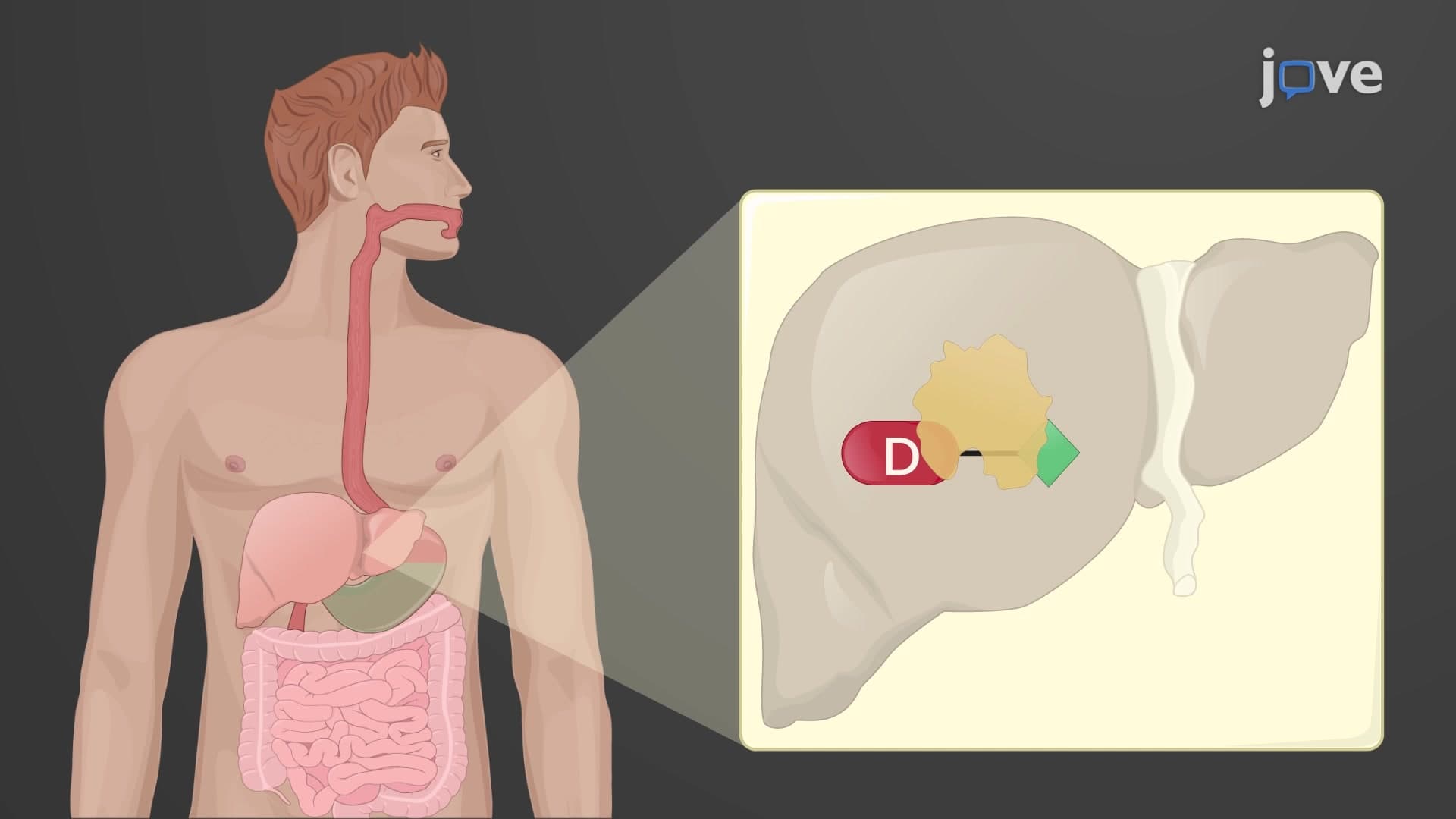
Ever wonder how your morning Advil gets from your stomach into your bloodstream? The drug absorption mechanism passive transport process is surprisingly selective-only molecules with the right chemical properties can cross cell membranes freely. When you take acetaminophen (Tylenol), its lipid-soluble form easily diffuses through stomach lining cells, while water-soluble forms remain trapped. This fundamental concept called Drug Absorption Mechanism Passive Membrane Transport Explained governs how every oral medication enters your system. Watch the full video on JoVE Coach to master this concept with expert-led visuals and step-by-step explanations.
Passive membrane transport represents the most fundamental pathway for drug absorption mechanism passive processes in the human body. Unlike active transport systems that require cellular energy, passive diffusion relies entirely on natural concentration gradients and molecular properties. This mechanism governs how countless medications-from common pain relievers to prescription antibiotics-cross biological barriers to reach their target sites.
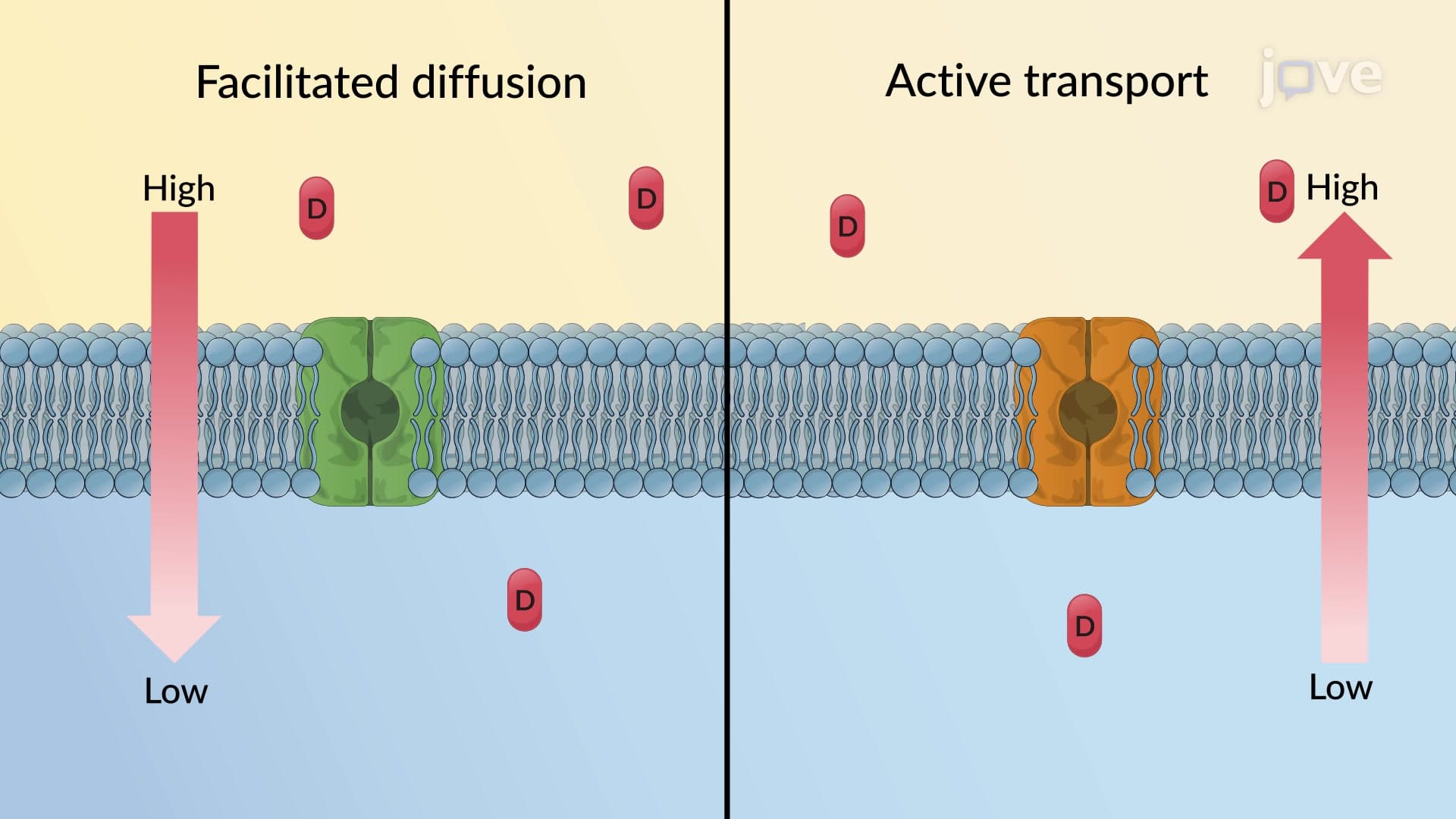
The process operates on simple yet elegant principles: molecules naturally move from areas of high concentration to low concentration until equilibrium is achieved. However, not all drug molecules can participate equally in this journey across cellular membranes.
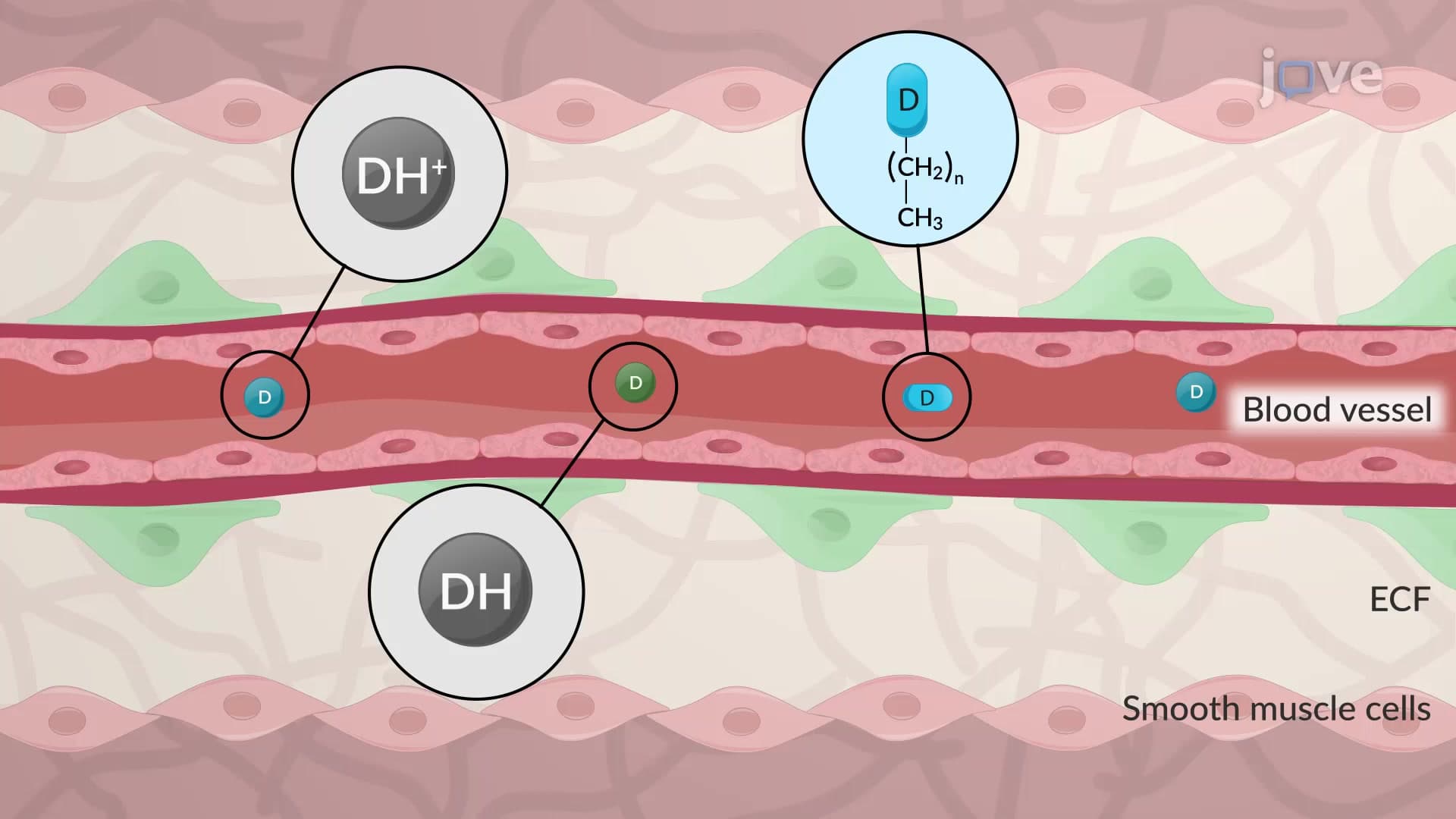
The drug absorption mechanism passive membrane transport mechanism explained centers on a molecule's lipophilic properties. Cell membranes consist primarily of phospholipid bilayers, creating hydrophobic barriers that selectively permit certain molecules to pass. The lipid-water partition coefficient serves as a predictive measure of how readily a drug will diffuse through these barriers.
Consider ibuprofen versus morphine: ibuprofen's higher lipid solubility allows rapid gastric absorption, while morphine's polar structure requires alternative administration routes for optimal bioavailability. This principle directly impacts pharmaceutical formulation strategies and explains why some medications work faster than others when taken orally.
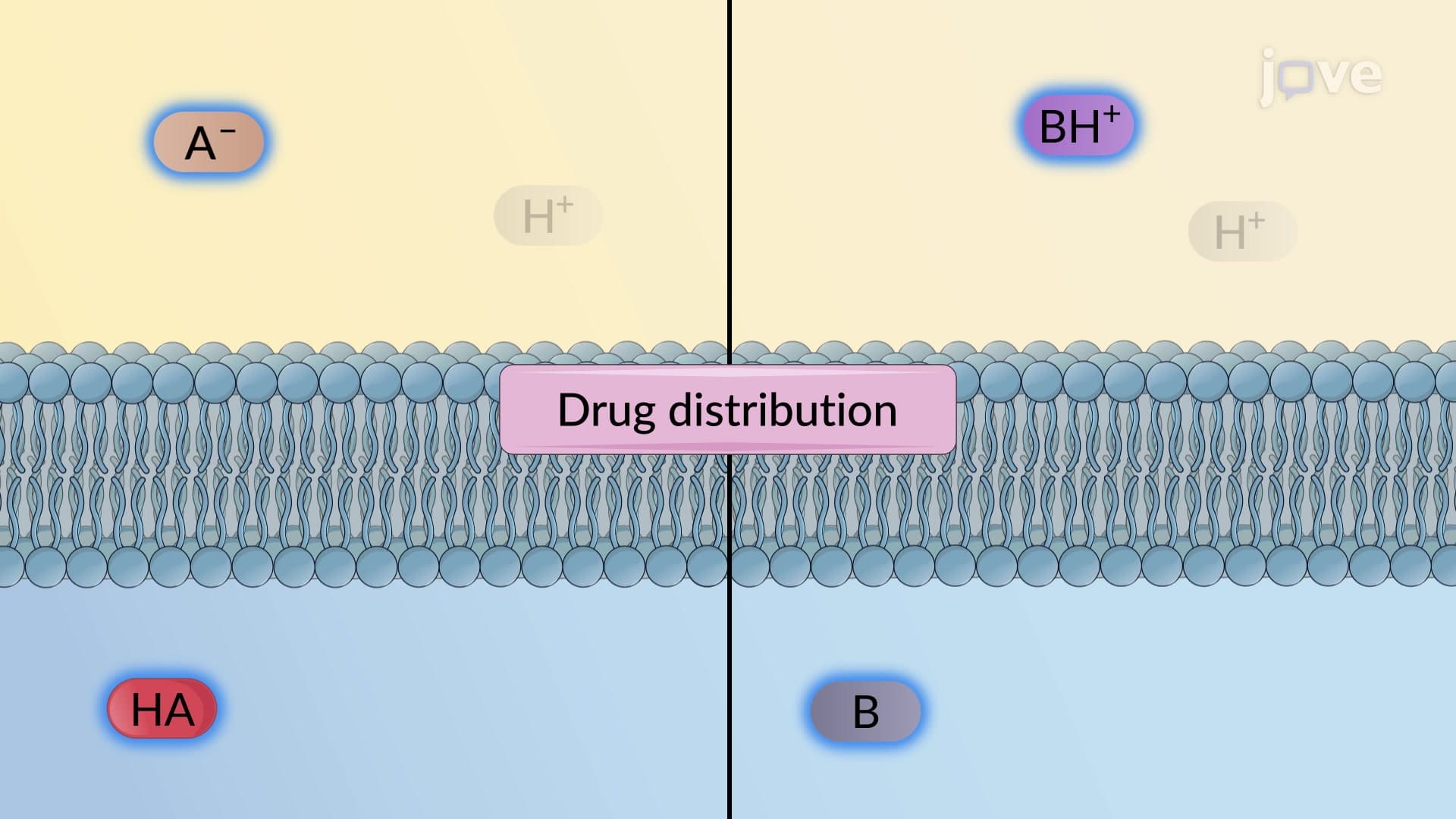
What is drug absorption mechanism passive membrane transport becomes more complex when considering weak acids and bases-categories that encompass most therapeutic agents. The Henderson-Hasselbalch equation governs the ionization behavior of these molecules across different pH environments.
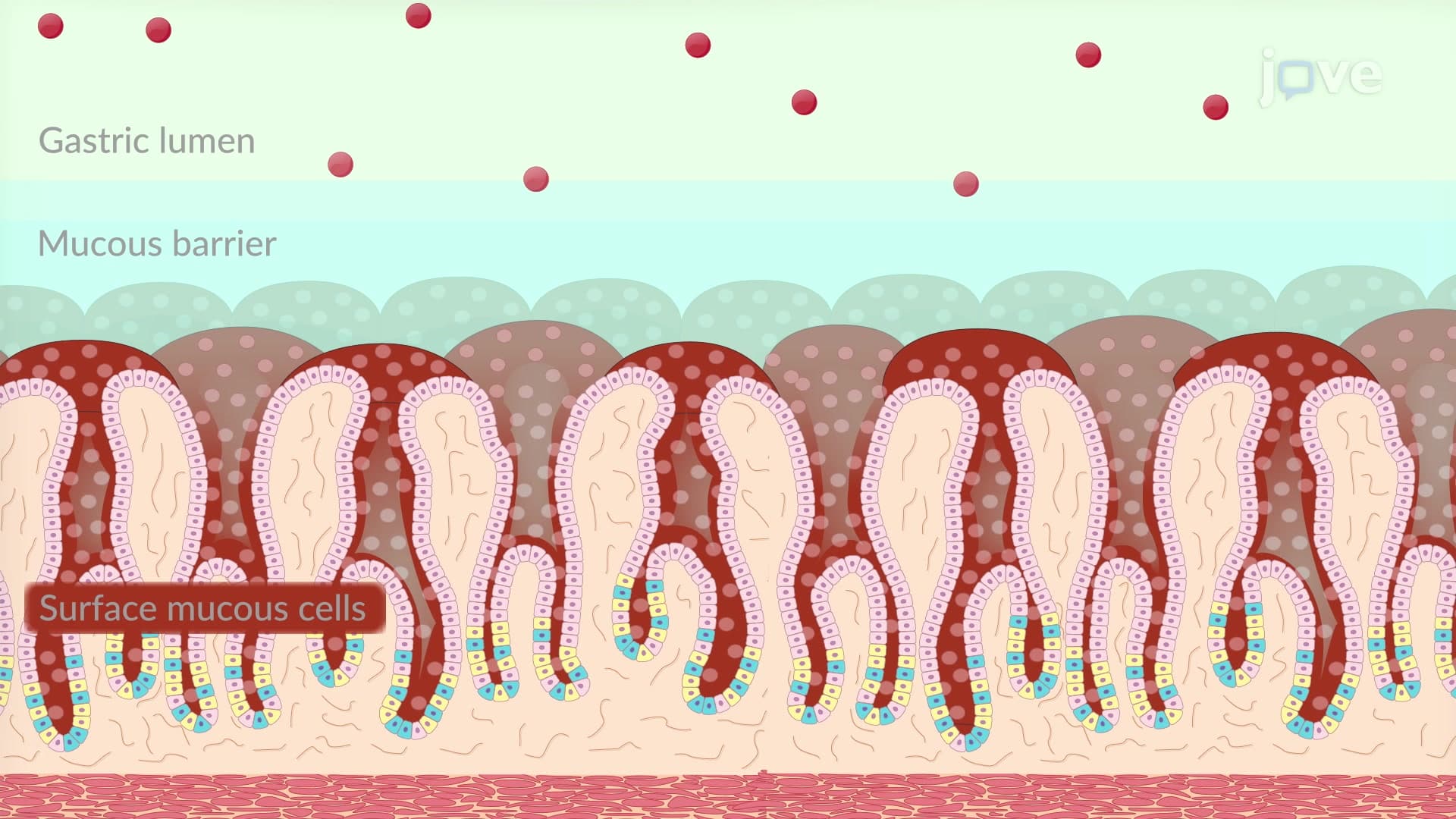
In the acidic stomach (pH ~1.5), weak acids like aspirin remain predominantly unionized and lipid-soluble, facilitating rapid absorption through gastric mucosa. However, weak bases like morphine become protonated and water-soluble in this environment, limiting their gastric absorption. Conversely, in the more alkaline small intestine (pH ~8), weak bases become unionized and absorbable while weak acids become ionized.
This concept appears frequently on MCAT passages, AP Biology exams, and college-level pharmacology assessments. Students should master calculating ionization ratios using pKa values and predicting absorption sites based on pH conditions. USMLE Step 1 questions often test understanding of how drug formulations exploit these principles-such as enteric-coated aspirin designed to resist gastric acid and dissolve in intestinal environments.
Understanding passive transport mechanisms also explains drug interactions and bioavailability issues encountered in clinical practice, making this foundational knowledge essential for healthcare career preparation.
Related Micro-courses