Loading subject page…


134,554 views

Video Summary: Drug Distribution Volume of Distribution Explained
Ever wonder why a single dose of digoxin for heart conditions can remain active in your body for over a week, while other medications like penicillin clear out within hours? The answer lies in drug distribution volume of distribution, a crucial pharmacokinetic concept that determines how medications spread throughout your body's compartments. For instance, warfarin, a common blood thinner prescribed to millions of Americans, has a low volume of distribution because it binds tightly to plasma proteins and stays primarily in the bloodstream. Watch the full video on JoVE Coach to master this concept with expert-led visuals and step-by-step explanations.
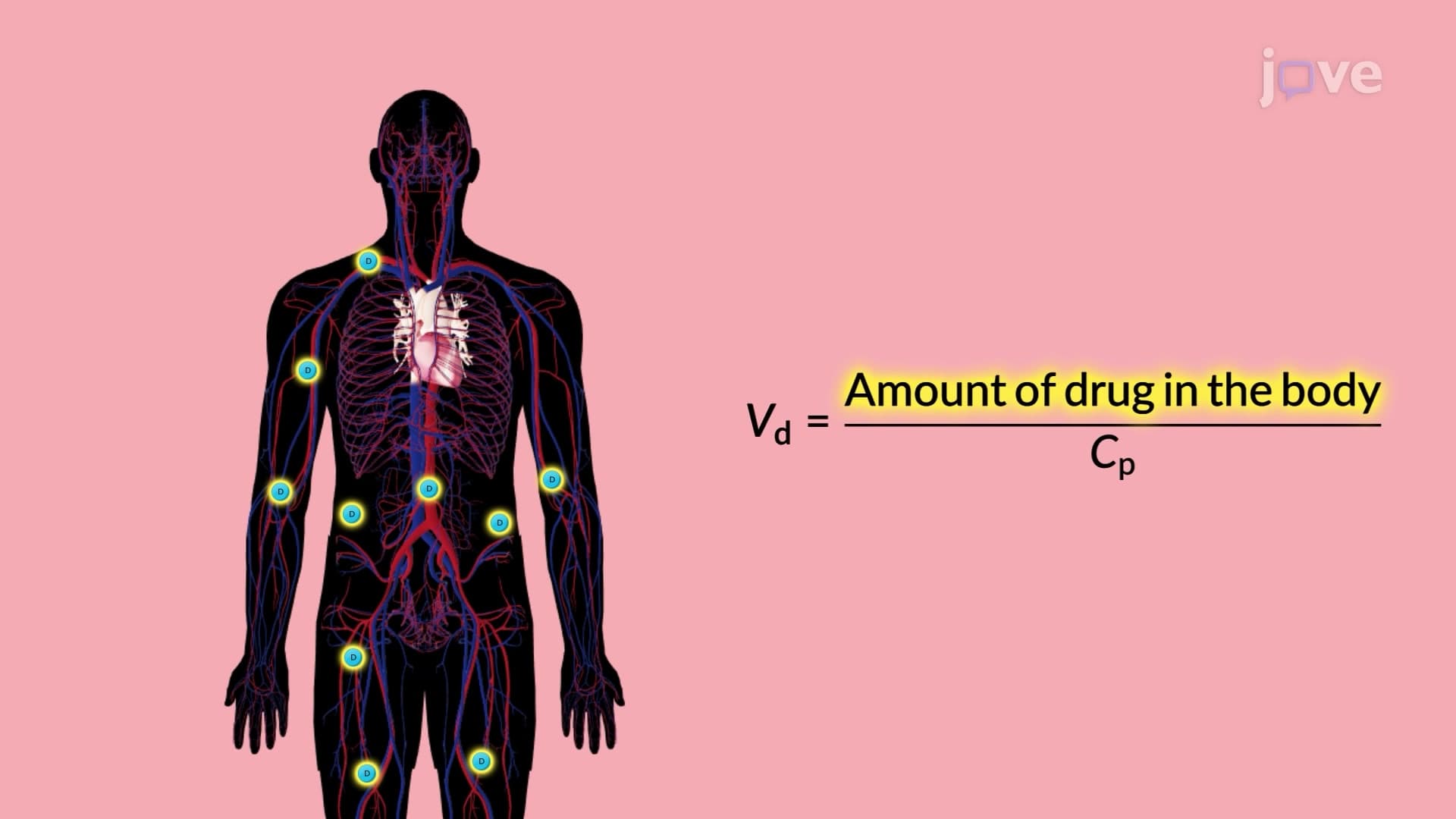
The drug distribution volume of distribution represents a theoretical concept that helps pharmacologists and clinicians understand how medications behave once they enter your body. Rather than describing an actual anatomical space, it's a mathematical parameter that indicates the apparent volume of fluid required to contain the entire amount of drug at the same concentration found in your plasma.
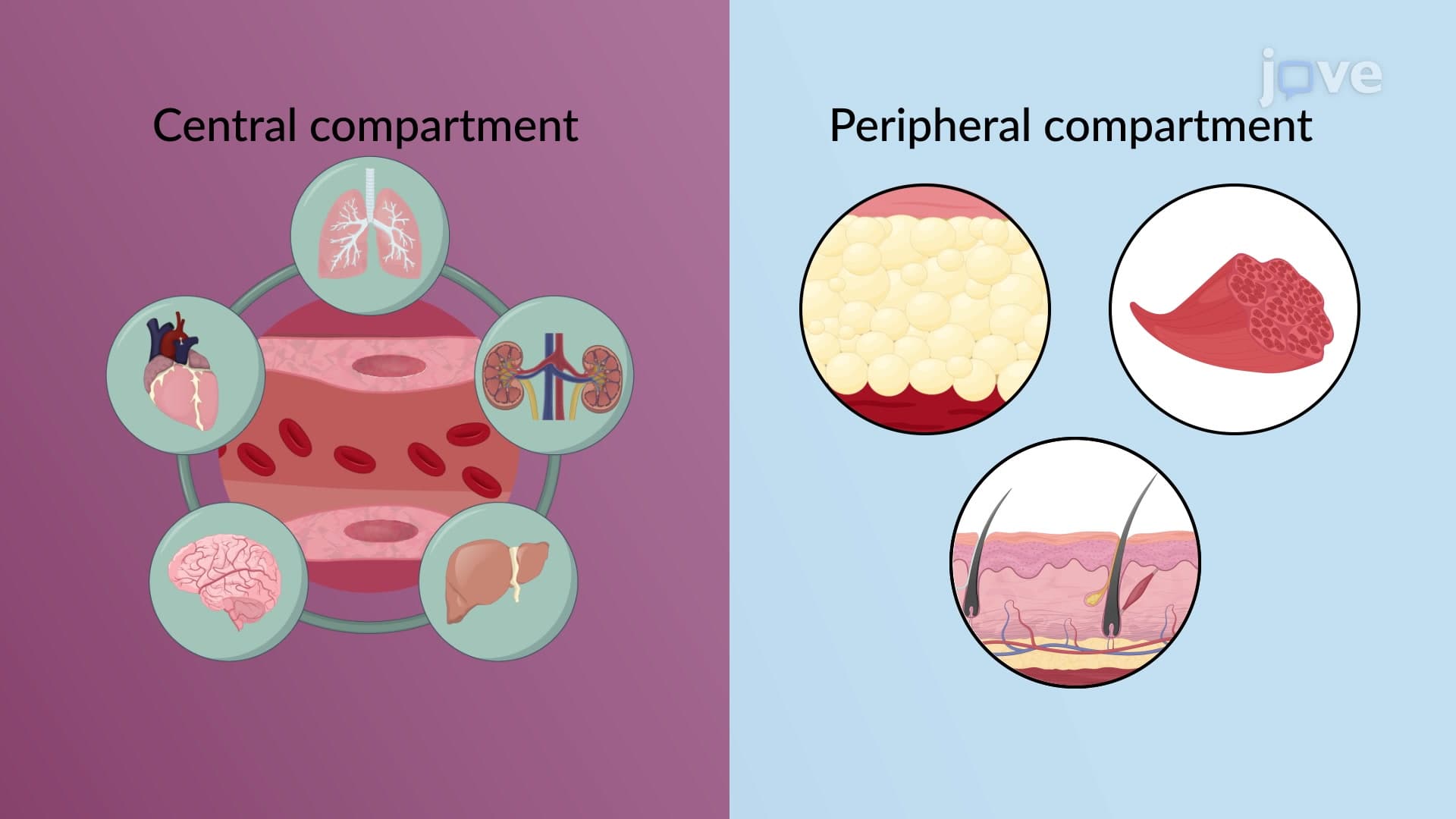
Your body's water distribution plays a fundamental role in drug distribution patterns. The intracellular compartment contains approximately 28 liters of fluid in an average 70-kg adult, representing two-thirds of total body water. The extracellular compartment, containing about 14 liters, includes both plasma (3 liters) and interstitial fluid (11 liters). Understanding these proportions helps predict where different drugs will accumulate.
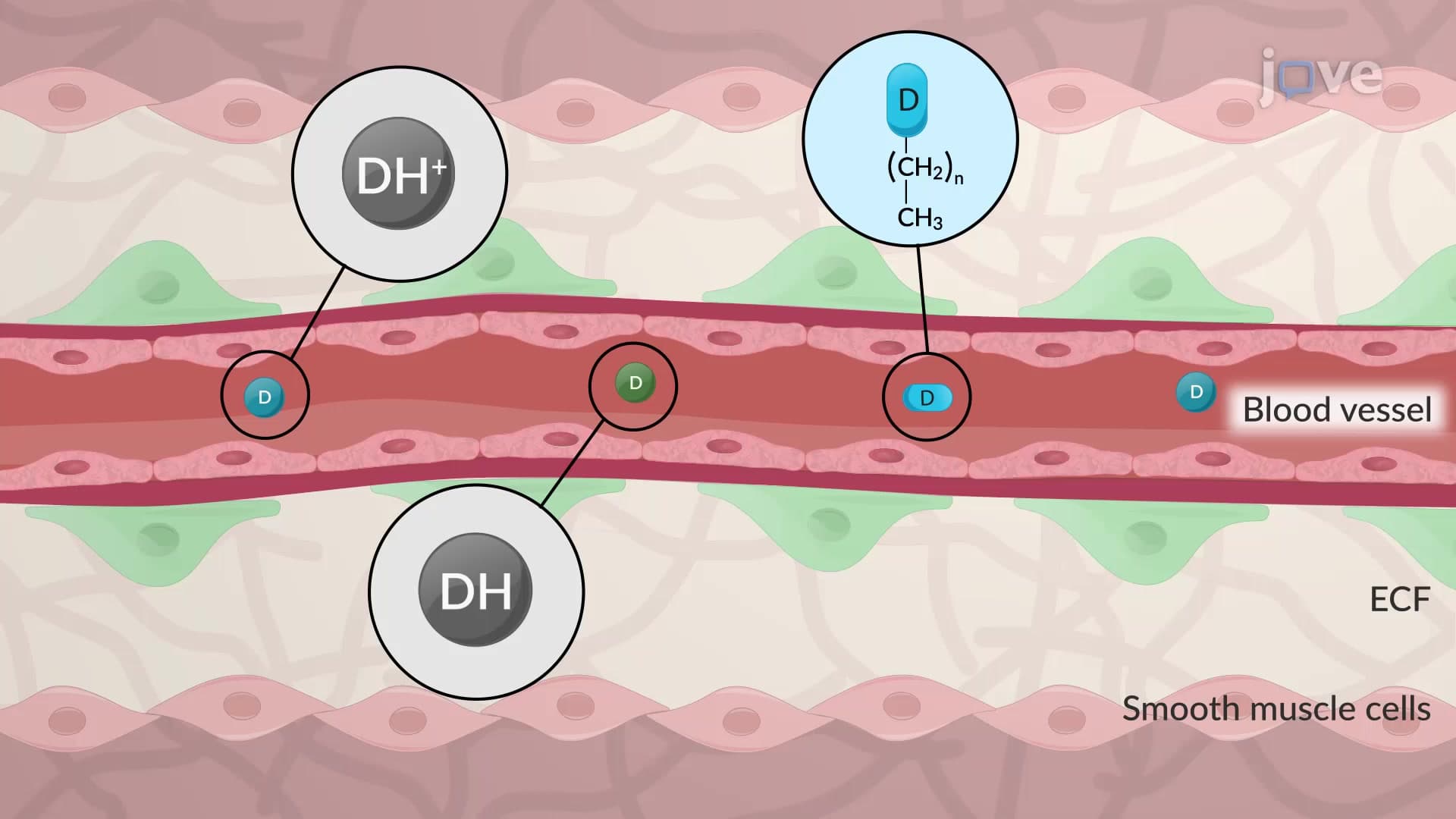
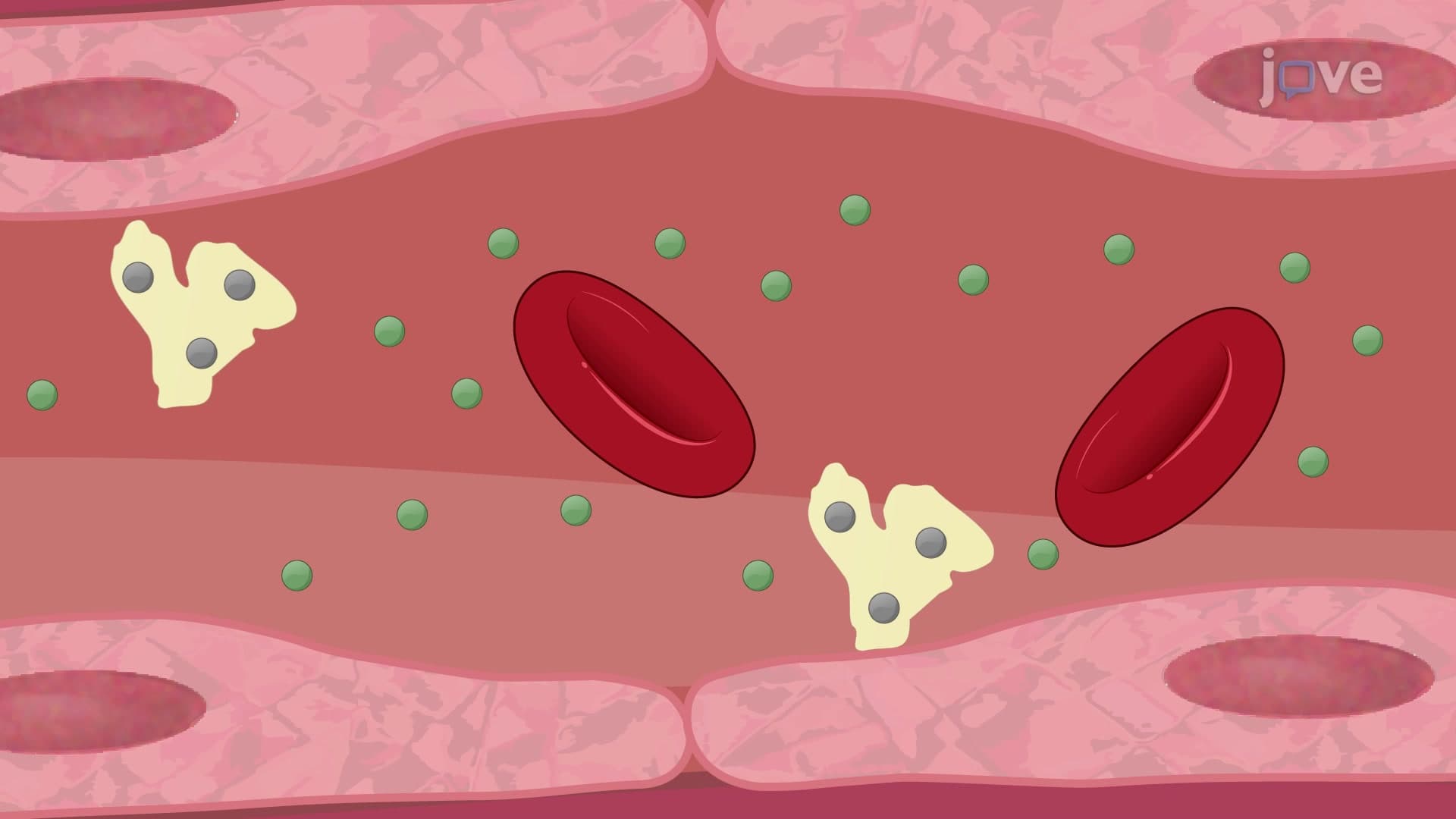
Drugs face several barriers as they move through these compartments. Capillary slit junctions act as the first checkpoint-high-molecular-weight drugs and those bound to plasma proteins like albumin cannot pass through these narrow spaces. Examples include warfarin and furosemide, which remain largely confined to the vascular space, resulting in low volumes of distribution (typically 0.1-0.2 L/kg).
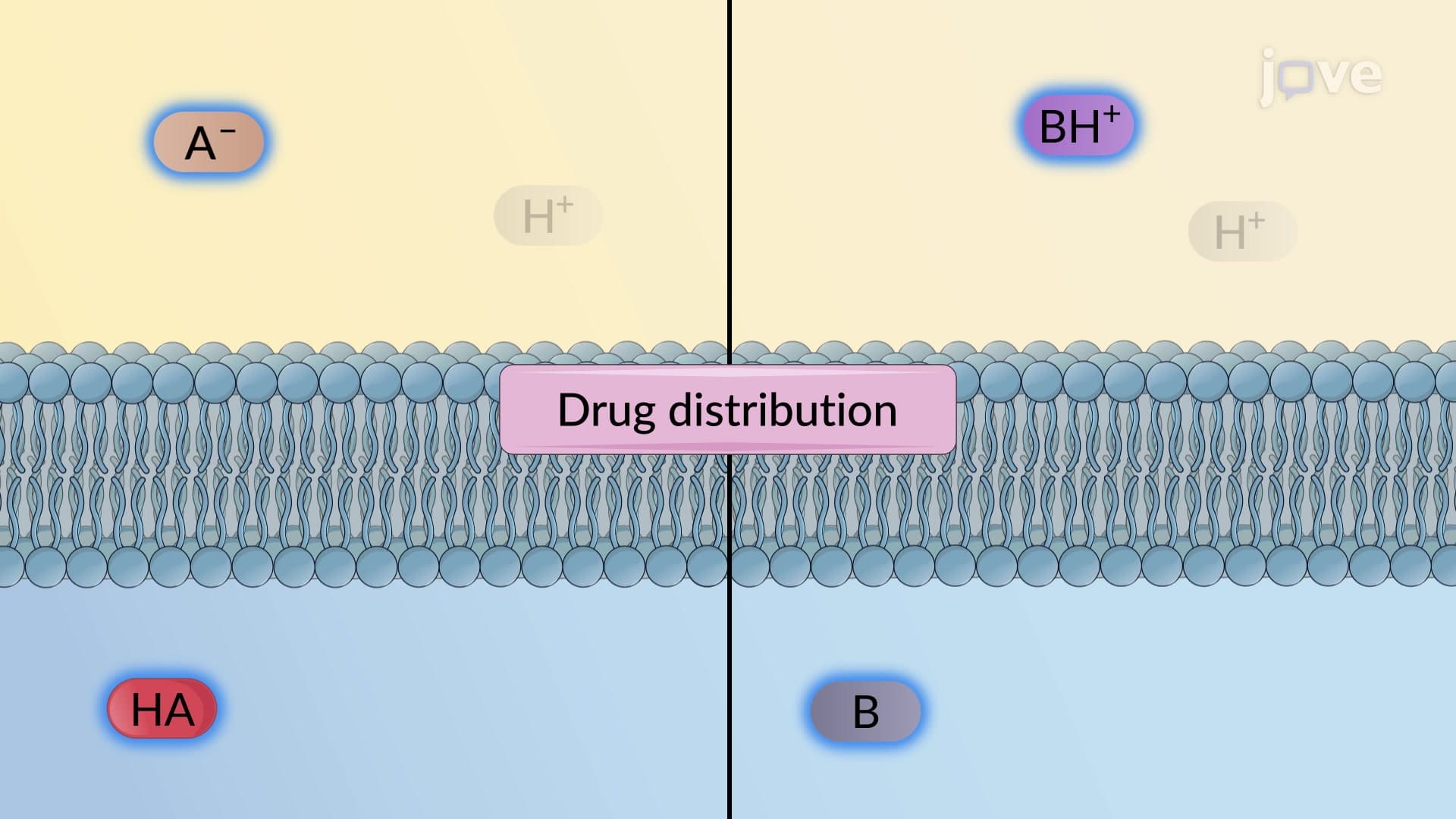
Drug lipophilicity significantly influences distribution patterns. Hydrophilic medications like gentamicin can cross capillary barriers but cannot penetrate cell membranes due to their water-loving nature. These drugs distribute into extracellular fluid, showing moderate volumes of distribution around 0.25 L/kg.
In contrast, lipophilic drugs like propranolol easily cross both capillary walls and cell membranes, accumulating in fatty tissues and intracellular spaces. These medications demonstrate high volumes of distribution, often exceeding 1-4 L/kg. This extensive tissue distribution means these drugs remain in the body longer, as they're sequestered away from elimination organs like the kidneys and liver.
High volume of distribution drugs require larger loading doses to achieve therapeutic plasma concentrations because much of the drug distributes into tissues rather than remaining in circulation. For example, digoxin requires careful dose calculation due to its high volume of distribution and narrow therapeutic window. Conversely, drugs with low volumes of distribution like phenytoin require smaller doses since they remain primarily in the plasma compartment.
This concept frequently appears on standardized exams including the MCAT, USMLE Step 1, and pharmacy school assessments. Students should focus on connecting molecular properties to distribution patterns and clinical outcomes for comprehensive understanding.
Related Micro-courses