Loading subject page…


134,554 views

Video Summary: Drug Elimination Non Renal Routes Explained
Did you know that when a breastfeeding mother takes medication like ibuprofen, traces can appear in her breast milk within hours? Drug elimination non renal pathways operate through multiple body systems beyond the kidneys, including the liver's bile system, lungs, salivary glands, and mammary tissue. Consider how anesthetic gases like sevoflurane exit through your lungs after surgery at hospitals like Mayo Clinic. Drug Elimination Non Renal Routes Explained reveals how these alternative elimination pathways affect drug duration, toxicity risks, and patient safety. Watch the full video on JoVE Coach to master this concept with expert-led visuals and step-by-step explanations.
While the kidneys serve as the body's primary drug elimination system, drug elimination non renal pathways play crucial roles in pharmacokinetics and patient safety. These alternative routes include hepatobiliary excretion, pulmonary elimination, salivary excretion, and mammary excretion. Understanding these mechanisms is essential for predicting drug behavior, avoiding toxicity, and ensuring safe medication administration across diverse patient populations.
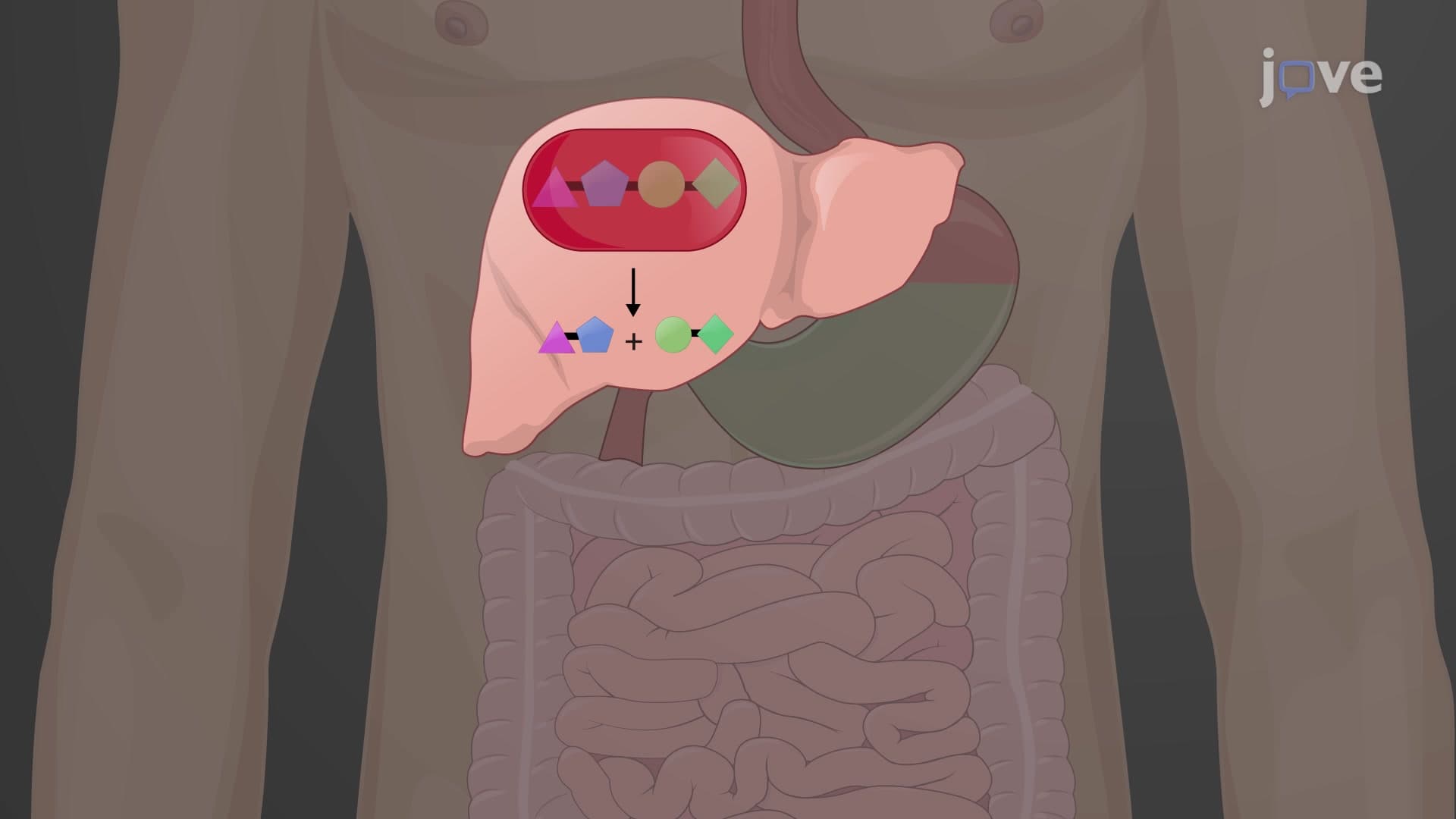
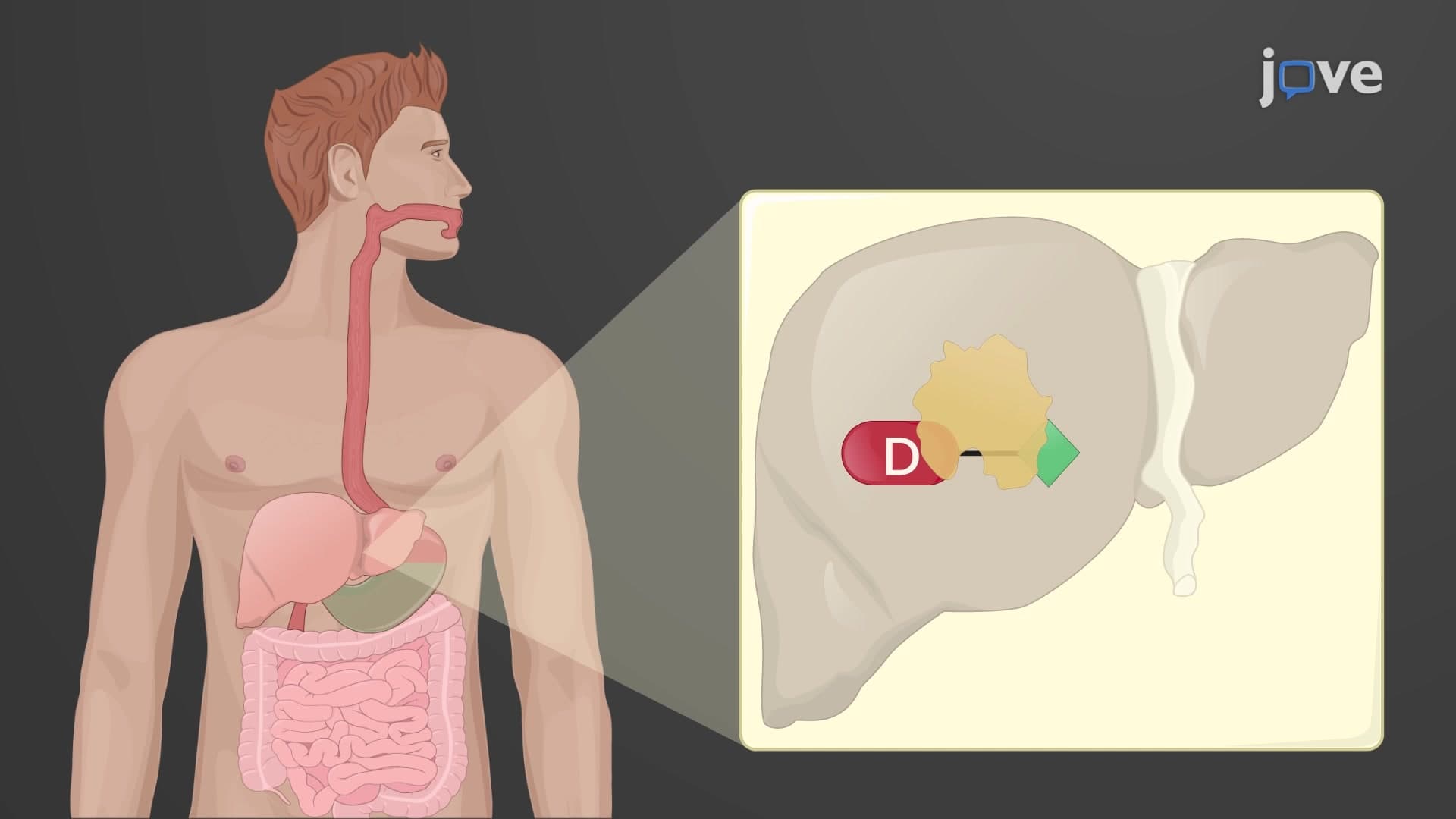
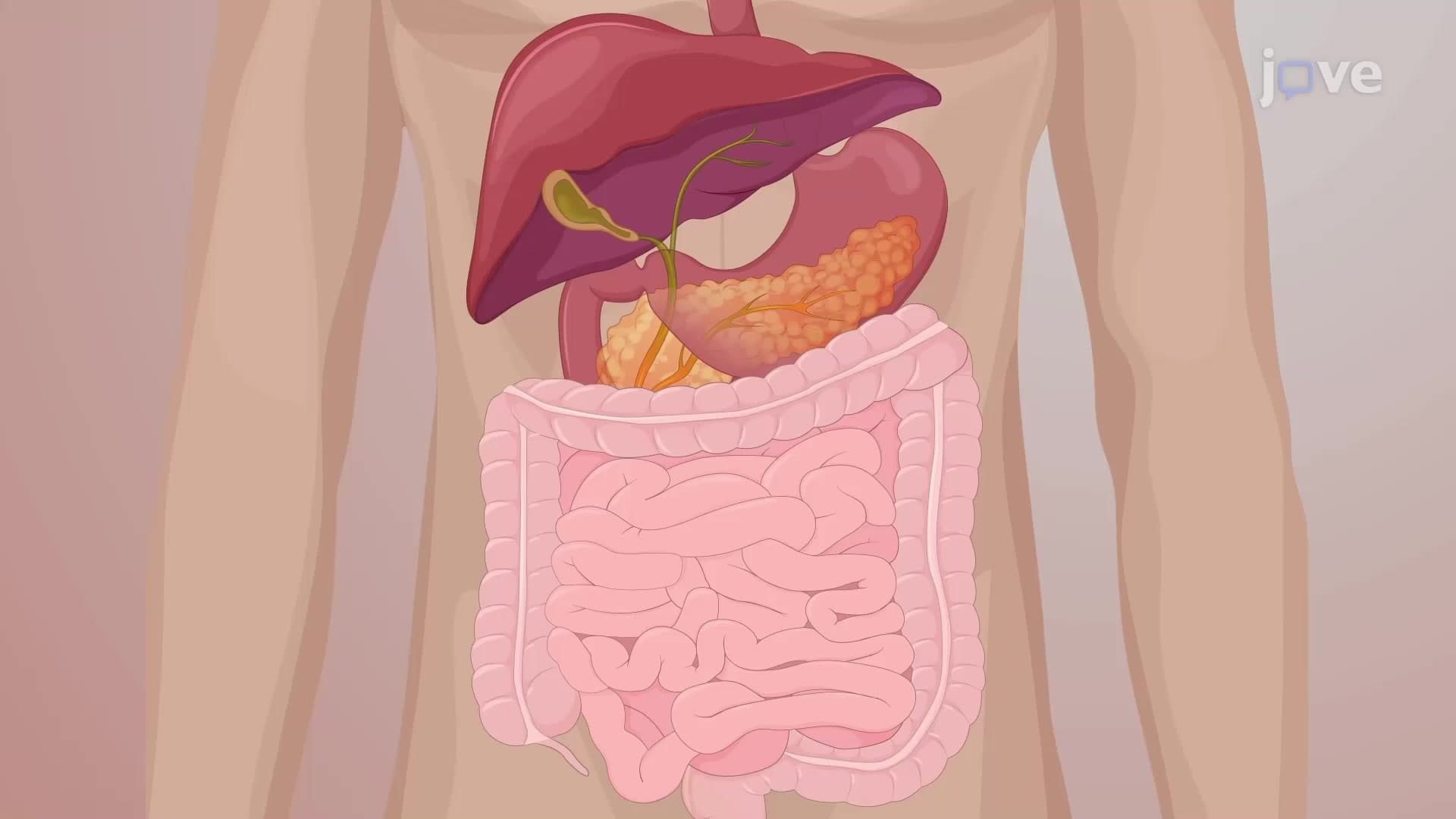
The liver's biliary system represents the most significant non-renal drug elimination pathway. Hepatocytes contain specialized transporters that actively pump polar drugs and hydrophilic metabolites into bile. This bile flows through the bile duct into the small intestine, where drugs are ultimately eliminated through feces. For example, cholesterol-lowering medications like cholestyramine rely heavily on biliary excretion for elimination.
However, this process becomes complex through enterohepatic circulation. When drugs reach the intestine, gut bacteria can hydrolyze drug conjugates, releasing the original compound for reabsorption. This recycling extends drug action but increases toxicity risks. Oral contraceptives demonstrate this phenomenon-antibiotics that disrupt gut flora can reduce contraceptive effectiveness by interrupting enterohepatic circulation.
Drug elimination through non-renal routes extends to the respiratory system, particularly for volatile compounds. Anesthetic gases like isoflurane and sevoflurane are primarily eliminated through exhalation. The alveolar-capillary interface allows rapid gas exchange, making pulmonary elimination efficient for volatile substances. This principle explains why anesthesiologists can quickly adjust anesthetic depth by modifying inspired gas concentrations.
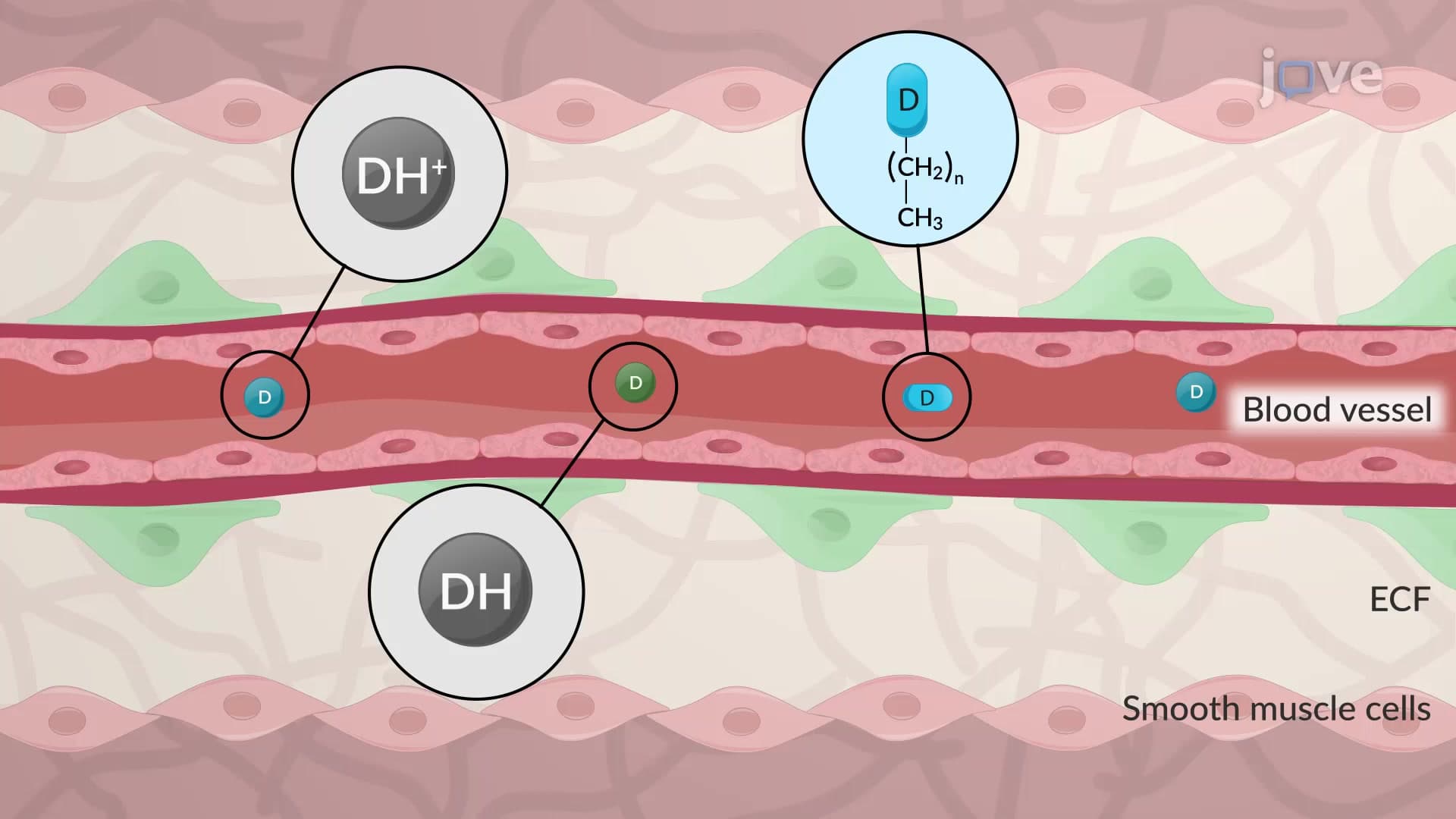
Salivary excretion affects lipophilic, nonionized drugs that can diffuse across salivary gland epithelial cells. This route has forensic importance-drugs of abuse like cocaine and marijuana metabolites appear in saliva, making it useful for workplace drug testing programs mandated by the Department of Transportation.
For students preparing for the MCAT, USMLE, or college pharmacology exams, understanding what is drug elimination non renal routes requires connecting these mechanisms to clinical scenarios. Nursing mothers must consider mammary excretion when taking medications, as lipophilic drugs readily partition into breast milk's fat content. The FDA maintains pregnancy and lactation labeling requirements specifically addressing these concerns.
These concepts frequently appear on AP Biology exams when discussing homeostasis and transport mechanisms. College-level pharmacology courses emphasize how non-renal elimination affects drug dosing regimens and patient monitoring protocols used in US healthcare systems.
Related Micro-courses