Loading subject page…


134,556 views


Video Summary: Drug Elimination the Concept of Clearance Explained
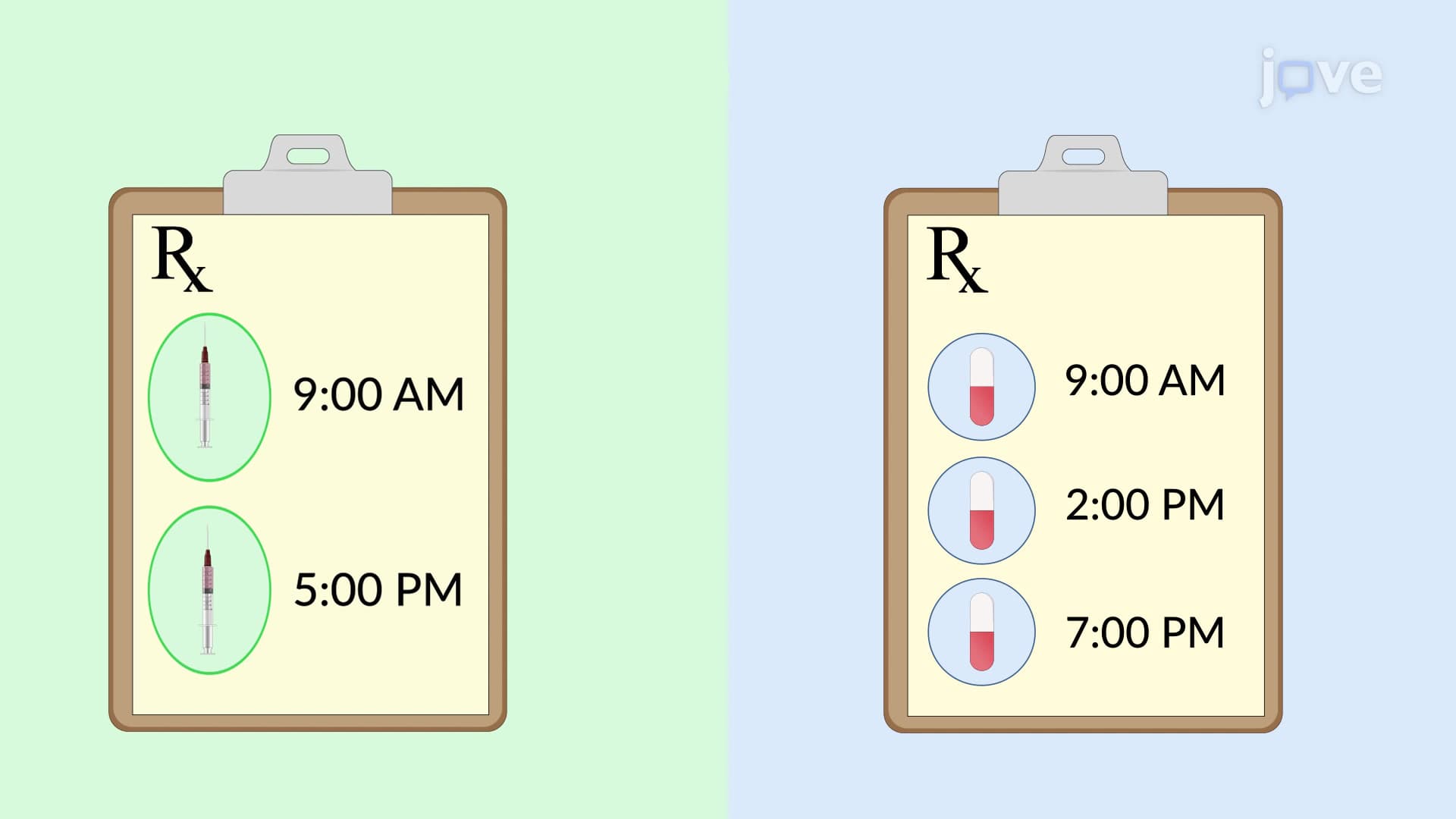
Ever wondered why your doctor prescribes specific medication doses at exact time intervals? The drug elimination concept clearance determines how efficiently your body removes medications from your bloodstream over time. For instance, when patients take blood pressure medications like lisinopril, healthcare providers must calculate the precise dosing rate based on how quickly the kidneys and liver eliminate the drug to maintain therapeutic levels without causing toxicity. Drug Elimination The Concept of Clearance Explained reveals this critical pharmacokinetic principle that ensures safe and effective medication therapy. Watch the full video on JoVE Coach to master this concept with expert-led visuals and step-by-step explanations.
Drug clearance represents one of pharmacology's most essential concepts, defining how efficiently your body eliminates medications from the bloodstream. This pharmacokinetic parameter directly influences every aspect of drug therapy, from determining safe dosing schedules to preventing life-threatening toxicity. Unlike simple elimination rates, clearance provides a standardized measure that accounts for both the speed of drug removal and the concentration present in plasma.
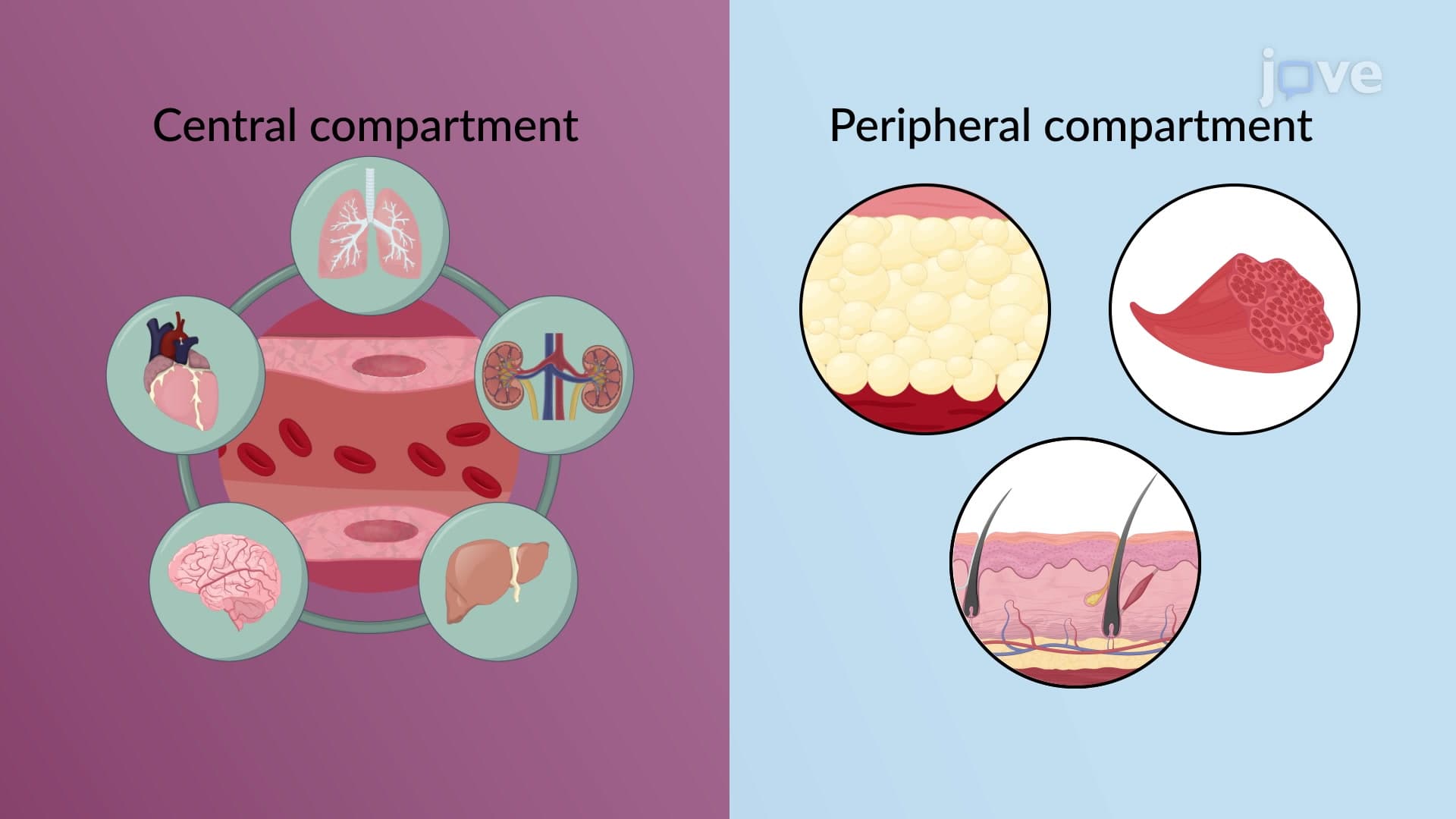
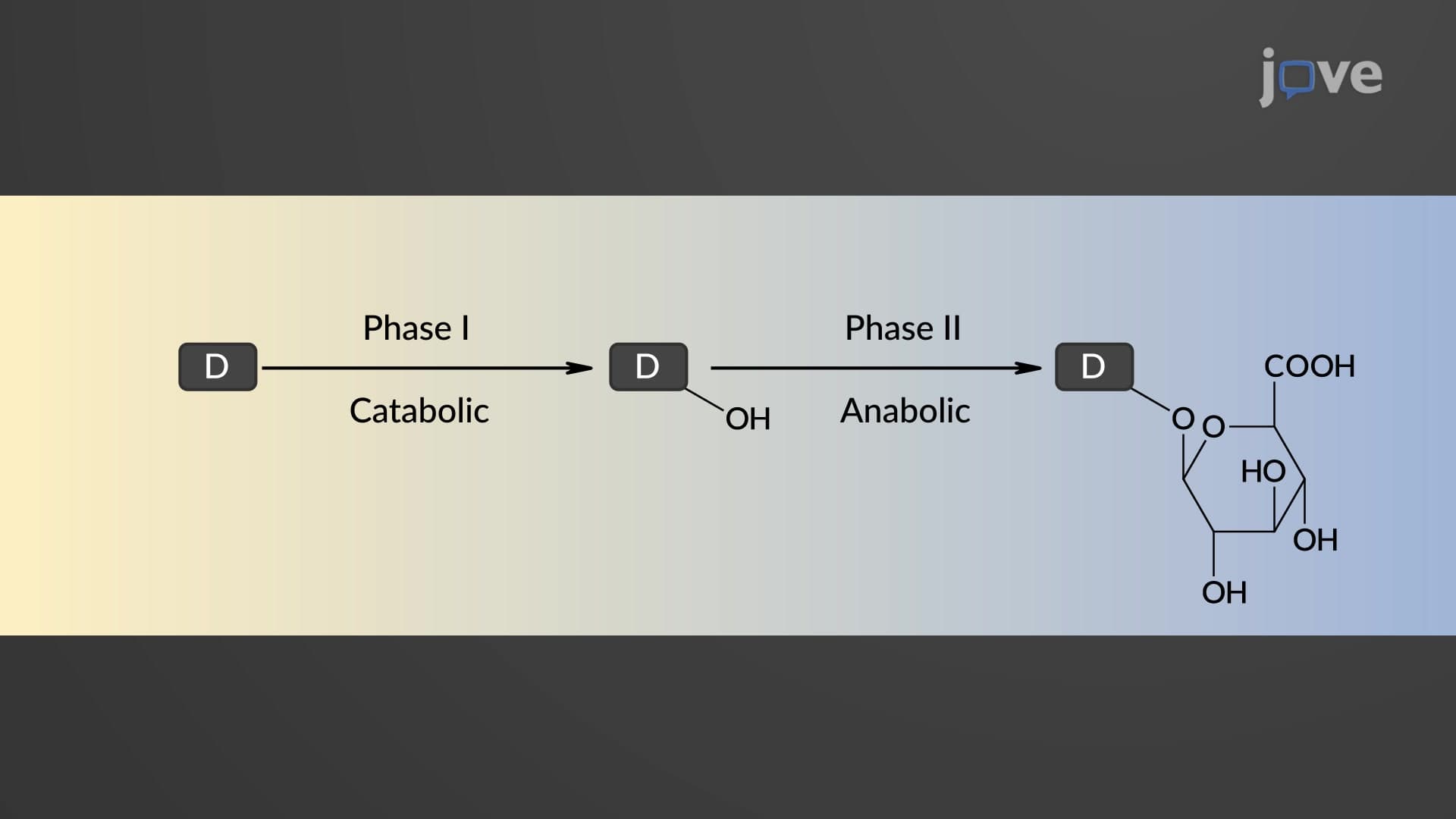
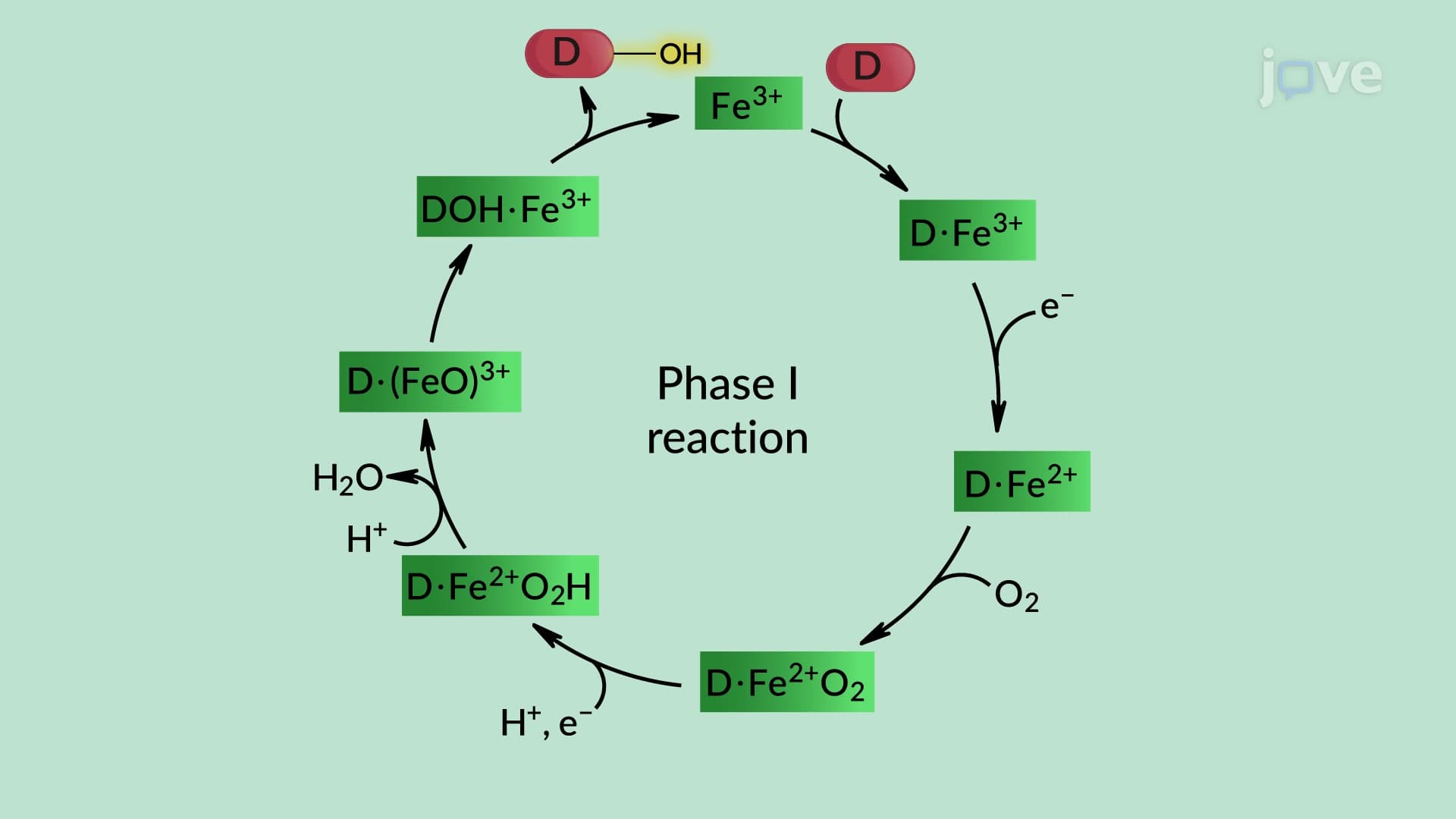
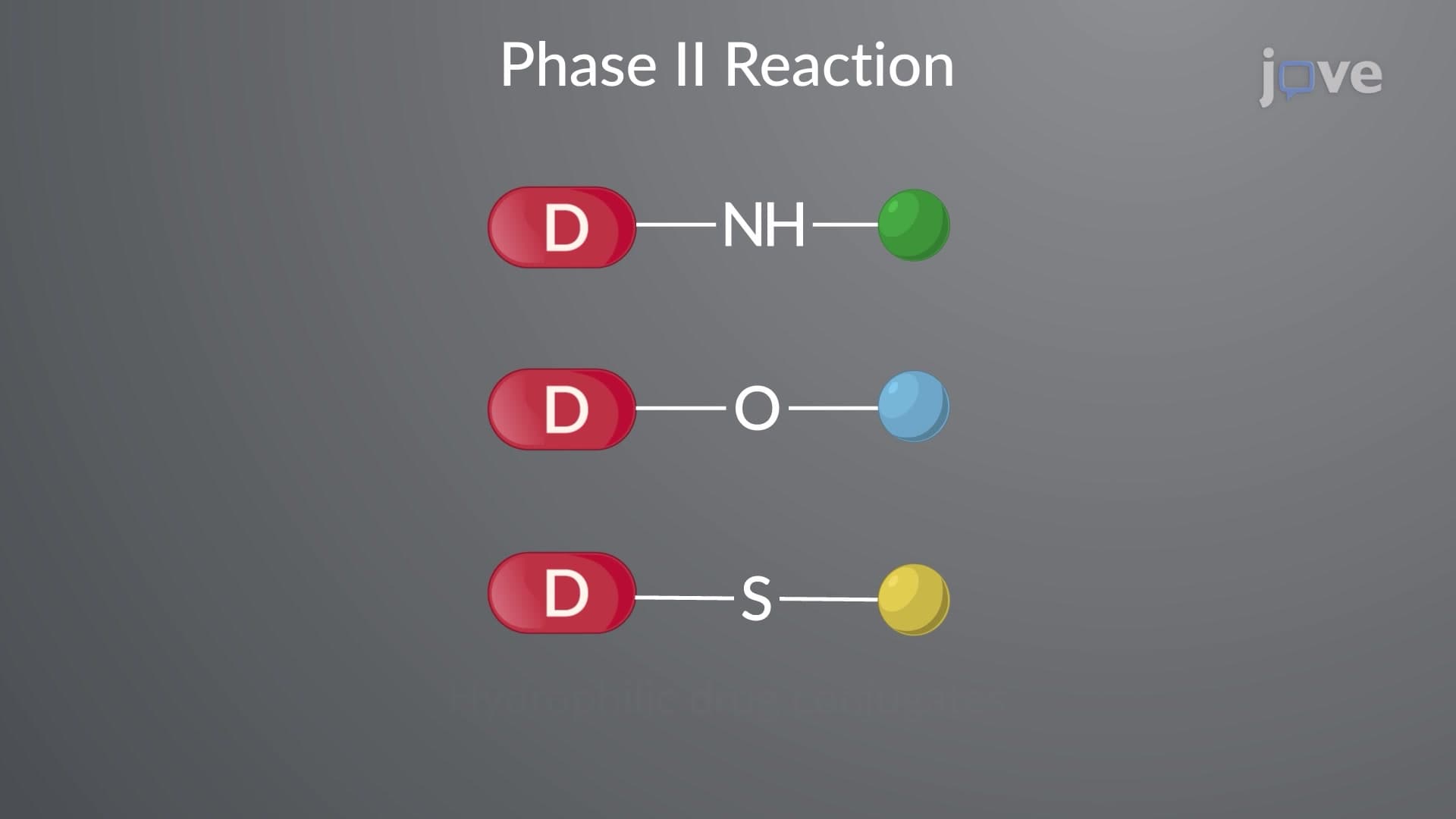
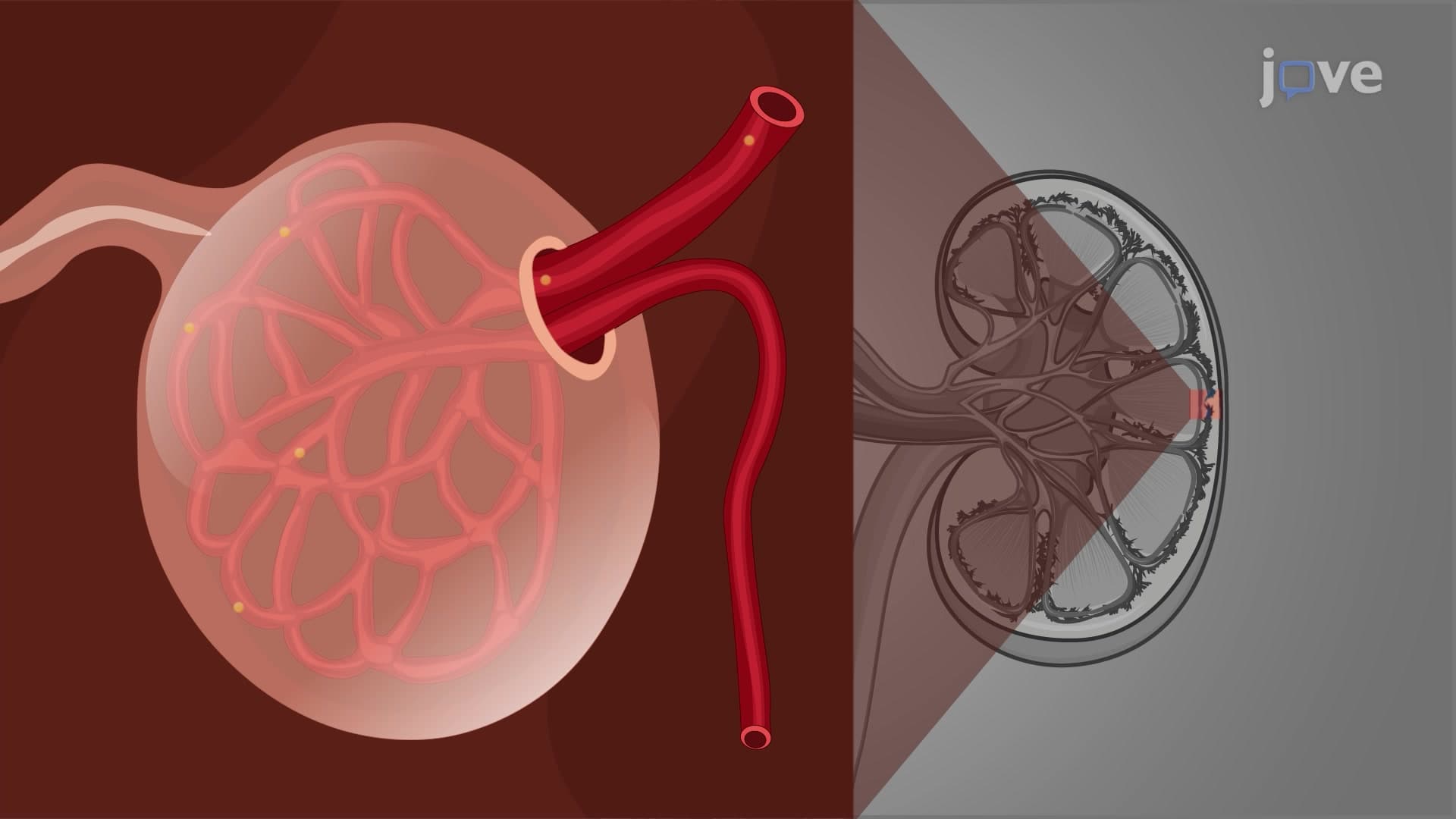
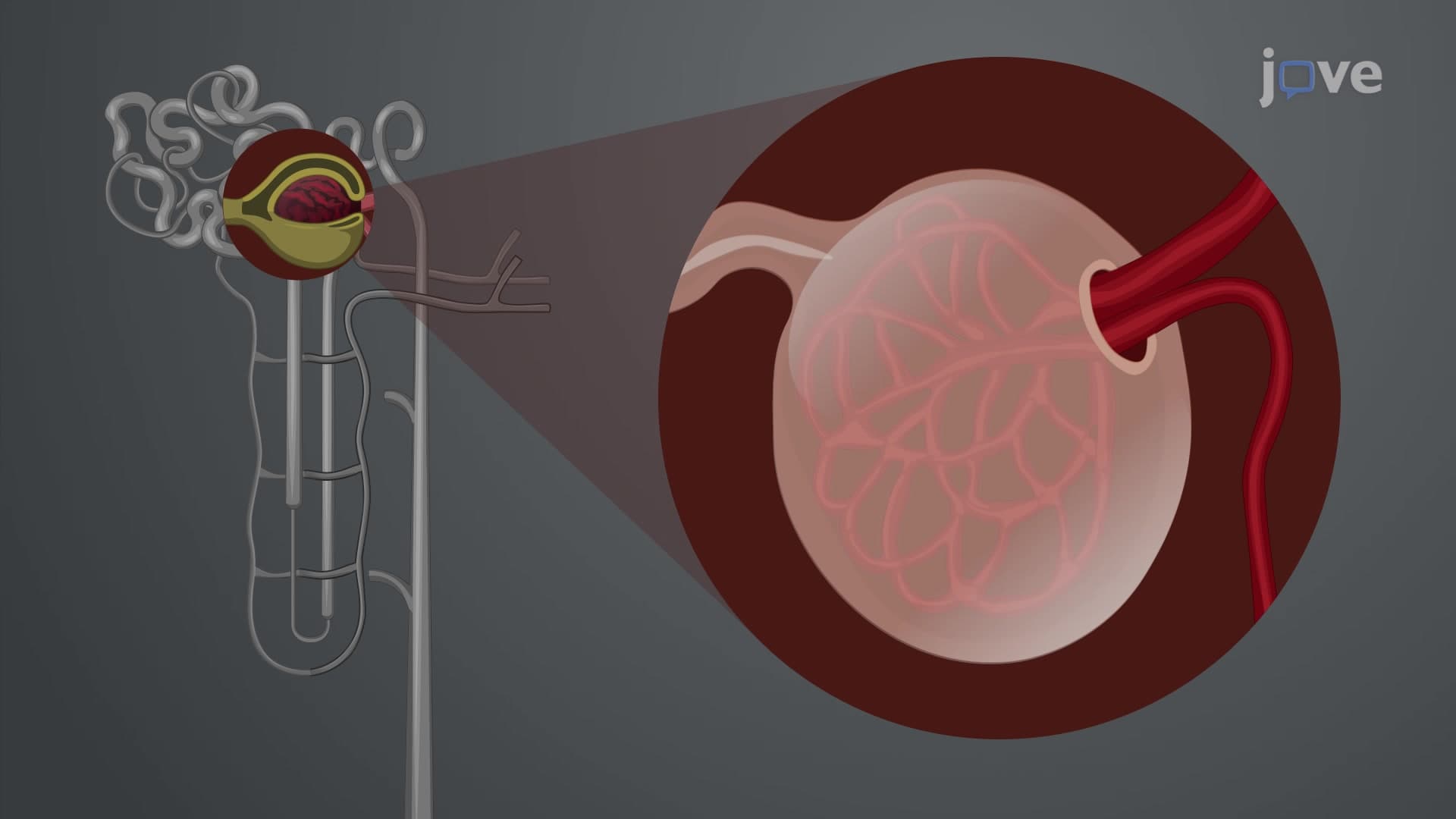
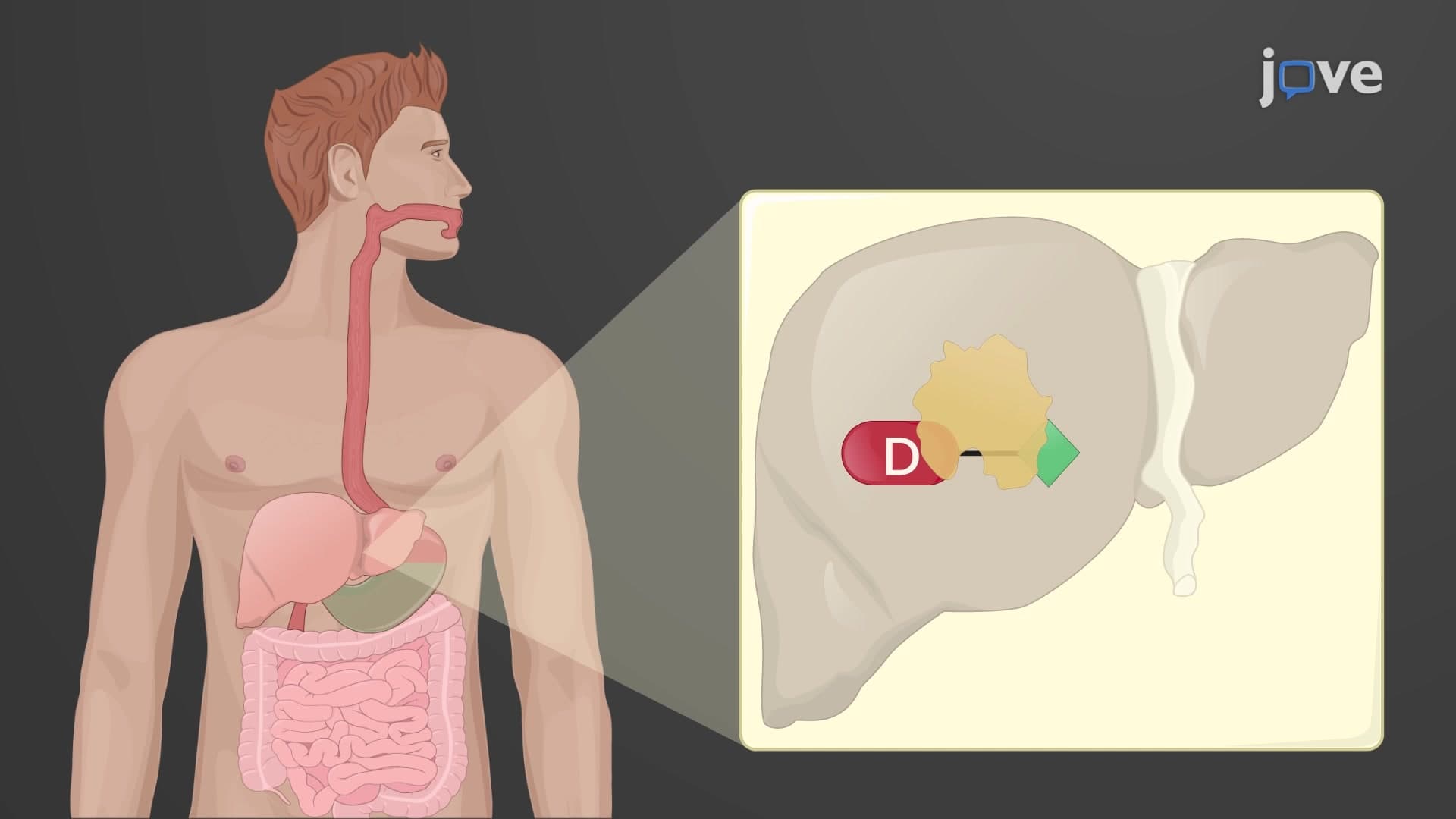
The human body employs two primary elimination pathways to remove drugs from systemic circulation. Renal elimination occurs when kidneys filter drugs from blood plasma and excrete them through urine. This process is particularly important for water-soluble medications like penicillin antibiotics. Hepatic elimination involves the liver metabolizing drugs into inactive compounds or secreting them into bile for eventual elimination through feces. Lipophilic drugs like diazepam typically undergo extensive hepatic metabolism before elimination.
Clearance calculations follow the fundamental equation: Clearance = Elimination Rate ÷ Plasma Concentration. This relationship allows healthcare providers to predict how quickly drug levels will decline and determine appropriate redosing intervals. For students preparing for the MCAT or AP Biology exams, understanding this concept proves crucial for answering pharmacokinetics questions. In clinical practice, clearance values help physicians adjust dosing for patients with kidney or liver disease, ensuring therapeutic efficacy while minimizing toxicity risks.
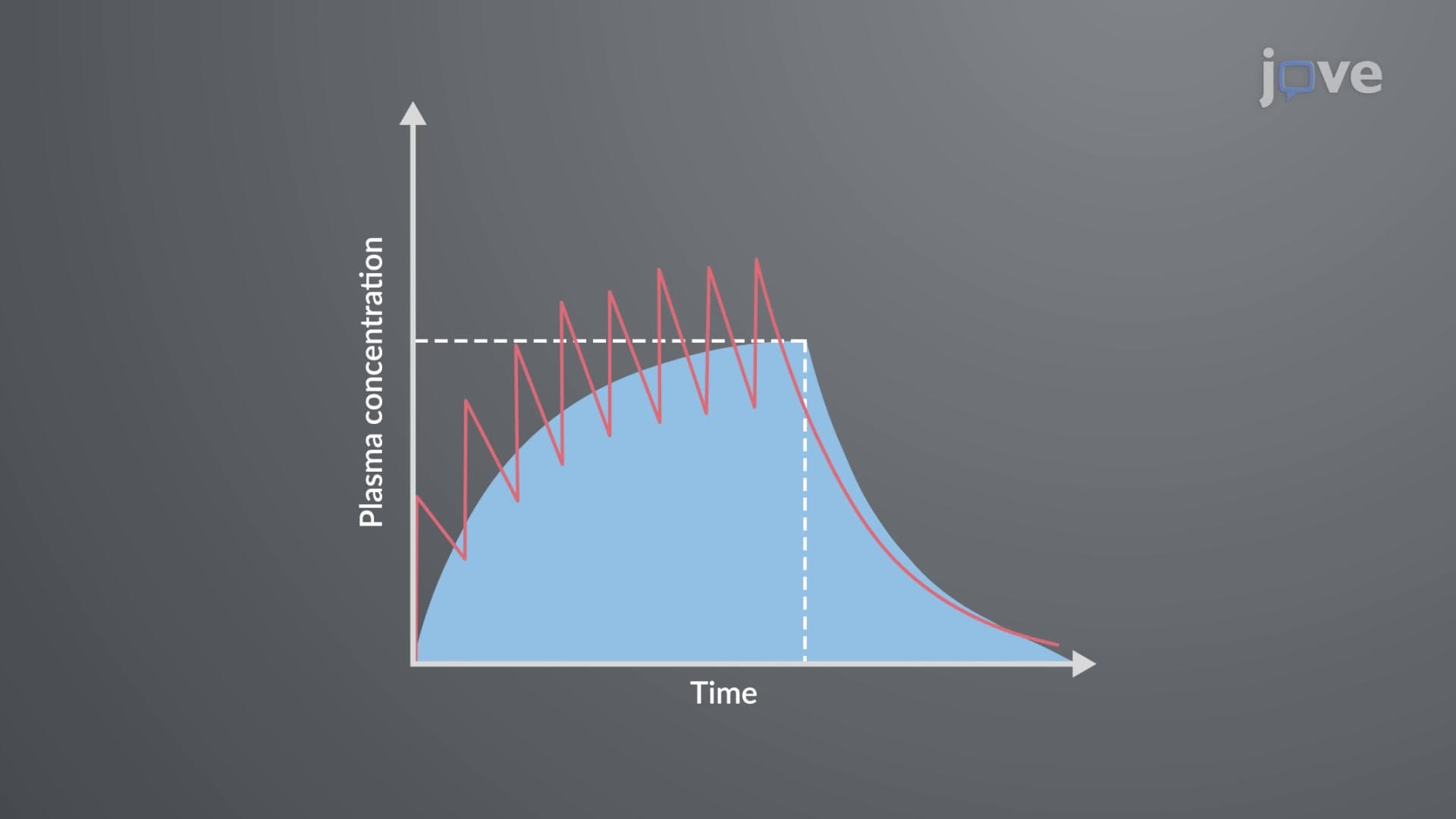
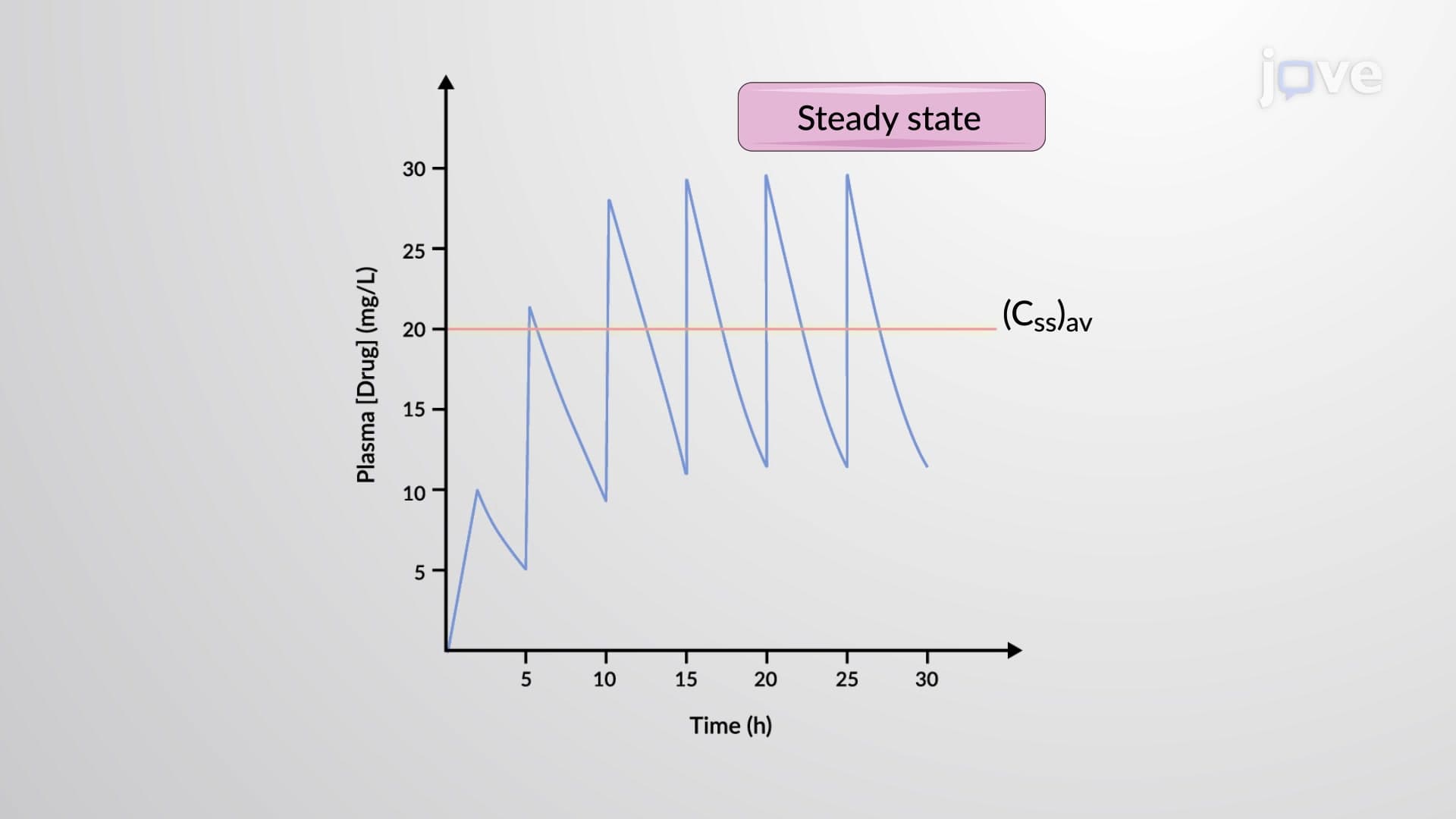
When bioavailability reaches 100%, clearance directly determines the dosing rate required to achieve steady-state plasma concentrations. Healthcare providers use this principle when prescribing maintenance therapy for chronic conditions like hypertension or diabetes. The body maintains constant fractional elimination as long as dosing rates remain within therapeutic ranges. However, exceeding recommended doses can saturate elimination pathways, dramatically reducing clearance efficiency and causing dangerous drug accumulation. This concept frequently appears in USMLE Step 1 questions and pharmacy school examinations, requiring students to predict toxicity scenarios based on clearance principles.
Related Micro-courses