Loading subject page…


134,554 views

Video Summary: Drug Metabolism Phase Ii Reactions Explained
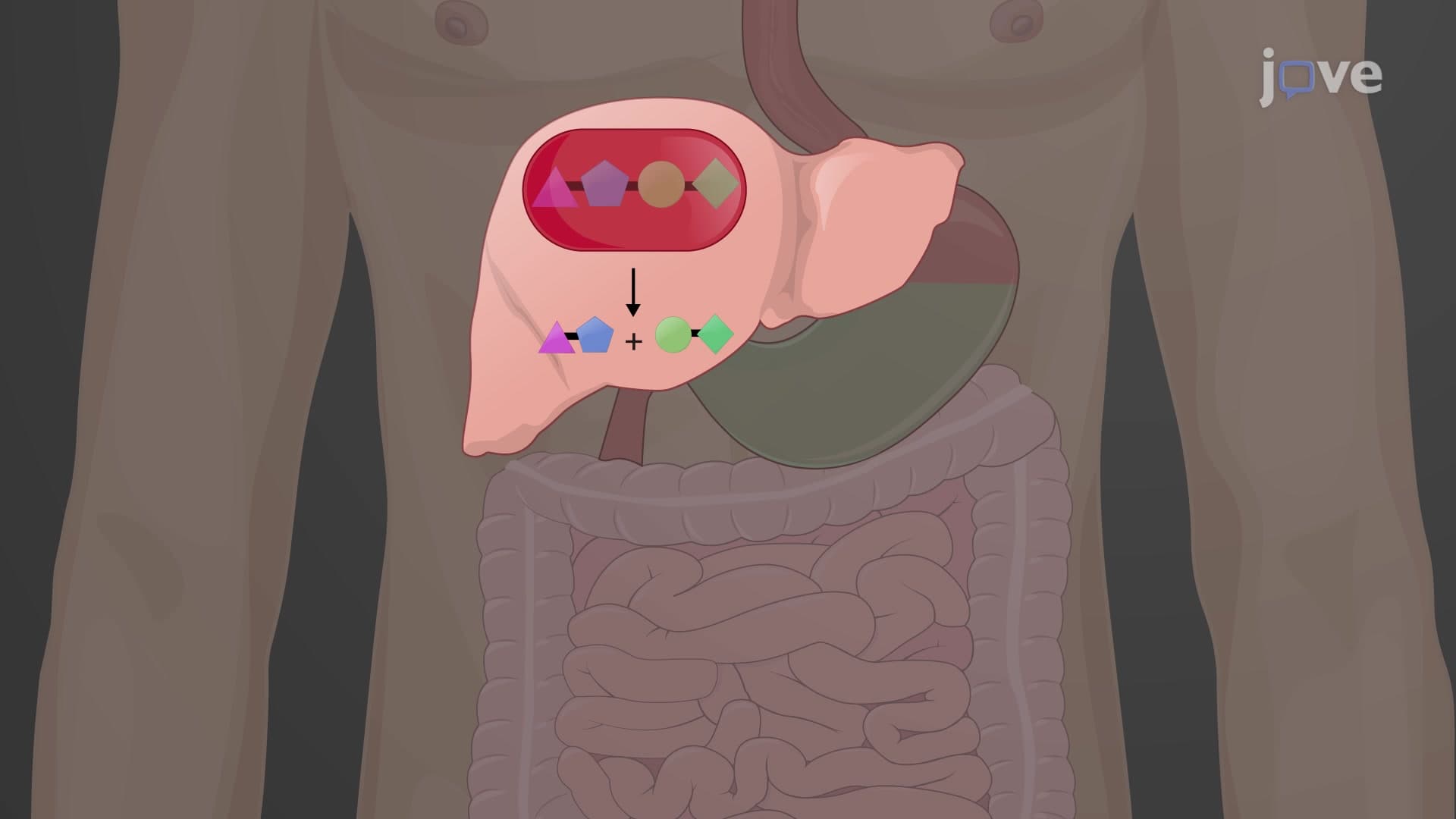
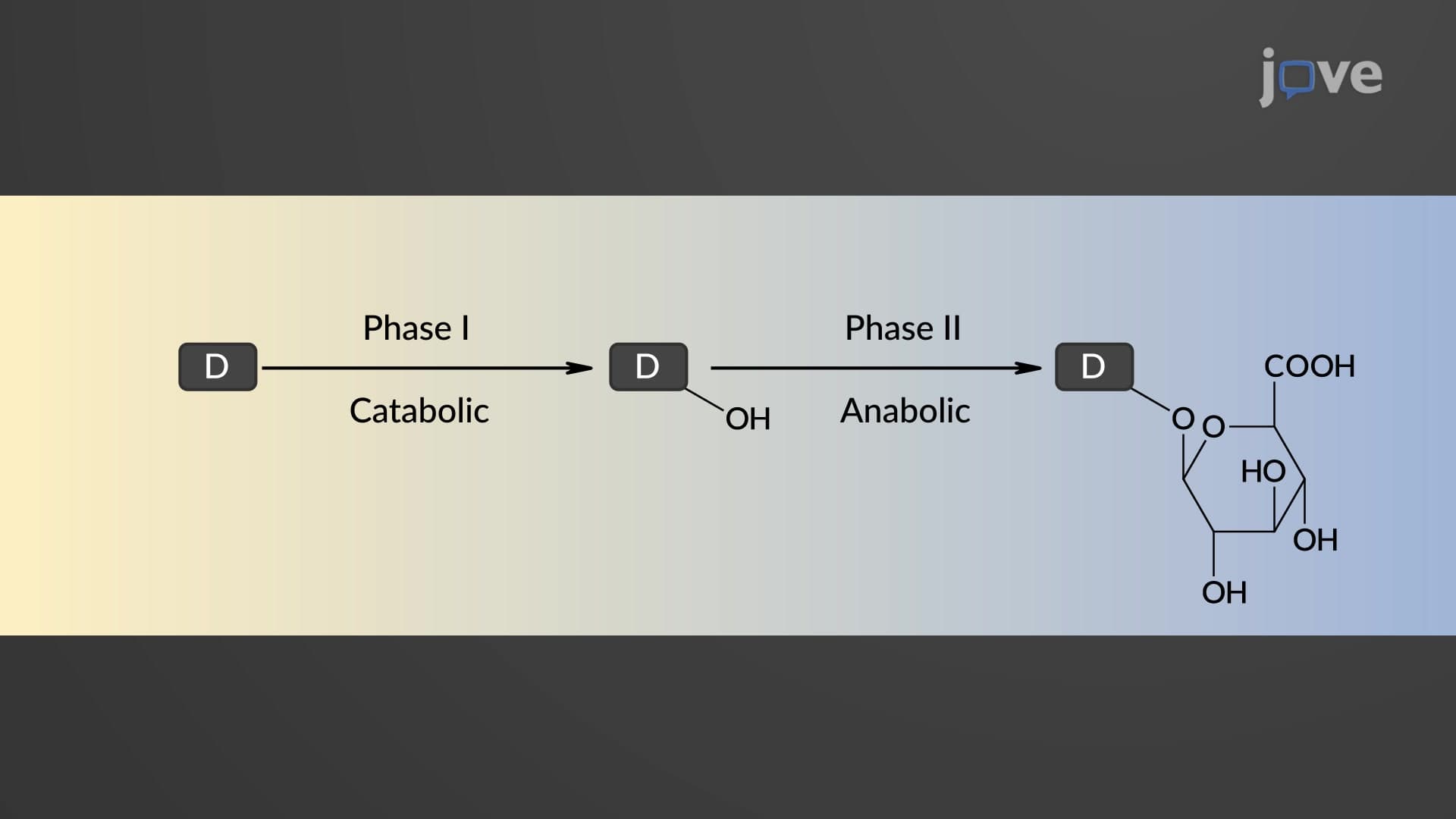
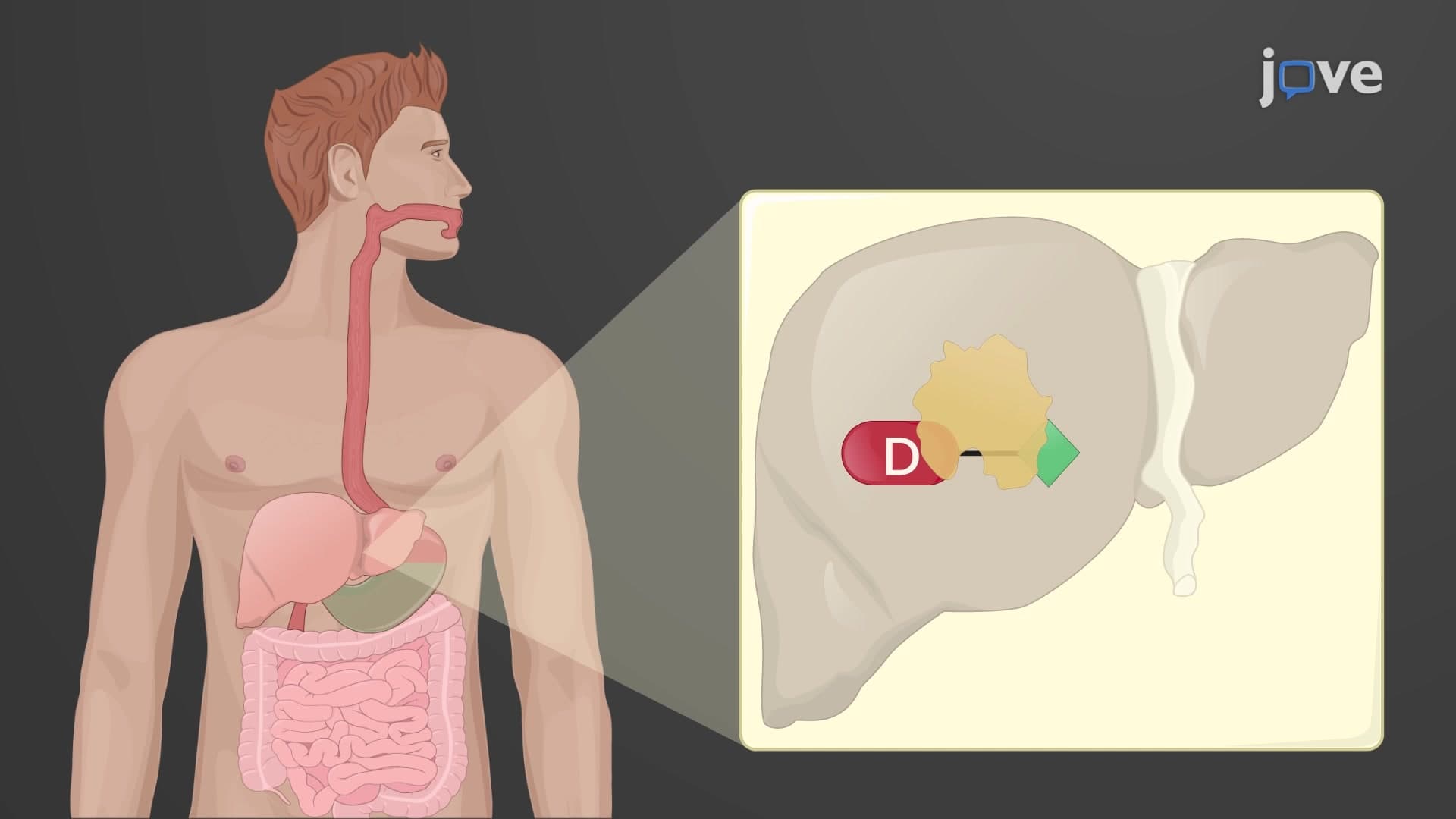
Ever wonder why your liver can neutralize everything from acetaminophen to caffeine? Drug metabolism phase II reactions are your body's chemical cleanup crew, transforming medications into water-loving compounds that easily exit your system. When you take Tylenol, these conjugation reactions attach sugar molecules to make the drug easier to eliminate through urine or bile. Drug Metabolism Phase II Reactions Explained reveals how sulfation and glucuronidation pathways protect you from toxic buildup. Watch the full video on JoVE Coach to master this concept with expert-led visuals and step-by-step explanations.
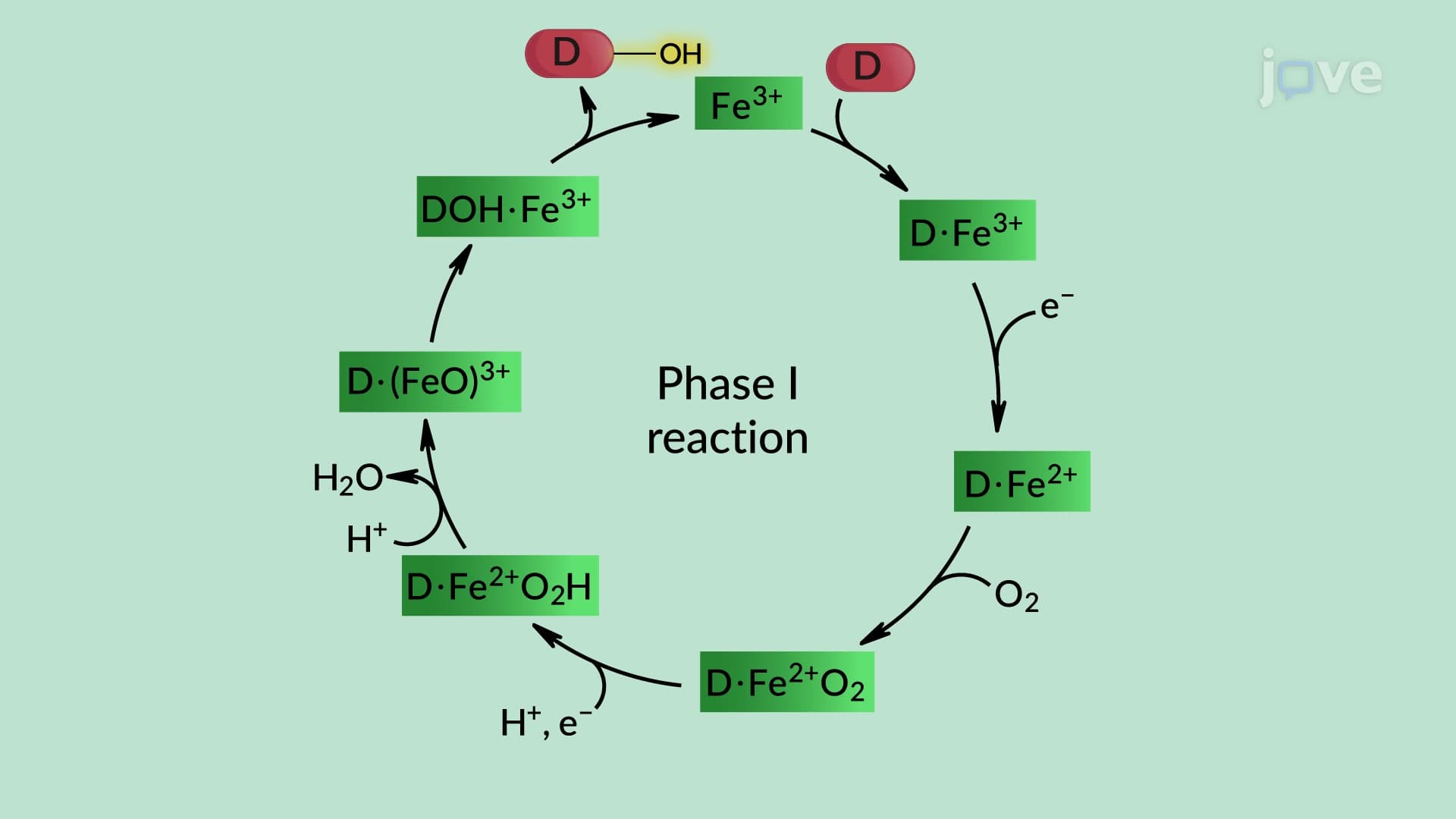
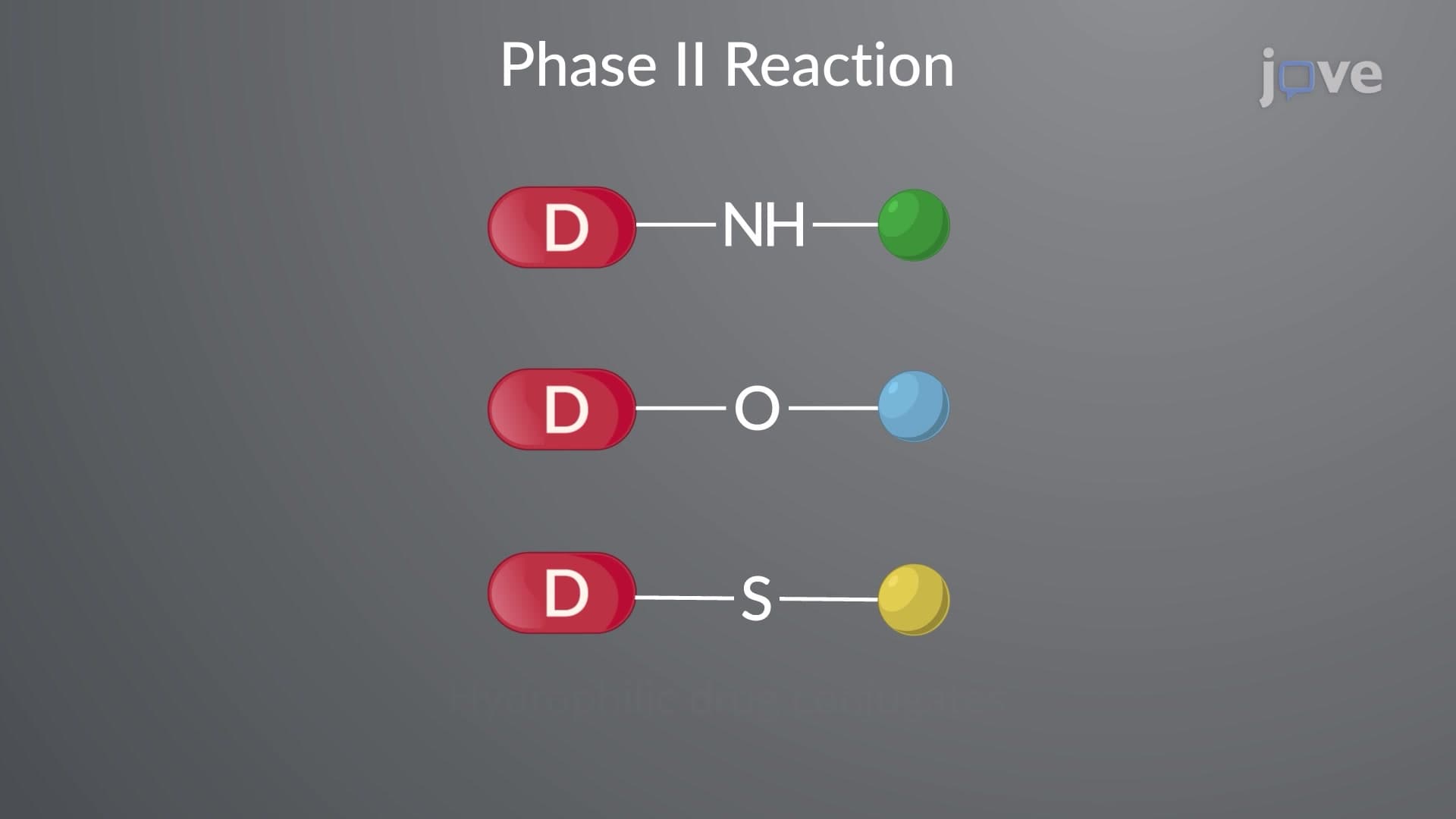
Phase II drug metabolism represents the body's sophisticated detoxification system, transforming potentially harmful substances into easily eliminated compounds. Unlike phase I reactions that primarily modify existing functional groups, phase II metabolism creates entirely new molecular conjugates through attachment of endogenous molecules. This process typically occurs after phase I metabolism has introduced or exposed reactive functional groups, though some drugs can undergo direct phase II conjugation.
Glucuronidation dominates phase II metabolism, accounting for approximately 40-70% of all drug conjugation reactions in humans. This process occurs exclusively on the luminal surface of the endoplasmic reticulum, where UDP-glucuronyl transferase enzymes facilitate the transfer of glucuronic acid from UDP-glucuronic acid to substrate molecules.
The reaction creates high-molecular-weight metabolites (typically >300 daltons) that are primarily eliminated through bile into feces. Common substrates include acetaminophen, morphine, and bilirubin. For pre-med students preparing for the MCAT, understanding that glucuronidation requires energy investment through UDP-glucuronic acid formation is crucial for biochemistry sections.
Sulfation operates in the cell's cytoplasm using sulfotransferase enzymes and the activated cofactor phosphoadenosyl phosphosulfate (PAPS). This pathway typically produces smaller, more water-soluble metabolites that are readily excreted through urine. Sulfation often predominates at lower drug concentrations due to PAPS availability limitations.
Important substrates include estrogens, dopamine, and many phenolic compounds. Students taking AP Biology or college-level biochemistry should note that sulfation capacity becomes saturated more easily than glucuronidation, making it clinically significant for dose-dependent toxicity.
Phase II metabolism has profound clinical implications that frequently appear on USMLE Step 1 and pharmacy school examinations. Gilbert's syndrome, affecting 3-12% of the US population, involves reduced glucuronidation capacity leading to mild jaundice. Additionally, genetic polymorphisms in phase II enzymes create significant inter-individual variations in drug response, particularly relevant for personalized medicine approaches.
Understanding phase II reactions helps explain why some medications require dose adjustments in liver disease, why certain drug interactions occur, and how prodrugs like sulfasalazine become activated through conjugation reactions rather than being inactivated.
Related Micro-courses