Loading subject page…

- Pharmacology
- Pharmacokinetics
- Factors Influencing Bioavailability: First-Pass Elimination
Micro-course: Pharmacokinetics
134,526 views
Learn key concepts and earn your certificate.


Factors Influencing Bioavailability: First-Pass Elimination

00:00
01:23
Video Summary: Factors Influencing Bioavailability First Pass Elimination Explained
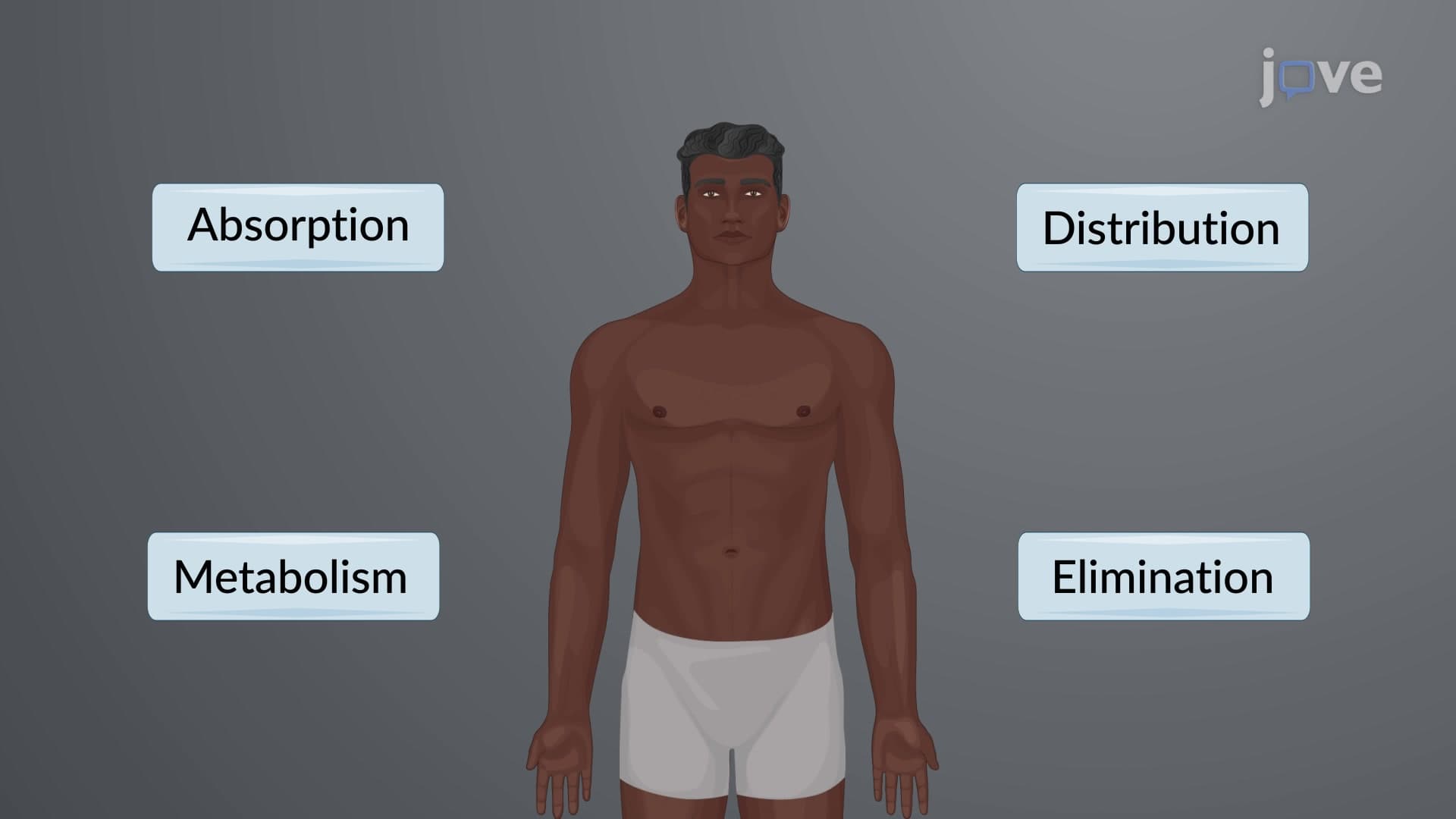
Ever wonder why aspirin works faster when crushed versus swallowed whole? The factors influencing bioavailability first pass elimination determine how much of any oral medication actually reaches your bloodstream. When you take acetaminophen (Tylenol), only about 70% reaches systemic circulation due to liver metabolism-a phenomenon called first-pass elimination. Multiple factors including liver metabolism, chemical stability, drug solubility, and formulation collectively influence this process. Watch the full video on JoVE Coach to master this concept with expert-led visuals and step-by-step explanations.
- Understand the factors influencing bioavailability first pass elimination and how hepatic metabolism reduces drug availability in systemic circulation
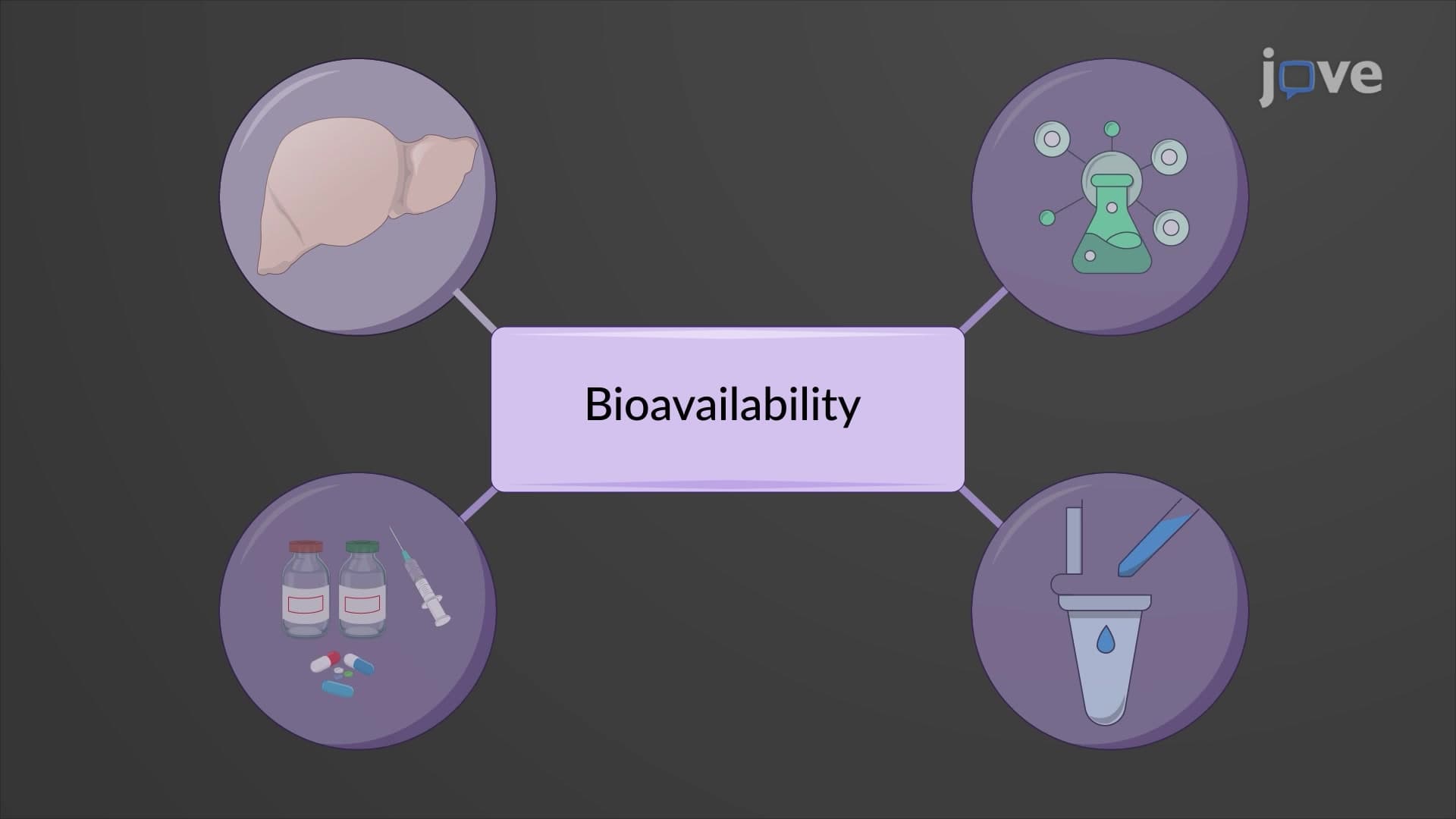
- Identify the four primary factors that affect bioavailability: first-pass metabolism, chemical stability, drug solubility, and formulation characteristics
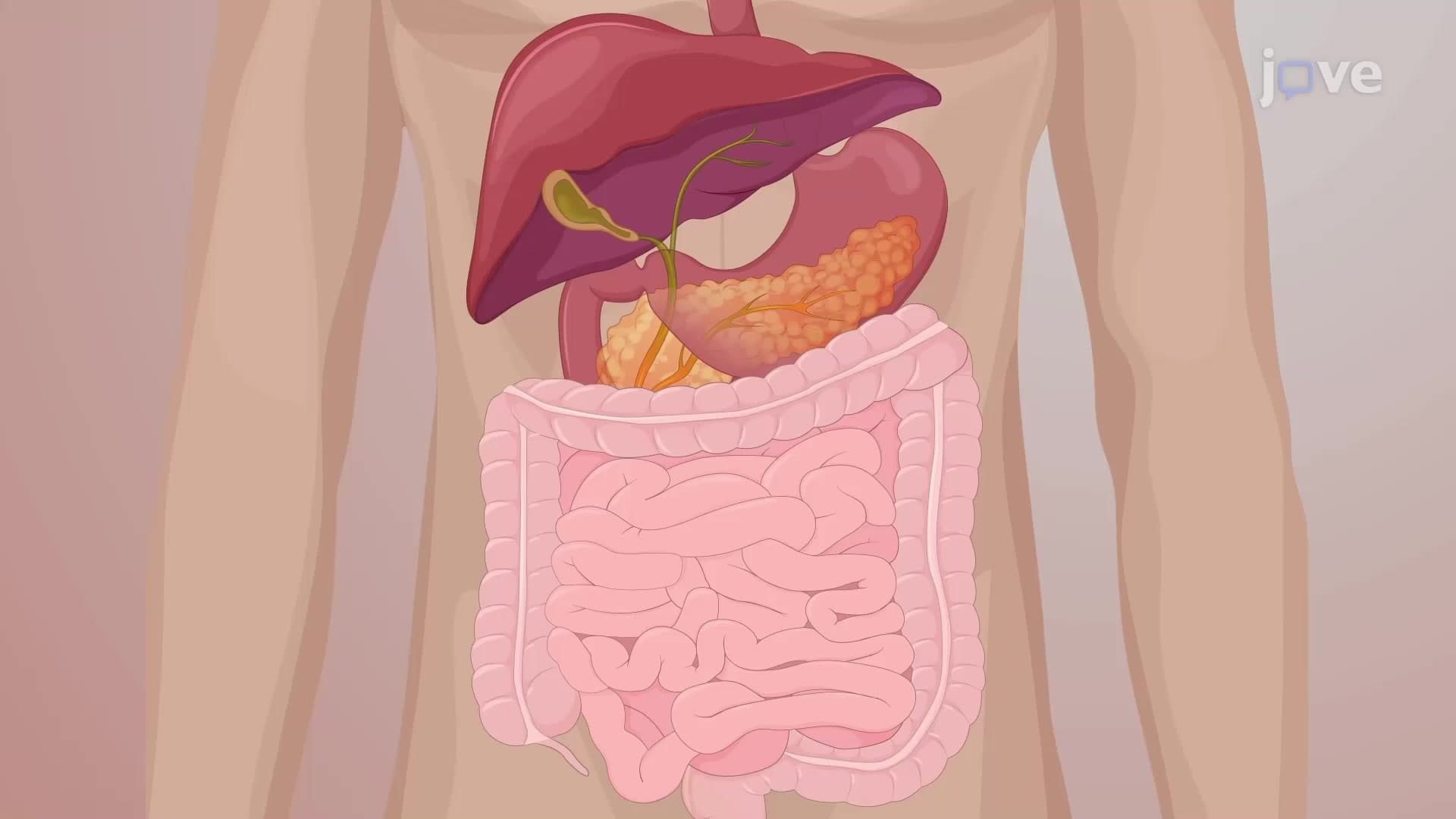
- Analyze how the portal circulation pathway leads to significant drug loss before reaching target tissues
- Compare hydrophobic versus hydrophilic drug absorption challenges and their impact on bioavailability
- Evaluate formulation strategies like particle size reduction, salt forms, and enteric coatings that enhance drug dissolution
- Apply bioavailability principles to predict drug effectiveness in clinical scenarios
- Recognize the relationship between drug stability at stomach pH and successful oral absorption
- Explore how enzymatic degradation in the gastrointestinal tract influences therapeutic outcomes
Understanding Factors Influencing Bioavailability First Pass Elimination
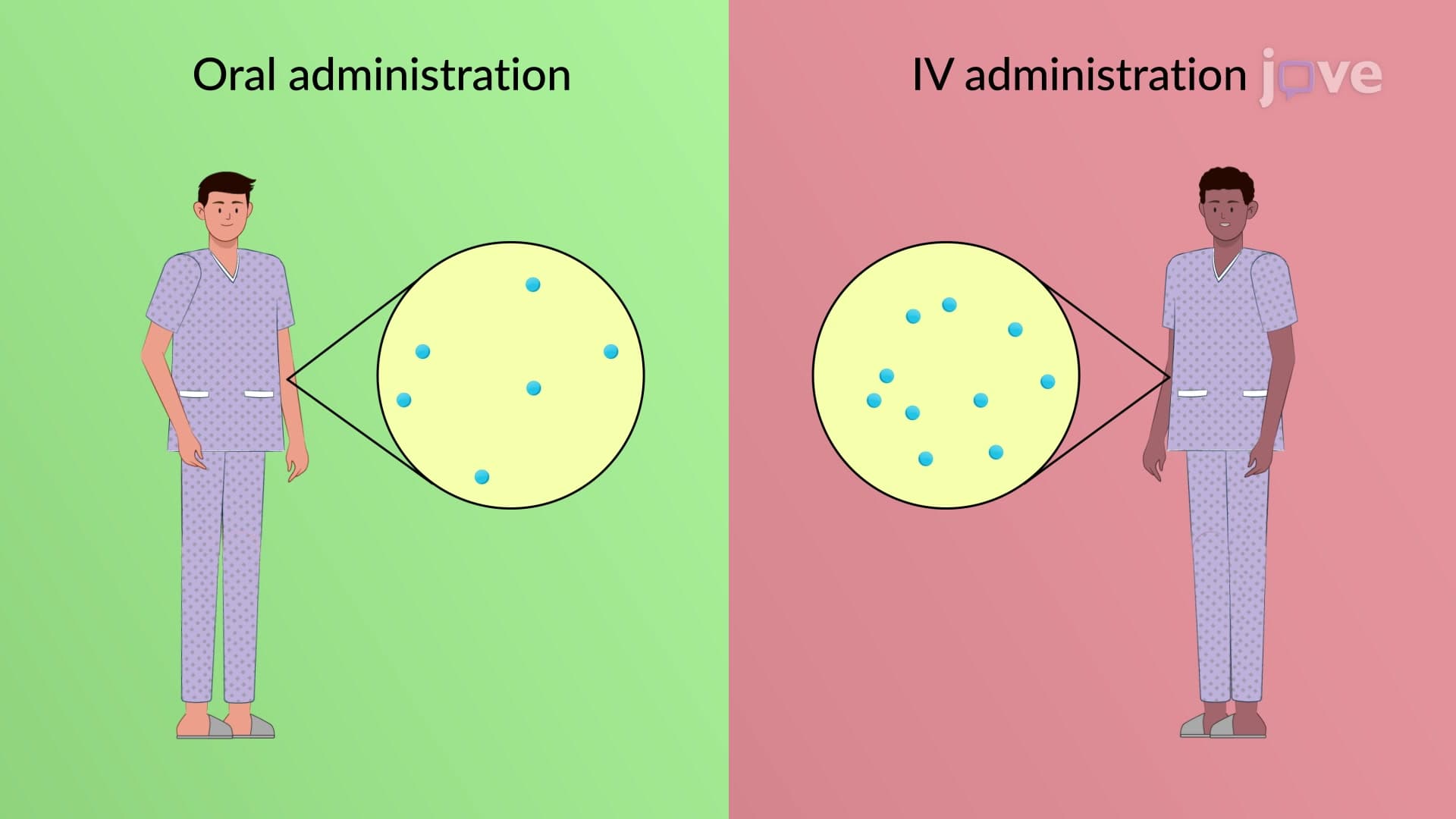
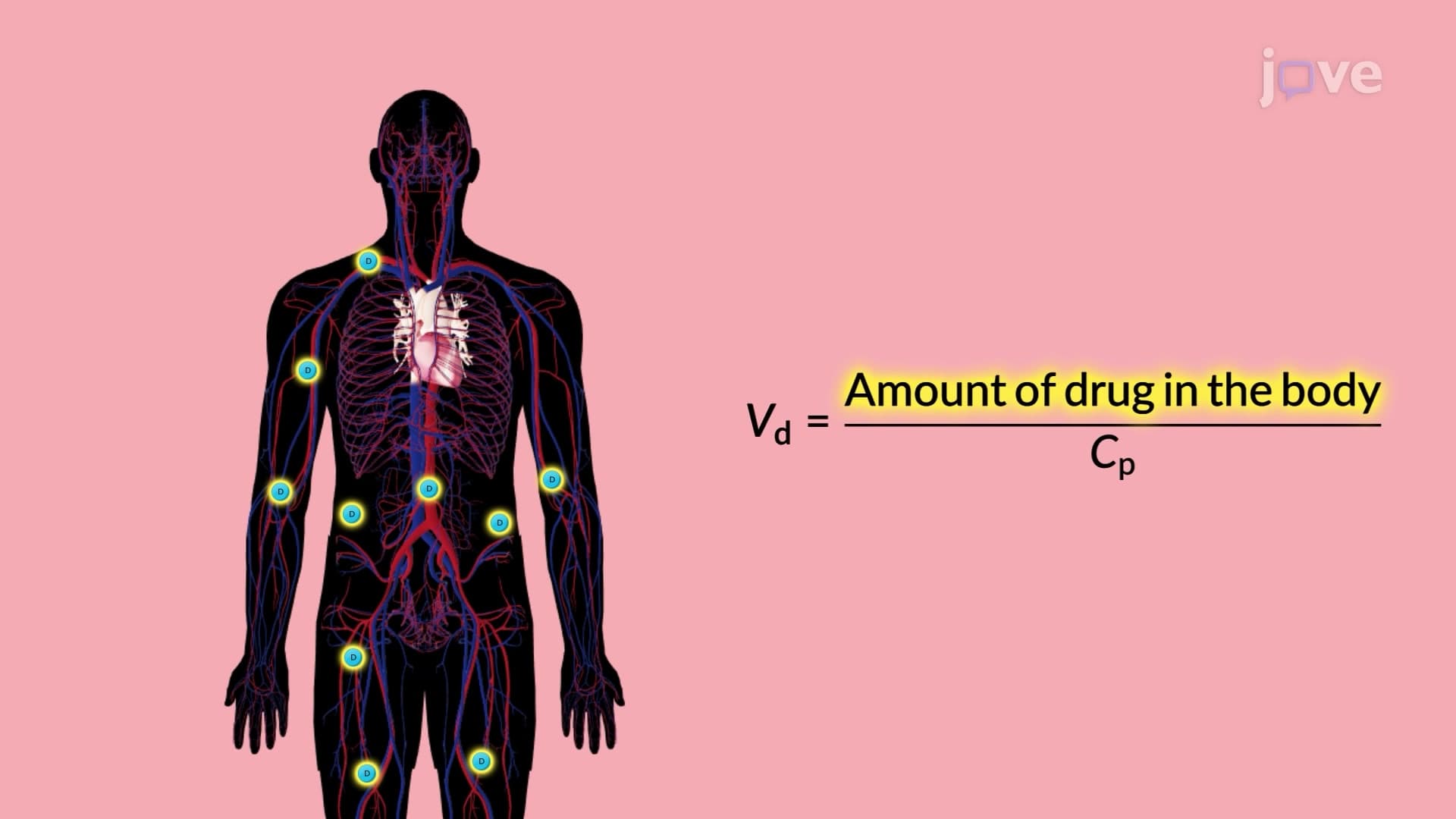
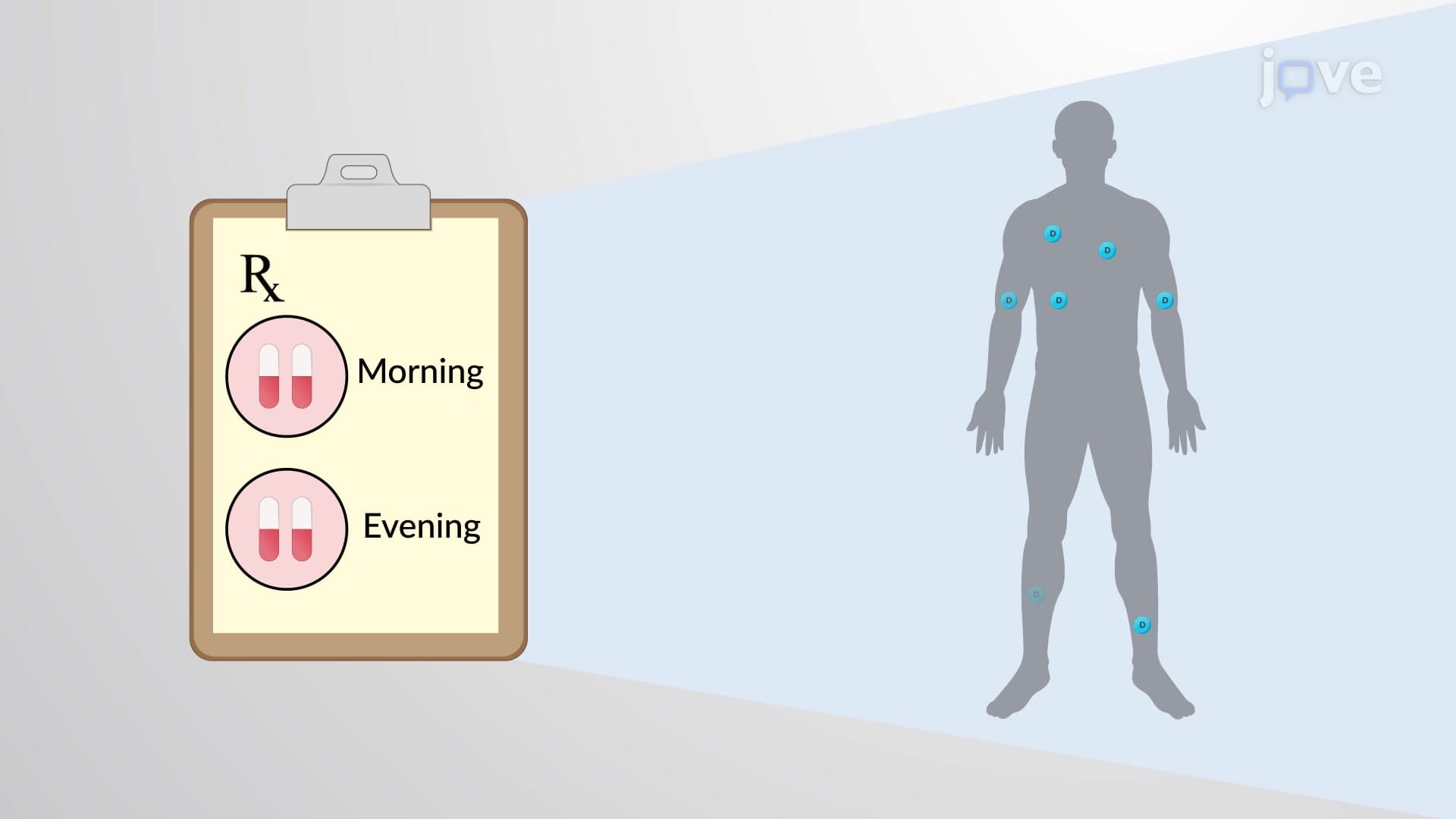
Bioavailability represents the fraction of an administered drug that reaches systemic circulation unchanged. For oral medications, this journey involves significant obstacles that can dramatically reduce therapeutic effectiveness. The concept becomes particularly important when studying pharmacology for AP Biology, college-level physiology courses, or preparing for the MCAT.
First-Pass Metabolism: The Primary Bioavailability Barrier
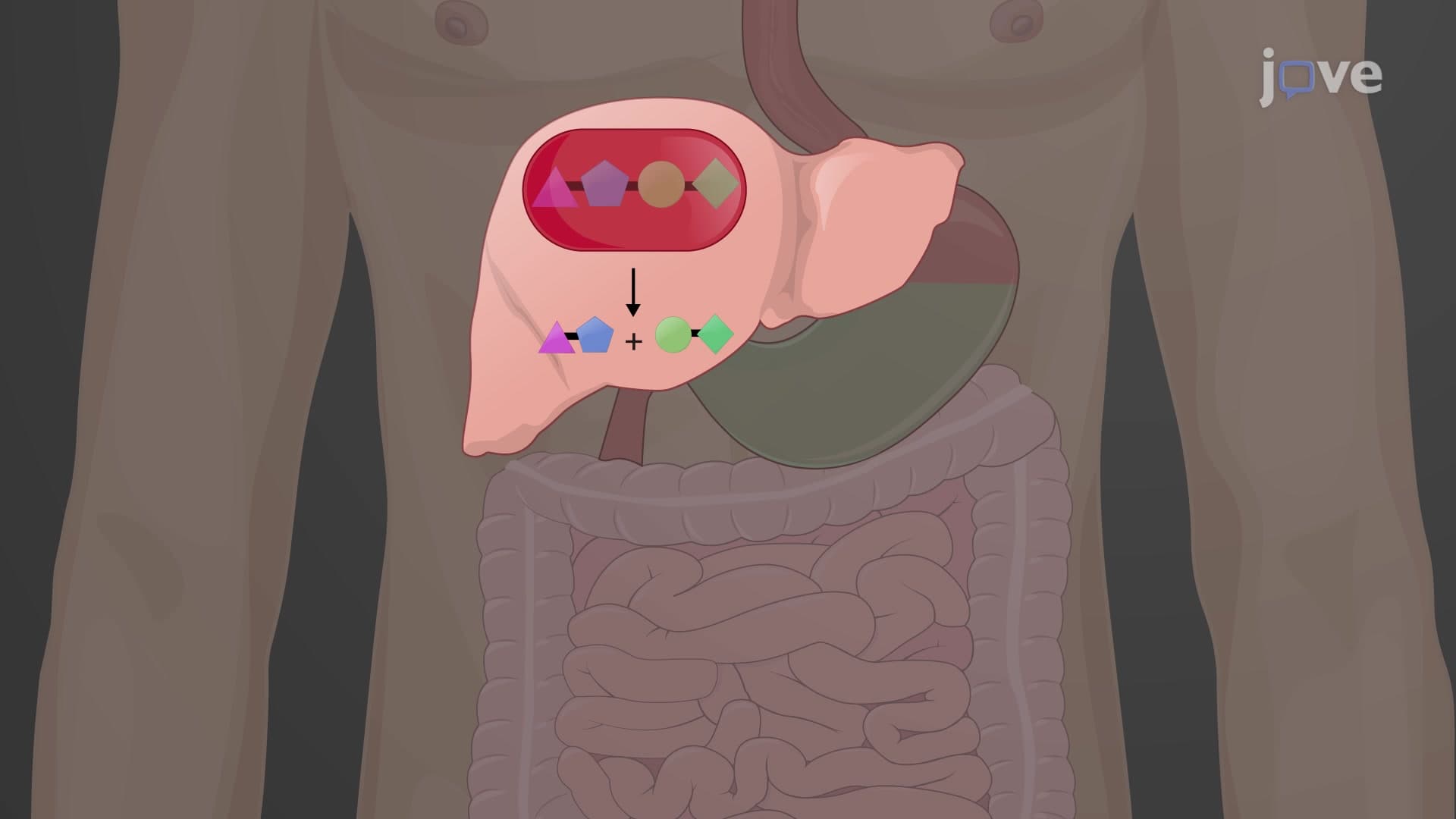
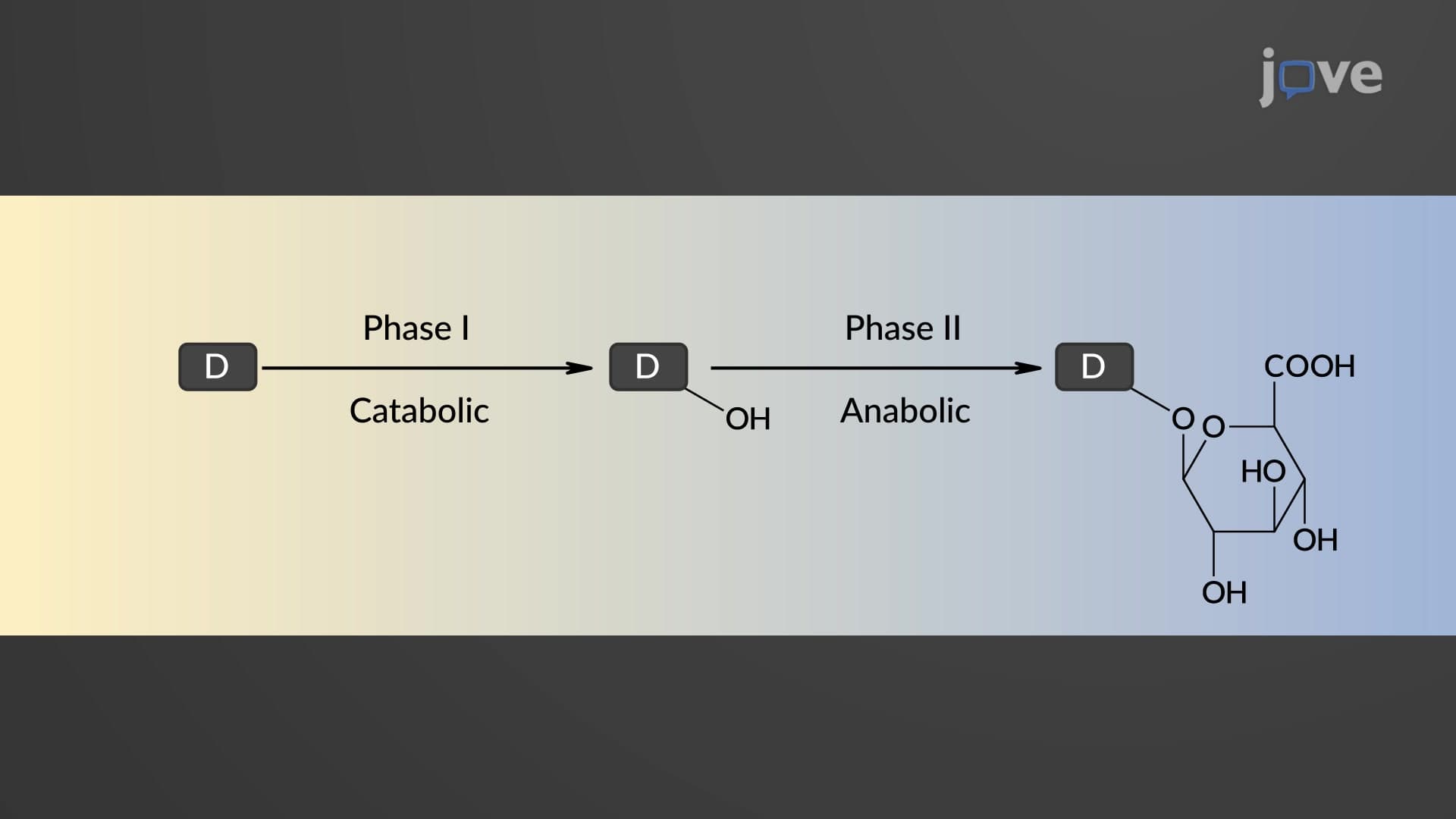
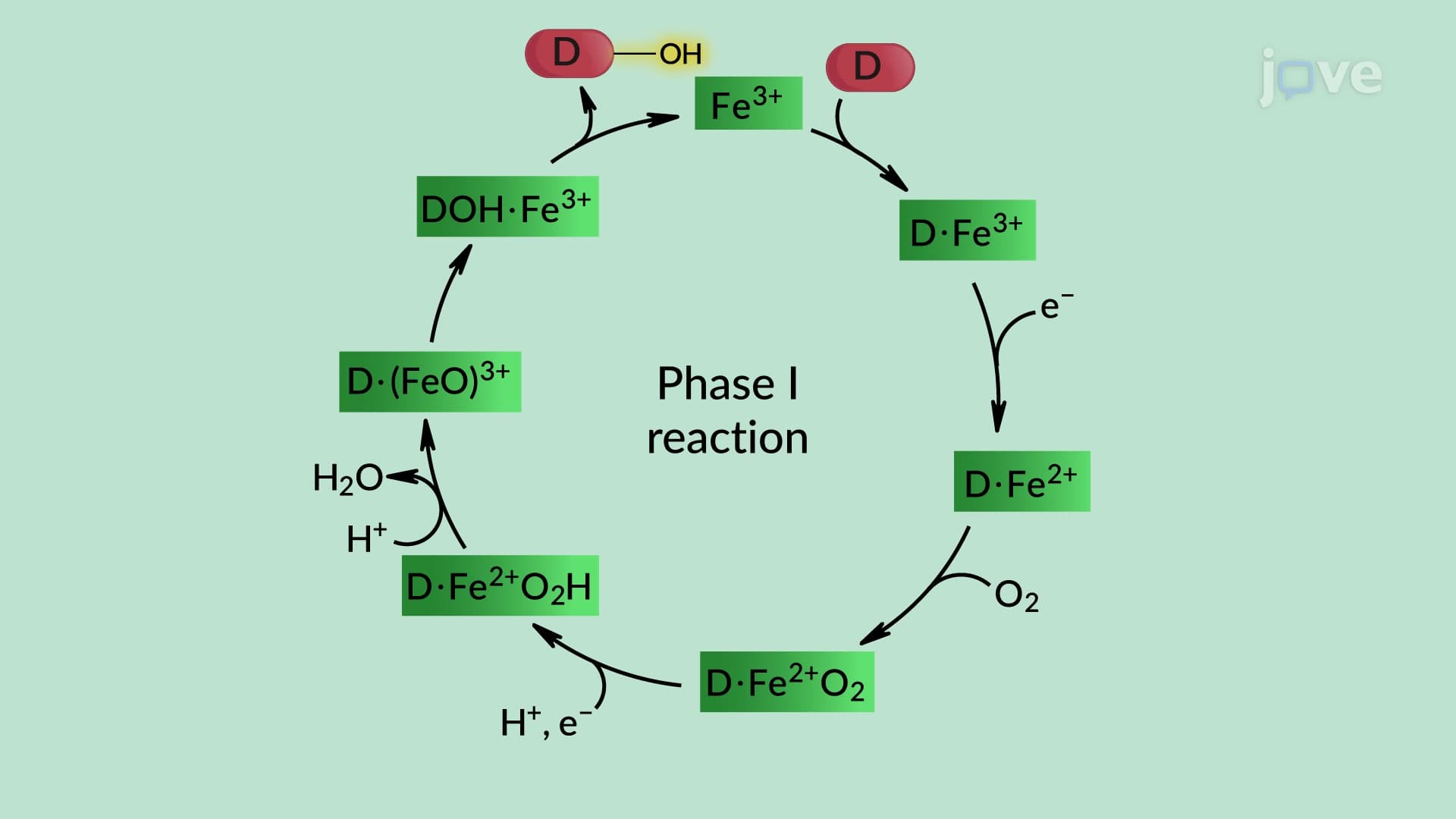
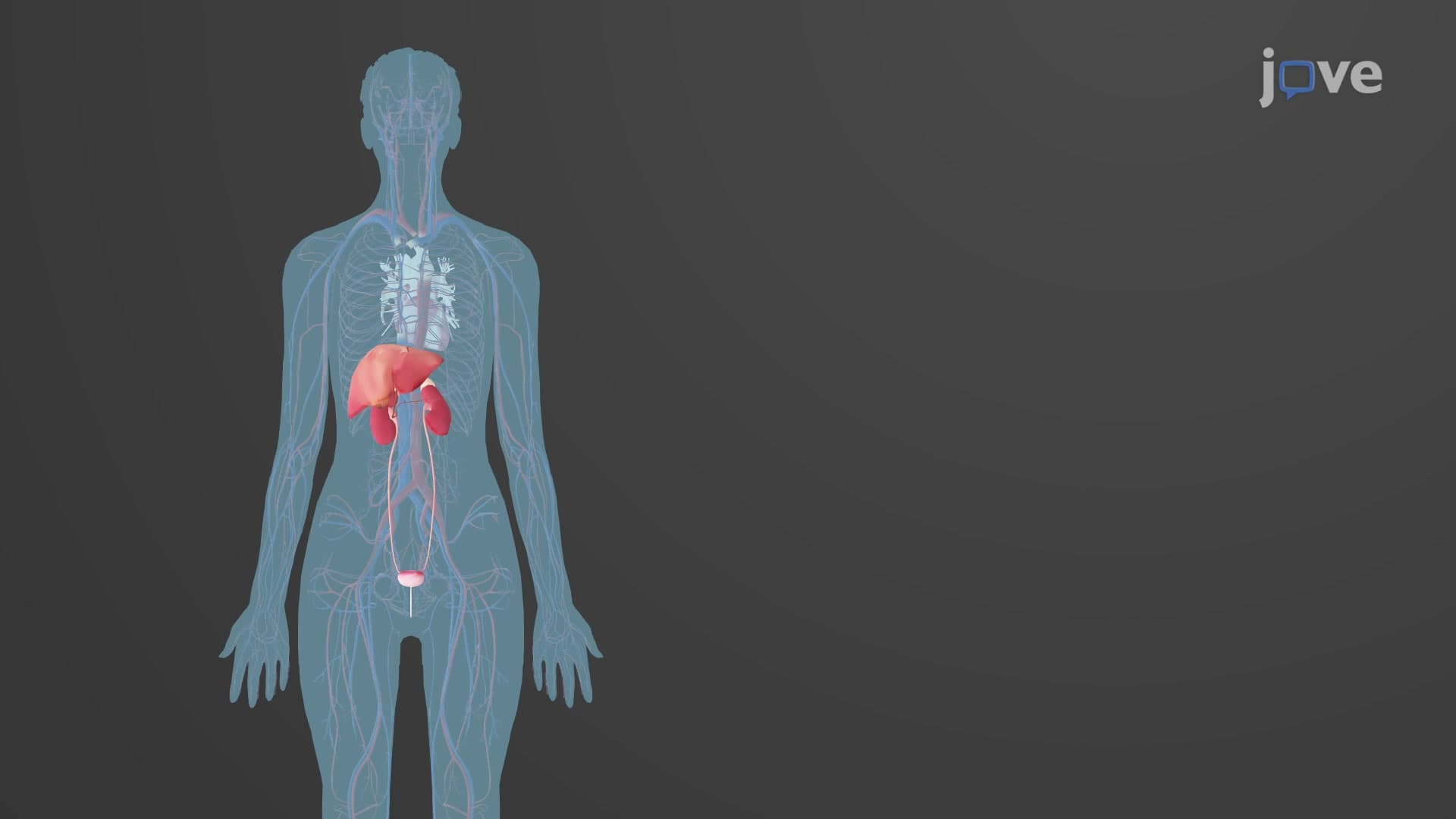
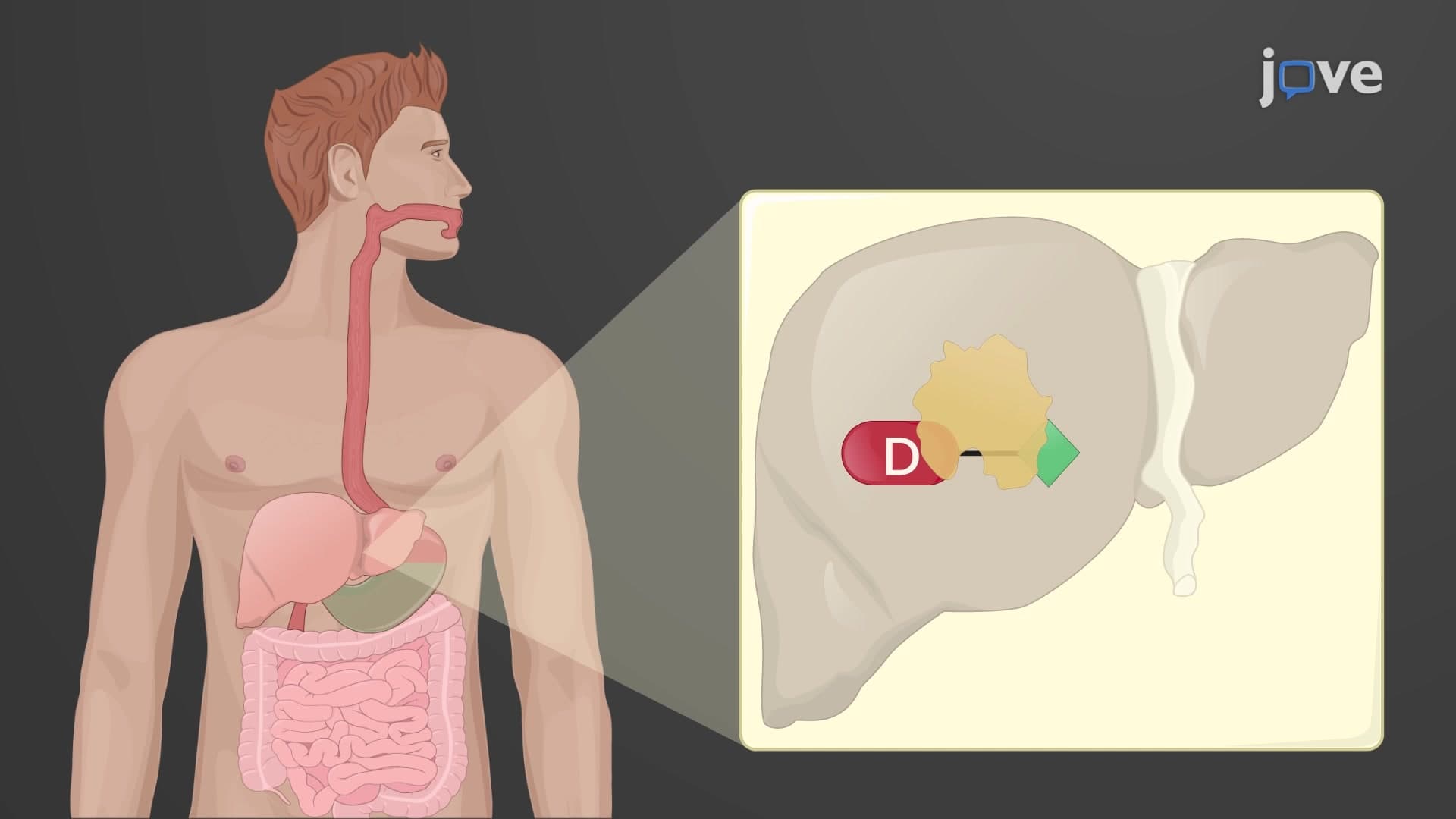
First-pass elimination occurs when orally administered drugs travel through the portal vein directly to the liver before entering systemic circulation. The liver's cytochrome P450 enzyme system metabolizes many drugs extensively during this initial pass. For example, propranolol (a beta-blocker) undergoes approximately 90% first-pass metabolism, meaning only 10% of the oral dose reaches systemic circulation compared to intravenous administration.
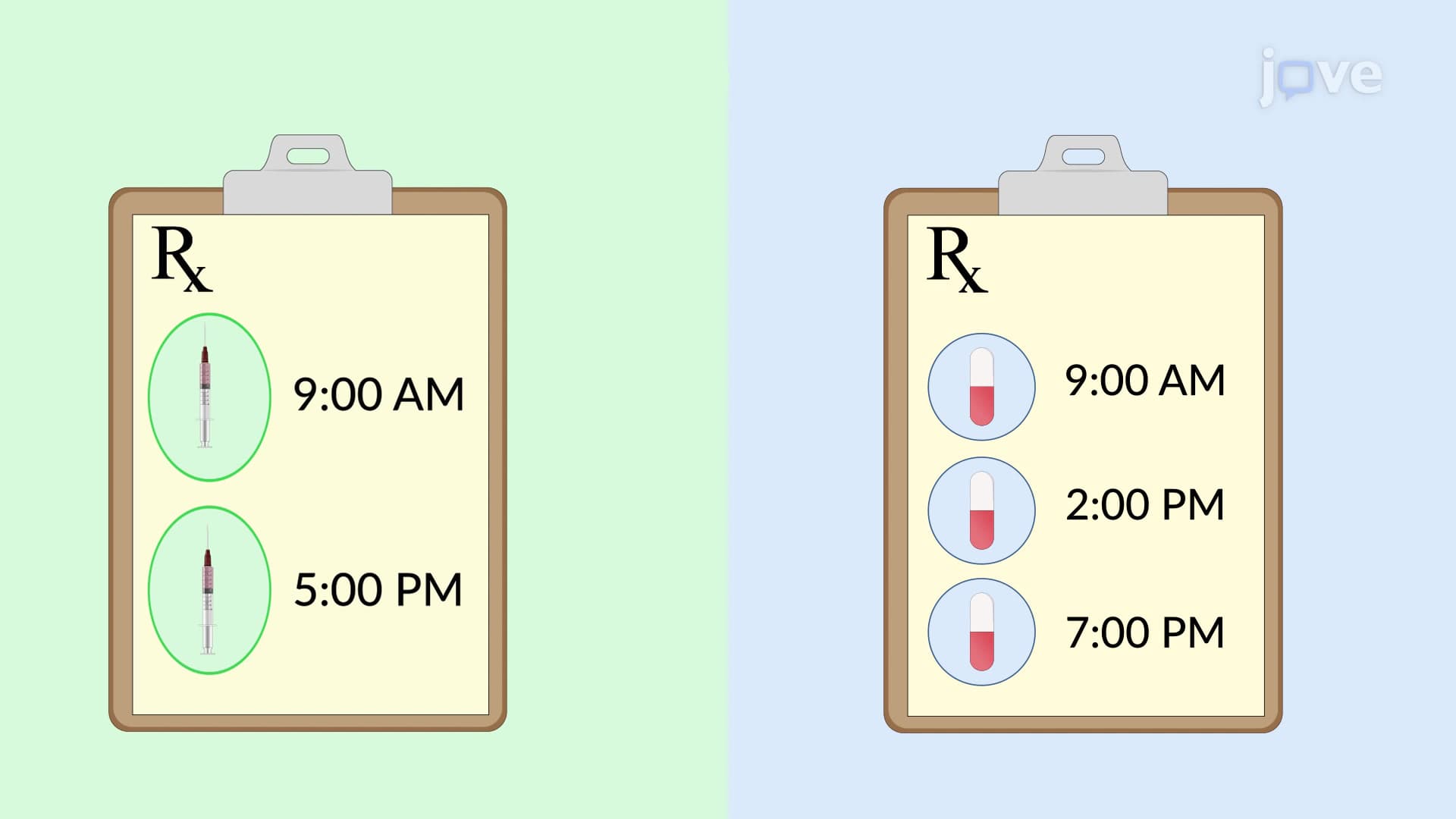
This hepatic metabolism explains why some medications require much higher oral doses than intravenous equivalents. Nitroglycerin, used for angina, demonstrates extreme first-pass metabolism-nearly 100%-which is why it's administered sublingually (under the tongue) to bypass hepatic circulation entirely.
Chemical Stability and Environmental Factors
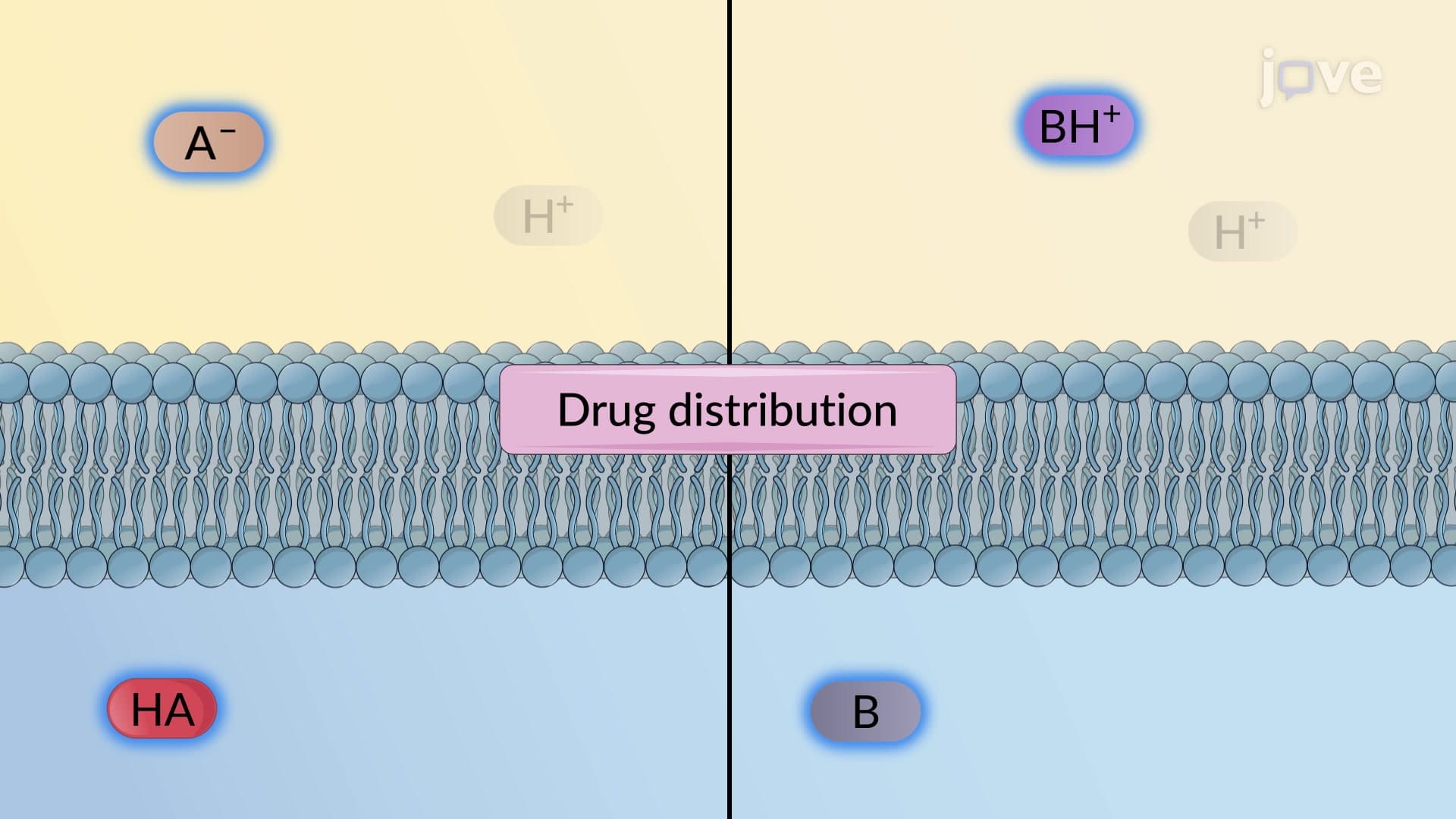
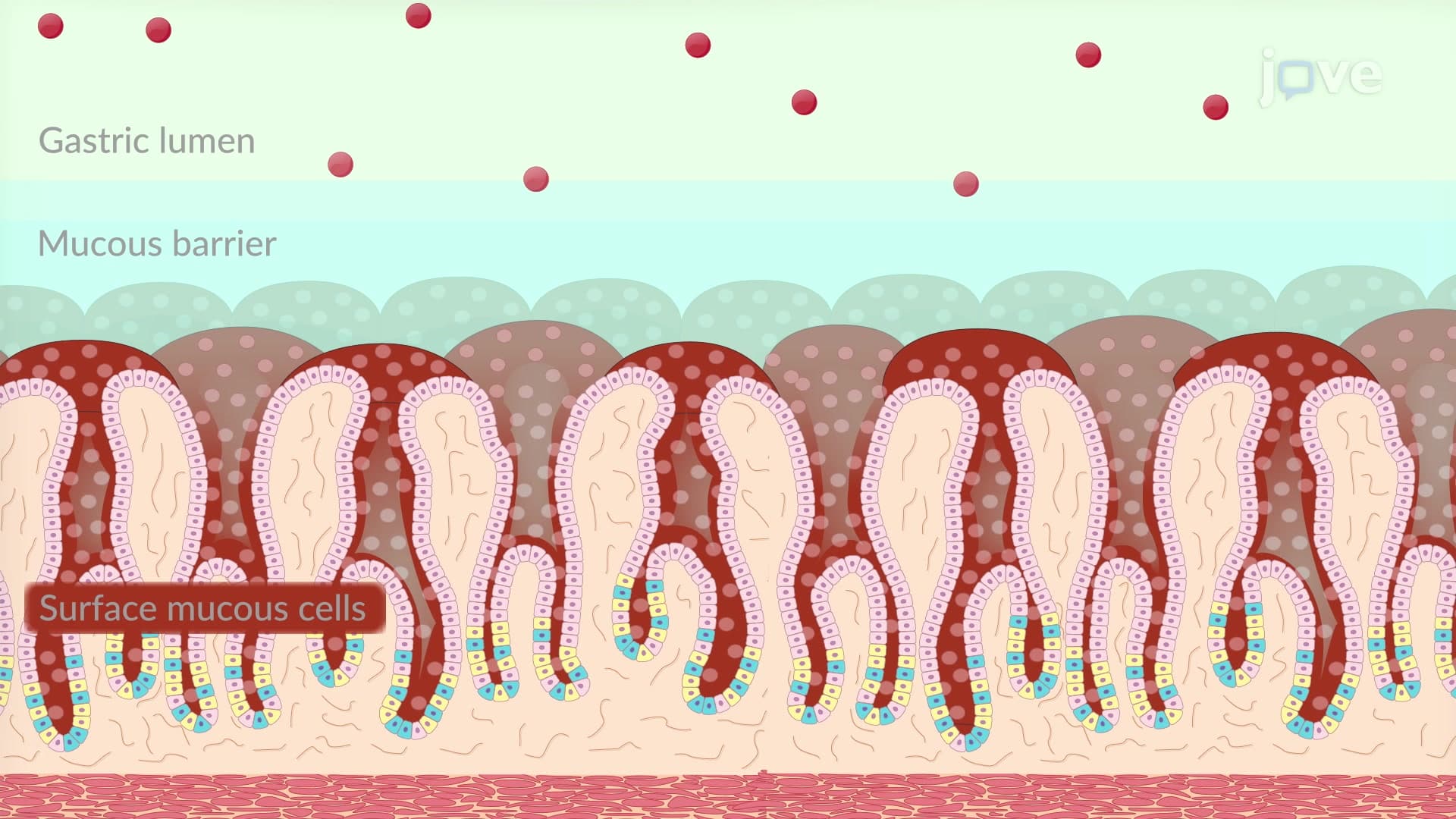
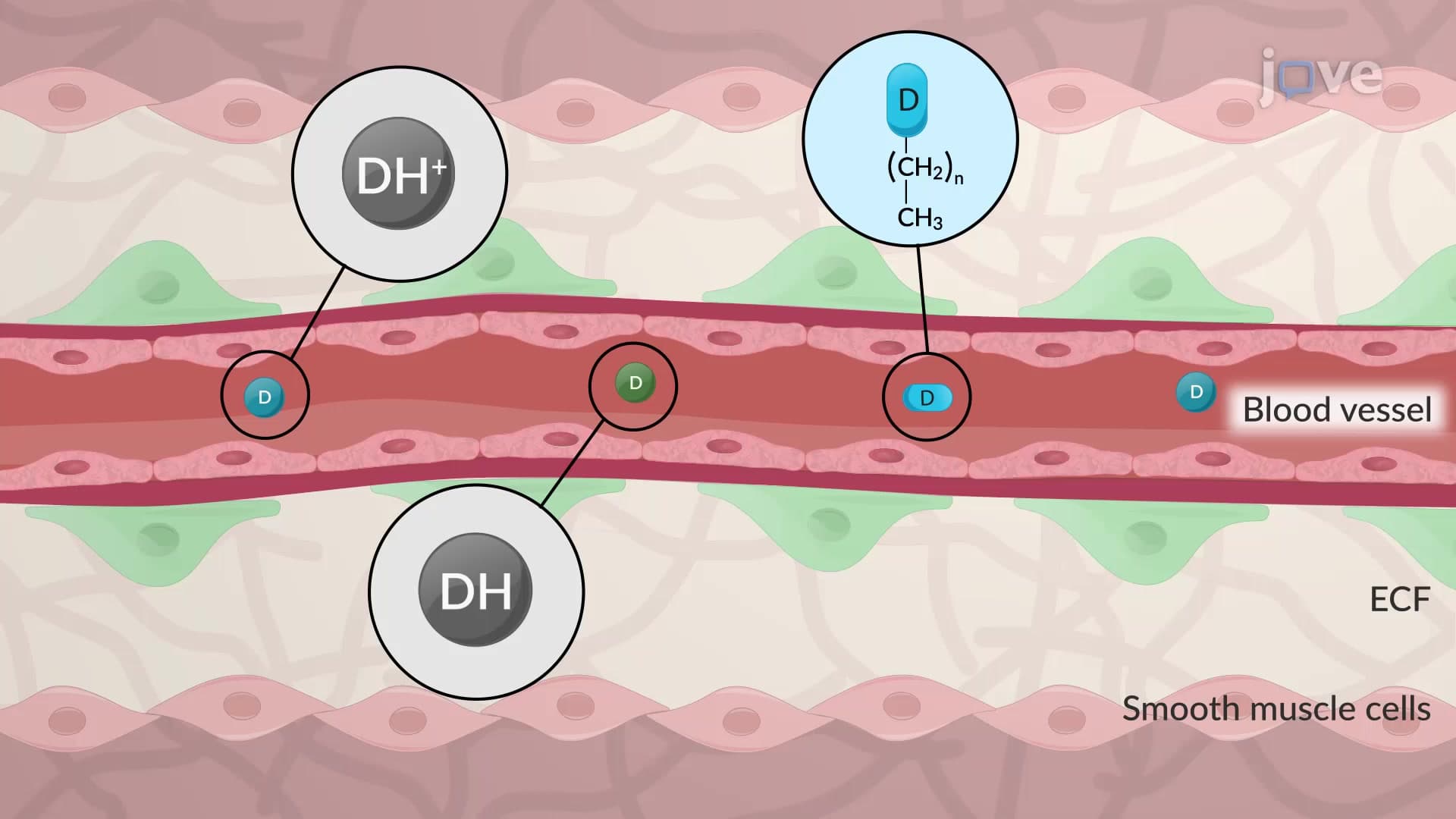
Drug stability within the gastrointestinal tract significantly impacts bioavailability. The stomach's acidic environment (pH 1.5-3.5) can degrade acid-labile compounds, while intestinal enzymes may break down certain drug molecules. Penicillin G exemplifies this challenge-its beta-lactam ring breaks down in stomach acid, necessitating the development of acid-resistant alternatives like amoxicillin.
Solubility Challenges: Balancing Hydrophobic and Hydrophilic Properties
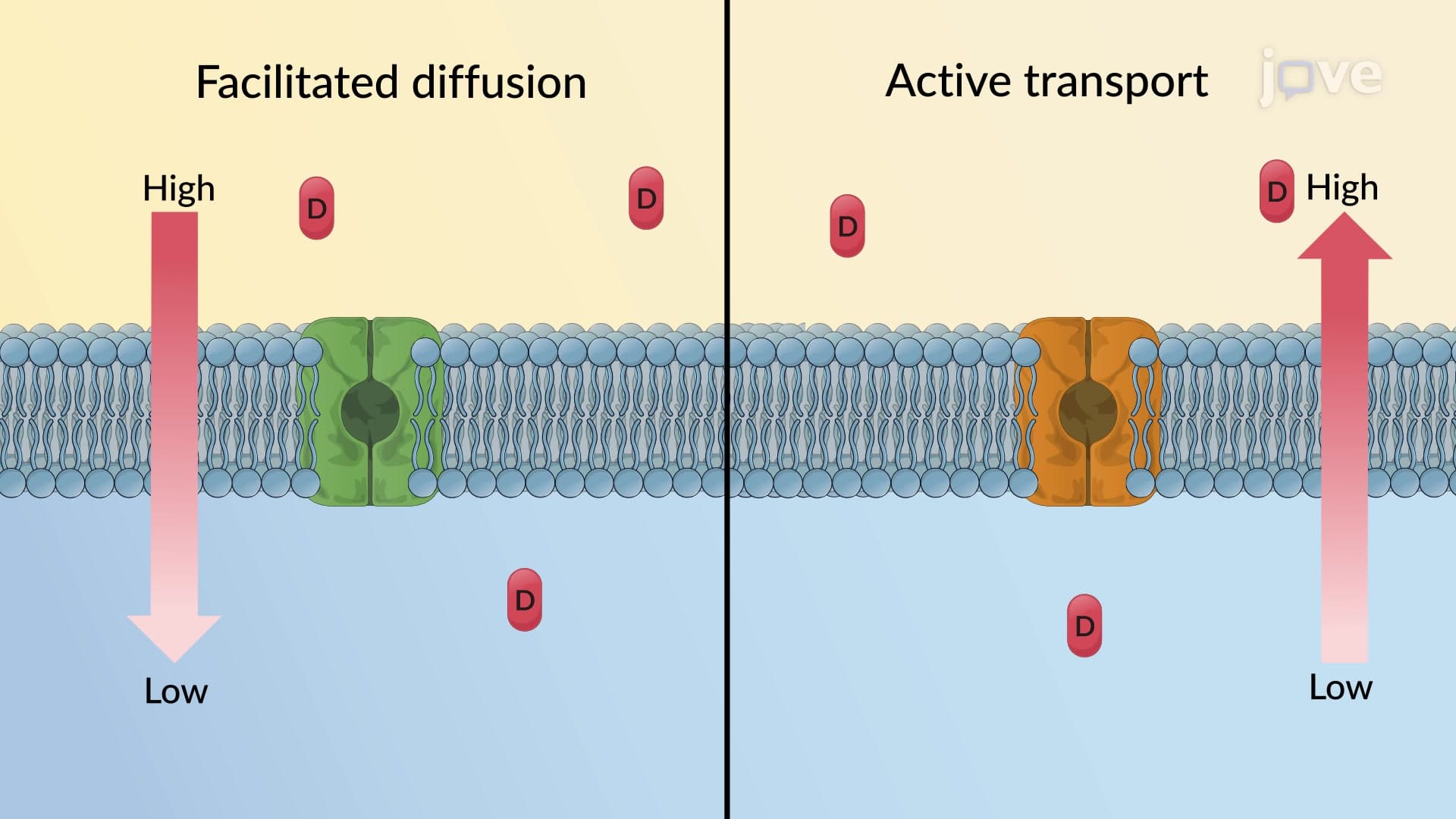
Drug solubility creates a fundamental absorption dilemma. Highly hydrophobic drugs like griseofulvin (antifungal) cannot dissolve adequately in aqueous intestinal fluids, limiting absorption. Conversely, highly hydrophilic compounds like aminoglycosides cannot cross lipid cell membranes effectively. The optimal drug possesses balanced lipophilic and hydrophilic characteristics, following Lipinski's Rule of Five-guidelines frequently tested in pharmaceutical science courses.
Formulation Strategies for Enhanced Bioavailability
Modern pharmaceutical formulation addresses bioavailability challenges through several approaches. Particle size reduction increases surface area for dissolution-why aspirin works faster when crushed. Salt forms like sodium diclofenac dissolve more readily than the parent acid. Enteric coatings protect acid-sensitive drugs while allowing release in the alkaline small intestine environment, as seen with delayed-release omeprazole formulations.
Frequently Asked Questions
Factors influencing bioavailability first pass elimination are the key variables that determine how much of an orally administered drug reaches systemic circulation. These include hepatic metabolism, chemical stability, drug solubility, and formulation characteristics. Understanding these factors helps predict drug effectiveness and explains why oral doses often exceed intravenous equivalents.
The four primary factors are first-pass metabolism (liver processing), chemical stability (resistance to pH and enzymes), drug solubility (ability to dissolve and cross membranes), and formulation design (particle size, coatings, salt forms). Each factor can significantly impact the percentage of drug reaching target tissues after oral administration.
MCAT questions often focus on comparing oral versus intravenous bioavailability and predicting drug effectiveness based on chemical properties. AP Biology may test first-pass metabolism within broader physiology contexts. Both exams emphasize understanding the relationship between drug structure, absorption mechanisms, and therapeutic outcomes.
First-pass elimination causes this dosing difference because orally administered drugs must survive stomach acid, intestinal enzymes, and liver metabolism before reaching systemic circulation. For example, morphine requires 2-3 times higher oral doses due to significant hepatic metabolism, while IV administration bypasses these barriers entirely.
Warfarin (blood thinner) exemplifies bioavailability complexity in clinical practice. Patients require careful monitoring because factors like diet, other medications, and genetic variations in liver enzymes dramatically affect how much active drug reaches circulation, potentially causing dangerous bleeding or ineffective anticoagulation.
Basic high school chemistry provides sufficient foundation for understanding bioavailability principles. Focus on fundamental concepts like pH effects, solubility, and enzyme-substrate interactions. Most bioavailability questions emphasize biological processes rather than complex chemical mechanisms, making the topic accessible to students with introductory science backgrounds.
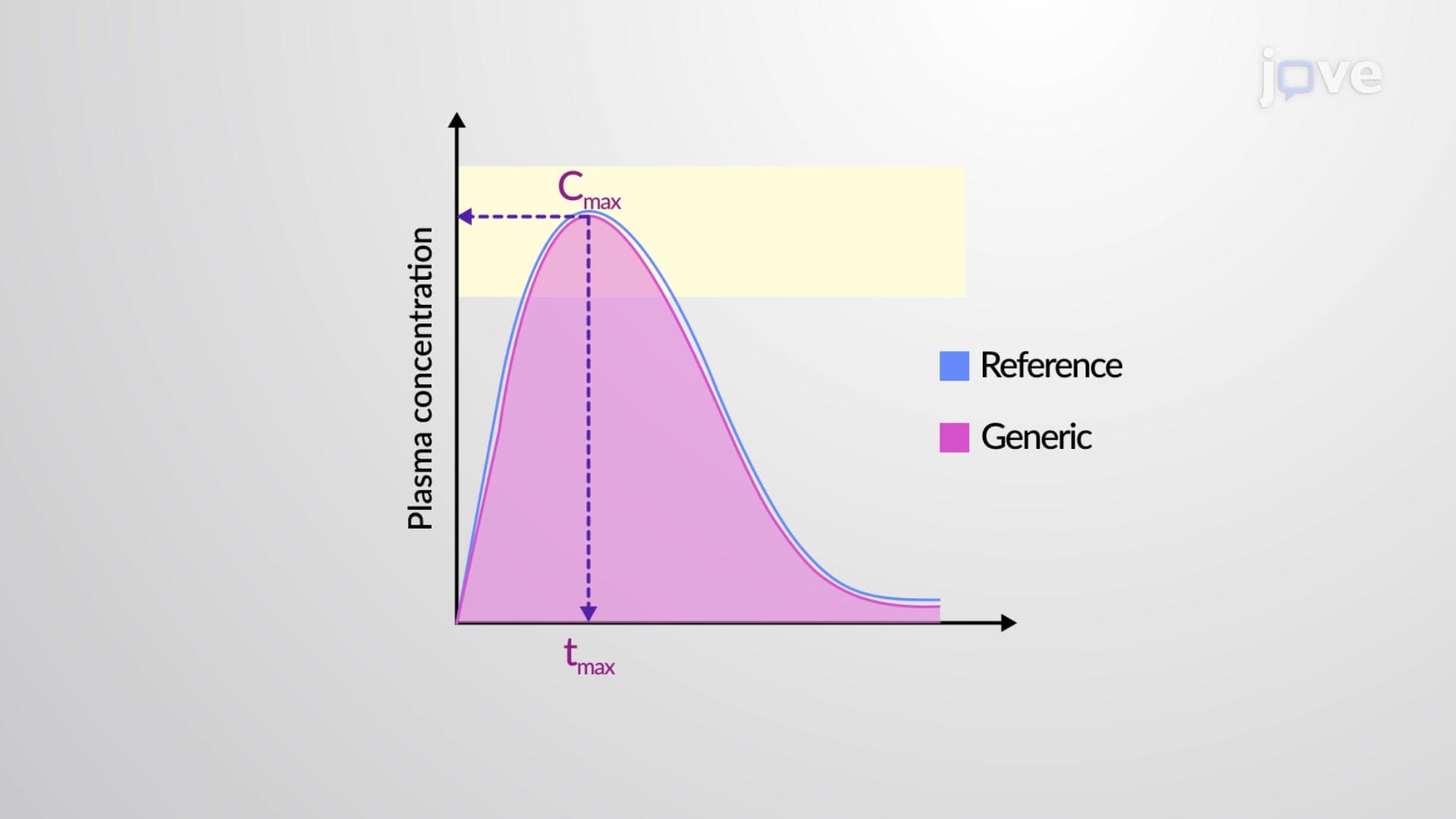
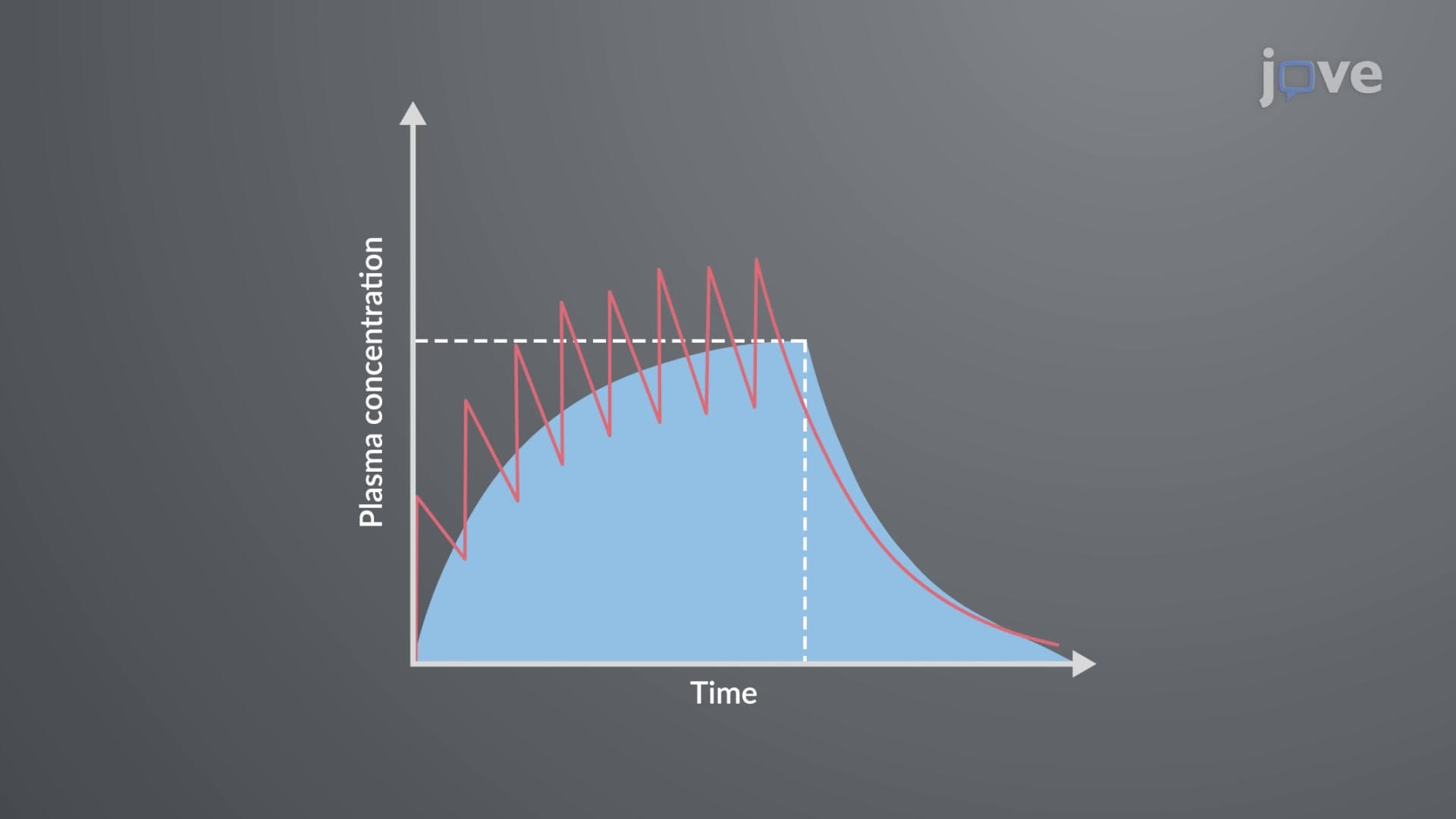
Create comparison charts showing oral versus IV bioavailability for common drugs, practice calculating bioavailability percentages from concentration-time curves, and memorize key examples of drugs with high first-pass metabolism. Focus on understanding why certain formulation strategies improve absorption rather than memorizing extensive drug lists.
Progress to pharmacokinetics modeling, bioequivalence studies, and personalized medicine concepts like pharmacogenomics. These topics build on bioavailability foundations and become important for students pursuing pharmacy, medicine, or pharmaceutical sciences careers.
Related Micro-courses
19 Concepts

