Loading subject page…

- Pharmacology
- Pharmacokinetics
- Rational Dosage Regimen: Maintenance Dose and Loading Dose
Micro-course: Pharmacokinetics
134,509 views
Learn key concepts and earn your certificate.




















Rational Dosage Regimen: Maintenance Dose and Loading Dose


00:00
01:24
Video Summary: Rational Dosage Regimen Maintenance Dose Explained
Ever wonder why your doctor prescribes antibiotics every 8 hours instead of one giant dose? The rational dosage regimen maintenance approach ensures medications like amoxicillin maintain therapeutic levels in your bloodstream without causing toxicity. This systematic method balances drug absorption, distribution, and elimination to achieve optimal treatment outcomes. Understanding Rational Dosage Regimen Maintenance Dose Explained helps healthcare providers deliver precise, effective treatments for conditions ranging from infections to chronic diseases. Watch the full video on JoVE Coach to master this concept with expert-led visuals and step-by-step explanations.
- Understand how Rational Dosage Regimen Maintenance Dose Explained principles guide safe and effective drug administration in clinical practice
- Identify the key pharmacokinetic parameters (clearance, bioavailability, volume of distribution) that determine optimal dosing schedules
- Analyze the relationship between steady-state drug concentrations and maintenance dosing calculations
- Compare loading dose strategies versus maintenance dose approaches for different clinical scenarios
- Evaluate how drug clearance and target plasma concentration influence maintenance dosing rates
- Apply dosage regimen principles to calculate appropriate medication schedules for various therapeutic situations
- Recognize when loading doses are necessary for time-sensitive conditions like severe infections
- Explore the balance between achieving therapeutic efficacy and minimizing adverse drug reactions through rational dosing
Understanding Rational Dosage Regimen Maintenance Dose Fundamentals
A rational dosage regimen maintenance dose represents the cornerstone of modern pharmacotherapy, ensuring patients receive optimal medication benefits while minimizing risks. This systematic approach considers how the human body processes medications through absorption, distribution, metabolism, and elimination phases. Unlike arbitrary dosing, rational regimens use mathematical models and clinical data to determine precise medication schedules.
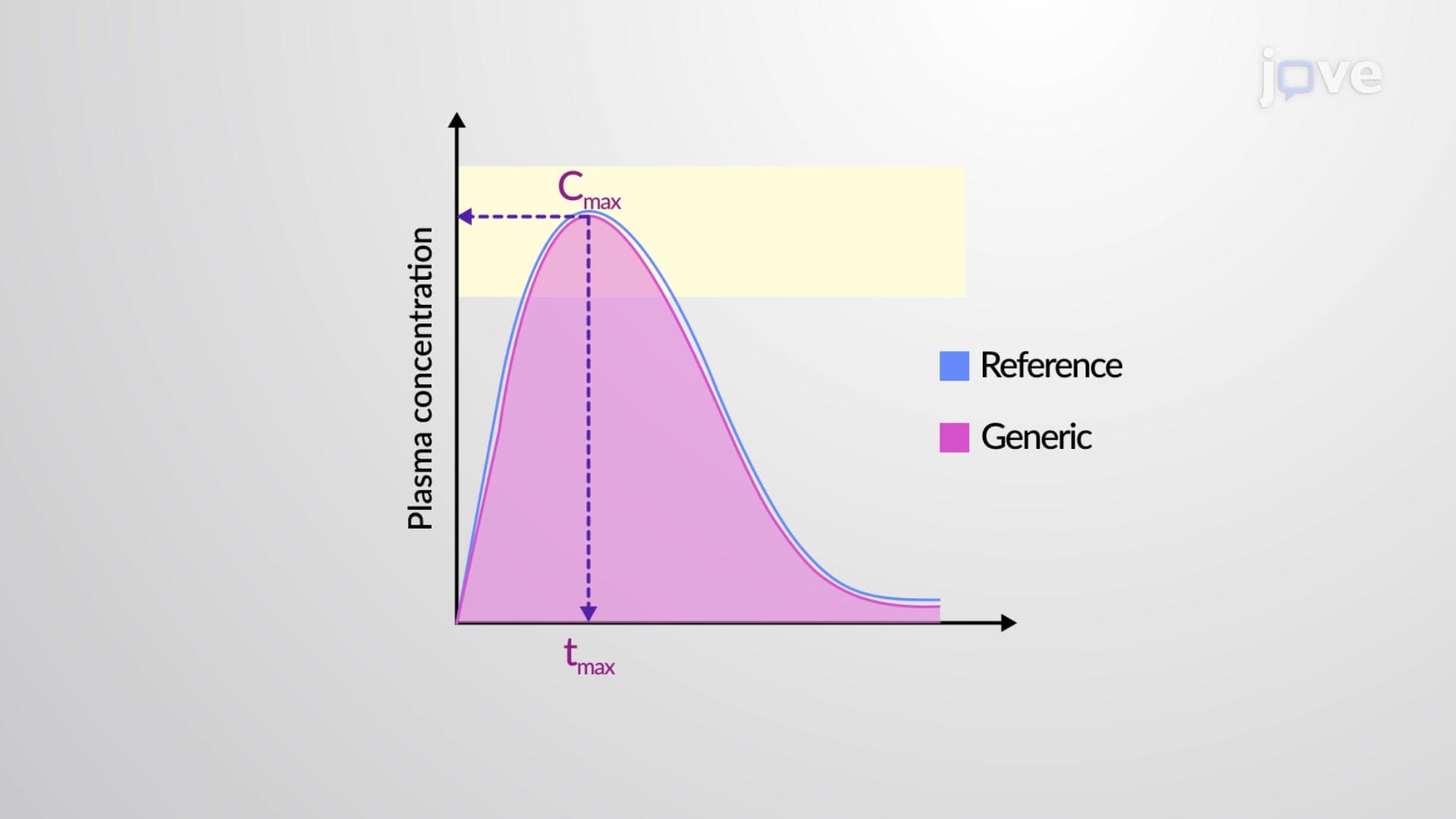
Healthcare providers rely on three critical parameters when designing maintenance doses. First, drug clearance (CL) measures how efficiently the body eliminates medication from plasma. Second, bioavailability (F) indicates the fraction of administered drug that reaches systemic circulation. Third, the target plasma concentration (Cp) represents the therapeutic level needed for clinical effectiveness without toxicity.
Steady-State Principles in Clinical Practice
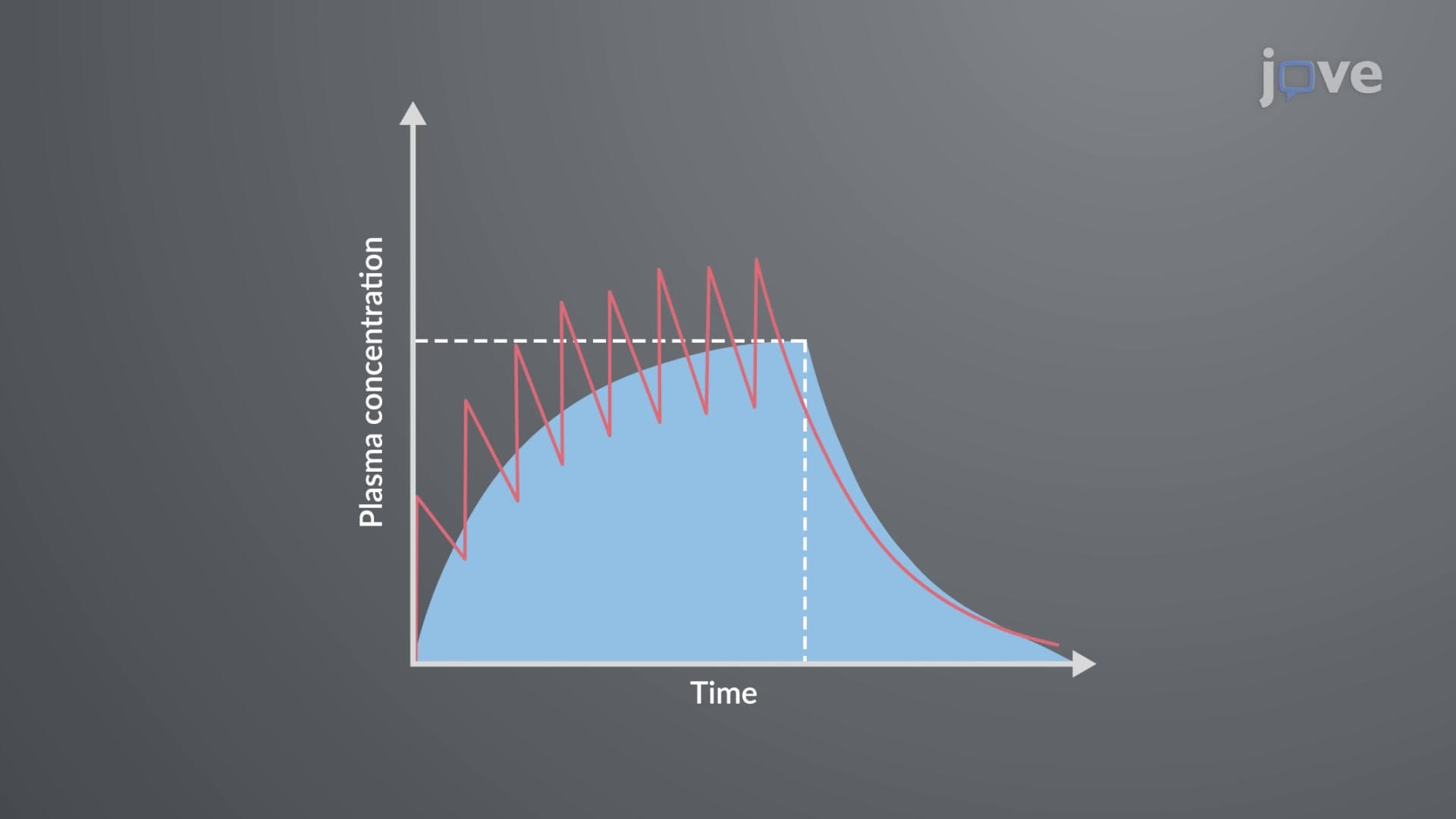
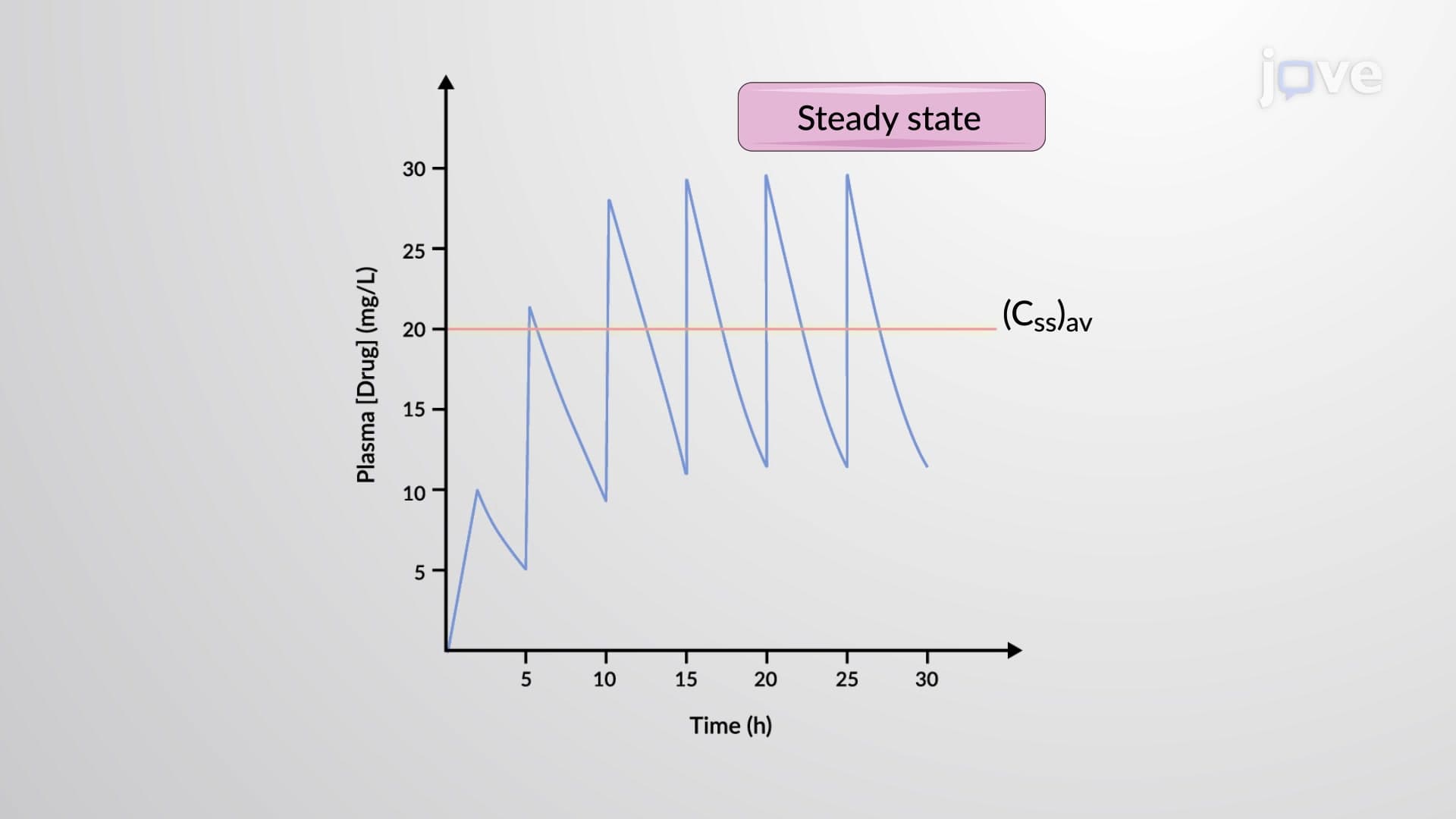
Steady-state occurs when drug input equals elimination, creating stable plasma concentrations. Most medications require 4-5 half-lives to reach steady-state, which can range from hours to weeks depending on the drug. For example, digoxin (used for heart conditions) takes approximately 7 days to reach steady-state due to its long half-life, while aspirin achieves steady-state within hours.
The maintenance dosing rate follows the equation: Dosing Rate = (CL × Cp) / F. This relationship explains why patients with kidney disease often require reduced doses-their decreased clearance means standard doses could accumulate to toxic levels. Similarly, elderly patients frequently need dose adjustments due to age-related changes in drug processing.
Loading Dose Strategy for Critical Situations
When patients need immediate therapeutic effects, clinicians employ loading doses before transitioning to maintenance therapy. Emergency departments commonly use this approach for conditions like atrial fibrillation, where rapid digitalization with digoxin requires an initial loading dose followed by daily maintenance doses.
The loading dose calculation involves the volume of distribution (Vd): Loading Dose = (Vd × Cp) / F. Antibiotics for severe infections exemplify this strategy-patients might receive a large initial dose of vancomycin followed by scheduled maintenance doses to combat life-threatening bacterial infections.
Real-World Applications and Exam Relevance
Understanding rational dosage regimens proves essential for various healthcare examinations. MCAT questions frequently test pharmacokinetic calculations, while NCLEX exams assess nursing students' ability to recognize appropriate dosing schedules. Pre-med students encounter these concepts in biochemistry and physiology courses, particularly when studying drug metabolism pathways.
Clinical applications span numerous specialties. Oncologists carefully calculate chemotherapy regimens to maximize cancer cell destruction while preserving healthy tissue. Psychiatrists adjust antidepressant doses based on patient response and side effect profiles. Even over-the-counter medications like acetaminophen follow rational dosing principles-the recommended 650mg every 4-6 hours maintains therapeutic levels while preventing liver toxicity.
Frequently Asked Questions
A rational dosage regimen maintenance dose is a scientifically calculated medication schedule that maintains therapeutic drug levels in the body while minimizing side effects. It's crucial because it ensures patients receive optimal treatment benefits without experiencing toxicity. This approach considers individual factors like kidney function, age, and drug interactions to personalize medication therapy for maximum safety and efficacy.
MCAT questions often test your ability to calculate maintenance doses using pharmacokinetic equations and interpret drug concentration curves. You'll encounter scenarios involving steady-state calculations, clearance concepts, and bioavailability factors. AP Biology and college biochemistry exams also feature these principles when covering metabolism and homeostasis topics.
NCLEX exams frequently present scenarios where nurses must recognize appropriate dosing schedules and identify signs of over- or under-dosing. You might see questions about adjusting medication timing, recognizing when to hold doses based on lab values, or understanding why certain patients need dose modifications. These questions test your ability to apply pharmacokinetic principles in real clinical situations.
Consider warfarin therapy for stroke prevention-patients start with standard doses, then undergo regular blood testing to measure INR levels. Based on results, physicians adjust maintenance doses to keep patients in the therapeutic range (INR 2.0-3.0), preventing both dangerous clots and bleeding complications. This exemplifies how rational dosing uses monitoring and adjustment to optimize outcomes.
Not at all! While the calculations involve algebra, the underlying concepts build on basic biology and chemistry you already know. Think of it like adjusting your phone's brightness-you want enough light to see clearly without draining the battery too quickly. Similarly, rational dosing finds the "sweet spot" where medications work effectively without causing harm.
Focus on understanding the core equation relationships rather than memorizing formulas. Practice calculating maintenance doses using different clearance and bioavailability values. Create concept maps connecting steady-state, loading doses, and maintenance therapy. Use flashcards for key terms like clearance, bioavailability, and volume of distribution to build your pharmacokinetic vocabulary.
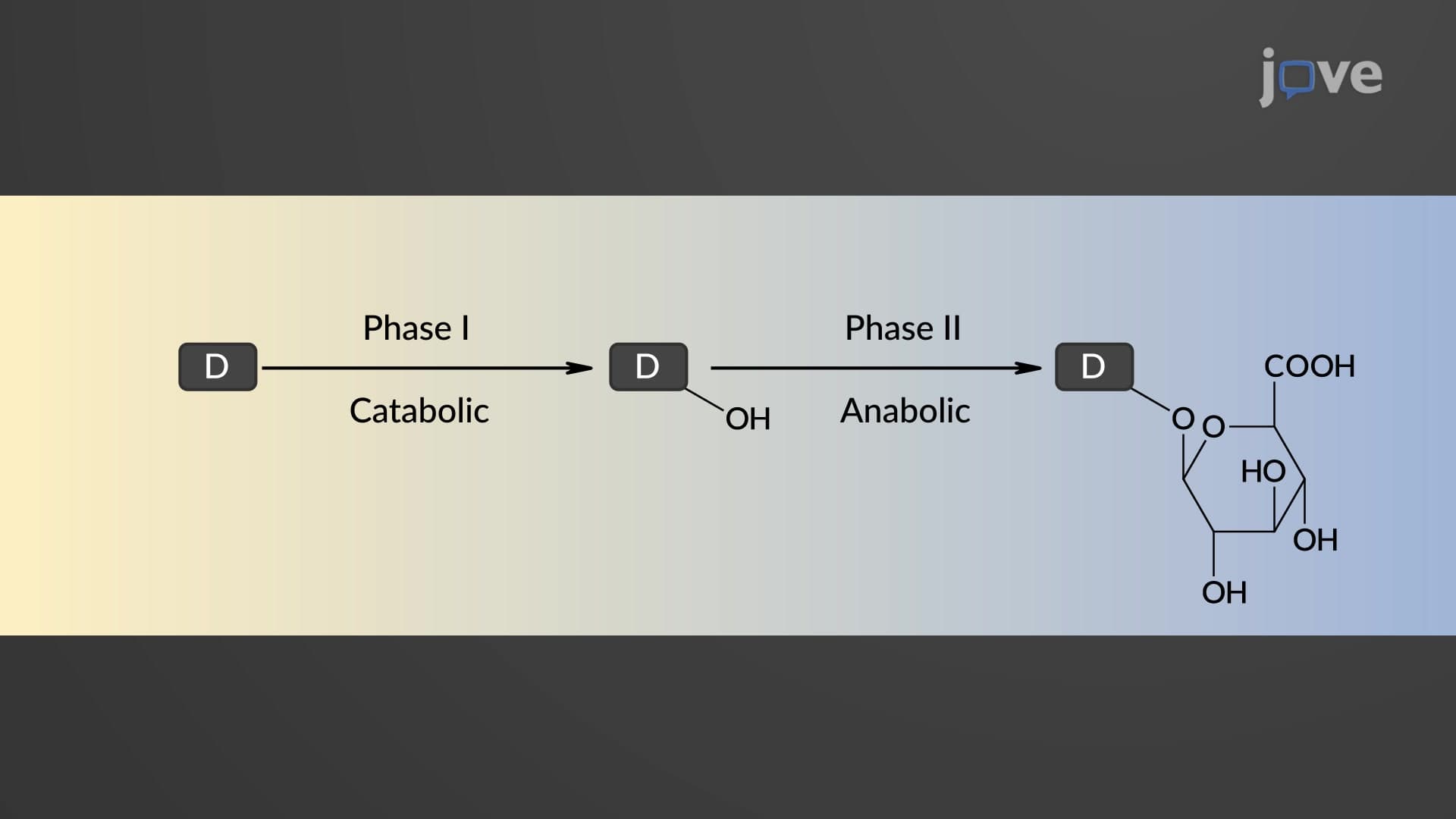
Explore drug metabolism pathways, particularly cytochrome P450 enzymes that affect drug clearance. Study pharmacodynamics to understand how drug concentrations relate to therapeutic effects. Advanced topics include population pharmacokinetics and personalized medicine approaches that tailor dosing regimens to individual genetic profiles and clinical characteristics.
Related Micro-courses

19 Concepts

