Loading subject page…


134,555 views

Video Summary: Renal Drug Elimination Glomerular Filtration
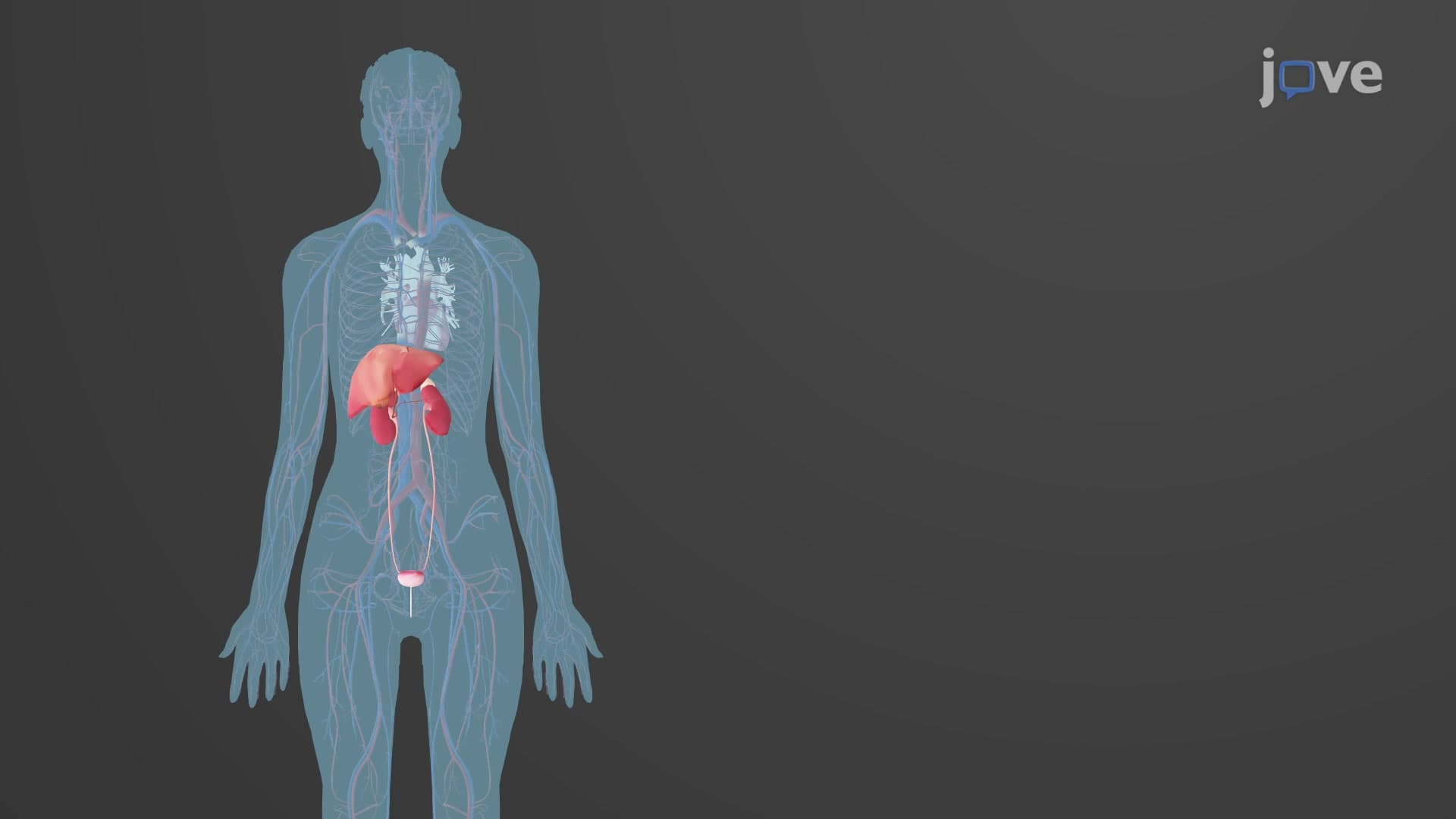
Did you know that your kidneys filter about 180 liters of blood daily, determining which medications stay in your body and which get eliminated? Renal drug elimination: glomerular filtration is the first critical step in how your body processes medications like ibuprofen or antibiotics prescribed by US physicians. This process occurs in millions of tiny nephrons, where blood pressure forces unbound drug molecules through specialized kidney filters. Watch the full video on JoVE Coach to master this concept with expert-led visuals and step-by-step explanations.
The kidneys serve as the body's primary filtration system, processing approximately 20% of cardiac output every minute. Renal drug elimination: glomerular filtration represents the initial phase of drug excretion, where medications are separated from blood plasma and concentrated into urine. This process is fundamental to pharmacokinetics and directly impacts how long medications remain active in your system.
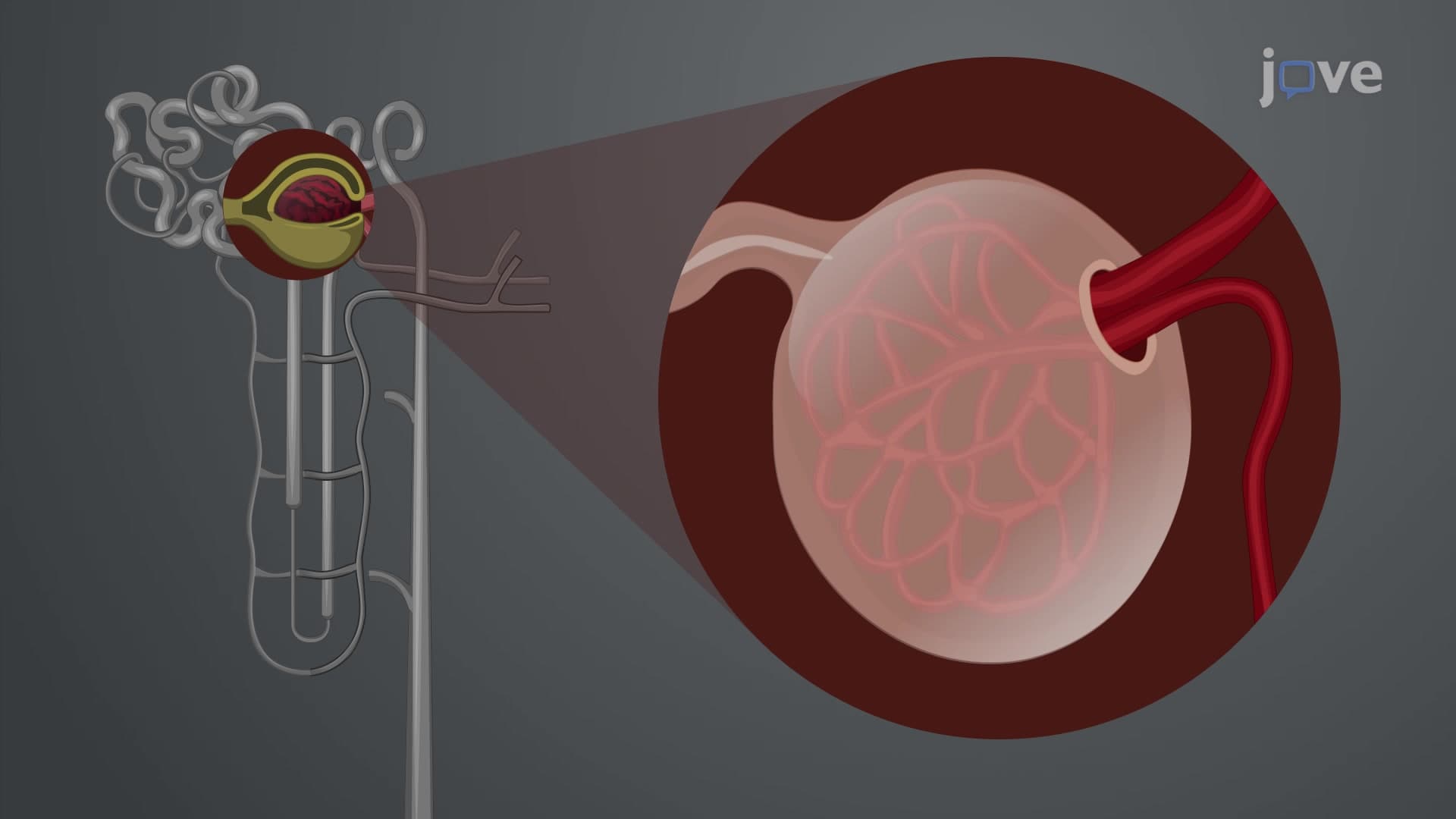
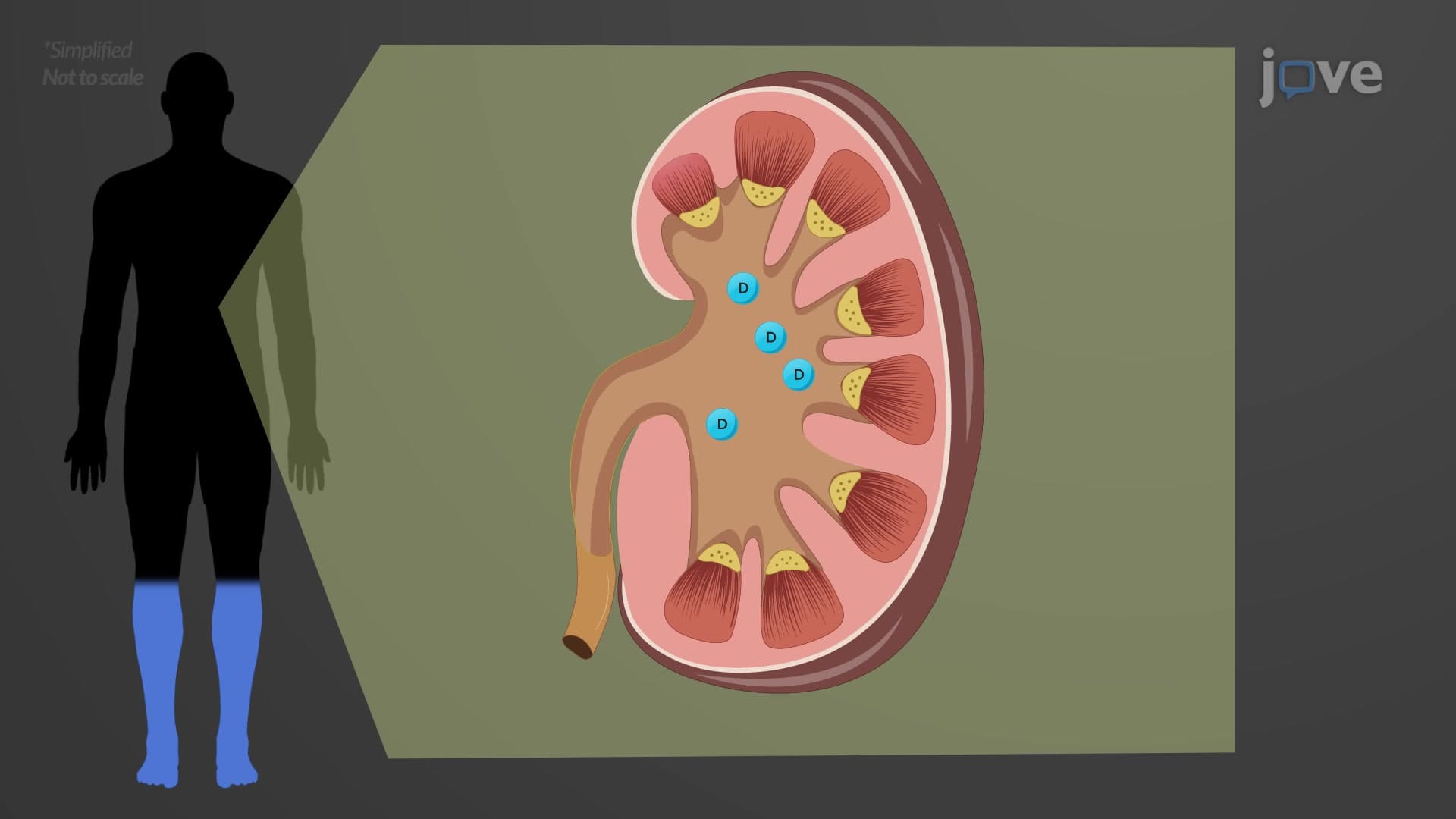
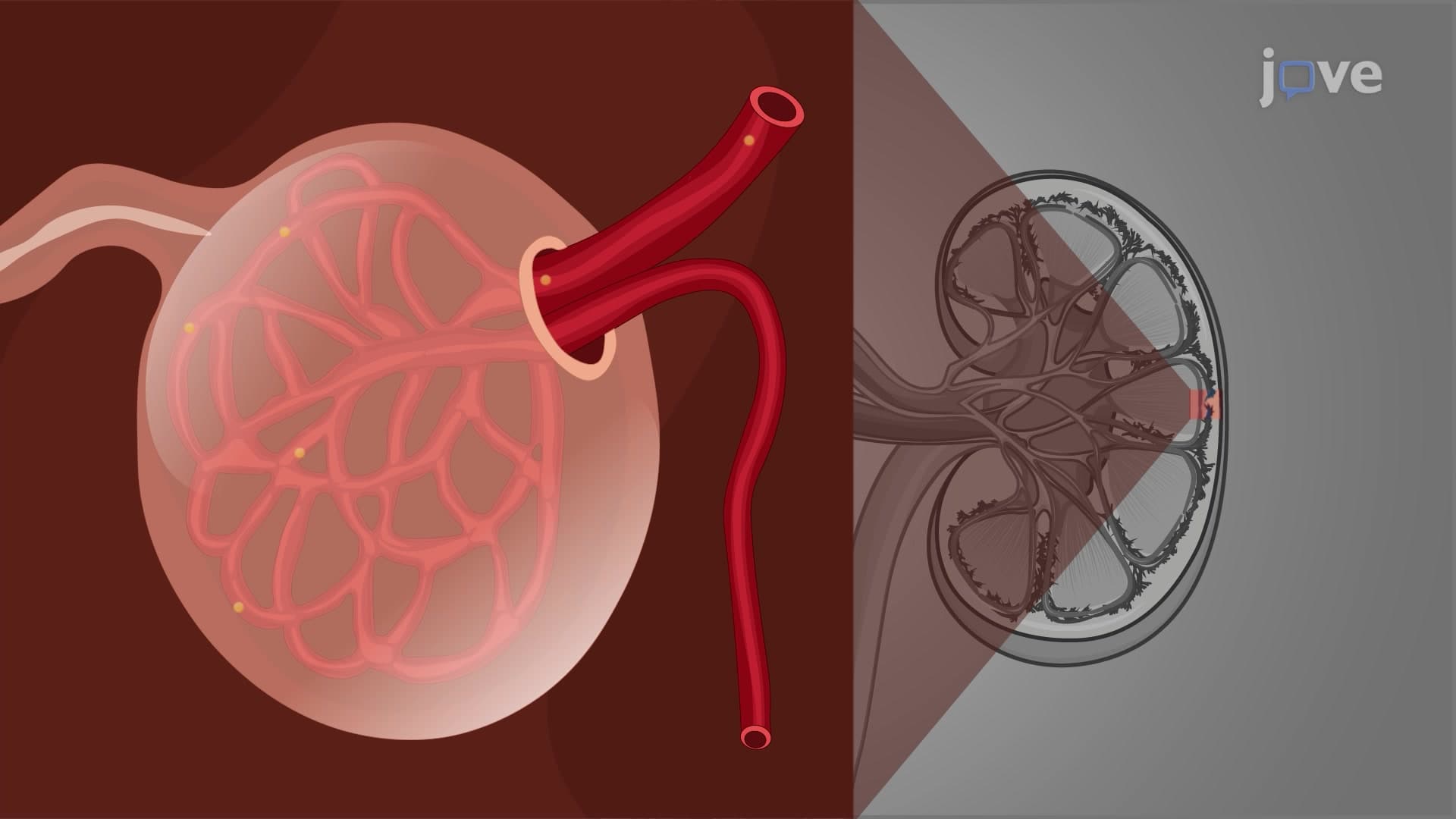
Each kidney contains roughly 1 million nephrons, microscopic functional units responsible for filtering blood and forming urine. The nephron's renal corpuscle houses the glomerulus-a cluster of tiny blood vessels surrounded by Bowman's capsule. When blood enters through the afferent arterioles, hydrostatic pressure forces small molecules, including unbound drugs, through the glomerular capillary walls. This selective permeability depends on molecular size, with substances smaller than 20,000 daltons typically passing through freely.
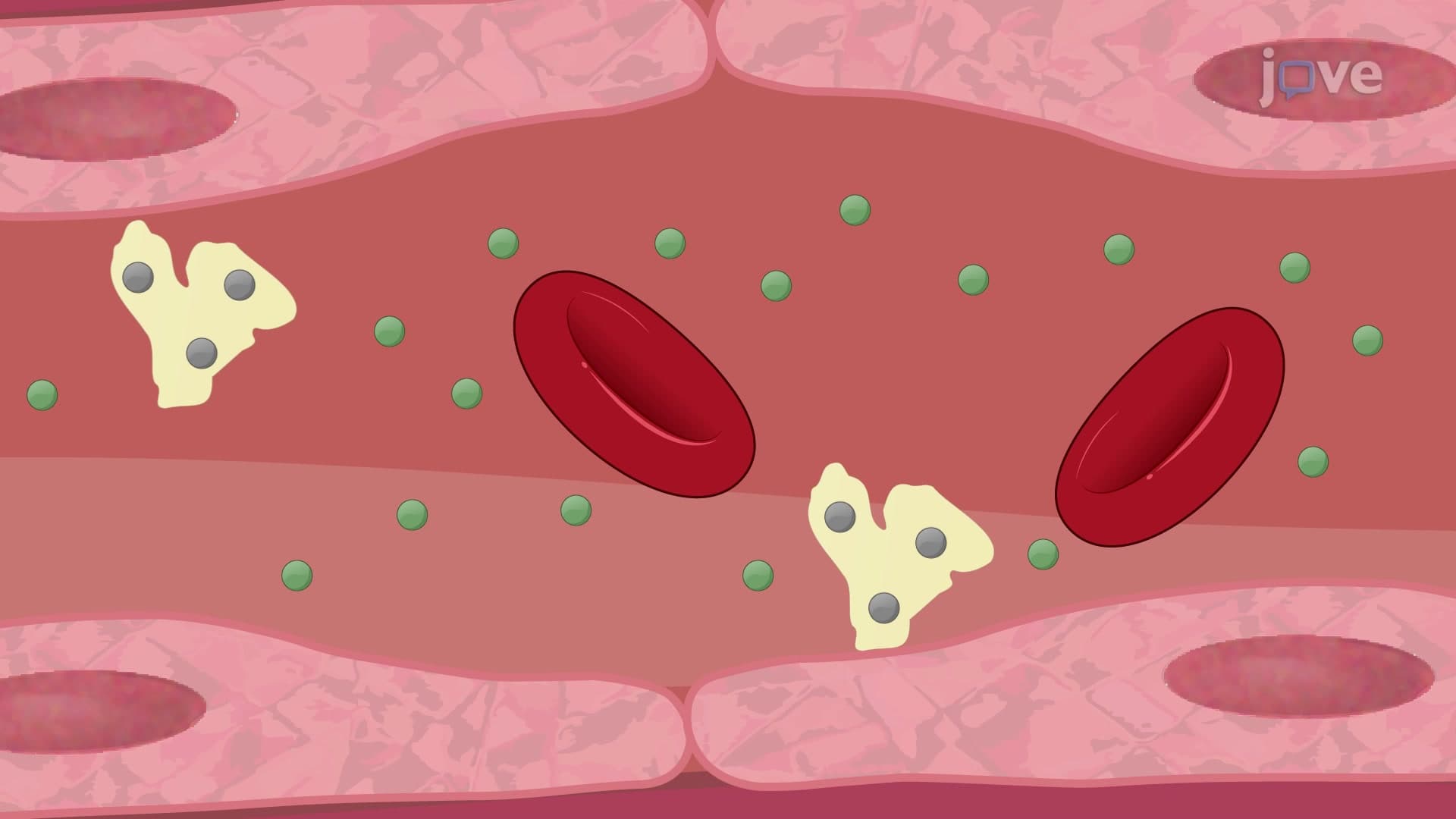
Drug-protein interactions significantly influence glomerular filtration efficiency. Medications like warfarin, which binds extensively to plasma albumin (>99%), undergo minimal glomerular filtration because the drug-protein complex is too large to pass through capillary pores. Conversely, drugs with low protein binding, such as gentamicin, are readily filtered and require careful dosing adjustments in patients with kidney disease. This concept frequently appears on MCAT passages and nursing exams like NCLEX, where students must calculate appropriate dosing modifications.
The glomerular filtration rate (GFR) directly correlates with drug elimination speed. Normal GFR ranges from 90-120 mL/min/1.73m², but decreases with age and kidney disease. Healthcare providers use creatinine clearance as a GFR marker to adjust medication doses. For example, antibiotics like vancomycin require dose reductions when GFR falls below 50 mL/min to prevent toxicity. AP Biology students often encounter GFR calculations, while pre-med students study these relationships for MCAT preparation.
Related Micro-courses