Loading video…


 29 Concepts
 134.6K views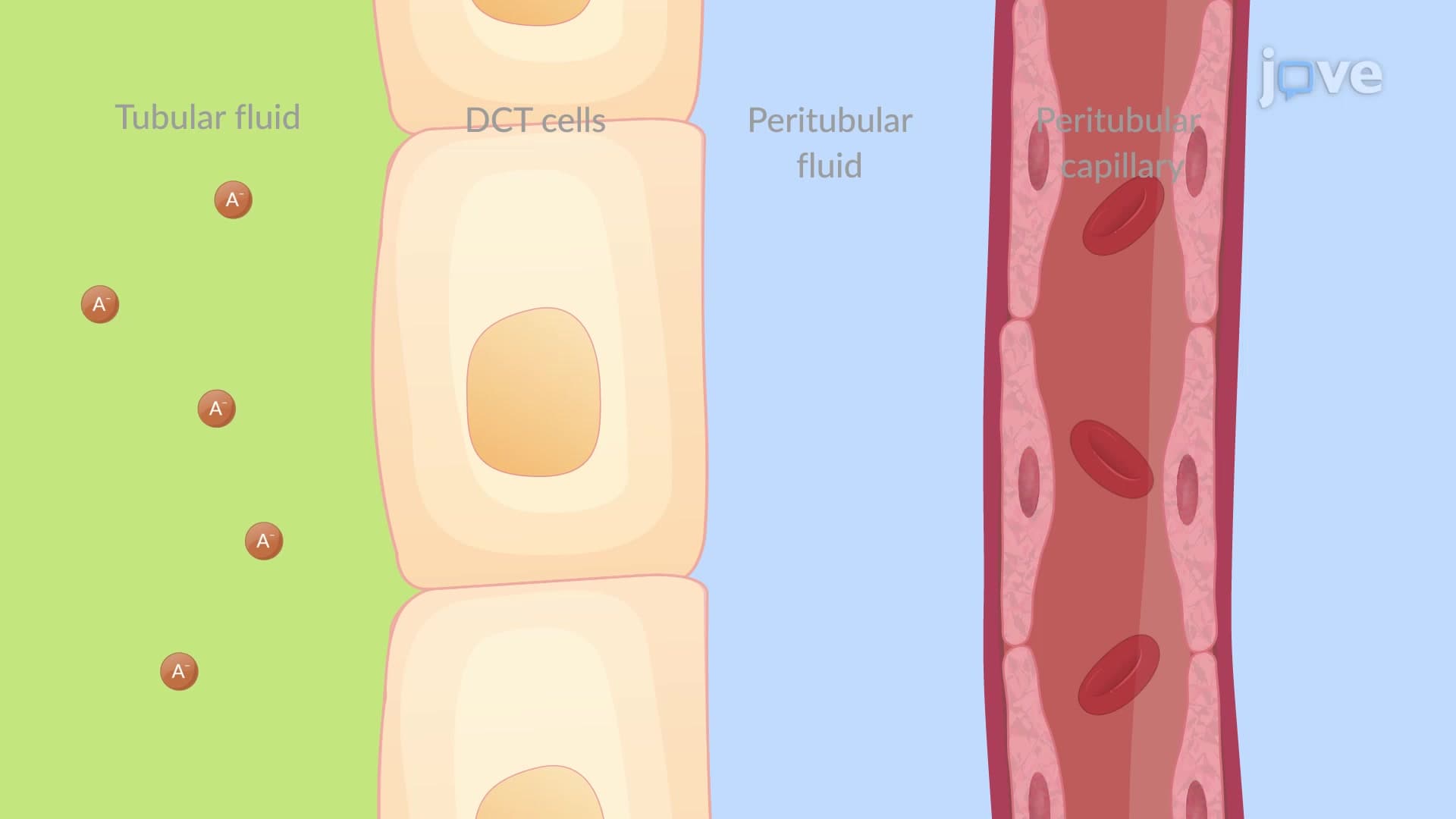

Video Summary: Renal Drug Elimination Tubular Reabsorption
Did you know that your kidneys can be "tricked" into eliminating dangerous drug overdoses faster just by changing your urine's pH? Renal drug elimination: tubular processes become critical when treating poisoning cases in US emergency rooms, where doctors use simple solutions like sodium bicarbonate to save lives from phenobarbital overdoses. Understanding renal drug elimination: tubular reabsorption reveals how your body naturally recycles valuable substances while potentially retaining harmful ones. Watch the full video on JoVE Coach to master this concept with expert-led visuals and step-by-step explanations.
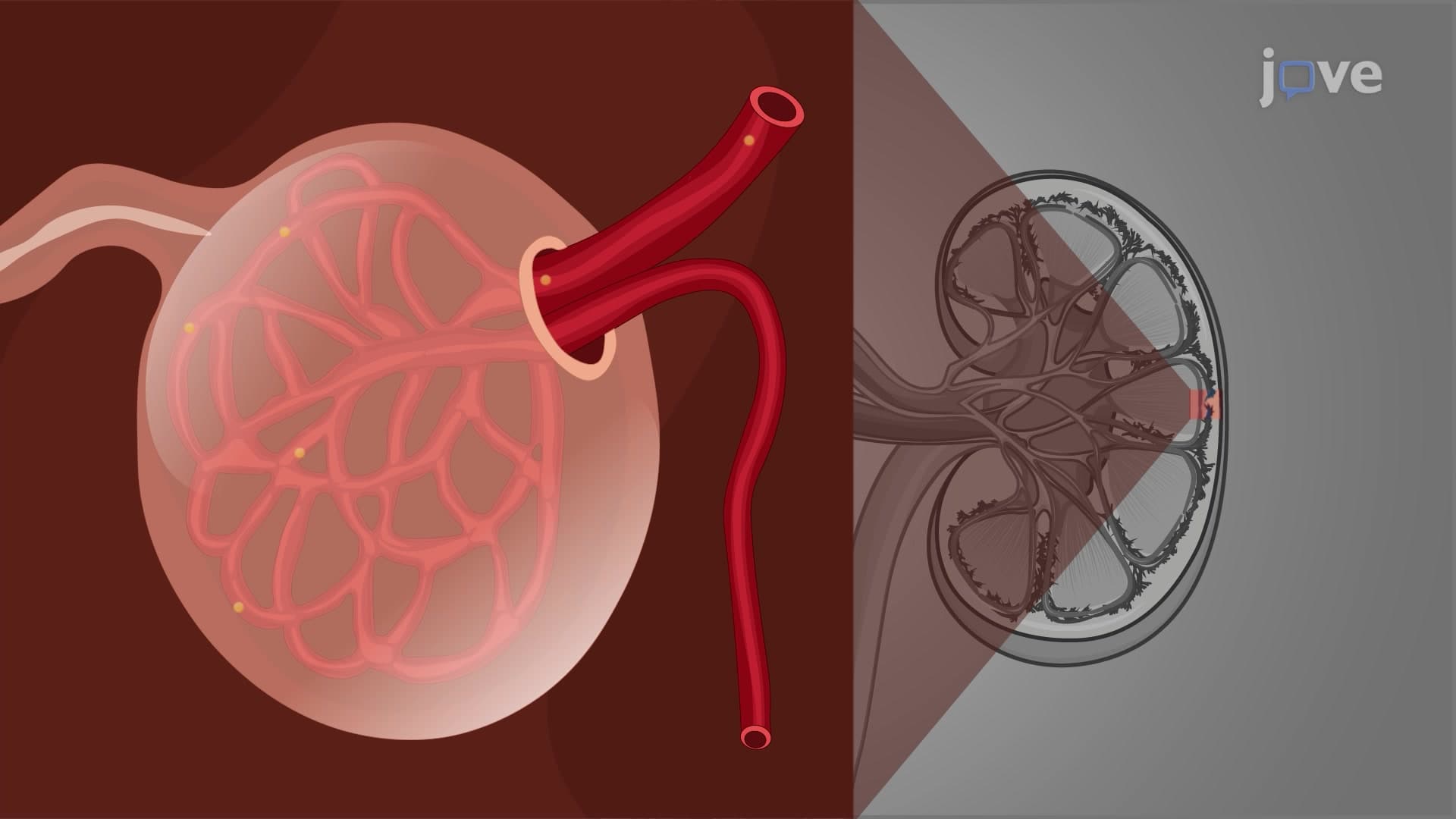
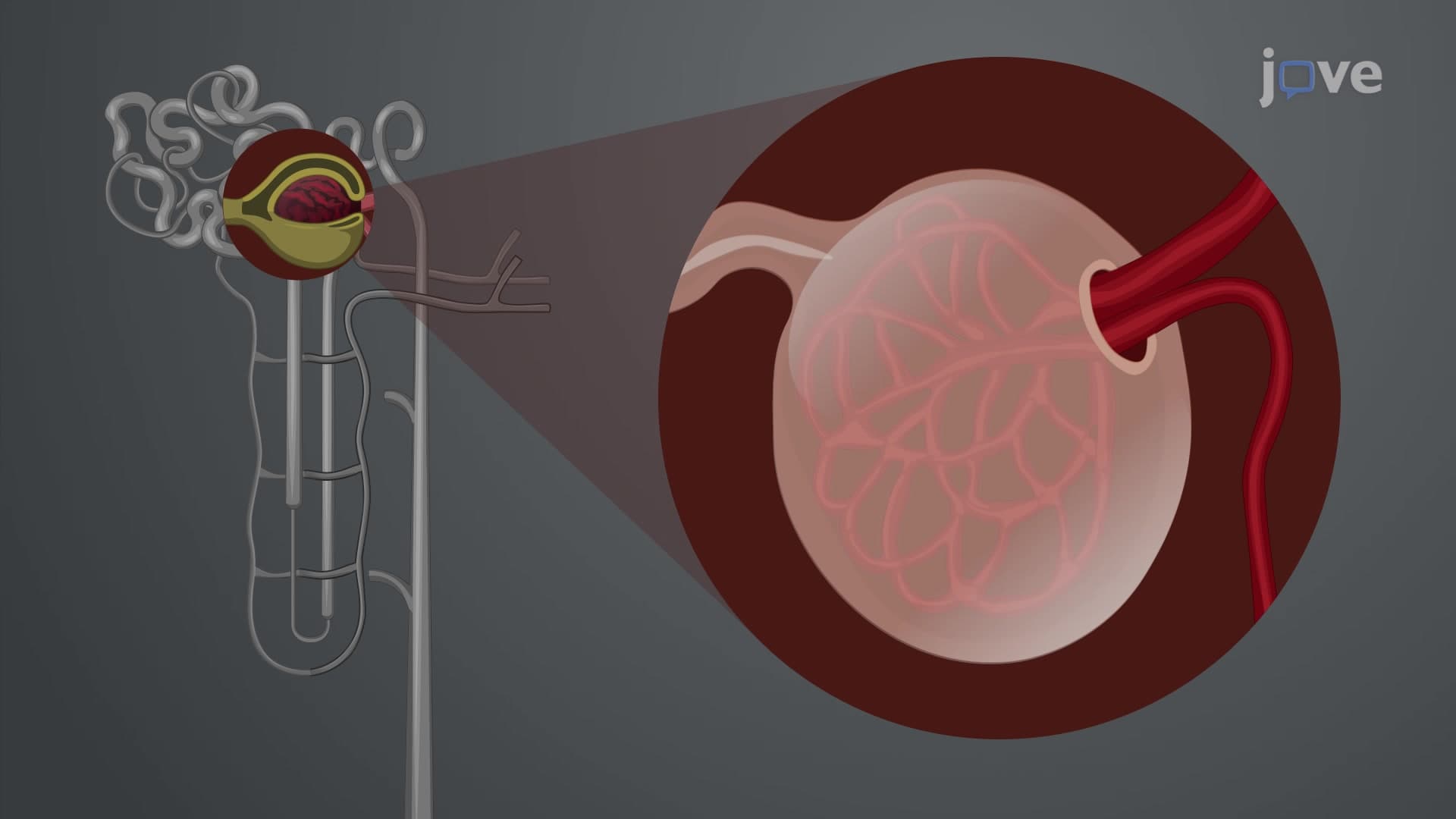
Renal drug elimination: tubular reabsorption represents a critical phase where the kidney decides whether to retain or eliminate filtered substances. After drugs pass through glomerular filtration, they encounter the tubular epithelium, where their chemical properties determine their fate. This process significantly impacts drug half-life, therapeutic effectiveness, and toxicity management in clinical practice.
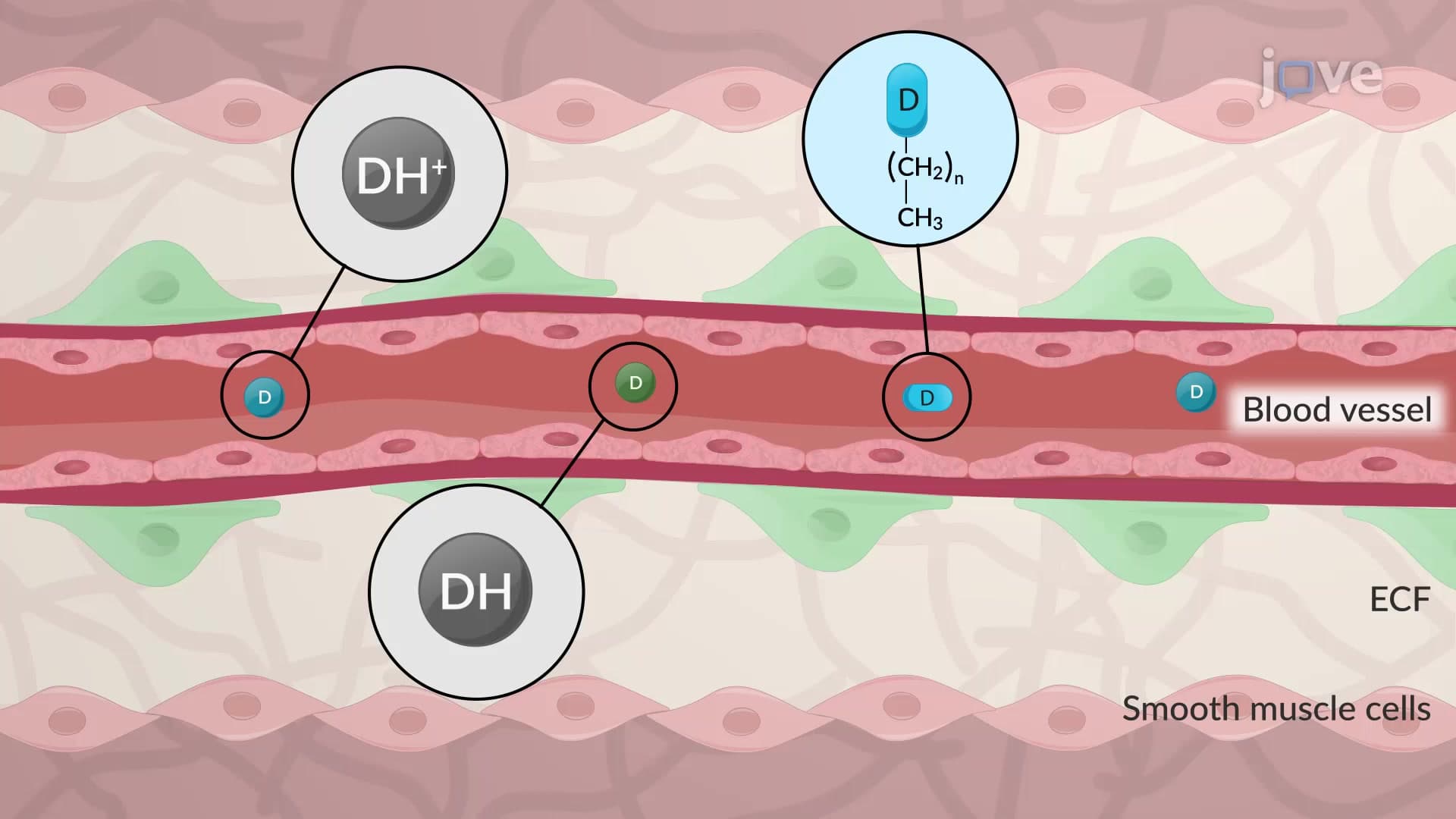
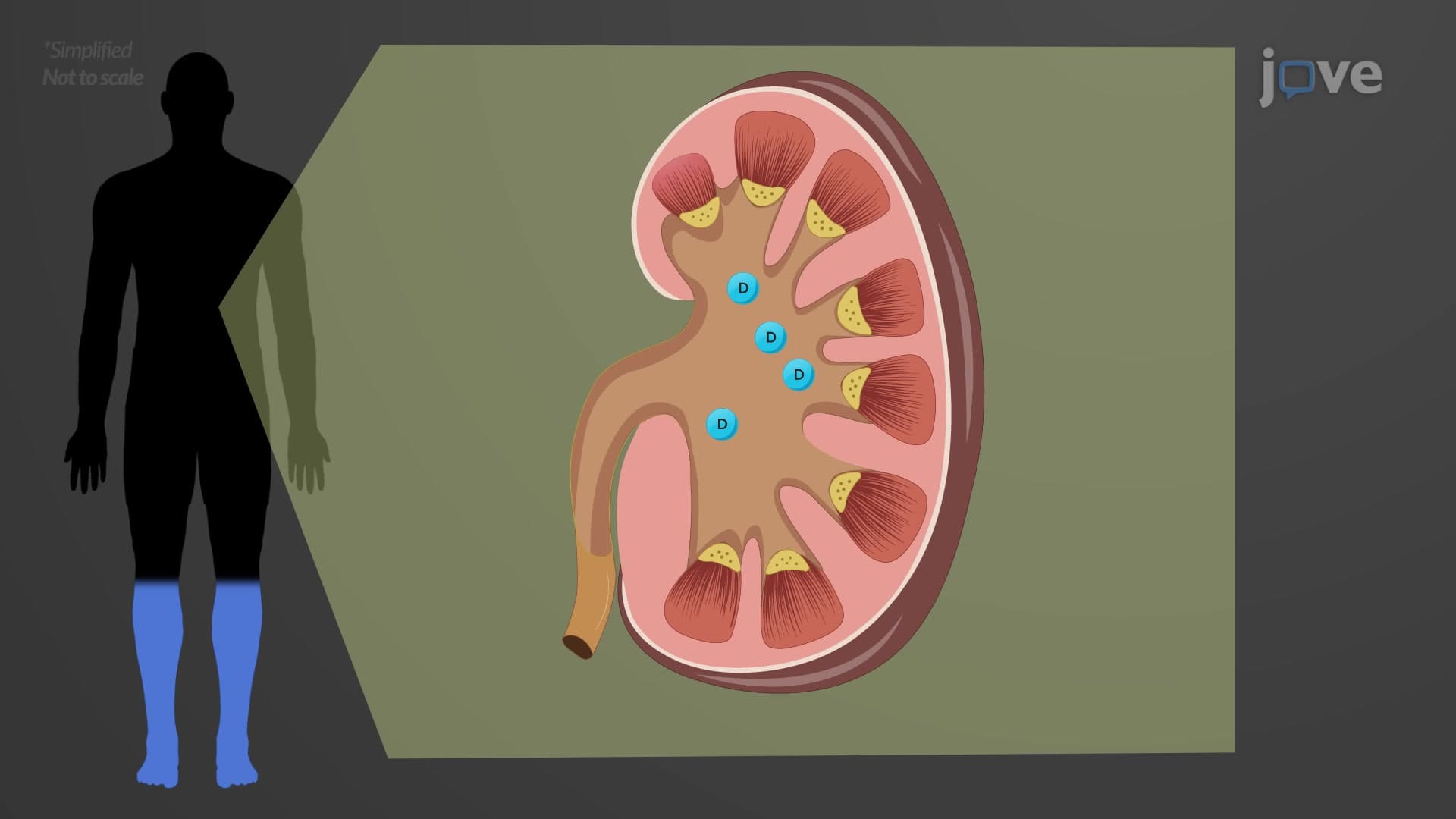
The distal convoluted tubule (DCT) serves as the primary site where reabsorption decisions occur. Here, the tubular epithelium acts as a selective barrier, allowing certain molecules to return to systemic circulation while preventing others from escaping elimination. This selectivity depends on three fundamental drug properties: lipophilicity, molecular size, and ionization state.
Lipophilic drugs easily traverse cell membranes through passive diffusion, making them prone to reabsorption and reduced renal clearance. Conversely, hydrophilic compounds remain trapped in the tubular fluid and undergo efficient elimination. This principle explains why highly lipophilic drugs like certain anesthetics require careful dosing adjustments in patients with compromised renal function.
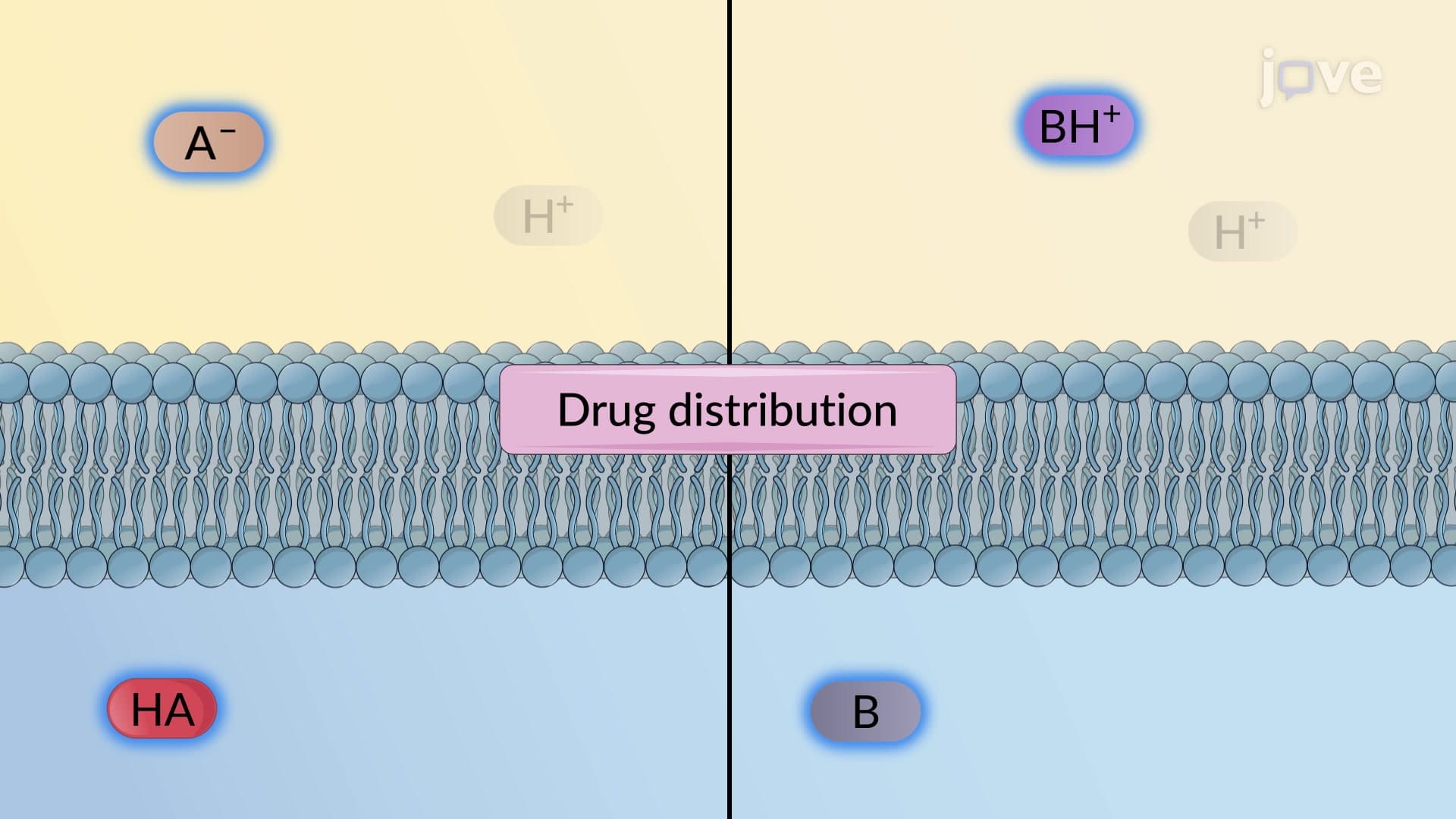
Most pharmaceutical compounds exist as weak acids or weak bases, meaning their ionization state fluctuates with environmental pH. The Henderson-Hasselbalch equation governs this relationship: when urinary pH equals a drug's pKa, exactly 50% exists in ionized form. This pH-dependent ionization becomes therapeutically exploitable in overdose situations.
US emergency departments routinely employ renal drug elimination: tubular manipulation strategies during poisoning cases. For phenobarbital overdoses (a weak acid with pKa ~7.2), physicians administer intravenous sodium bicarbonate to alkalinize urine to pH 8-8.5. This shifts the equilibrium toward the ionized form, preventing tubular reabsorption and enhancing elimination by up to 10-fold.
Conversely, amphetamine poisoning (weak bases with pKa ~9-10) responds to urinary acidification using ammonium chloride or ascorbic acid. Acidic urine protonates amphetamines, creating charged molecules unable to cross tubular membranes. This ion trapping mechanism forms the foundation for enhanced elimination protocols taught in medical toxicology rotations.
Understanding these concepts proves essential for MCAT success, particularly in passages combining renal physiology with pharmacokinetics. AP Biology students encounter similar principles when studying membrane transport and acid-base homeostasis. The concept frequently appears in USMLE Step 1 questions testing integrated physiological knowledge and clinical problem-solving skills.
Related Micro-courses