Loading subject page…


134,556 views
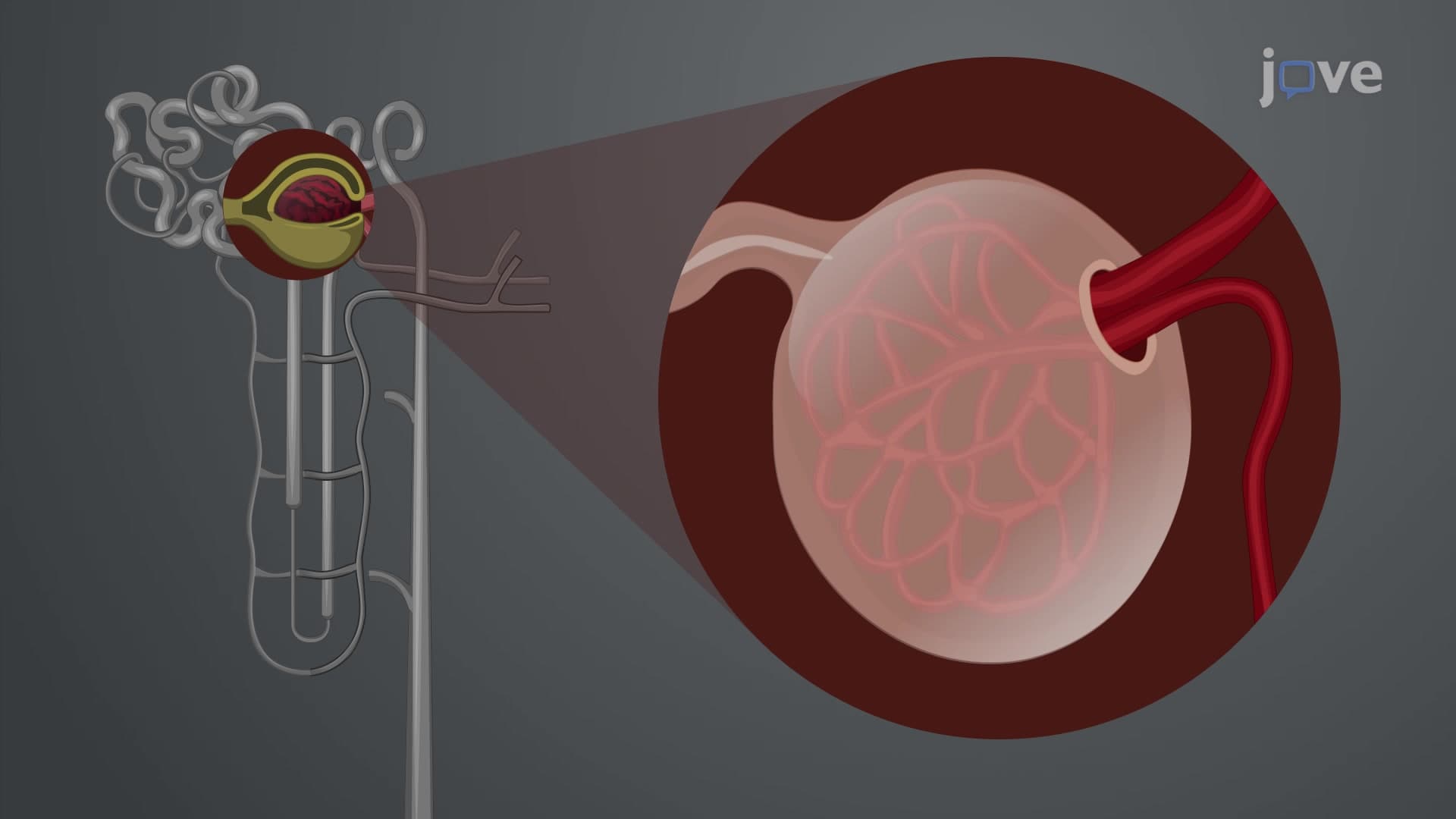

Video Summary: Renal Drug Elimination Tubular Secretion
Did you know that your kidneys can actively pump drugs out of your blood even when those drugs weren't filtered by the glomerulus? Renal drug elimination: tubular secretion is a powerful process where specialized transporters in kidney cells actively move medications from blood into urine. This mechanism explains why probenecid is given with penicillin in US hospitals-both drugs compete for the same transporter, keeping penicillin in circulation longer for enhanced treatment. Watch the full video on JoVE Coach to master this concept with expert-led visuals and step-by-step explanations.
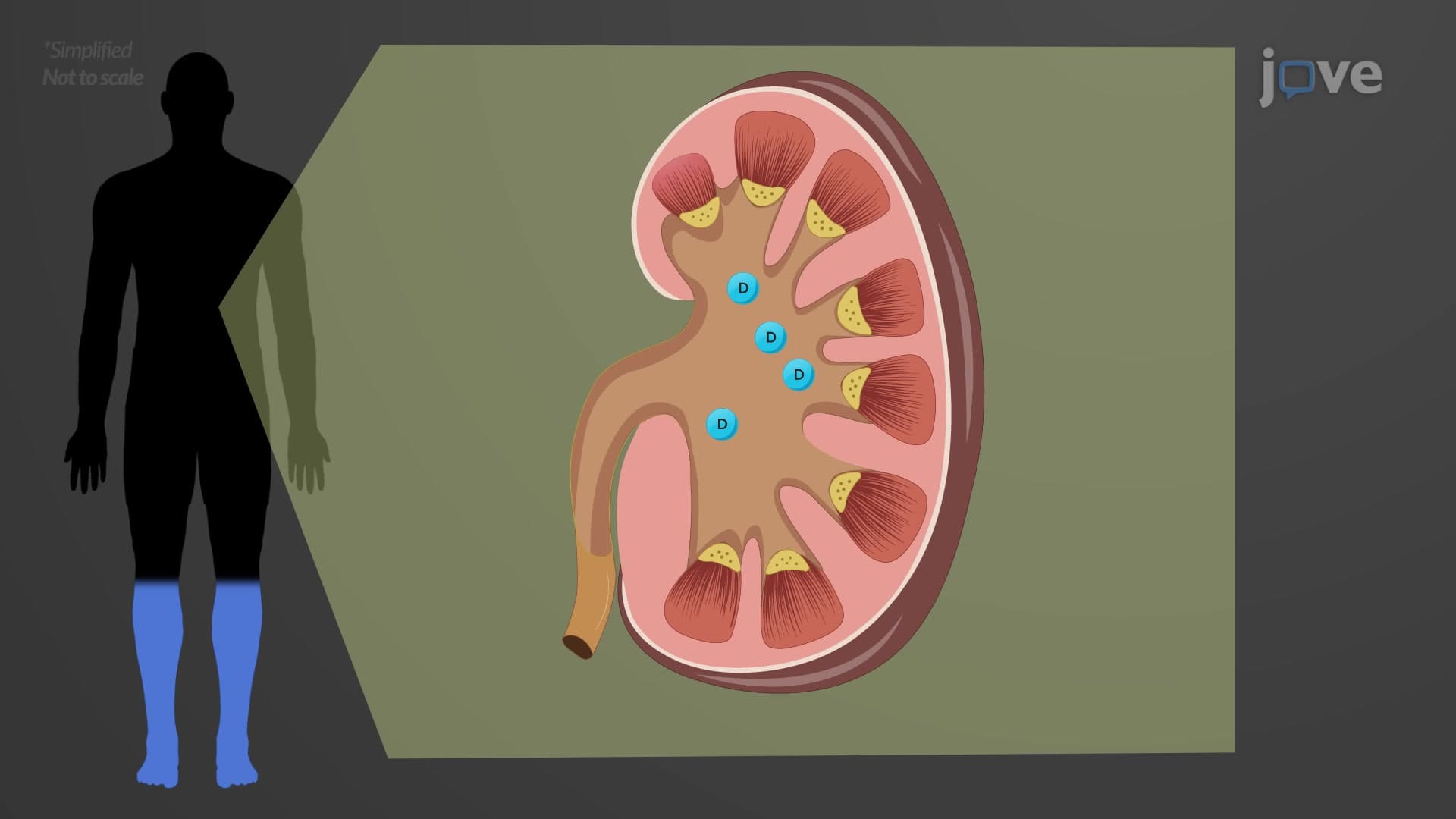
Renal drug elimination: tubular secretion represents one of the kidney's most sophisticated clearance mechanisms, operating independently of glomerular filtration. Unlike passive filtration, this process actively concentrates drugs in urine, often achieving clearance rates exceeding renal blood flow-a phenomenon impossible through filtration alone.
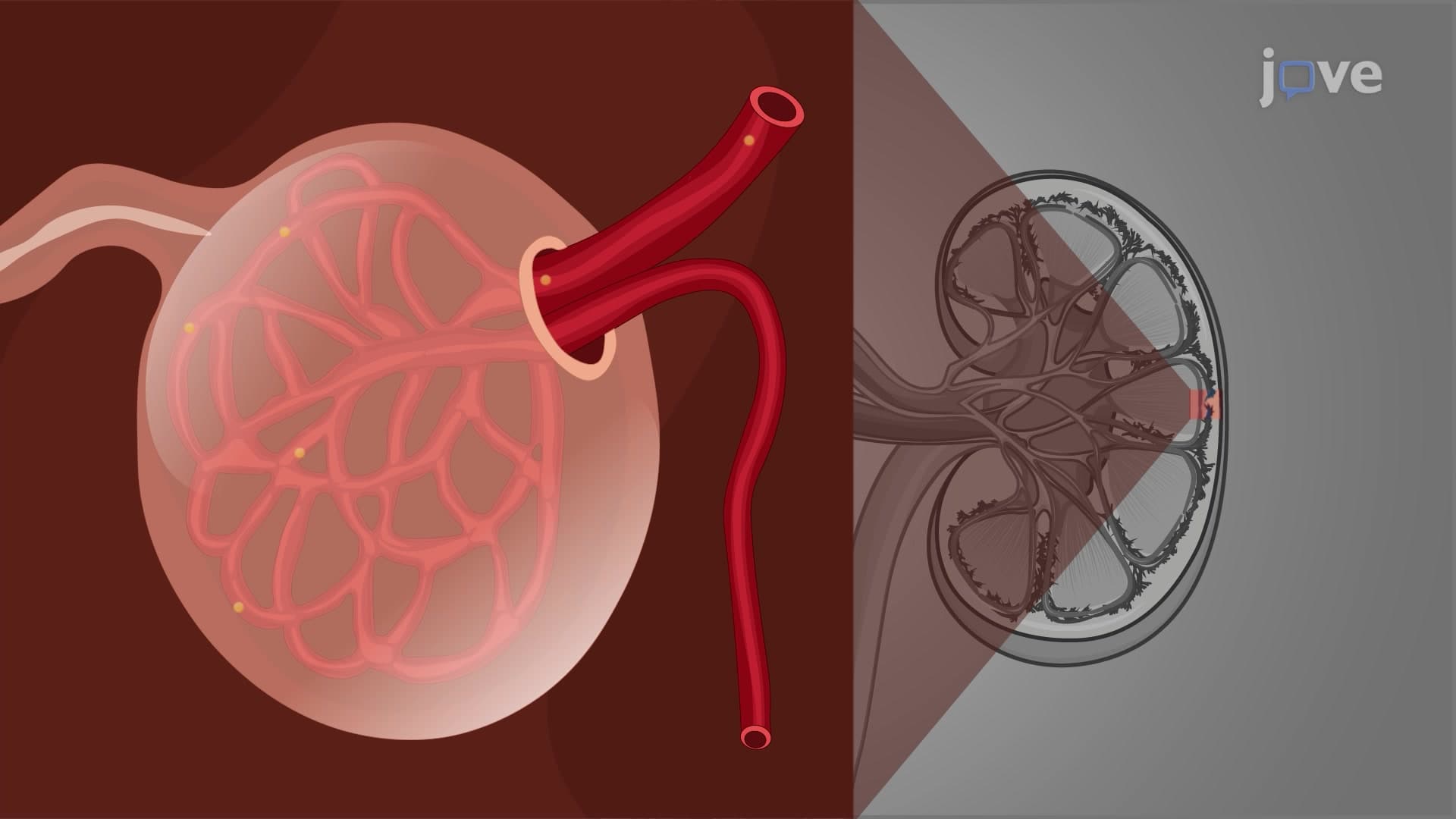
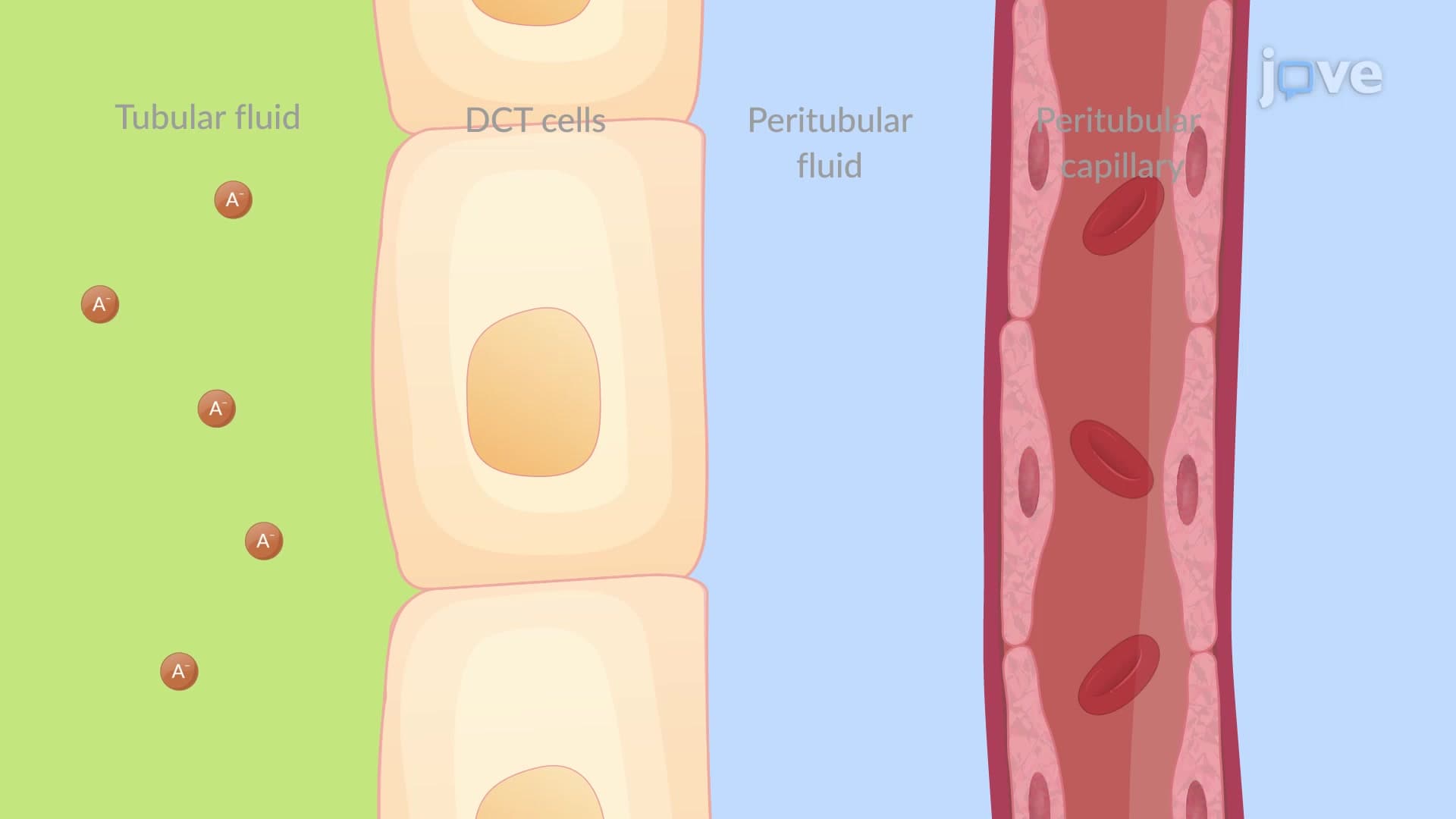
After blood passes through glomerular capillaries, unfiltered drug molecules continue via efferent arterioles into peritubular capillaries surrounding proximal tubule cells. These specialized epithelial cells contain distinct basolateral and apical membrane transporters working in coordinated fashion. The basolateral membrane faces the bloodstream, while the apical membrane borders the tubular lumen where urine forms.
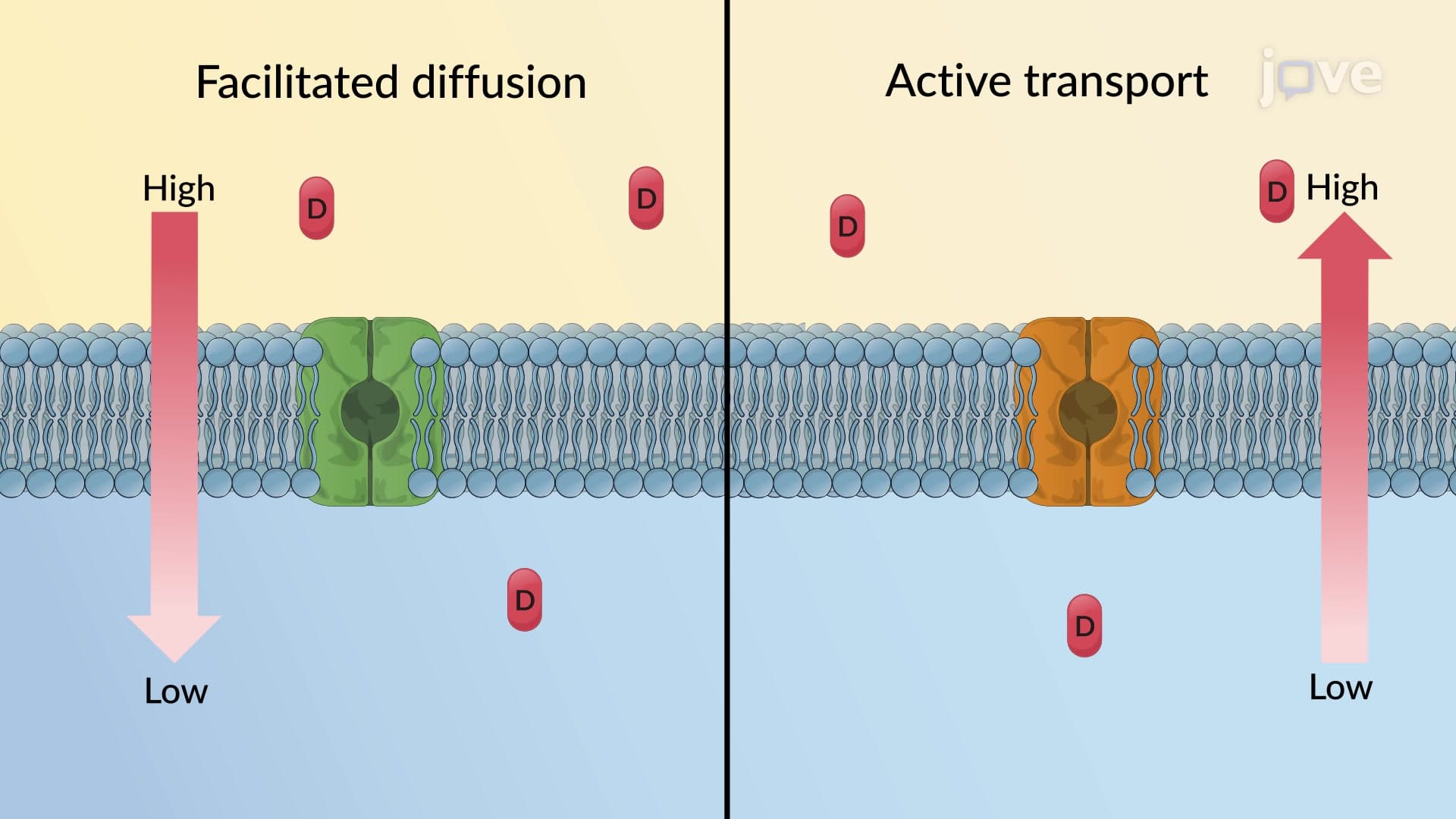
Two major transporter families handle different drug classes based on chemical properties. Organic anion transporters (OATs) actively uptake acidic drugs like para-aminohippuric acid (PAH), furosemide, and penicillin from blood into tubular cells against concentration gradients. This energy-intensive process requires cellular ATP and creates driving forces for subsequent efflux.
Organic cation transporters (OCTs) handle basic drugs including morphine, procainamide, and metformin. These transporters often work with electrochemical gradients, making the process less energy-dependent than anion transport. P-glycoproteins on apical membranes then pump these cations into urine.
The non-selective nature of these transporters creates opportunities for therapeutic manipulation. In US clinical practice, probenecid co-administration with penicillin exemplifies competitive inhibition-both drugs compete for OAT binding sites, reducing penicillin secretion and extending its plasma half-life. This interaction proves particularly valuable for treating infections requiring sustained antibiotic levels.
Students preparing for MCAT or AP Biology exams should recognize that tubular secretion can eliminate drugs faster than glomerular filtration alone, making it crucial for understanding pharmacokinetics in nephrology and clinical pharmacology courses.
Related Micro-courses