Loading subject page…

- Pharmacology
- Pharmacokinetics
- Bioequivalence: Overview
Micro-course: Pharmacokinetics
134,509 views
Learn key concepts and earn your certificate.


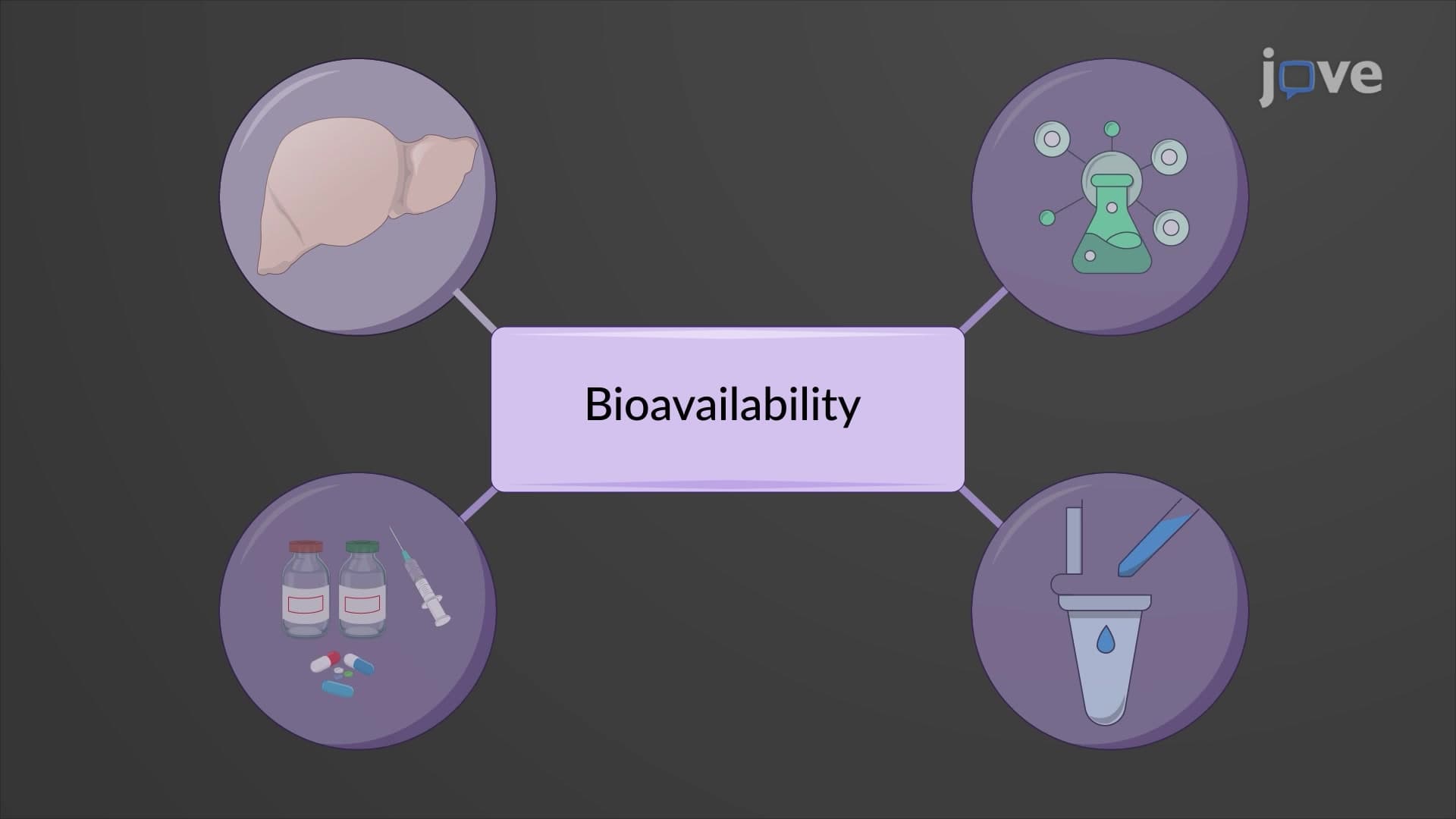
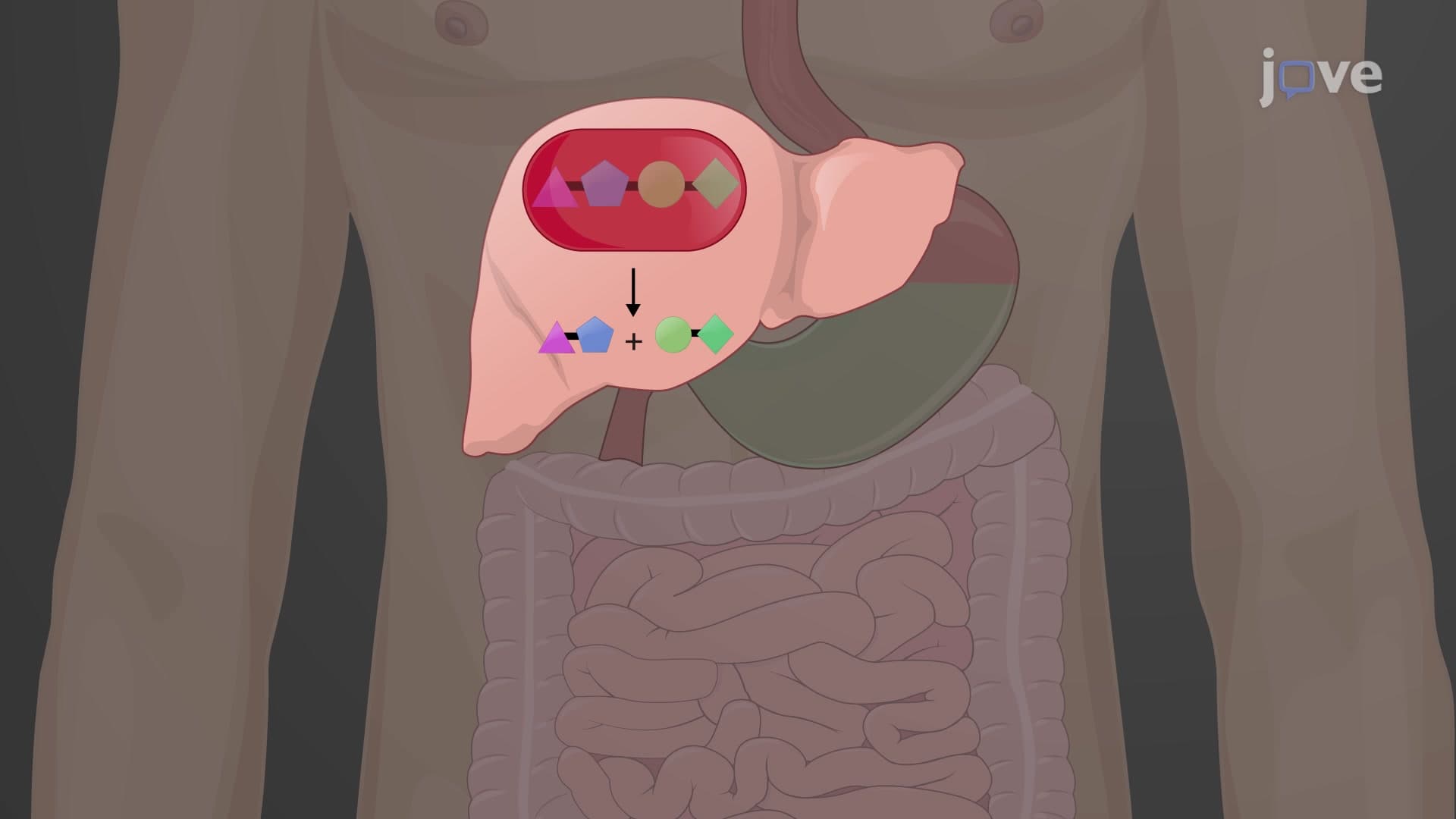
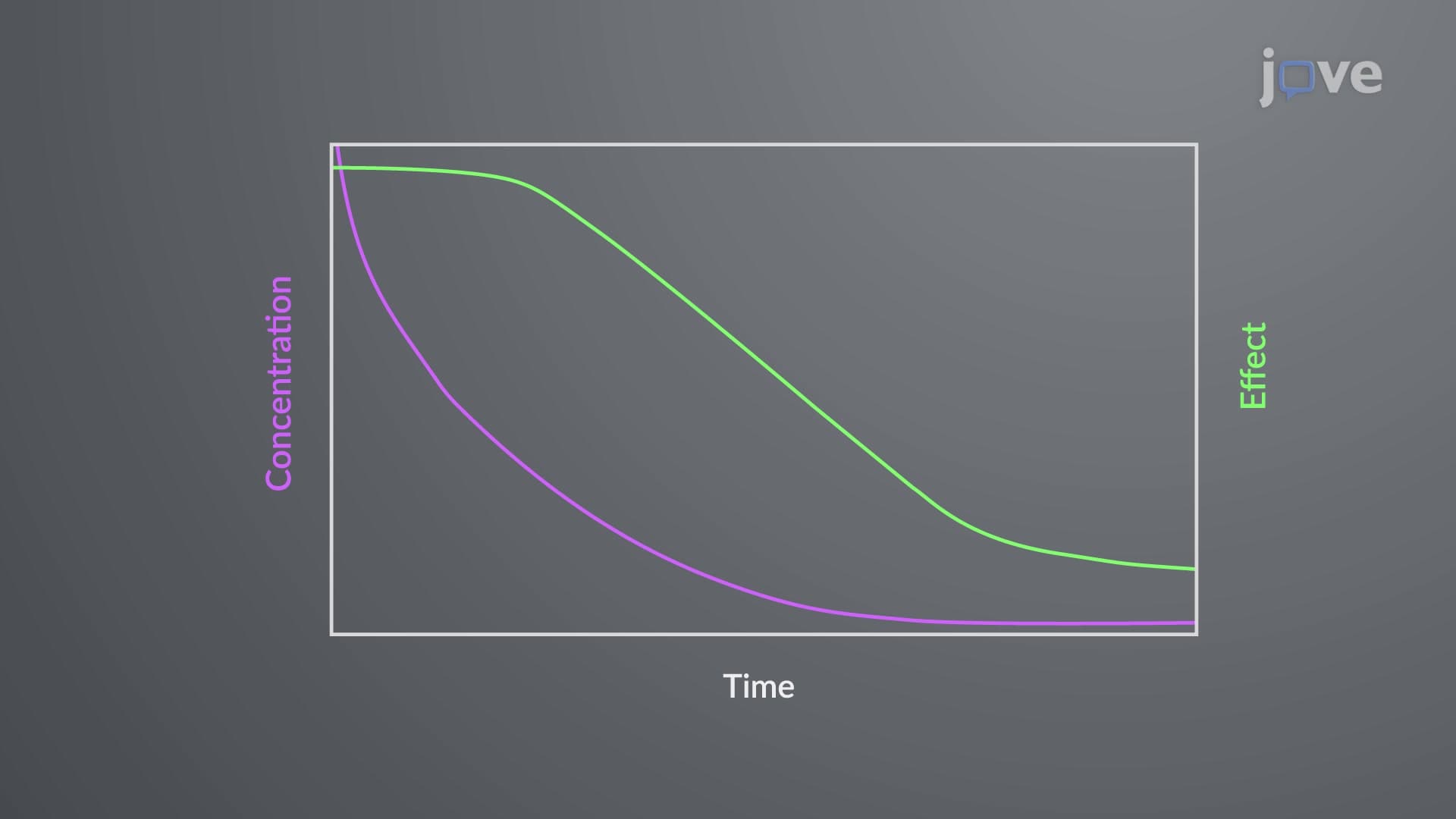

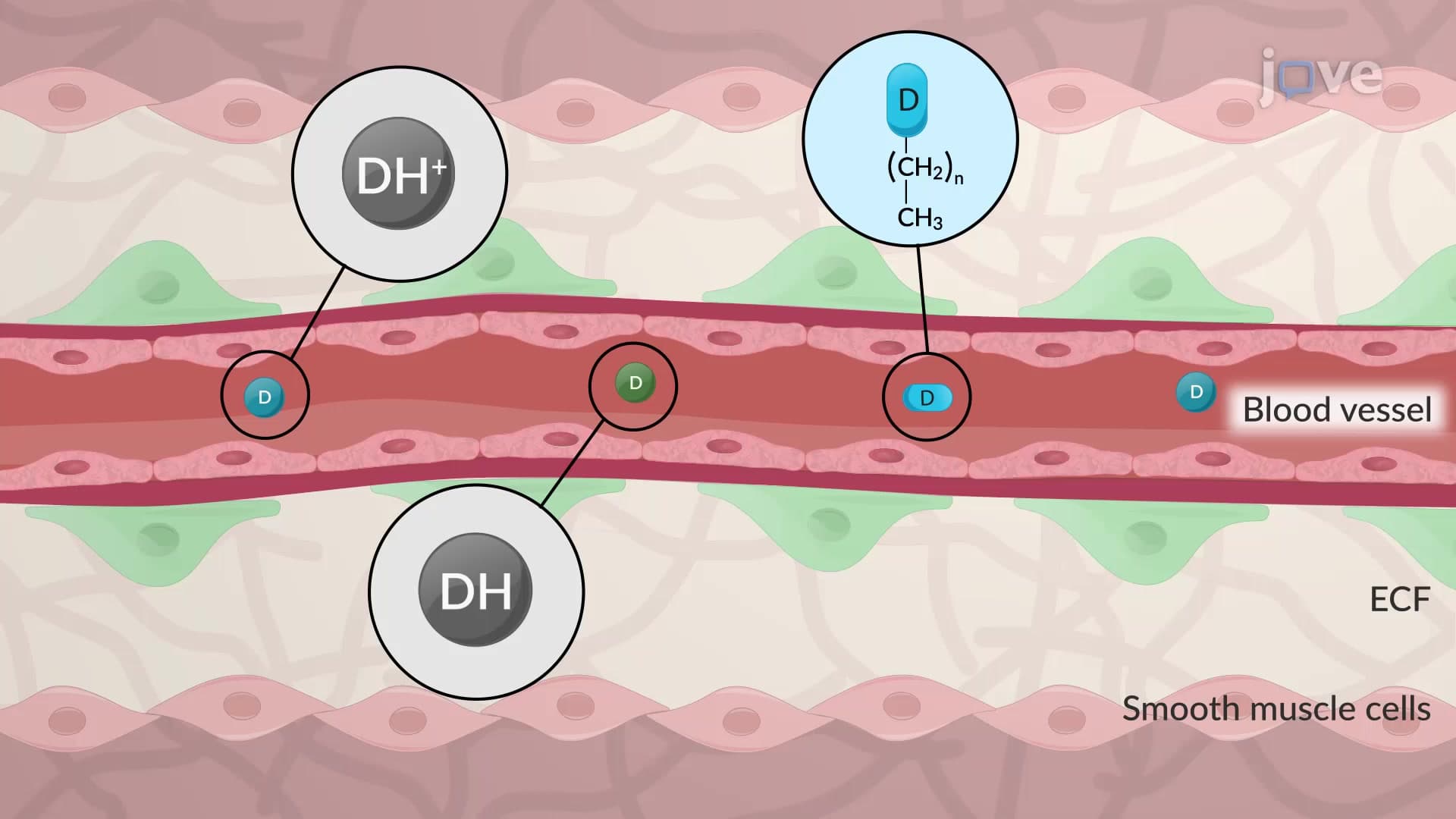



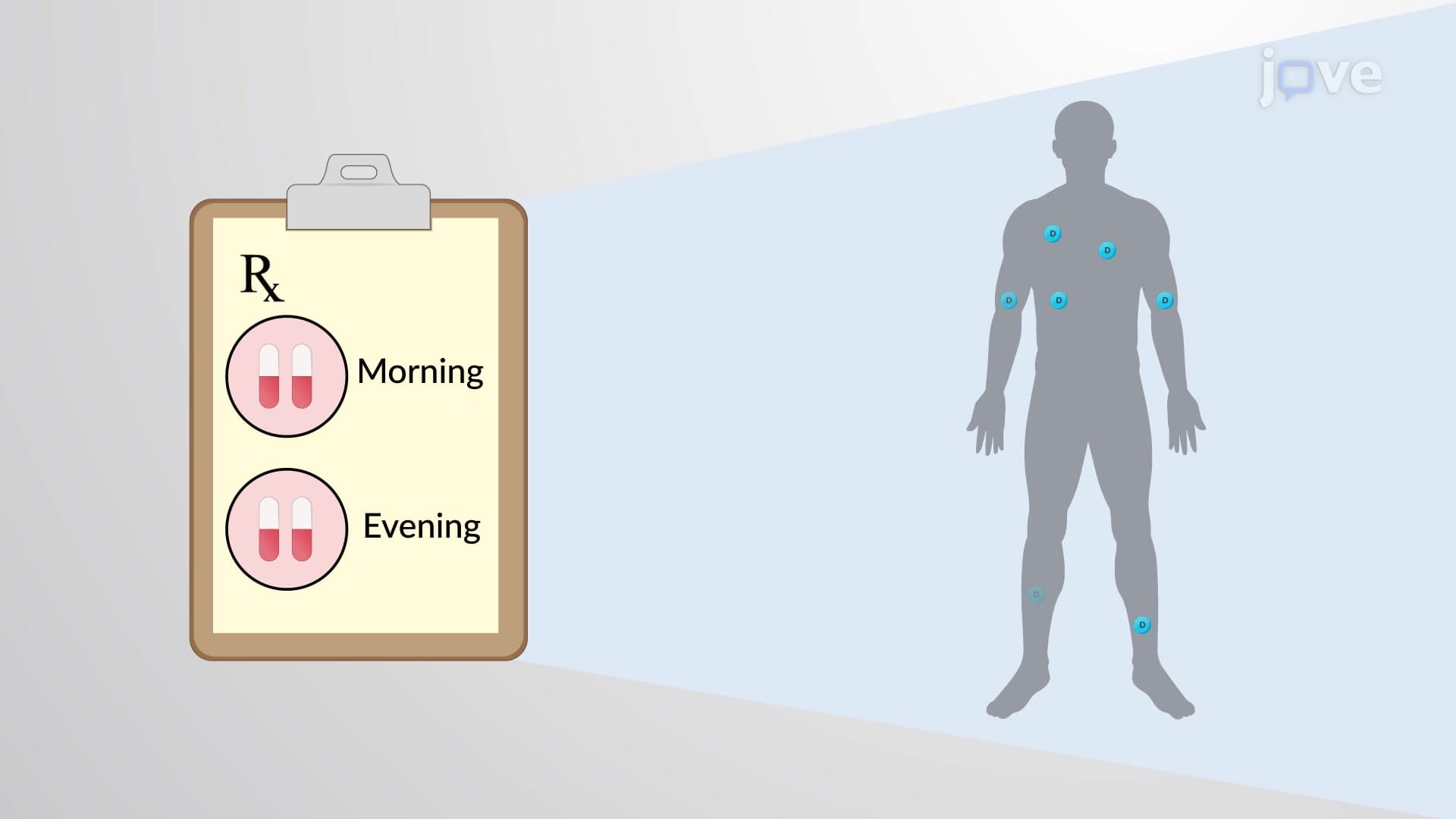
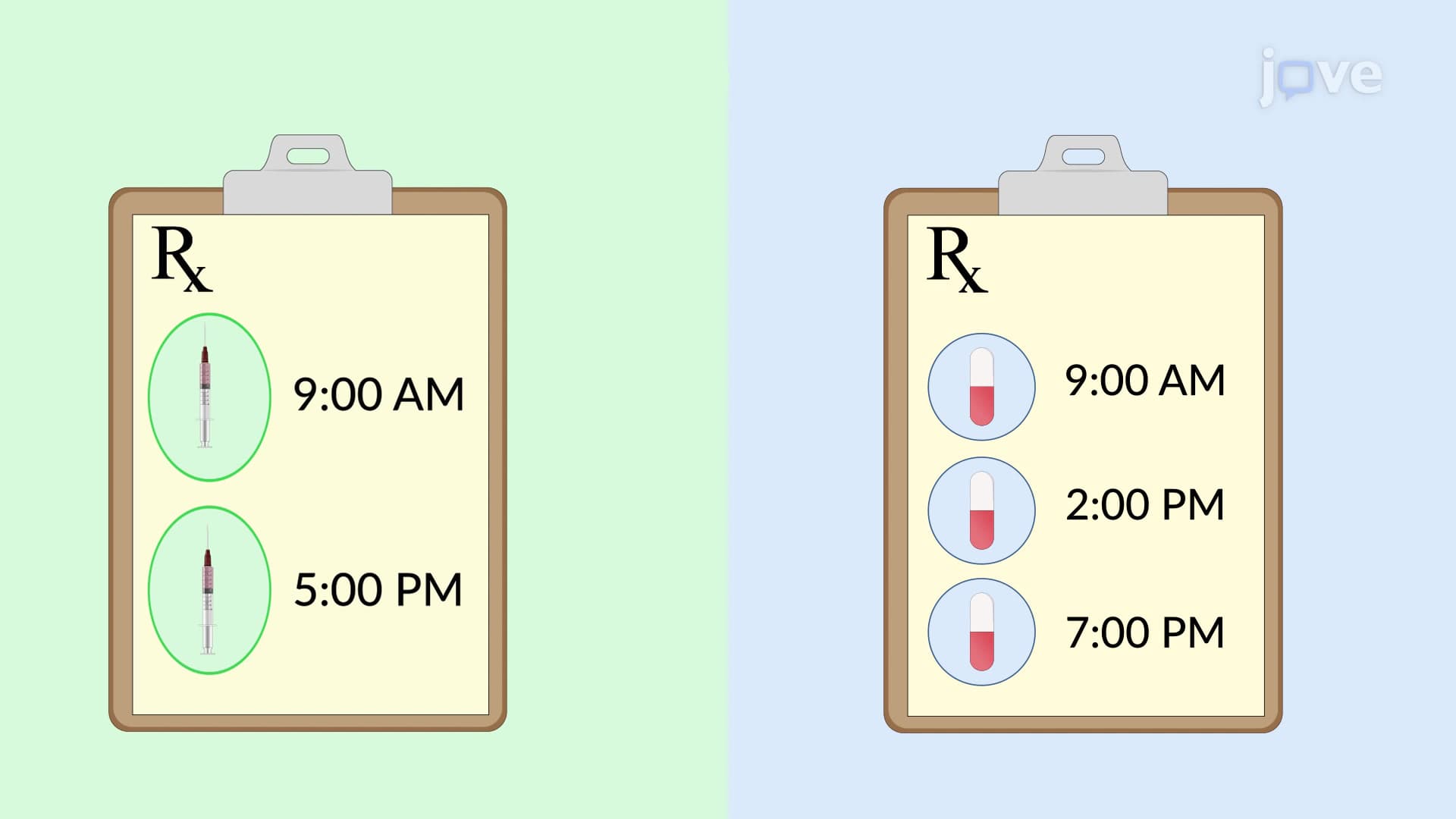
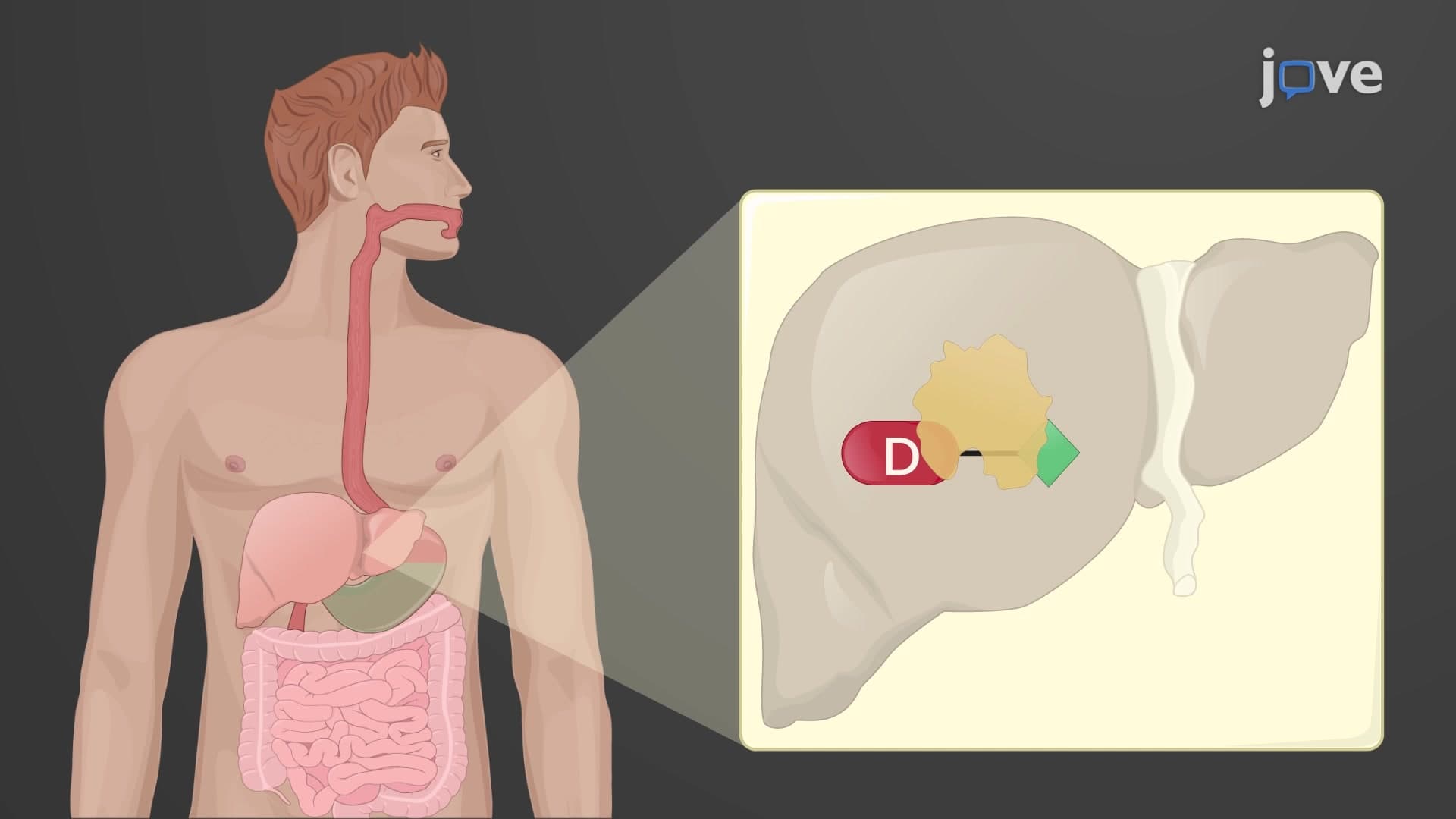
Bioequivalence: Overview

00:00
01:16
Video Summary: What Is Bioequivalence
Ever wondered why your doctor says a generic medication works just as well as the brand name? Bioequivalence ensures that generic drugs like CVS-brand ibuprofen deliver the same therapeutic effect as Advil in your body. This critical pharmaceutical concept determines whether two drug products containing identical active ingredients produce comparable blood concentration levels and clinical outcomes. What is bioequivalence becomes essential when the FDA evaluates whether generic medications can safely replace brand-name drugs in patient treatment. Watch the full video on JoVE Coach to master this concept with expert-led visuals and step-by-step explanations.
- Understand what is bioequivalence and how it relates to pharmaceutical equivalence and therapeutic equivalence in drug development and regulation
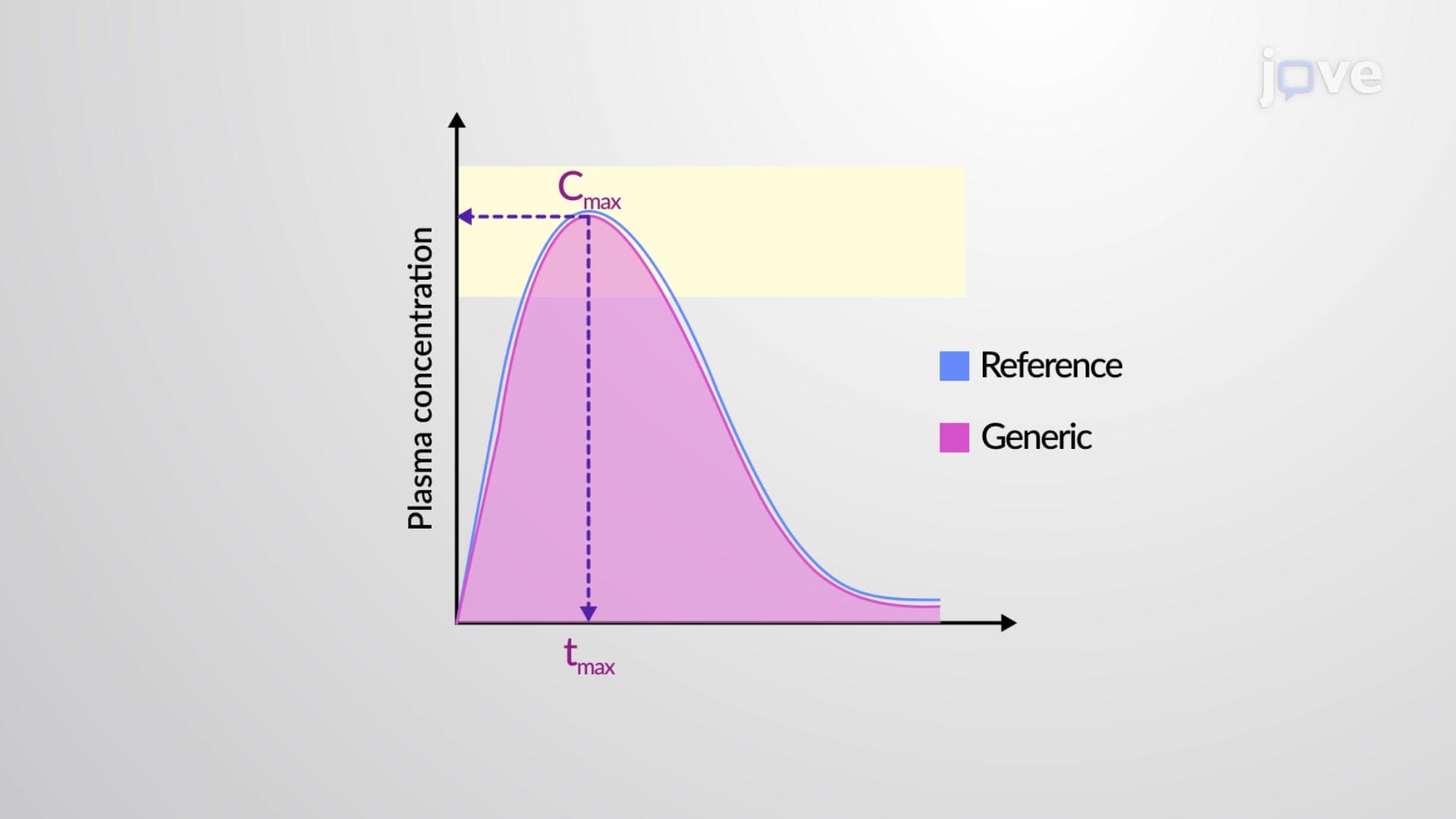
- Identify the key parameters that determine bioequivalence, including maximum drug concentration (Cmax) and time to peak concentration (Tmax)
- Analyze how manufacturing variables and formulation differences can affect drug bioavailability and therapeutic outcomes
- Compare bioequivalent drug products and explain why they produce similar clinical effects despite different manufacturers
- Evaluate the FDA approval process for generic medications and the role of bioequivalence studies in ensuring patient safety
- Apply bioequivalence principles to understand why generic drugs cost less while maintaining therapeutic effectiveness
- Recognize the relationship between drug dissolution, absorption, and bioavailability in different dosage forms
- Explore how bioequivalence testing protects patients from substandard generic medications in the US healthcare system
Understanding Bioequivalence in Pharmaceutical Science
Bioequivalence represents one of the most critical concepts in modern pharmaceutical regulation, ensuring that patients receive consistent therapeutic benefits regardless of which manufacturer produces their medication. At its core, bioequivalence establishes that two drug products containing the same active ingredient will produce statistically similar bioavailability profiles in the human body.
The FDA defines bioequivalence through strict mathematical criteria. Two pharmaceutical products demonstrate bioequivalence when their bioavailability measures fall within 80-125% of each other for key pharmacokinetic parameters. This means that if Brand X achieves a maximum blood concentration of 100 ng/mL, a bioequivalent generic must achieve between 80-125 ng/mL under identical testing conditions.
The Three Pillars: Pharmaceutical, Bio, and Therapeutic Equivalence
Understanding bioequivalence requires grasping its relationship with pharmaceutical and therapeutic equivalence. Pharmaceutical equivalents contain identical active ingredients in the same amounts, dosage forms, and administration routes. However, pharmaceutical equivalence alone doesn't guarantee identical therapeutic outcomes-this is where bioequivalence becomes crucial.
For AP Biology and college pharmacology courses, students must distinguish between these concepts. Consider metformin tablets: two 500mg immediate-release tablets from different manufacturers are pharmaceutical equivalents. They become bioequivalent only after demonstrating comparable absorption rates and extent through clinical studies. Finally, they achieve therapeutic equivalence when clinical data confirms identical safety profiles and therapeutic effects.
Real-World Applications in US Healthcare
The practical implications of bioequivalence extend far beyond academic study. When CVS Pharmacy fills your prescription with a generic version of Lipitor (atorvastatin), bioequivalence studies ensure that generic delivers the same cholesterol-lowering benefits as the original Pfizer product. This regulatory framework has saved Americans an estimated $1.67 trillion over the past decade while maintaining therapeutic standards.
Manufacturing variables significantly impact bioequivalence. Factors like particle size, crystal form, excipients, and tablet coating affect how quickly drugs disintegrate and dissolve in the gastrointestinal tract. Poor manufacturing control can lead to batch-to-batch variations that compromise bioequivalence, explaining why the FDA conducts routine inspections of generic drug facilities.
Clinical Parameters and Testing Requirements
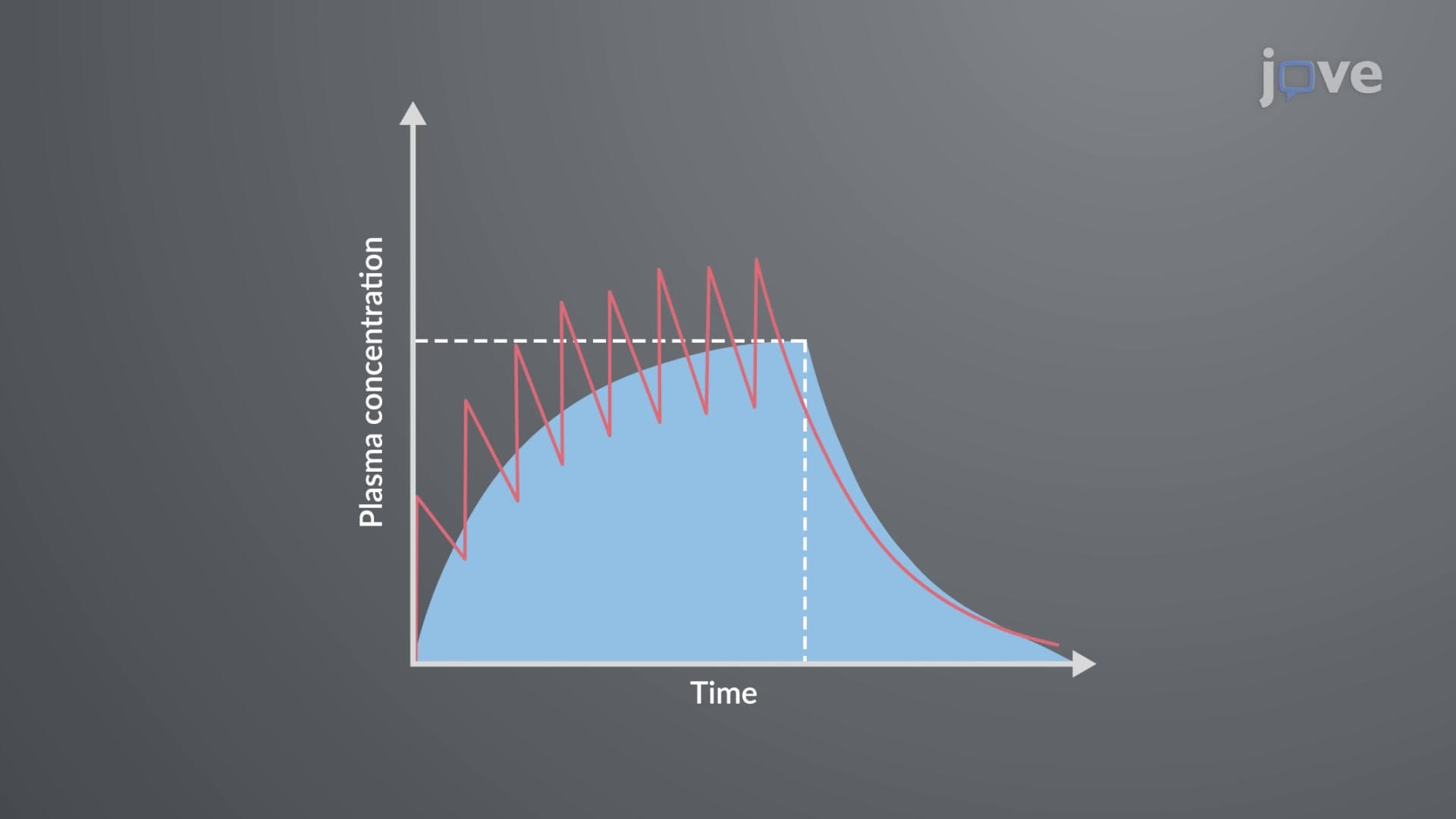
MCAT and USMLE preparation requires understanding specific bioequivalence parameters. Maximum concentration (Cmax) indicates peak drug exposure, while time to maximum concentration (Tmax) reflects absorption rate. Area under the concentration-time curve (AUC) measures total drug exposure. These parameters must demonstrate statistical equivalence within predetermined confidence intervals during bioequivalence studies involving healthy volunteers or patients, depending on the drug's characteristics and safety profile.
Frequently Asked Questions
Bioequivalence means two drug products containing the same active ingredient produce nearly identical concentrations in your bloodstream and deliver the same therapeutic effects. This ensures generic medications work just as effectively as brand-name drugs while maintaining the same safety profile and clinical benefits.
MCAT questions often test bioequivalence through pharmacokinetics scenarios, asking students to interpret concentration-time curves or calculate bioavailability ratios. USMLE Step 1 may present clinical vignettes where understanding bioequivalence helps explain why generic substitutions maintain therapeutic efficacy in patient care situations.
Focus on the relationship between pharmaceutical equivalence, bioequivalence, and therapeutic equivalence, plus key parameters like Cmax, Tmax, and AUC. Understand how manufacturing variables affect drug dissolution and absorption, and be able to explain why FDA bioequivalence standards protect patient safety while enabling generic drug approval.
When Walmart fills your prescription with generic omeprazole instead of brand-name Prilosec, bioequivalence studies ensure both versions reduce stomach acid equally effectively. The FDA requires the generic to achieve 80-125% of Prilosec's blood concentration levels, guaranteeing you receive the same heartburn relief at a lower cost.
Not at all-bioequivalence builds on basic chemistry and biology concepts you already know about absorption and drug action. Think of it like comparing two different brands of the same vitamin: bioequivalence ensures both deliver identical nutritional benefits to your body, just like generic medicines deliver the same therapeutic benefits as brand-name drugs.
Create comparison charts showing pharmaceutical vs. bioequivalent vs. therapeutic equivalence, practice interpreting concentration-time graphs, and memorize the 80-125% bioequivalence range. Use real drug examples like generic vs. brand ibuprofen to make the concept concrete, and understand how manufacturing factors affect bioavailability.
Dive into pharmacokinetic modeling, bioavailability enhancement techniques, and regulatory science pathways. Explore how bioequivalence principles apply to complex drug delivery systems like extended-release formulations, and investigate FDA guidance documents that shape generic drug approval processes in pharmaceutical industry careers.
While bioequivalent generics provide the same therapeutic effect, doctors might prefer brands for specific patients due to different inactive ingredients that could affect tolerability. Some patients experience different side effects from excipients or coatings, even when the active drug concentrations remain bioequivalent between generic and brand formulations.
Related Micro-courses
19 Concepts

