Loading subject page…

- Pharmacology
- Pharmacokinetics
- Dosage Regimen: Fixed Dose
Micro-course: Pharmacokinetics
134,526 views
Learn key concepts and earn your certificate.




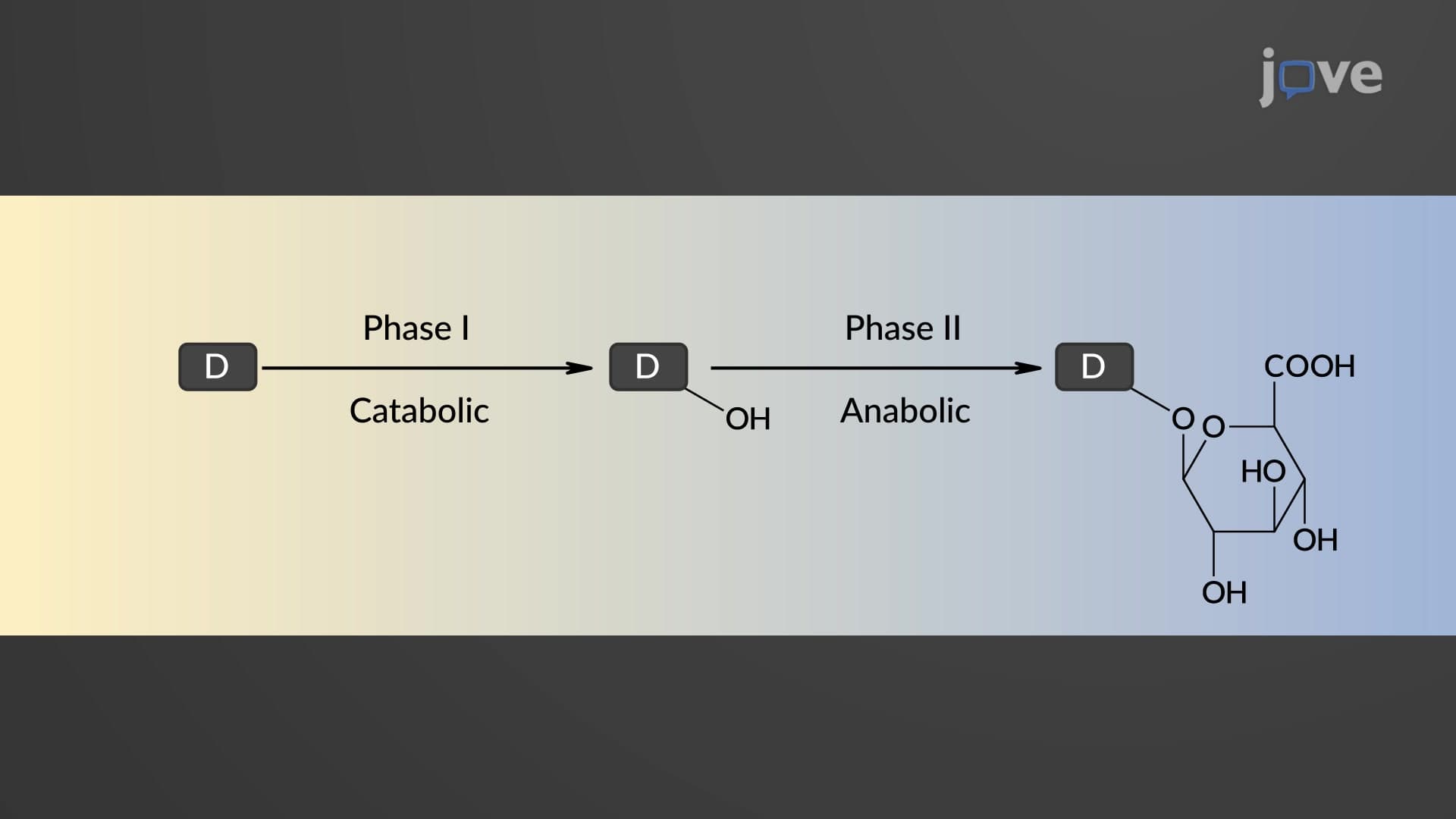
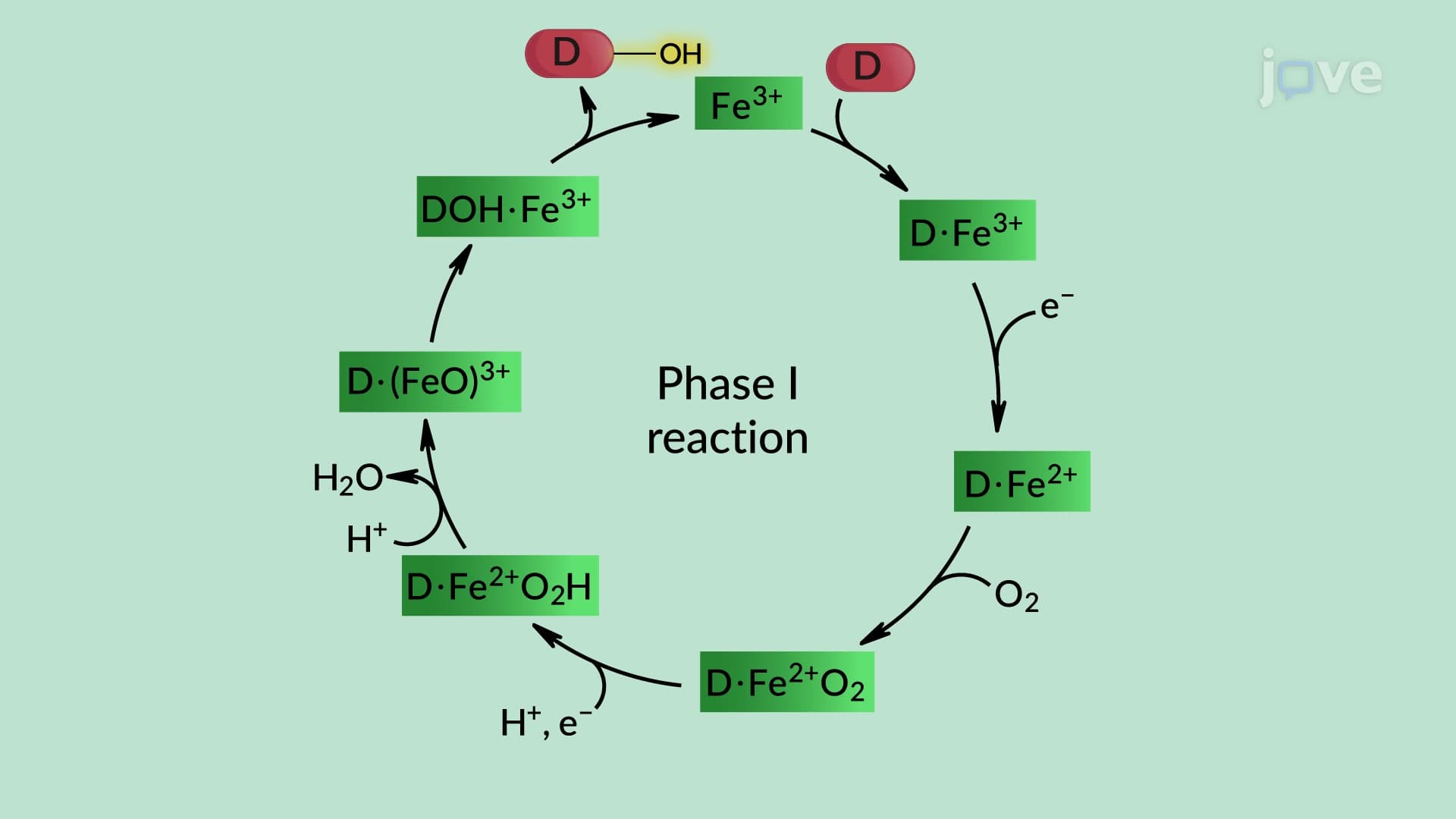
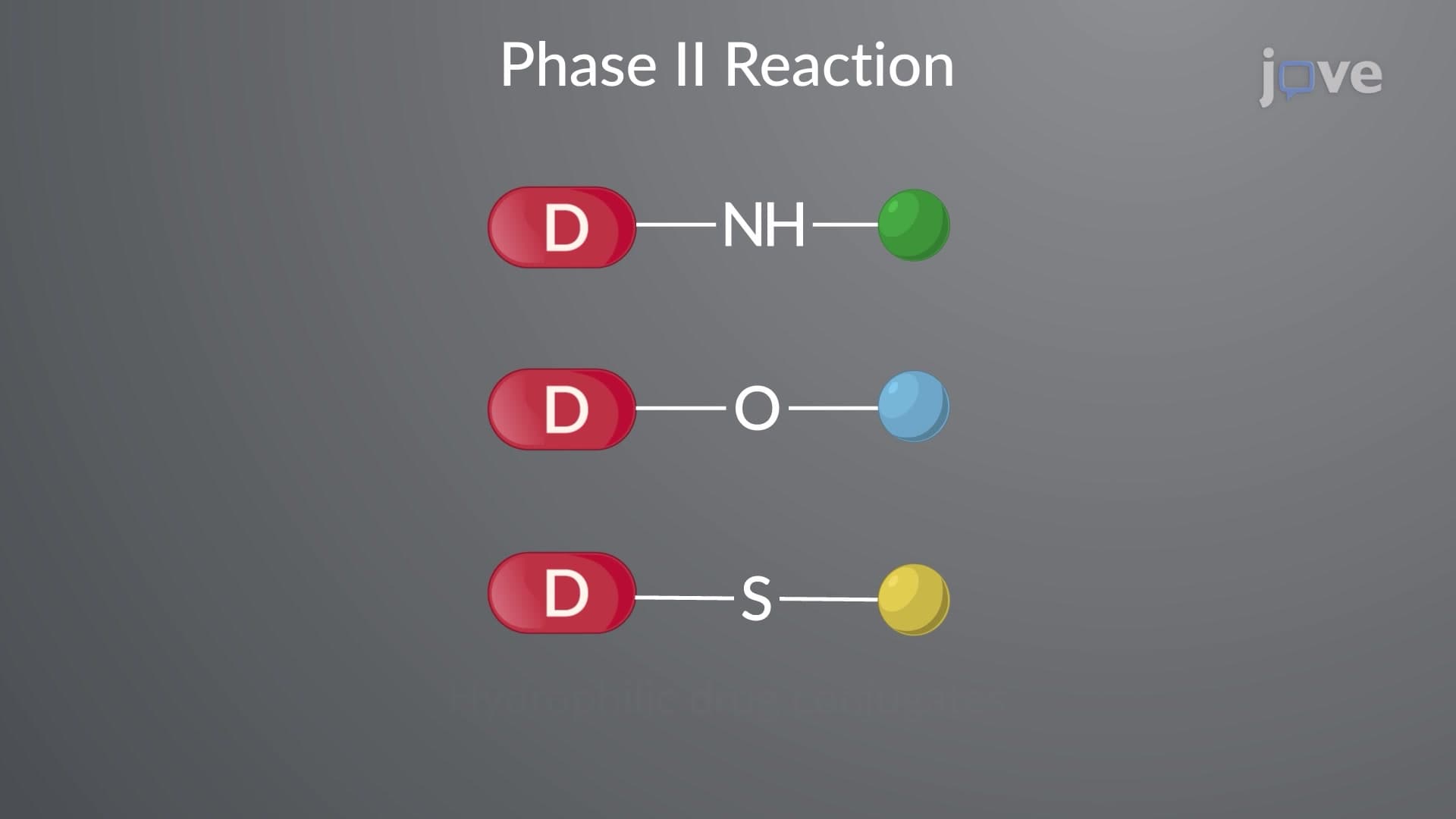

Dosage Regimen: Fixed Dose

00:00
01:01
Video Summary: What Is Dosage Regimen Fixed Dose
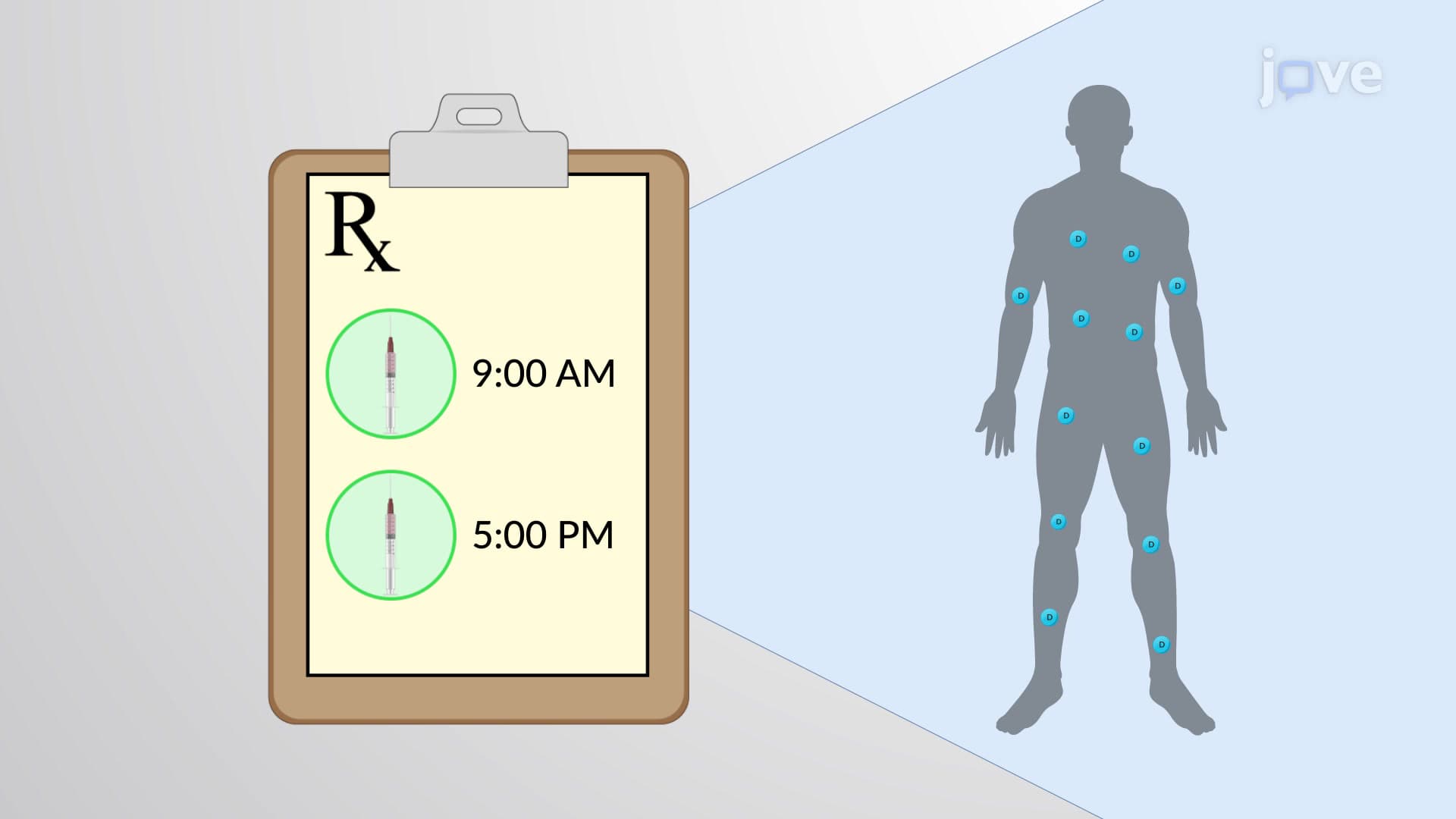
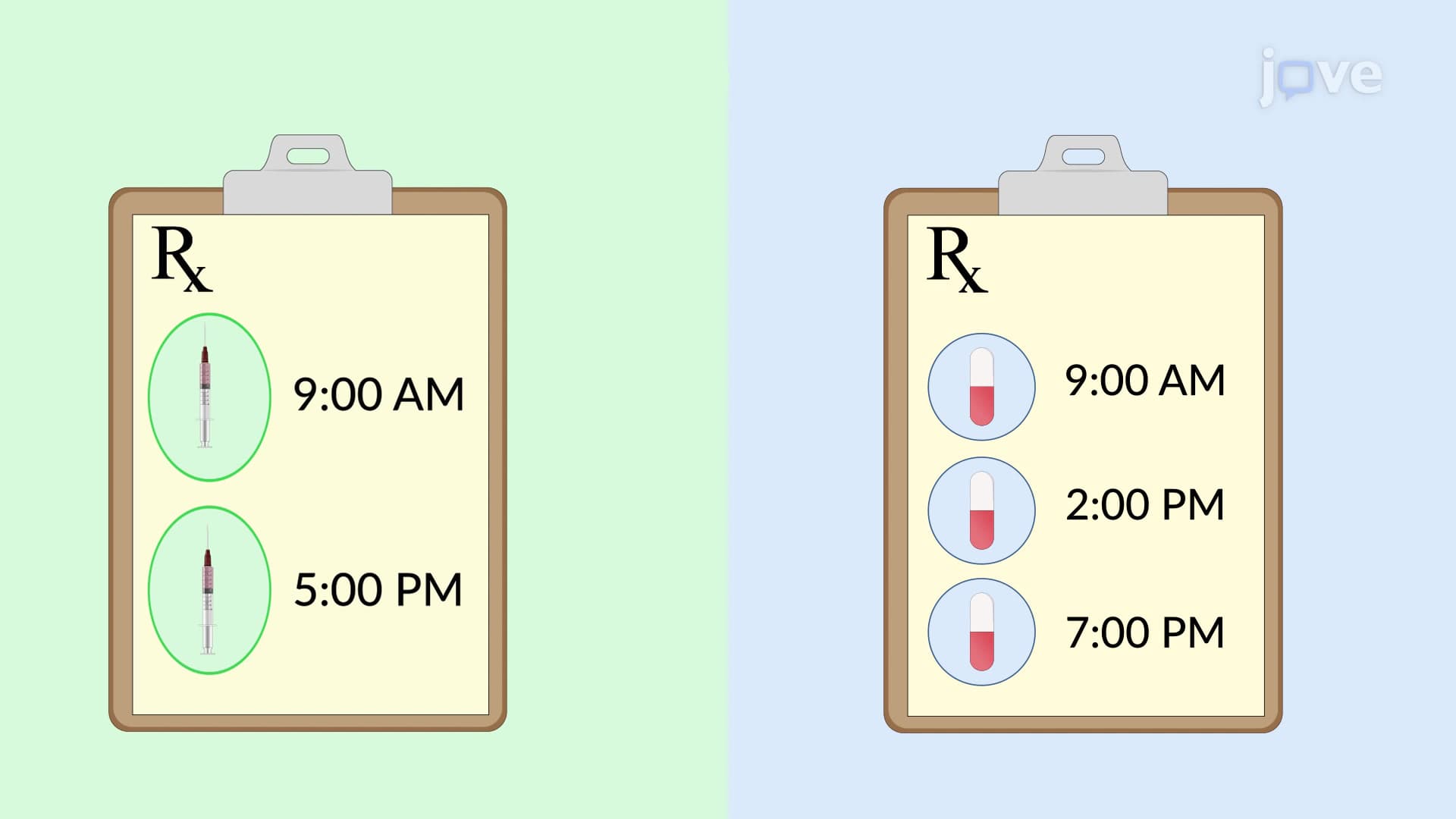
Ever wonder why your doctor prescribes antibiotics "every 8 hours for 10 days" instead of one massive dose? A dosage regimen fixed dose is a carefully calculated schedule where medications are given in consistent amounts at regular intervals to maintain therapeutic drug levels in your bloodstream. For example, taking 500mg of amoxicillin three times daily ensures steady antibiotic concentrations to fight infection effectively. This systematic approach prevents dangerous drug accumulation while avoiding ineffective low concentrations. Watch the full video on JoVE Coach to master this concept with expert-led visuals and step-by-step explanations.
- Understand what is dosage regimen fixed dose and how it maintains therapeutic drug concentrations through repeated administration at defined intervals
- Identify the key components of fixed-dose regimens including dose amount, frequency, and duration for both oral and intravenous medications
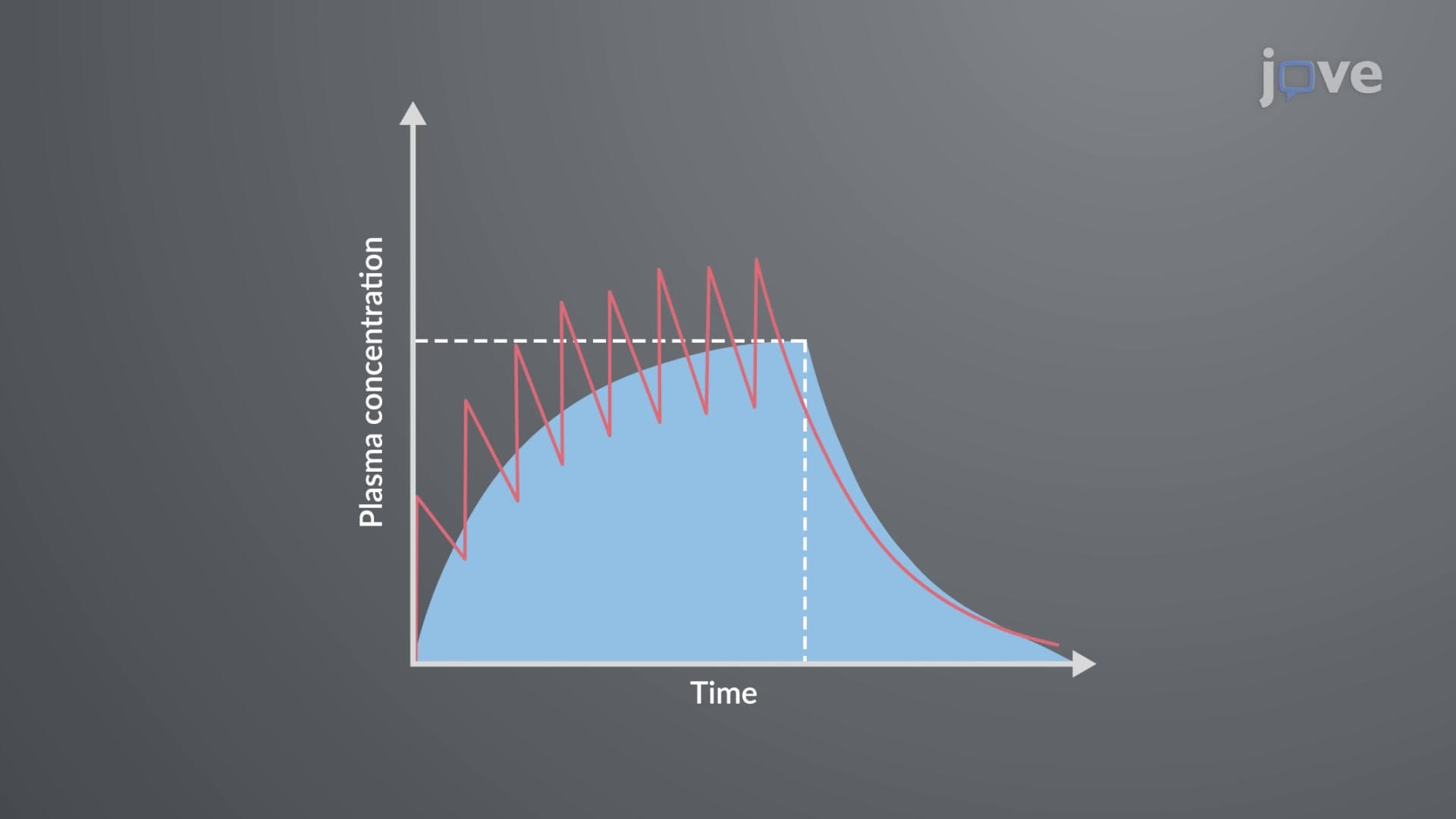
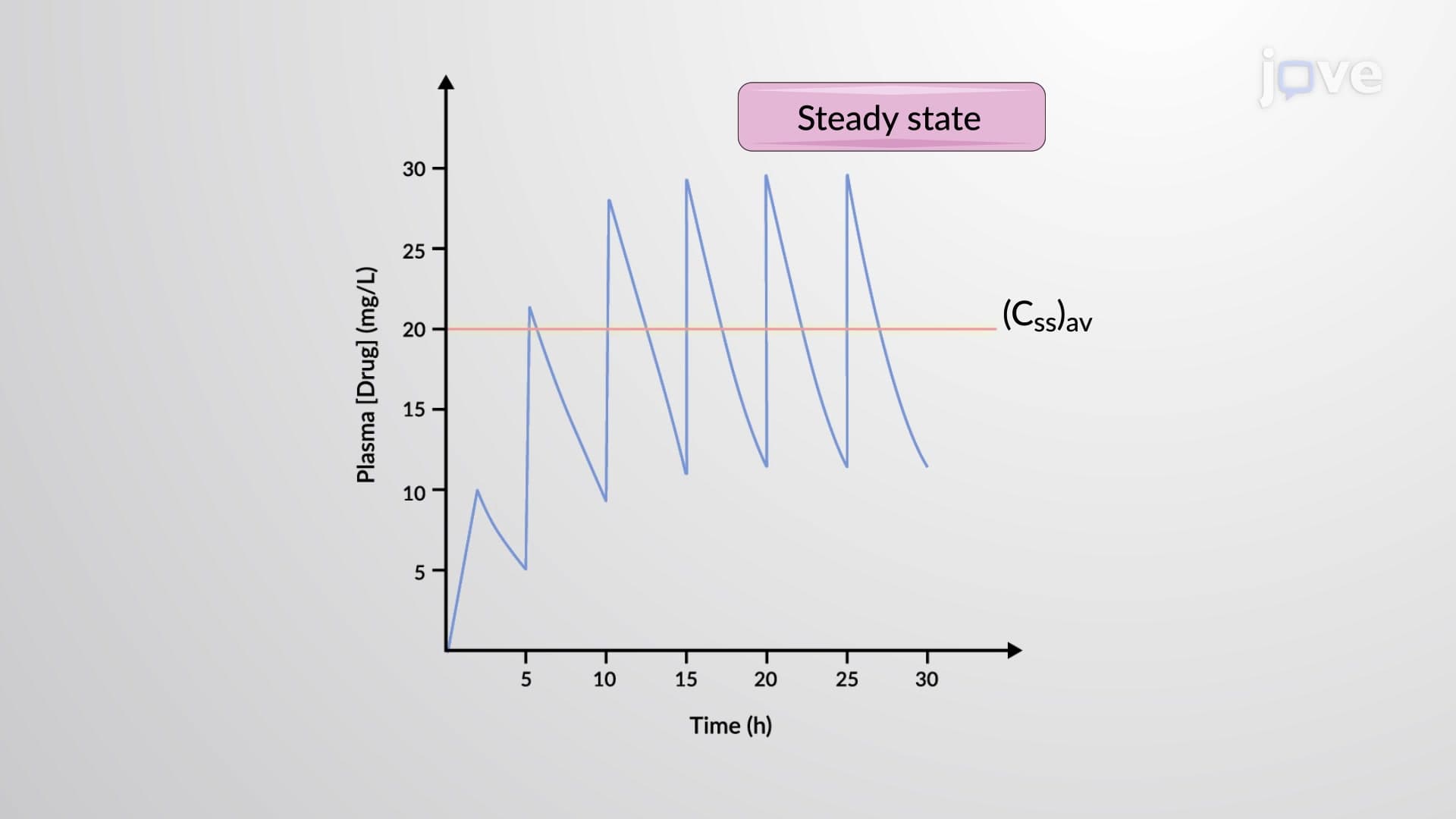
- Analyze how drug plasma concentrations fluctuate between doses and reach steady-state equilibrium when administration rate equals elimination rate
- Compare the advantages of fixed-dose regimens versus single-dose administration in achieving sustained therapeutic effects
- Evaluate how proper dosing intervals prevent toxic accumulation while maintaining effective drug levels within the therapeutic window
- Apply knowledge of pharmacokinetic principles to predict drug concentration patterns during multiple-dose therapy
- Recognize real-world examples of fixed-dose regimens in common medications like antibiotics, pain relievers, and cardiovascular drugs
- Explore the relationship between drug half-life and optimal dosing frequency for maintaining steady plasma levels
Understanding Dosage Regimen Fixed Dose Fundamentals
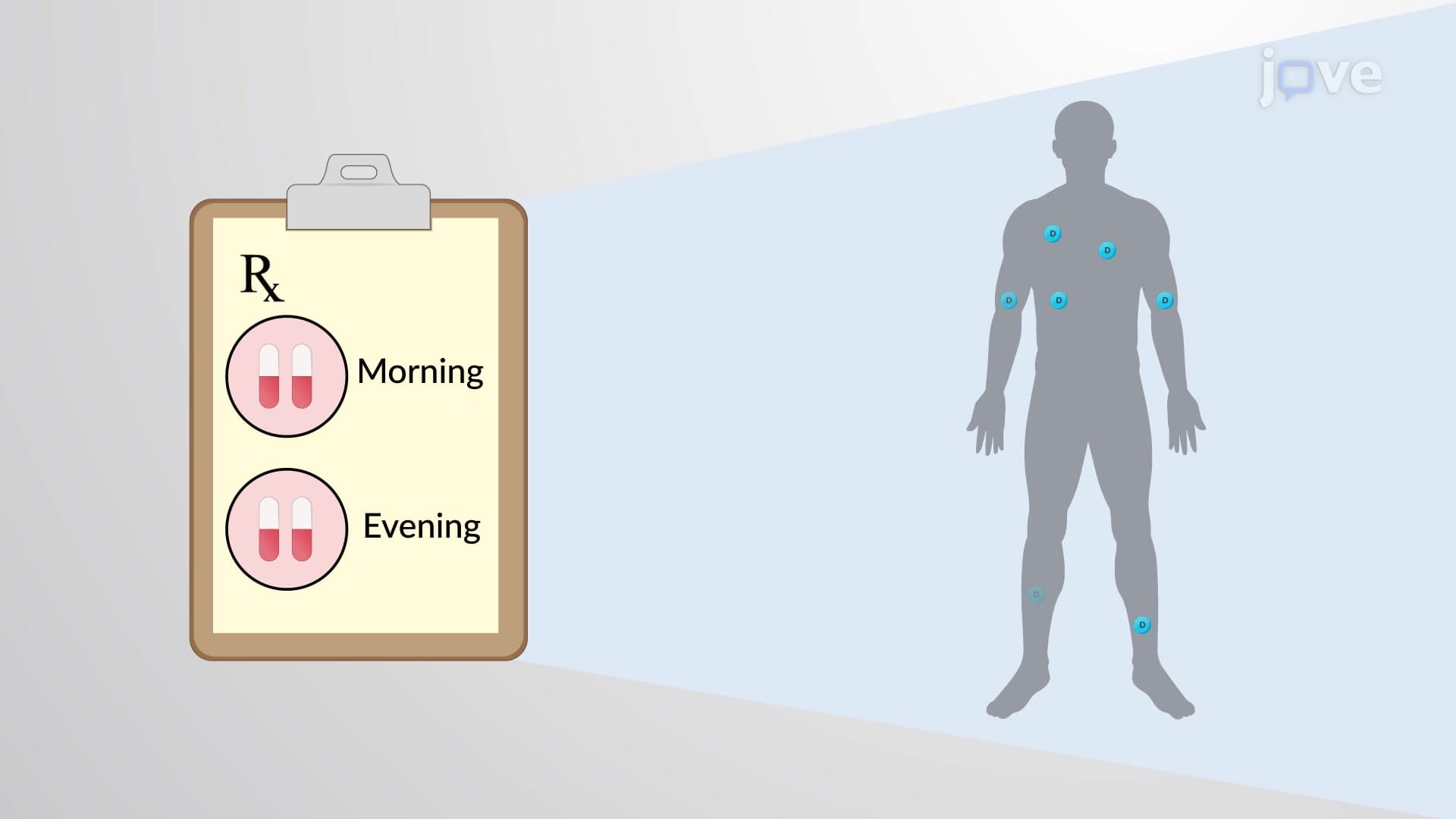
A dosage regimen fixed dose represents one of the most critical concepts in pharmacology and clinical medicine. Unlike single-dose administration, fixed-dose regimens involve giving the same amount of medication at predetermined time intervals to achieve optimal therapeutic outcomes. This systematic approach forms the backbone of modern drug therapy, from over-the-counter pain relievers to life-saving cardiac medications.
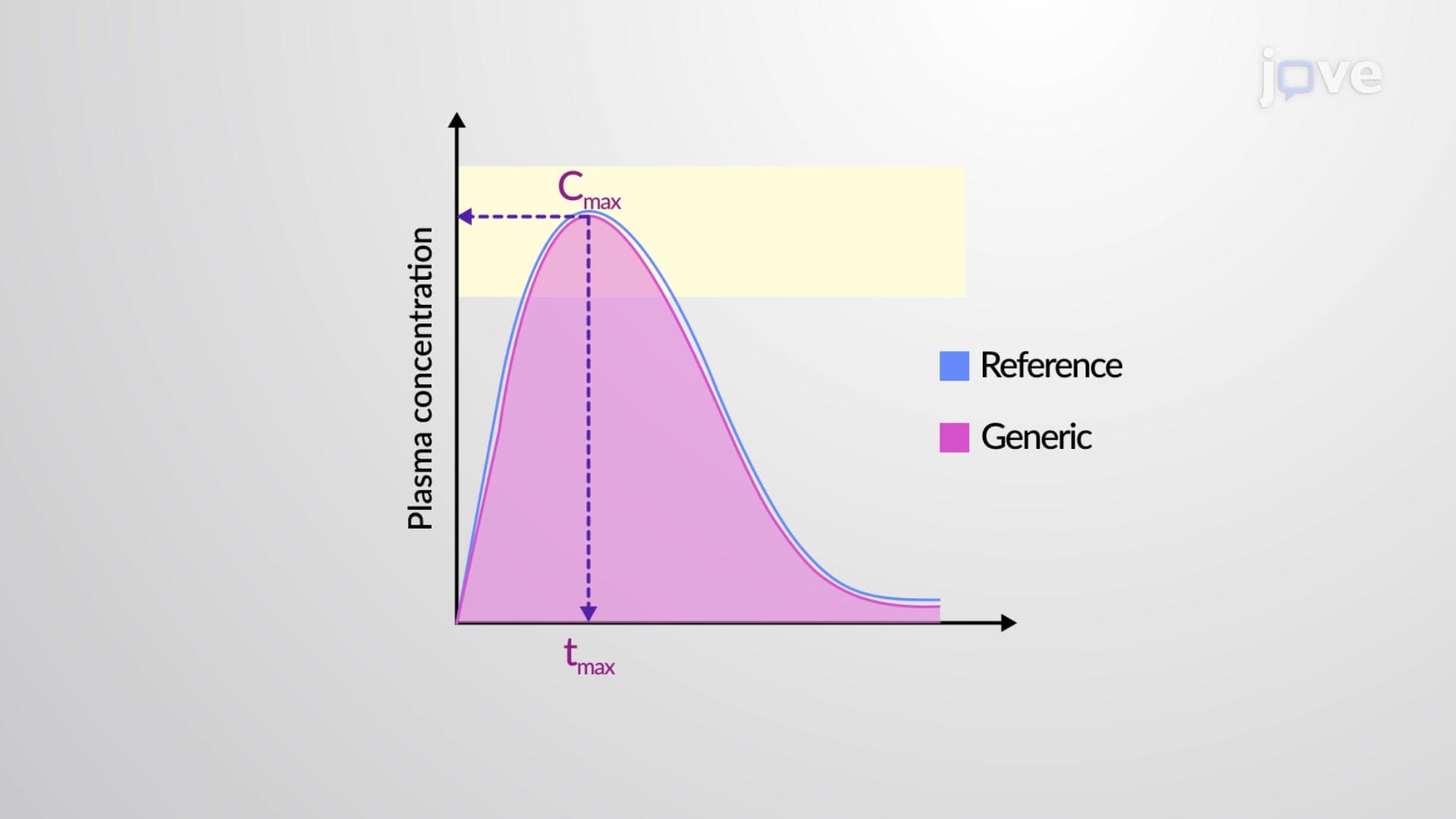
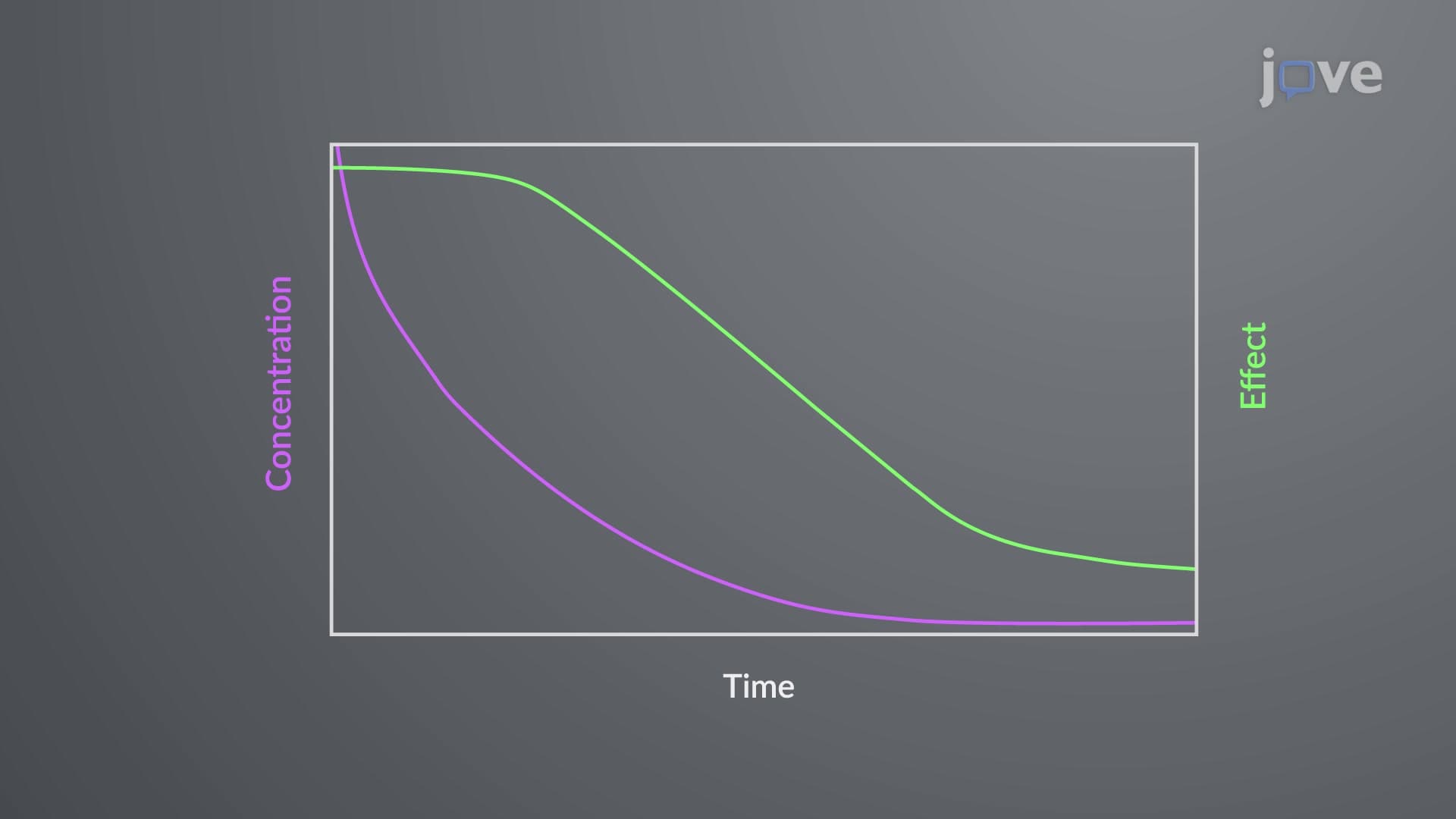
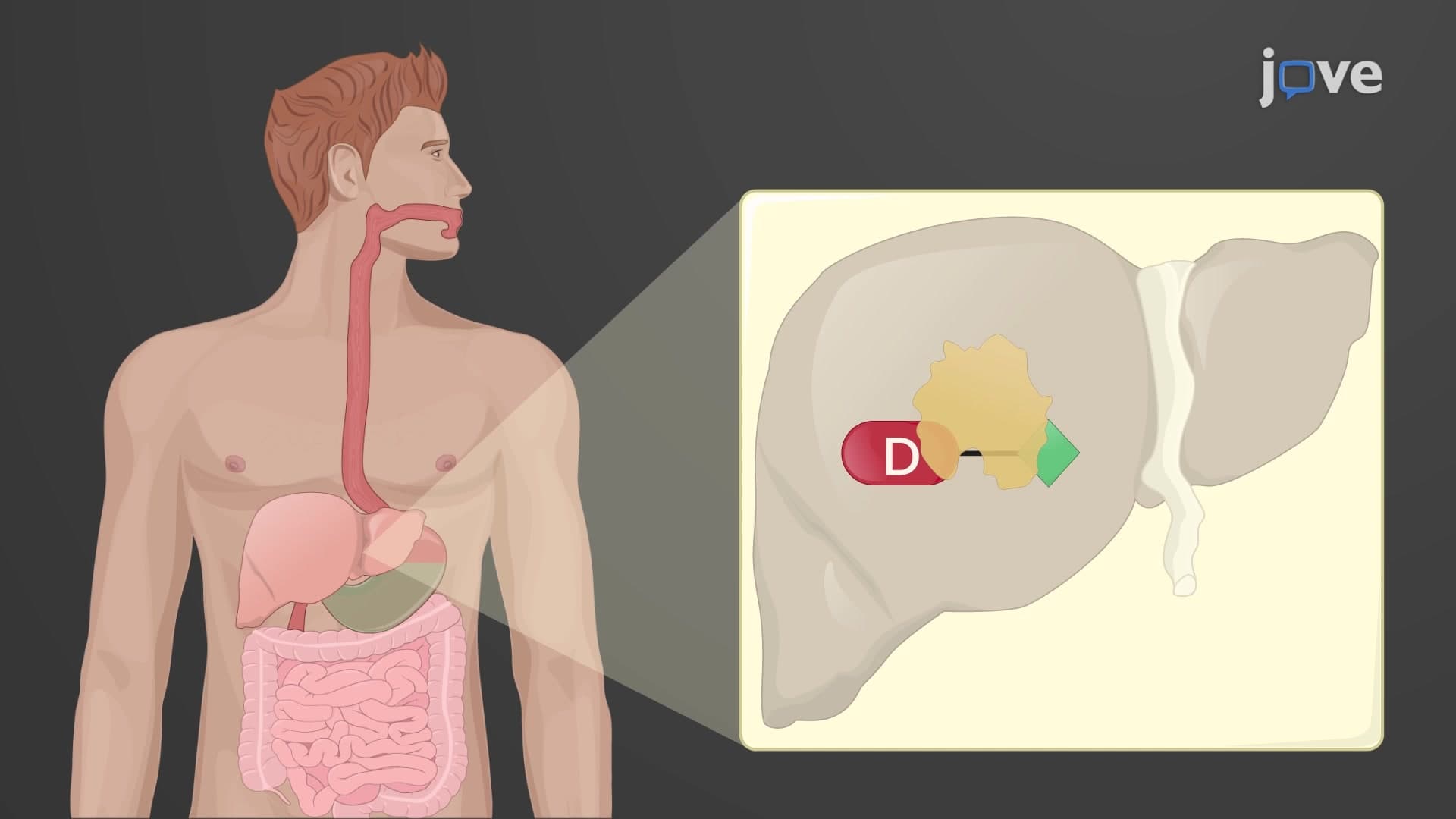
The science behind fixed-dose regimens lies in pharmacokinetics-how the body processes drugs over time. When you take a medication, its concentration in your bloodstream initially peaks, then gradually declines as your body metabolizes and eliminates the drug. Without repeated dosing, drug levels would drop below therapeutic thresholds, rendering treatment ineffective.
Achieving Steady-State: The Goal of Fixed Dosing
The ultimate objective of any fixed-dose regimen is reaching steady-state-a dynamic equilibrium where drug input equals drug elimination. Typically, steady-state is achieved after approximately five half-lives of the medication. For example, if a drug has a 6-hour half-life, steady-state occurs around 30 hours of regular dosing.
Consider warfarin, a blood thinner commonly prescribed in US hospitals. Patients typically receive 5mg daily for several days until steady-state is reached. At this point, the anticoagulant effect becomes predictable and stable, allowing healthcare providers to monitor and adjust therapy safely.
Clinical Applications and Real-World Examples
Fixed-dose regimens are ubiquitous in American healthcare. Antibiotics like azithromycin follow a "Z-pack" regimen: 500mg on day one, then 250mg daily for four days. This schedule ensures sufficient antibiotic concentrations to eliminate bacterial infections while minimizing resistance development.
Cardiovascular medications exemplify the importance of consistent dosing. Beta-blockers like metoprolol are often prescribed as 50mg twice daily, maintaining steady blood pressure control throughout the day. Skipping doses can lead to dangerous blood pressure spikes, highlighting why adherence to fixed regimens is crucial.
Exam Relevance and Study Applications
For students preparing for the MCAT, understanding fixed-dose regimens is essential for pharmacology passages. The USMLE Step 1 frequently tests concepts like steady-state calculations and therapeutic drug monitoring. College pharmacology courses emphasize these principles when teaching drug development and clinical applications.
When studying for exams, focus on the mathematical relationships: steady-state time = 5 × half-life, and the concept that dosing frequency should approximate the drug's half-life for optimal therapeutic effect. Practice calculating plasma concentration curves and identifying when steady-state occurs in different scenarios.
Frequently Asked Questions
A dosage regimen fixed dose is a medication schedule where you take the same amount of drug at regular intervals, like taking 200mg ibuprofen every 6 hours. This maintains consistent drug levels in your bloodstream for optimal therapeutic effect. It's like refilling a leaky bucket at regular intervals to keep the water level steady.
The MCAT tests fixed-dose regimens through pharmacokinetics passages requiring steady-state calculations and drug concentration graphs. You'll analyze scenarios involving half-life, clearance, and therapeutic windows. Practice identifying when drugs reach steady-state and comparing different dosing strategies for maximum effectiveness.
USMLE Step 1 emphasizes therapeutic drug monitoring, pharmacokinetics, and clinical correlations with fixed dosing. Step 2 focuses on prescription writing and patient counseling about medication adherence. Common tested drugs include digoxin, warfarin, and antibiotics where precise dosing prevents toxicity or treatment failure.
In US emergency departments, patients with pneumonia often receive ceftriaxone 1g intravenously every 24 hours, demonstrating once-daily fixed dosing. Outpatients might get amoxicillin 500mg every 8 hours orally. Both regimens maintain antibiotic concentrations above the minimum inhibitory concentration needed to eliminate bacterial pathogens effectively.
No advanced mathematics is required-basic algebra and exponential decay concepts from high school are sufficient. Focus on understanding half-life calculations and steady-state timing rather than complex pharmacokinetic equations. Visual learners benefit from drawing concentration-time graphs to see how drug levels fluctuate with repeated dosing.
Create comparison charts showing different dosing frequencies and their effects on plasma concentrations. Practice drawing steady-state graphs and calculating time to equilibrium. Use real drug examples like acetaminophen or antibiotics to connect theory with clinical applications you'll encounter in healthcare settings.
Master fixed-dose concepts before exploring variable dosing, sustained-release formulations, and personalized medicine approaches. Advanced pharmacology covers population pharmacokinetics and therapeutic drug monitoring. Clinical courses apply these principles to specific disease states like diabetes management and psychiatric medications requiring dose titration.
Dosing frequency depends primarily on the drug's half-life and therapeutic window. Short half-life drugs like immediate-release pain medications need frequent dosing, while long half-life drugs like some antidepressants work effectively with once-daily administration. Extended-release formulations can convert multiple-dose drugs into convenient once-daily regimens.
Related Micro-courses
19 Concepts

