Loading subject page…


134,553 views

Video Summary: What Is Drug Biotransformation
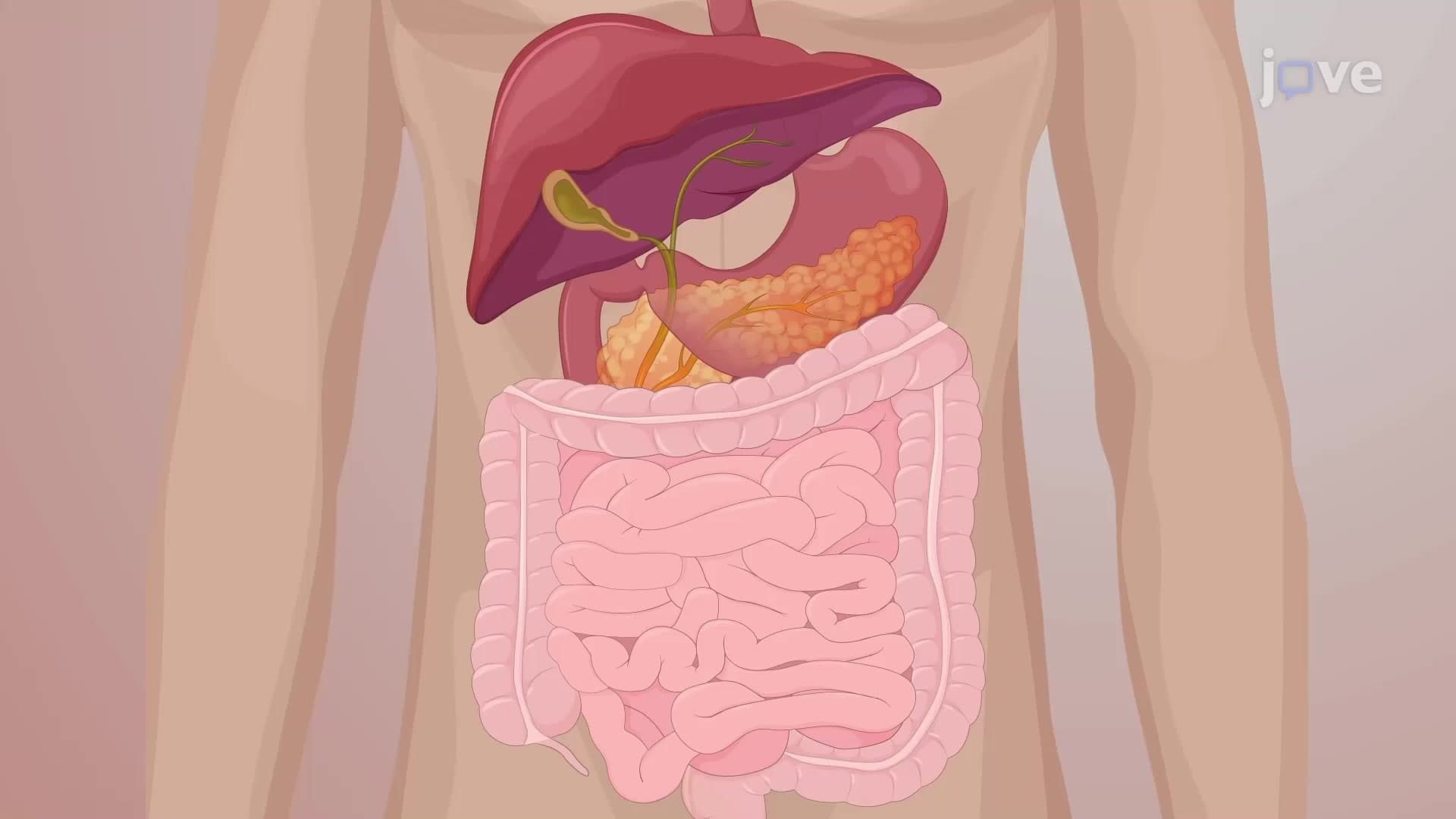
Ever wonder why a single dose of aspirin doesn't stay in your body forever? Drug biotransformation is the body's sophisticated process of chemically modifying medications to make them easier to eliminate, preventing toxic buildup. When you take acetaminophen (Tylenol), your liver transforms this lipophilic drug into water-soluble compounds that can be safely excreted through urine. Watch the full video on JoVE Coach to master this concept with expert-led visuals and step-by-step explanations.
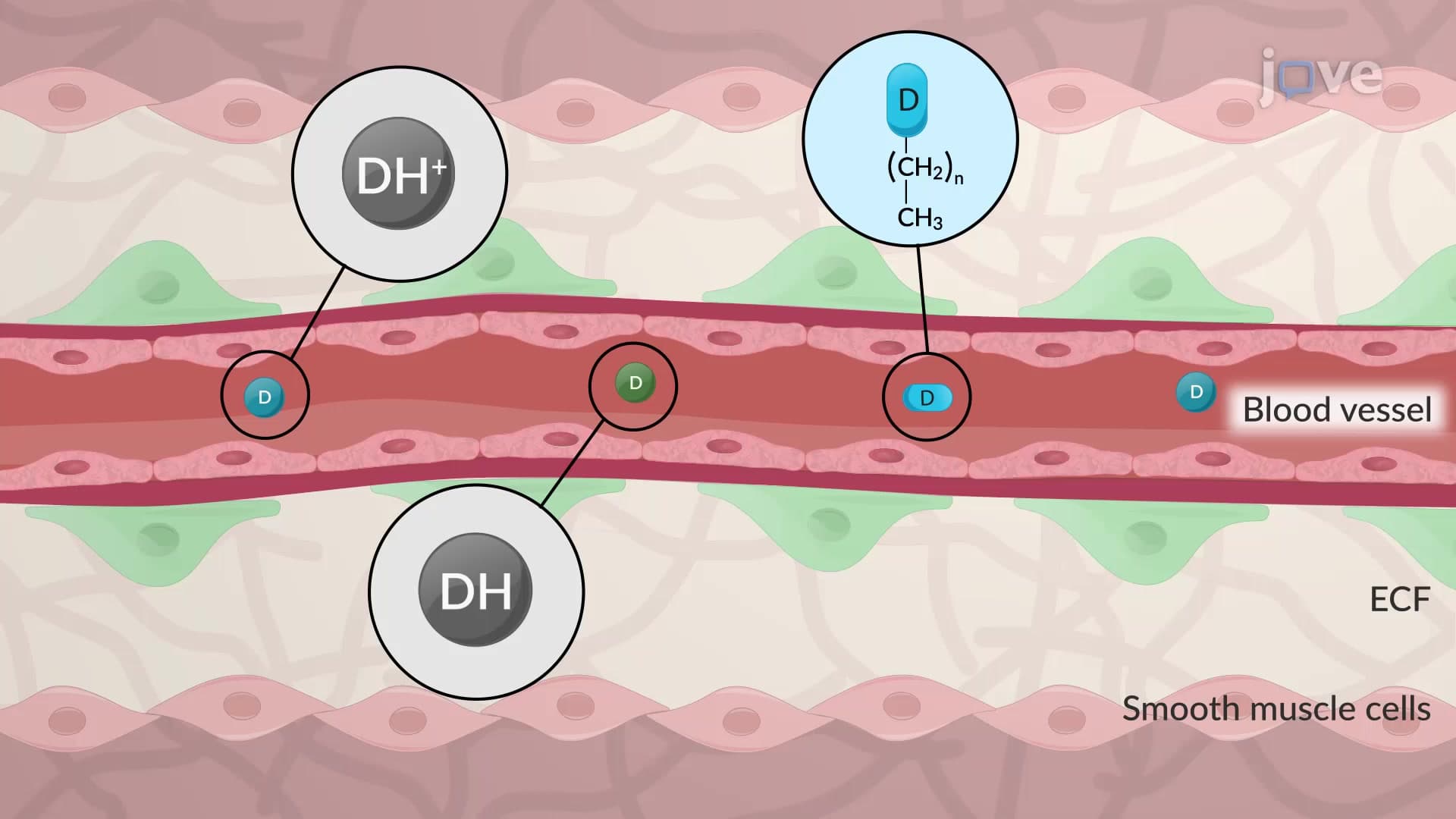
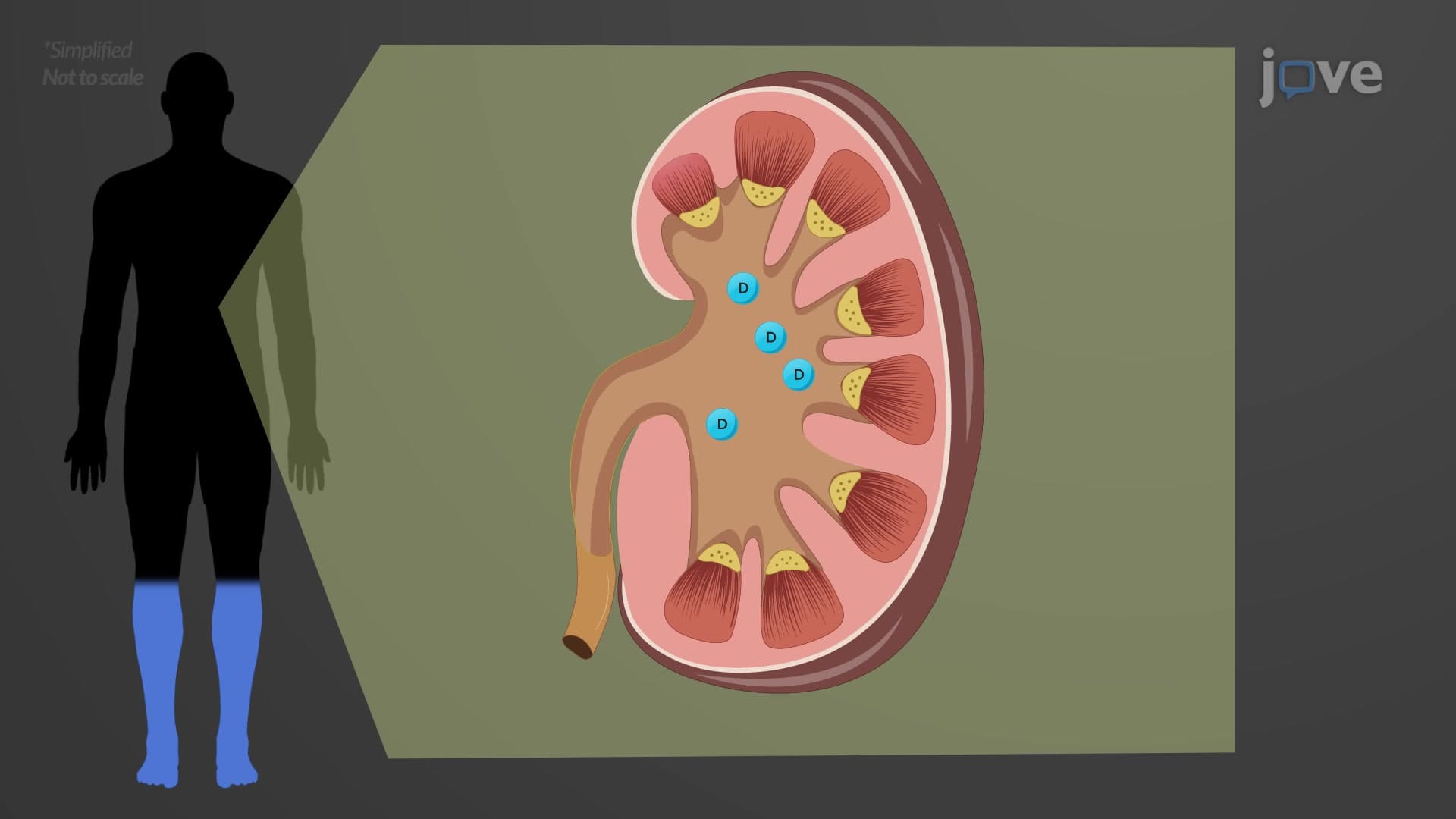
Drug biotransformation represents one of the most critical processes in pharmacology, determining how long medications remain active in your body. This complex biochemical process transforms lipophilic (fat-loving) drugs into hydrophilic (water-loving) metabolites that can be easily eliminated through urine. Without biotransformation, medications like warfarin or digoxin would accumulate to dangerous levels, causing severe toxicity.
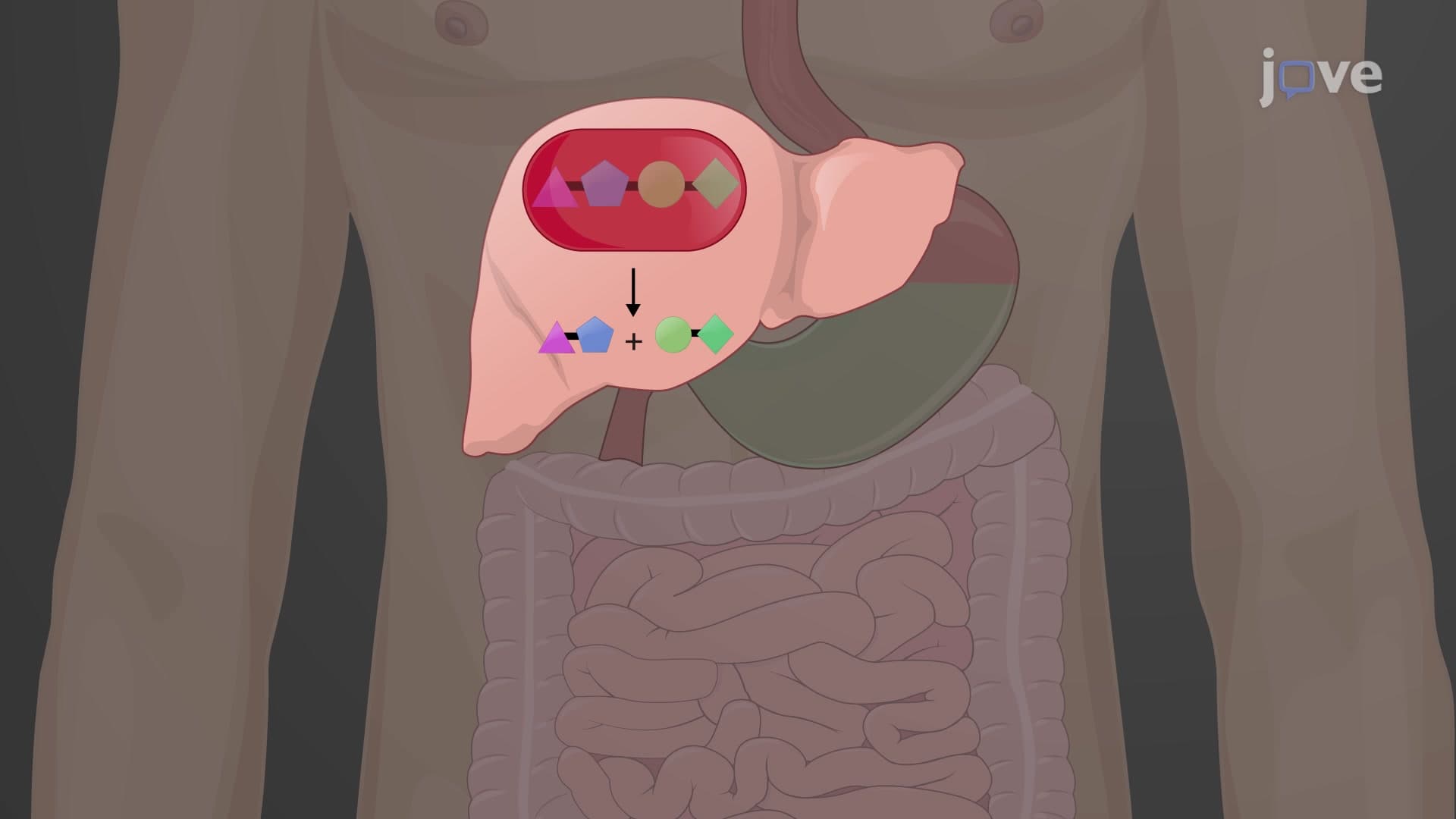
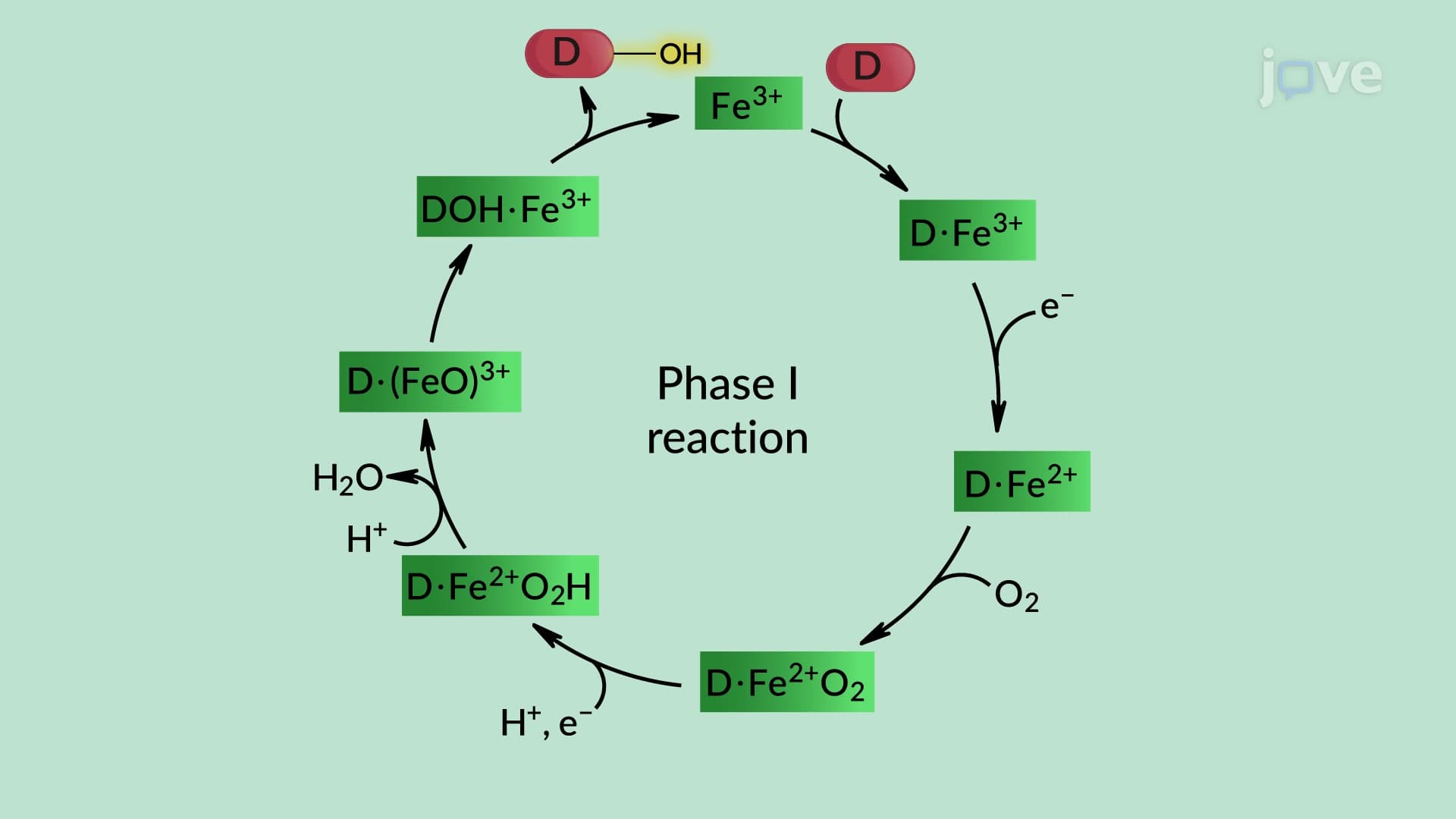
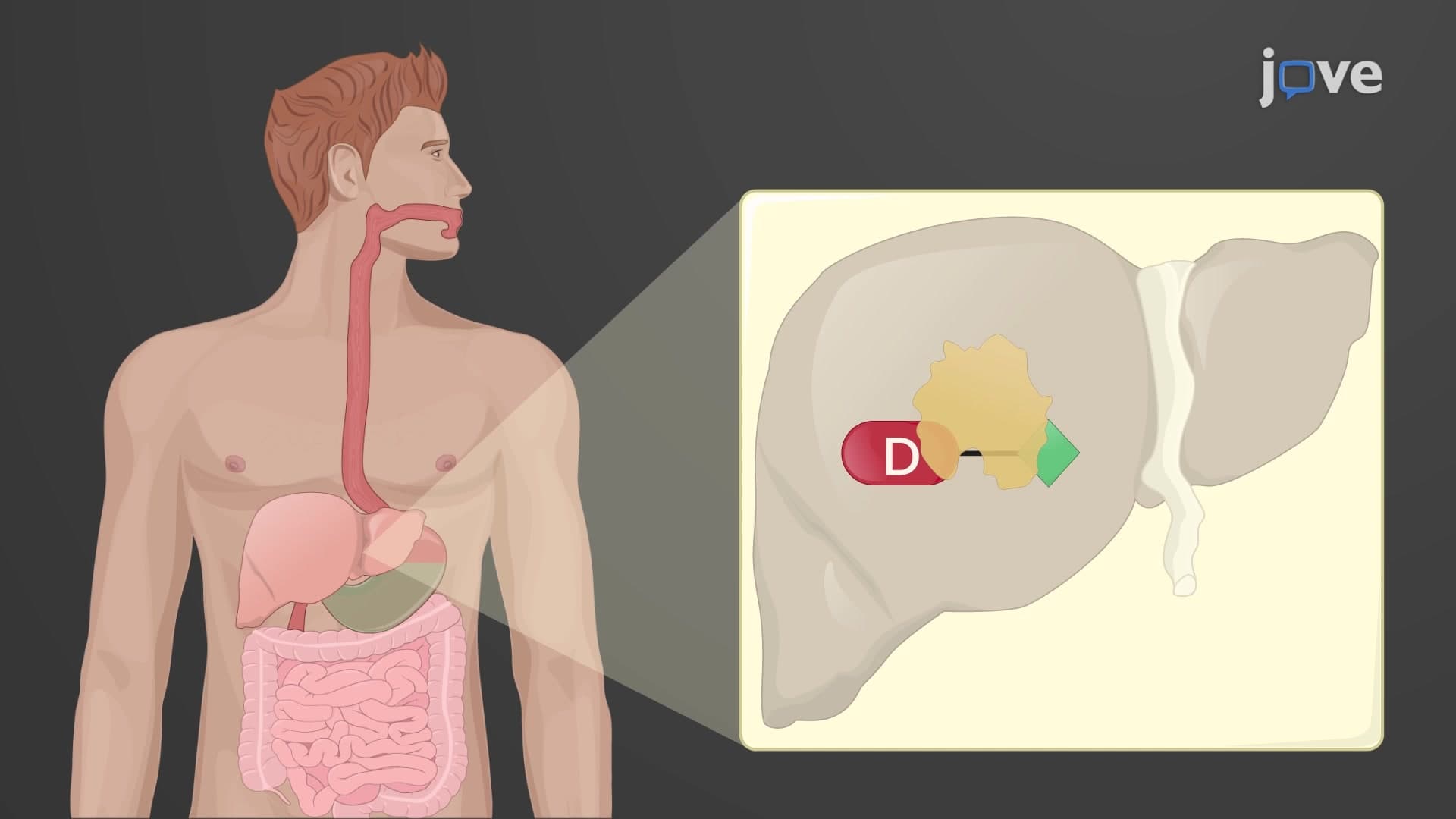
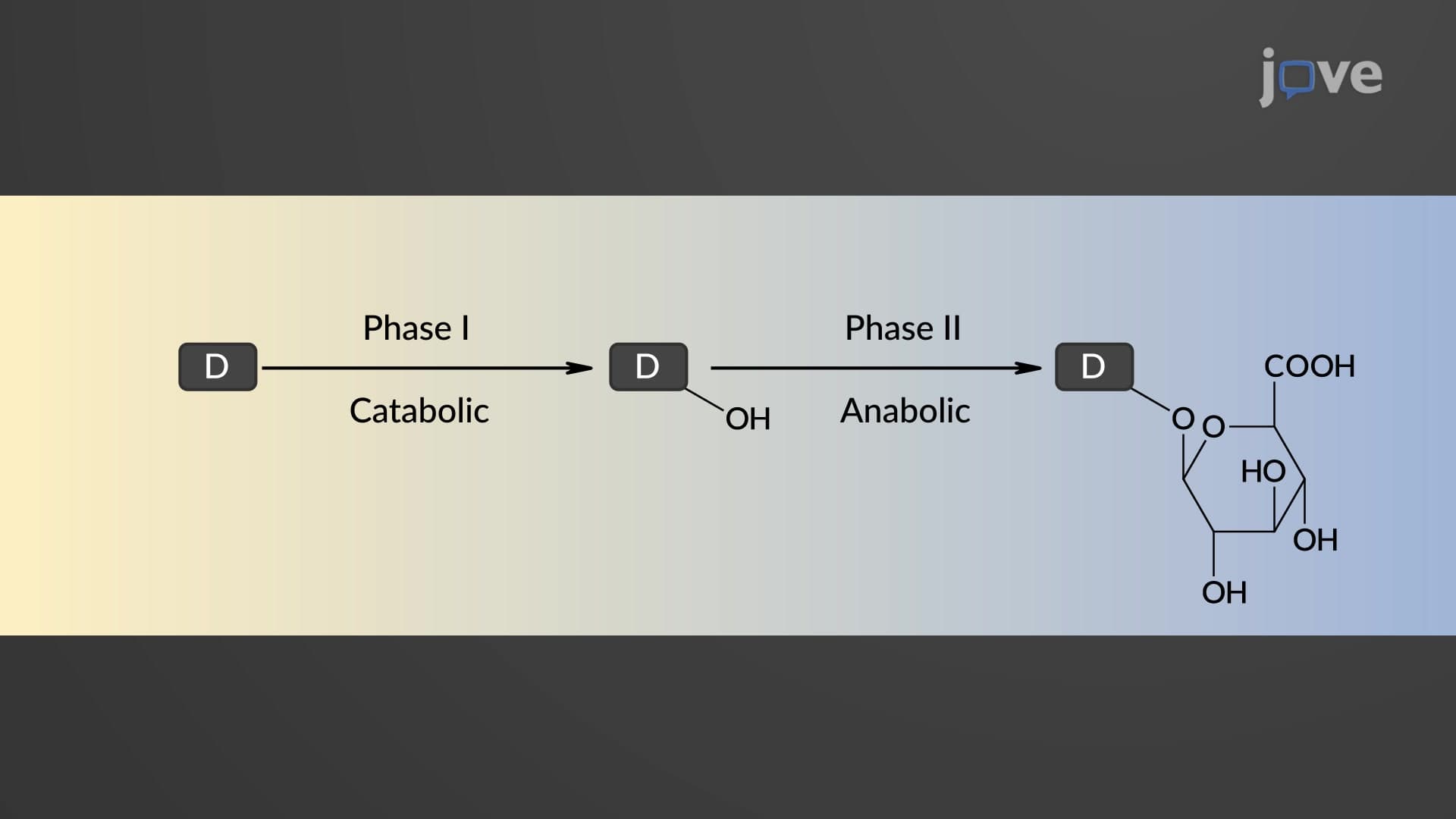
The biotransformation process occurs through two distinct phases, each serving a specific purpose. Phase I reactions, primarily occurring in liver microsomes, involve functionalization through oxidation, reduction, or hydrolysis. The cytochrome P450 enzyme system, particularly CYP3A4, handles approximately 50% of all drug metabolism in Americans. These reactions add or expose functional groups like hydroxyl (-OH) or amino (-NH2) groups, making drugs slightly more polar.
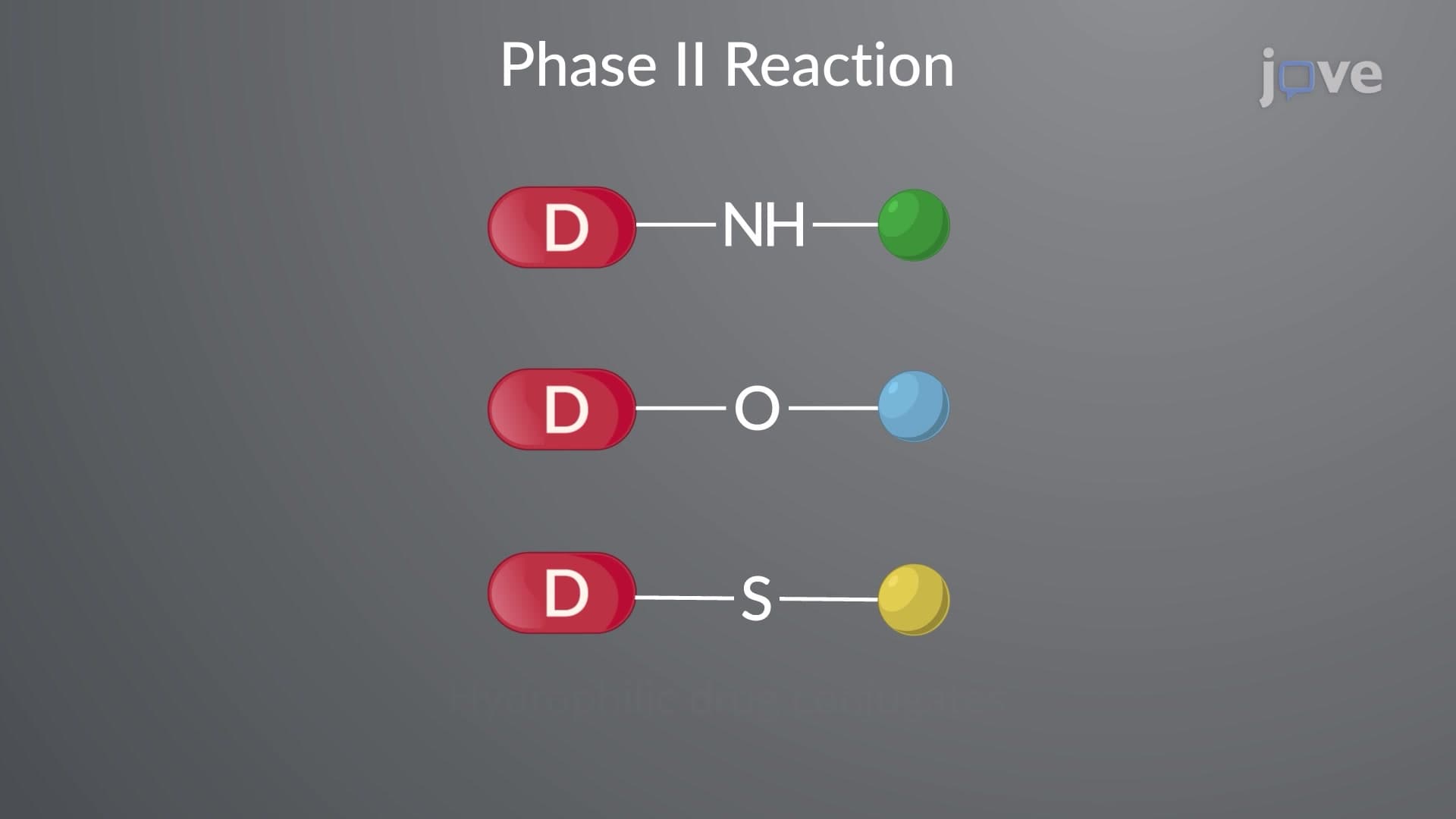
Phase II reactions involve conjugation, where Phase I metabolites are linked to endogenous molecules like glucuronic acid, sulfate, or glutathione. This conjugation dramatically increases water solubility, enabling efficient renal elimination. For example, acetaminophen undergoes Phase II glucuronidation and sulfation, creating metabolites easily excreted in urine.
Understanding biotransformation proves essential for healthcare professionals and students preparing for exams like the MCAT, NCLEX, or pharmacy school assessments. Consider codeine, a prodrug requiring biotransformation by CYP2D6 to become morphine, its active form. Genetic variations in this enzyme affect approximately 7% of Caucasians and 2% of African Americans, leading to poor pain relief or, conversely, dangerous toxicity.
The concept frequently appears in AP Biology courses when discussing enzyme kinetics and cellular metabolism. College biochemistry students encounter biotransformation when studying liver function tests and drug interactions. USMLE Step 1 commonly tests knowledge of first-pass metabolism, where oral medications undergo significant biotransformation before reaching systemic circulation.
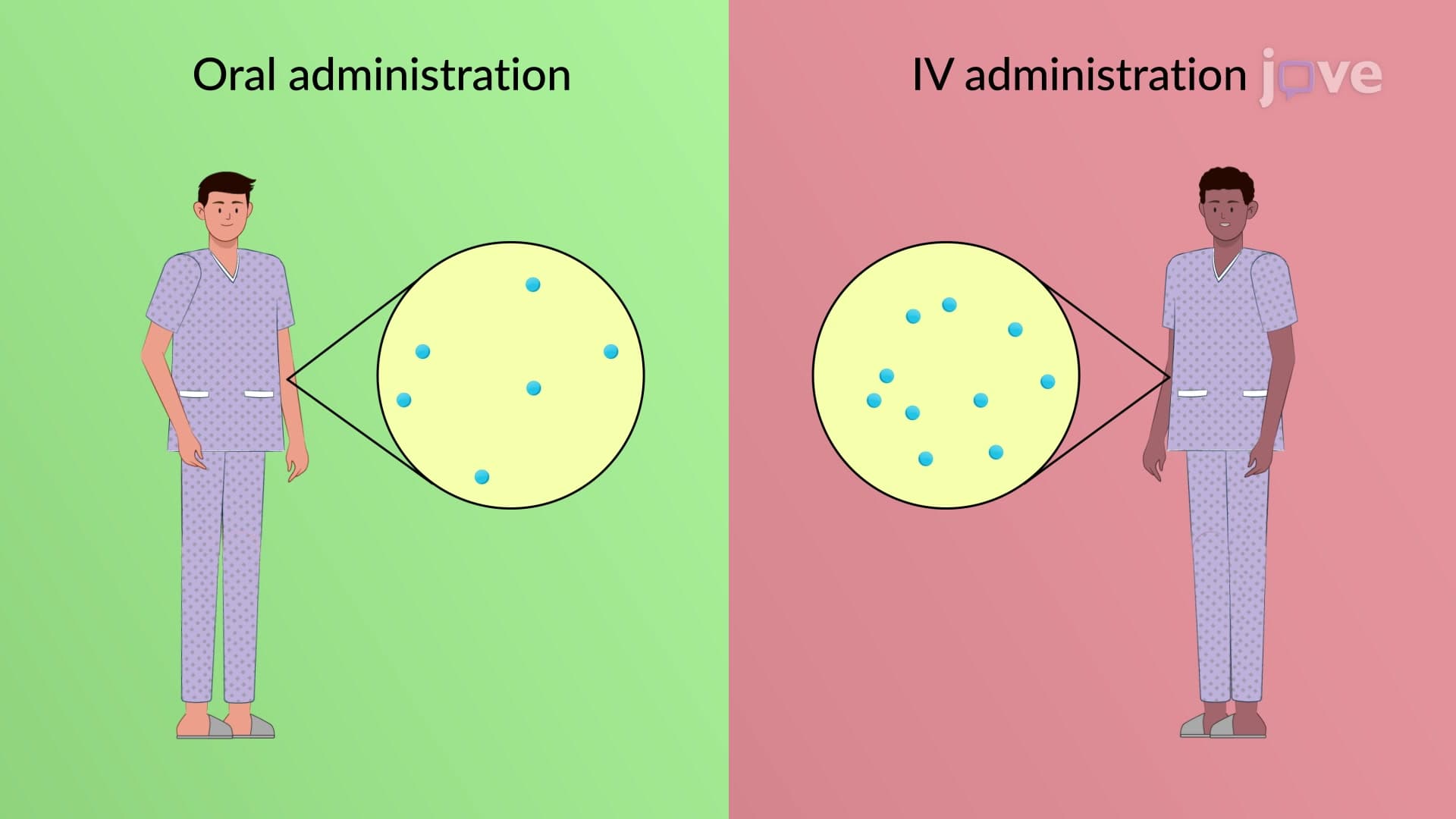
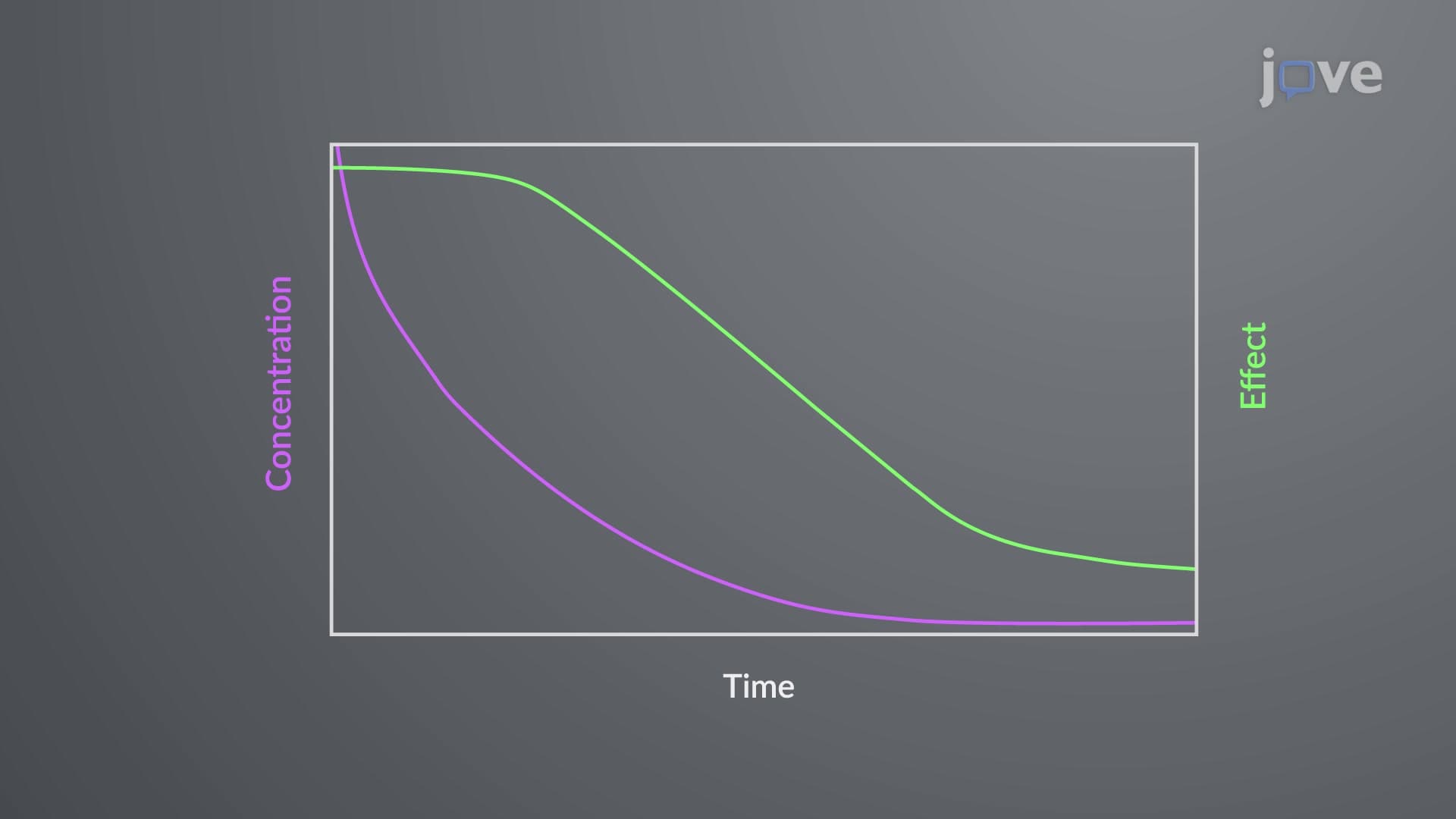
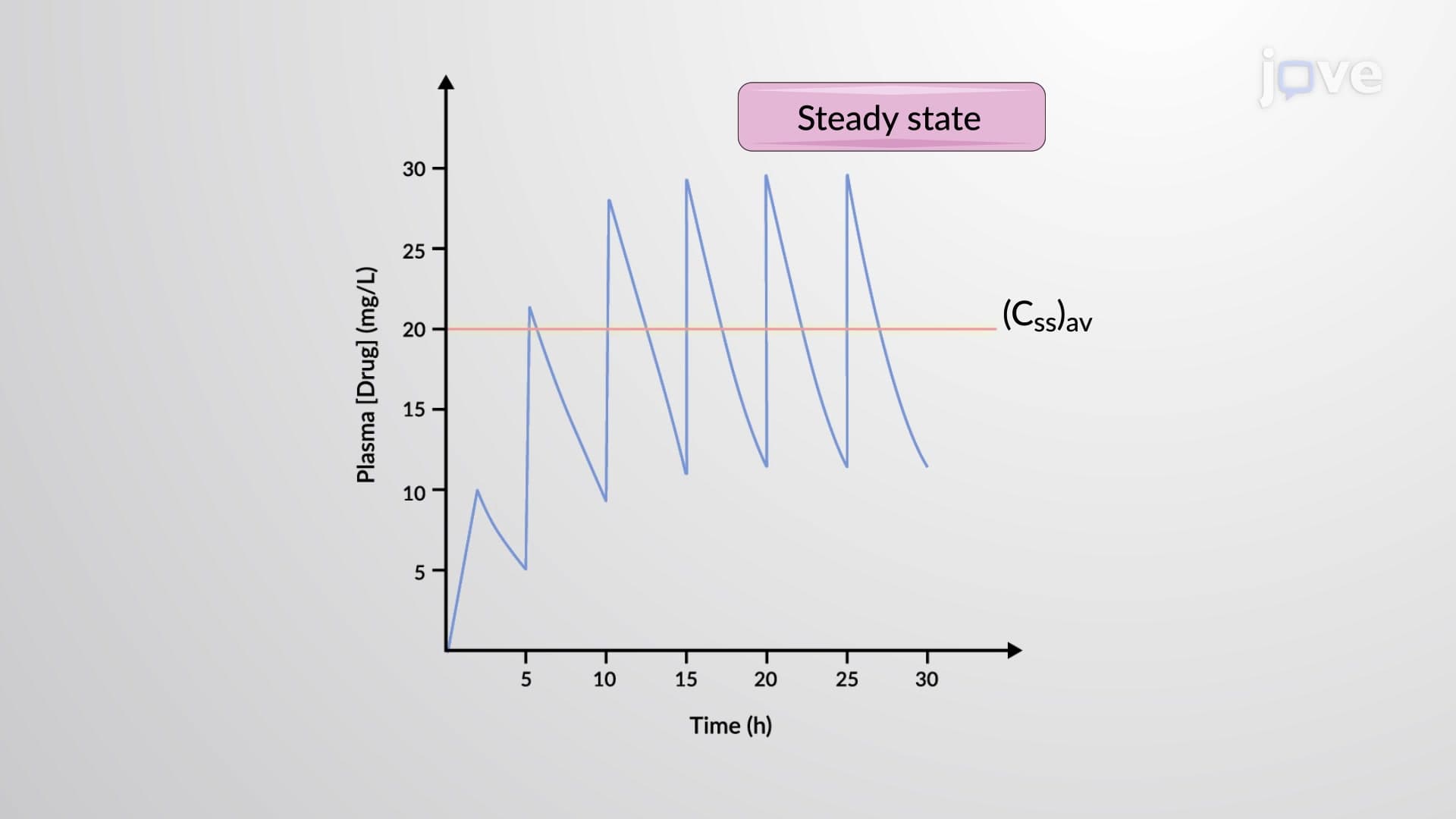
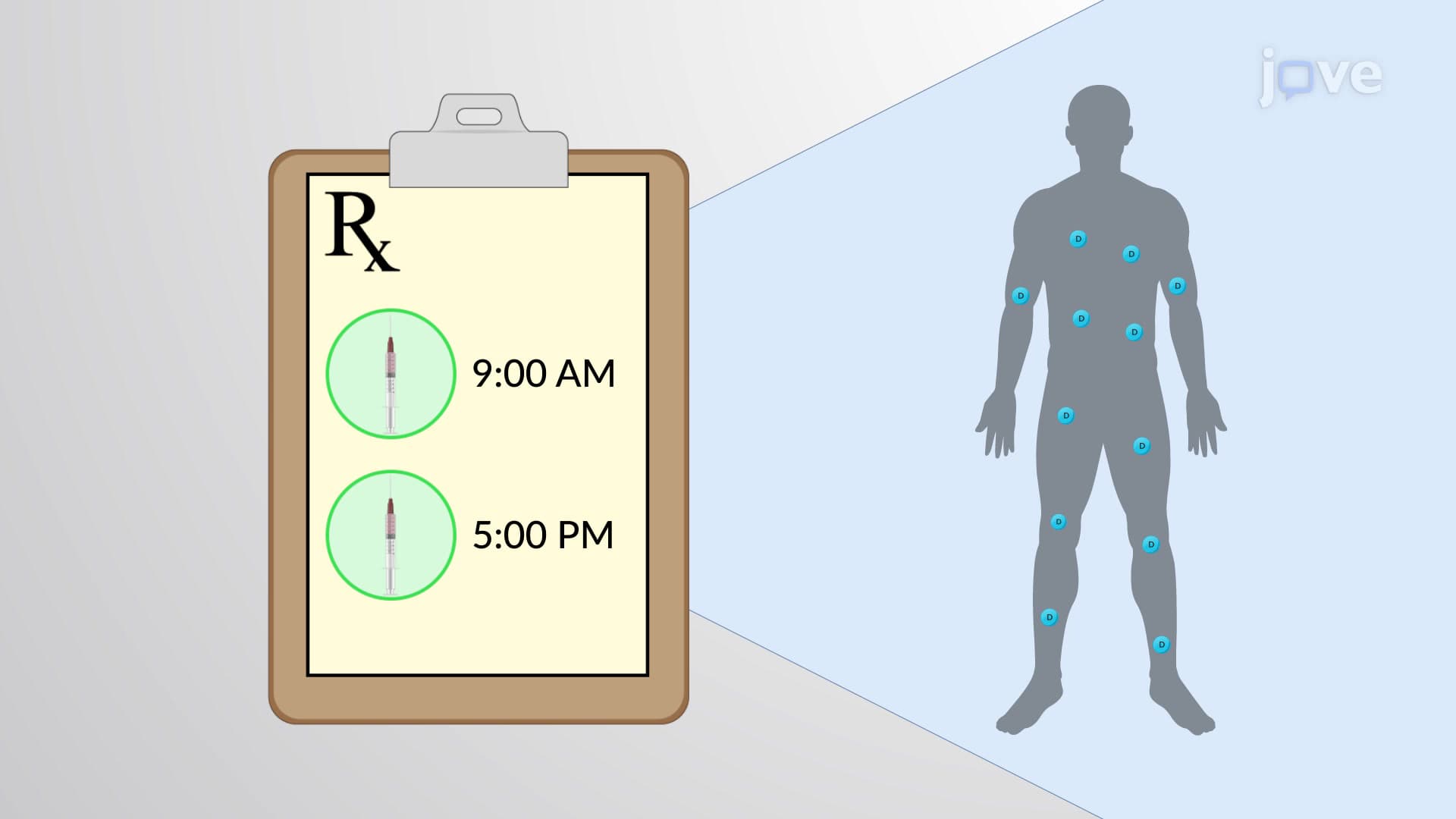
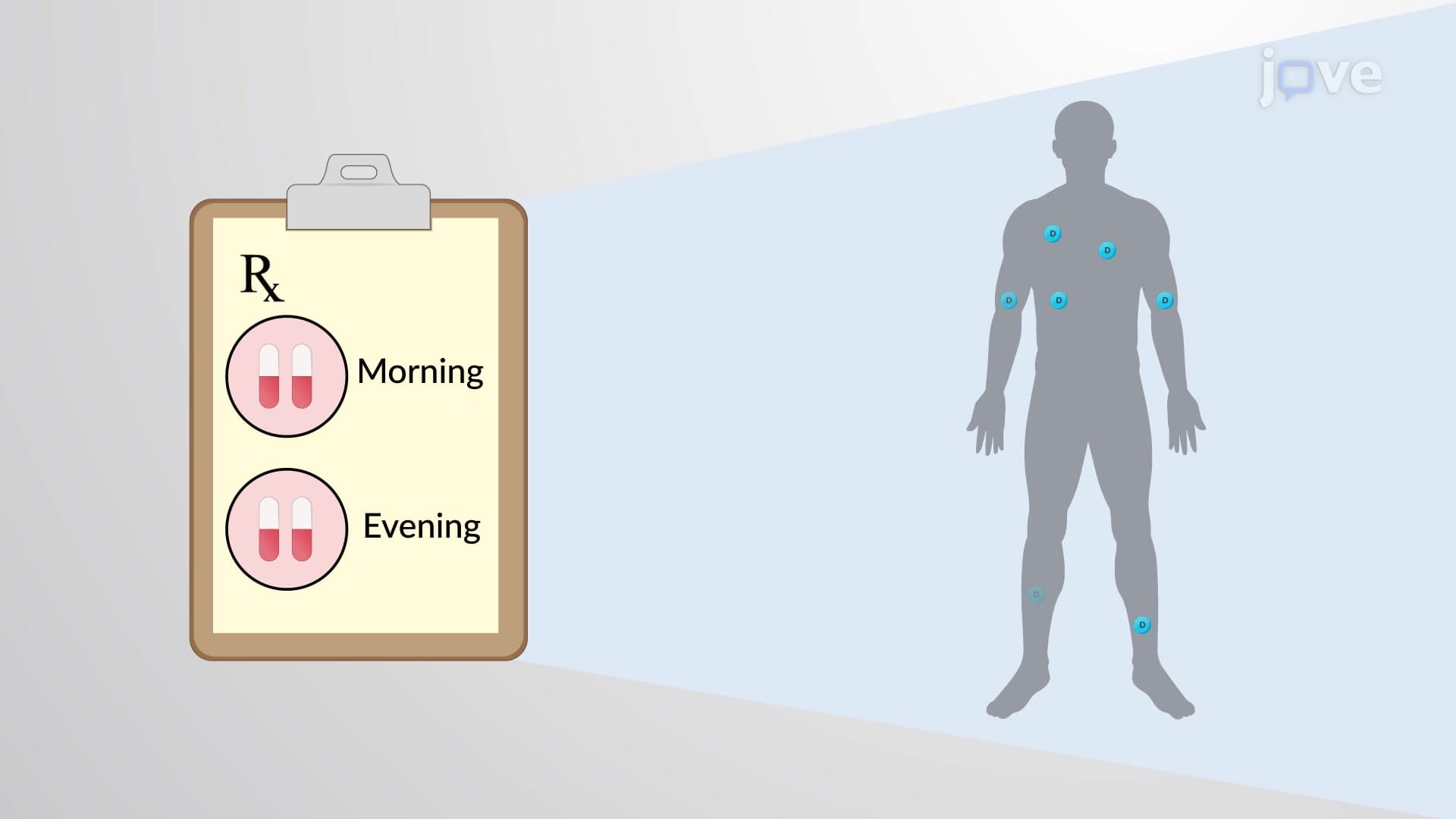
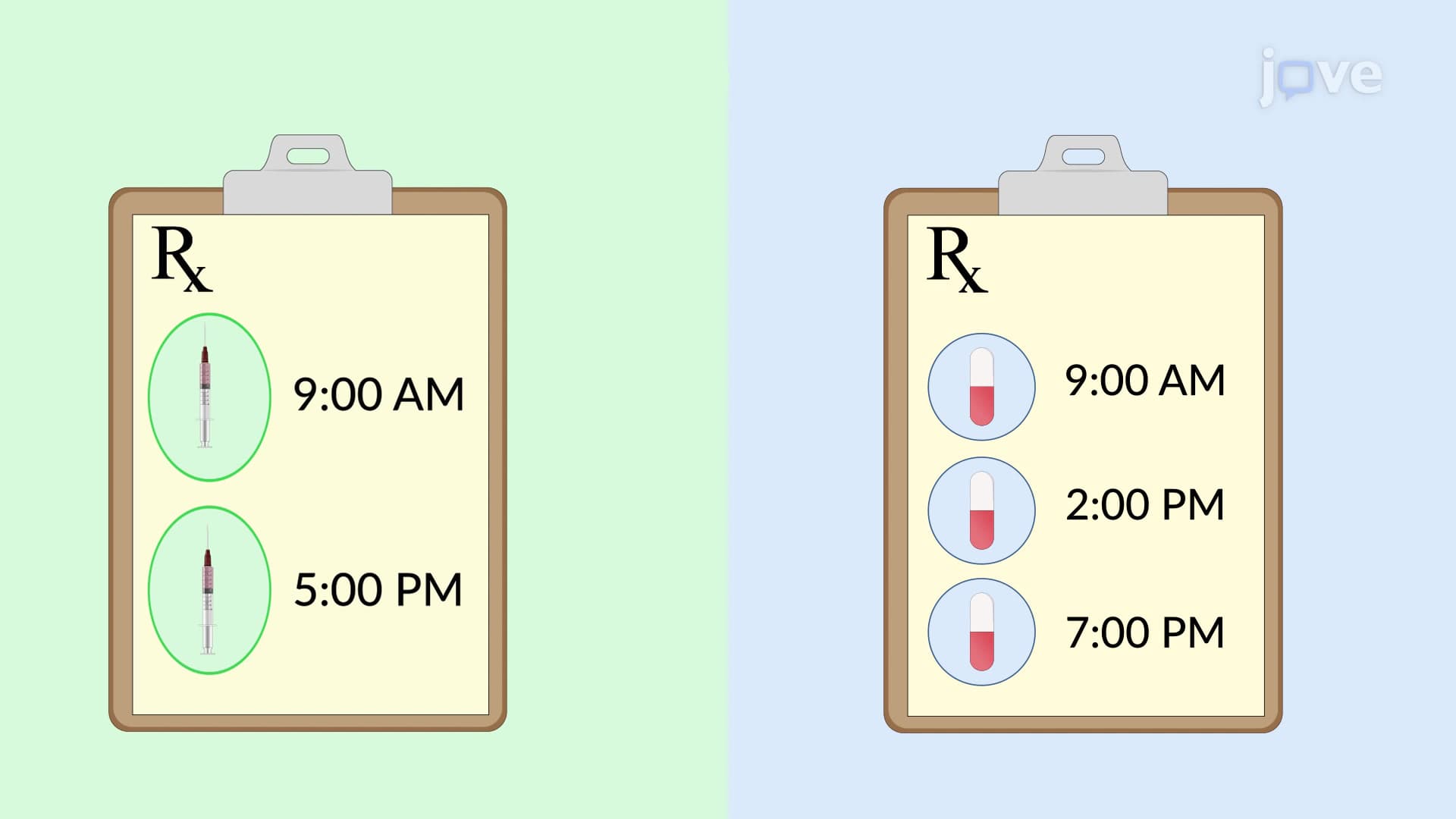
Drug biotransformation knowledge guides dosing strategies in clinical practice. Medications with extensive hepatic metabolism, like propranolol, require higher oral doses than intravenous administration due to first-pass effects. Understanding these principles helps explain why elderly patients often require dose adjustments, as hepatic biotransformation capacity typically decreases with age, affecting drug clearance and increasing toxicity risk.
Related Micro-courses