Loading subject page…

- Pharmacology
- Pharmacokinetics
- Drug Distribution: Tissue Binding
Micro-course: Pharmacokinetics
134,526 views
Learn key concepts and earn your certificate.

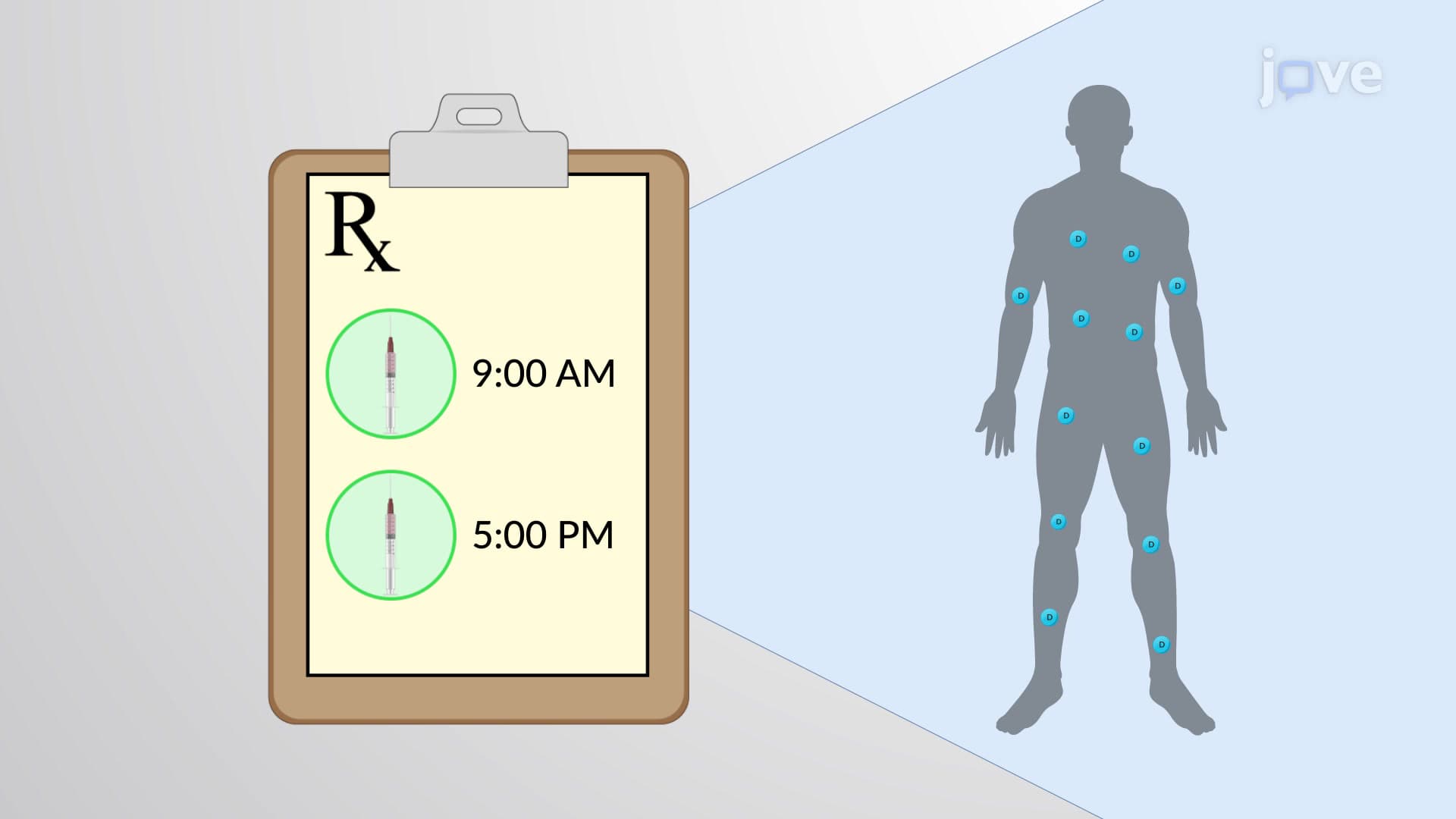
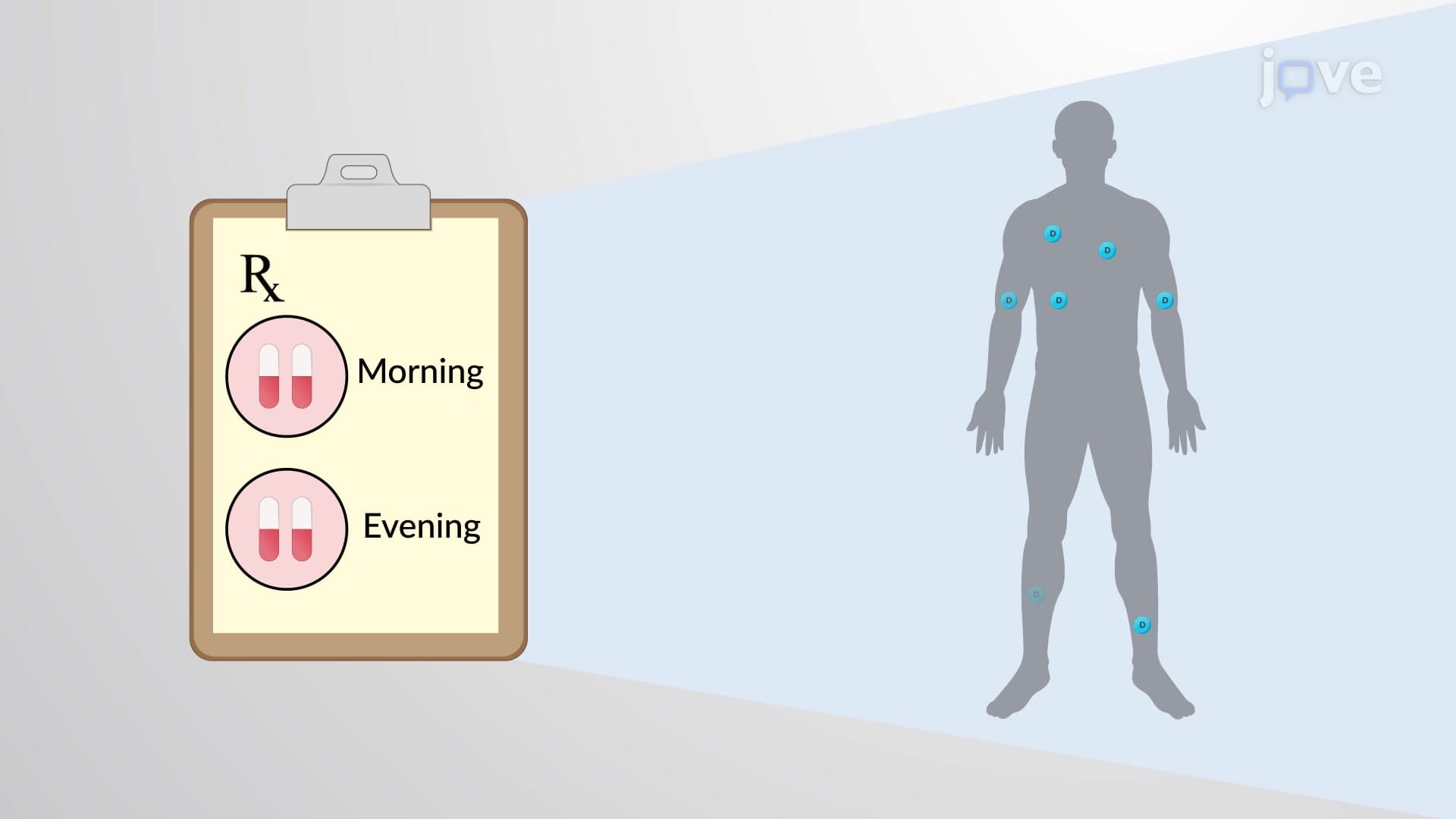
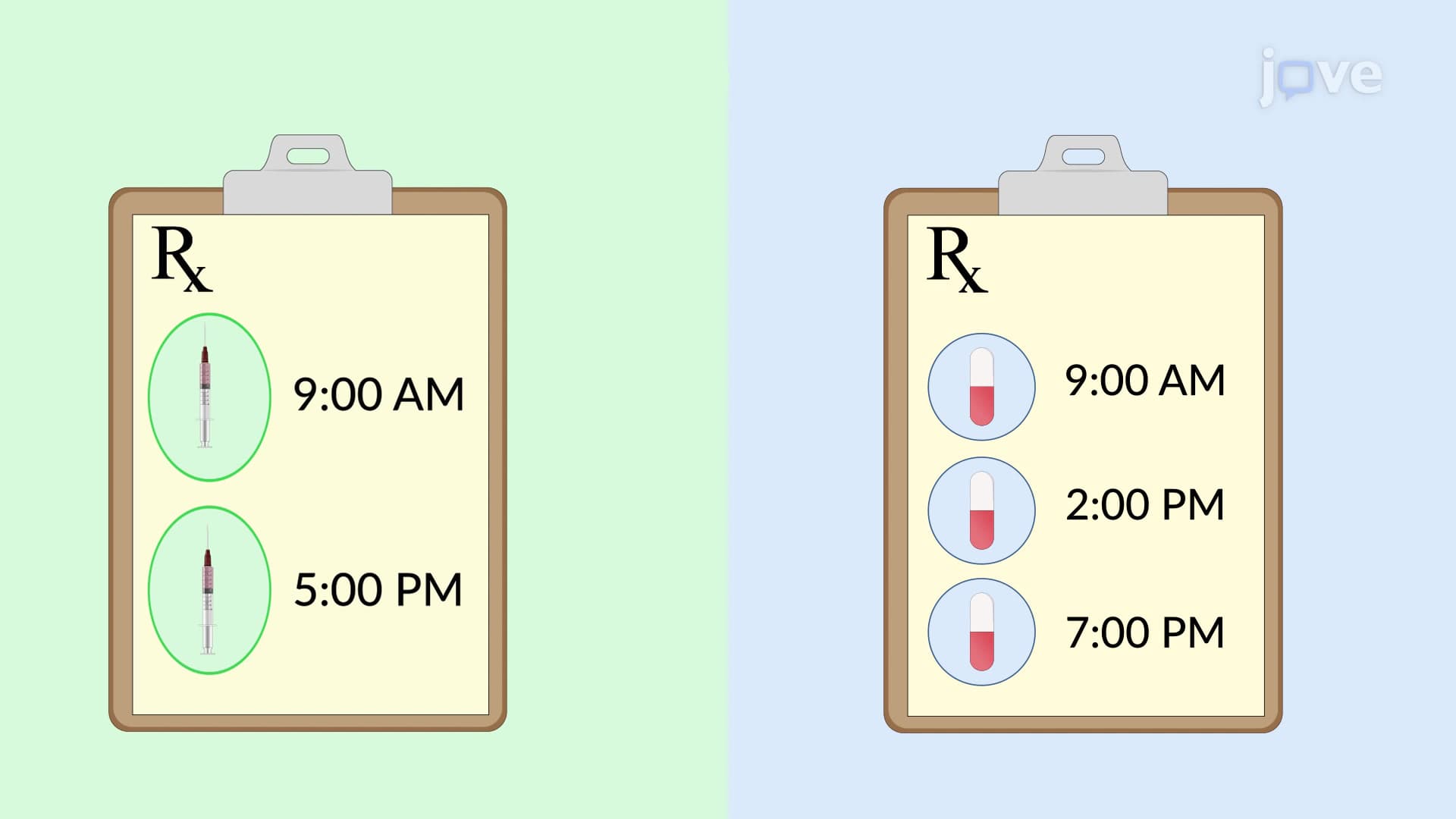
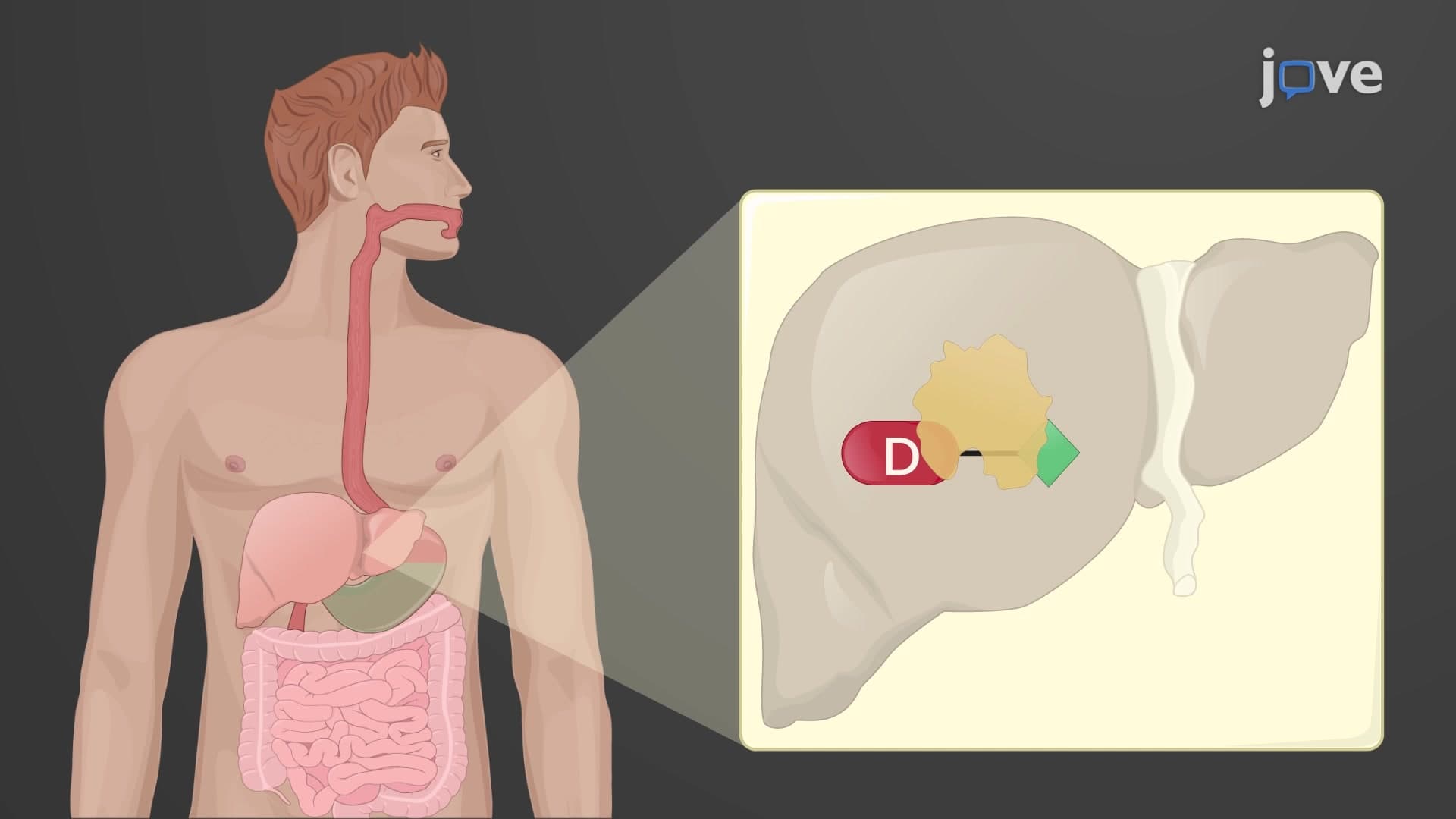
Drug Distribution: Tissue Binding


00:00
01:21
Video Summary: What Is Drug Distribution Tissue Binding
Ever wonder why some medications last hours while others affect your body for weeks? Drug distribution tissue binding explains this phenomenon, when drugs enter your bloodstream, they don't just float around freely but actually attach to various tissues throughout your body. For instance, osteoporosis medications like alendronate bind directly to bone tissue, creating long-lasting therapeutic effects. What is drug distribution tissue binding and how does it impact both beneficial treatments and potential toxicity? Watch the full video on JoVE Coach to master this concept with expert-led visuals and step-by-step explanations.
- Understand what is drug distribution tissue binding and how it creates drug reservoirs throughout the body
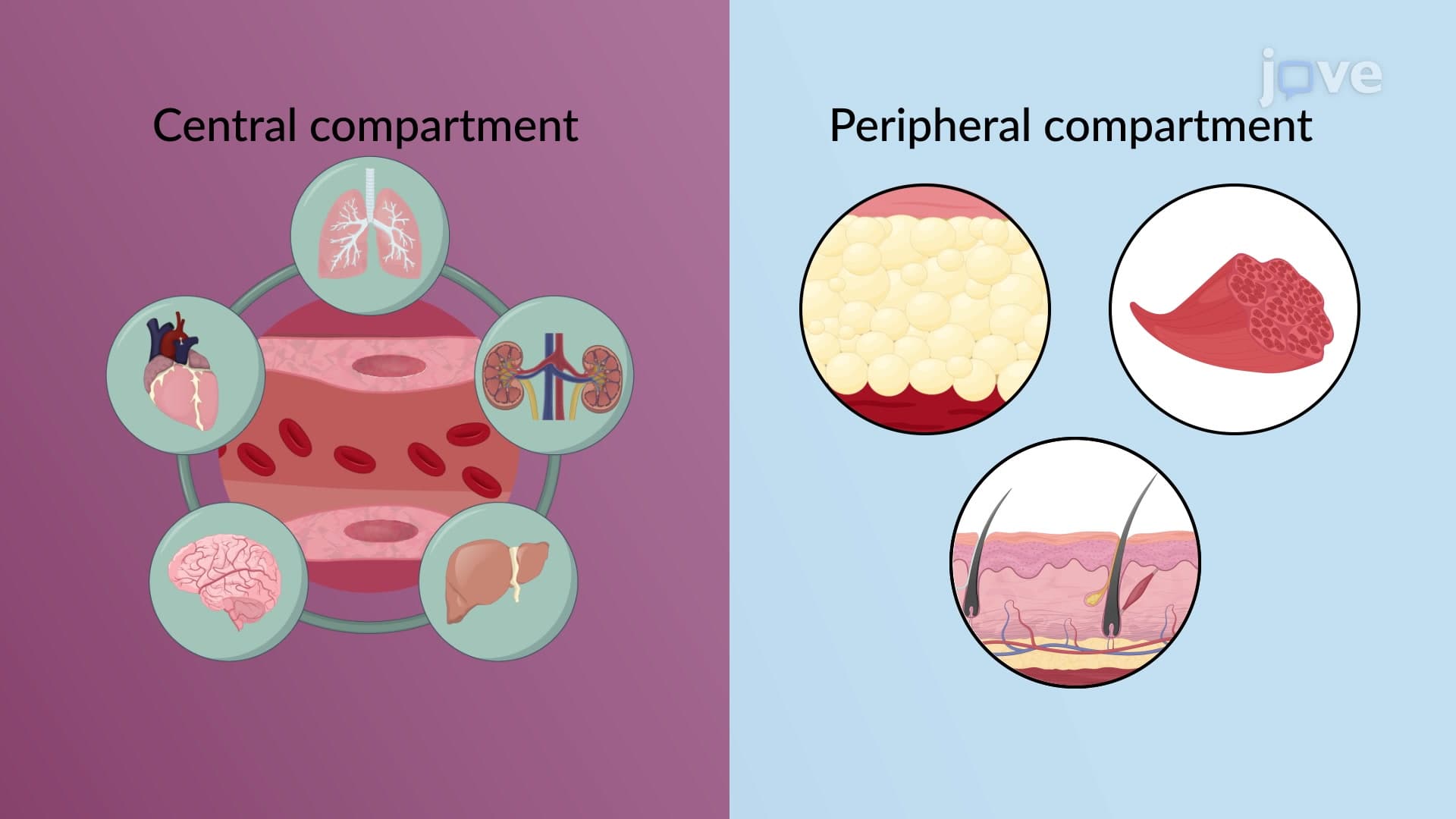
- Identify the three main fluid compartments where drugs distribute: systemic circulation, interstitial fluid, and intracellular fluid
- Analyze how lipophilic drugs bind to adipose tissue and create prolonged drug action due to poor tissue perfusion
- Compare therapeutic tissue binding (like alendronate in bones) versus toxic accumulation (like cyclophosphamide metabolites in kidneys)
- Evaluate the dual nature of tissue binding as both beneficial for sustained drug release and potentially harmful for toxicity
- Apply knowledge of drug distribution principles to predict medication duration and side effects
- Recognize how poorly perfused tissues like fat and bone serve as stable drug storage sites
- Explore the relationship between drug chemical properties and their tissue binding patterns
Understanding Drug Distribution Tissue Binding Fundamentals
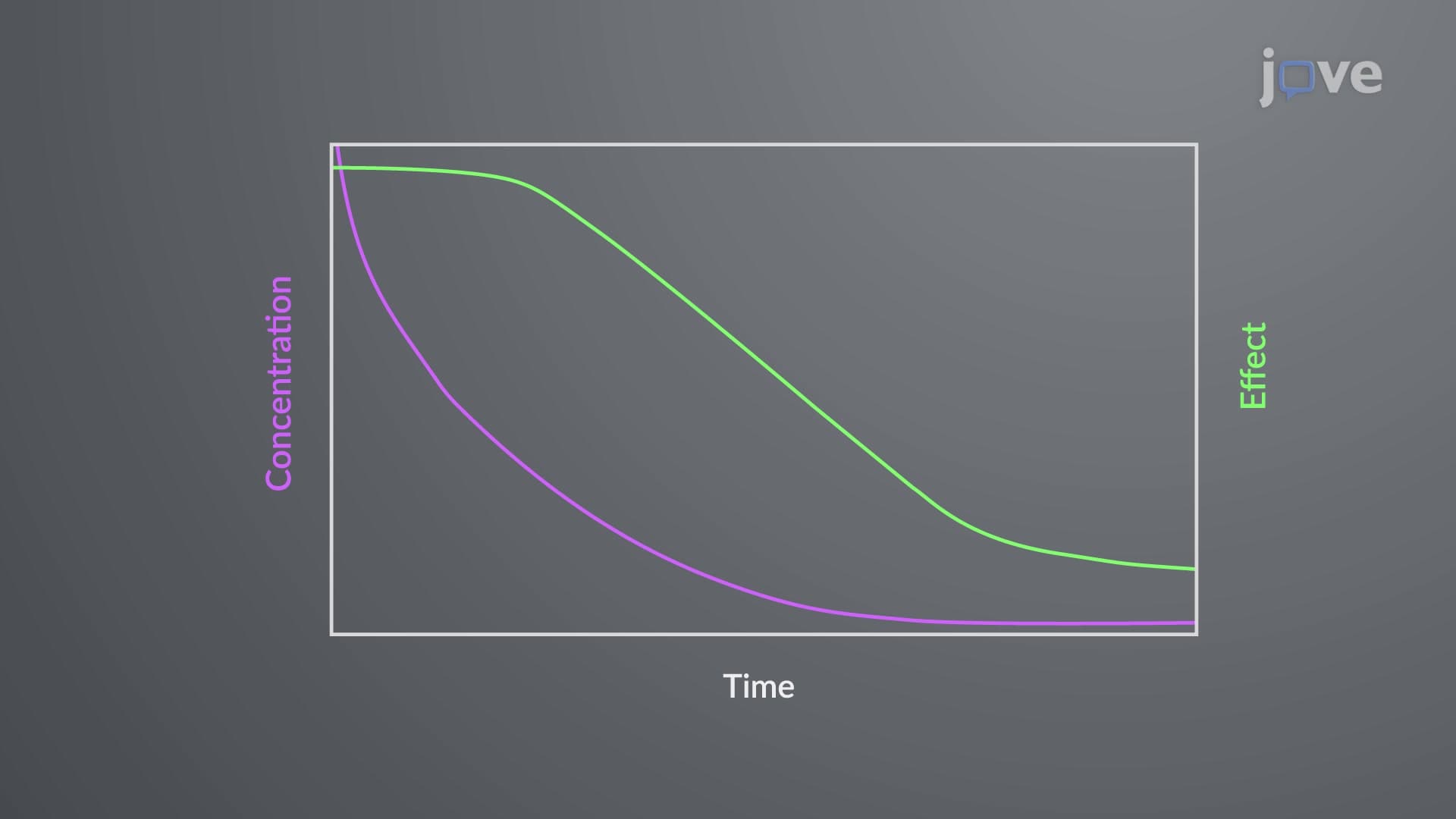
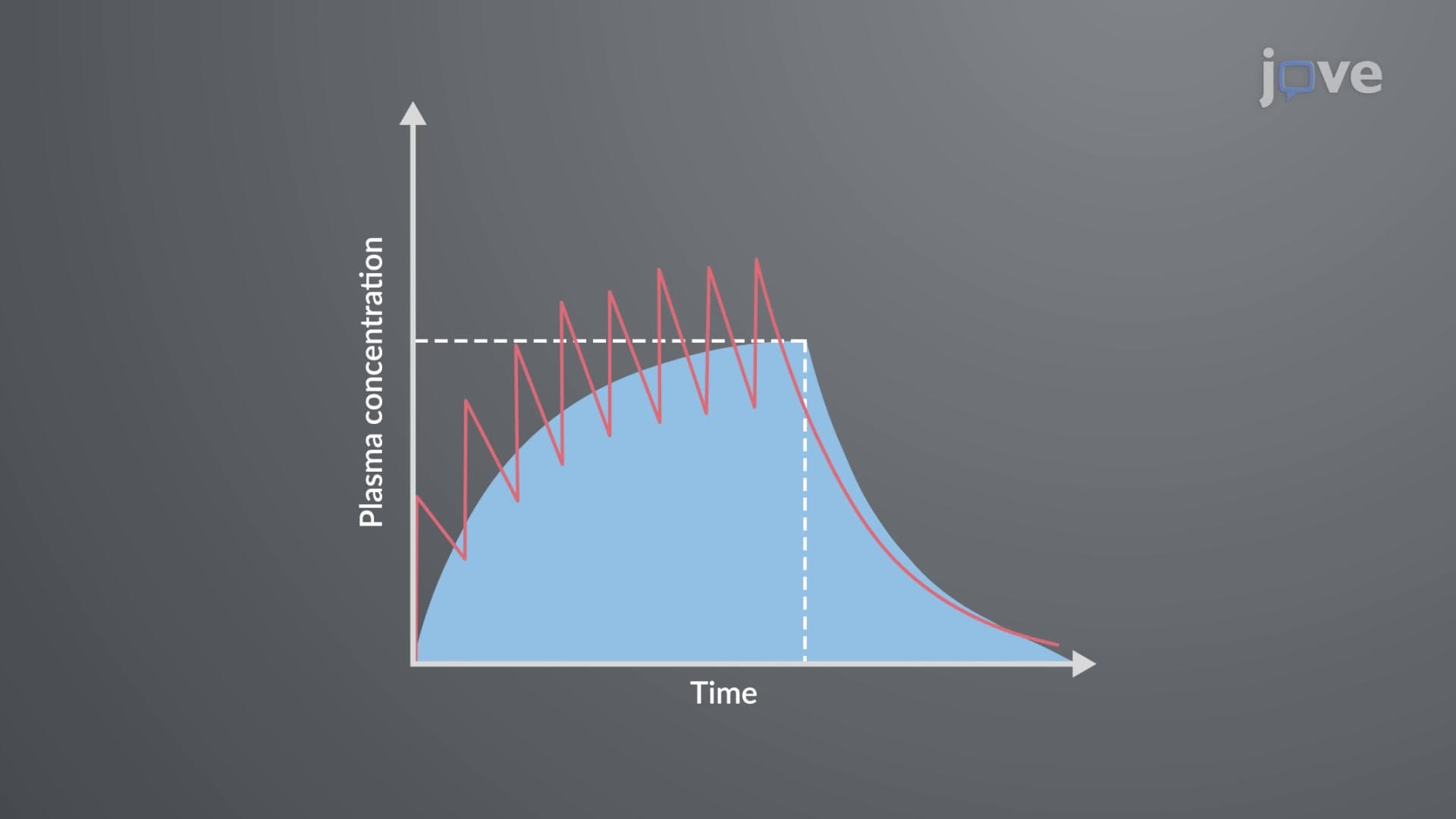
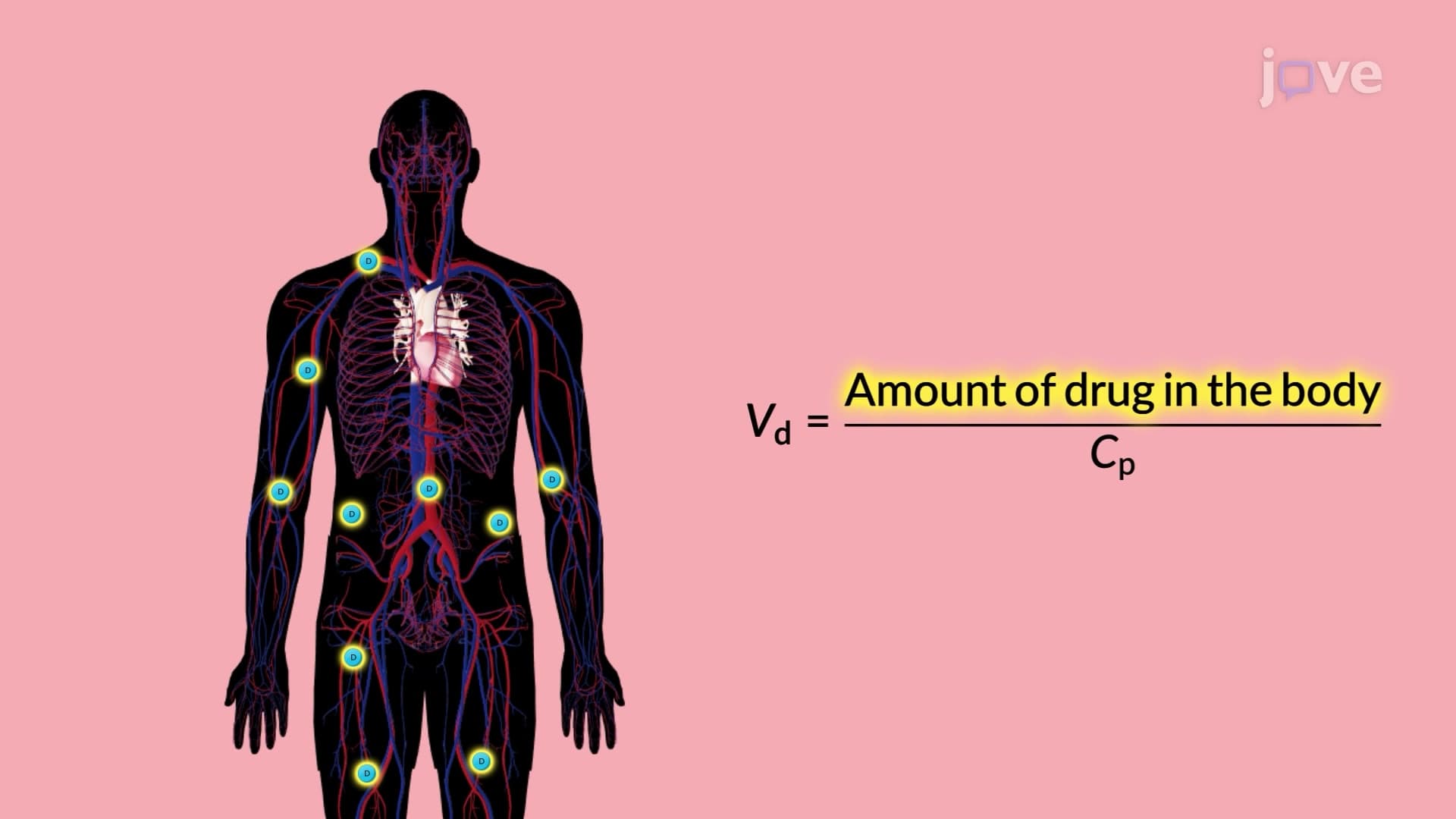
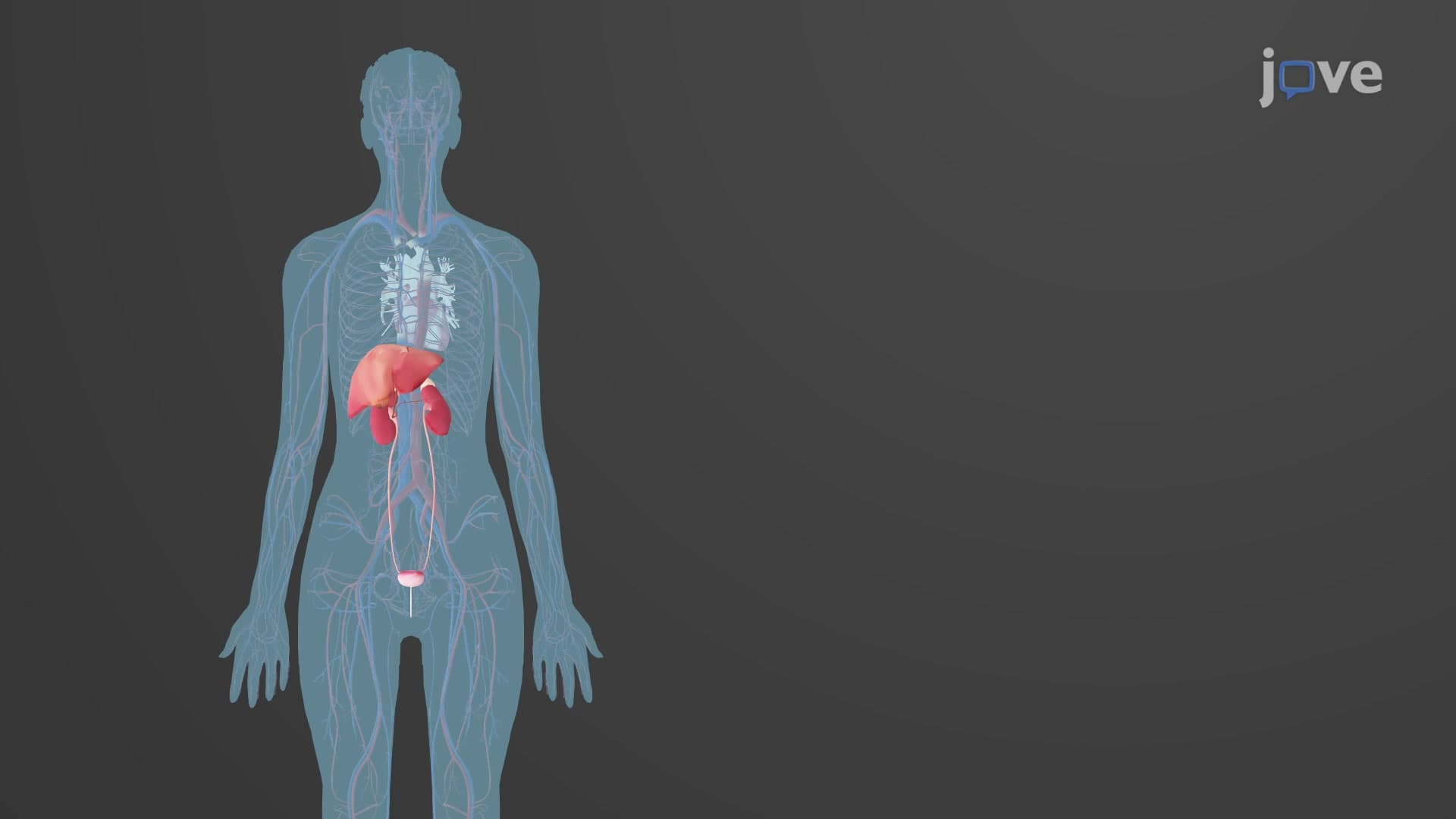
Drug distribution tissue binding represents a critical pharmacokinetic process where medications, after entering the bloodstream, migrate into various body tissues and bind to cellular components. This process transforms tissues into drug reservoirs that slowly release active compounds back into circulation, significantly impacting both therapeutic effectiveness and potential toxicity.
When students encounter this concept in AP Biology, college pharmacology courses, or pre-med studies, they must grasp that drug distribution isn't simply about getting medication to target organs. Instead, it's a complex interplay between drug chemistry, tissue characteristics, and physiological factors that determines how long drugs remain active in the body.
The Three-Compartment Distribution Model
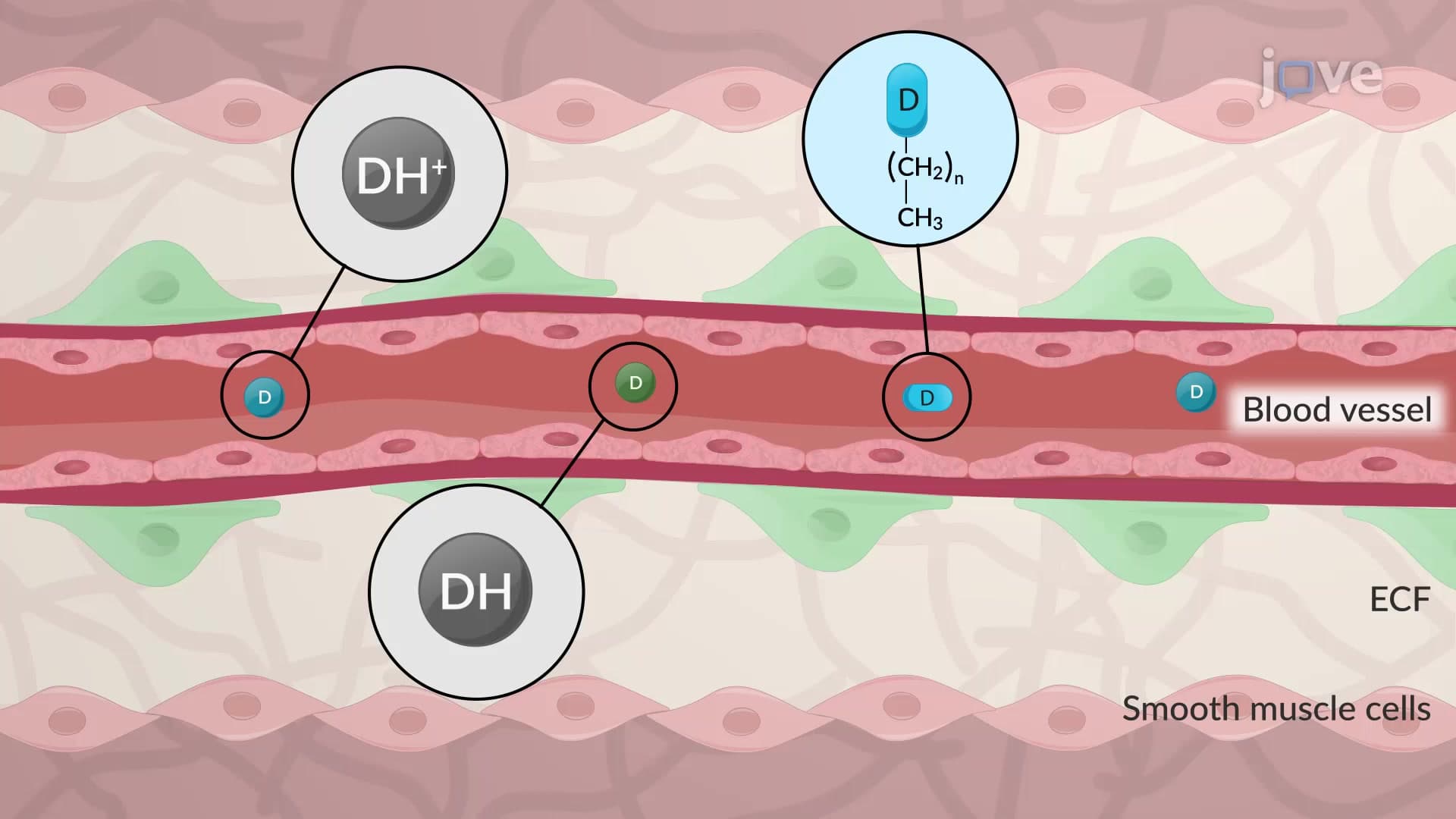
Drug distribution tissue binding occurs across three distinct fluid compartments. First, drugs enter systemic circulation through the cardiovascular system. From there, they move into interstitial fluid, the space between cells, where initial tissue contact occurs. Finally, drugs penetrate intracellular fluid, binding to various cellular components including proteins, nucleic acids, and organelles.
This sequential distribution pattern appears frequently on MCAT passages and college pharmacology exams. Students should understand that each compartment presents different binding opportunities and barriers, with factors like molecular size, charge, and lipophilicity determining distribution success.
Lipophilic Drug Storage in Adipose Tissue
Lipophilic (fat-loving) drugs demonstrate particularly interesting tissue binding behavior. These compounds readily accumulate in adipose tissue, which serves as a massive drug reservoir due to its poor blood perfusion. Consider anesthetics like propofol used in US hospitals, their fat solubility allows rapid brain penetration for anesthesia induction, but also creates prolonged storage in body fat.
This concept frequently appears in nursing school exams (NCLEX, HESI A2) where students must predict drug duration based on patient body composition. Obese patients may experience extended drug effects due to increased adipose storage capacity.
Clinical Examples: Therapeutic vs. Toxic Binding
Drug distribution tissue binding produces both beneficial and harmful outcomes. Therapeutically, osteoporosis medications like alendronate bind specifically to bone hydroxyapatite crystals, creating targeted, long-lasting treatment effects. This selective binding explains why patients take these medications weekly rather than daily.
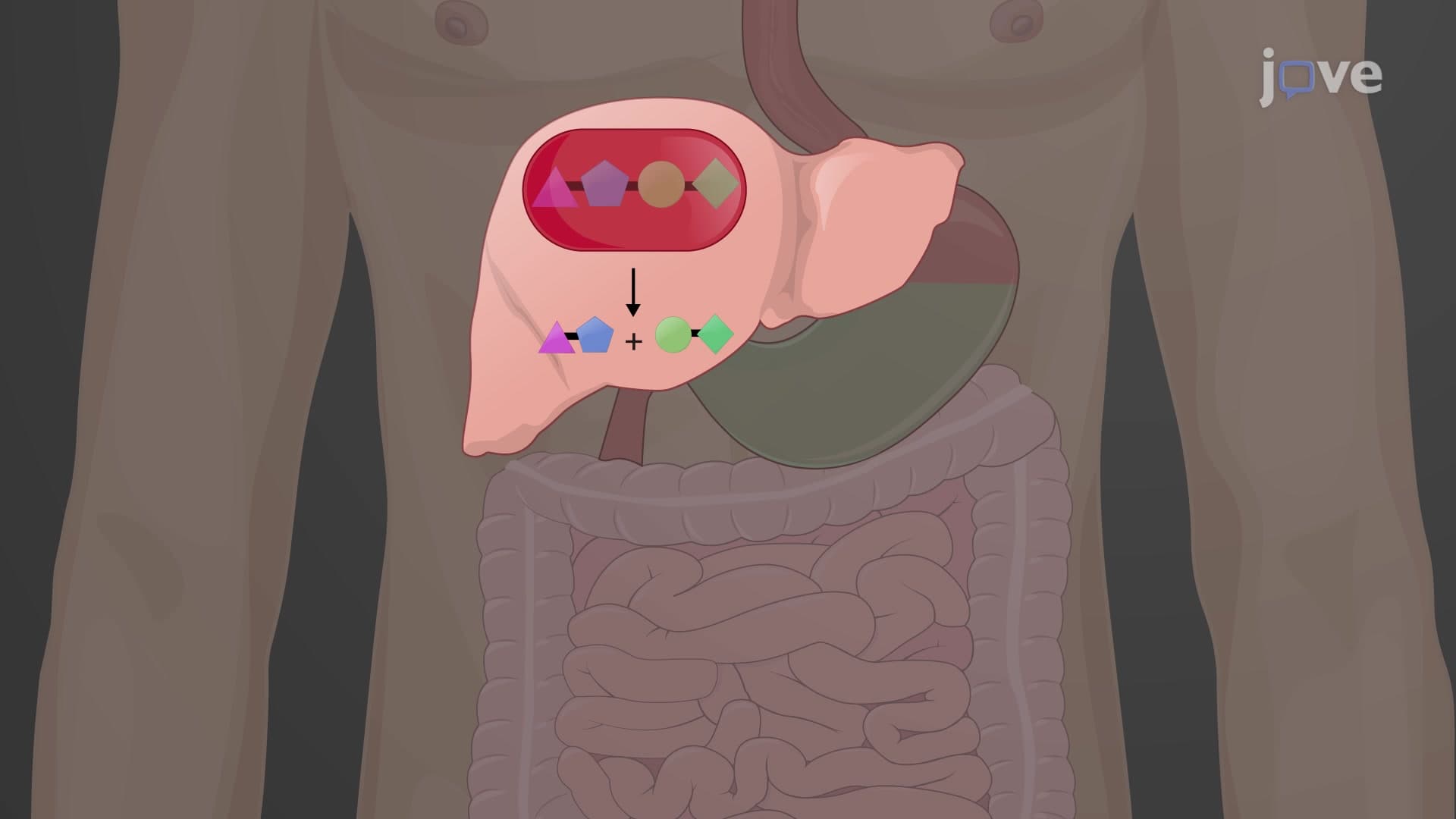
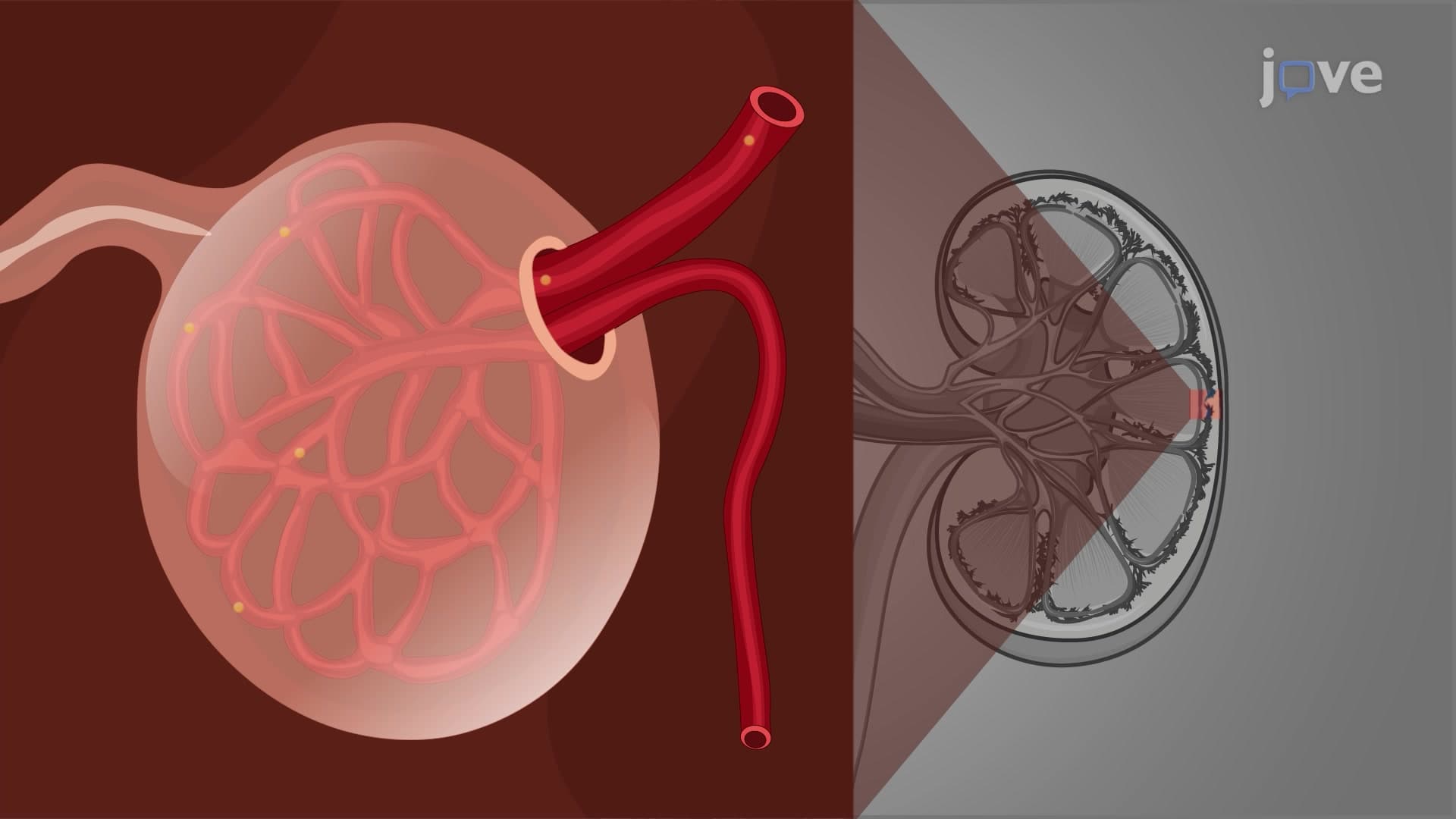
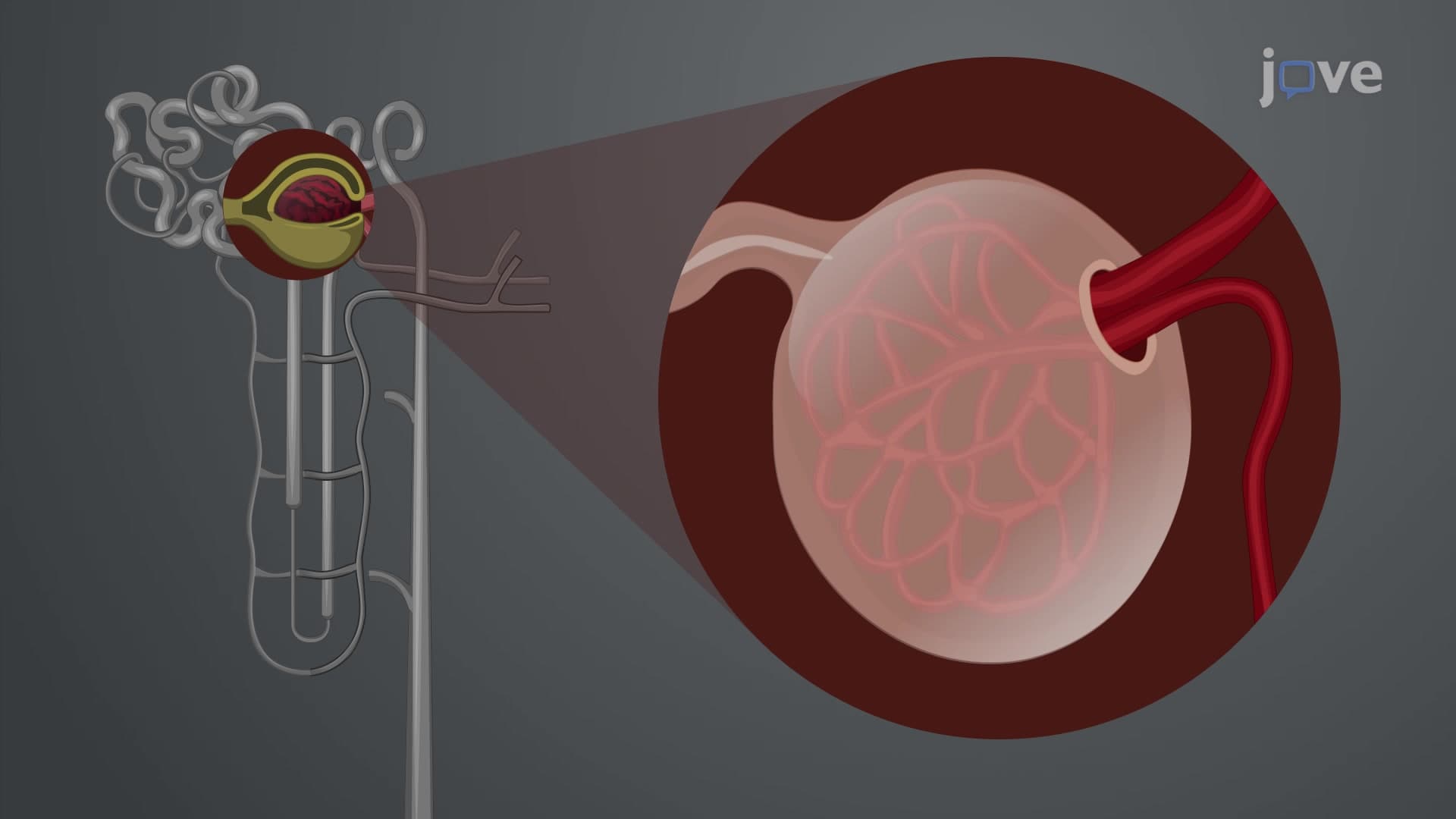
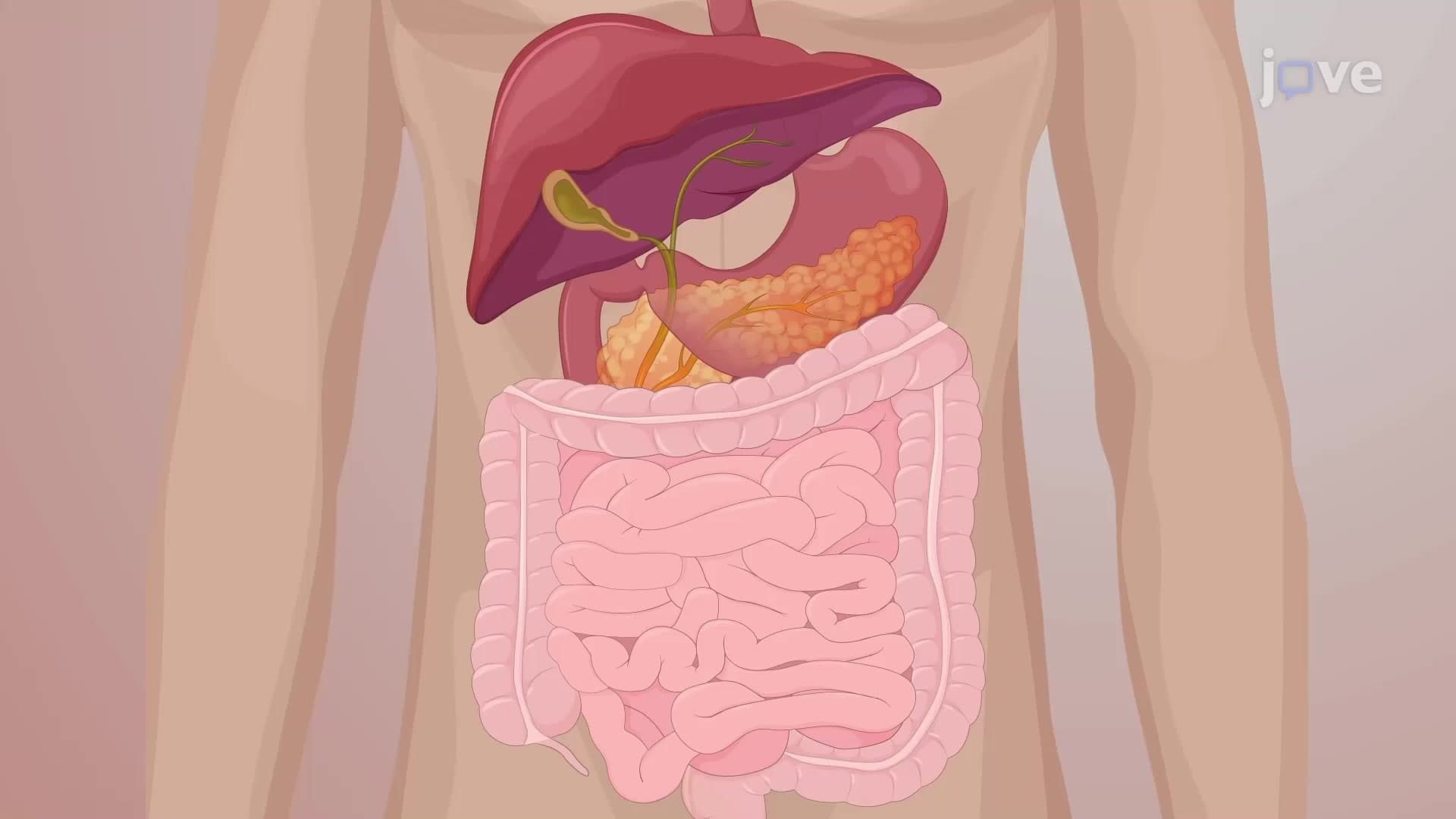
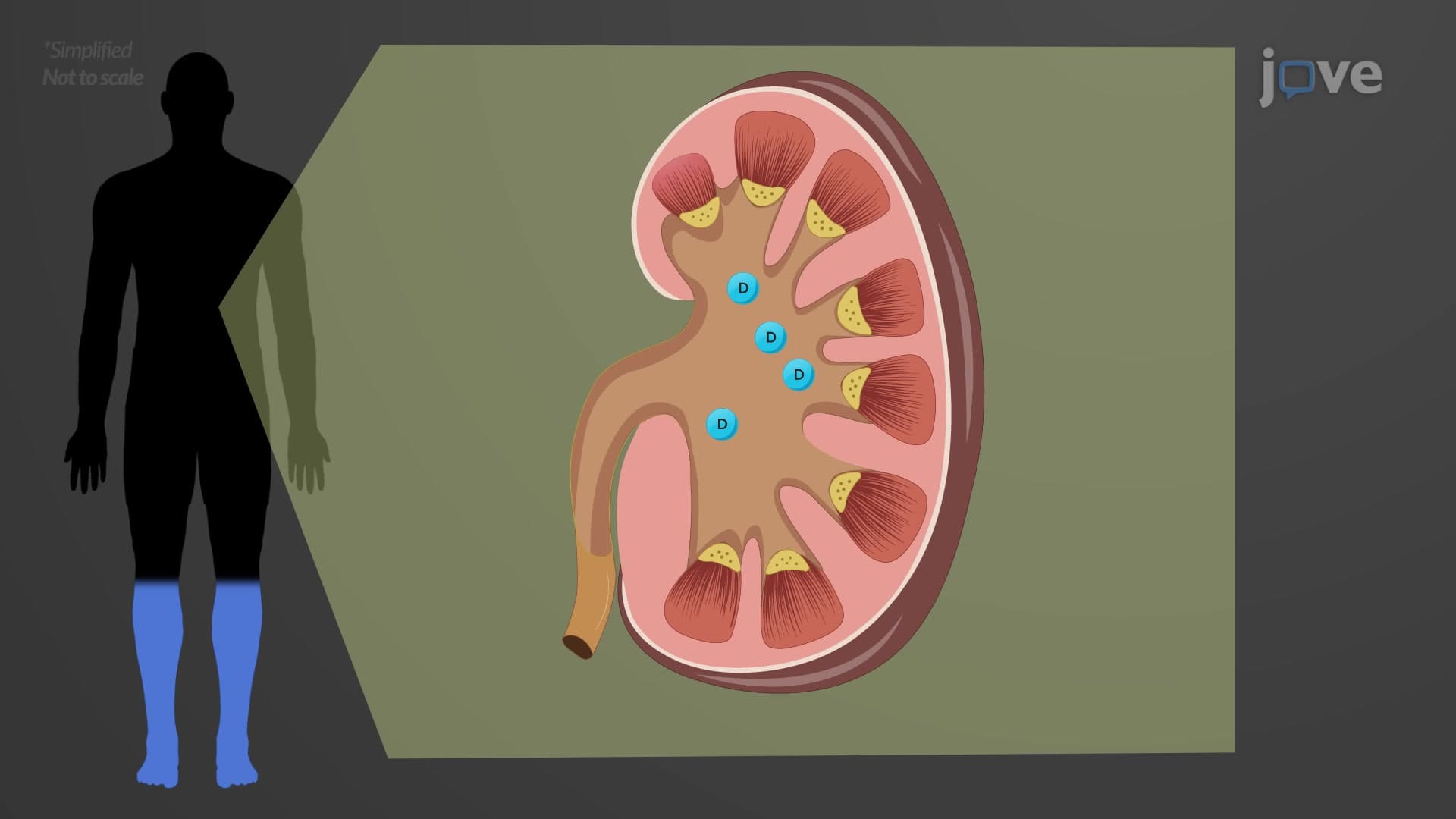
Conversely, toxic accumulation occurs when drugs or their metabolites bind inappropriately. Cyclophosphamide, a chemotherapy agent used in US cancer centers, produces acrolein metabolites that accumulate in kidney tissues, causing nephrotoxicity. Similarly, toxic metals like lead demonstrate dangerous bone binding patterns, slowly releasing into circulation and causing chronic poisoning.
Understanding these examples helps students excel on pharmacology exams and appreciate real-world medication management challenges in clinical practice.
Frequently Asked Questions
Drug distribution tissue binding occurs when medications attach to various tissues throughout your body after entering the bloodstream, creating storage sites that slowly release the drug back into circulation. This process explains why some medications have long-lasting effects even after you stop taking them. It's like having multiple medicine cabinets throughout your body that gradually dispense medication over time.
MCAT passages often present scenarios asking you to predict drug duration based on tissue binding properties, while AP Biology questions focus on the relationship between molecular structure and distribution patterns. You'll encounter questions about lipophilic drugs accumulating in fat tissue or how protein binding affects drug availability. Practice identifying factors that influence tissue distribution like molecular size, charge, and solubility.
Therapeutic binding occurs when drugs intentionally accumulate in target tissues to enhance treatment effectiveness, like osteoporosis medications binding to bone. Toxic binding happens when drugs or their metabolites accumulate inappropriately, causing harm like kidney damage from certain chemotherapy agents. The key difference lies in whether the accumulation helps or harms the patient's health.
NCLEX and nursing program exams focus heavily on this topic because understanding tissue binding helps predict patient responses to medications. Nurses must recognize that obese patients may experience prolonged drug effects due to fat storage, elderly patients may have altered distribution due to body composition changes, and certain medications require monitoring for tissue-specific toxicity. This knowledge directly impacts patient safety and care quality.
In American hospitals and clinics, healthcare providers use tissue binding principles daily when dosing anesthetics for surgery, monitoring chemotherapy patients for organ toxicity, and adjusting medication schedules for patients with different body compositions. Emergency departments consider tissue binding when treating overdoses, knowing that fat-stored drugs may cause delayed or prolonged effects even after initial treatment.
Not at all, this concept builds naturally on basic chemistry and biology knowledge you already possess. If you understand how oil and water don't mix, you can grasp why fat-loving drugs accumulate in adipose tissue. The key is focusing on the underlying principles rather than memorizing complex details, making it accessible for students planning healthcare careers.
Create concept maps linking drug properties (like fat solubility) to tissue types (like adipose tissue) and resulting effects (like prolonged action). Use real examples like anesthetics or osteoporosis medications to make concepts concrete. Practice predicting drug behavior based on chemical structure and patient characteristics, as this analytical approach appears frequently on standardized exams.
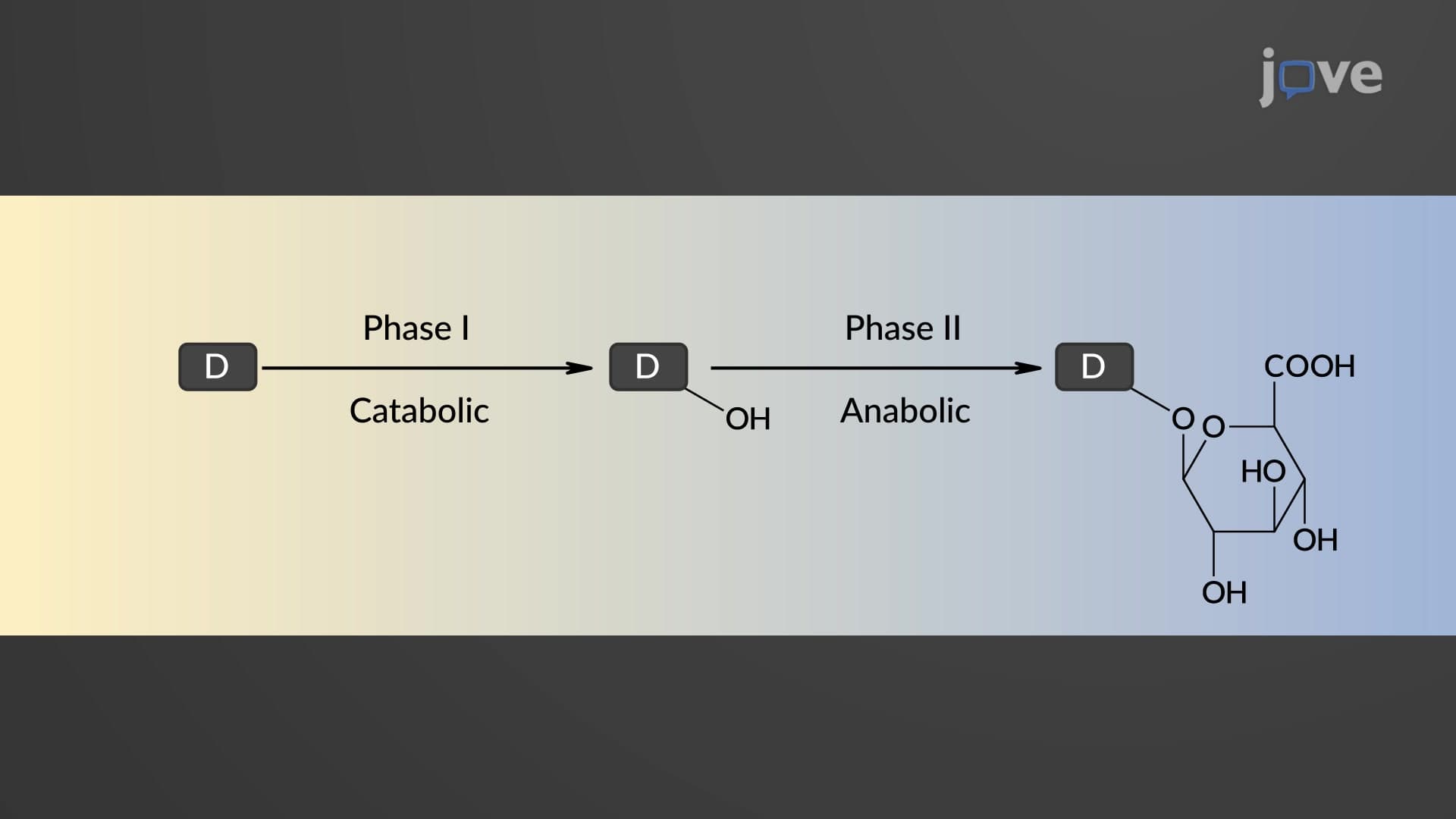
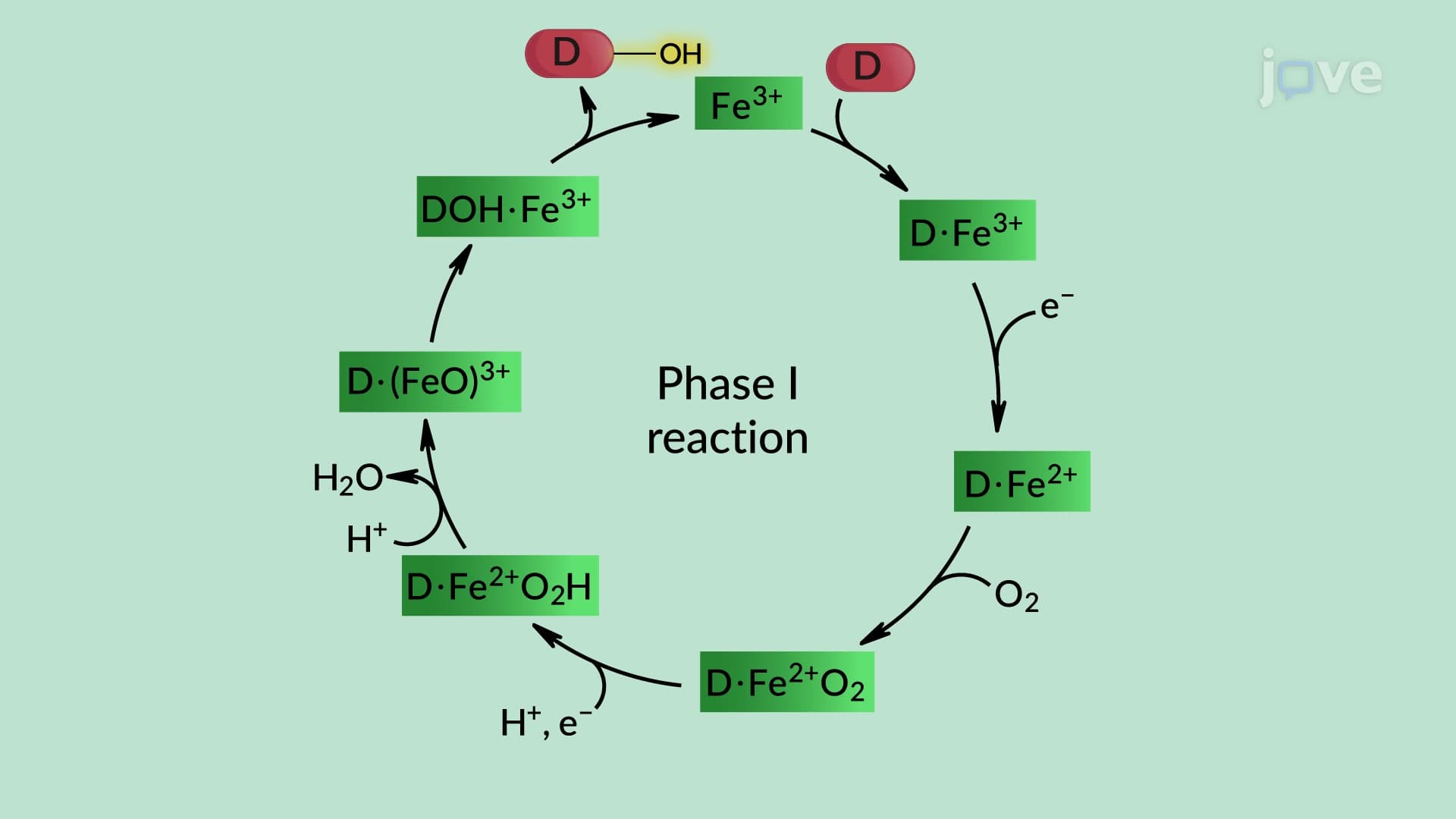
Build on this foundation by exploring drug metabolism and elimination processes, which determine how the body processes drugs after tissue distribution. Study pharmacokinetic modeling to understand how scientists predict drug behavior, and investigate drug-drug interactions that can alter tissue binding patterns. These advanced topics frequently appear in upper-level college courses and professional school curricula.
Related Micro-courses
19 Concepts

