Loading subject page…


134,554 views

Video Summary: What Is Drug Dosage Regimen
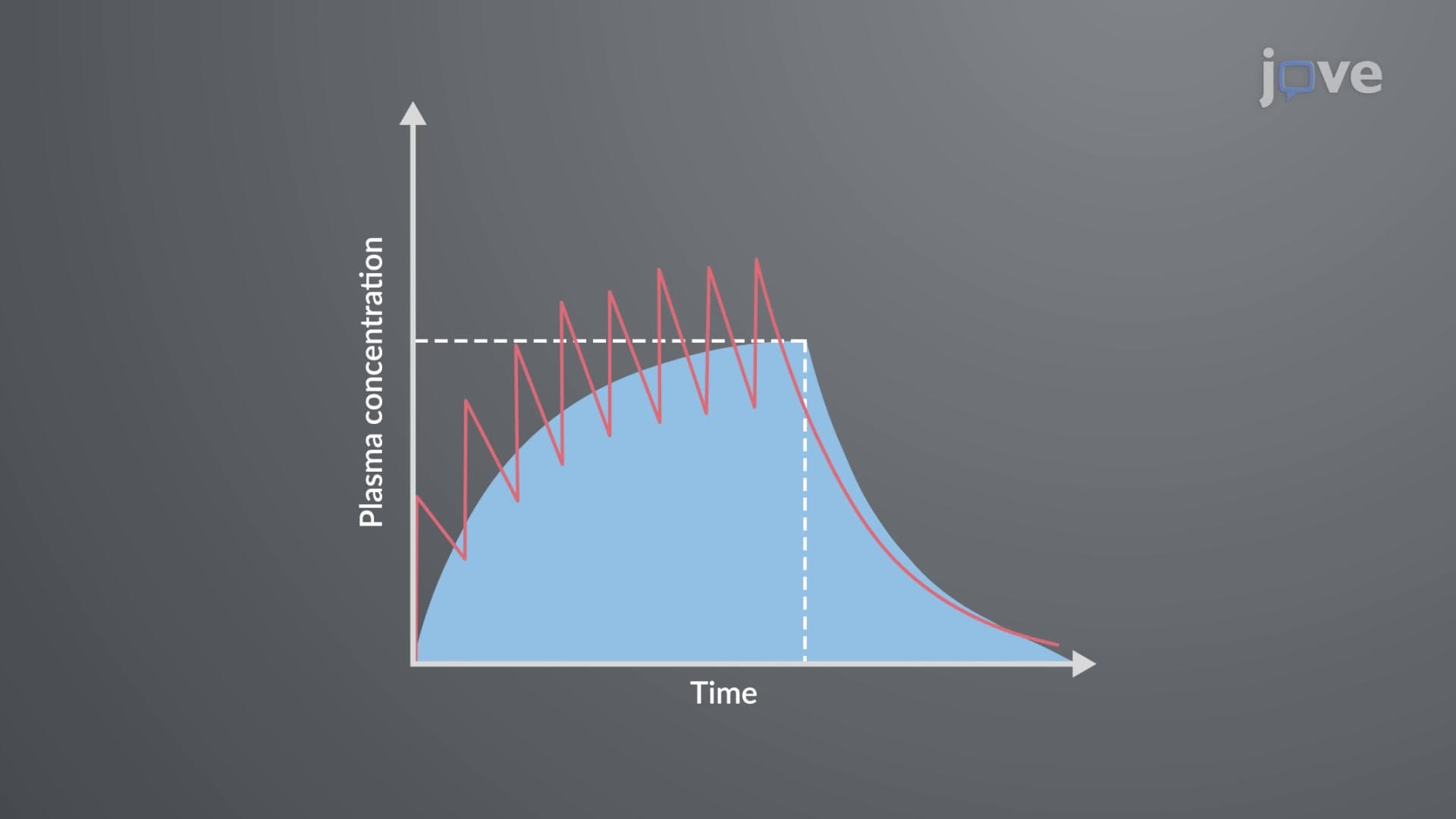
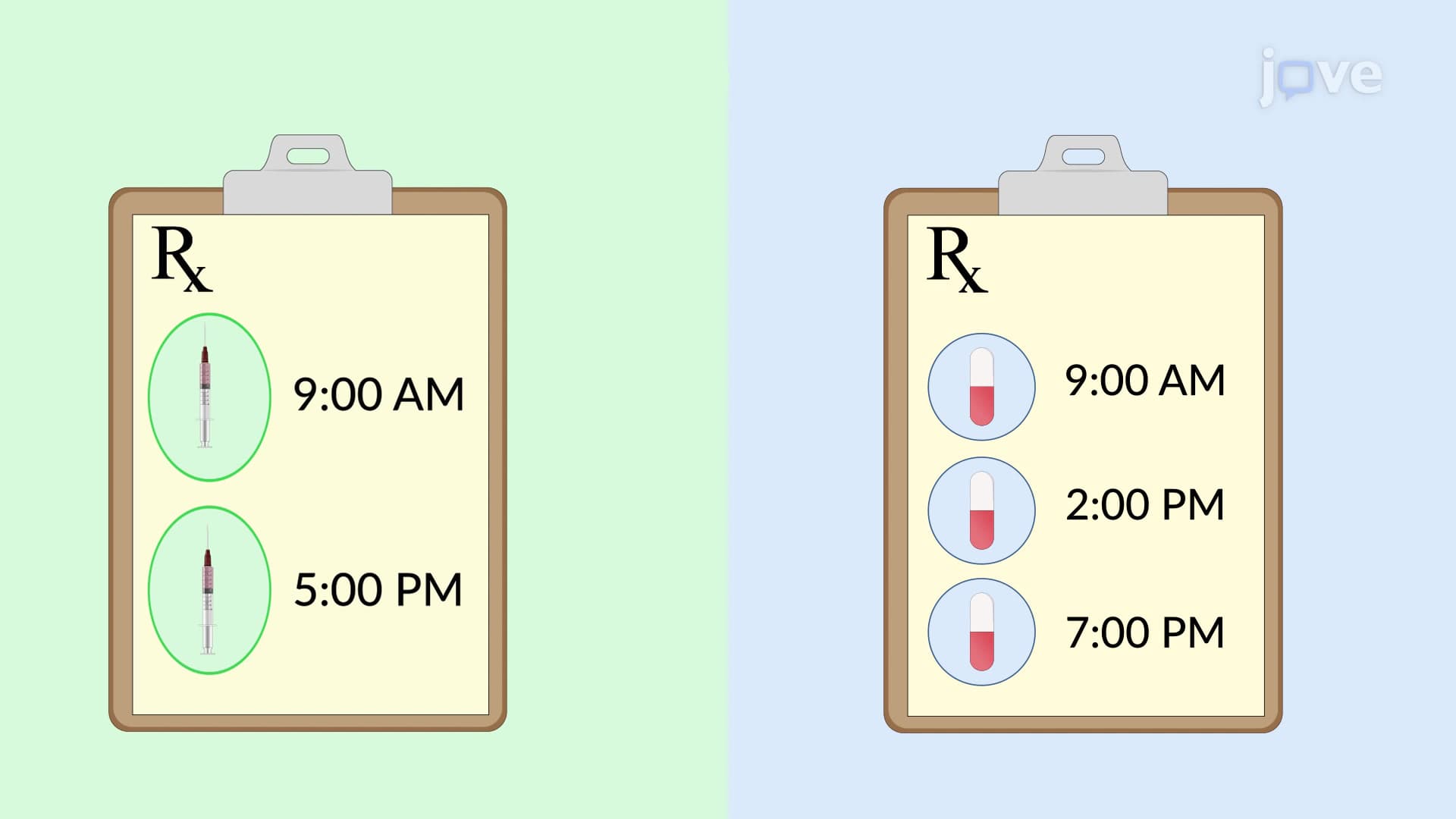
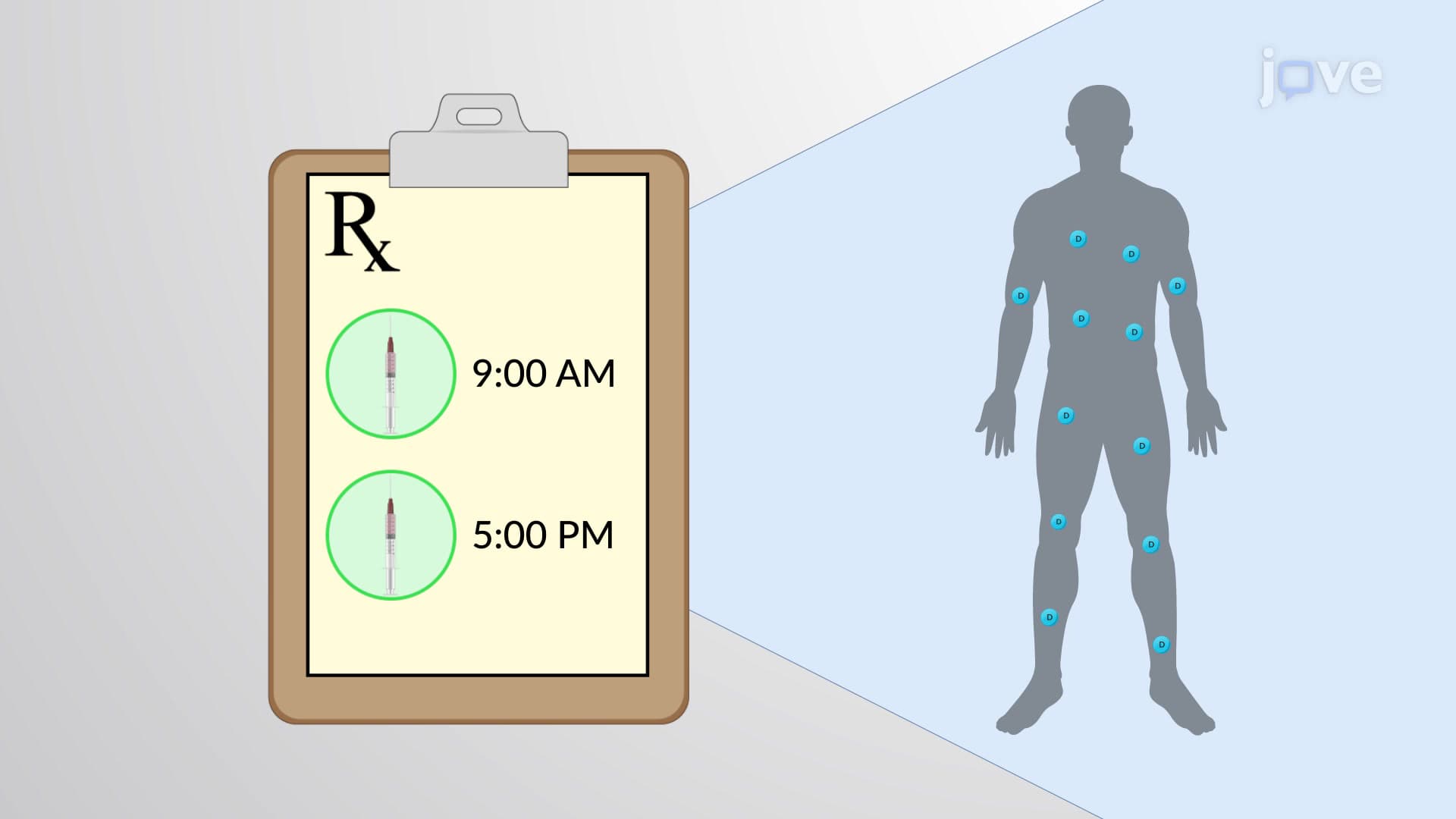
Ever wondered why your doctor prescribes specific pill amounts at exact times? A drug dosage regimen is the carefully calculated plan that determines how much medication you take, when you take it, and how it enters your body. Consider acetaminophen (Tylenol) - taking 500mg every 6 hours maintains therapeutic blood levels while avoiding liver toxicity. This precise scheduling ensures maximum healing with minimal side effects. Watch the full video on JoVE Coach to master this concept with expert-led visuals and step-by-step explanations.
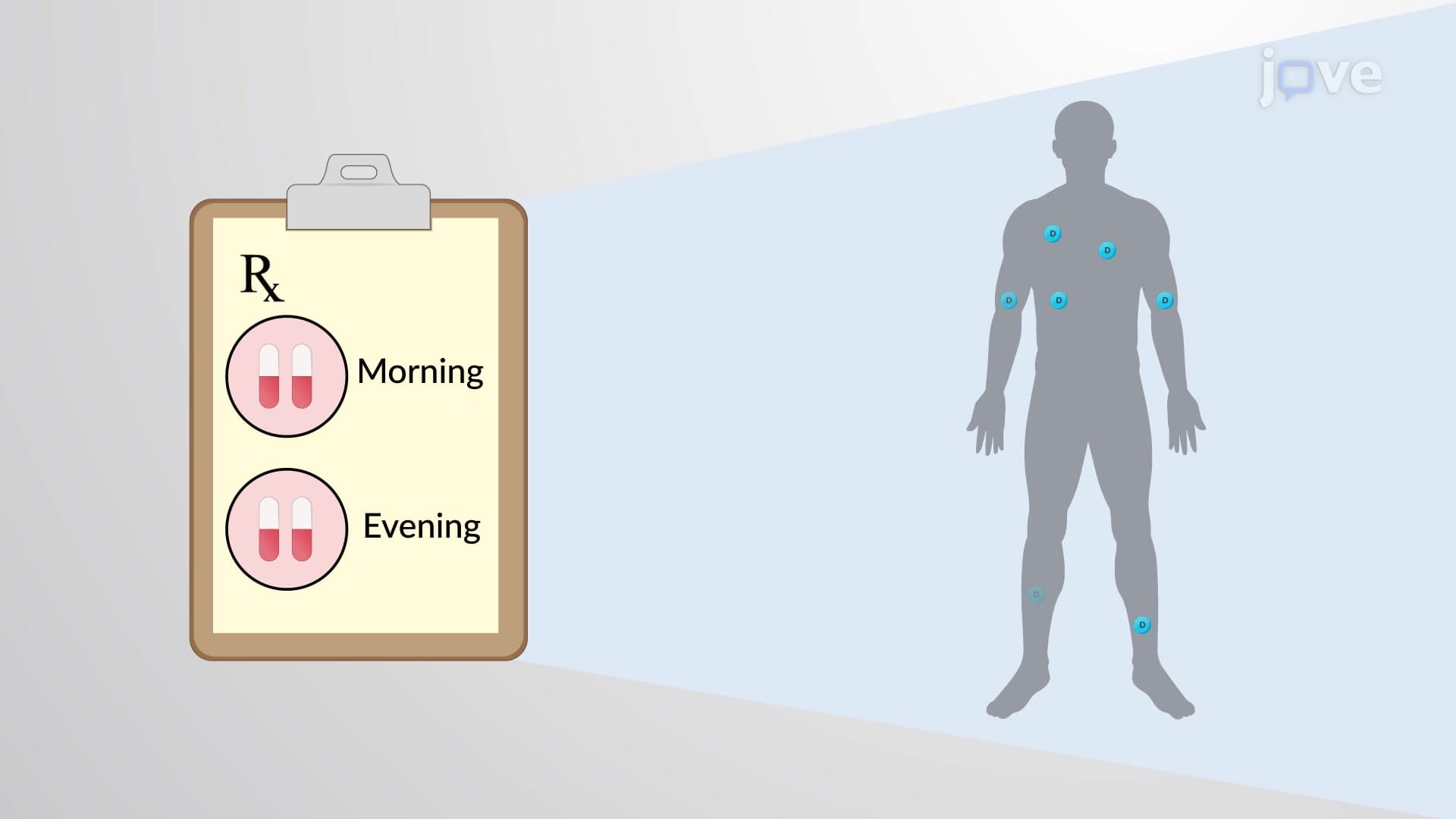
A drug dosage regimen represents the systematic approach healthcare providers use to determine the optimal amount, timing, and method of medication delivery. This scientific framework ensures patients receive maximum therapeutic benefit while minimizing the risk of adverse effects or toxicity.
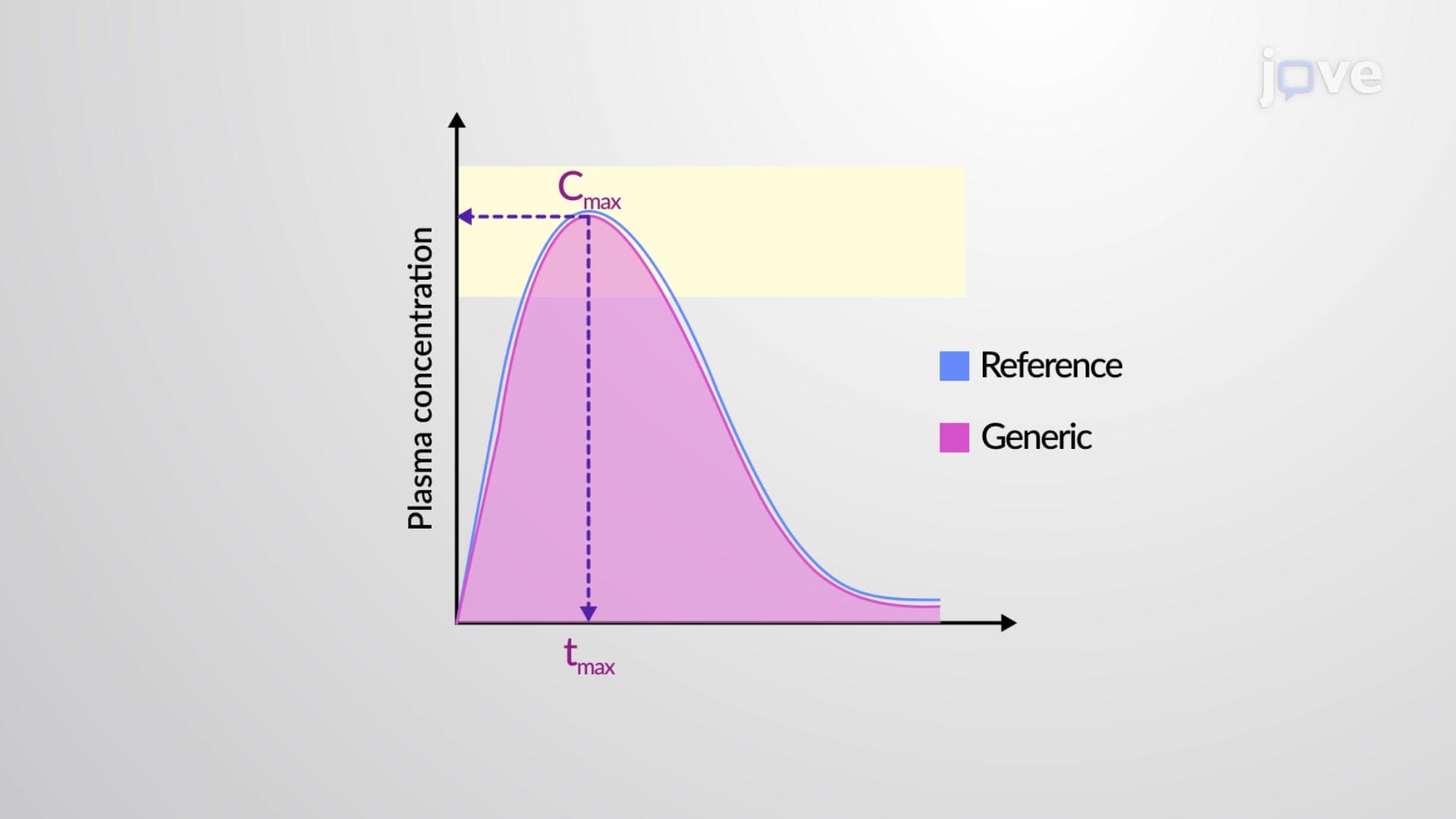
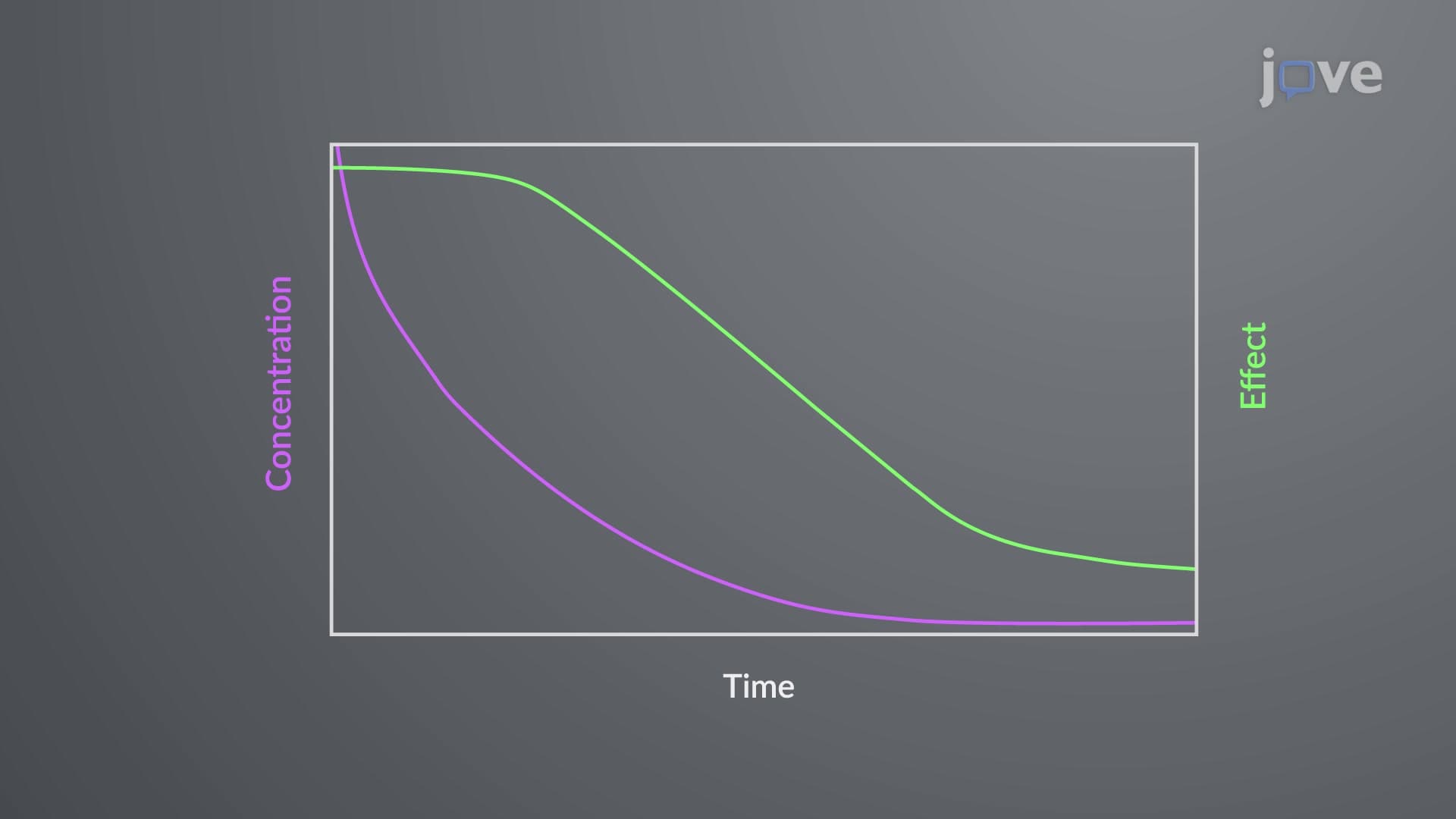
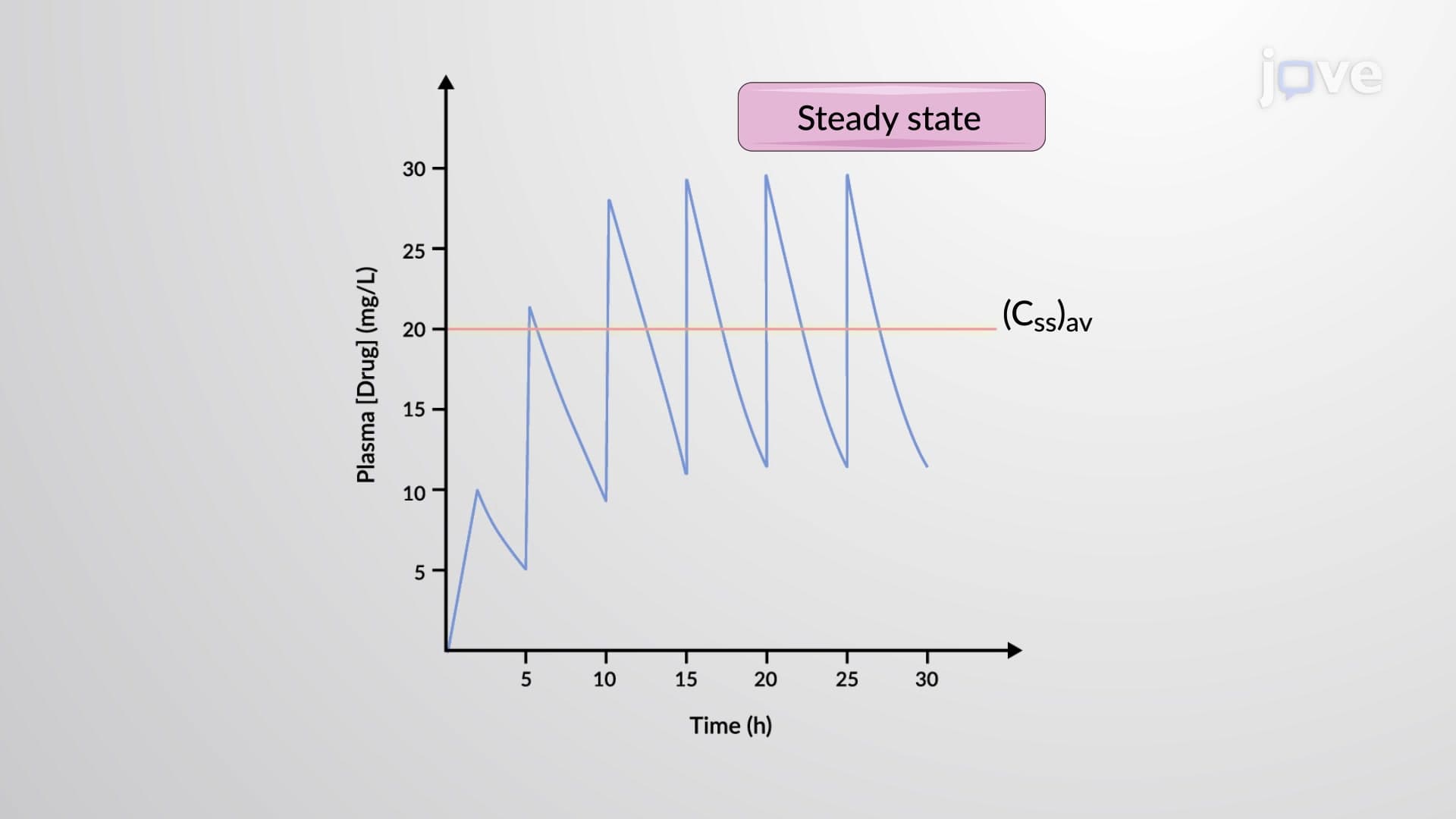
The foundation of any effective regimen lies in establishing a therapeutic window - the range of drug concentrations in blood plasma where the medication works effectively without causing harm. For instance, warfarin, a common blood thinner prescribed to millions of Americans, requires precise dosing because too little increases stroke risk while too much causes dangerous bleeding.
Healthcare providers consider multiple interconnected factors when designing regimens. The dose amount determines how much active drug enters the system, while frequency controls how often concentrations are replenished. Route of administration significantly impacts bioavailability - the percentage of drug that reaches systemic circulation.
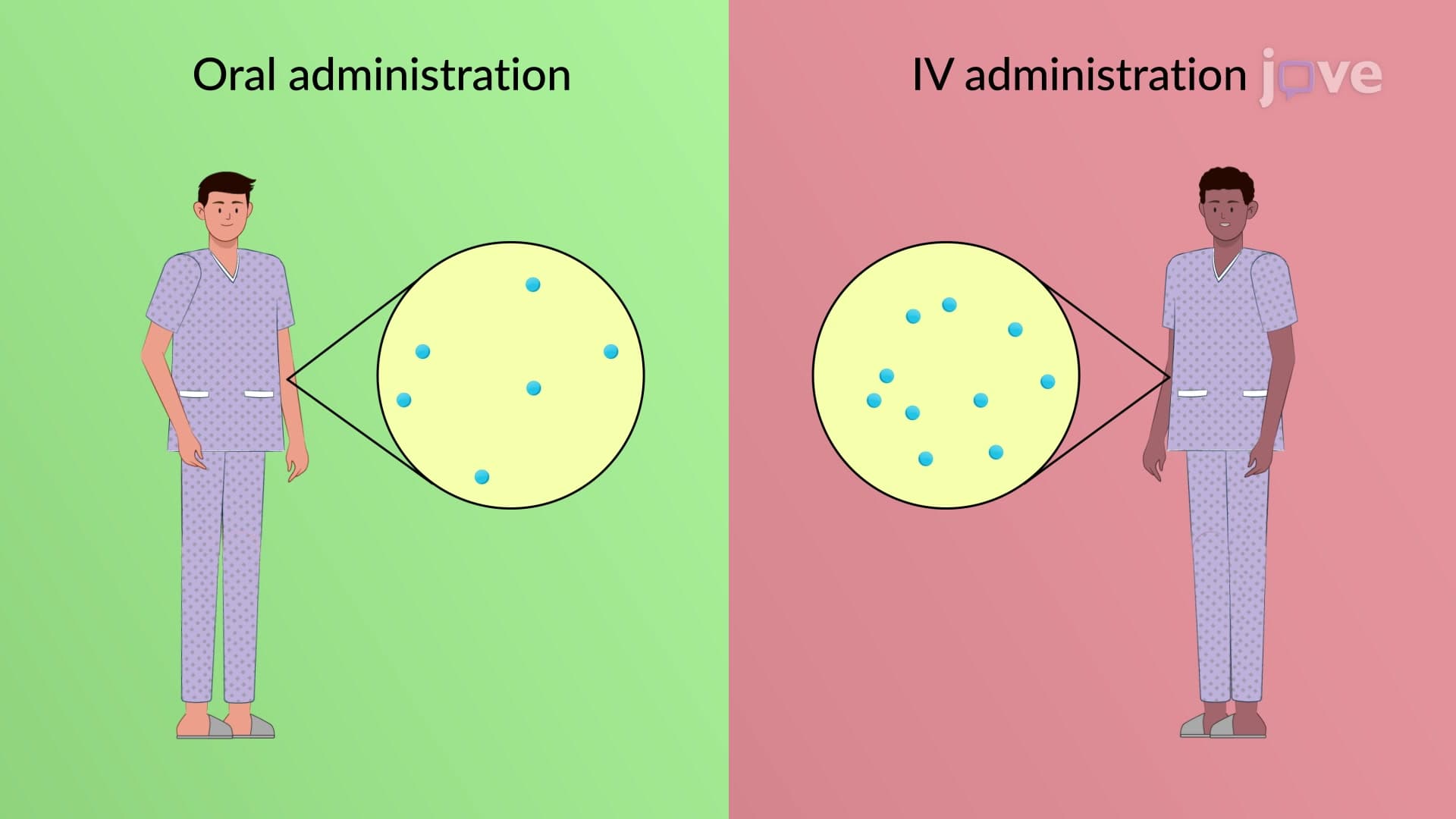
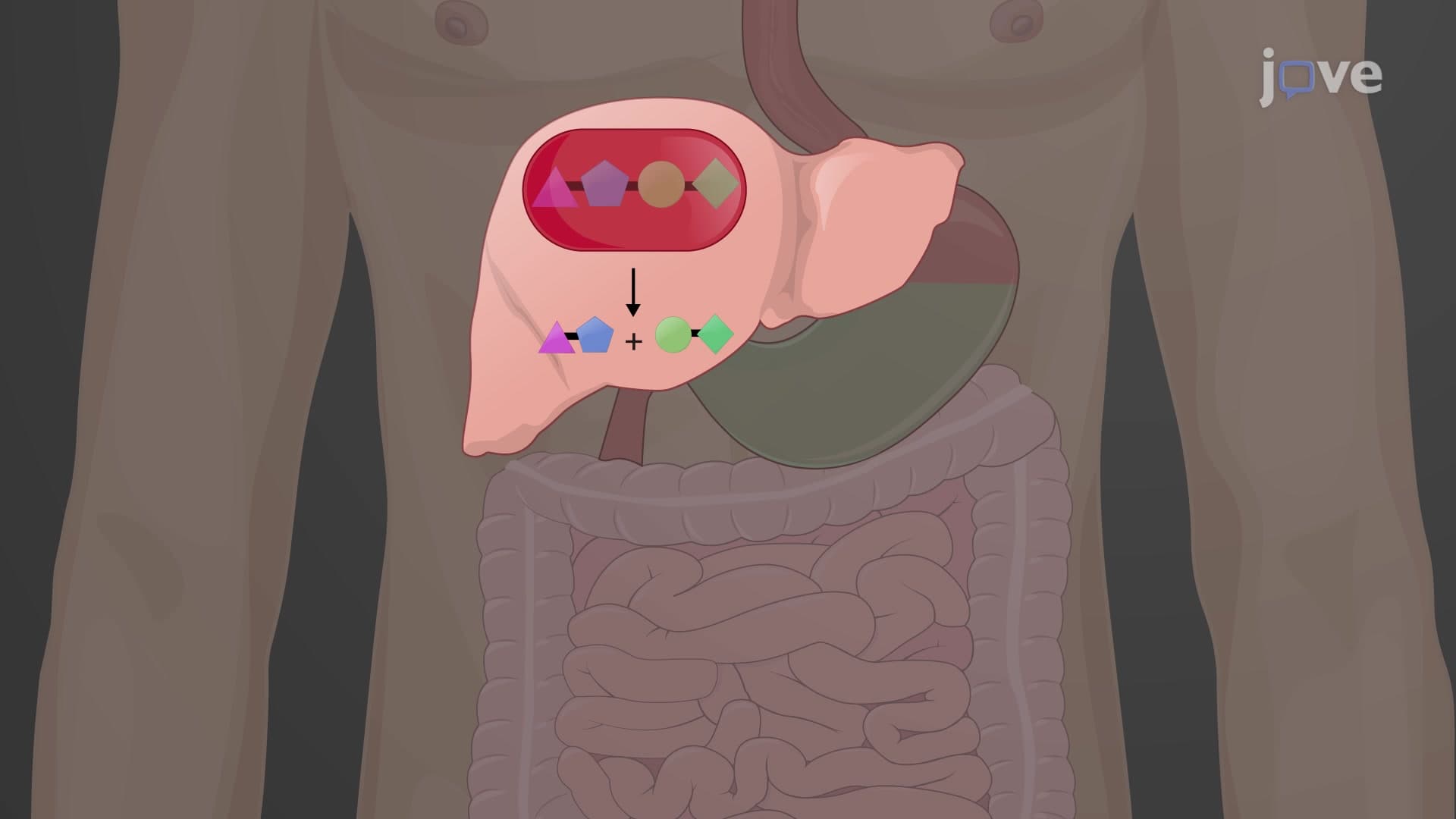
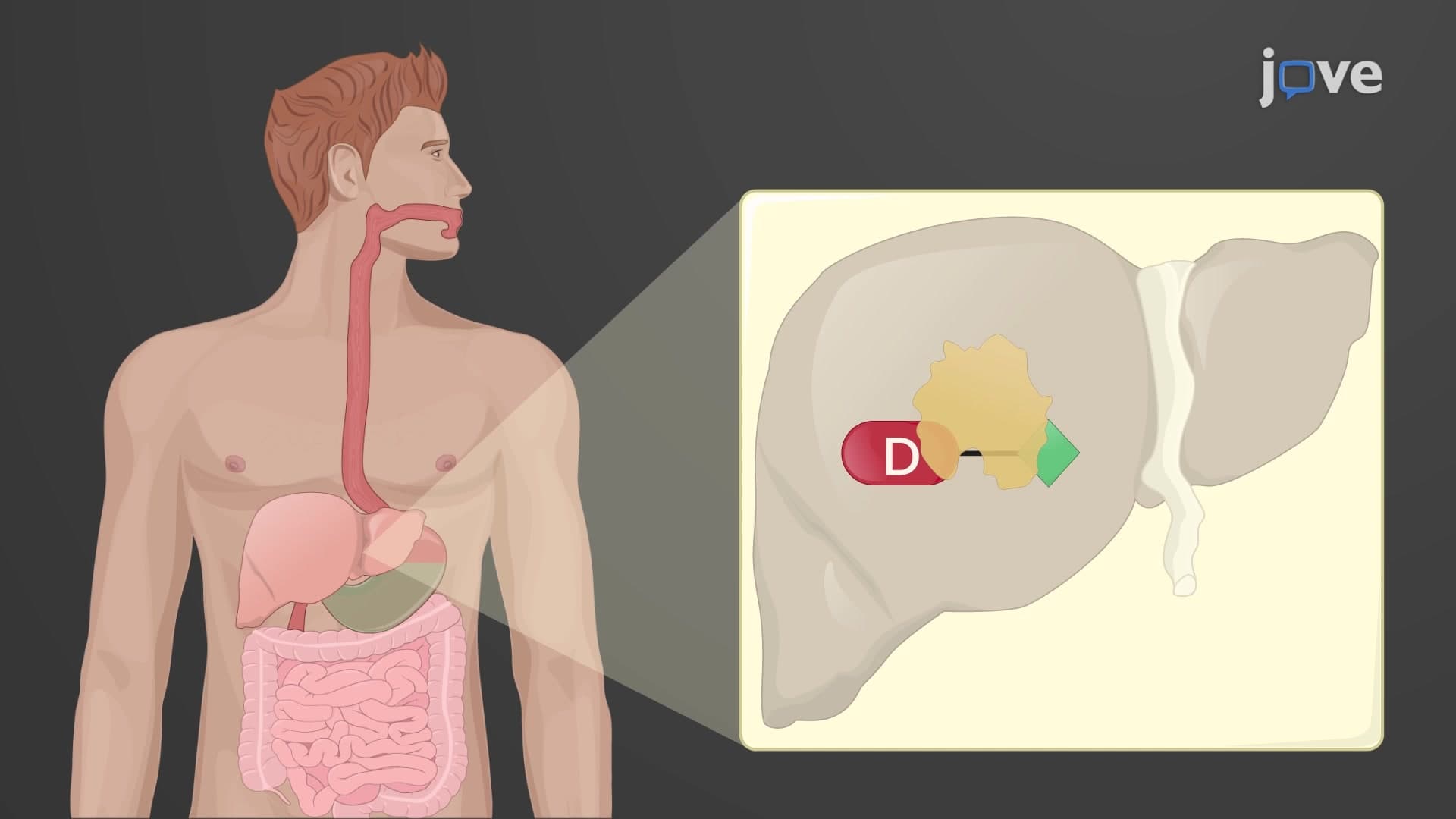
Intravenous administration provides 100% bioavailability since medication enters directly into bloodstream, making it ideal for emergency situations in hospitals like Massachusetts General or Johns Hopkins. Oral medications, however, must survive stomach acid and liver metabolism, typically achieving 20-80% bioavailability depending on the drug's chemical properties.
Individual patient characteristics dramatically influence optimal regimens. Elderly patients often require reduced doses due to decreased kidney function, while pediatric dosing typically calculates based on body weight. Pregnancy introduces additional complexity - many medications cross the placental barrier, requiring careful risk-benefit analysis.
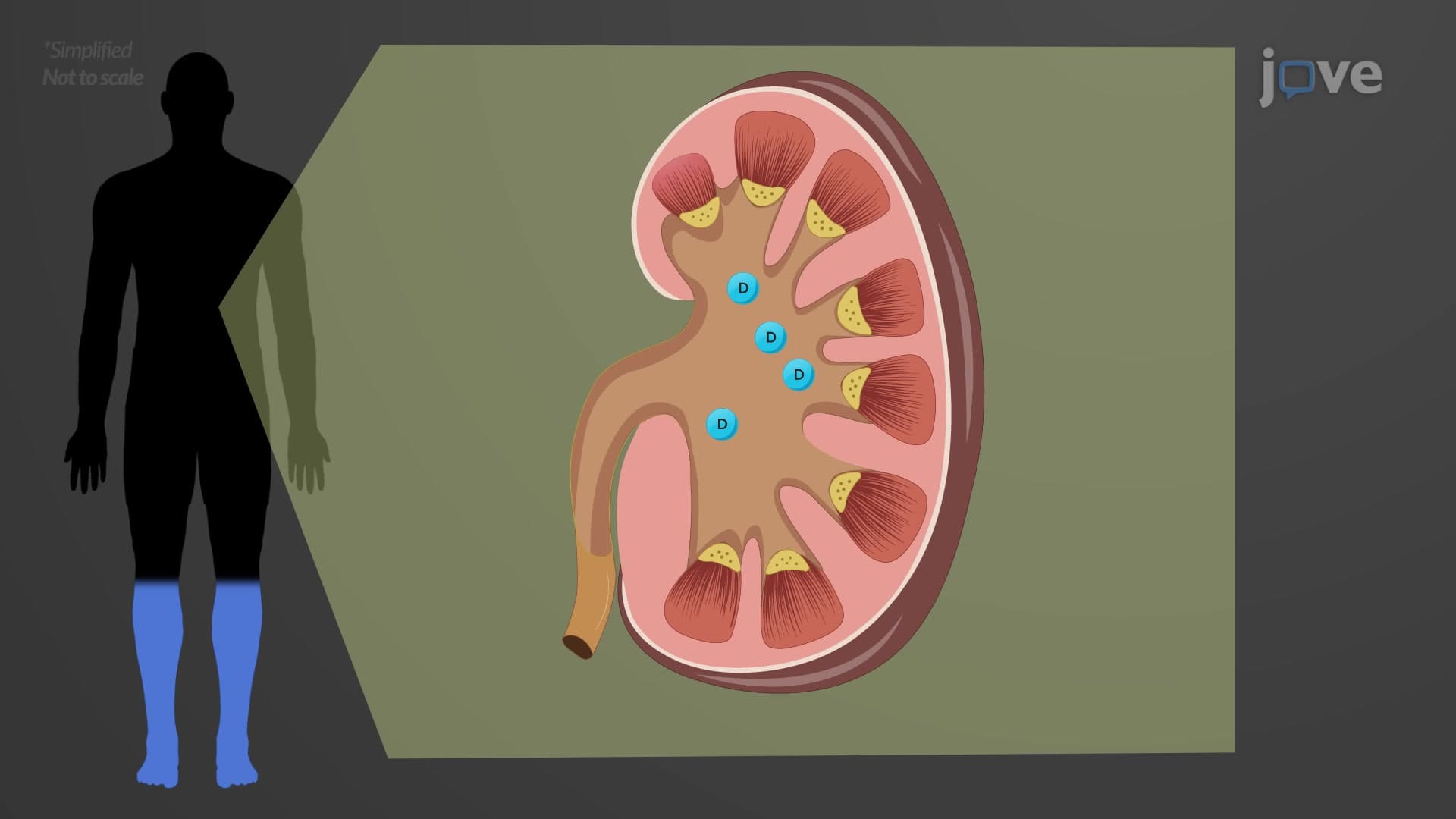
Kidney disease particularly impacts dosing since most drugs depend on renal elimination. Patients with chronic kidney disease may need 50-75% dose reductions for medications like antibiotics to prevent toxic accumulation. Similarly, liver disease affects drugs metabolized hepatically, such as many psychiatric medications.
Modern healthcare utilizes therapeutic drug monitoring for medications with narrow therapeutic windows. Hospitals routinely measure blood levels of drugs like digoxin, phenytoin, and lithium to optimize regimens. This approach has revolutionized treatment of conditions from heart failure to epilepsy.
Students preparing for healthcare careers through MCAT, NCLEX, or pharmacy school examinations must understand these principles. The concept frequently appears in pharmacology courses and clinical rotations, emphasizing the critical thinking required for safe medication management in professional practice.
Related Micro-courses