Loading video…


 29 Concepts
 134.6K views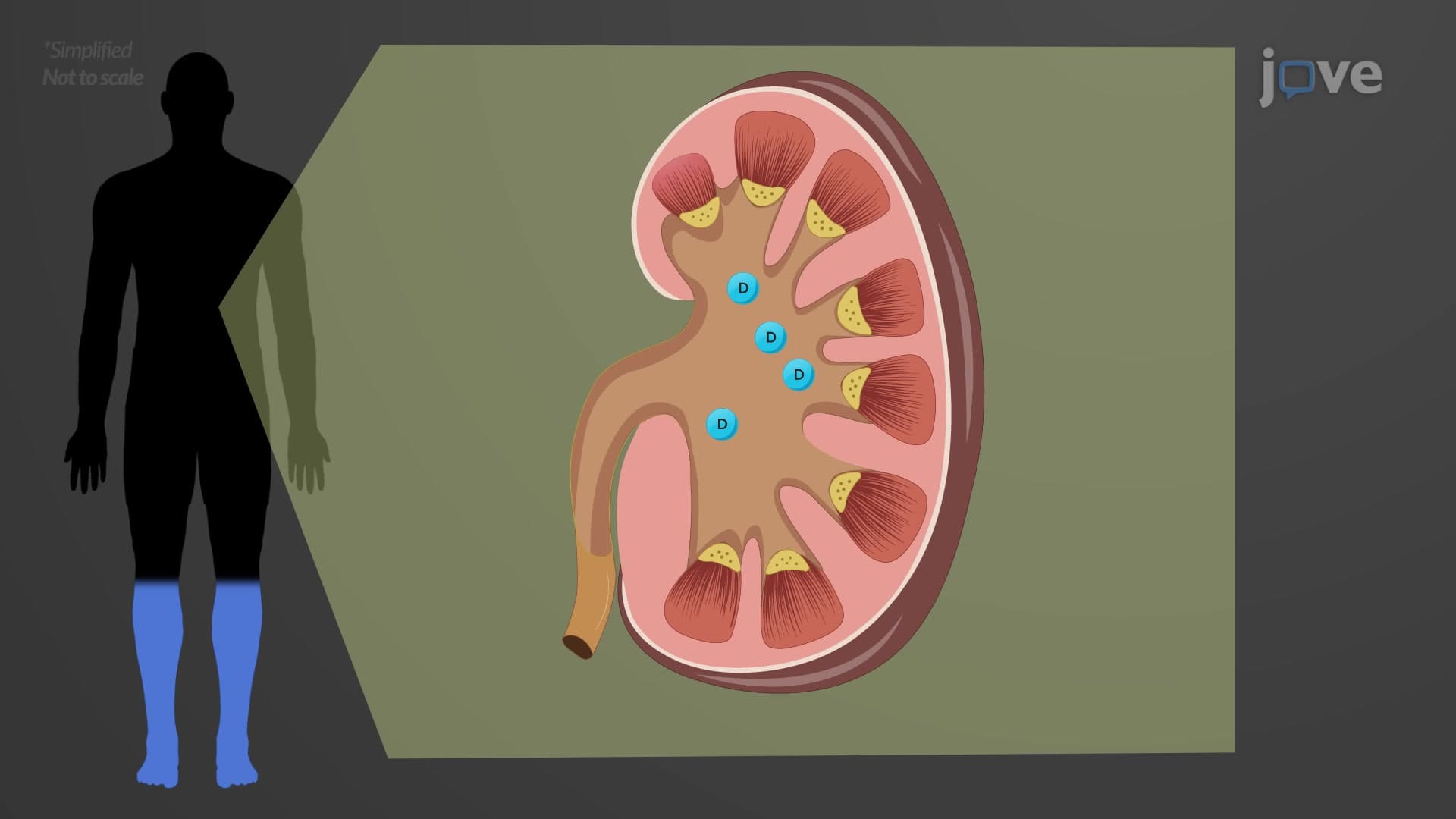

Video Summary: What Is Kinetics of Drug Elimination
Why does your morning coffee caffeine wear off by afternoon, but a single aspirin can relieve pain for hours? The answer lies in kinetics of drug elimination, how quickly medications leave your body. Most drugs, like caffeine from your Starbucks latte, follow first-order kinetics where elimination rate increases with concentration. However, drugs like phenytoin (used for epilepsy treatment in US hospitals) follow zero-order kinetics at high doses, maintaining constant elimination rates regardless of concentration. Watch the full video on JoVE Coach to master this concept with expert-led visuals and step-by-step explanations.
What is kinetics of drug elimination? This fundamental pharmacokinetic concept describes how rapidly medications are removed from your body through metabolism and excretion. Every prescription drug, over-the-counter medication, and even substances like alcohol follow predictable elimination patterns that determine how long they remain active in your system.
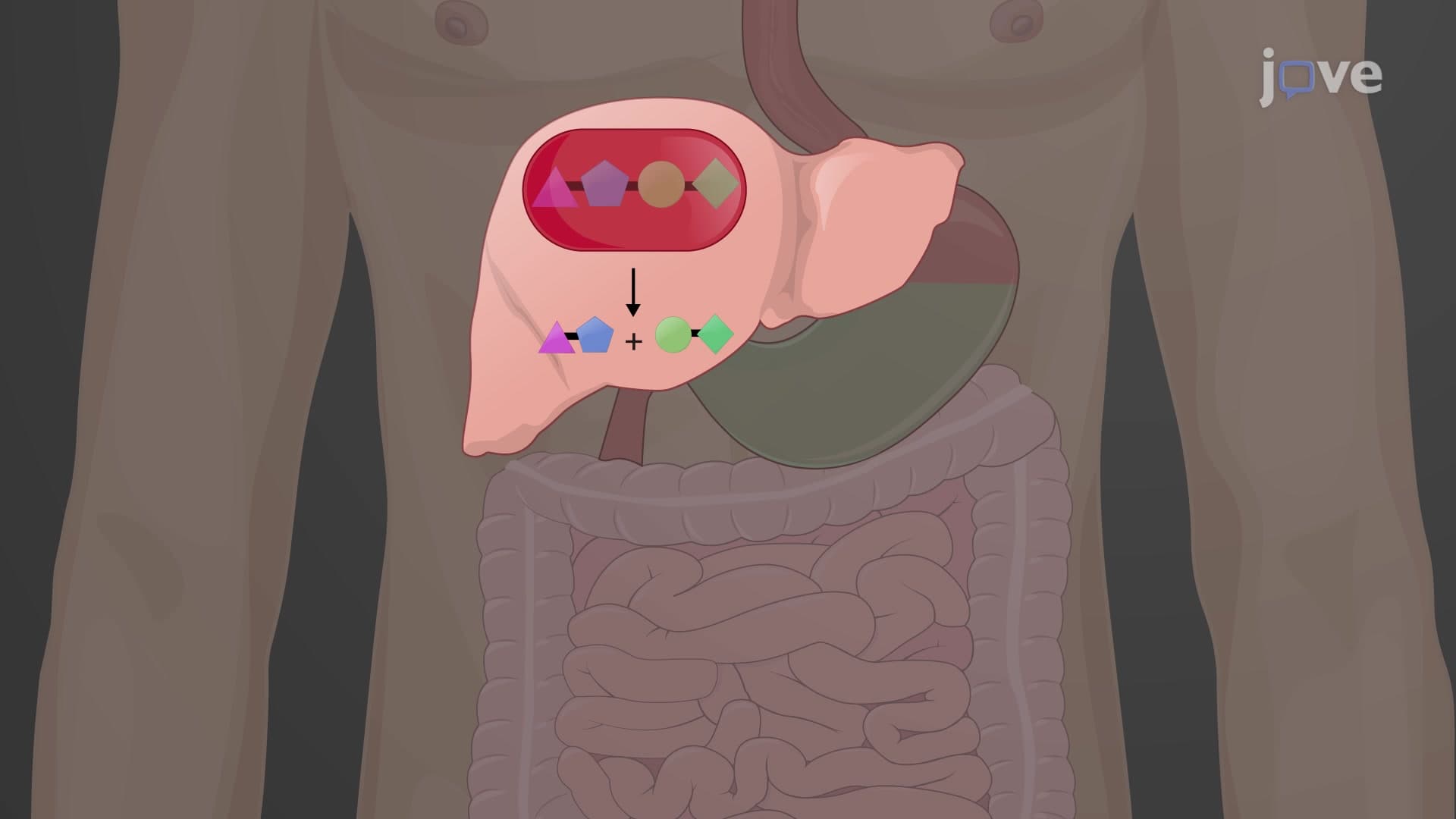
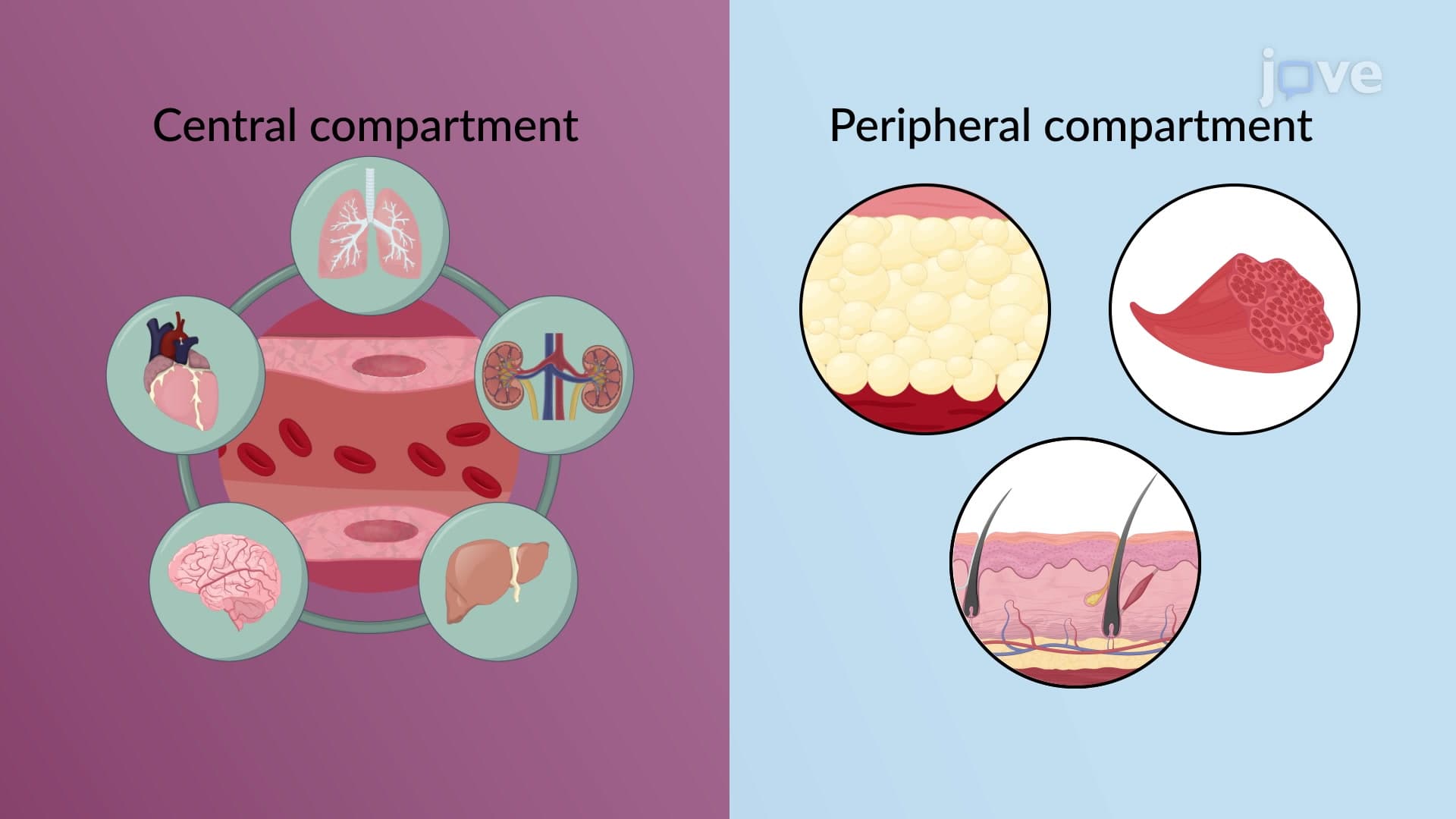
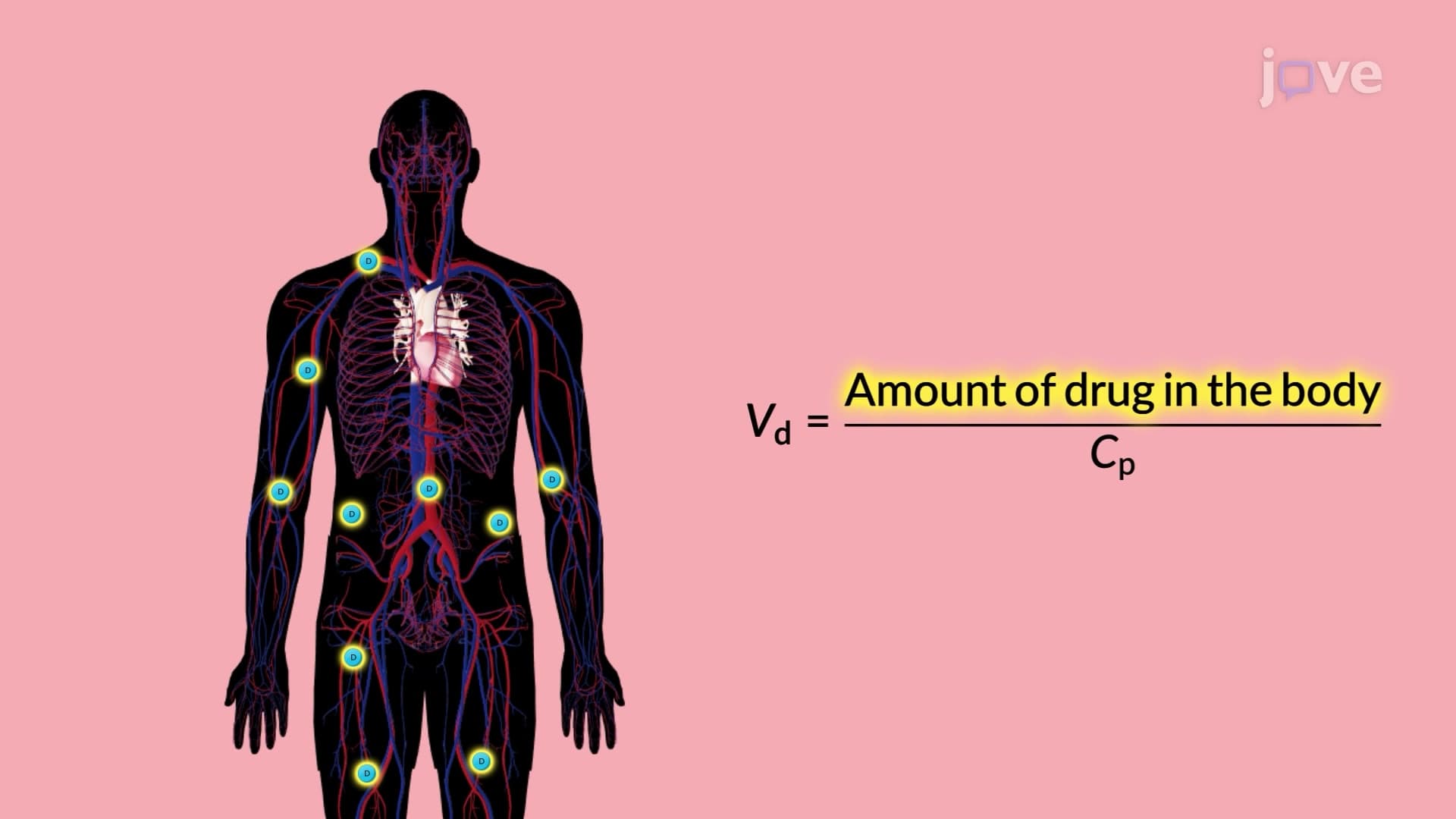
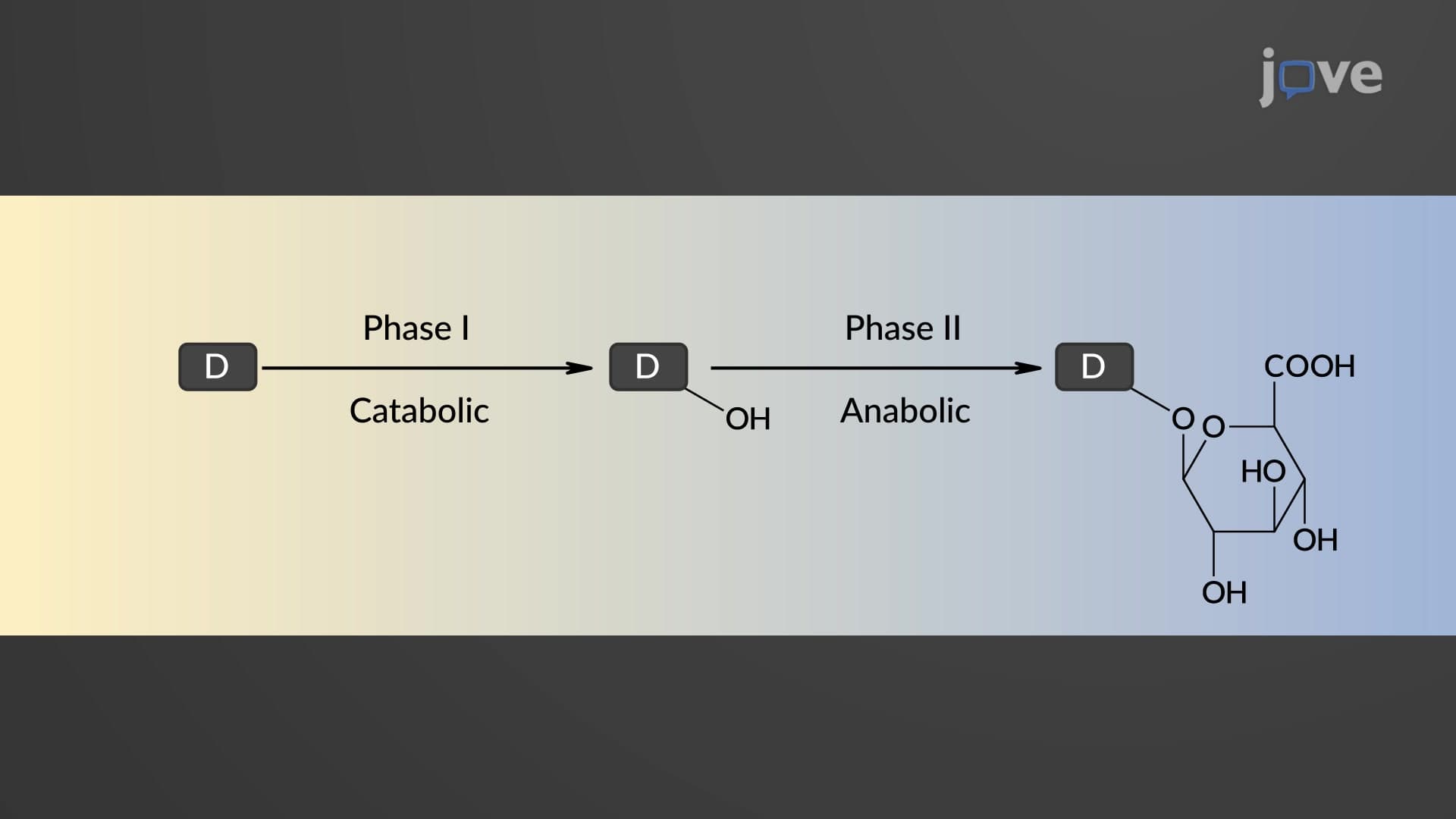
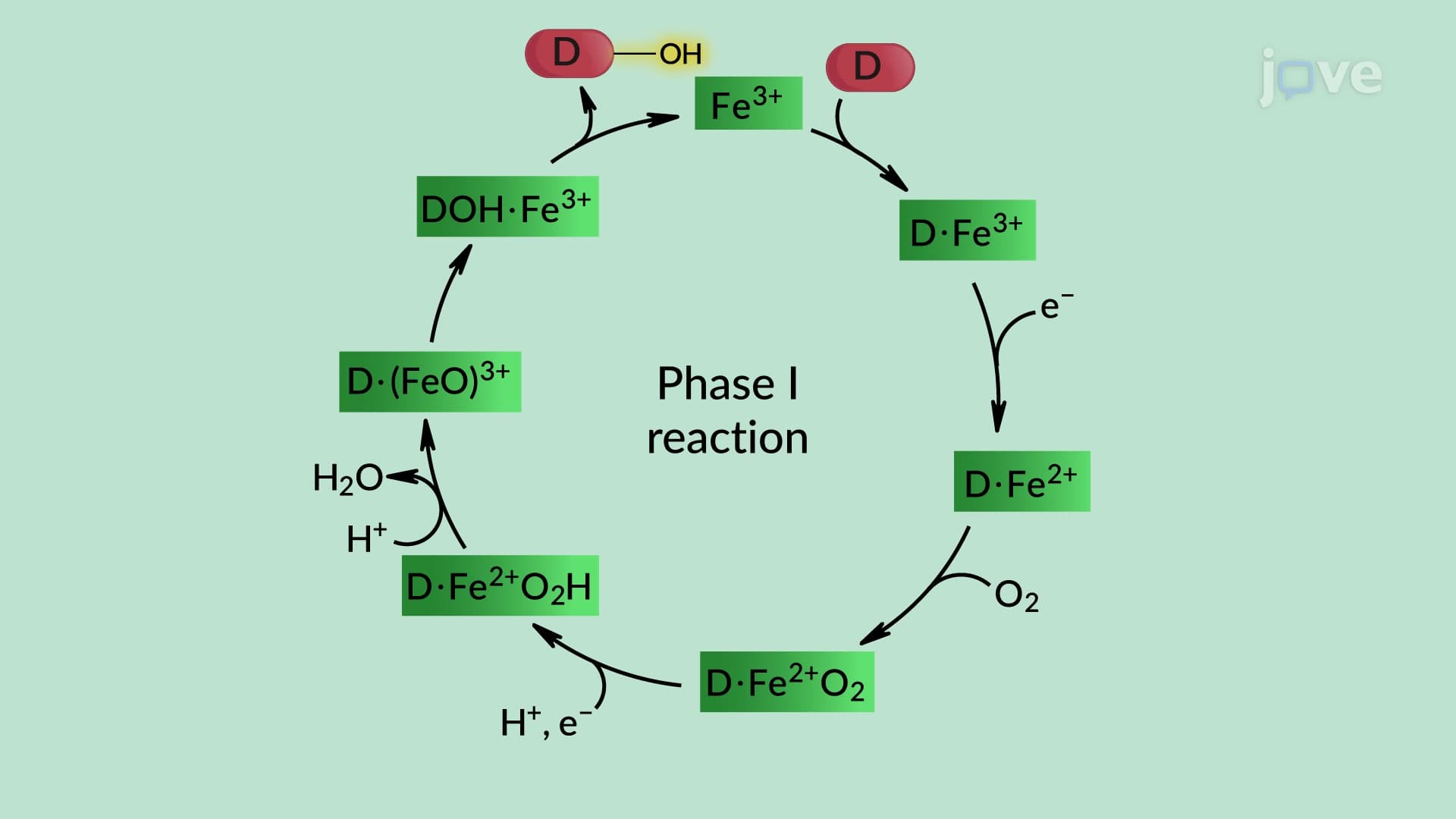
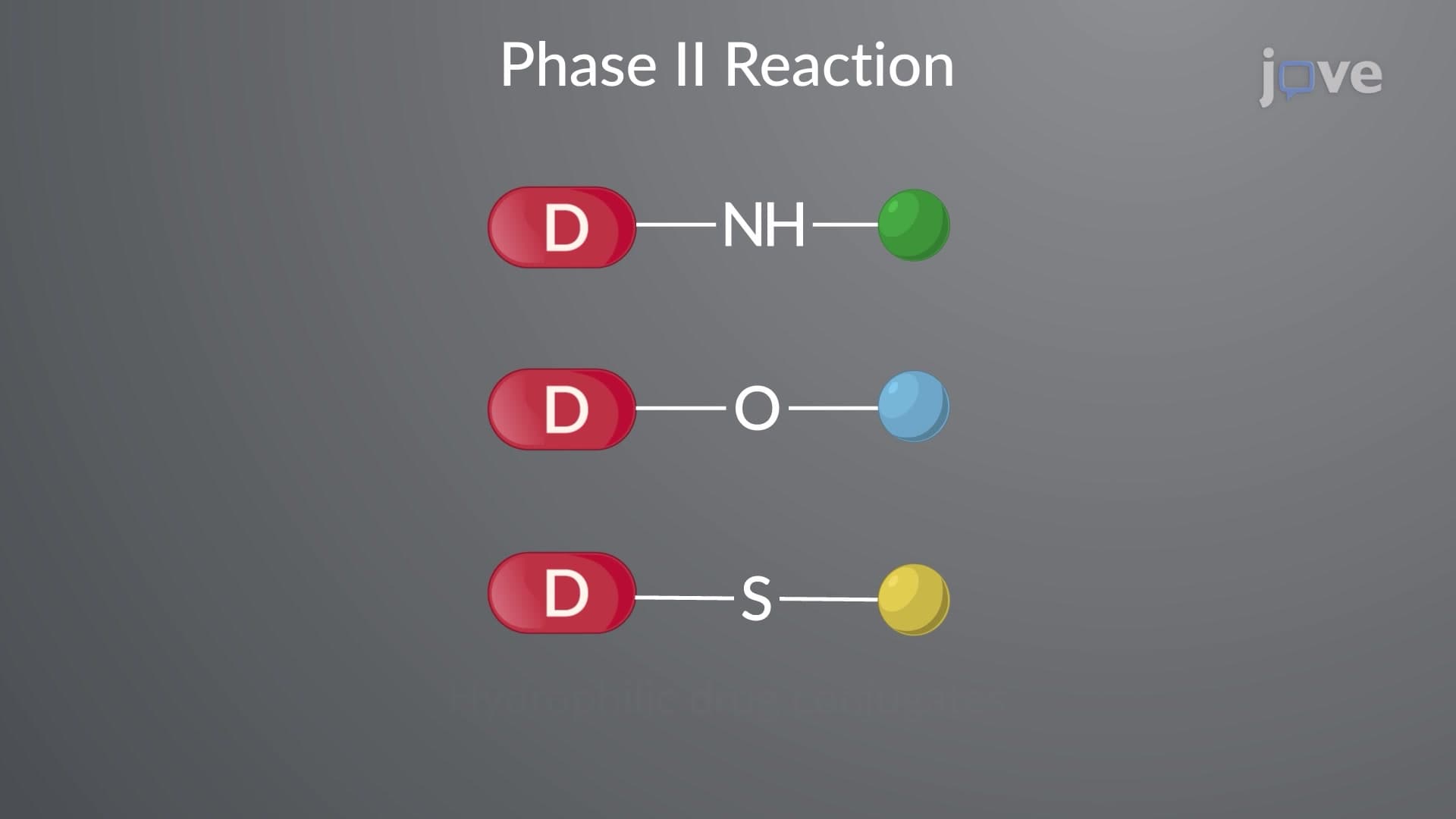
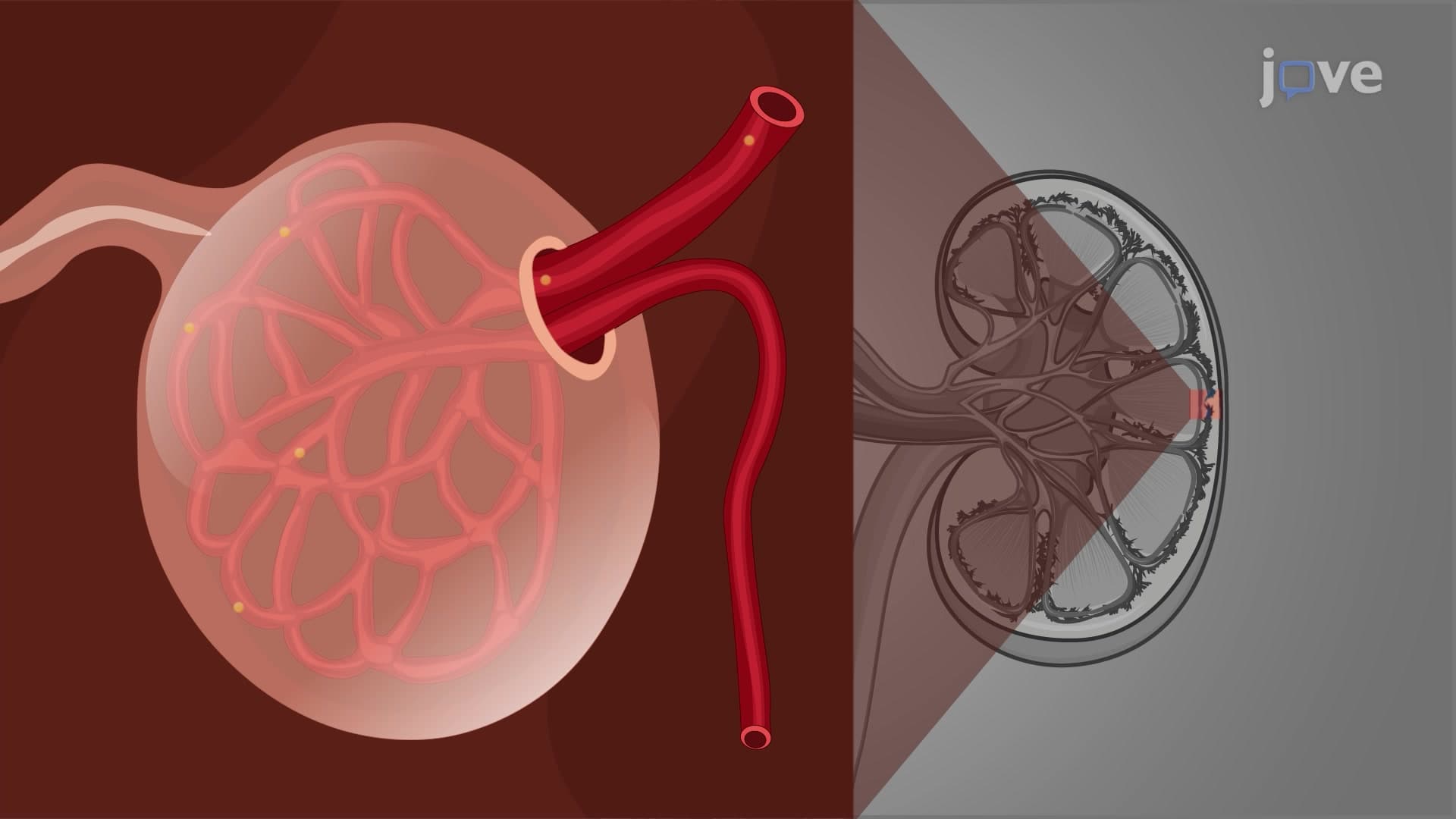
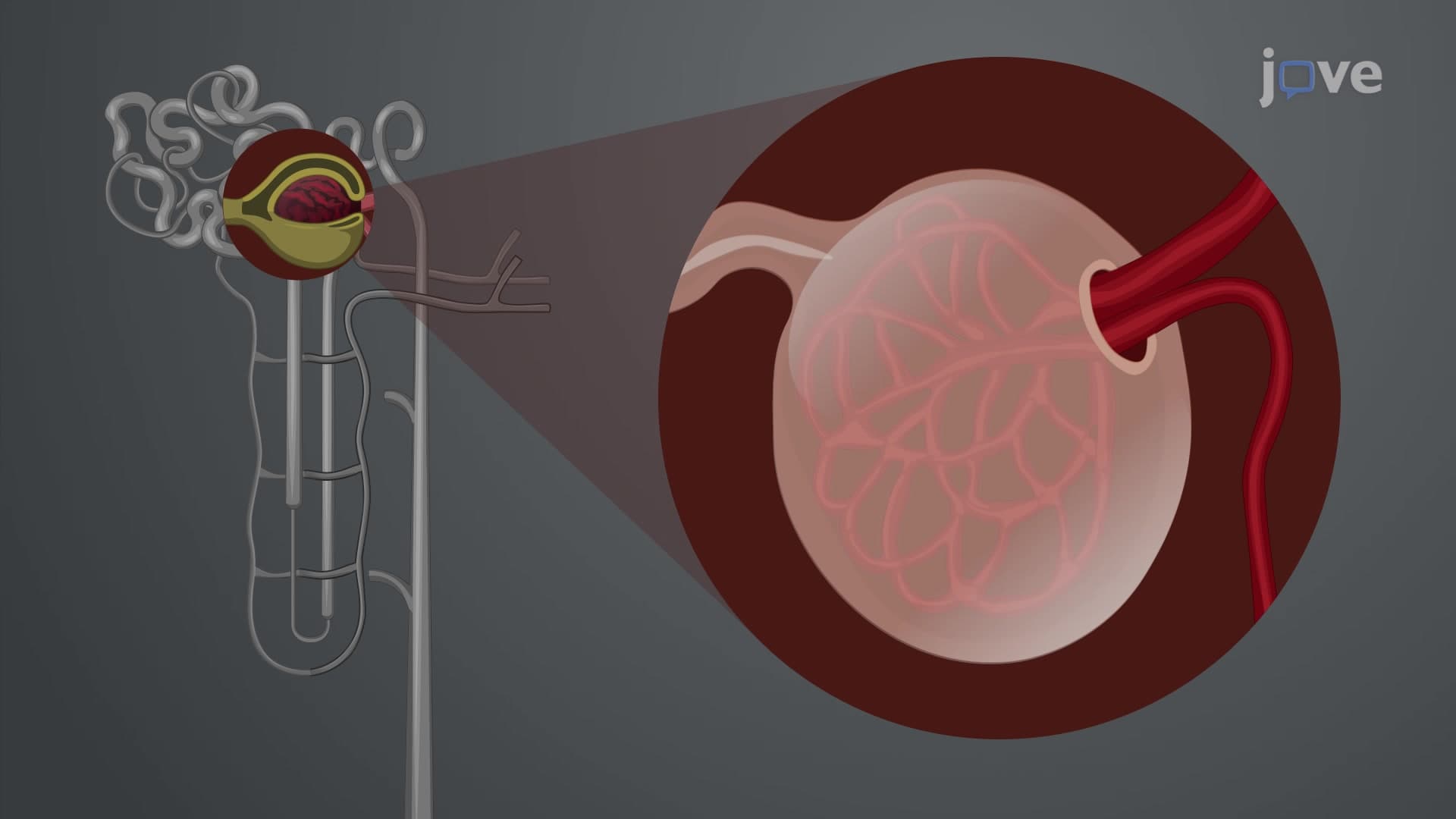
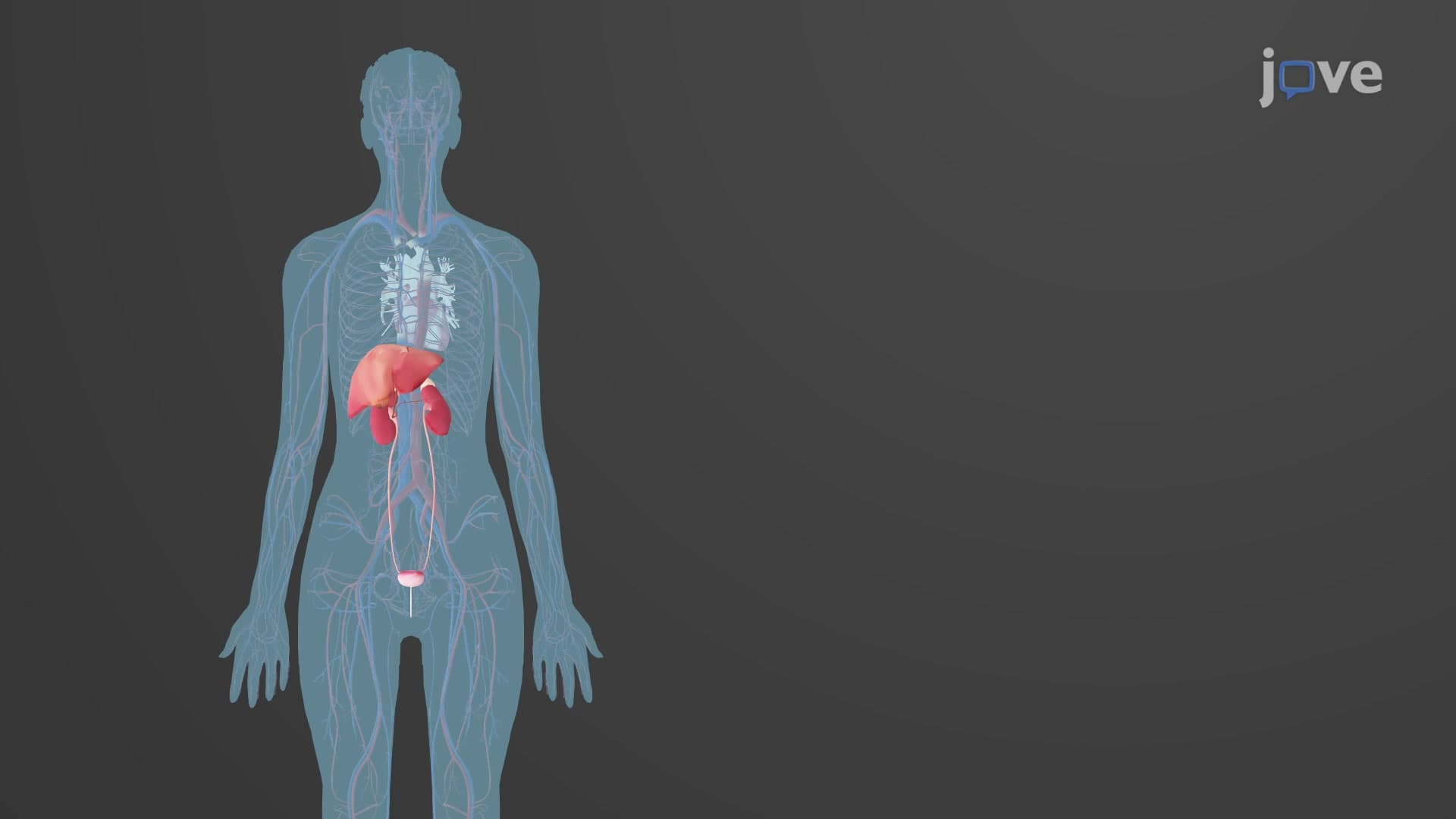
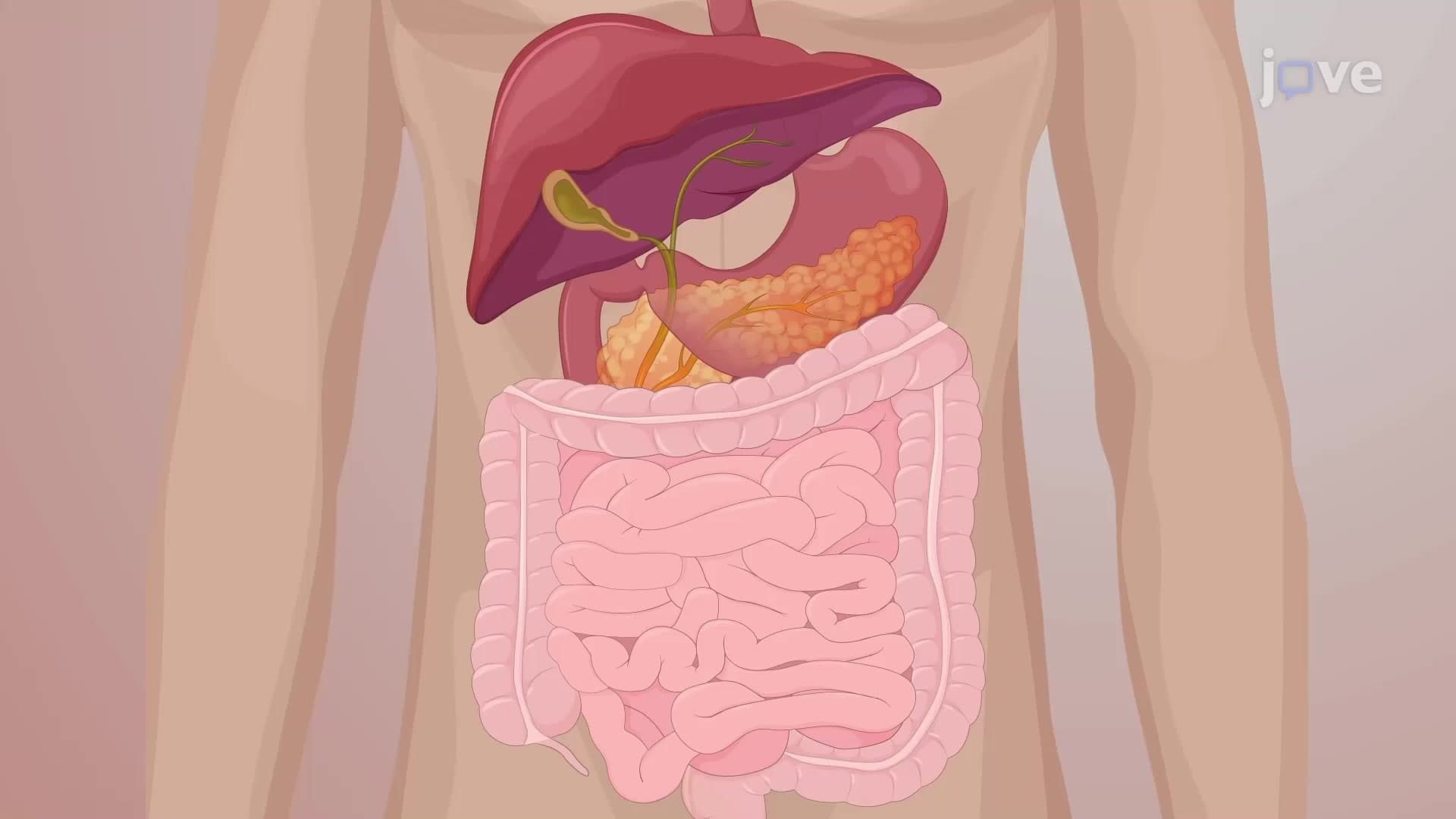
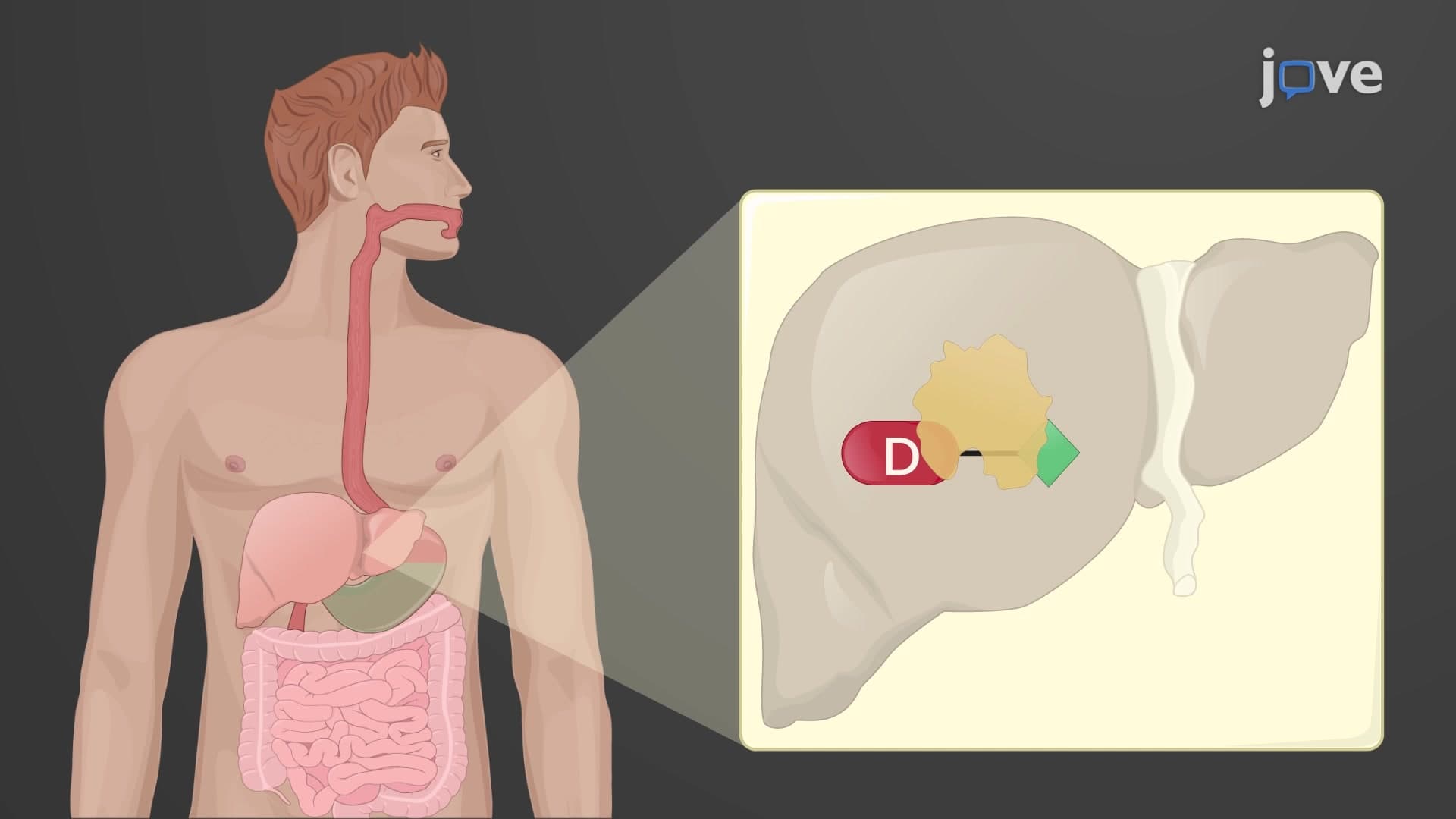
Drug elimination occurs through two primary pathways: excretion (where drugs leave unchanged through kidneys or lungs) and metabolism (where liver enzymes transform drugs into inactive metabolites). The rate at which this happens depends on a crucial parameter called clearance, essentially the volume of plasma completely cleared of drug per unit time, typically measured in milliliters per minute.
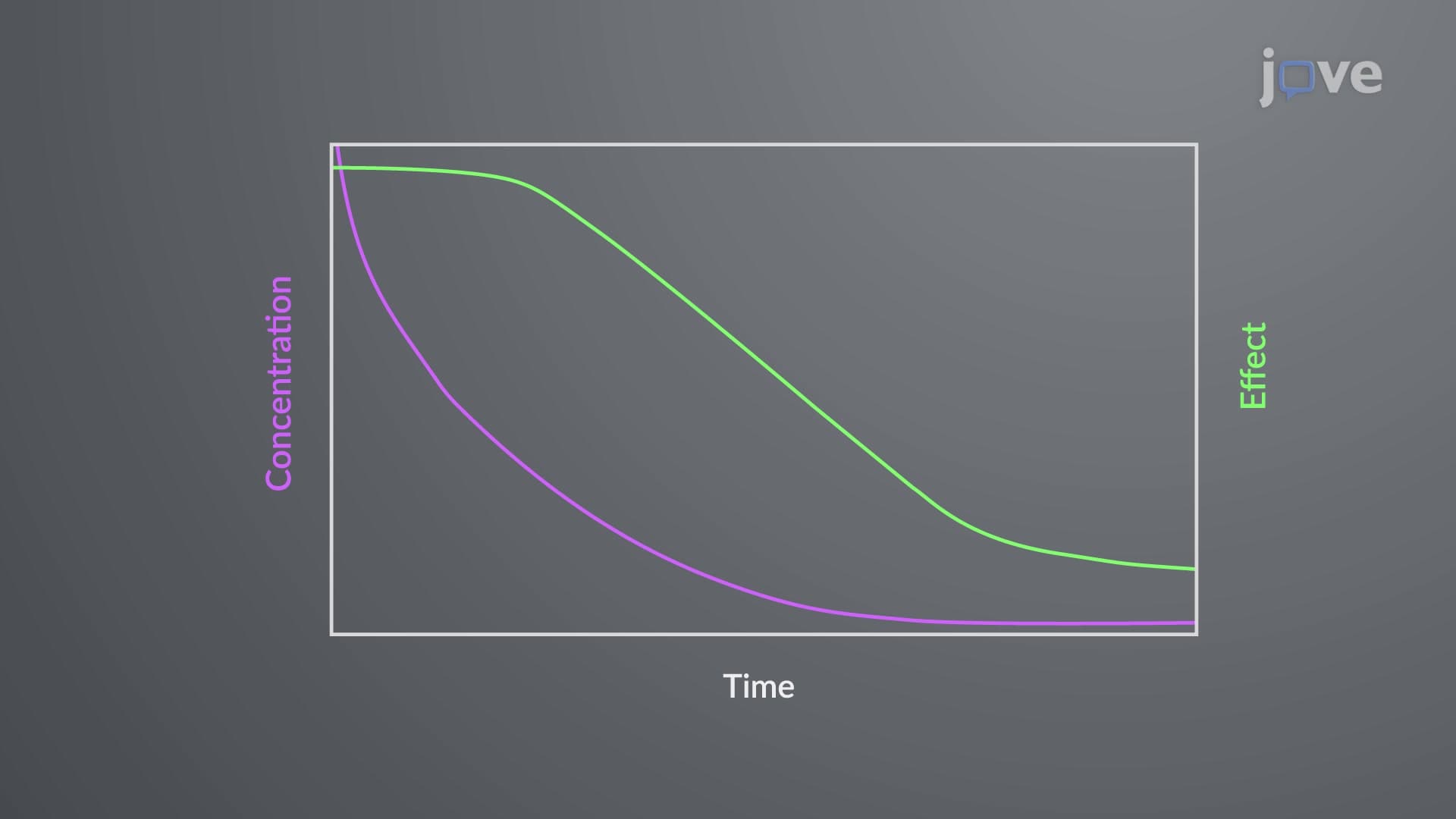
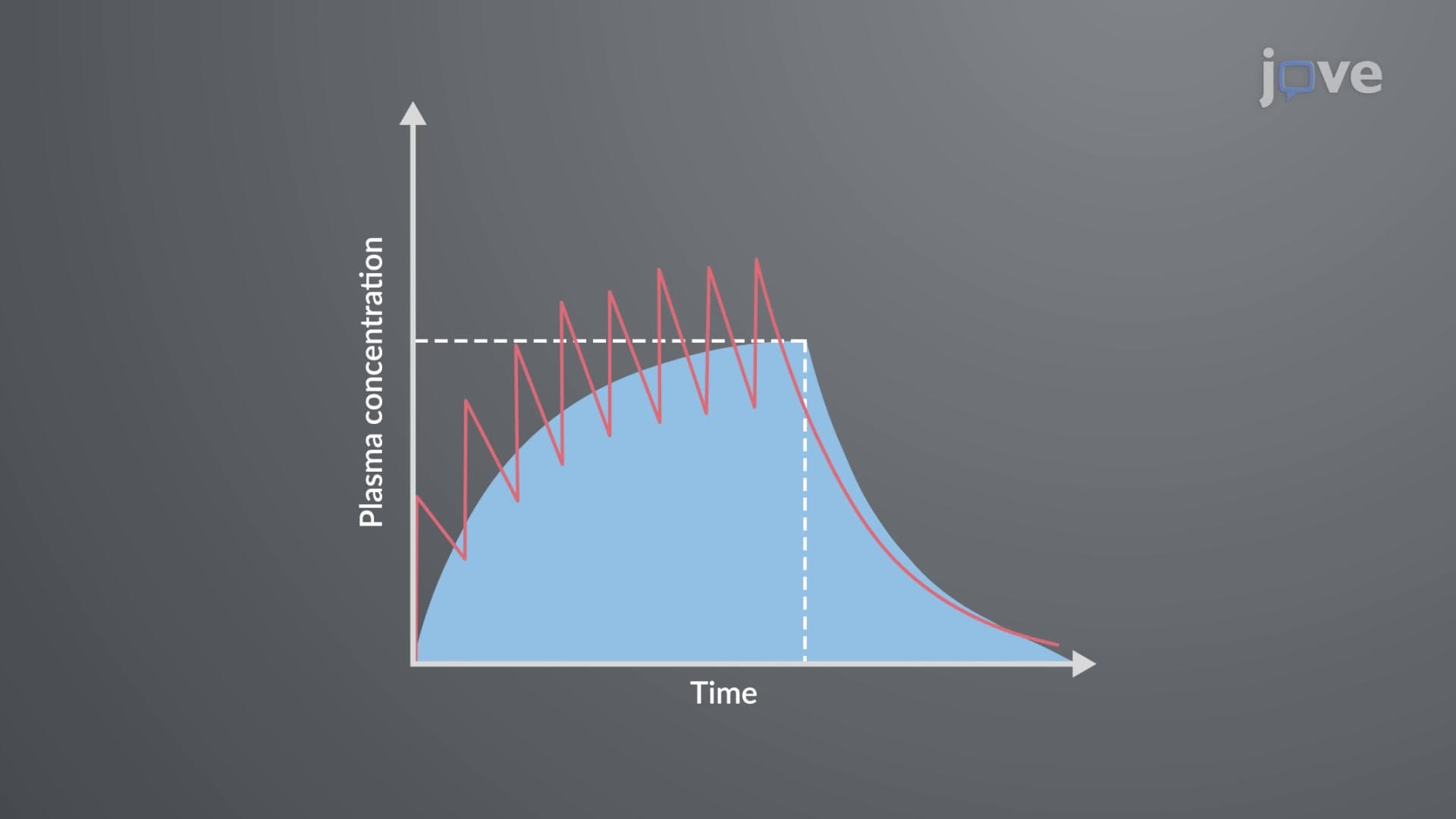
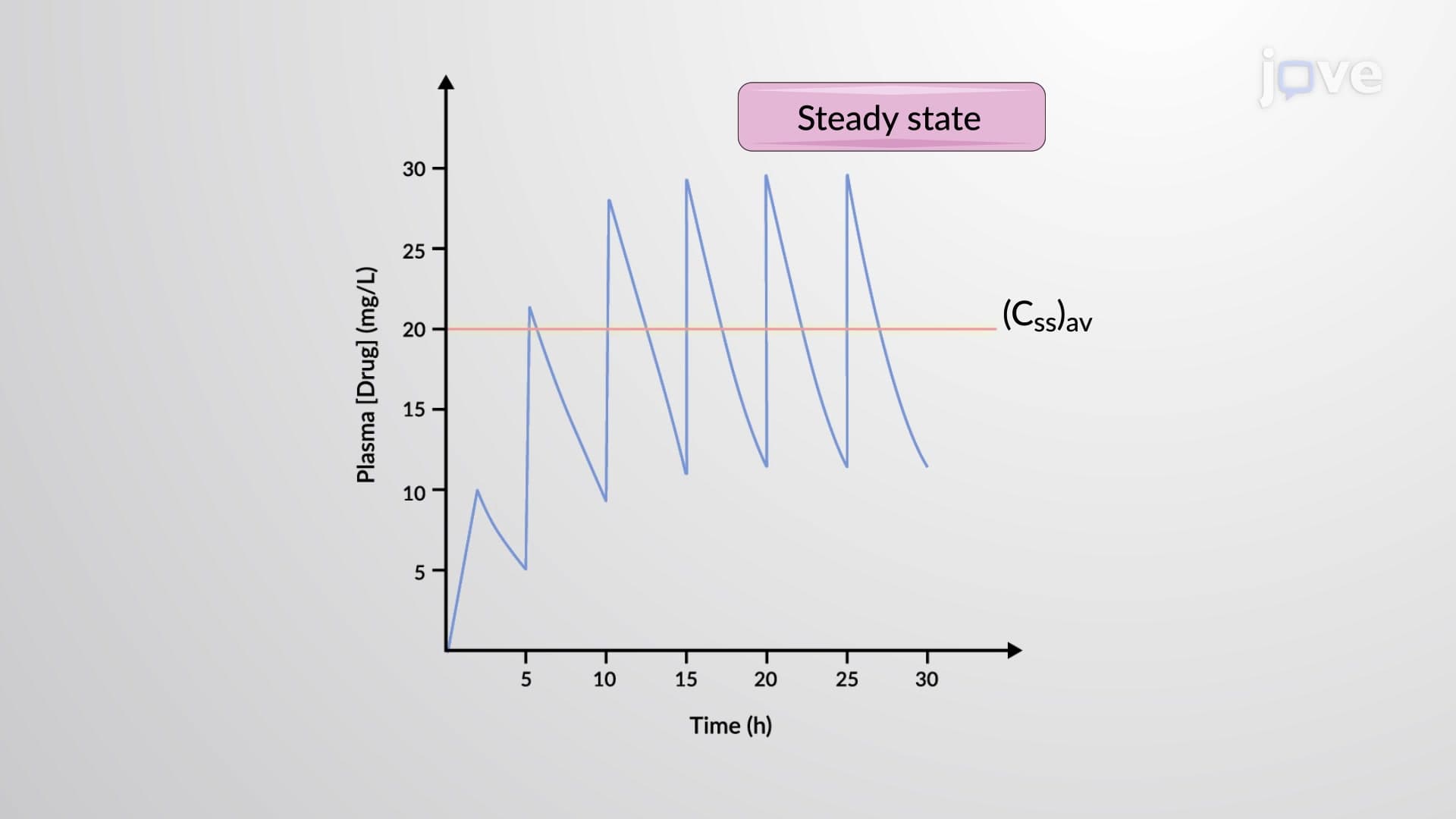
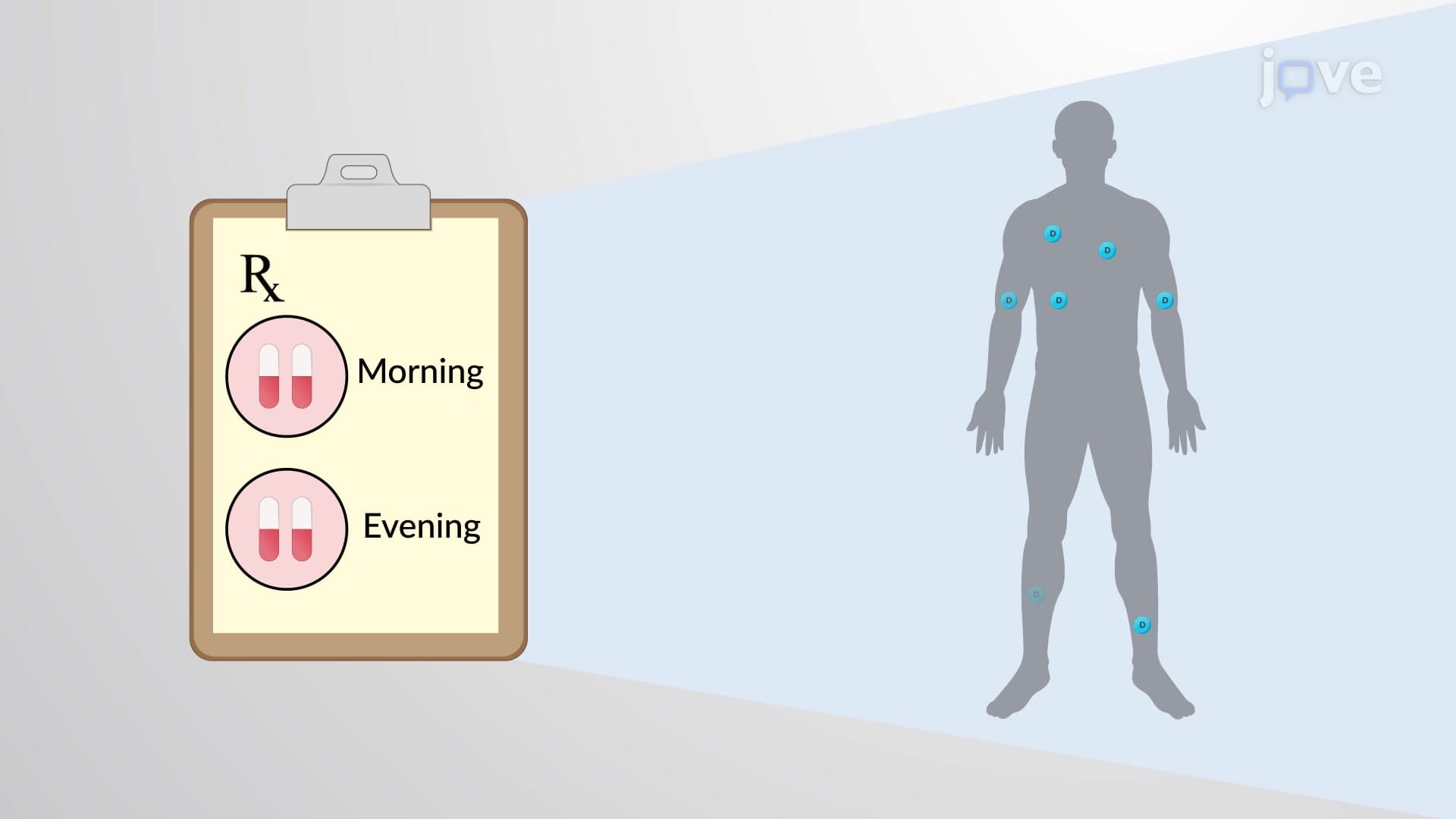
Most medications follow first-order kinetics, where a constant percentage (not amount) of the drug is eliminated per time period. Think of it like compound interest in reverse, the more drug present, the faster it's removed. This creates an exponential decline when plotting plasma concentration versus time.
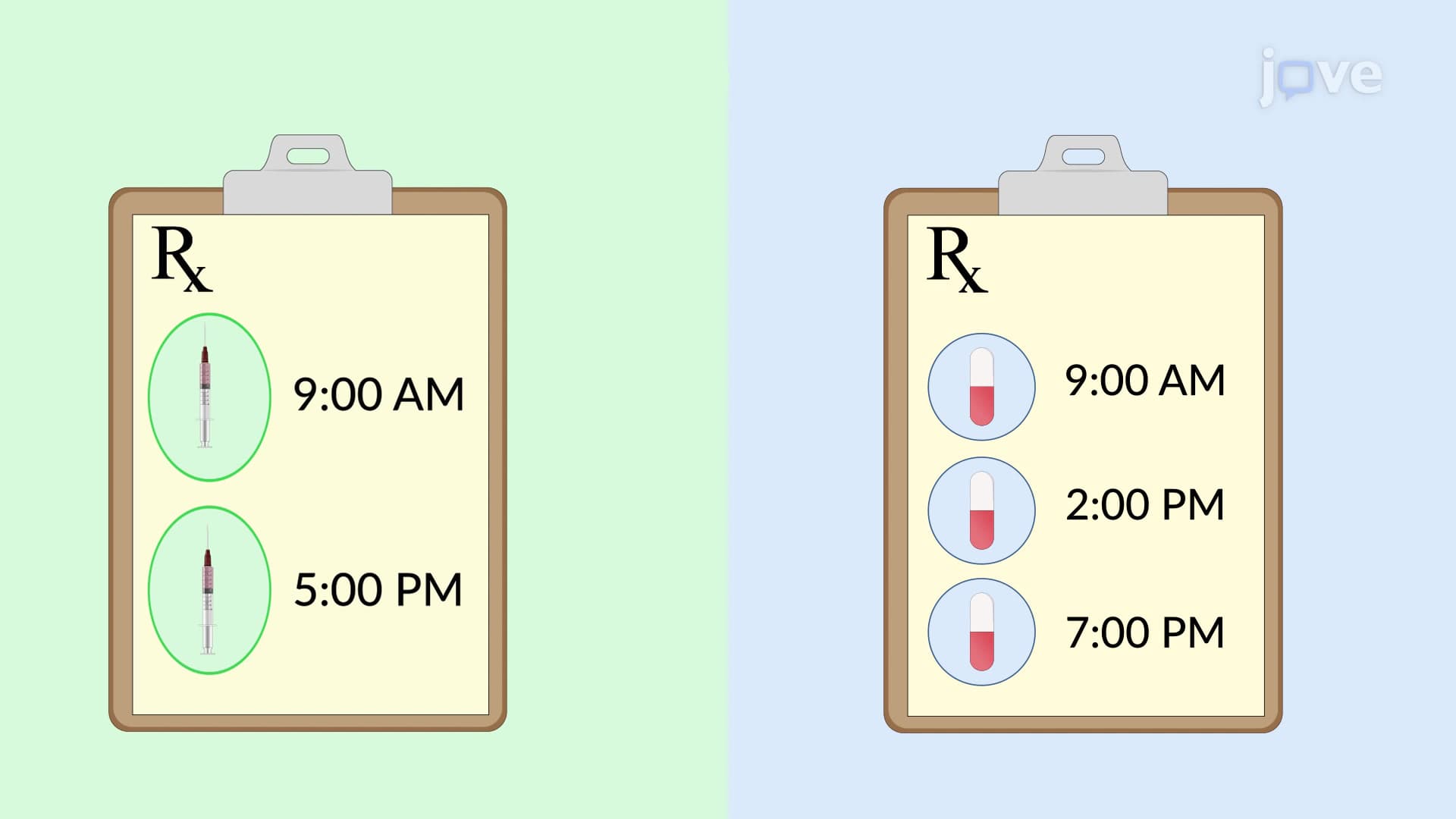
For example, if you take ibuprofen for a headache, approximately 50% is eliminated every 2-4 hours. So 400mg becomes 200mg, then 100mg, then 50mg in successive time periods. This predictable pattern helps physicians calculate dosing intervals for medications like antibiotics, where maintaining therapeutic levels is crucial for treatment success.
Students preparing for the MCAT or AP Biology exams should remember that first-order kinetics means the half-life remains constant regardless of initial dose, a key concept tested on standardized exams.
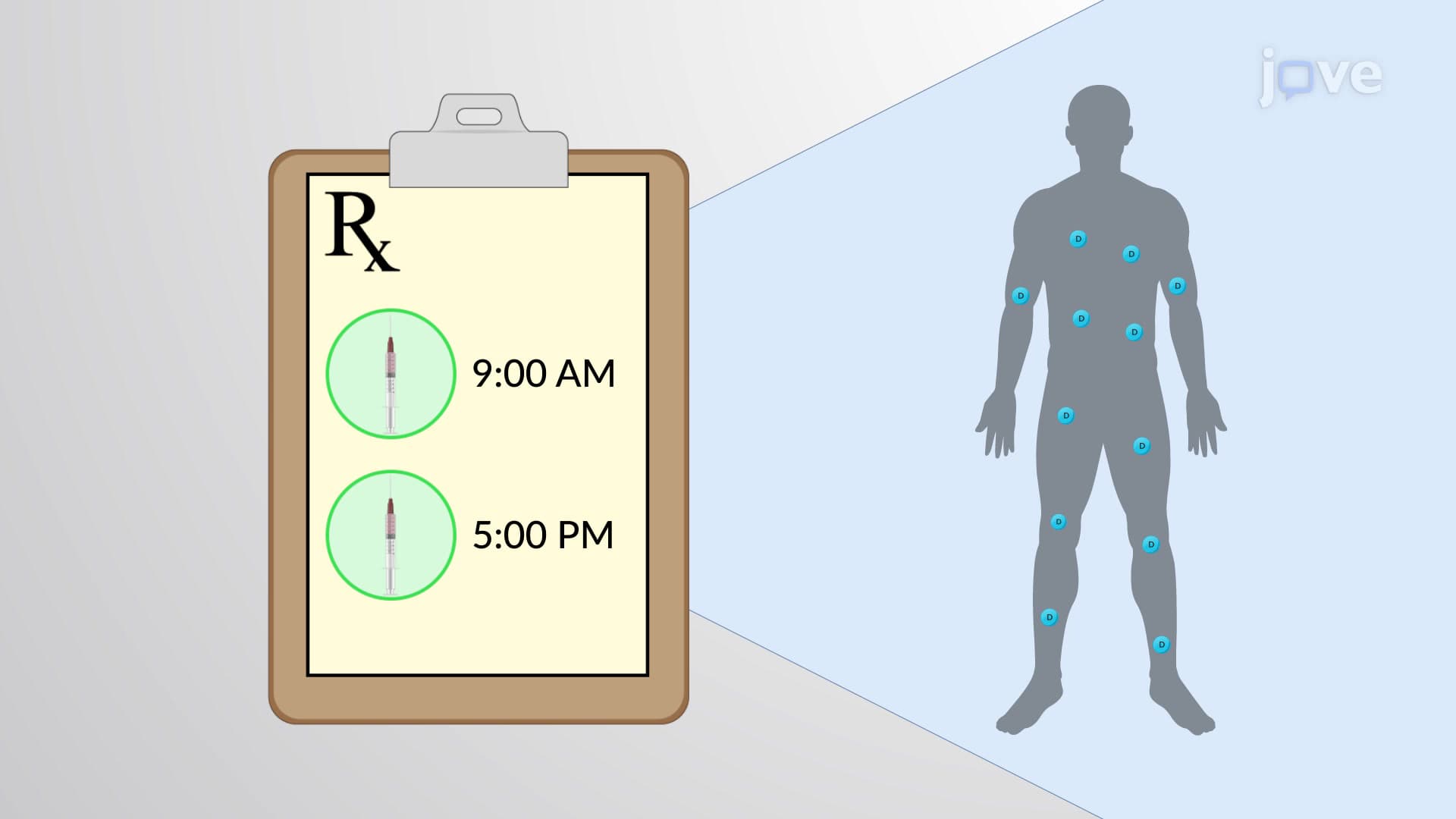
Zero-order kinetics occurs when elimination pathways become saturated, typically at high therapeutic doses. Here, a fixed amount (not percentage) of drug is eliminated per time period, creating a linear decline in plasma concentration graphs.
Classic examples include phenytoin (Dilantin), used in US emergency departments for seizure control, and high-dose aspirin therapy. When patients receive these medications at therapeutic levels, liver enzymes reach maximum capacity, like a factory assembly line running at full speed that cannot process items any faster regardless of how many arrive.
This saturation phenomenon has critical clinical implications. Unlike first-order drugs where doubling the dose doubles elimination rate, zero-order drugs show no change in elimination rate with increased concentration, potentially leading to toxicity if dosing isn't carefully monitored.
Understanding elimination kinetics proves essential for future healthcare professionals taking the USMLE, NCLEX, or pharmacy school entrance exams. These concepts directly impact drug dosing, therapeutic monitoring, and patient safety in US healthcare settings.
For instance, alcohol elimination follows zero-order kinetics at blood levels above 10mg/dL, explaining why drinking more doesn't help you "sober up" faster, your liver processes alcohol at a fixed rate of approximately one standard drink per hour regardless of intake.
Related Micro-courses