Loading subject page…

- Pharmacology
- Pharmacokinetics
- Pharmacokinetics: Overview
Micro-course: Pharmacokinetics
134,526 views
Learn key concepts and earn your certificate.


Pharmacokinetics: Overview

00:00
01:10
Video Summary: What Is Pharmacokinetics
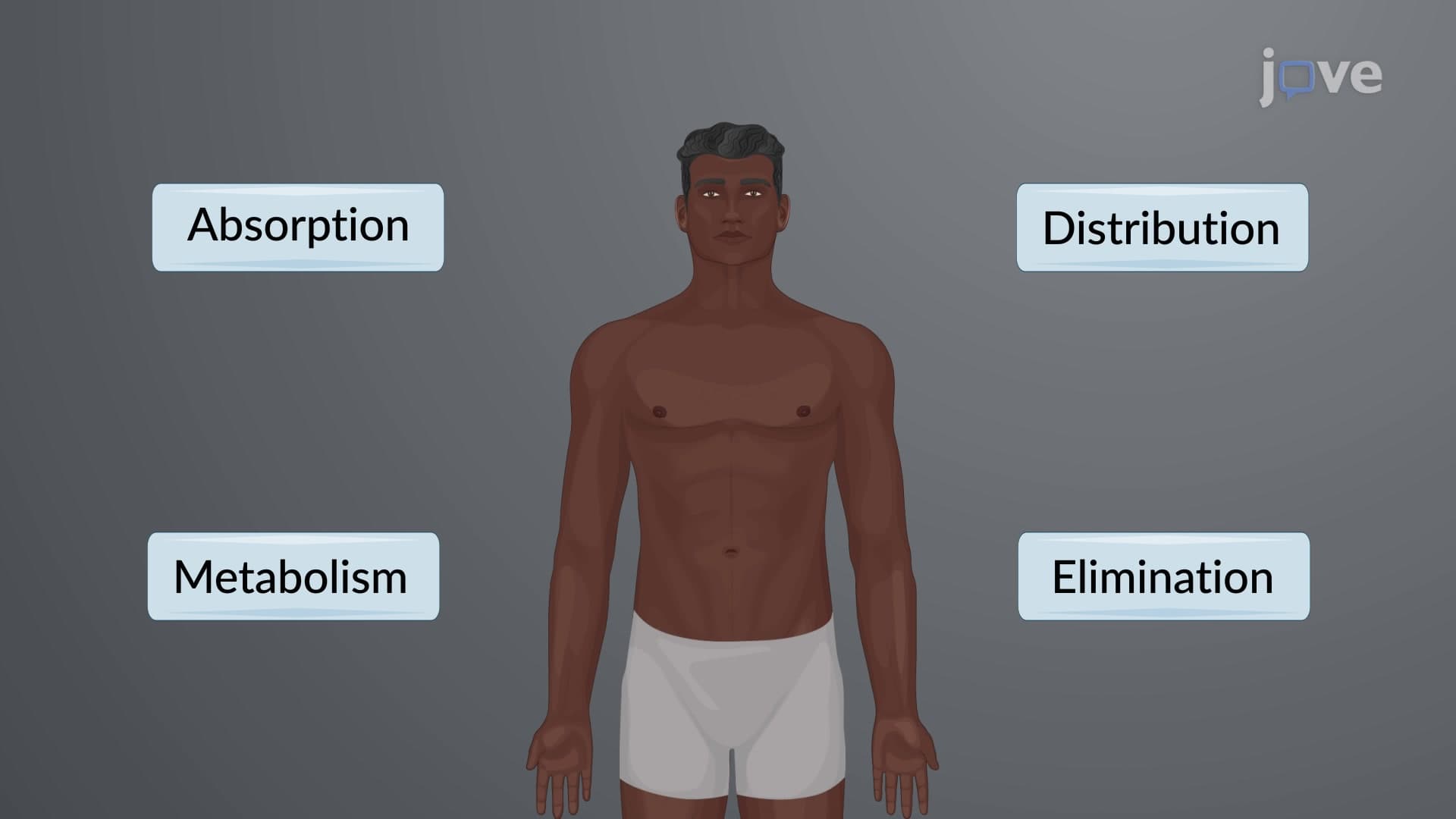
Ever wonder why some medications work instantly while others take hours to kick in? Pharmacokinetics is the science that explains how your body processes every pill, injection, or capsule you take. From the moment you swallow an aspirin for a headache to when an IV antibiotic fights infection at Johns Hopkins Hospital, your body follows four critical steps: absorption, distribution, metabolism, and elimination. Watch the full video on JoVE Coach to master this concept with expert-led visuals and step-by-step explanations.
- Understand what pharmacokinetics means and how it governs drug behavior in the human body
- Identify the four fundamental processes of pharmacokinetics: absorption, distribution, metabolism, and elimination (ADME)
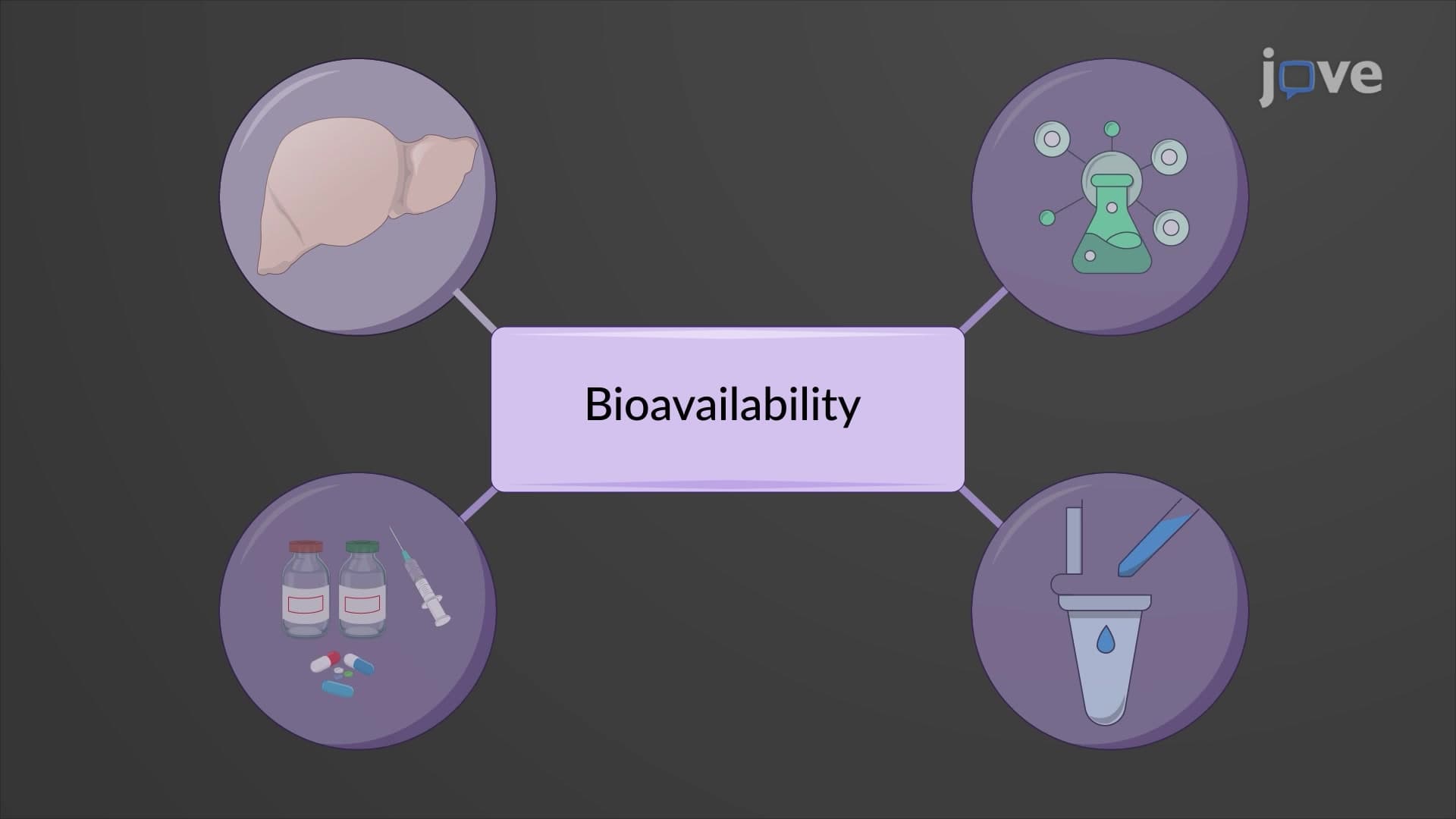
- Analyze how different drug administration routes affect absorption rates and bioavailability
- Compare oral versus intravenous drug delivery mechanisms and their clinical implications
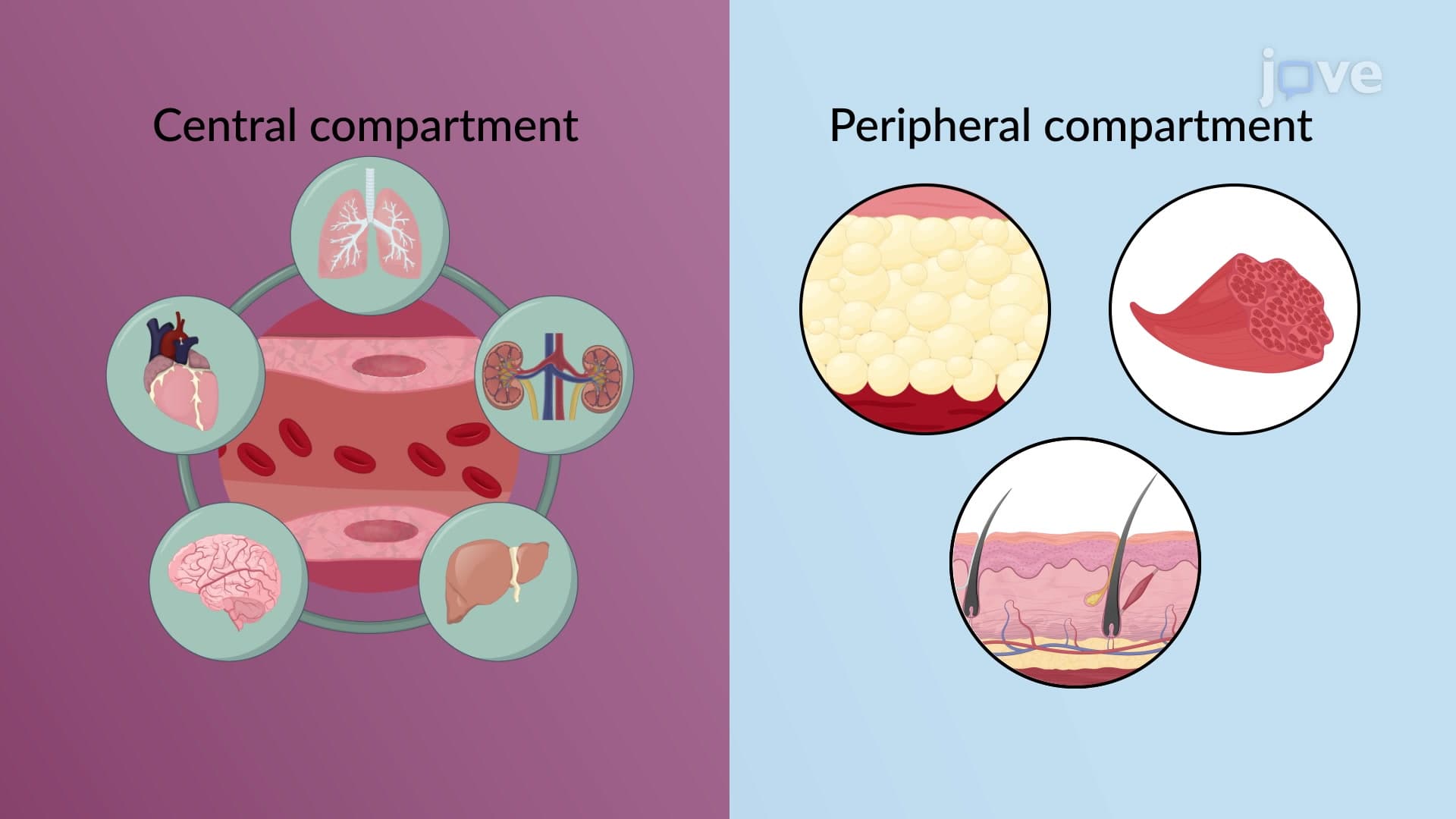
- Evaluate factors that influence drug distribution to target tissues throughout the body
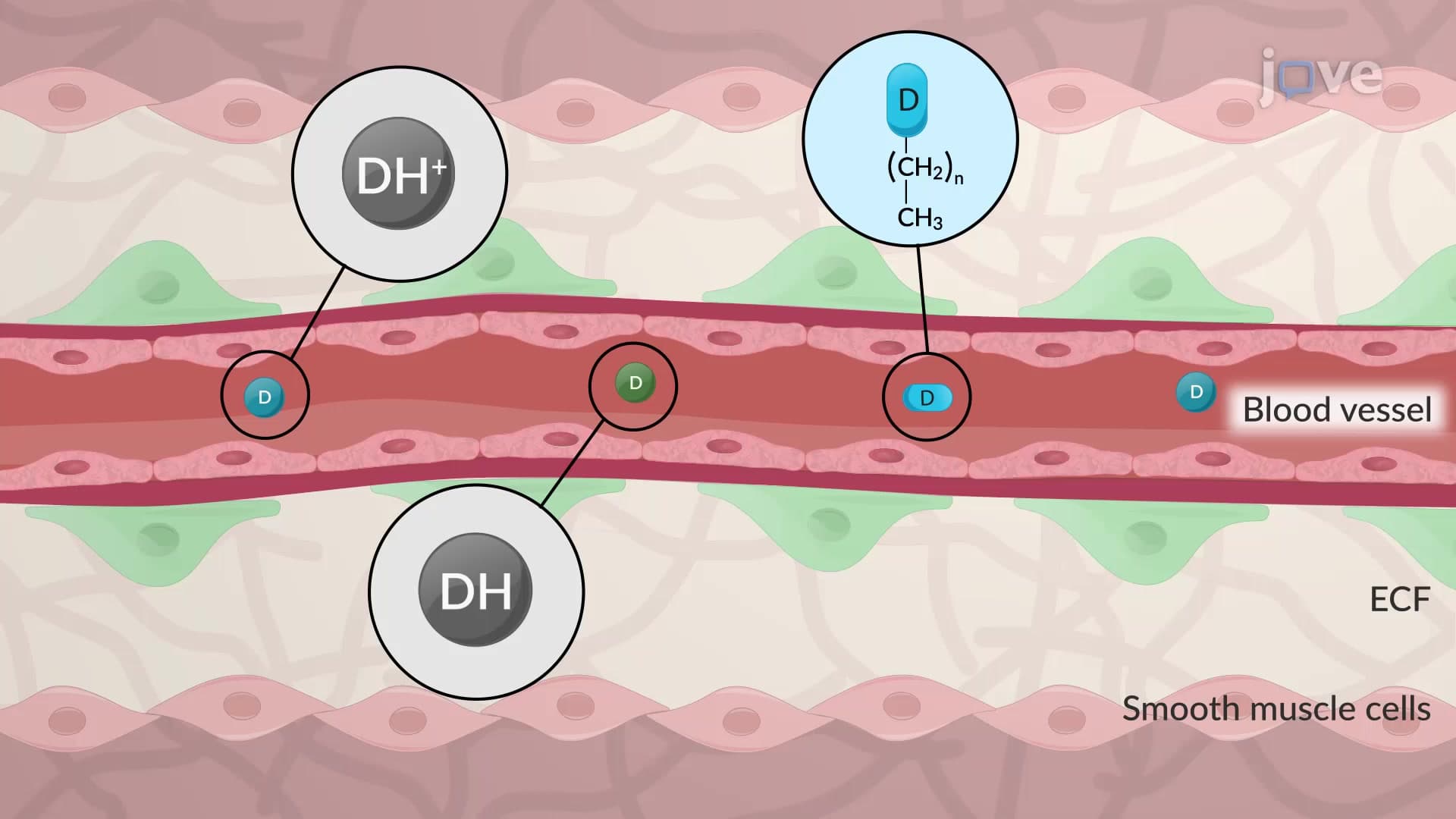
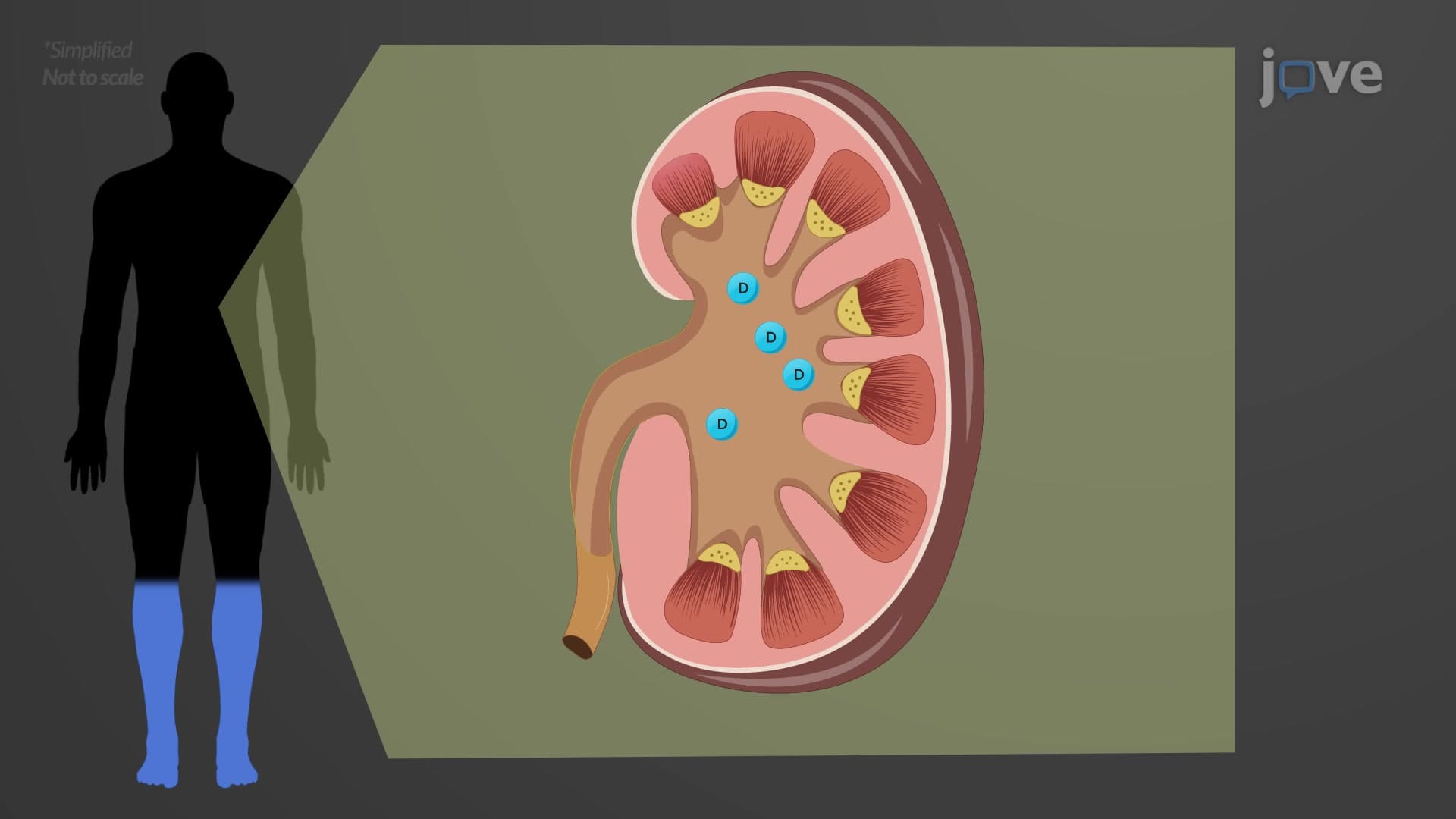
- Apply knowledge of renal elimination principles to predict how hydrophilic and lipophilic drugs are processed
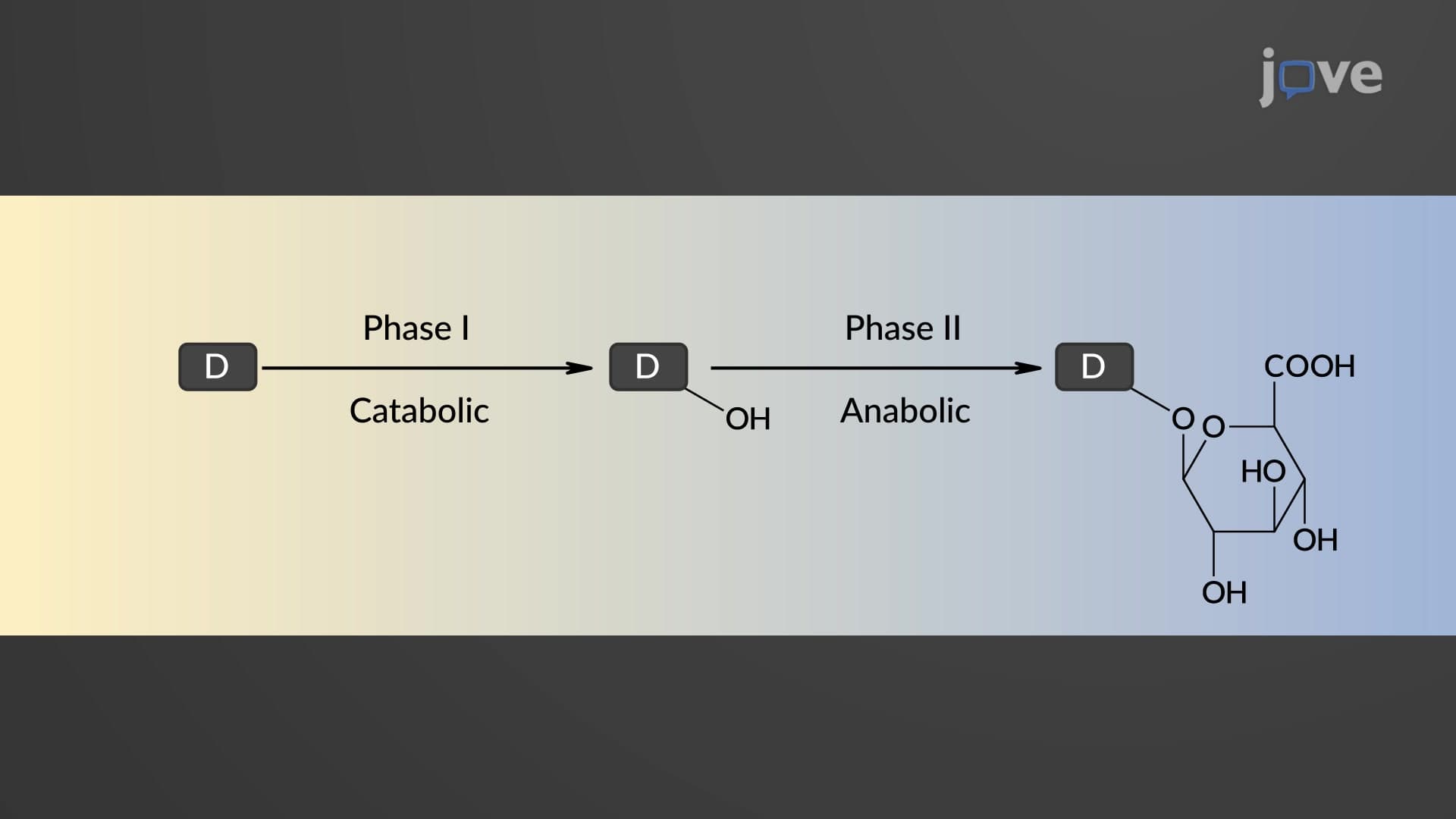
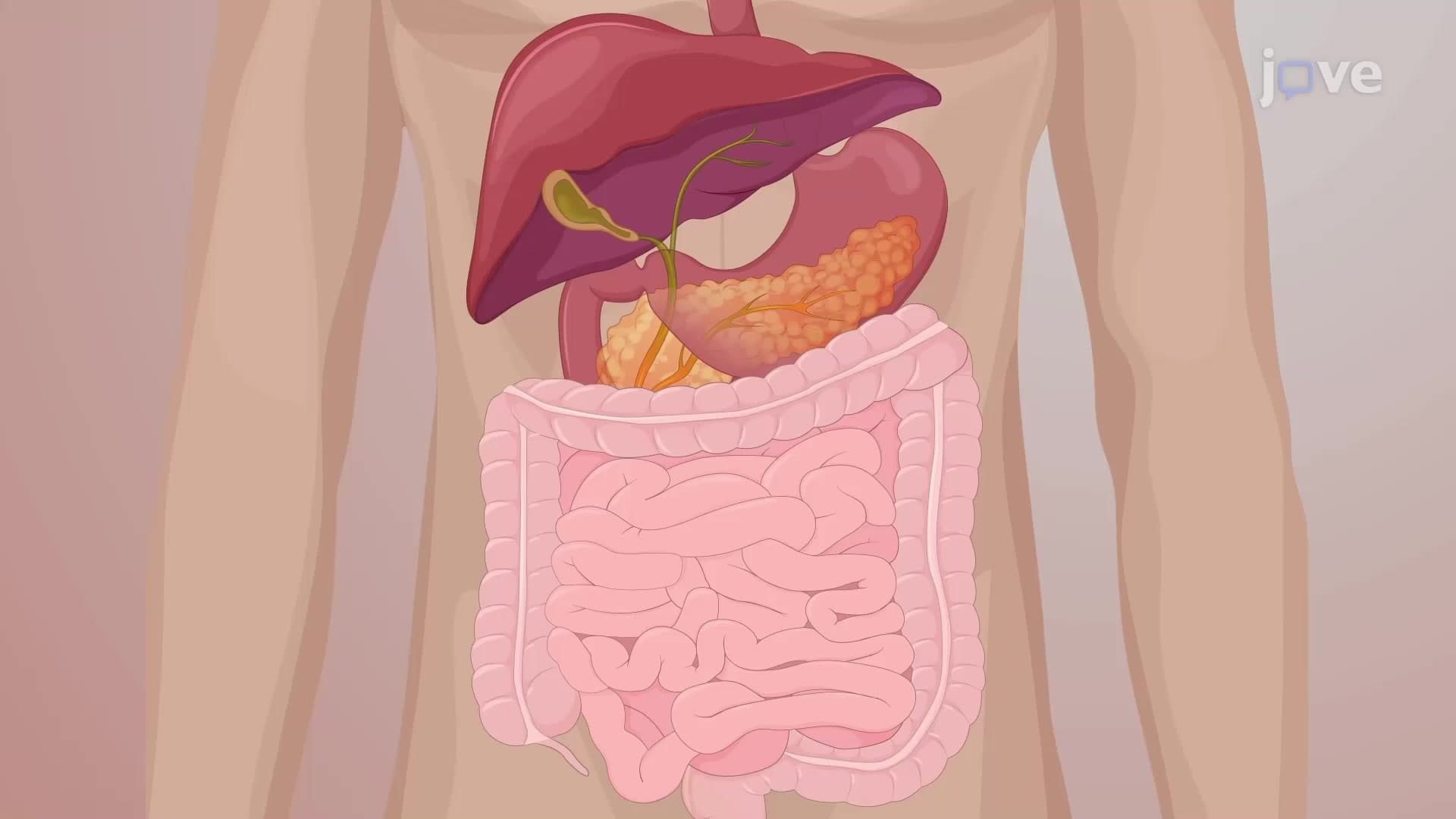
- Recognize the role of hepatic metabolism in converting lipid-soluble drugs to water-soluble metabolites
- Explore real-world clinical scenarios where pharmacokinetic principles guide medical decision-making
Understanding What is Pharmacokinetics
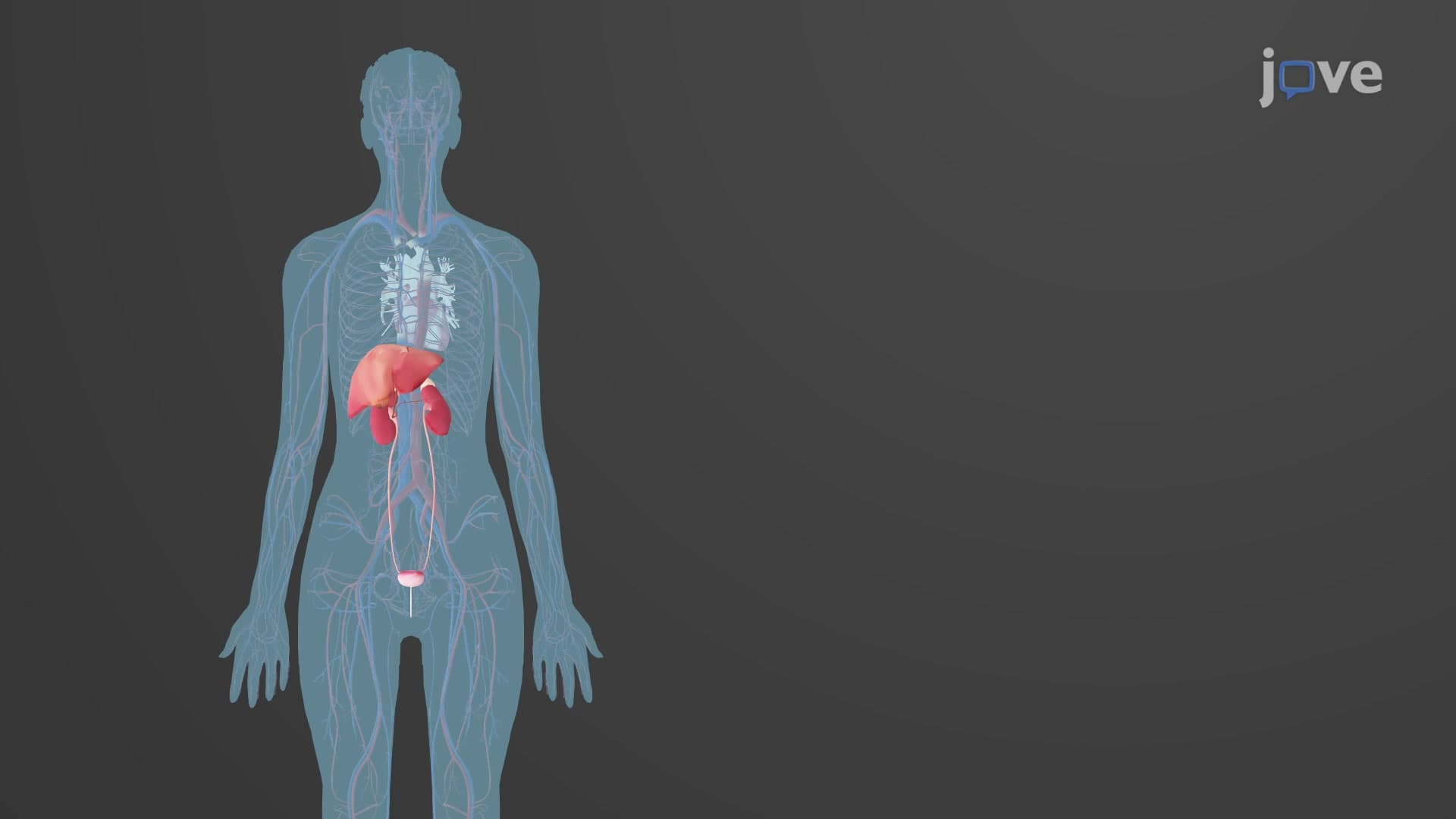
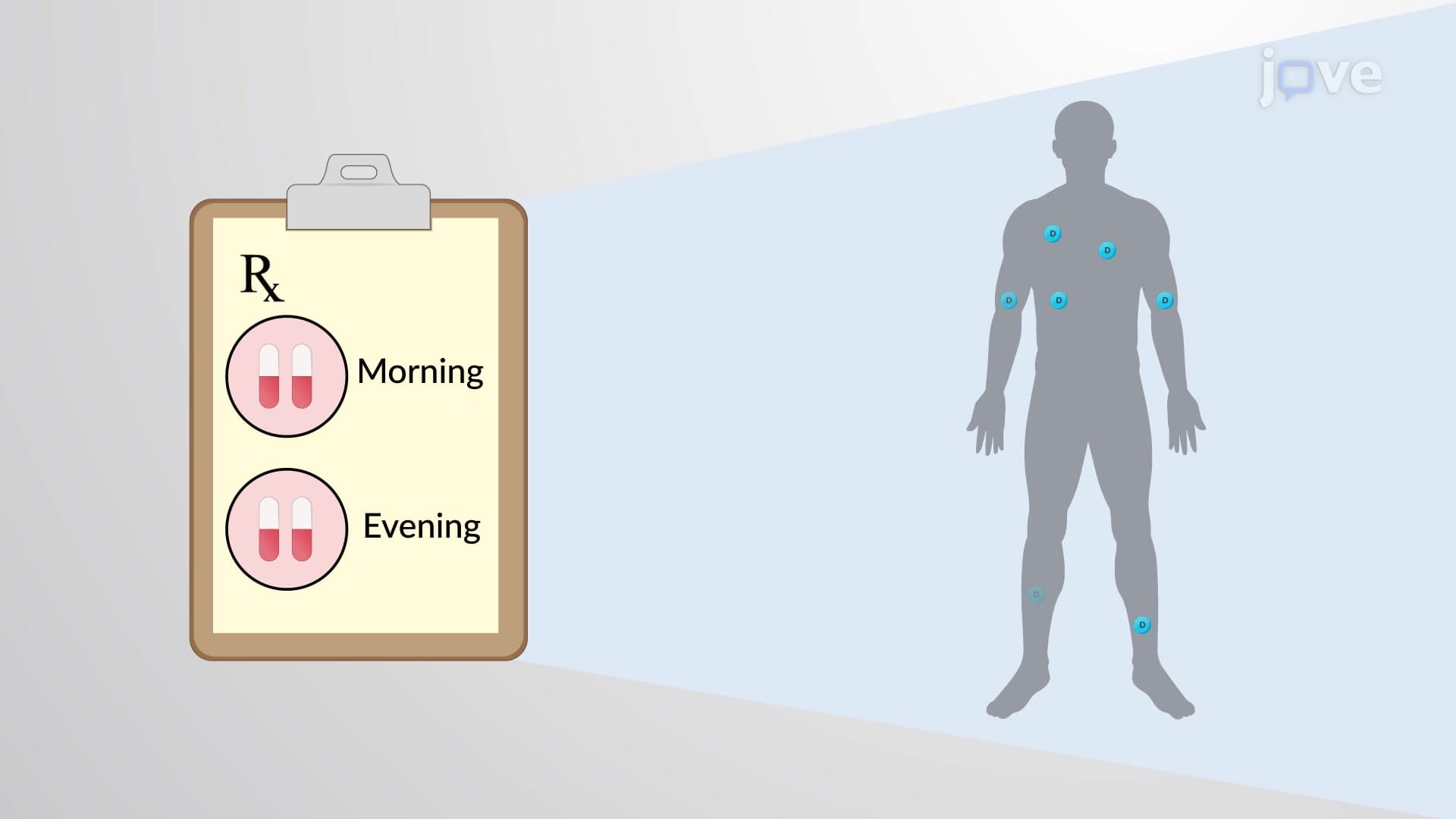
Pharmacokinetics represents one of the most fundamental concepts in pharmaceutical sciences and clinical medicine. This field examines the journey every medication takes through your body-from the moment of administration until complete elimination. Unlike pharmacodynamics (which studies what drugs do to the body), pharmacokinetics focuses on what the body does to drugs.
The Four Pillars of Drug Processing
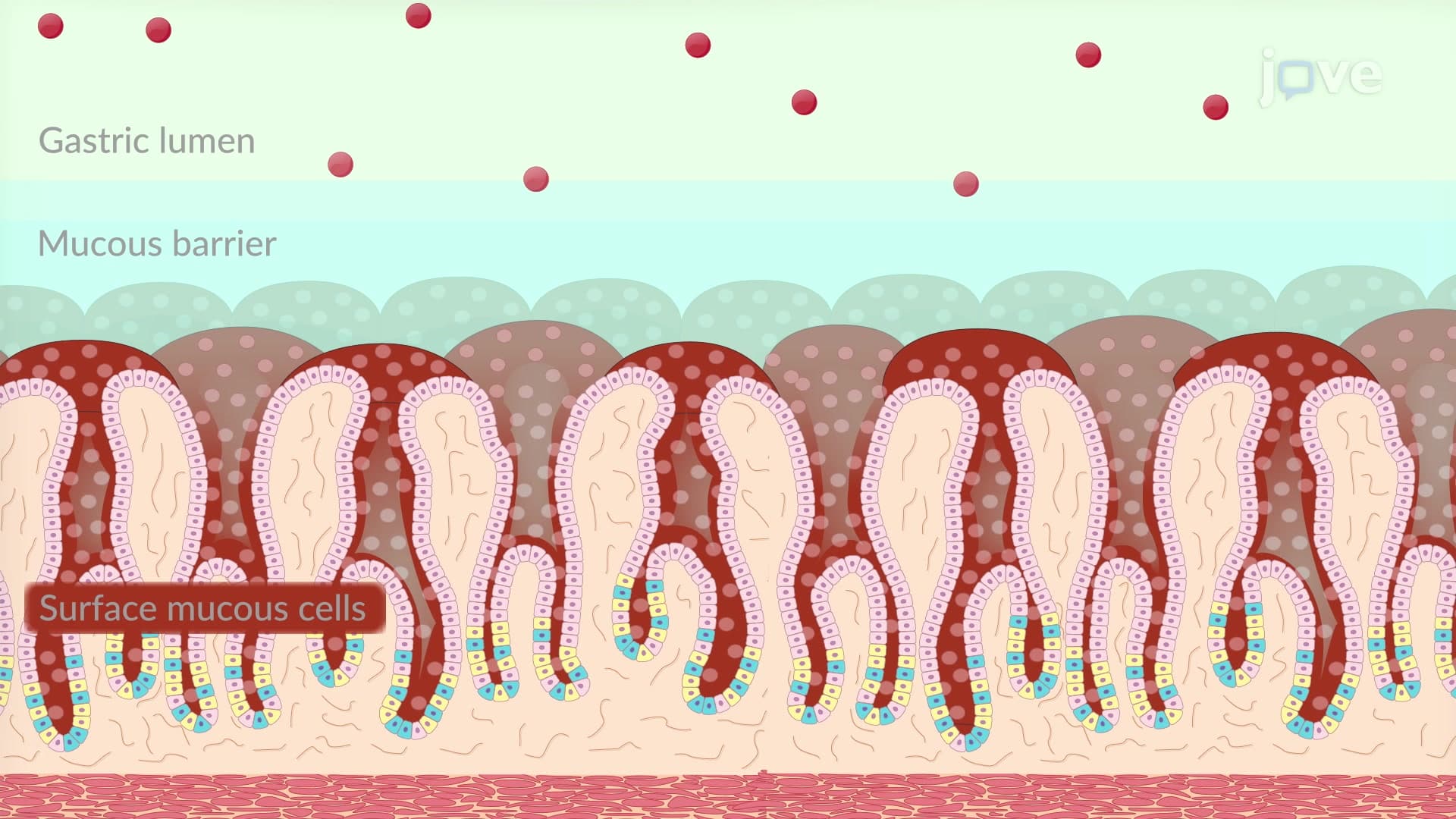
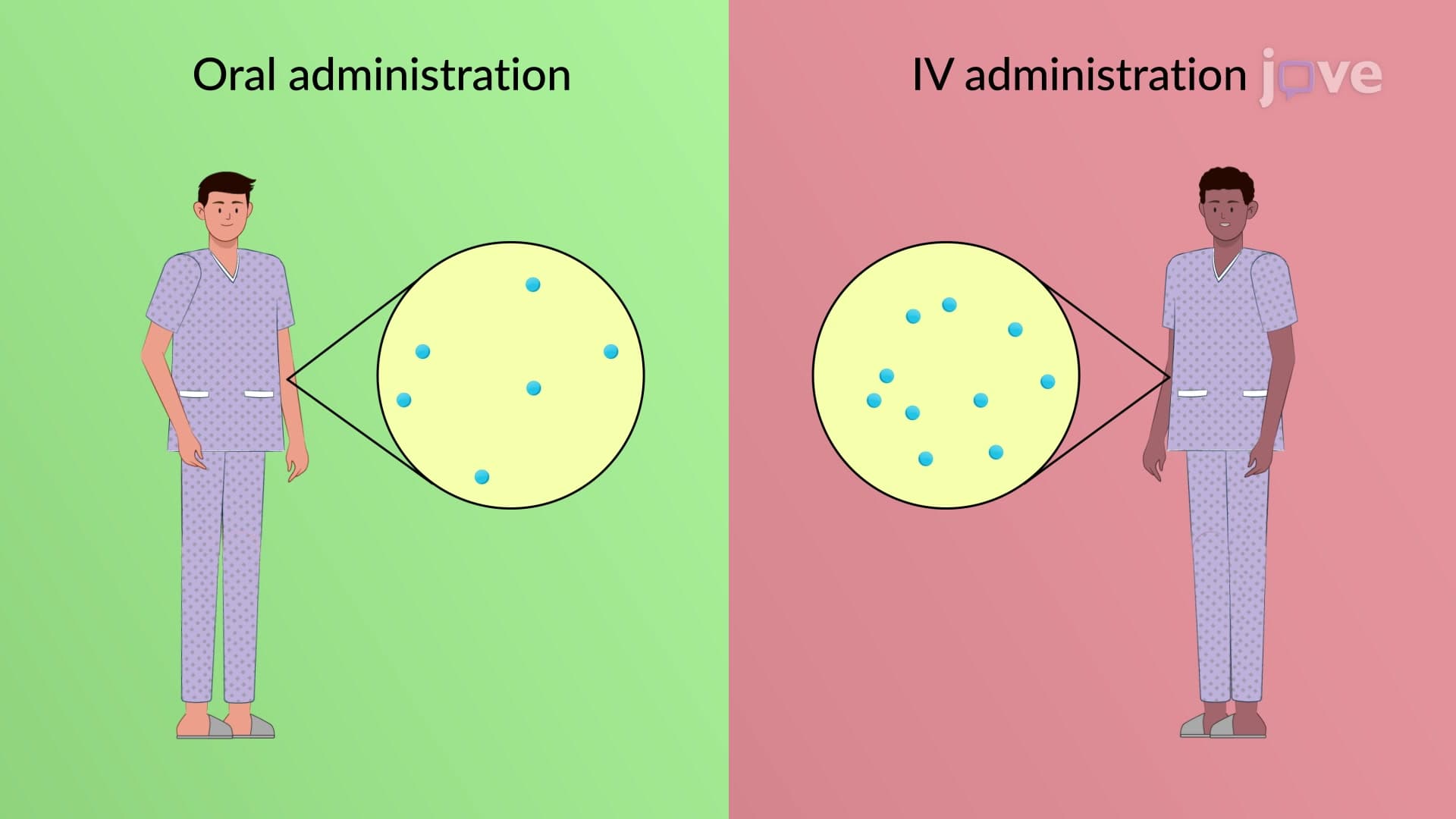
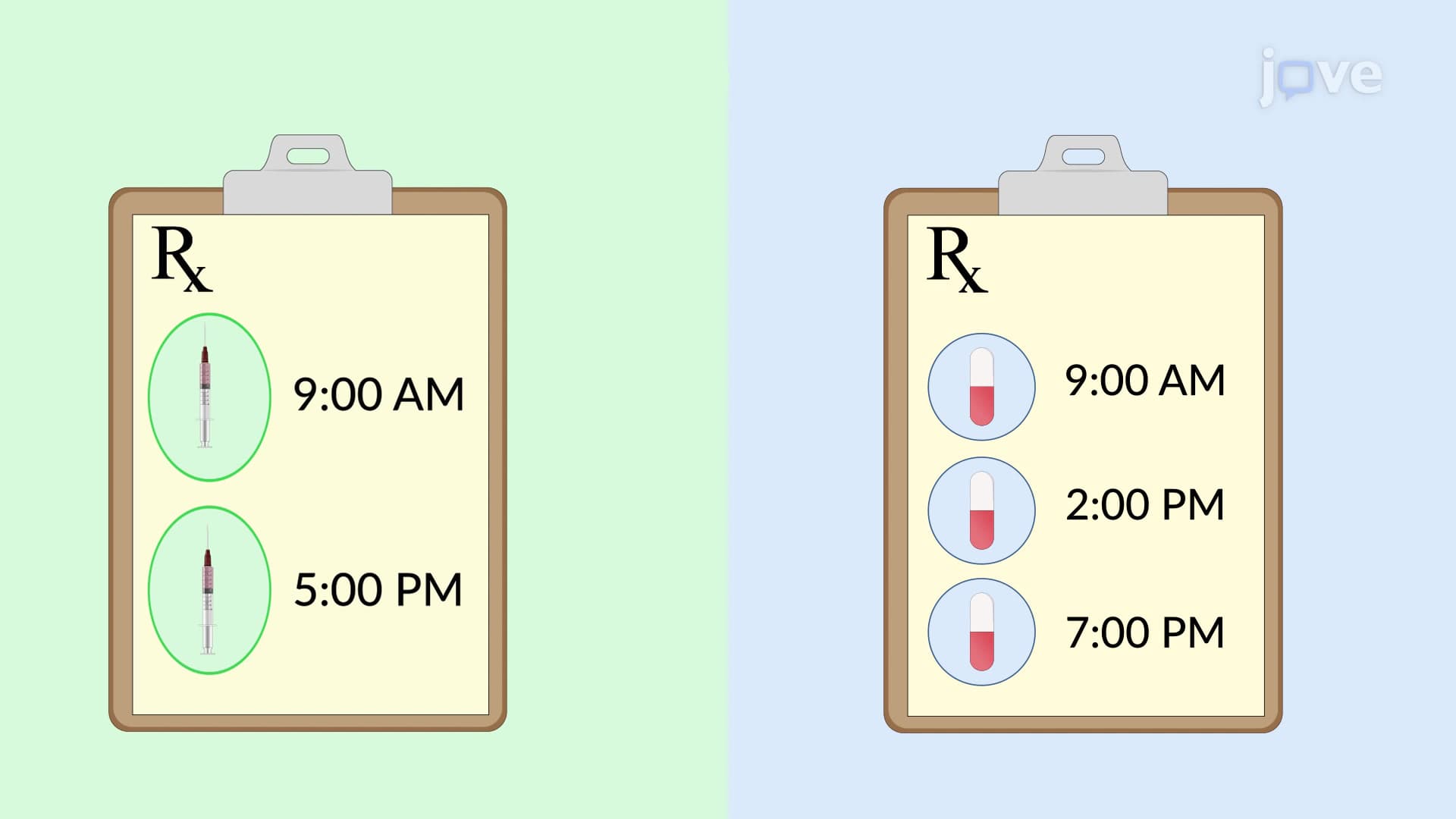
The ADME framework provides the foundation for understanding pharmacokinetics. Absorption varies dramatically based on administration route. When you take acetaminophen (Tylenol) orally, it must dissolve in your stomach, cross intestinal barriers, and navigate liver metabolism before reaching systemic circulation-a process called first-pass metabolism. Conversely, emergency medications like epinephrine administered intravenously bypass these barriers entirely, achieving nearly 100% bioavailability.
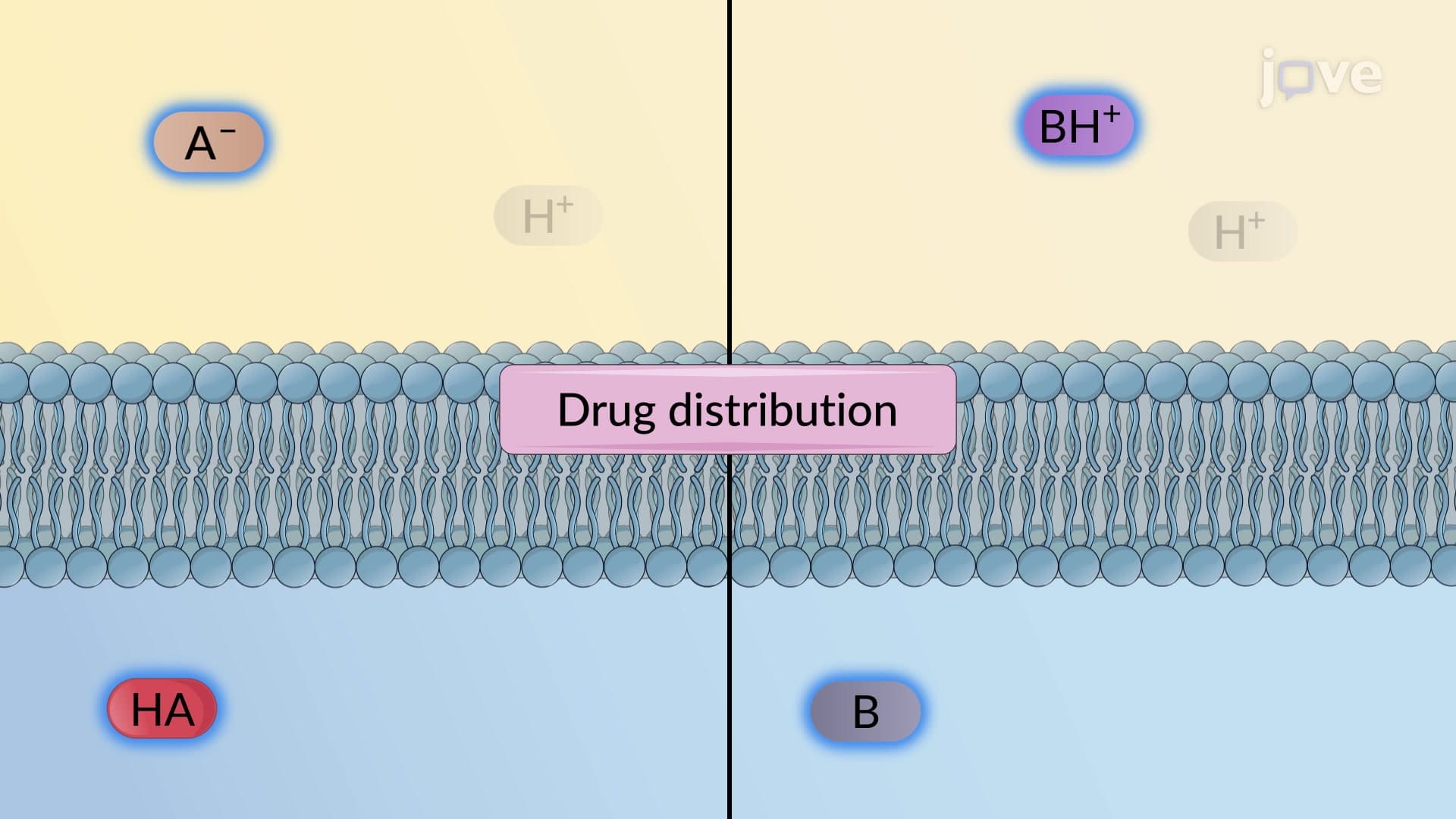
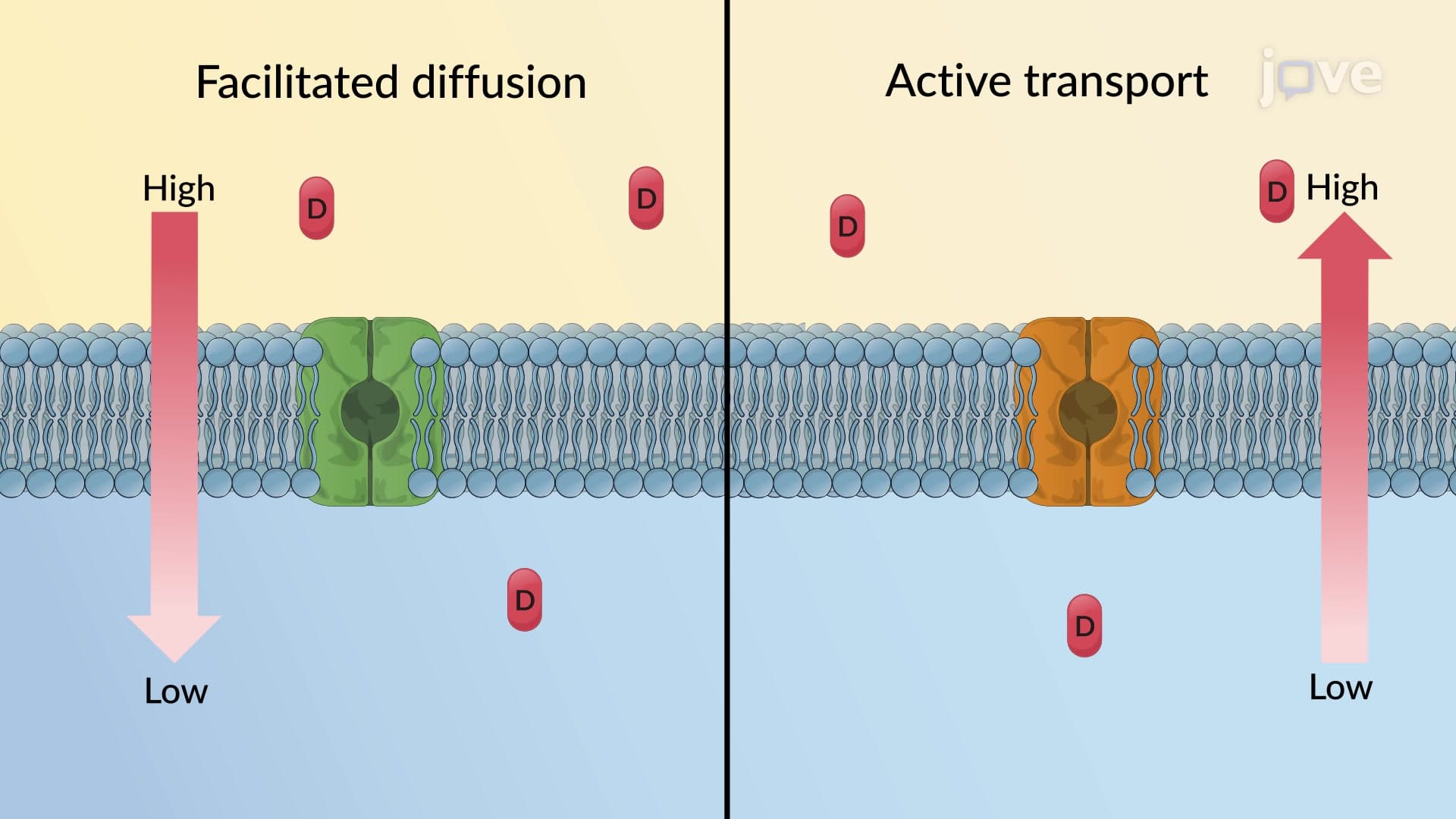
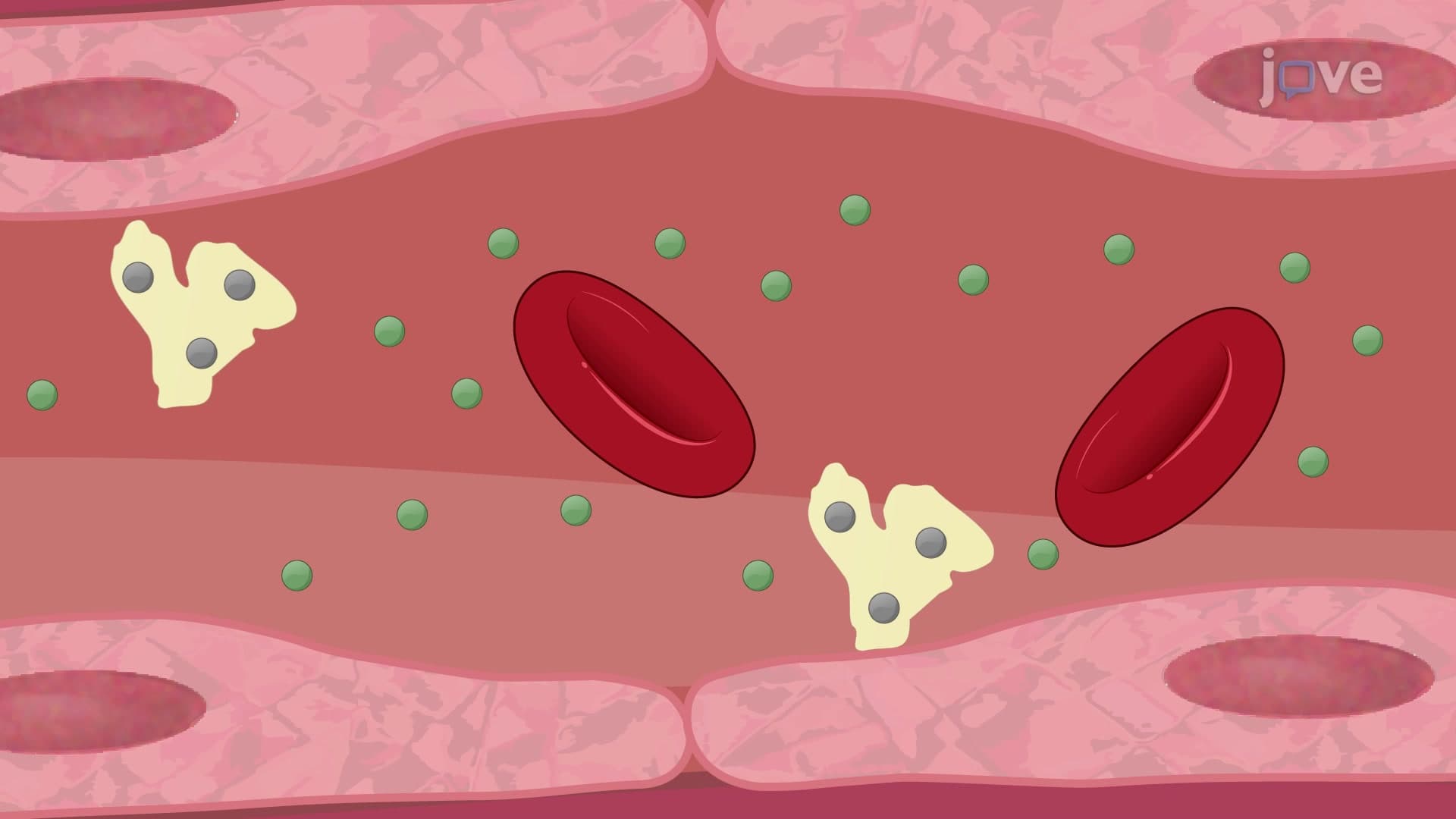
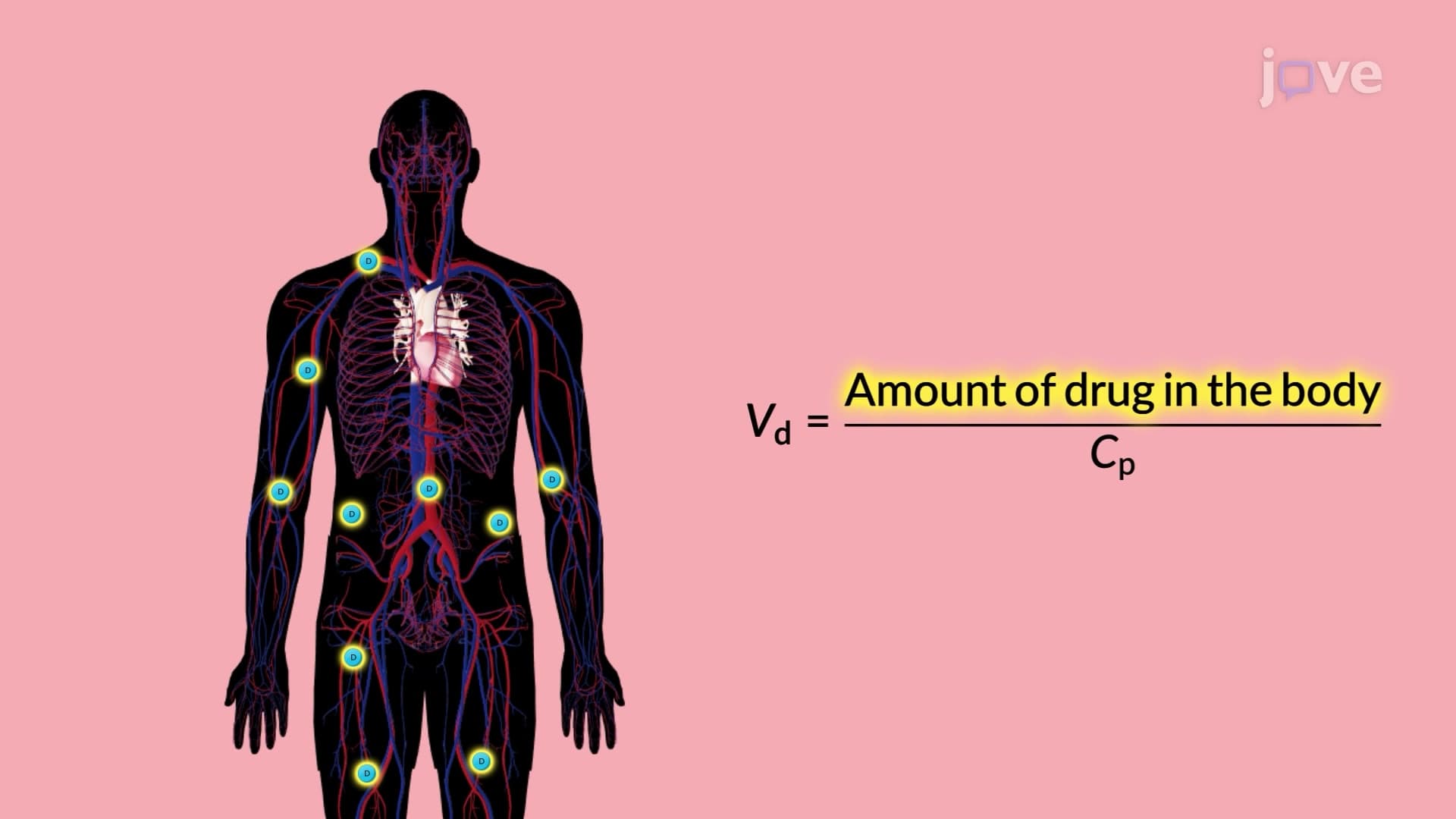
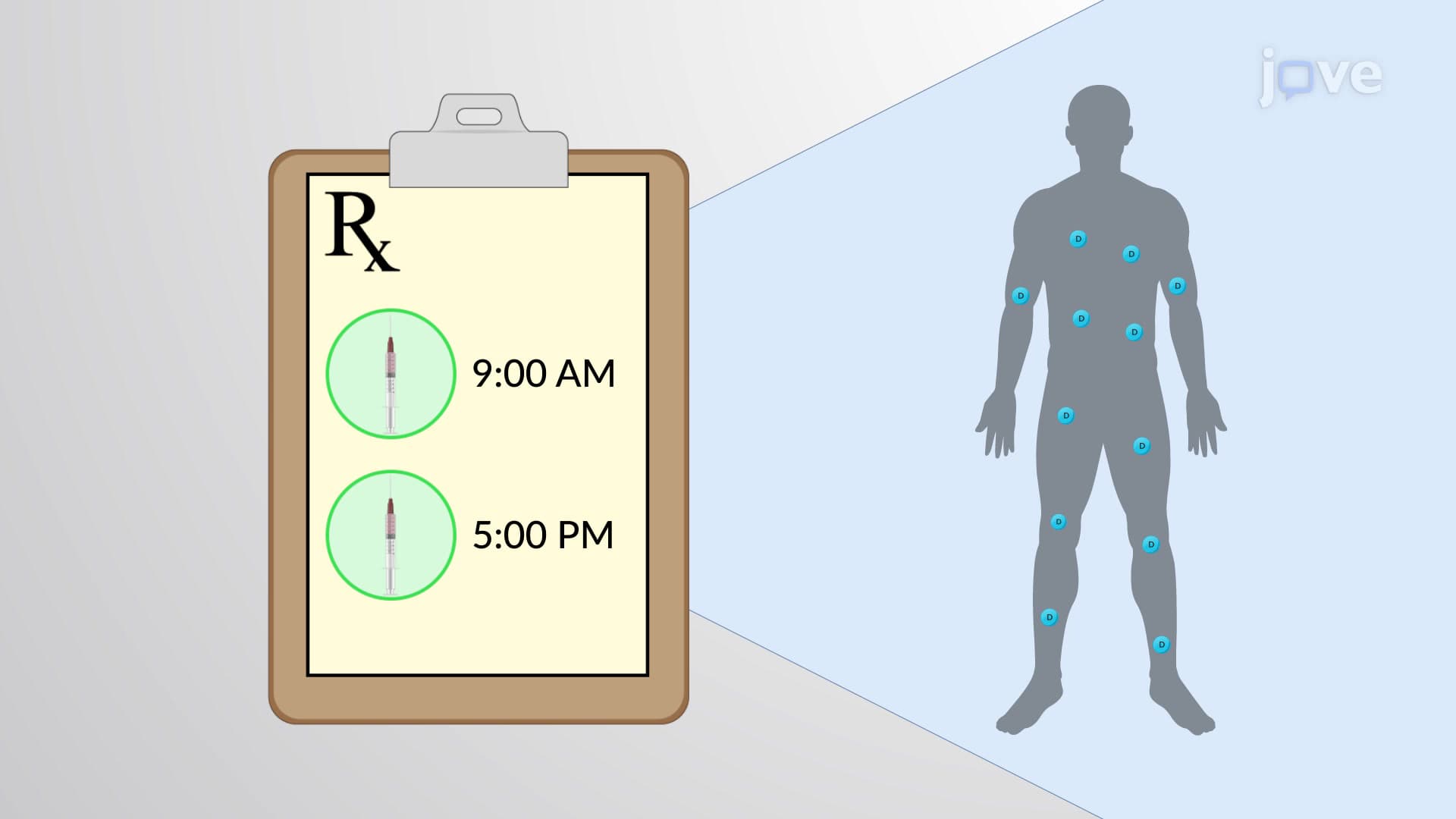
Distribution determines where drugs travel once in circulation. Highly protein-bound medications like warfarin remain largely in blood vessels, while lipophilic drugs such as propranolol readily cross cell membranes to reach target tissues. The blood-brain barrier presents a unique challenge-only specific drugs can cross this protective barrier to treat neurological conditions.
Metabolism and Elimination Pathways
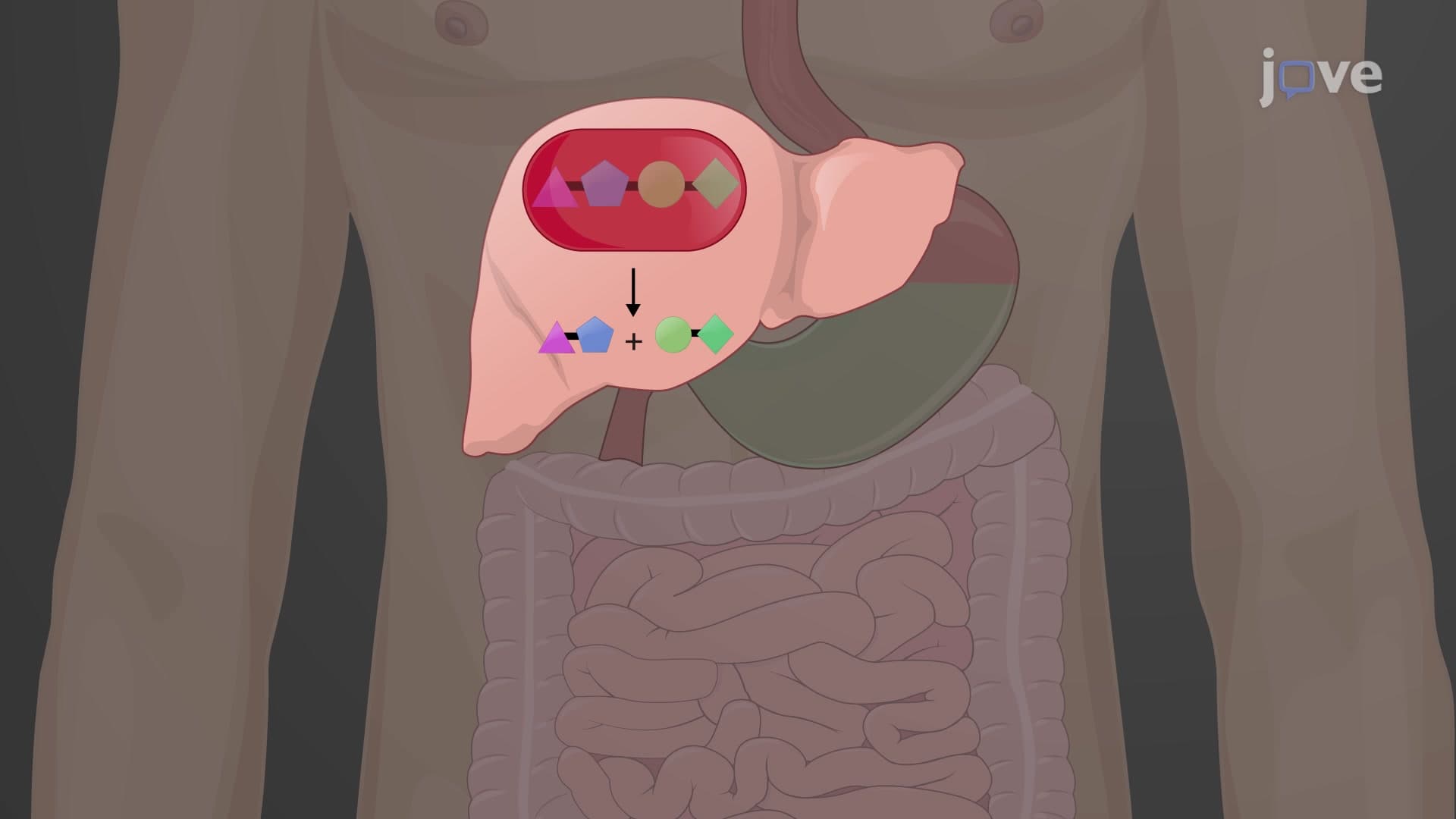
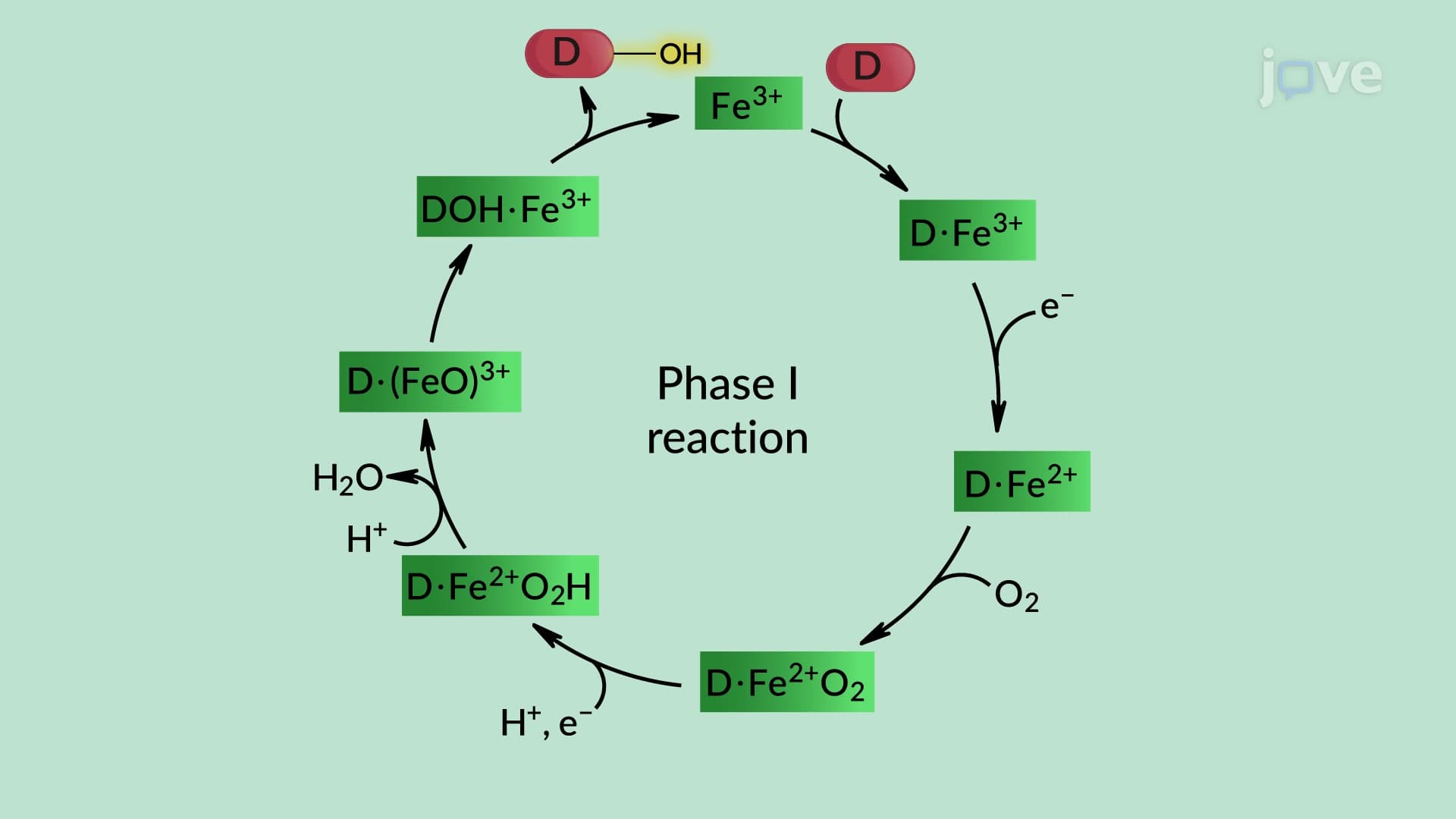
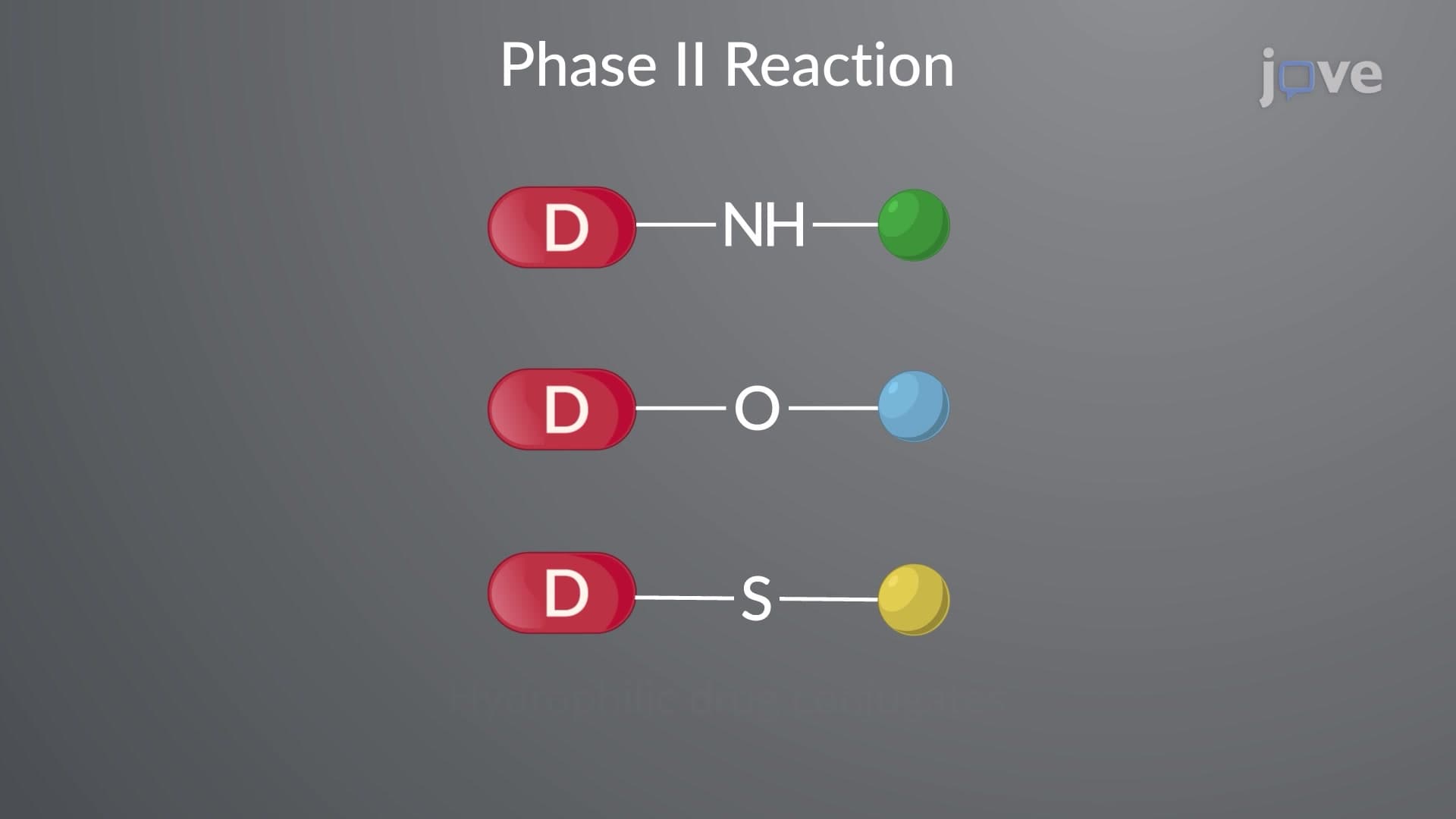
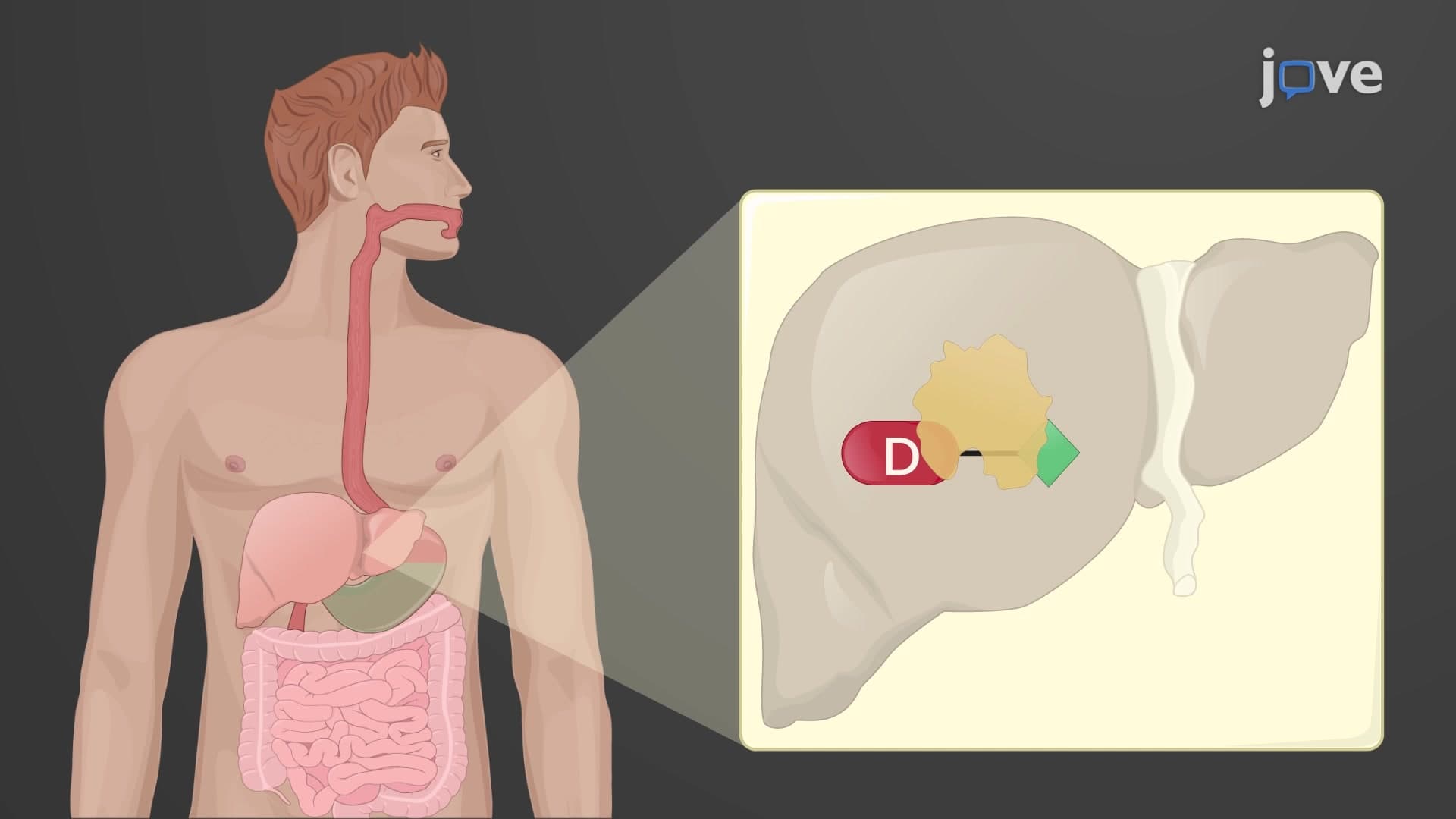
Metabolism primarily occurs in the liver through cytochrome P450 enzymes. These enzymes transform fat-soluble drugs into water-soluble metabolites, enabling easier elimination. This process explains why patients with liver disease require adjusted dosing for medications like acetaminophen or statins.
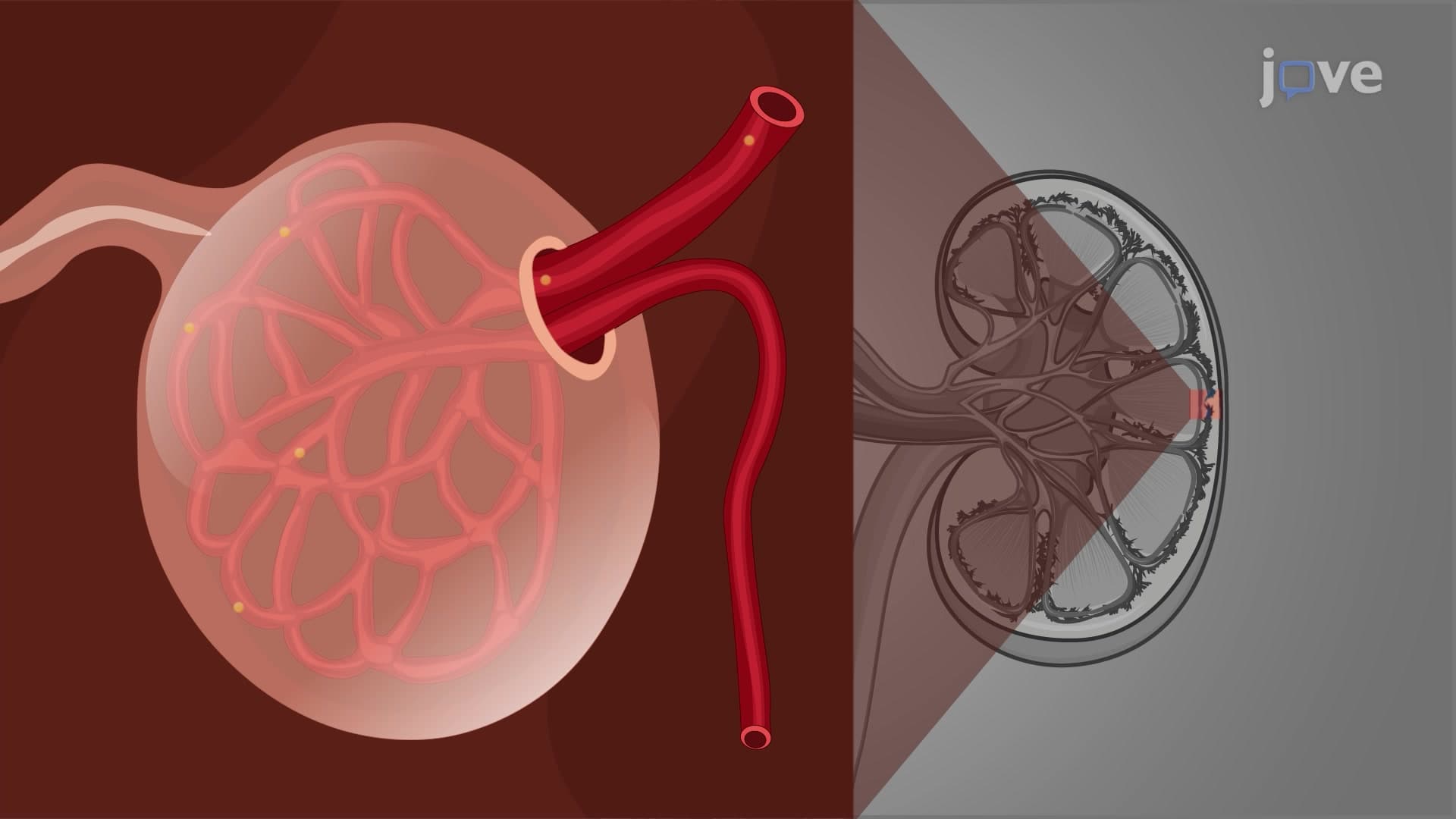
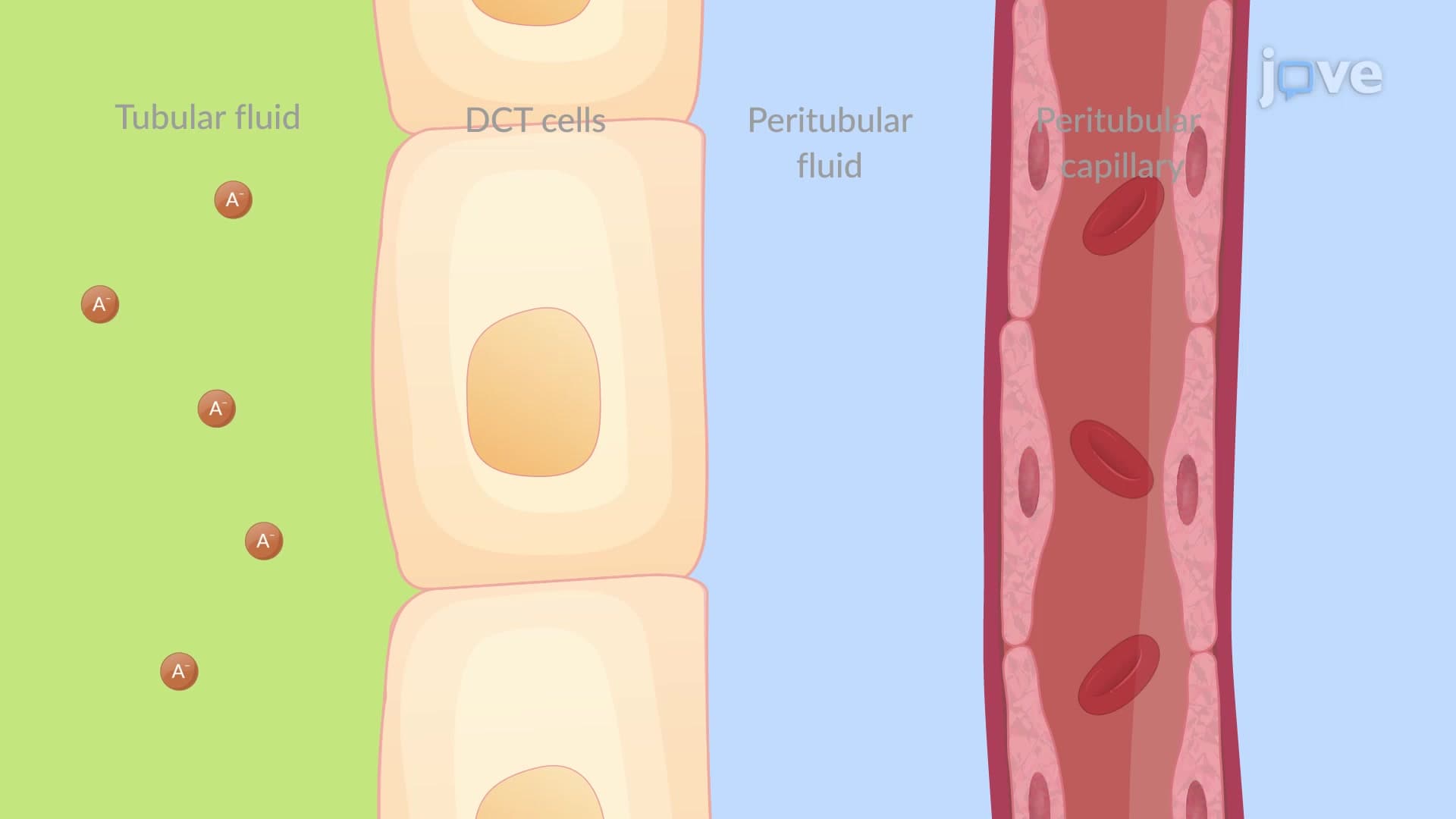
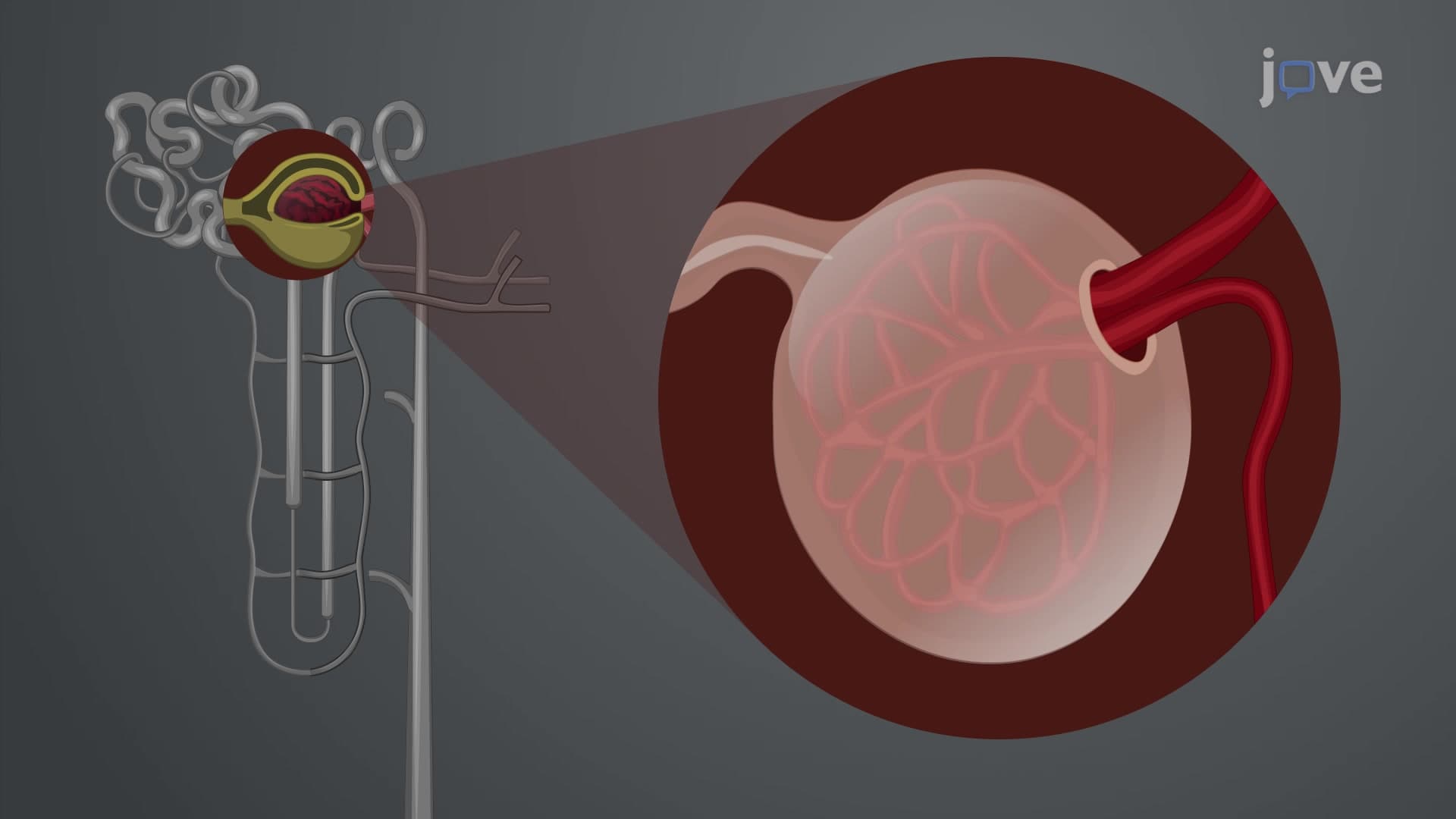
Elimination predominantly happens through the kidneys, which can only effectively remove water-soluble substances. This principle underlies why cocaine metabolites appear in urine tests-the body converts lipophilic cocaine into hydrophilic metabolites for renal excretion.
Clinical and Academic Applications
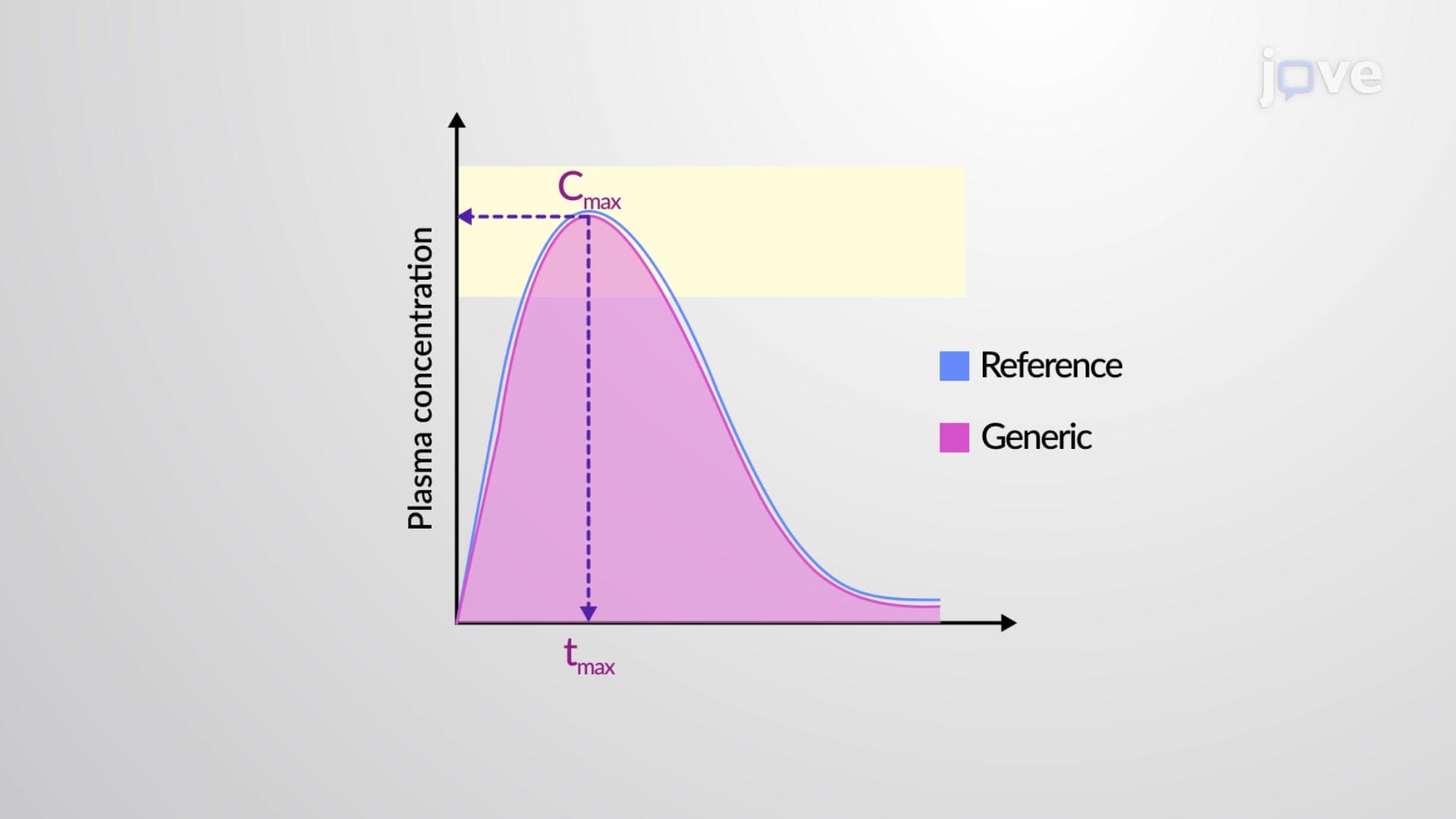
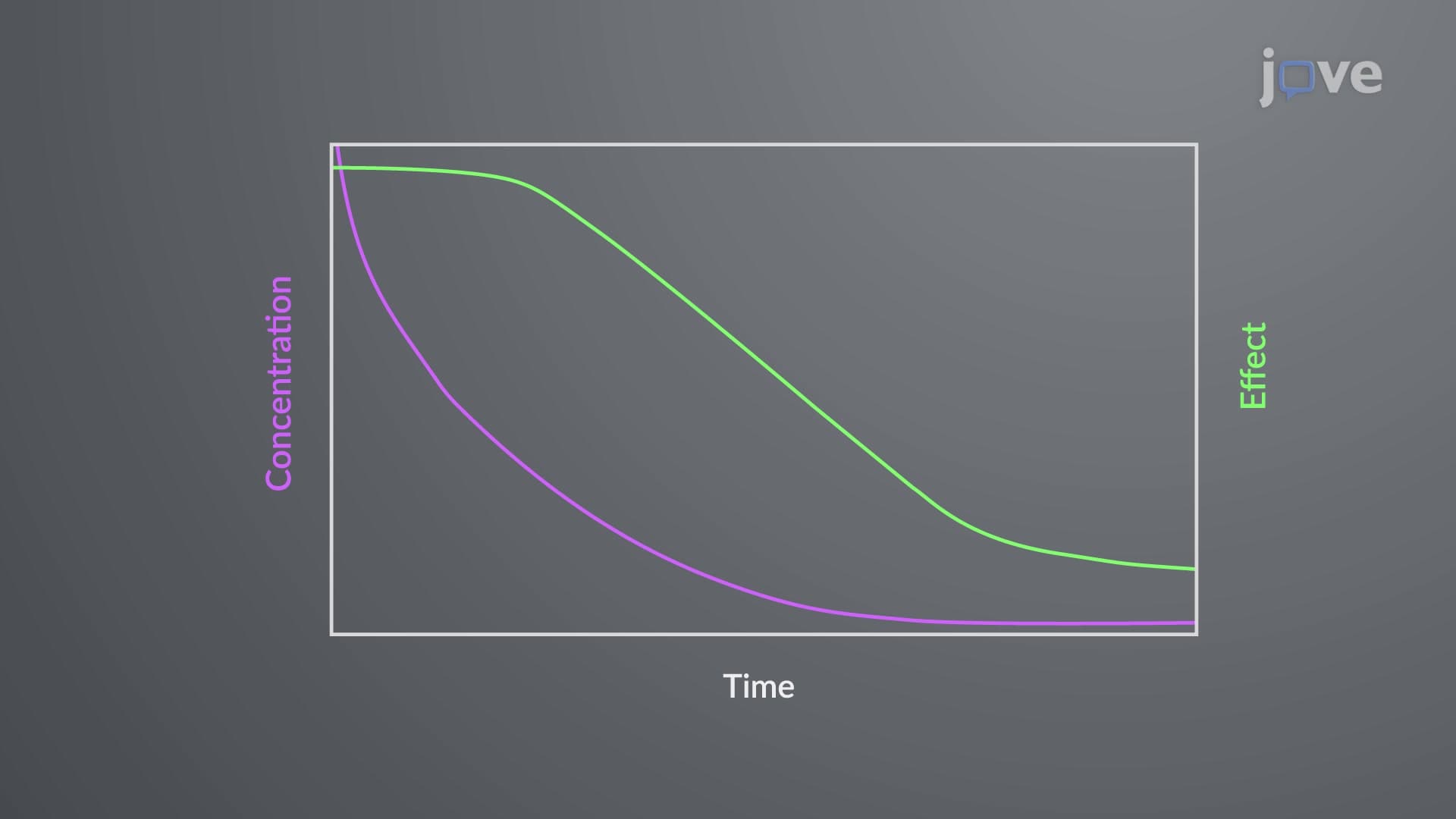
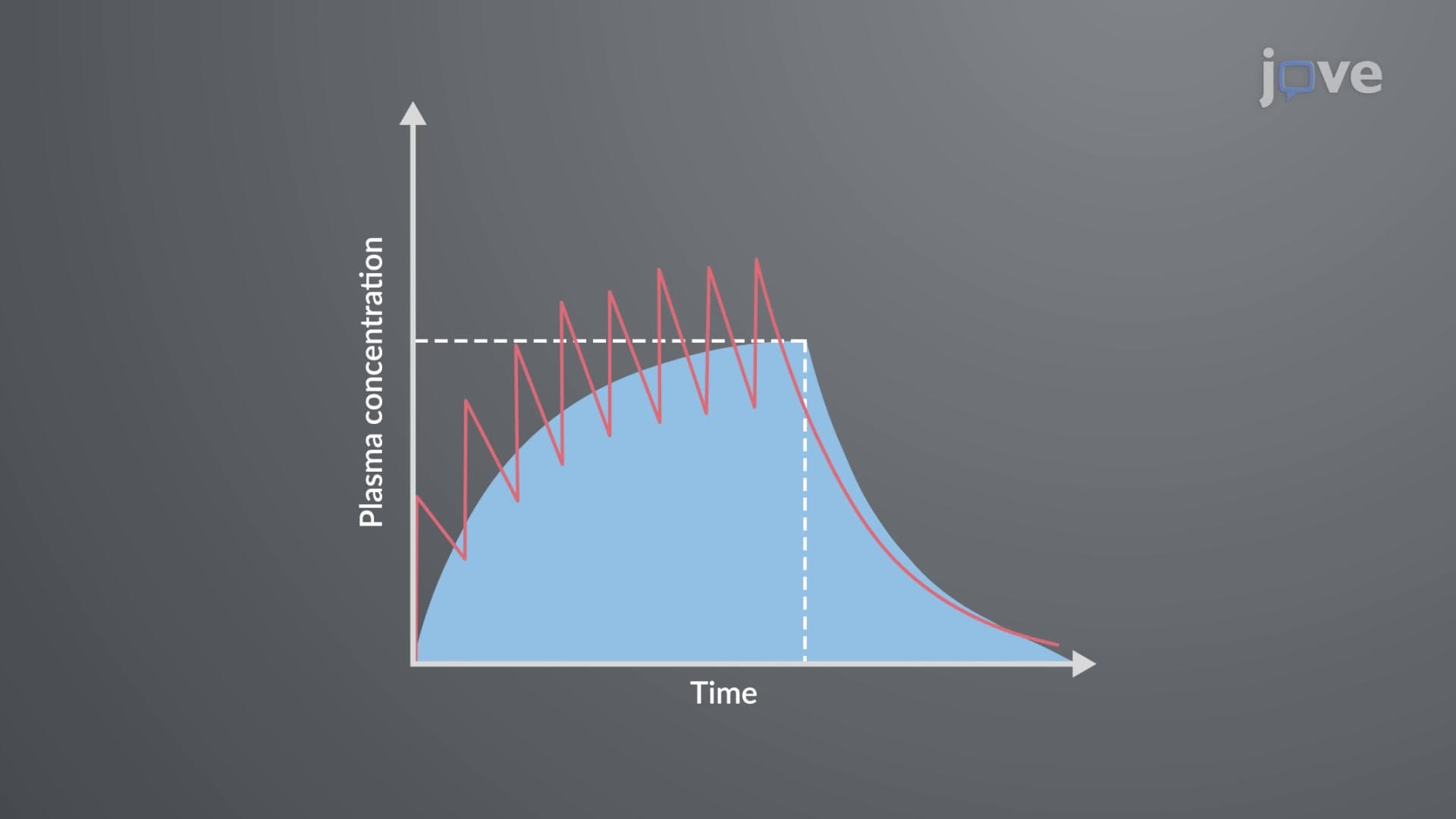
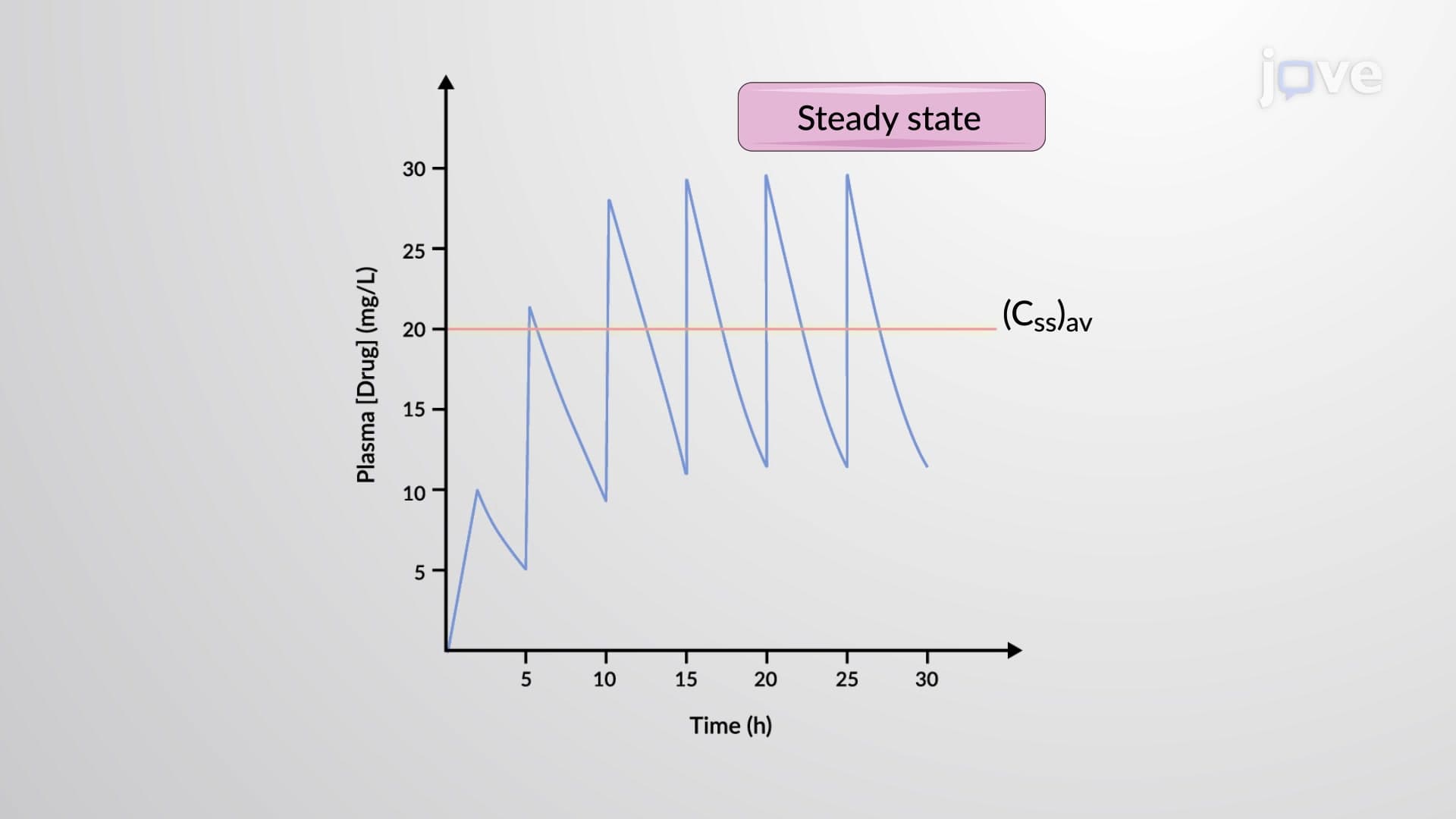
These concepts appear extensively in MCAT passages, AP Biology exams, and undergraduate pharmacology courses. Pre-med students studying for the MCAT encounter pharmacokinetics in both biological sciences and chemical foundations sections. Understanding these principles proves essential for interpreting drug concentration graphs, predicting therapeutic outcomes, and explaining medication timing in clinical scenarios.
Healthcare professionals at institutions like Mayo Clinic and Cleveland Clinic apply pharmacokinetic principles daily when adjusting medication dosages for patients with kidney disease, determining optimal dosing intervals, and predicting drug interactions.
Frequently Asked Questions
Pharmacokinetics is the study of how your body processes medications through four key steps: absorption (getting into bloodstream), distribution (spreading to tissues), metabolism (chemical breakdown), and elimination (removal from body). Think of it as tracking a drug's complete journey from when you take it until it's completely gone from your system.
MCAT questions often present drug concentration graphs and ask you to interpret absorption rates, elimination half-lives, or bioavailability differences between administration routes. You'll need to understand first-pass metabolism, renal clearance, and factors affecting drug distribution. Practice interpreting pharmacokinetic curves and calculating basic parameters like clearance and volume of distribution.
Basic high school chemistry provides sufficient background for introductory pharmacokinetics concepts. You'll need to understand polarity (hydrophilic vs. lipophilic), enzyme function, and simple chemical reactions. Most pharmacokinetics courses focus more on biological processes than complex chemical mechanisms, making it accessible to students with standard science prerequisites.
IV medications bypass absorption barriers by going directly into bloodstream, achieving immediate and complete bioavailability. Oral medications must dissolve, cross intestinal walls, and survive liver metabolism before reaching circulation-a process that can take 30-60 minutes and results in only partial drug absorption reaching target tissues.
Pharmacists at hospitals like Johns Hopkins use pharmacokinetic principles to adjust antibiotic dosing for kidney patients, determine insulin timing for diabetics, and predict when drug levels become therapeutic. Emergency departments rely on pharmacokinetics to choose between oral, IV, or intramuscular routes based on how quickly patients need symptom relief.
Create visual diagrams showing drug pathways through body systems, practice calculating half-life and clearance problems, and memorize key factors affecting each ADME process. Focus on understanding concepts rather than memorizing formulas-most exams test application of principles to clinical scenarios rather than mathematical calculations.
AP Biology covers pharmacokinetics under molecular biology and physiology units, particularly enzyme function, membrane transport, and homeostasis. You'll encounter these concepts when studying how medications affect cellular processes, kidney filtration mechanisms, and liver metabolism pathways.
Progress to pharmacodynamics (how drugs affect the body), drug-drug interactions, and specialized topics like pediatric or geriatric pharmacokinetics. Advanced students can explore population pharmacokinetics, therapeutic drug monitoring, and pharmacogenomics-how genetic variations affect individual drug responses.
Related Micro-courses
19 Concepts

