Loading subject page…

- Pharmacology
- Pharmacokinetics
- Physiological Barriers
Micro-course: Pharmacokinetics
134,509 views
Learn key concepts and earn your certificate.




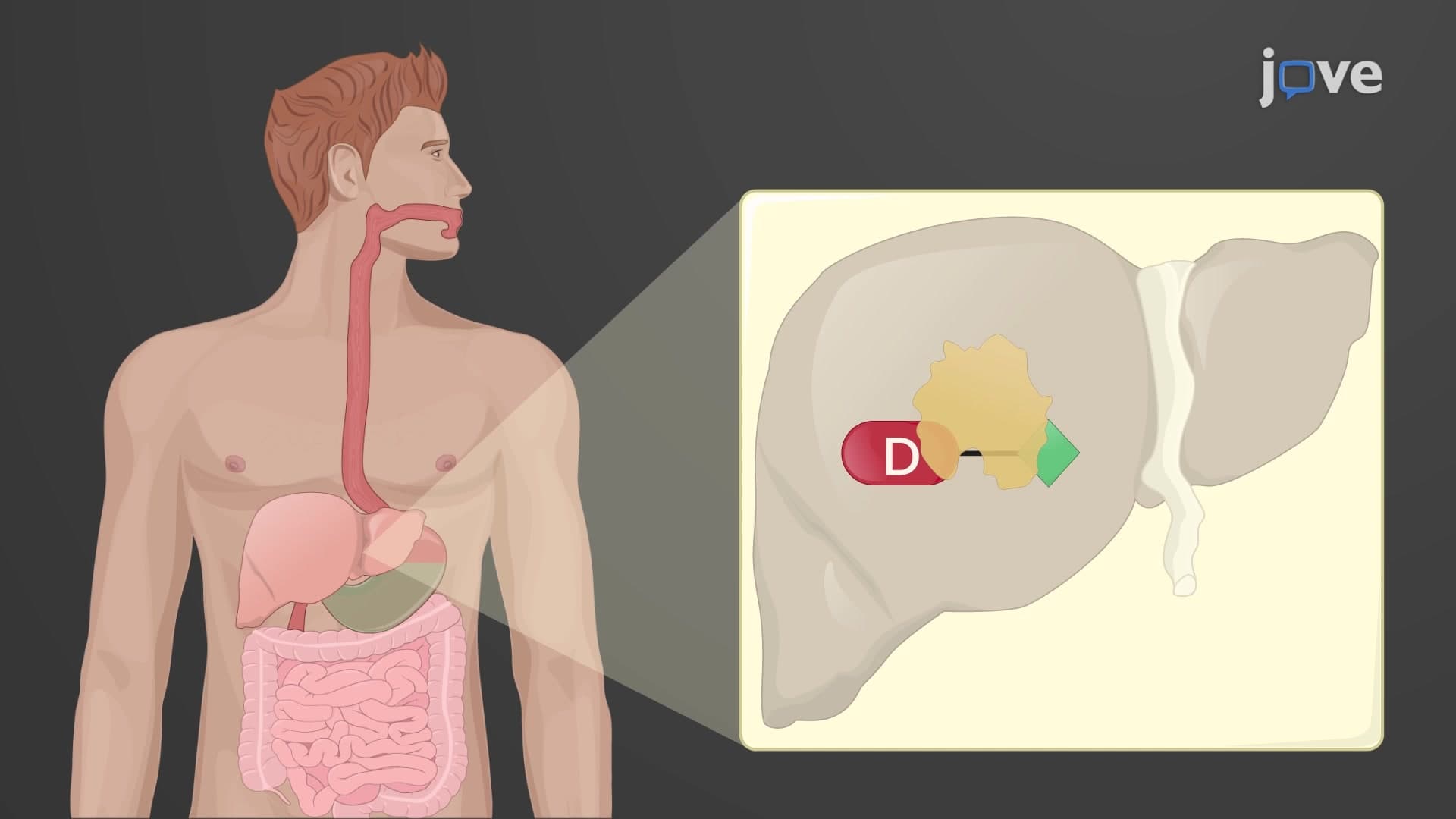
Physiological Barriers

00:00
01:25
Video Summary: What Is Physiological Barriers
Ever wonder why alcohol affects your brain so quickly, but many life-saving medications can't cross into brain tissue? Physiological barriers act like sophisticated security checkpoints in your body, determining which drugs can enter specific tissues and organs. The FDA's strict pregnancy drug classifications exist because the blood-placental barrier, while protective, isn't foolproof-certain medications can still reach developing fetuses. What is physiological barriers becomes crucial when understanding why some treatments work immediately while others require specialized delivery methods. Watch the full video on JoVE Coach to master this concept with expert-led visuals and step-by-step explanations.
- Understand what is physiological barriers and how they control drug distribution throughout the human body
- Identify the four major barrier types: vascular endothelium, cell membranes, blood-brain barrier, and blood-placental barrier
- Compare permeability differences between barriers and explain why molecular size and lipophilicity matter
- Analyze how tight junctions in brain capillaries create the most restrictive physiological barrier
- Evaluate why the blood-placental barrier's limited effectiveness requires pregnancy drug restrictions
- Apply barrier concepts to predict drug behavior in different body compartments
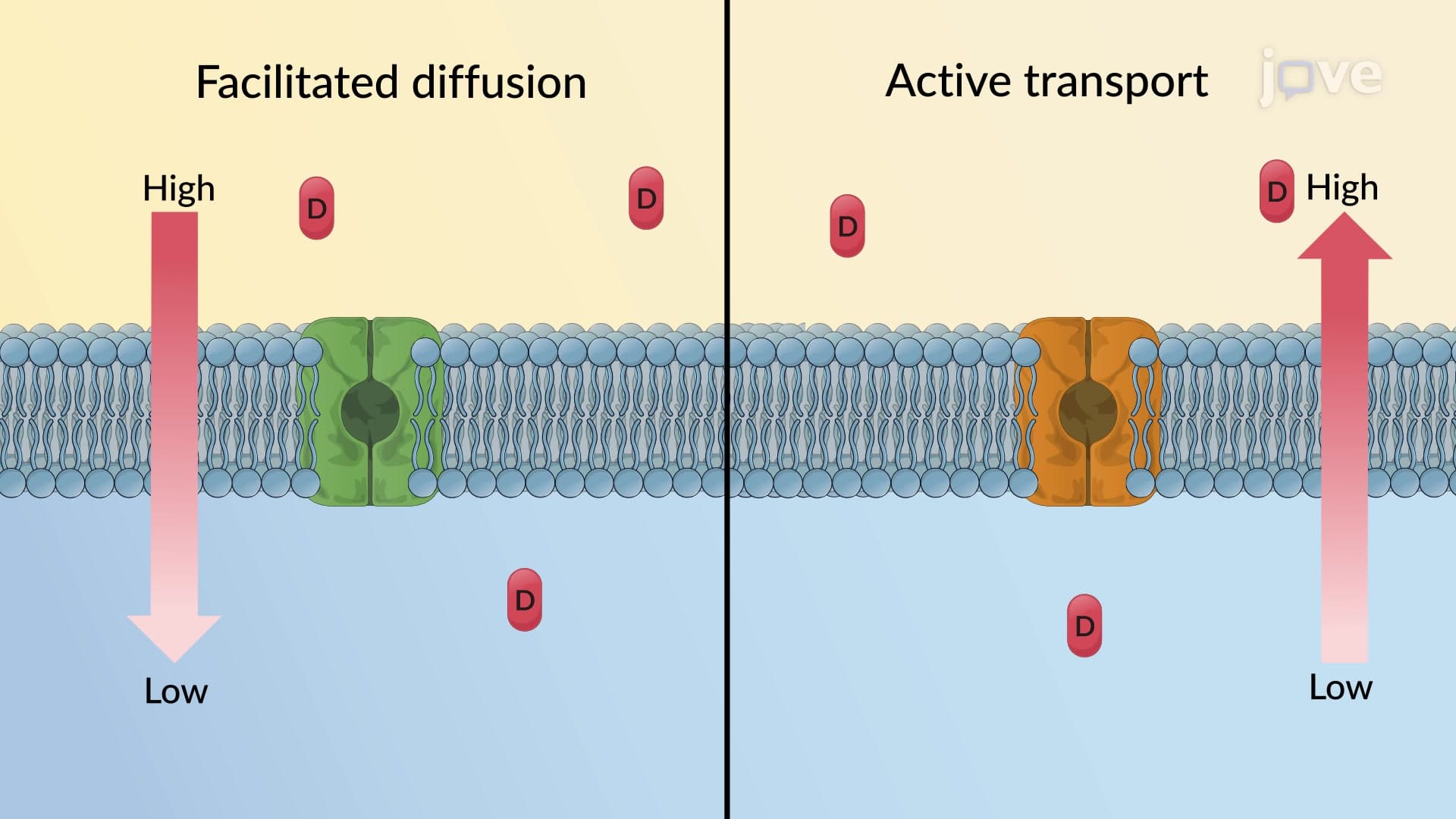
- Recognize the role of active transport mechanisms in overcoming barrier limitations
- Explore clinical implications of barrier dysfunction in diseases like multiple sclerosis and preeclampsia
Understanding What is Physiological Barriers
Physiological barriers represent the body's natural defense system against foreign substances, including therapeutic drugs. These semi-permeable structures evolved to maintain tissue-specific environments while allowing selective passage of essential molecules. For pre-med students preparing for the MCAT, understanding barrier mechanisms proves crucial for pharmacology and physiology sections.
Vascular Endothelium: The Gateway Barrier
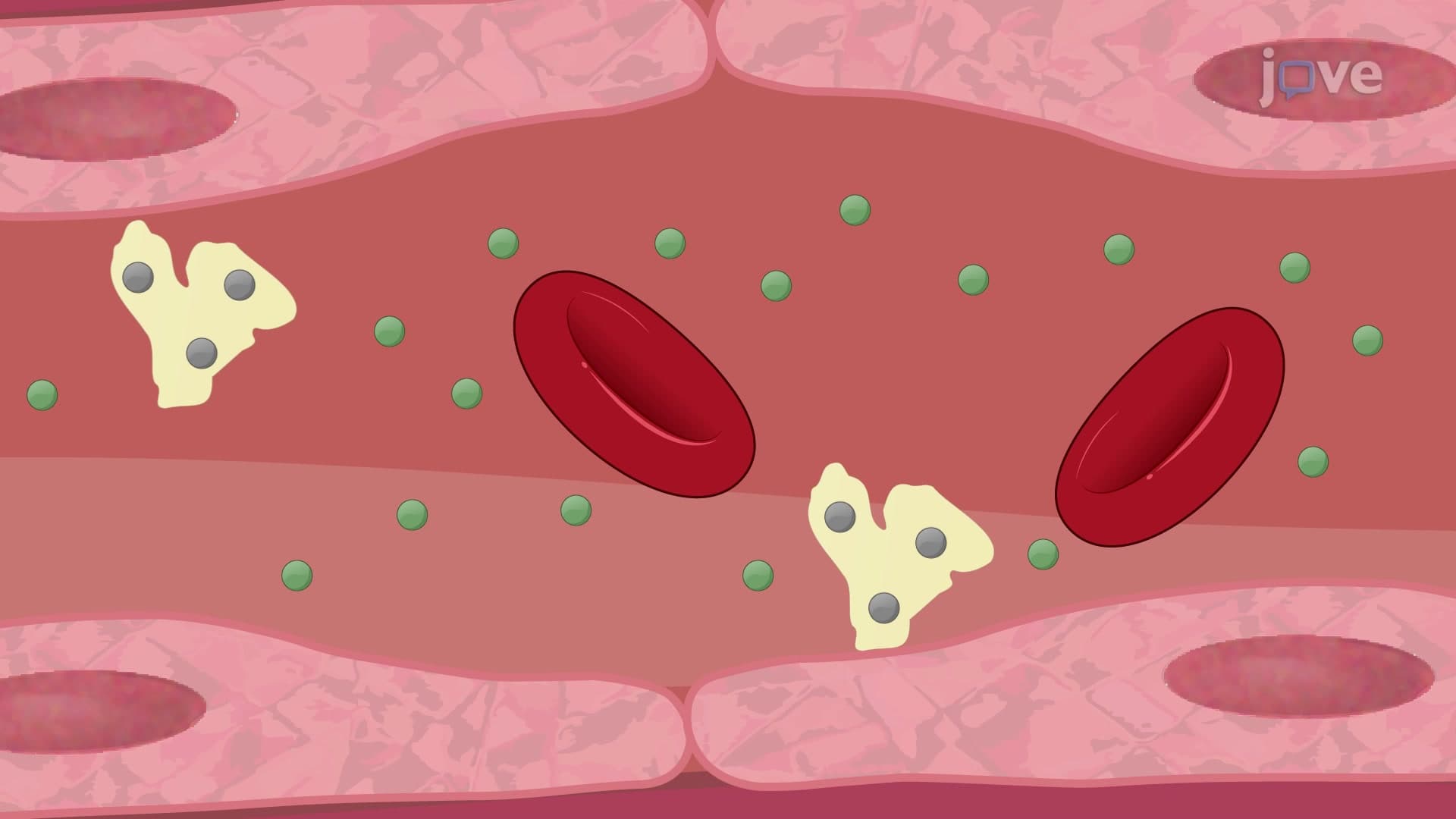
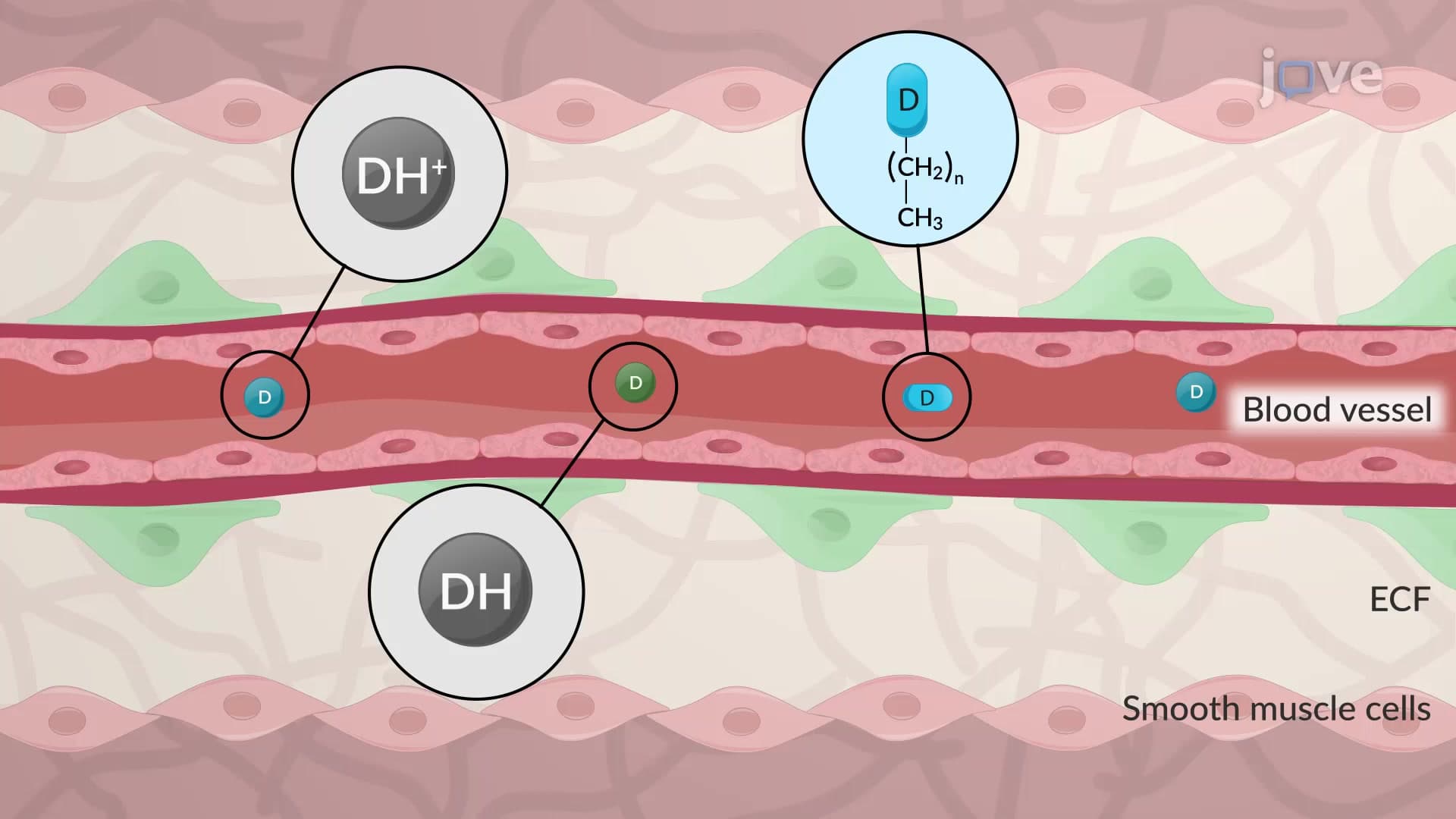
The vascular endothelium forms the most permeable physiological barrier, allowing most drugs under 600 Daltons to pass freely. This includes both ionized and non-ionized compounds, making systemic drug distribution relatively straightforward. Consider how quickly ibuprofen enters your bloodstream after oral administration-this rapid absorption occurs because the drug easily crosses vascular barriers in your digestive tract.
Cell Membranes: Selective Permeability in Action
Once drugs cross vascular barriers, they encounter cell membranes-lipid bilayers that favor lipophilic (fat-loving) molecules. This selectivity explains why some medications require special formulations. For instance, insulin cannot cross cell membranes independently and must bind to specific receptors, triggering cellular uptake mechanisms. AP Biology students frequently encounter questions about membrane transport, making this concept essential for exam success.
Blood-Brain Barrier: The Ultimate Guardian
The blood-brain barrier represents the most restrictive physiological barrier, formed by endothelial cells connected through continuous tight junctions. Only highly lipophilic drugs or those utilizing specific transport proteins can enter brain tissue. This explains why developing new psychiatric medications proves so challenging-drug companies must engineer compounds that can breach this fortress-like barrier. The barrier's selectivity protects neural tissue but complicates treating brain cancers, infections, and neurological disorders.
Blood-Placental Barrier: Protecting Future Generations
During pregnancy, the blood-placental barrier filters maternal blood before reaching fetal circulation. While more permeable than the blood-brain barrier, it still restricts molecules larger than 1000 Daltons. However, many drugs can cross this barrier, explaining the FDA's pregnancy drug categories (A, B, C, D, X). Thalidomide's tragic history in the 1950s-60s highlighted this barrier's limitations, leading to stricter medication testing protocols in the United States.
Understanding these barriers helps explain medication timing, dosing strategies, and safety protocols that medical professionals follow daily.
Frequently Asked Questions
Physiological barriers are natural protective boundaries in your body that control which substances can enter specific tissues and organs. Think of them as biological security checkpoints that allow beneficial molecules through while blocking potentially harmful ones. These barriers include your blood vessel walls, cell membranes, and specialized barriers protecting your brain and unborn babies during pregnancy.
MCAT questions frequently test barrier concepts in biological sciences passages about drug absorption, neural signaling, and pregnancy physiology. You'll encounter scenarios asking why certain medications don't affect the brain or how molecular properties influence drug distribution. Practice identifying which barriers specific drugs can cross based on size, charge, and lipophilicity.
AP Biology emphasizes the relationship between structure and function, so questions focus on how tight junctions create impermeability and why only lipophilic molecules cross freely. Students often struggle with active transport exceptions-some non-lipophilic drugs do enter the brain through specific carrier proteins. Understanding both passive and active transport mechanisms is essential.
The blood-placental barrier cannot block all drugs from reaching developing babies, particularly smaller, fat-soluble molecules under 1000 Daltons. Medications that cross this barrier might cause birth defects (teratogenicity), so healthcare providers use FDA pregnancy categories to guide prescribing decisions. This explains why pregnant women receive modified pain management protocols and specialized antibiotic choices.
Basic chemistry concepts suffice for most applications-primarily molecular size, charge, and fat-solubility (lipophilicity). High school chemistry covering polar versus nonpolar molecules provides adequate background. The biological concepts matter more than complex chemical structures, making this topic accessible to students with introductory science coursework.
Create comparison charts showing each barrier's permeability rules, then practice predicting drug behavior based on molecular properties. Use clinical examples like why alcohol affects your brain quickly (crosses blood-brain barrier) versus why penicillin doesn't (cannot cross without inflammation). Drawing barrier diagrams with tight junctions helps visualize structural differences.
Pharmaceutical research relies heavily on barrier understanding for drug development and delivery system design. Clinical fields including anesthesiology, neurology, and obstetrics require barrier knowledge for safe prescribing practices. Nurses use these concepts when explaining medication timing and effects to patients, particularly in critical care and maternal health settings.
Barrier dysfunction appears in neurological diseases like multiple sclerosis, where blood-brain barrier breakdown allows immune cells into brain tissue. Cancer research explores barrier manipulation to improve chemotherapy delivery to brain tumors. Nanotechnology applications include designing drug carriers that can cross specific barriers while avoiding others.
Related Micro-courses
19 Concepts

