Loading subject page…


134,528 views

Video Summary: What Is Prodrugs
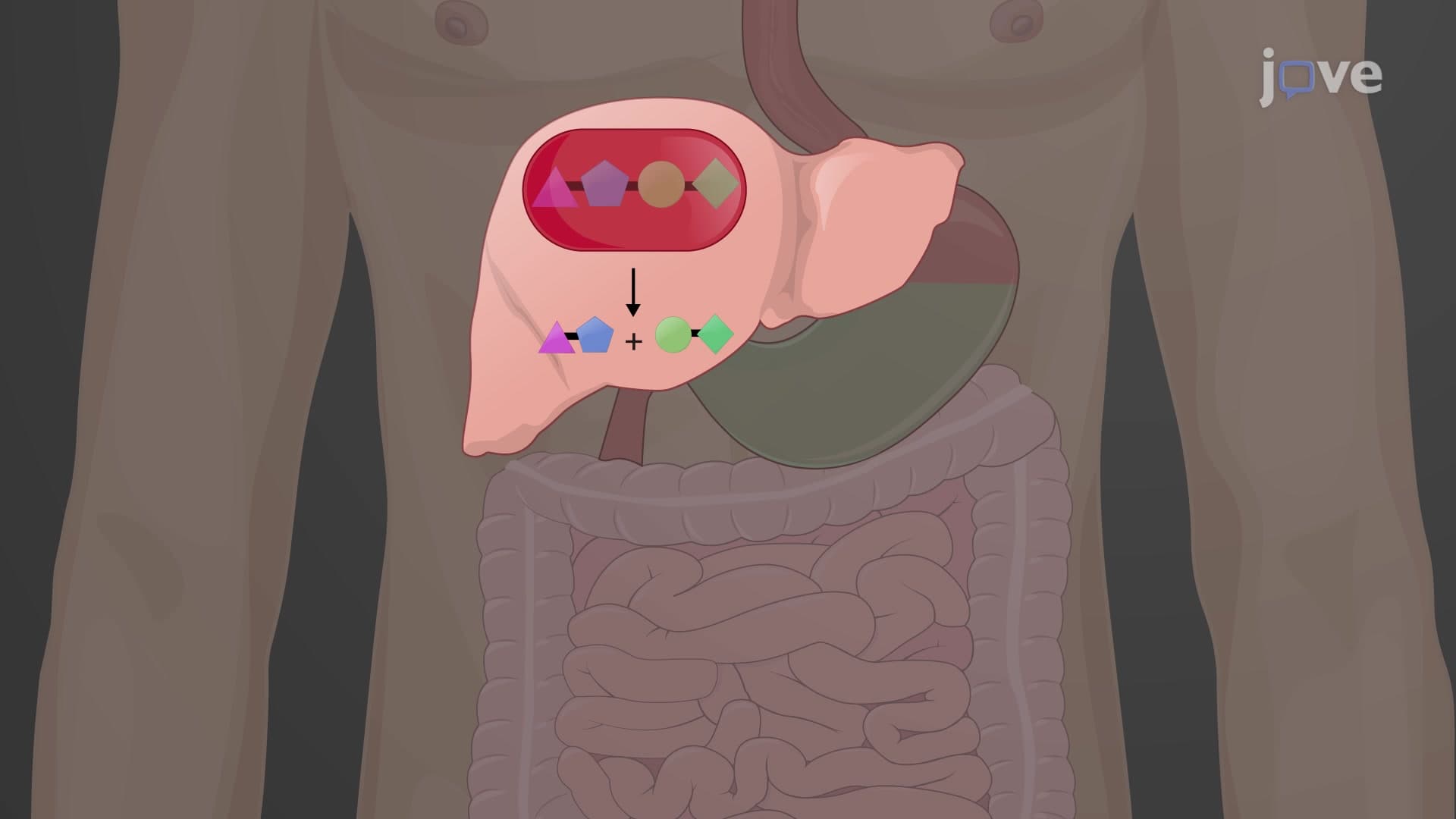
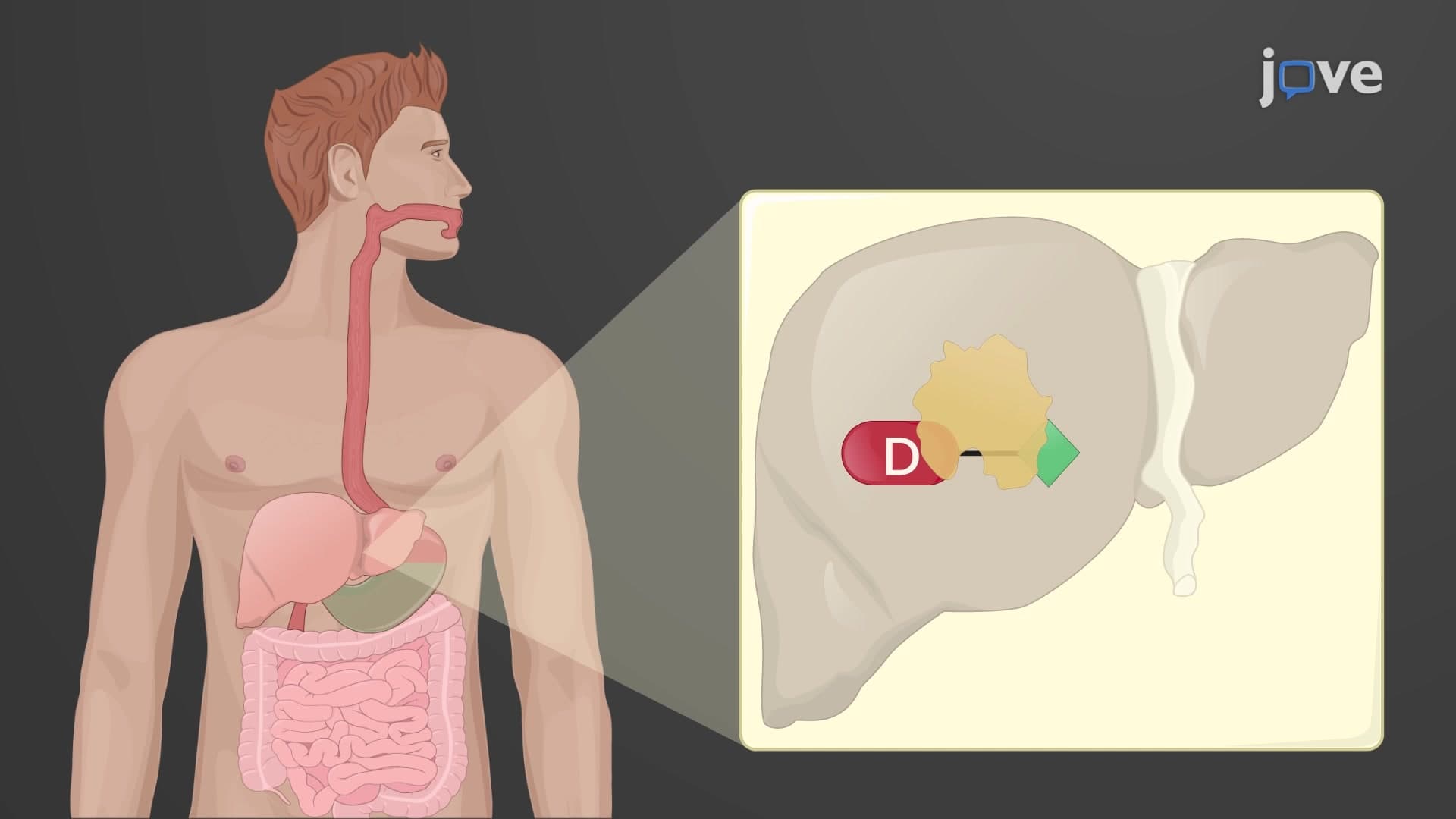
Ever wonder why some medications work better when taken as pills rather than injections? Prodrugs are the pharmaceutical industry's clever solution-inactive compounds that transform into active medications once inside your body. For instance, the blood pressure medication enalapril becomes the powerful drug enalaprilat only after liver enzymes activate it. This smart design improves absorption, reduces side effects, and eliminates bitter tastes that make pills hard to swallow. Watch the full video on JoVE Coach to master this concept with expert-led visuals and step-by-step explanations.
Prodrugs represent one of pharmaceutical science's most elegant solutions to drug delivery challenges. These inactive precursor molecules undergo systematic transformation within the human body, converting into therapeutically active compounds exactly where and when needed. Unlike traditional medications that enter the bloodstream in their active form, prodrugs remain dormant until specific biological conditions trigger their activation.
The concept revolutionizes how we think about medication effectiveness. Rather than forcing active drugs through biological barriers that may reject or degrade them, prodrugs essentially "trick" the body's natural systems into accepting and transporting what will eventually become the therapeutic agent.
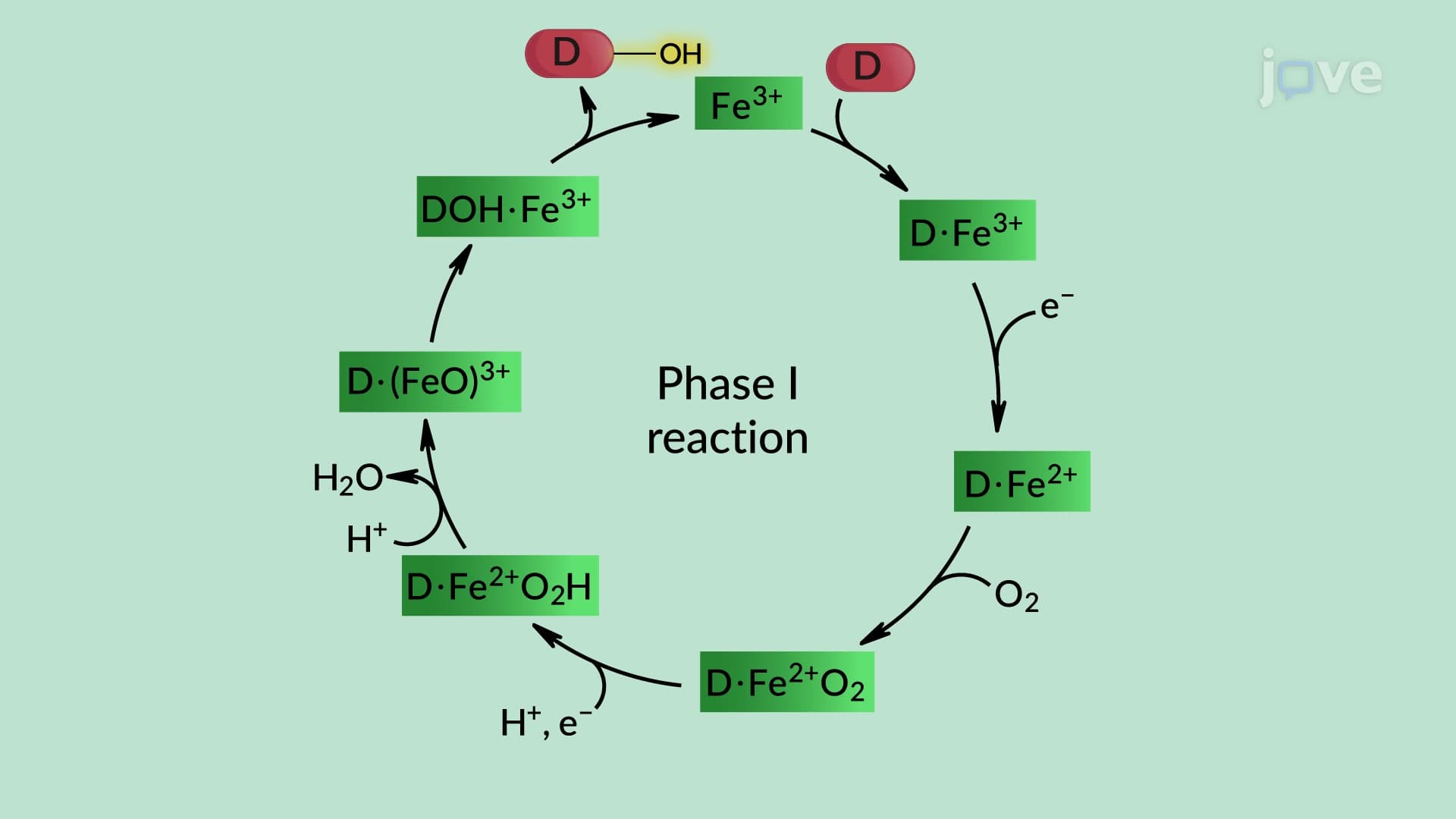
Carrier-linked prodrugs employ sophisticated molecular architecture where the active pharmaceutical ingredient bonds covalently to a carrier molecule. This carrier acts like a molecular disguise, helping the compound navigate biological barriers more effectively. Once enzymes recognize and metabolize the carrier portion, the active drug releases to perform its therapeutic function.
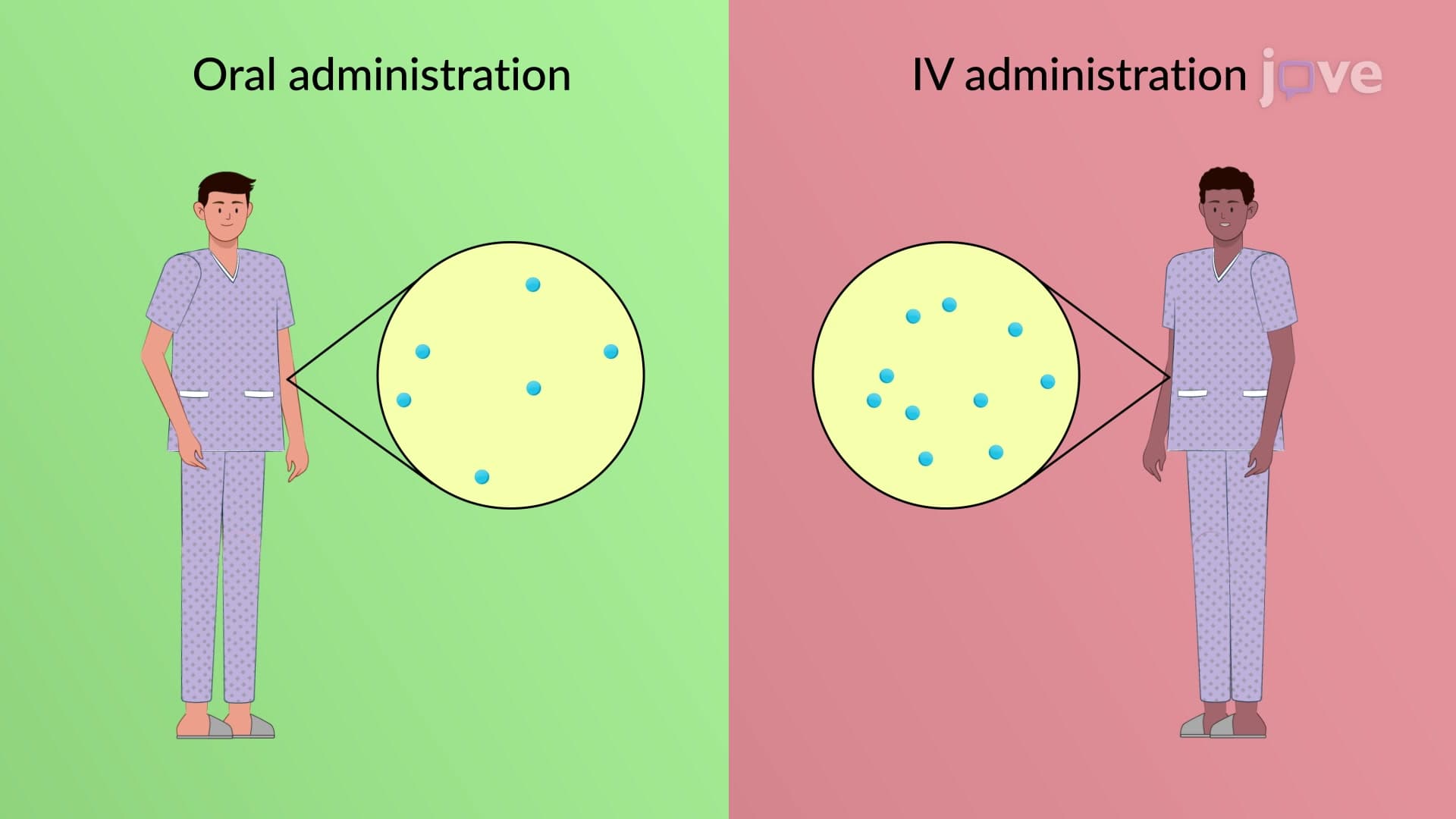
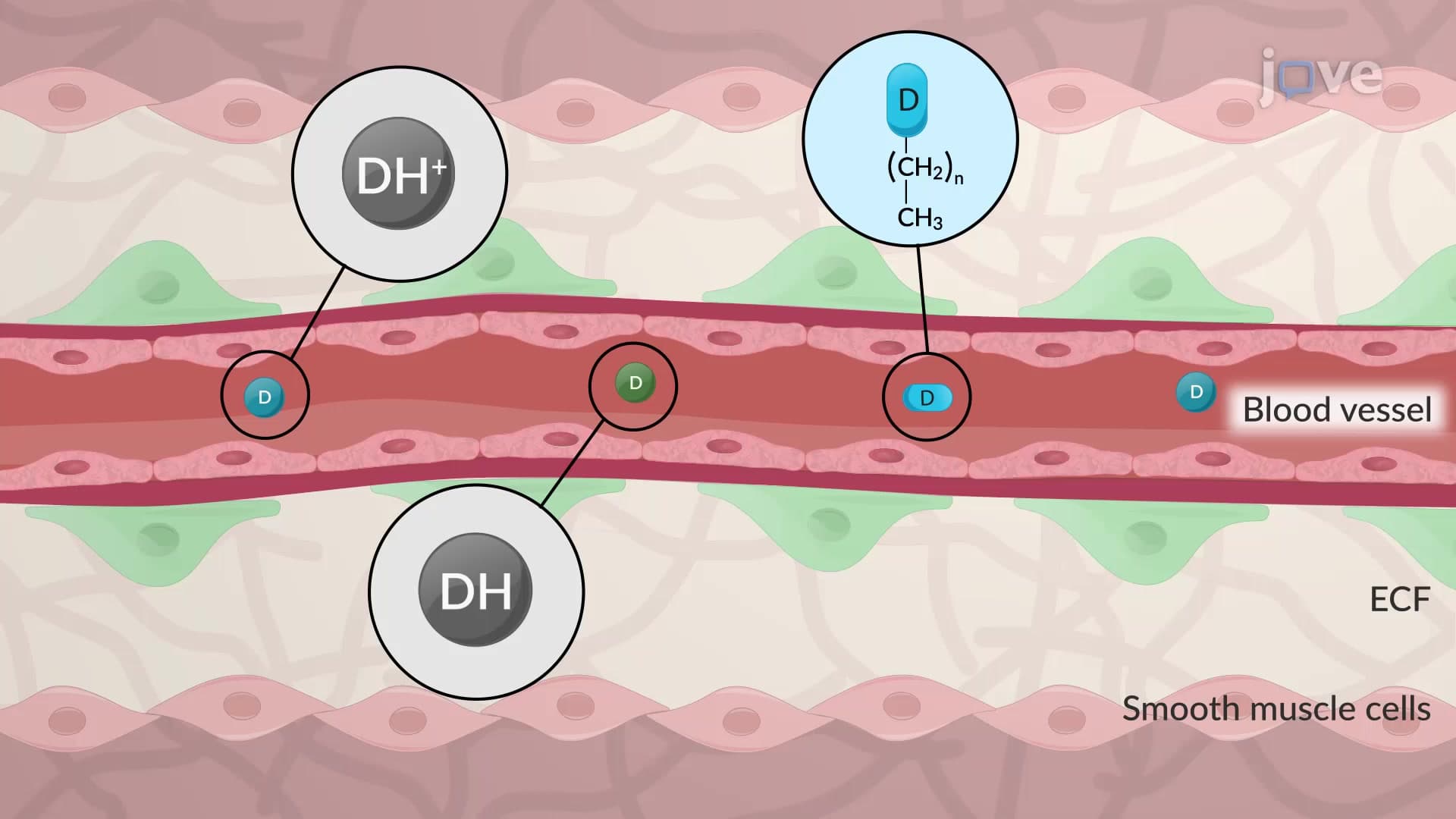
Enalapril exemplifies this approach brilliantly. As an ACE inhibitor used to treat hypertension and heart failure, its active form (enalaprilat) contains charged carboxylic acid groups that prevent effective oral absorption. The prodrug version masks these problematic groups, allowing oral administration instead of requiring intravenous injection-a significant advantage for patient compliance and healthcare costs.
Bioprecursor prodrugs take a different approach, mimicking naturally occurring biological molecules that the body readily accepts and transports. These compounds don't require artificial carriers because they're designed to resemble substances the body already handles efficiently.
Levodopa (L-DOPA) demonstrates this concept perfectly in treating Parkinson's disease. While dopamine cannot cross the blood-brain barrier effectively, levodopa disguises itself as an amino acid, using the body's natural amino acid transport systems. Once in the brain, the enzyme aromatic L-amino acid decarboxylase removes levodopa's carboxyl group, releasing dopamine directly where it's needed most.
Understanding prodrugs proves essential for MCAT preparation, particularly in biochemistry and pharmacology sections. AP Biology students encounter these concepts when studying enzyme specificity and metabolic pathways. College-level pharmacology courses extensively cover prodrug mechanisms as fundamental drug design principles.
Healthcare professional exams like NCLEX and HESI A2 frequently test prodrug knowledge, especially regarding patient education about medication timing and food interactions that might affect enzymatic conversion rates.
Related Micro-courses