Loading subject page…

- Pharmacology
- Pharmacokinetics
- Steady State Concentration
Micro-course: Pharmacokinetics
134,509 views
Learn key concepts and earn your certificate.




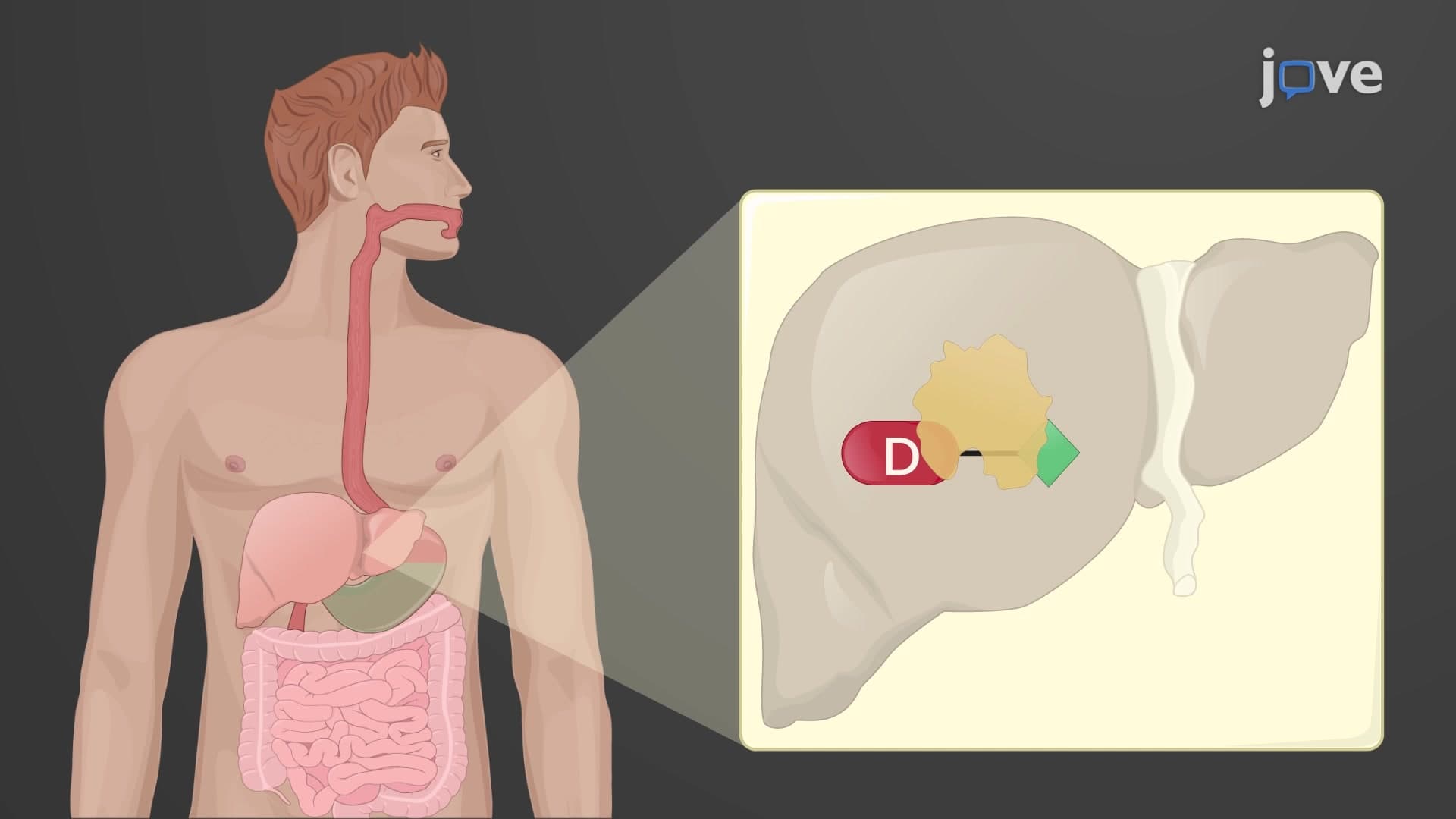
Steady State Concentration
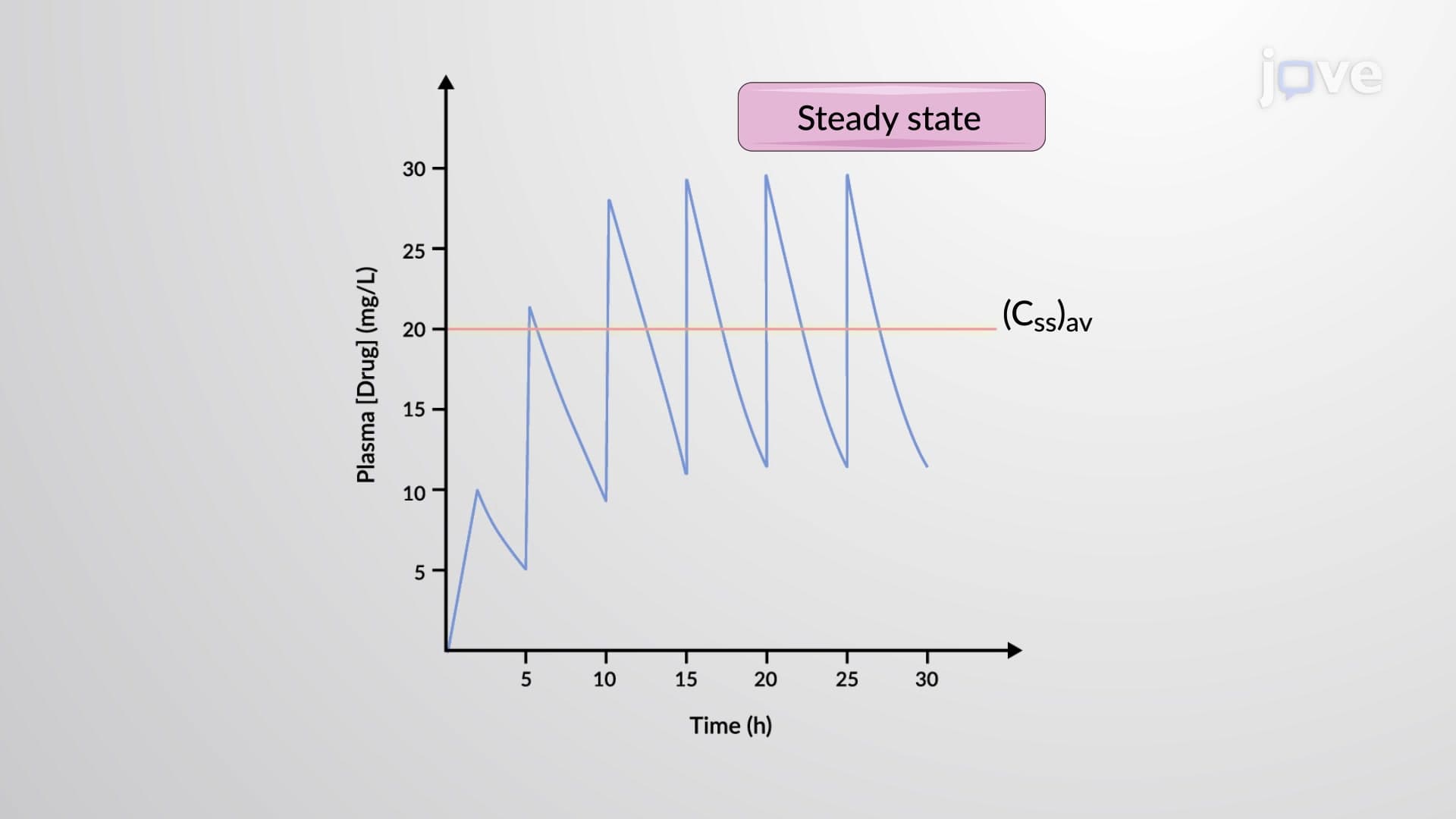

00:00
01:05
Video Summary: What Is Steady State Concentration
Ever wonder why your daily medication doesn't work immediately but takes days to reach full effectiveness? Steady state concentration occurs when a drug's input and elimination rates balance perfectly, creating consistent therapeutic levels in your bloodstream. For example, when patients start taking daily blood pressure medication like lisinopril, it typically takes 4-5 days to reach steady state concentration and provide optimal blood pressure control. Watch the full video on JoVE Coach to master this concept with expert-led visuals and step-by-step explanations.
- Understand what steady state concentration represents as a dynamic equilibrium in pharmacokinetics
- Identify the relationship between drug half-life and the time required to reach steady state
- Analyze how continuous IV infusions and repeated dosing schedules achieve therapeutic drug levels
- Compare plasma concentration changes at different time intervals during steady state approach
- Evaluate why most drugs require 4-5 half-lives to achieve 90% of their steady state concentration
- Apply steady state principles to optimize dosing regimens for maximum efficacy and minimal toxicity
- Recognize the clinical significance of maintaining consistent drug concentrations in patient care
- Explore how elimination rates and administration schedules work together to sustain therapeutic effects
Understanding Steady State Concentration Fundamentals
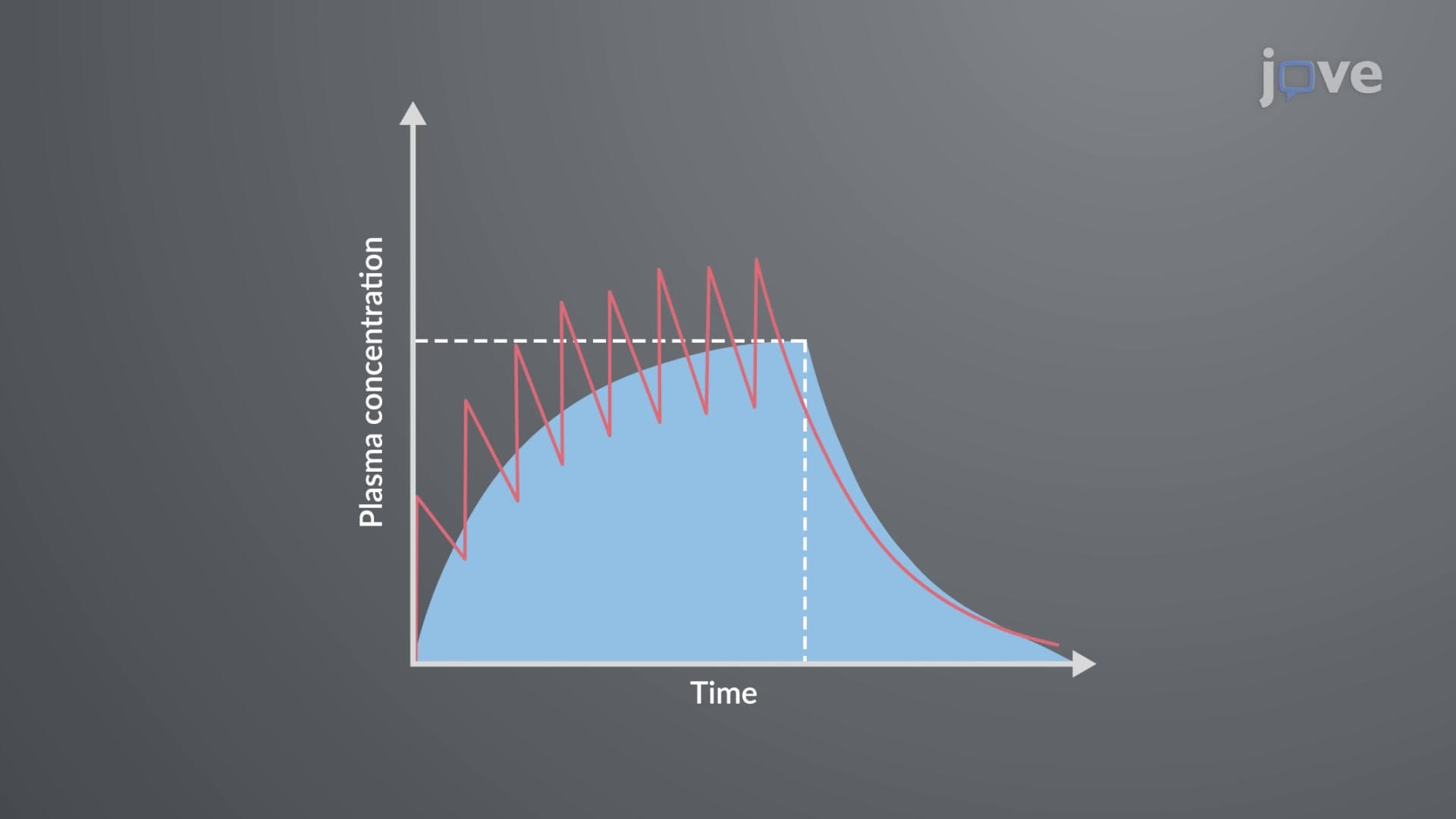
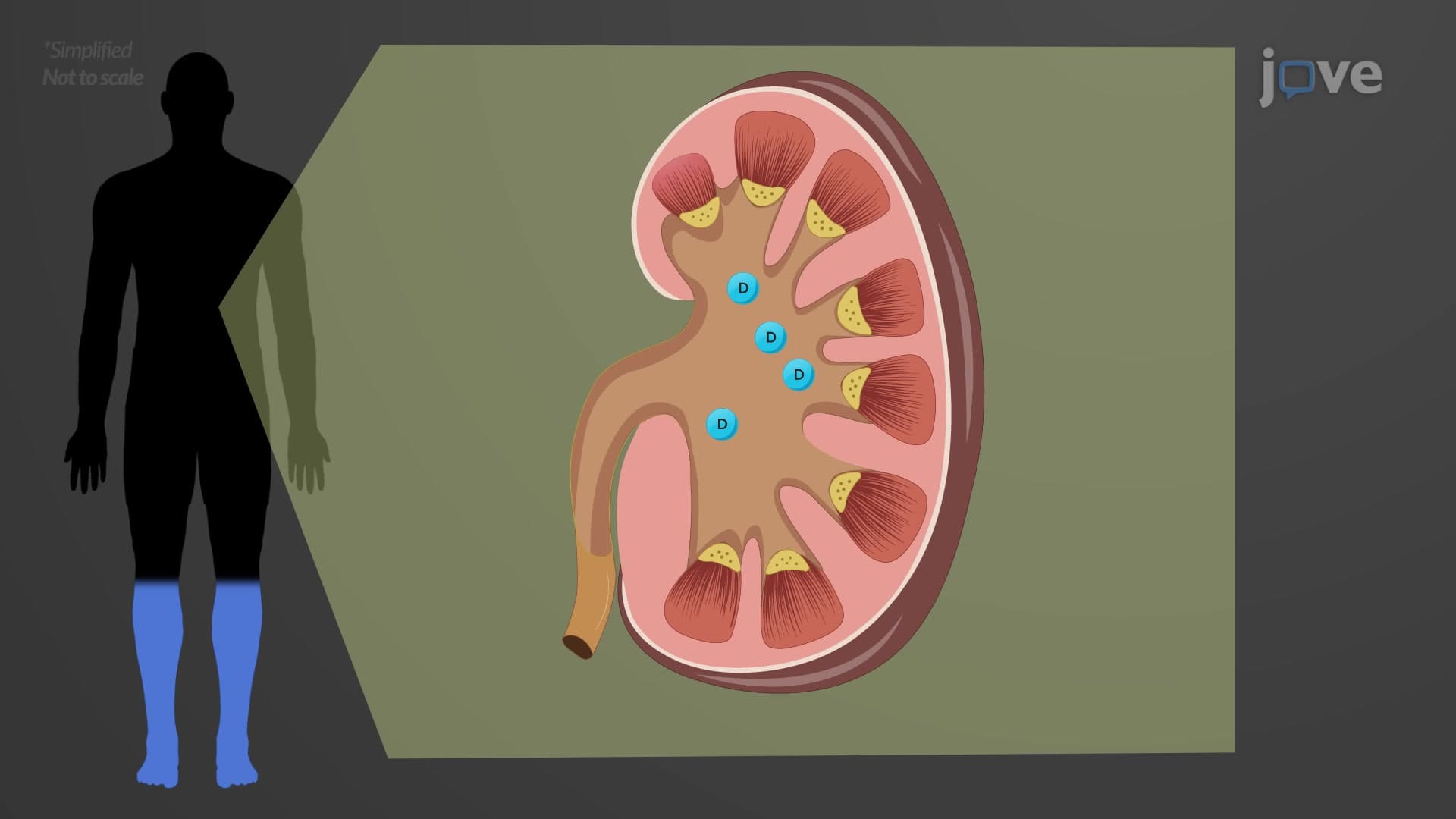
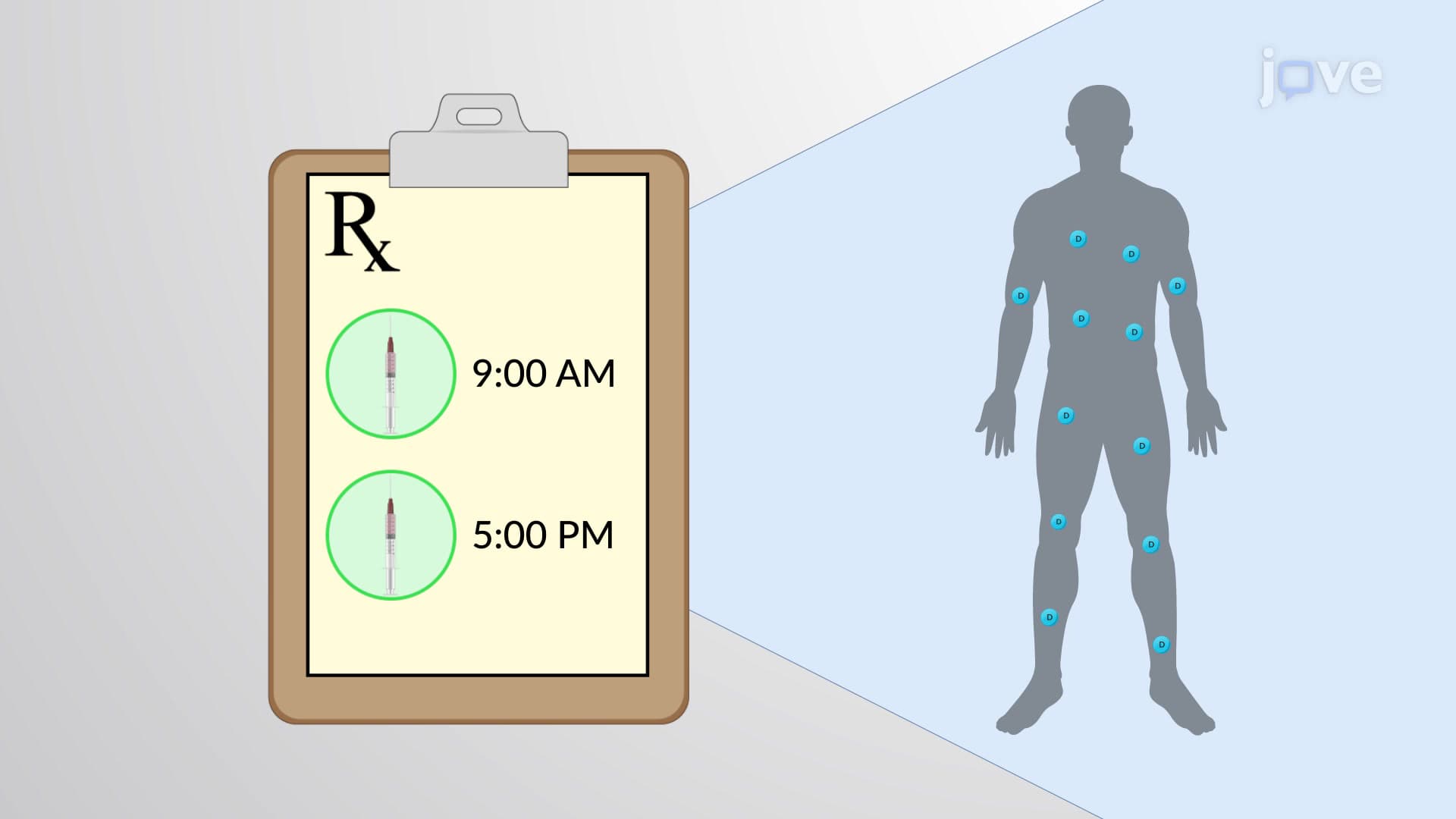
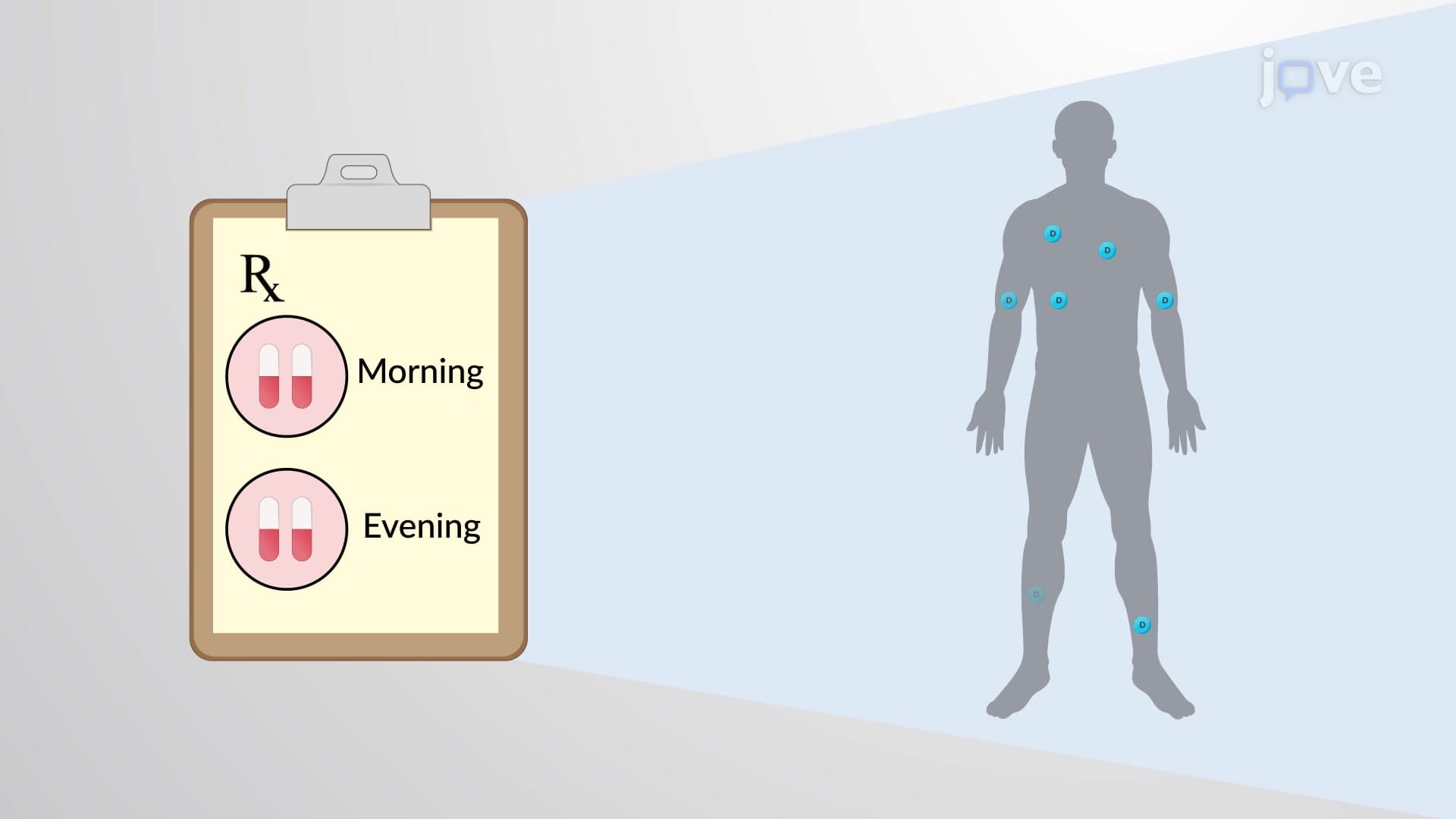
Steady state concentration represents a critical pharmacokinetic principle where drug input exactly balances drug elimination, creating a stable therapeutic plateau. Unlike single-dose pharmacokinetics, steady state involves continuous or repeated drug administration that maintains consistent plasma levels over time. This equilibrium state ensures patients receive optimal therapeutic benefits while minimizing adverse effects.
The concept extends beyond simple drug accumulation. When medications reach steady state, the amount entering the body during each dosing interval equals the amount eliminated during that same period. This balance creates the foundation for effective long-term treatment strategies used in managing chronic conditions like hypertension, diabetes, and psychiatric disorders.
Half-Life and Steady State Timeline
Drug half-life serves as the primary determinant for steady state achievement timing. The mathematical relationship follows predictable patterns: after one half-life, plasma concentrations reach 50% of eventual steady state levels. Two half-lives achieve 75%, three half-lives reach approximately 87.5%, and four half-lives attain roughly 94% of final steady state concentration.
This timeline explains why healthcare providers often tell patients that medications like antidepressants or blood thinners may take several days to weeks before showing full therapeutic effects. For instance, warfarin (half-life ~40 hours) requires about 8-10 days to reach steady state, which is why patients need frequent INR monitoring during initiation.
Clinical Applications and Dosing Strategies
Healthcare professionals utilize steady state principles when designing treatment protocols for US hospitals and clinics. Continuous IV infusions, commonly used in intensive care units, demonstrate steady state concepts most clearly. When patients receive medications like dopamine or insulin drips, plasma concentrations rise exponentially toward steady state following first-order kinetics.
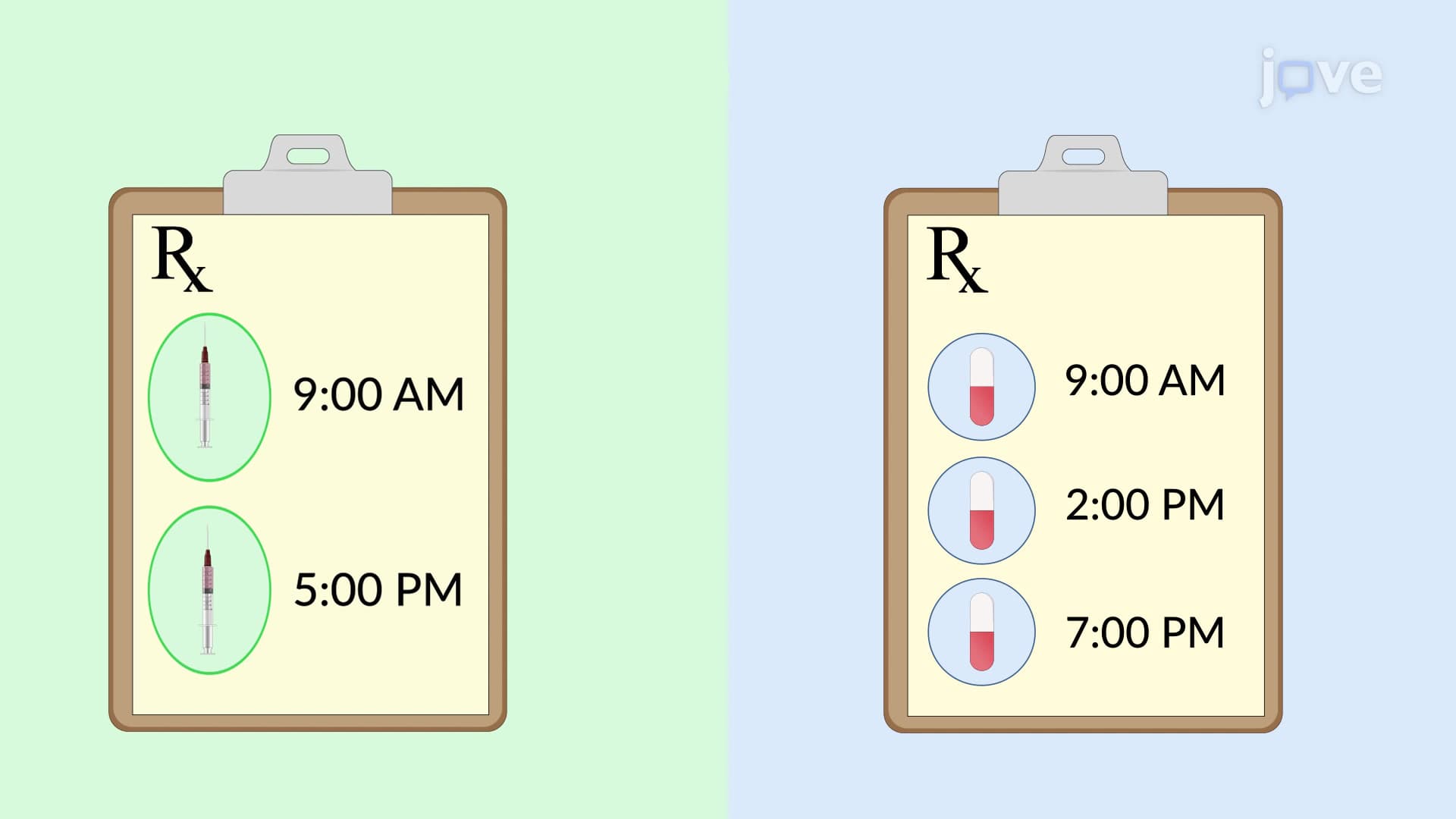
Oral medications employ different approaches to achieve steady state concentration. Loading doses can accelerate the process by immediately raising plasma levels closer to target concentrations. Alternatively, standard maintenance dosing allows gradual accumulation over multiple half-lives. Both strategies appear frequently in MCAT pharmacology questions and nursing school examinations.
Steady State in Academic and Professional Settings
Students preparing for healthcare professions encounter steady state concentration extensively in coursework and standardized exams. AP Chemistry students explore these concepts when studying reaction kinetics and equilibrium. Pre-med students face detailed pharmacokinetic calculations on the MCAT, while nursing students must understand steady state applications for safe medication administration on the NCLEX examination.
The principle also appears in advanced placement biology when discussing homeostasis and physiological regulation. College-level biochemistry courses expand on steady state kinetics in enzyme reactions and metabolic pathways, connecting pharmaceutical applications to fundamental biological processes.
Frequently Asked Questions
Steady state concentration is the stable drug level achieved when the amount of medication entering your body equals the amount being eliminated. It creates consistent therapeutic effects by maintaining constant drug levels in your bloodstream over time.
MCAT questions often involve calculating time to steady state using half-life data or determining optimal dosing intervals. NCLEX and HESI A2 exams focus on clinical applications, asking when medications reach full effectiveness and how to monitor patient responses during steady state achievement.
Most blood pressure medications like ACE inhibitors require 4-5 half-lives to reach steady state concentration, typically 5-7 days for daily dosing. During this time, drug levels gradually build up in your system until they plateau at therapeutically effective concentrations that consistently control blood pressure.
Basic algebra and understanding of percentages are sufficient for most steady state calculations. High school students can master these concepts using simple formulas involving half-life multiplication and percentage calculations commonly taught in introductory chemistry and biology courses.
Create timeline diagrams showing drug concentration changes over multiple half-lives, practice calculating steady state achievement times, and connect concepts to real medication examples. Focus on understanding the 4-5 half-life rule and how it applies to different clinical scenarios.
Steady state prevents both underdosing and overdosing by maintaining drug levels within the therapeutic window. Before steady state, levels may be too low for effectiveness; exceeding steady state can cause toxicity, making this concept crucial for safe medication management.
Explore pharmacokinetic modeling, bioavailability and bioequivalence, drug-drug interactions affecting steady state, and population pharmacokinetics. These topics build on steady state principles and appear in advanced pharmacology courses and graduate-level healthcare programs.
Related Micro-courses
19 Concepts

