Loading…
Loading video…

61,788 views
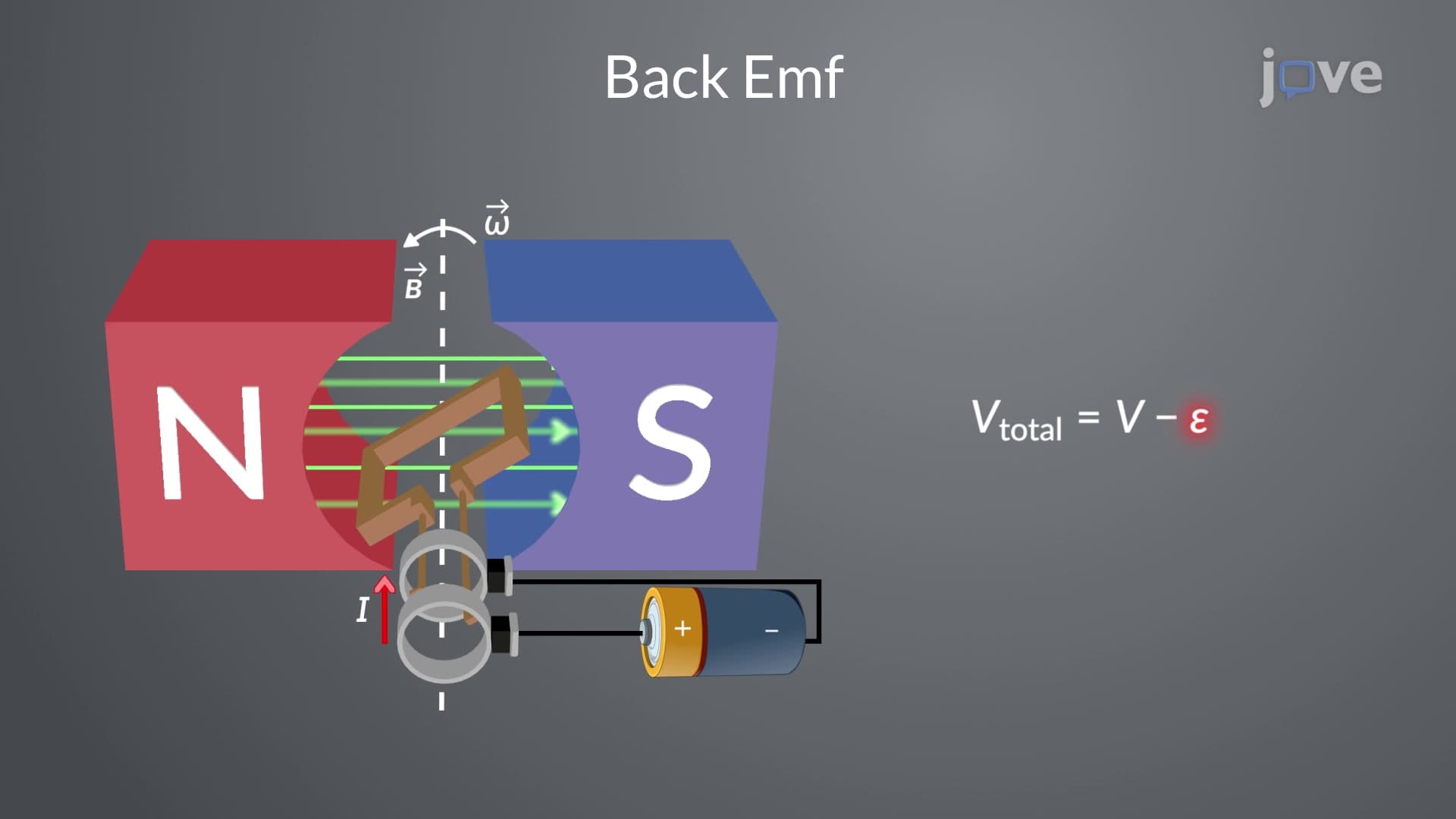
Ever wonder why your hair dryer pulls maximum power the moment you turn it on, then settles into steady operation? This phenomenon relates to back emf – the self-induced voltage that opposes the applied voltage in rotating electrical machines. In Tesla's Model 3 electric motors, back emf actually helps with regenerative braking by converting motion back into electrical energy. What is back emf in detail? It's the electromagnetic "brake" that automatically regulates current flow as motors reach operating speed. Watch the full video on JoVE Coach to master this concept with expert-led visuals and step-by-step explanations.
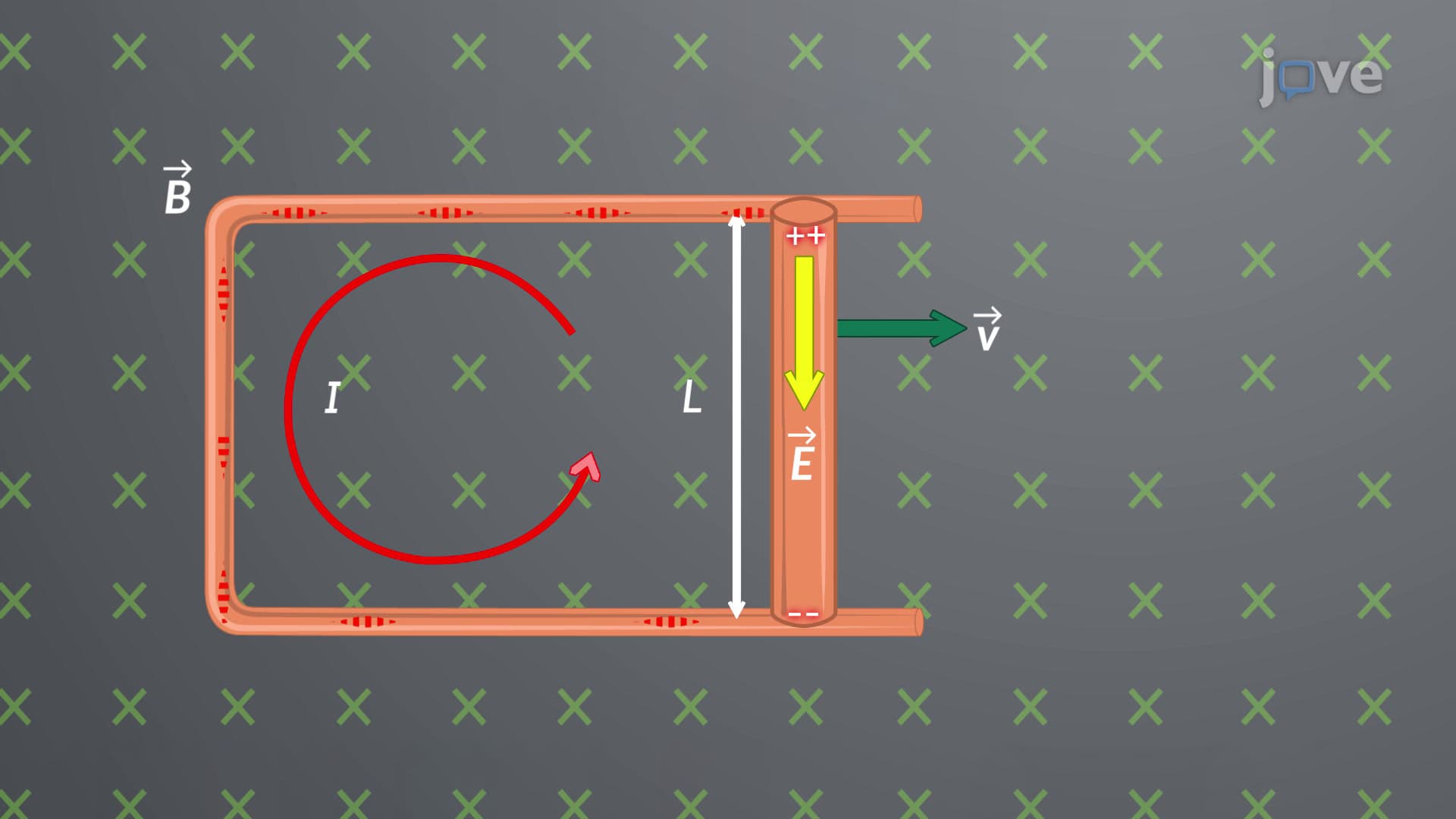
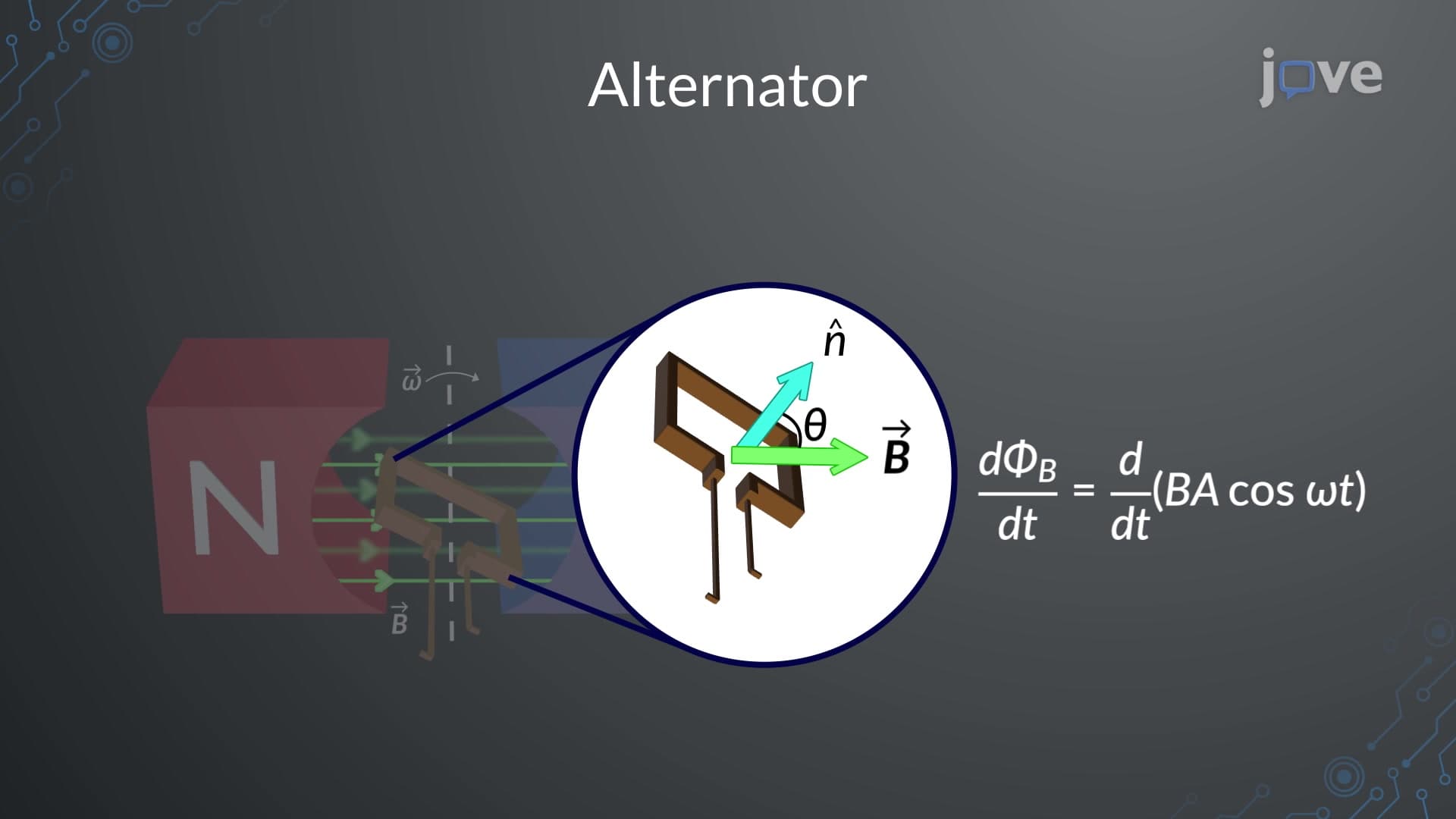
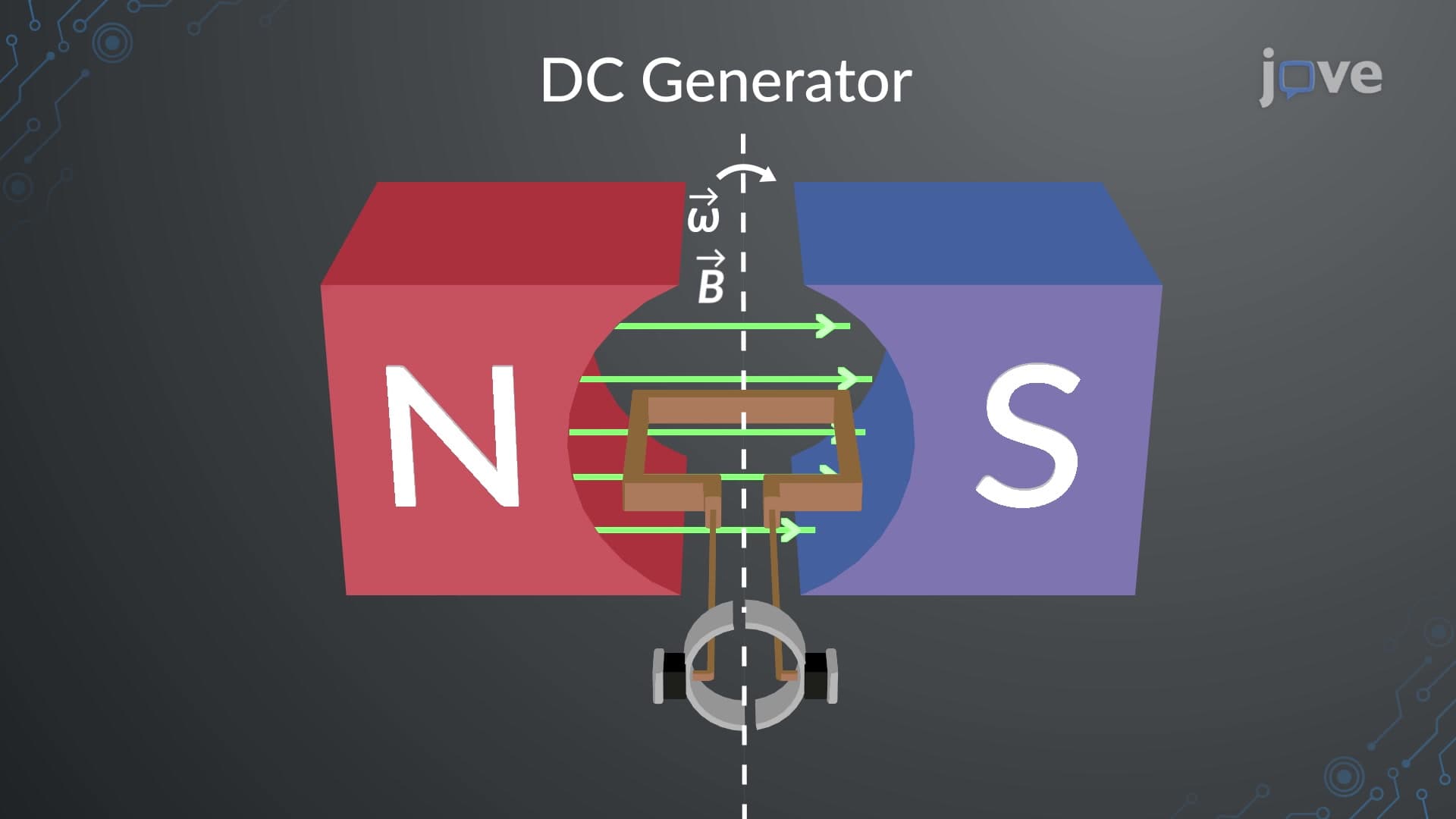
Back emf definition centers on electromagnetic induction in rotating machines. When a motor's coil rotates within a magnetic field, the changing magnetic flux induces a voltage that opposes the applied voltage – this opposing voltage is back emf. The term "back" indicates its direction: always opposing the source voltage that drives the motor.
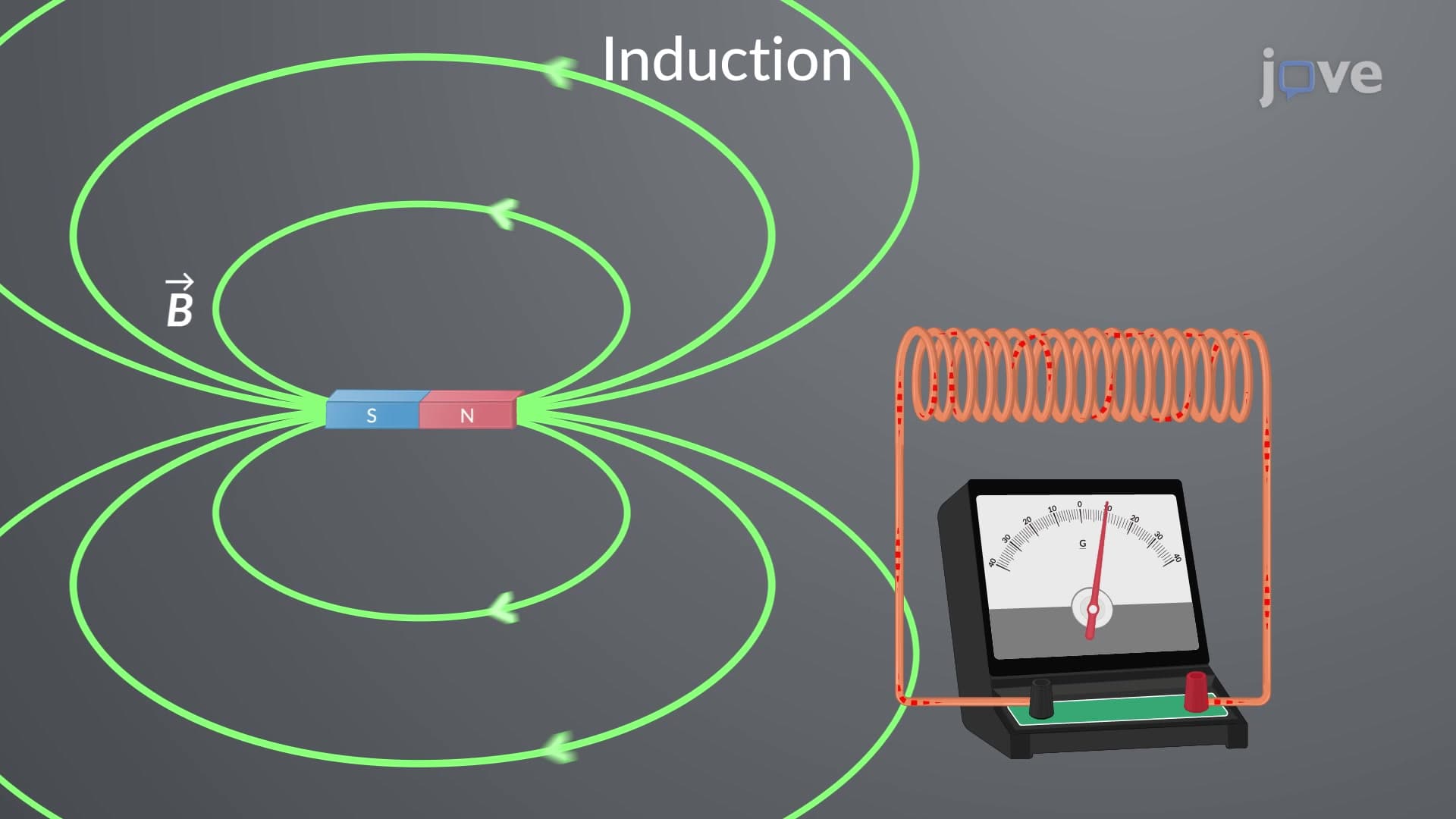
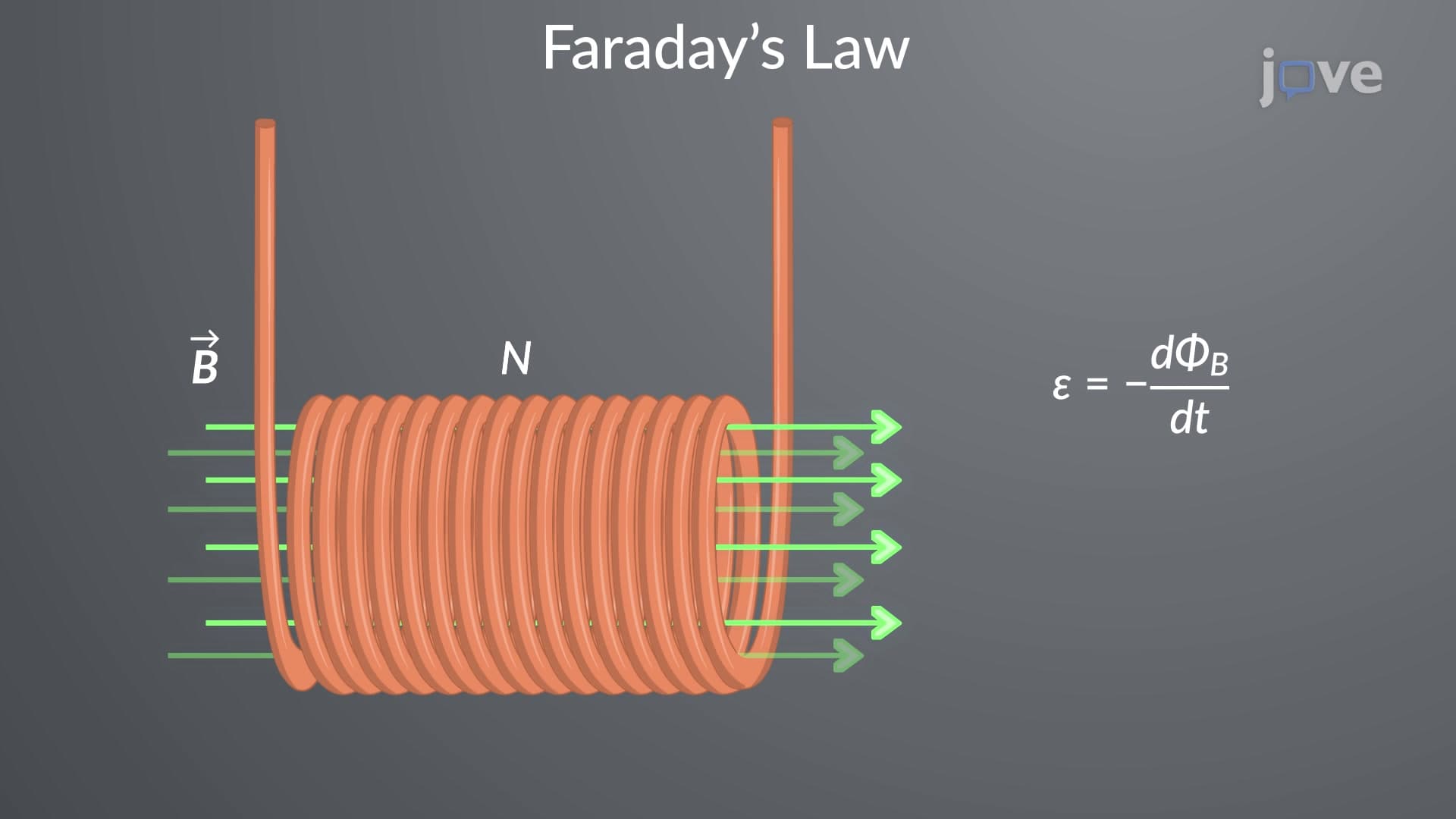
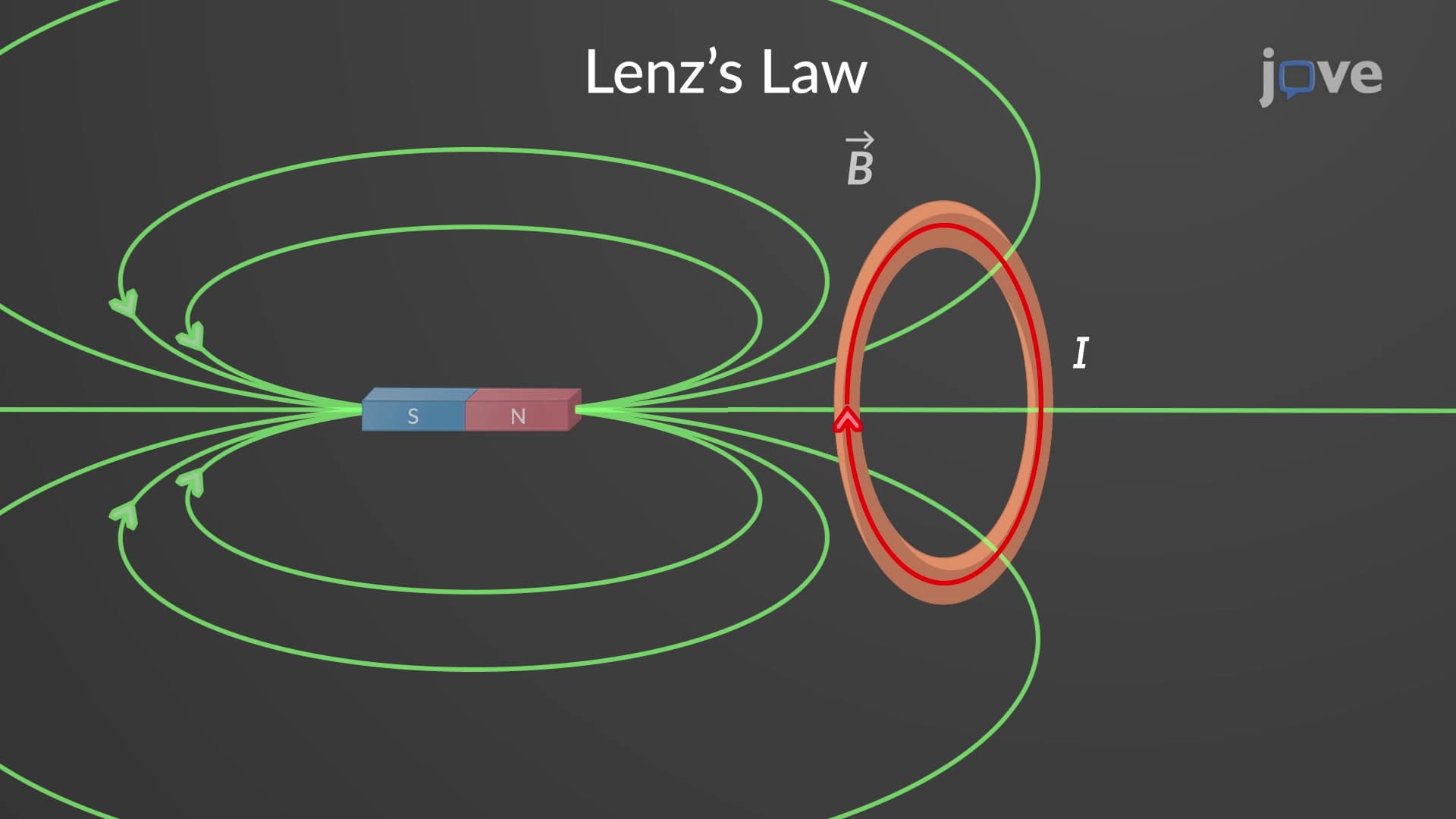
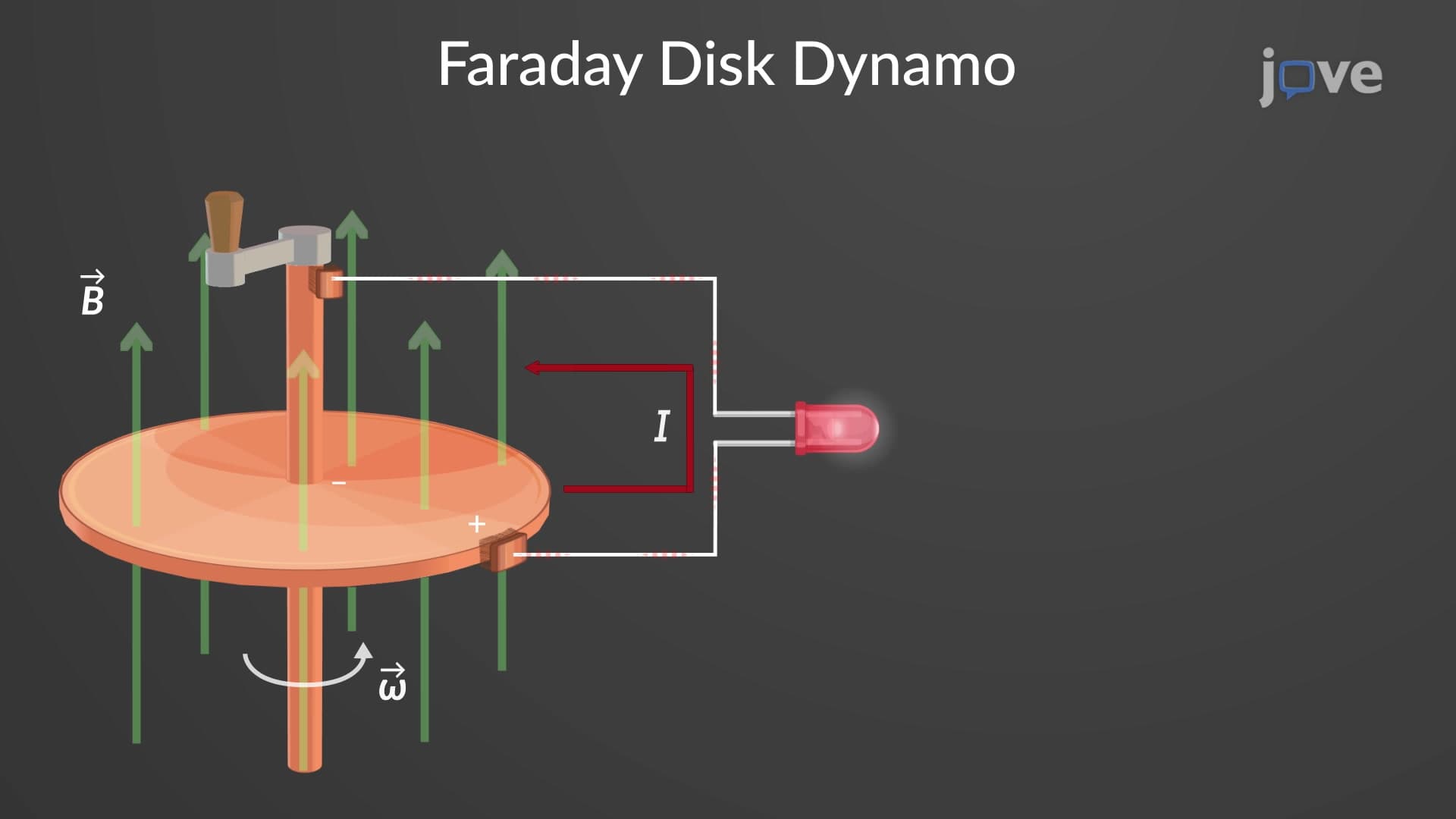
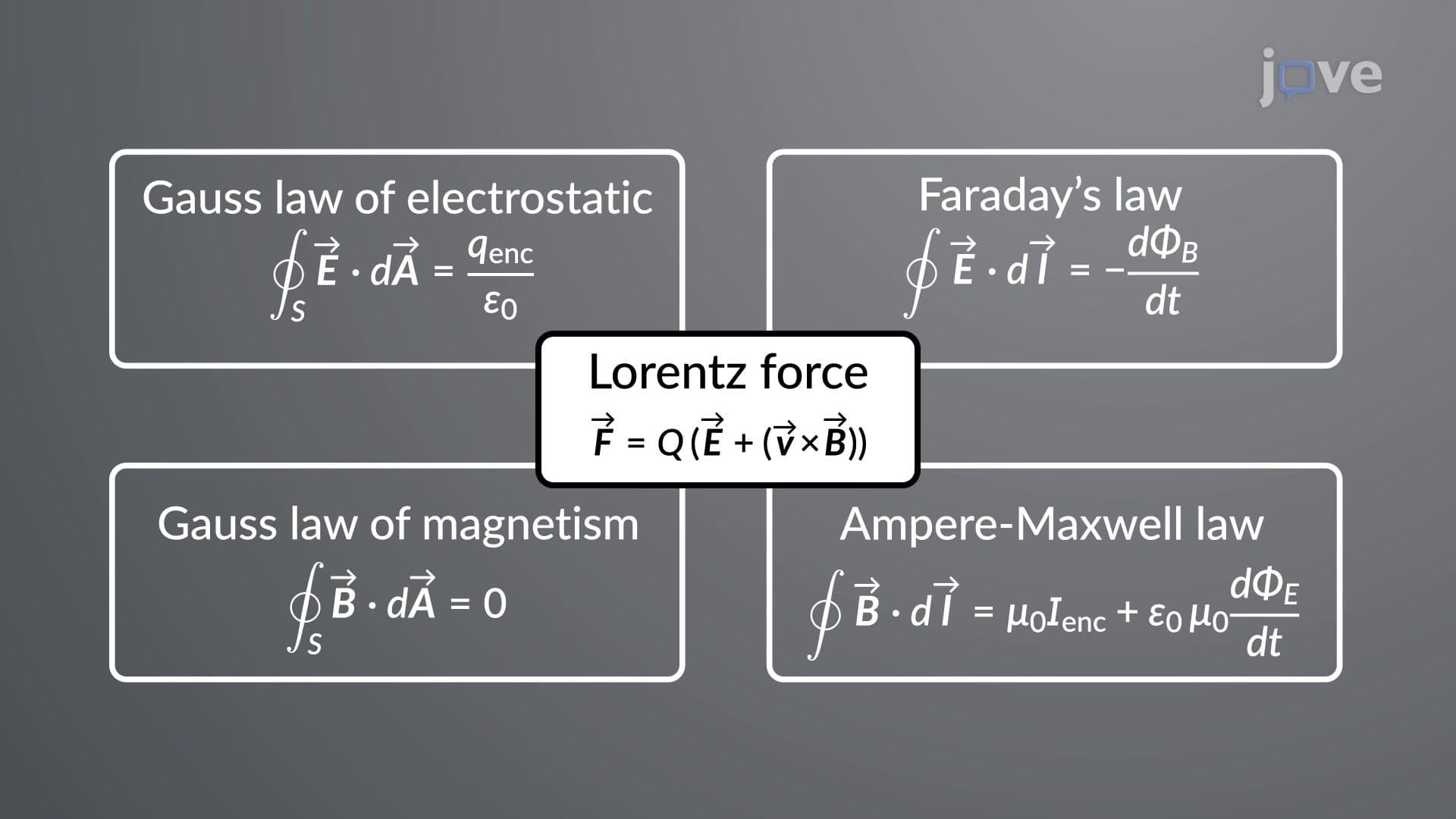
The back emf concept stems from Faraday's law of electromagnetic induction. As motor coils rotate, they cut through magnetic field lines at varying rates. This motion generates an induced emf proportional to the rate of flux change. Lenz's law determines that this induced voltage opposes the change causing it, creating the characteristic "back" direction.
At startup, motors experience zero back emf because the rotor isn't moving. The full applied voltage drives current through the motor's resistance, often creating a large inrush current. As rotation begins, back emf develops and reduces the net voltage available to drive current, naturally limiting power consumption.
Understanding back emf basics proves crucial for electrical engineering applications. In General Electric wind turbines across Texas wind farms, generators operate on reverse back emf principles – mechanical rotation induces voltage for power generation. Industrial motors in Ford's Michigan assembly plants rely on back emf to maintain stable operation under varying loads.
For back emf study guide purposes, consider this calculation: A 120V motor with 10Ω resistance initially draws 12A (V=IR: 120V/10Ω). At full speed with 80V back emf, only 40V drives current, reducing it to 4A (40V/10Ω). This demonstrates back emf's regulatory effect.
Students preparing for AP Physics C or engineering coursework encounter back emf in electromagnetic induction units. The MCAT includes related concepts in physics sections covering motors and generators. Understanding back emf overview helps explain why electric vehicles like those produced by General Motors achieve efficient operation – back emf enables regenerative braking systems that recover energy during deceleration.
Professional electrical engineers use back emf analysis for motor selection, protection system design, and efficiency optimization in applications from HVAC systems in commercial buildings to conveyor systems in Amazon distribution centers.
Frequently Asked Questions
Back emf is the voltage induced in a rotating motor coil that opposes the applied voltage. It occurs because rotating conductors in magnetic fields generate induced emf according to Faraday's law. This natural phenomenon helps regulate motor current and prevents excessive power consumption during normal operation.
Back emf questions appear in electromagnetic induction sections of AP Physics C. Students must analyze motor circuits, calculate induced voltages, and apply Lenz's law to determine emf direction. Practice problems often involve startup current calculations and steady-state analysis with given back emf values.
Yes, MCAT physics includes electromagnetic induction principles underlying back emf. Questions may involve motor efficiency, energy conversion, or circuit analysis with induced emf. Understanding back emf demonstrates mastery of fundamental electromagnetic concepts relevant to medical device operation and electrical safety.
Back emf protects appliances like washing machines, vacuum cleaners, and power tools from damage. When you start a Dyson vacuum, initial high current quickly decreases as back emf develops, preventing motor burnout. This self-regulating mechanism extends appliance lifespan and improves energy efficiency.
No, basic algebra suffices for introductory back emf concepts. High school physics focuses on conceptual understanding and simple circuit calculations using Ohm's law. Advanced calculus becomes relevant only in upper-level engineering courses dealing with complex motor dynamics and control systems.
Practice circuit analysis with varying motor speeds and resistance values. Create comparison tables showing startup versus steady-state conditions. Draw diagrams illustrating magnetic flux changes and use Lenz's law to predict emf direction consistently across different problem scenarios.
Explore electrical engineering courses covering AC machines, motor control systems, and power electronics. Topics like regenerative braking, variable frequency drives, and generator design build upon basic back emf principles for advanced applications in renewable energy and electric vehicle technology.
Generators reverse the motor principle – mechanical rotation induces emf for electricity production. In wind turbines at California's Altamont Pass, rotating generators create the primary emf that becomes grid electricity. Understanding back emf helps explain both motor and generator operation using the same electromagnetic principles.
At startup, motors have zero back emf because they're not rotating yet. The full applied voltage drives current through motor resistance, creating maximum current draw. As rotation begins, developing back emf opposes applied voltage, reducing net voltage and limiting current to normal operating levels.
Related Micro-courses
Related Subjects
 Math Fundamentals 11 micro-courses›
 Statistics 17 micro-courses›