Loading…
Loading video…

61,788 views
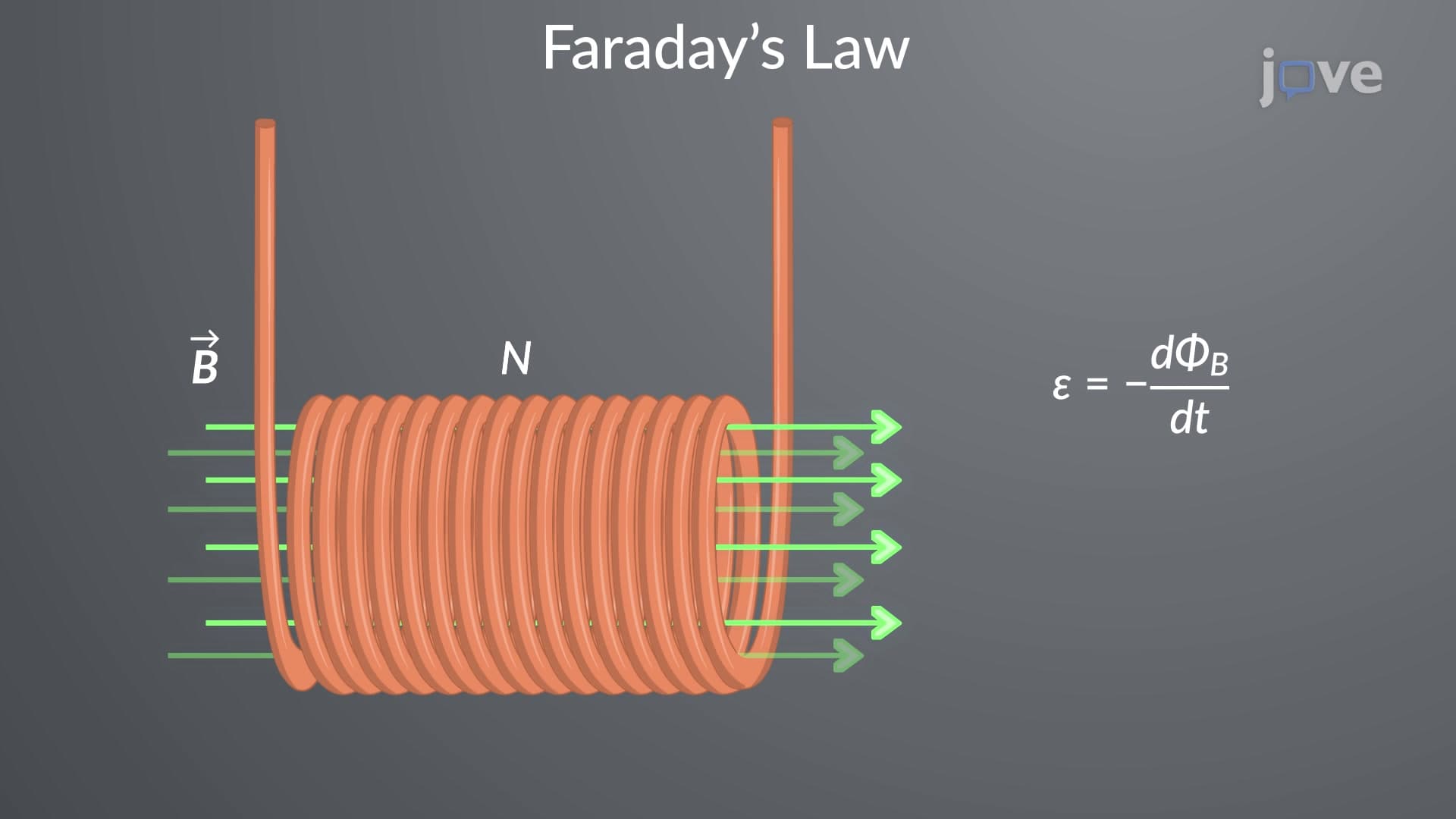
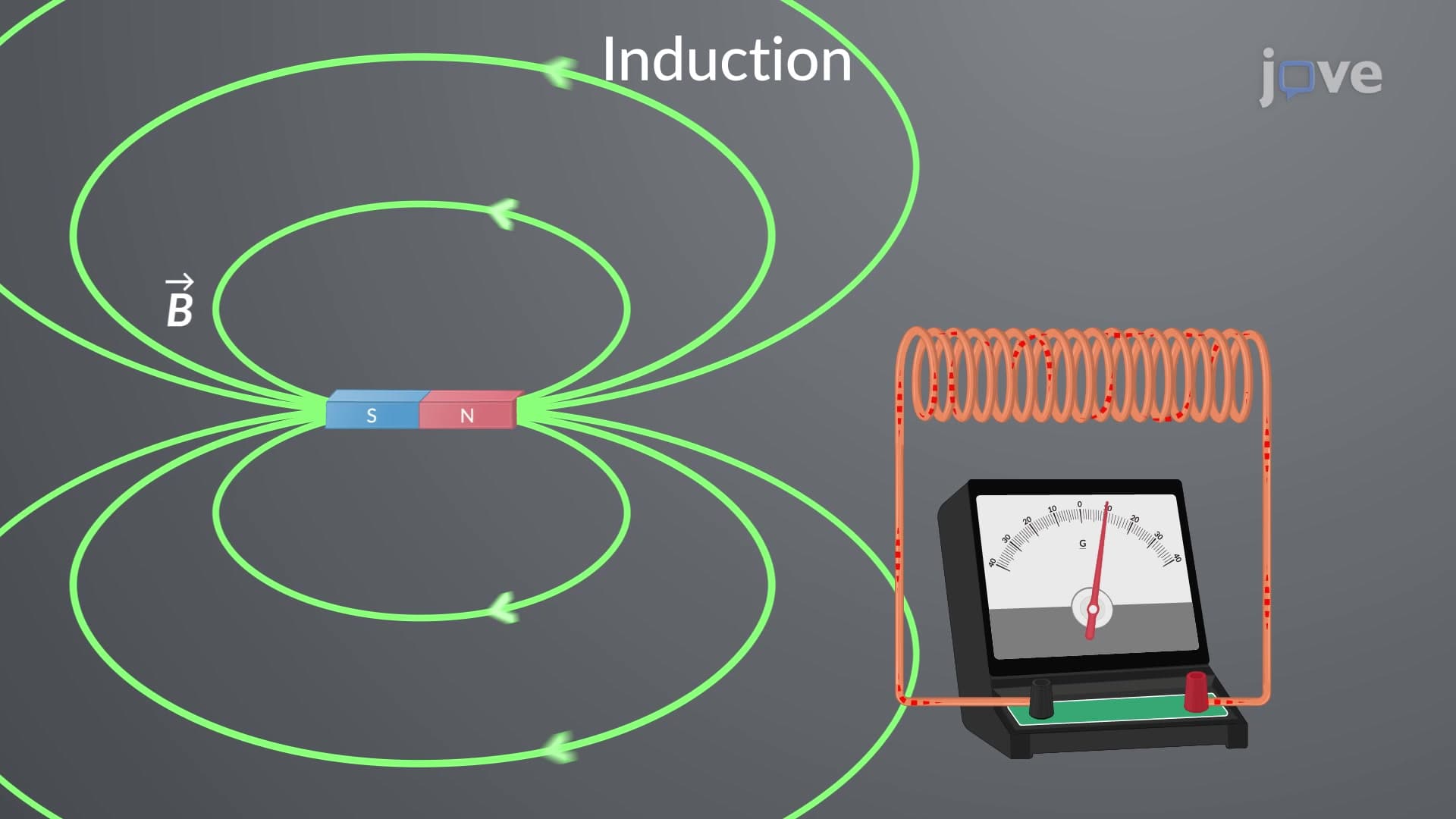
Ever wondered how your smartphone wirelessly charges or how electric guitars create sound? Faraday's law explains the fundamental principle behind electromagnetic induction that powers these everyday technologies. This cornerstone of physics demonstrates how changing magnetic fields generate electrical current, a process essential to everything from power plants to MRI machines in US hospitals. What is Faraday's Law becomes clear through practical examples and mathematical relationships that govern electromagnetic phenomena. Watch the full video on JoVE Coach to master this concept with expert-led visuals and step-by-step explanations.
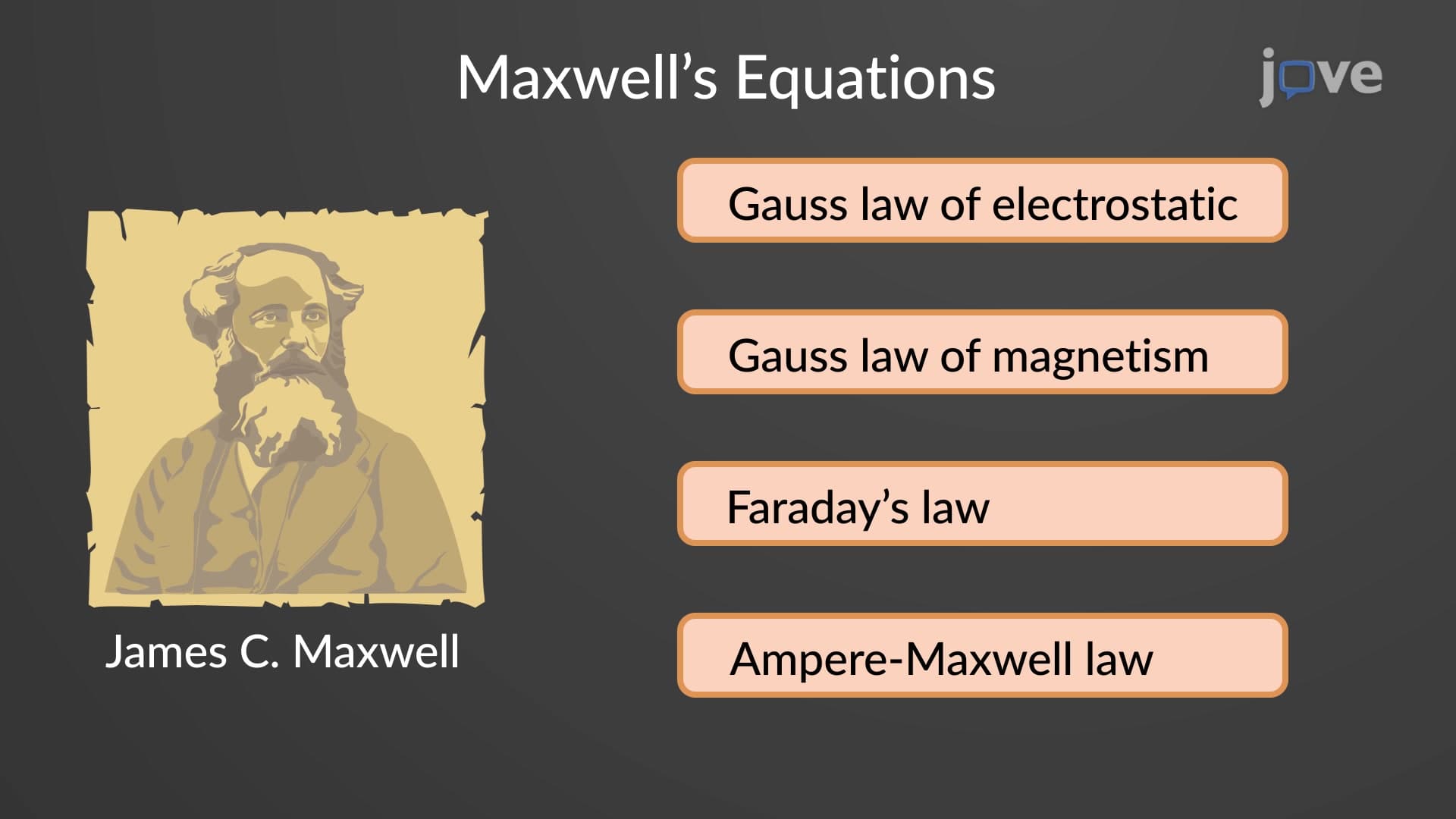
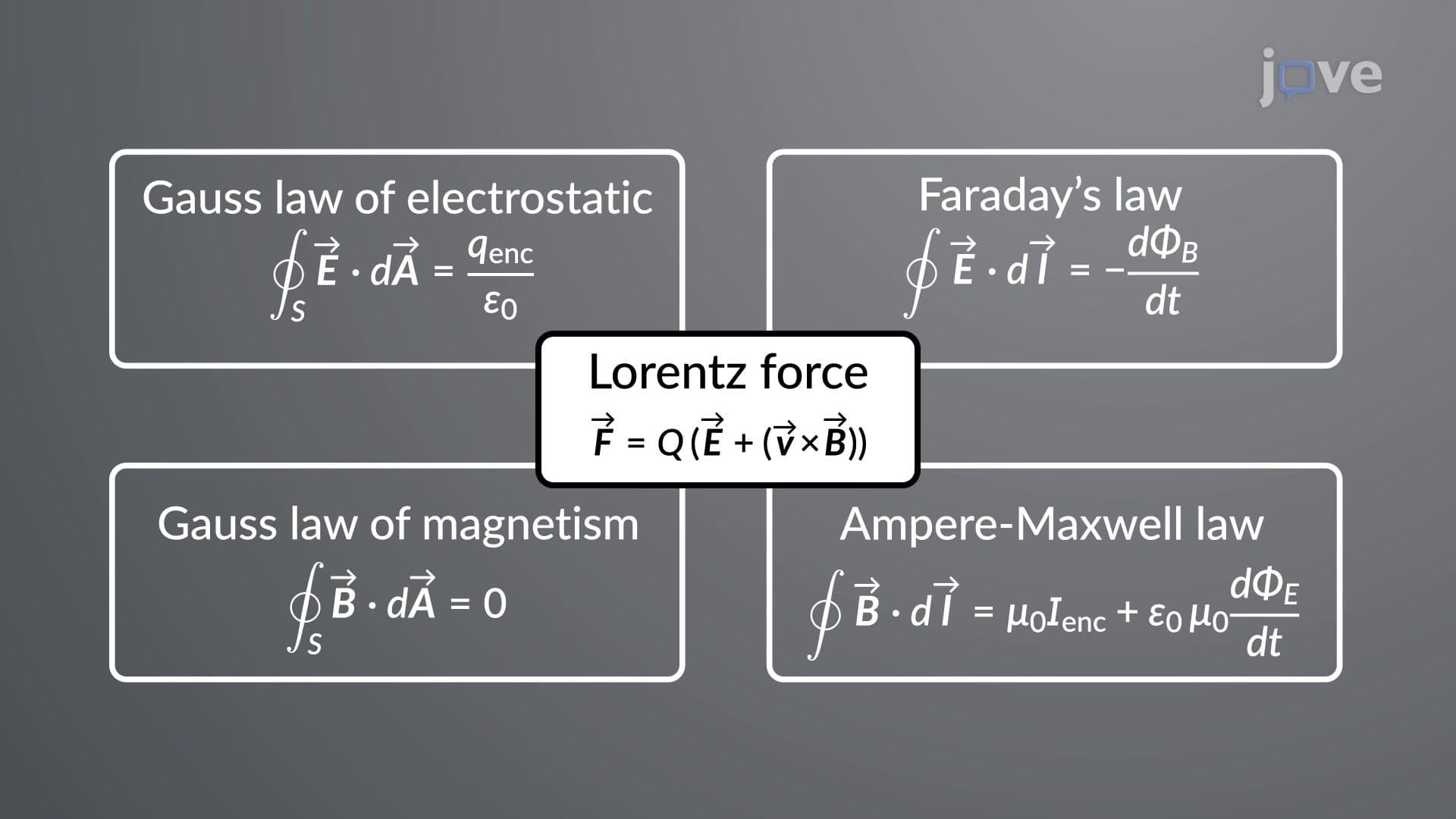
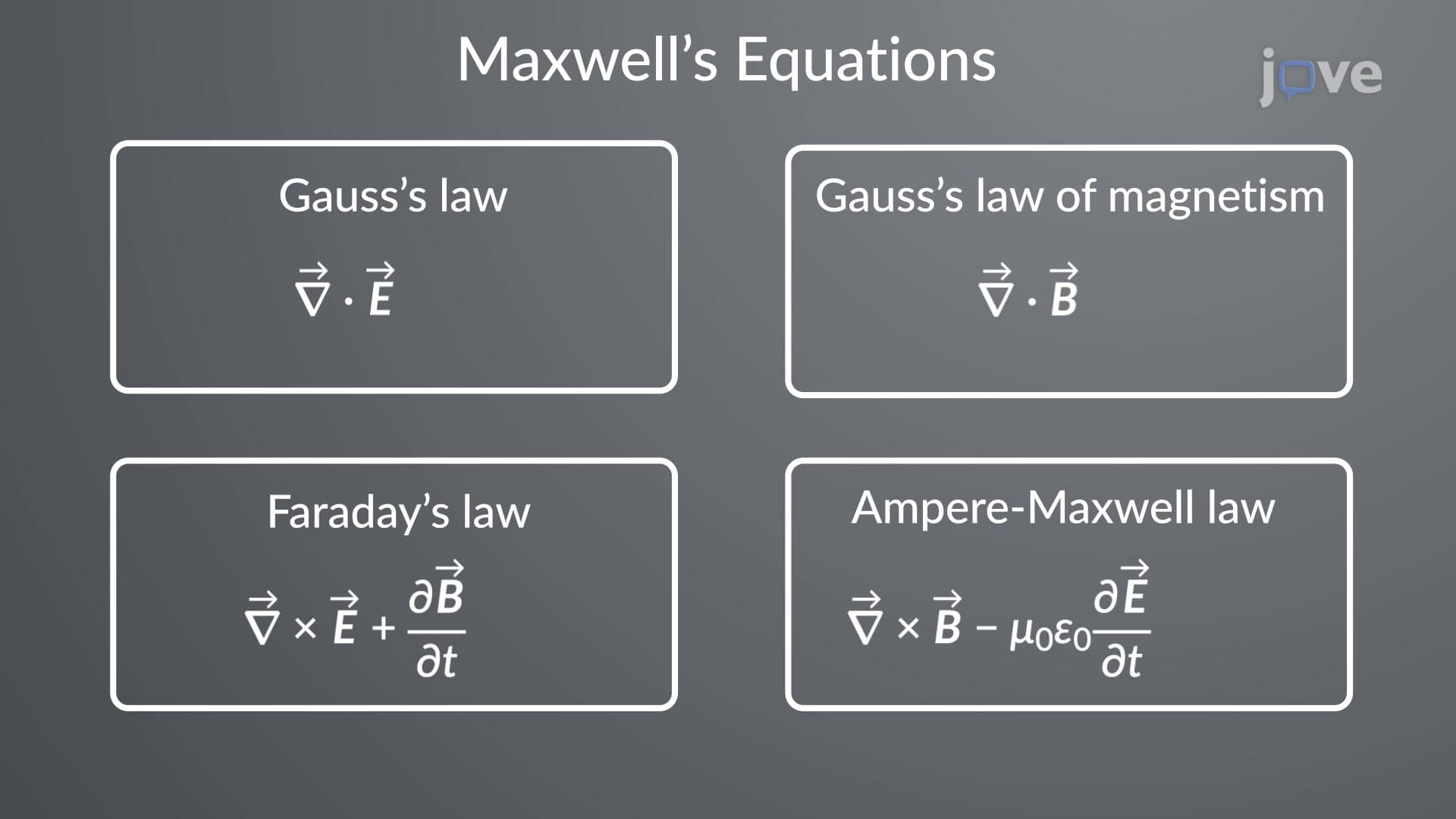
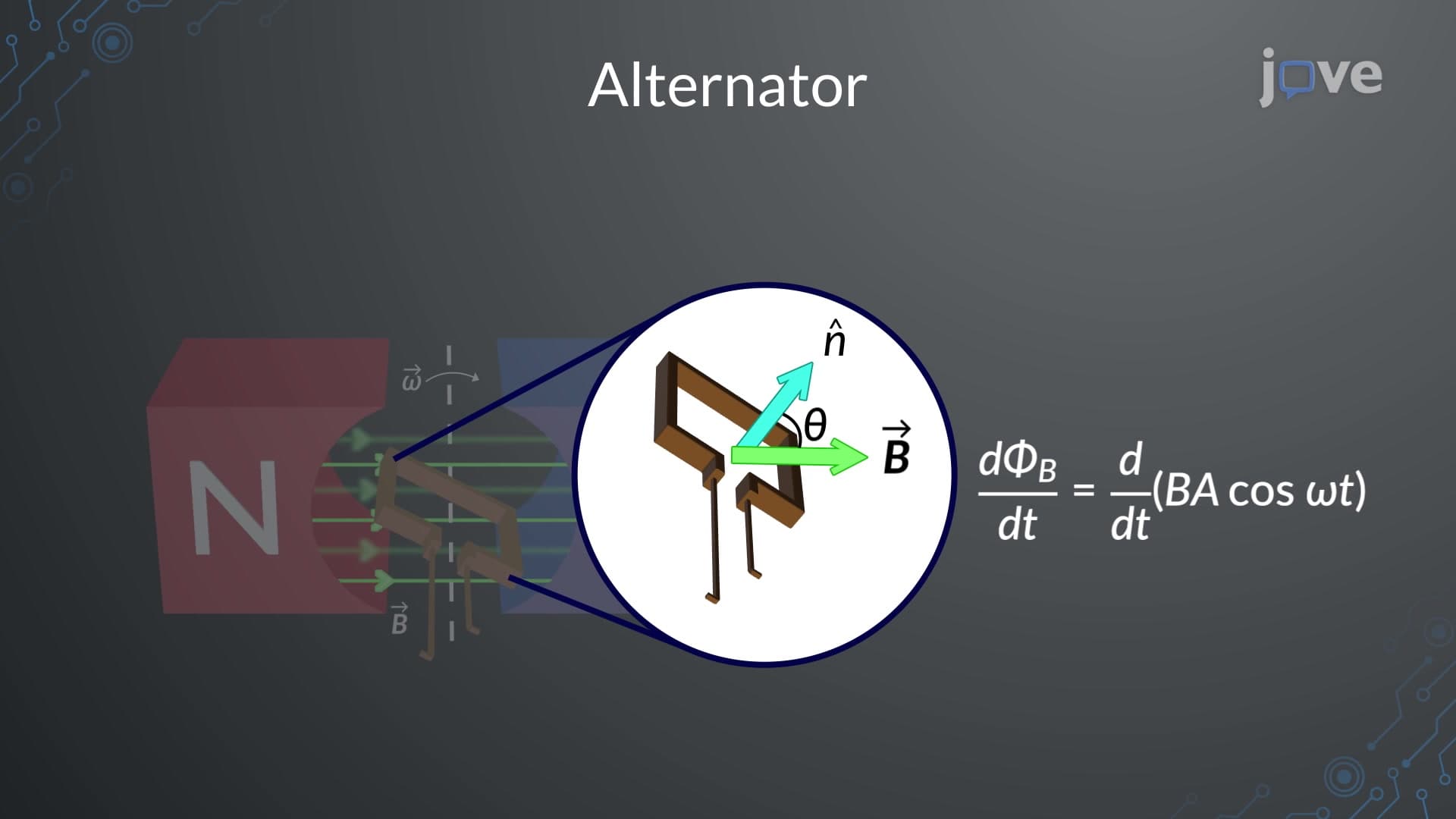
Faraday's law represents one of Maxwell's four fundamental equations that govern electromagnetism. Named after British physicist Michael Faraday, this principle states that a changing magnetic flux through a closed conducting loop induces an electromotive force (EMF) proportional to the rate of flux change. The mathematical expression is: EMF = -N × (dΦ/dt), where N represents the number of turns in the coil, and dΦ/dt is the rate of magnetic flux change.
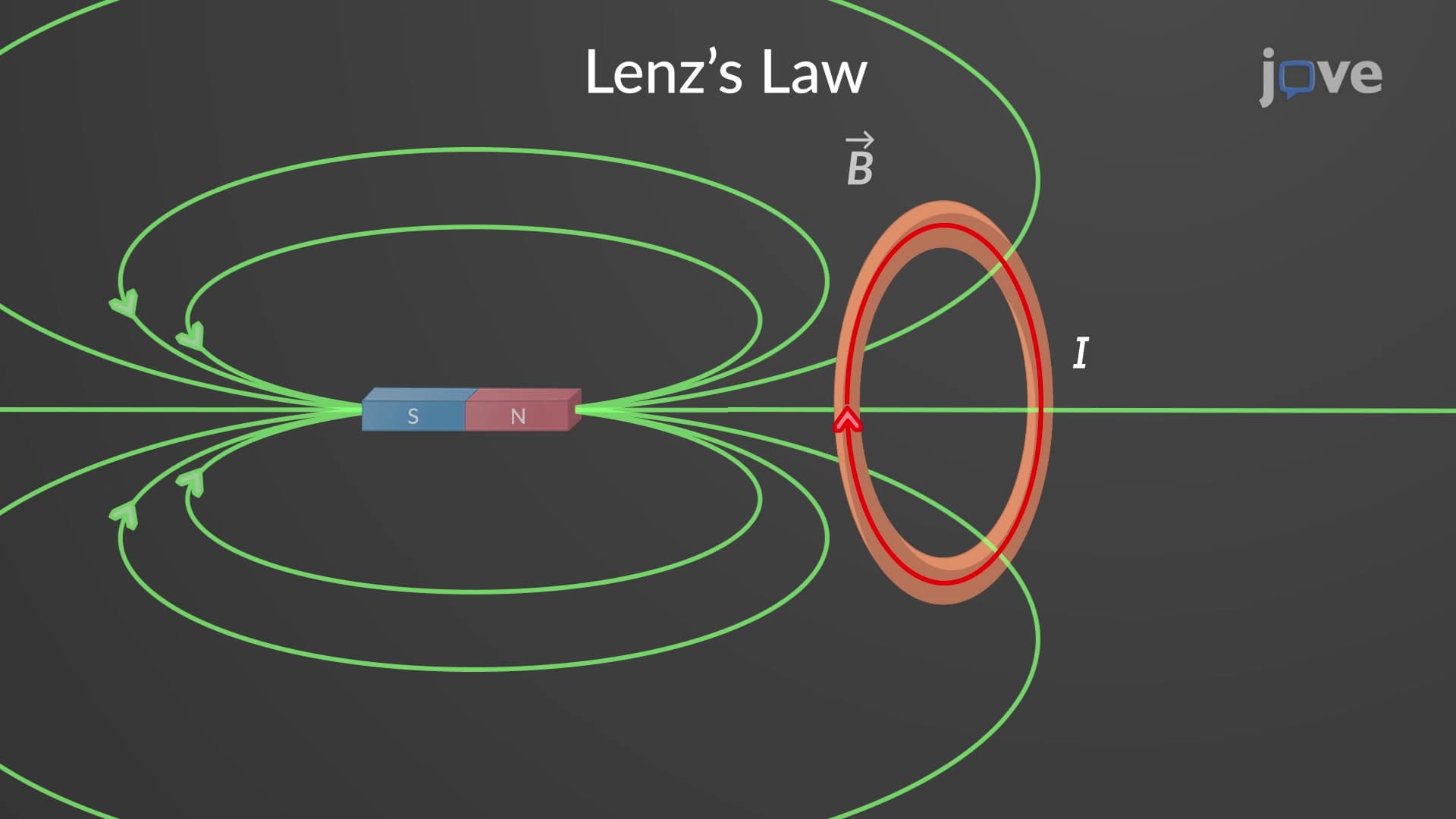
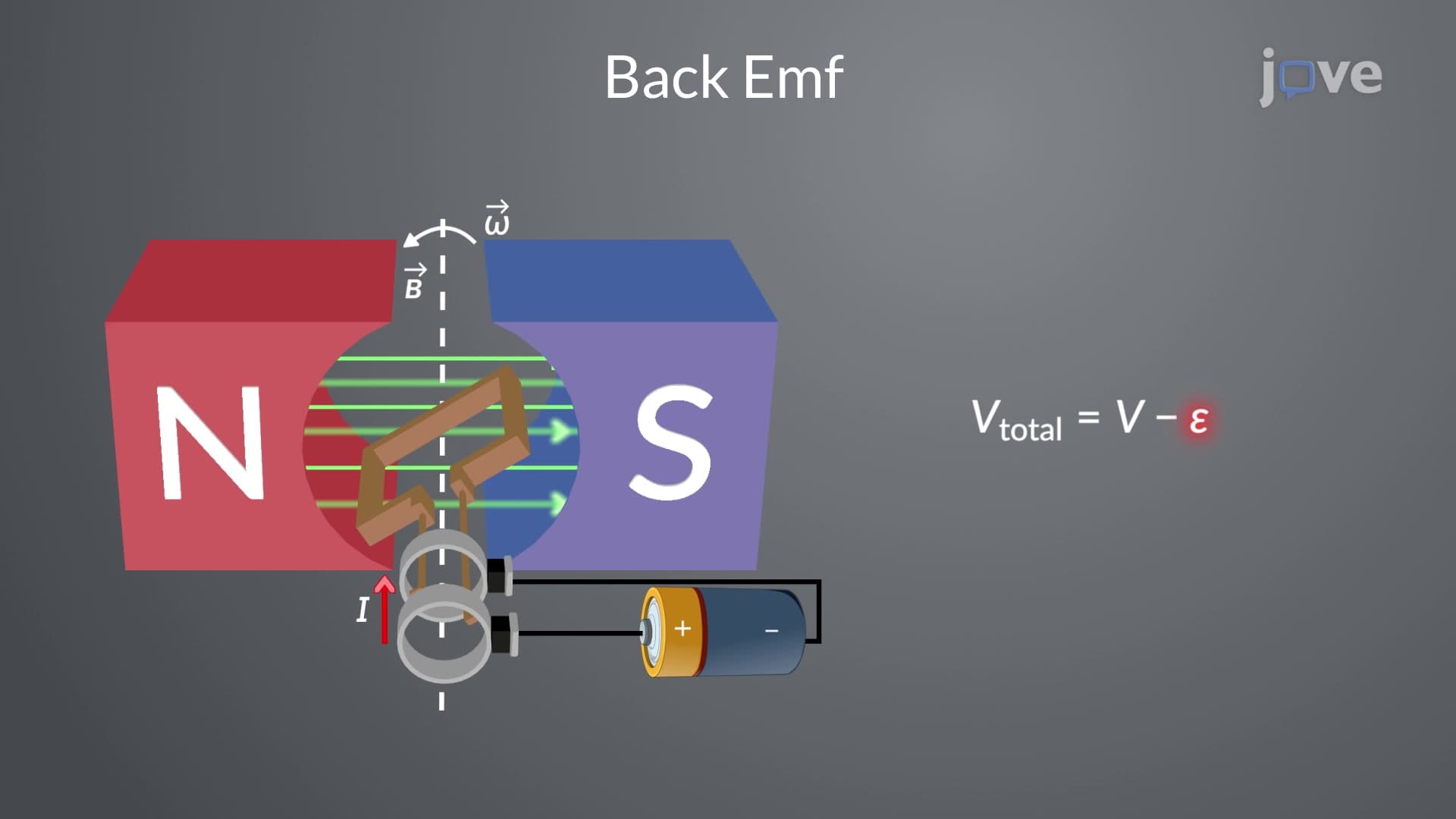
The negative sign in Faraday's law equation connects directly to Lenz's law, which Heinrich Lenz formulated to describe the direction of induced current. This principle states that induced current flows in a direction that opposes the change causing it, reflecting nature's tendency toward equilibrium. When magnetic flux increases through a loop, the induced current creates a magnetic field opposing this increase. Conversely, when flux decreases, the induced current generates a field supporting the original direction.
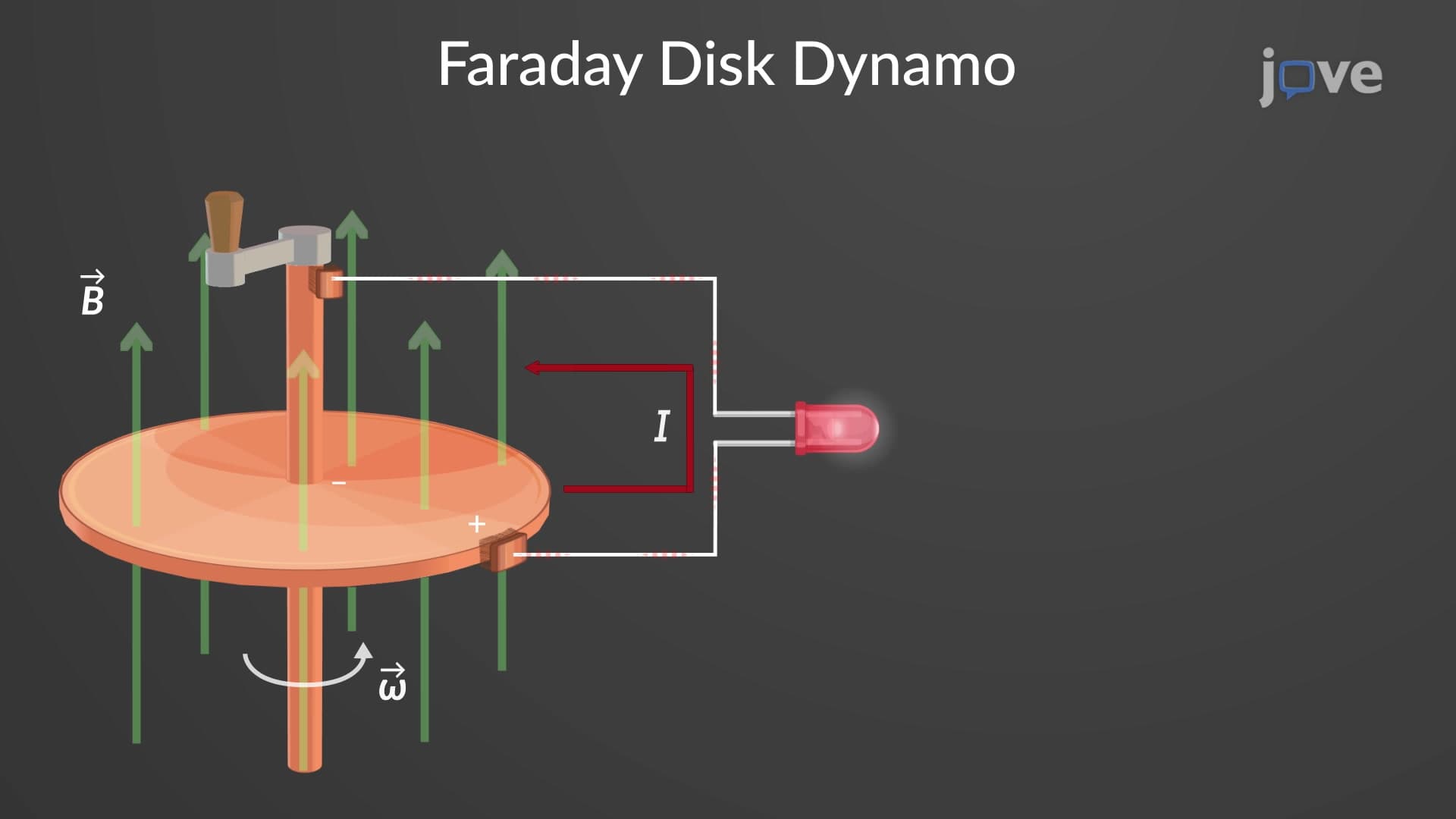
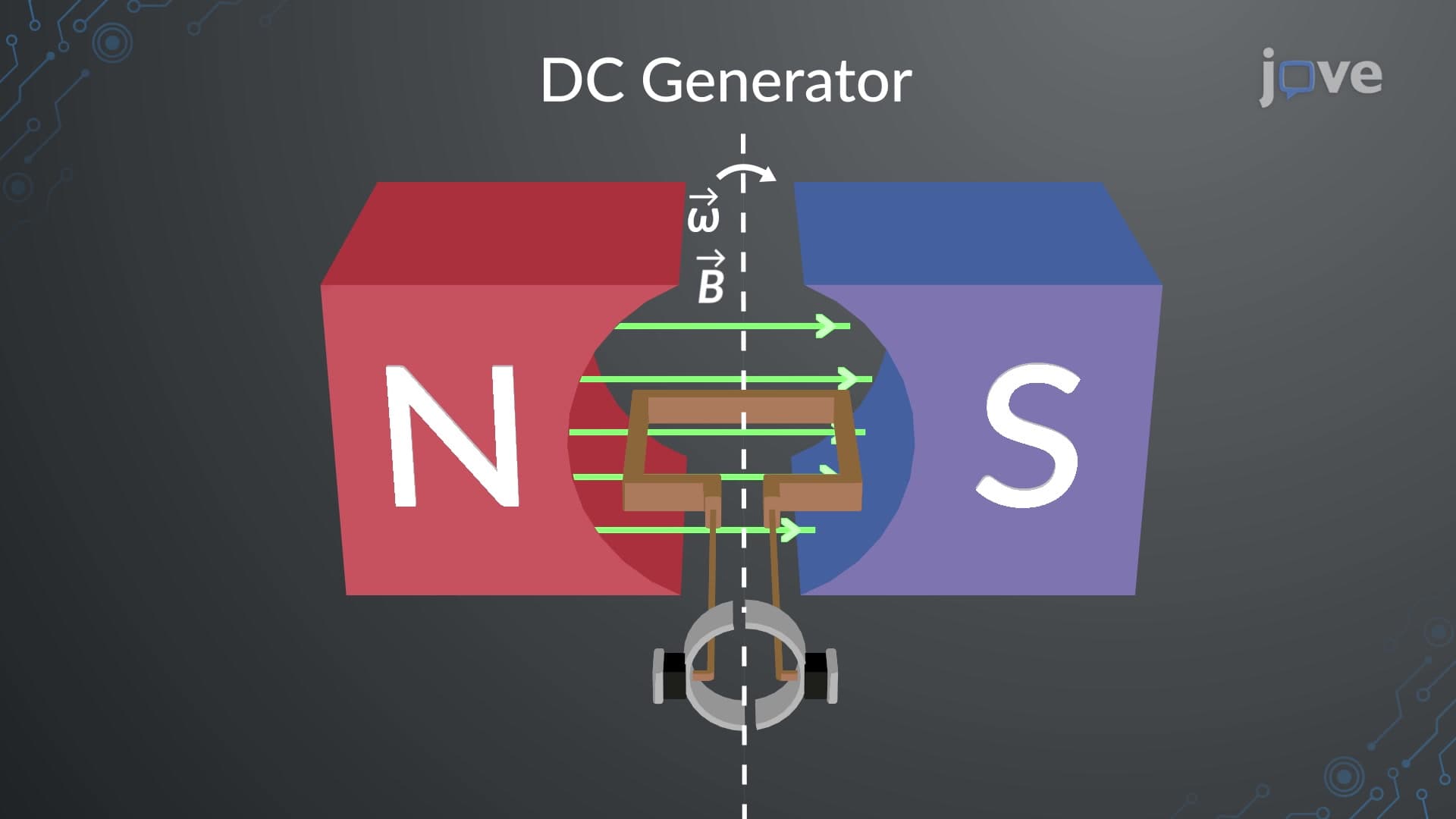
Faraday's law governs numerous technologies crucial to American infrastructure and daily life. Electric power generation relies on this principle—whether in hydroelectric plants along the Colorado River or wind farms across Texas plains. Transformers in electrical substations use electromagnetic induction to step voltage up or down for efficient power distribution. In medical settings, MRI machines at US hospitals employ controlled magnetic field changes to generate detailed body images, while electric vehicle charging stations use inductive coupling for wireless power transfer.
Students preparing for AP Physics, SAT Subject Tests, or college-level courses encounter Faraday's law in various contexts. The concept appears frequently on MCAT physics sections, particularly in passages about medical imaging technology. Understanding the relationship between coil geometry, magnetic field strength, and induced EMF proves essential for solving quantitative problems. Practice problems often involve calculating induced EMF in specific scenarios—like the example of a 500-turn square coil experiencing a 0.2 tesla per second magnetic field change, which yields significant induced voltage suitable for practical applications.
Frequently Asked Questions
Faraday's law states that changing magnetic fields through a closed loop create electrical current in that loop. The faster the magnetic field changes, the stronger the induced current becomes. This principle explains how generators produce electricity and how transformers change voltage levels in power systems.
For AP Physics exams, Faraday's law is defined as: the induced EMF in a closed loop equals the negative rate of change of magnetic flux through that loop. Students must understand both the mathematical formula (EMF = -N × dΦ/dt) and physical interpretation. This concept frequently appears in free-response questions involving electromagnetic induction scenarios.
The MCAT tests Faraday's law through passage-based questions about medical technology, particularly MRI machines and electrical safety in hospitals. Students need to apply the law to calculate induced EMF values and understand how changing magnetic fields affect biological tissues. Practice problems often combine Faraday's law with concepts of electrical safety and electromagnetic radiation.
American students interact with Faraday's law applications constantly through wireless phone chargers, electric toothbrushes, and induction cooktops in their homes. Electric guitar pickups use electromagnetic induction to convert string vibrations into electrical signals, while credit card readers employ similar principles. Understanding these connections helps students appreciate physics relevance in modern technology.
Basic calculus knowledge helps with the mathematical derivation, but high school students can master Faraday's law using algebra and conceptual understanding. The key is grasping the relationship between changing magnetic conditions and electrical effects. Most introductory physics courses present this law using simplified scenarios that don't require complex mathematical manipulation.
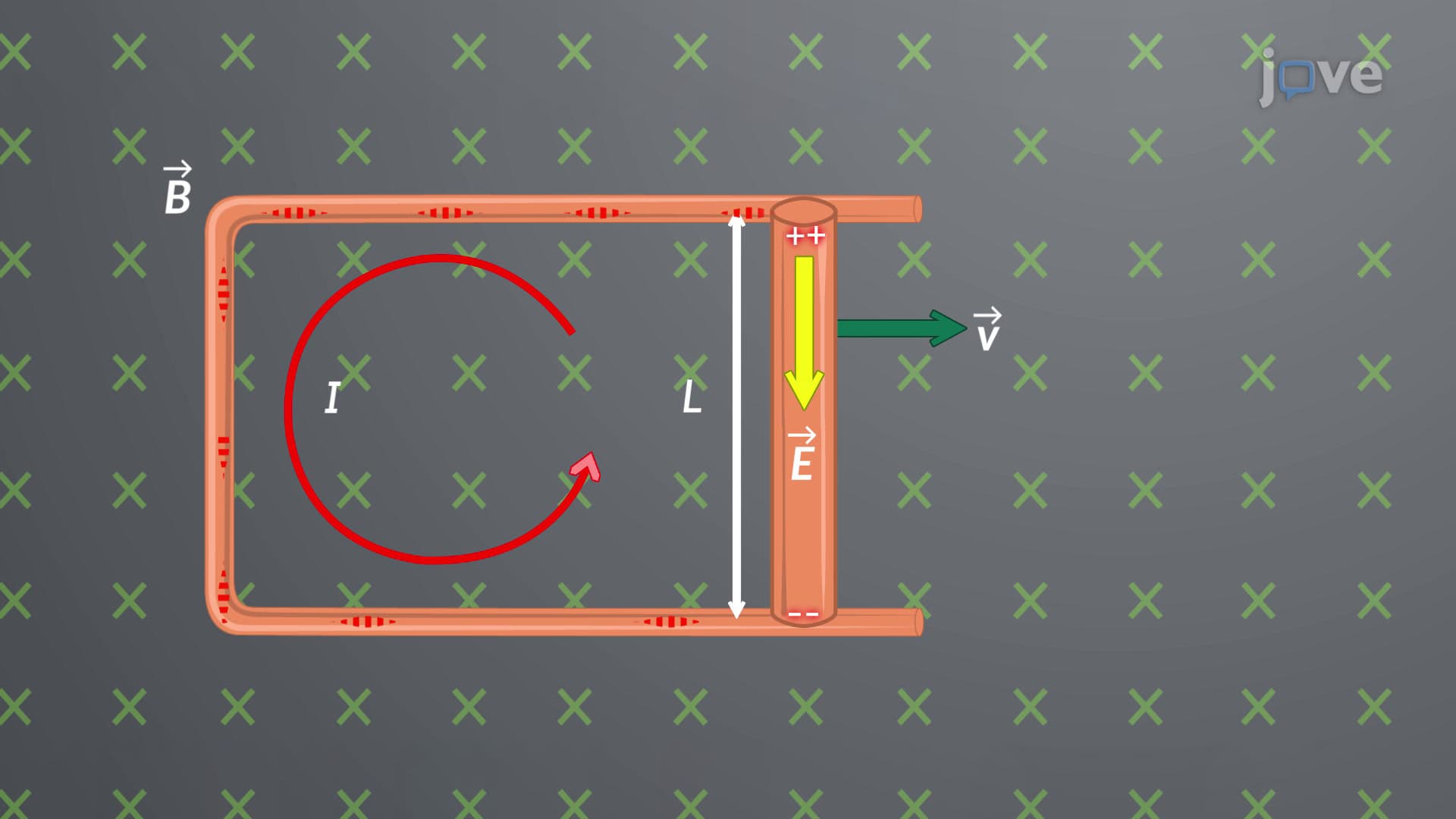
Focus on identifying what's changing in each problem—magnetic field strength, coil area, or orientation—then apply Faraday's law systematically. Practice with varied scenarios including rotating coils, moving conductors, and changing magnetic fields. Create concept maps connecting Faraday's law to Lenz's law and conservation of energy principles for comprehensive understanding.
Build on electromagnetic induction by exploring AC circuits, transformers, and electromagnetic wave propagation. These advanced topics appear in college-level physics courses and engineering programs. Understanding Maxwell's other equations—particularly Ampère's law and Gauss's law—provides a complete foundation for electromagnetic theory essential in electrical engineering and physics majors.
Related Micro-courses
Related Subjects
 Math Fundamentals 11 micro-courses›
 Statistics 17 micro-courses›