Loading…
Loading video…

61,788 views
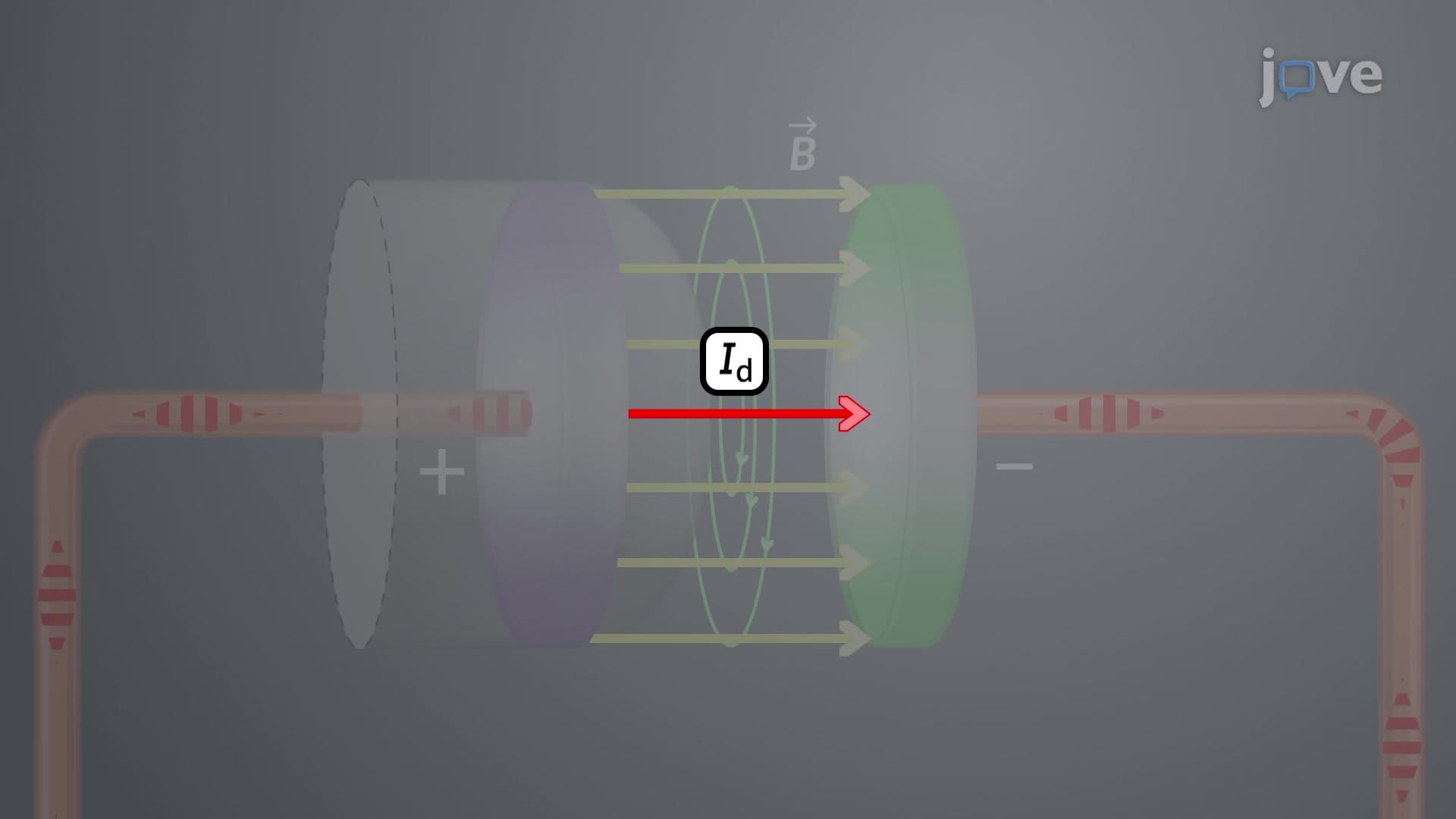
Ever wonder how your smartphone's wireless charging works without any physical connection? The answer lies in displacement current, a revolutionary concept that explains how changing electric fields create magnetic effects in empty space. This phenomenon is crucial for understanding electromagnetic waves used in everything from WiFi to medical MRI machines across the United States. Maxwell's brilliant insight into displacement current resolved a fundamental contradiction in Ampère's law and laid the foundation for modern electromagnetic theory. Watch the full video on JoVE Coach to master this concept with expert-led visuals and step-by-step explanations.
Displacement current represents one of the most elegant solutions in physics, addressing a fundamental inconsistency that plagued 19th-century electromagnetic theory. Unlike conventional current that involves actual charge movement through conductors, displacement current arises from changing electric fields in regions where no physical charges flow—including vacuum spaces and dielectric materials.
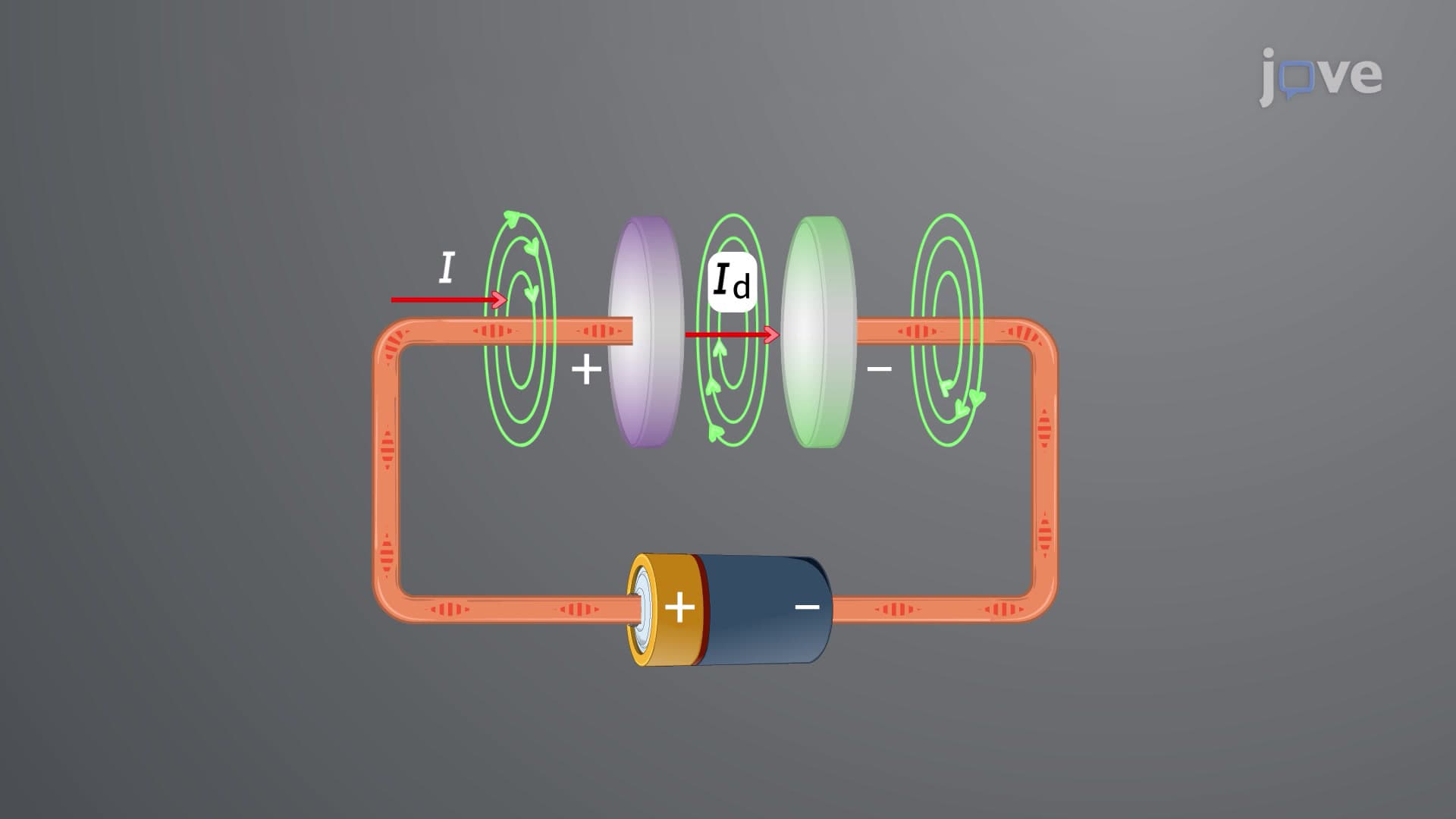
The concept emerged when physicist James Clerk Maxwell identified a critical flaw in Ampère's original law. When applied to a charging capacitor circuit, Ampère's law produced contradictory results depending on which surface you chose to analyze. This inconsistency threatened the entire foundation of electromagnetic theory until Maxwell's revolutionary insight.
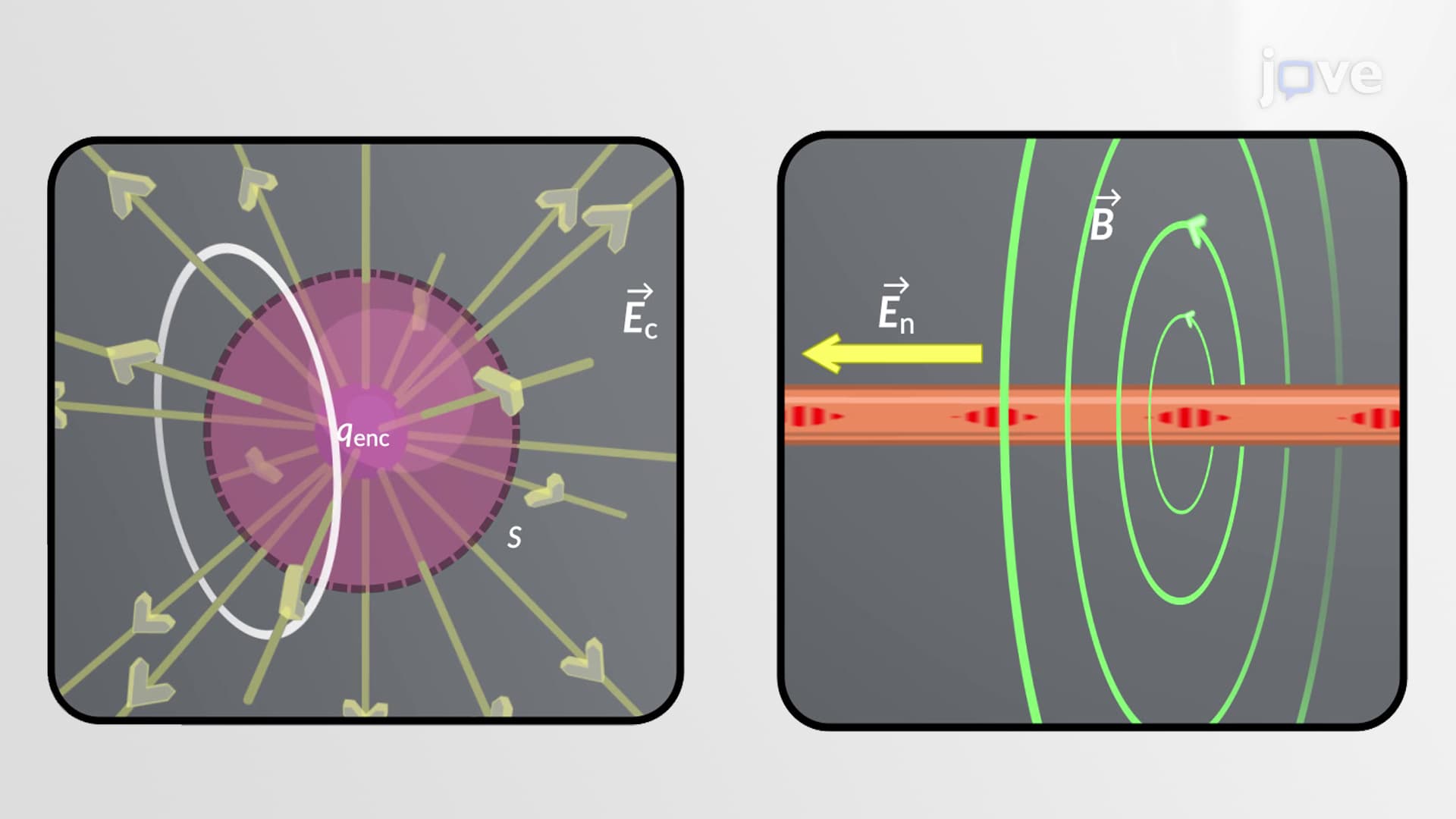
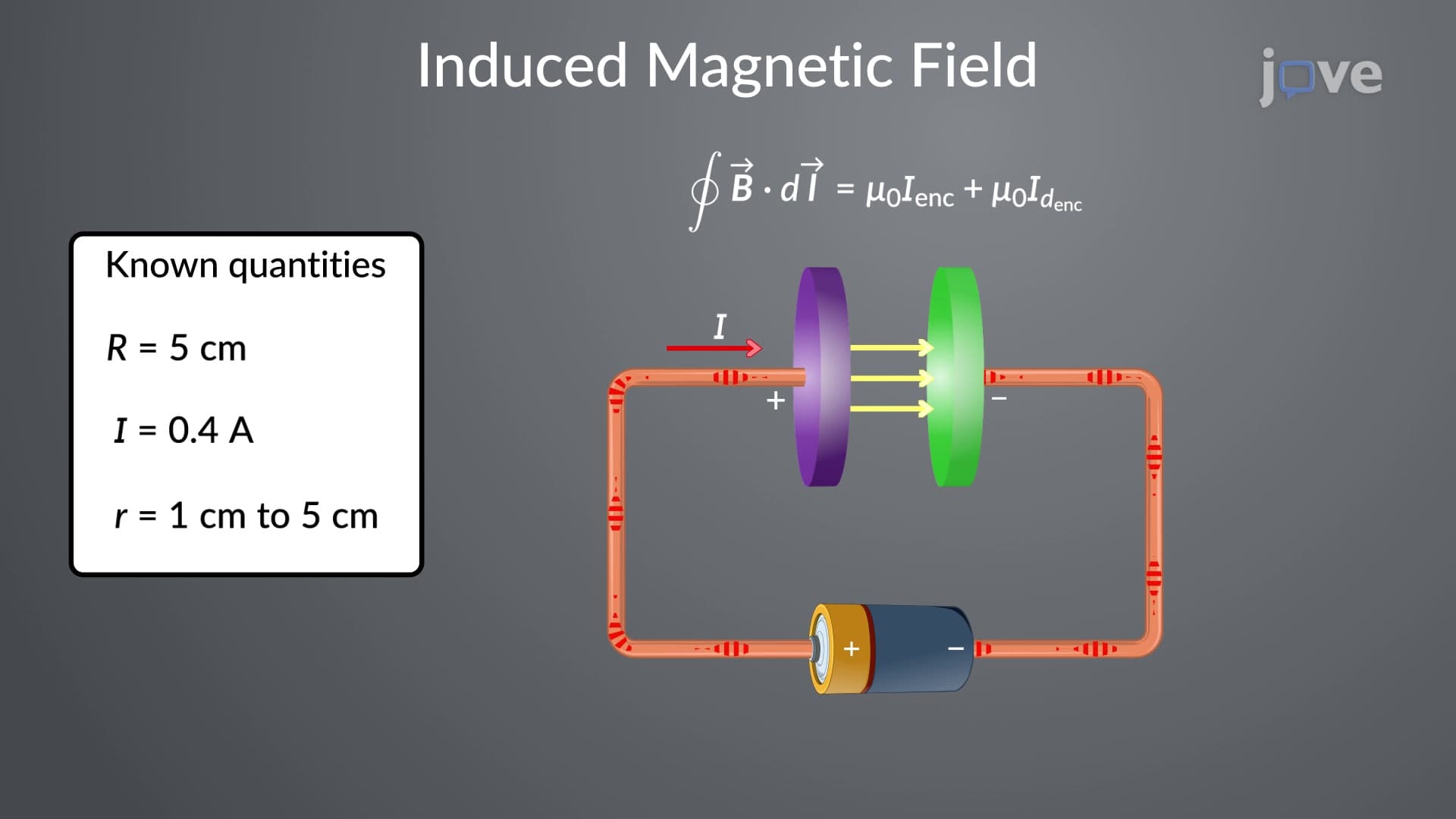
In a charging parallel-plate capacitor, conventional current flows through the connecting wires, but no physical charges cross the gap between the plates. However, the electric field between the plates changes with time as the capacitor charges. Maxwell proposed that this changing electric field produces a magnetic effect equivalent to an actual current—the displacement current.
Mathematically, displacement current (I_d) equals the rate of change of electric flux multiplied by the permittivity of free space: I_d = ε₀ × (dΦ_E/dt). This relationship shows that rapidly changing electric fields generate stronger displacement currents, explaining why high-frequency electromagnetic phenomena are so prevalent in modern technology.
Displacement current theory directly explains how electromagnetic waves propagate through space—a principle underlying GPS systems, cellular networks, and satellite communications used daily across America. In medical applications, MRI machines at hospitals like Mayo Clinic and Johns Hopkins rely on precisely controlled electromagnetic fields where displacement current calculations ensure accurate imaging.
For students preparing for AP Physics C exams or college physics courses, displacement current problems frequently appear in electromagnetism sections. The MCAT also tests this concept in physics passages related to medical imaging technology. Understanding displacement current helps students grasp more advanced topics like Maxwell's equations and electromagnetic wave theory, essential for engineering programs at institutions like MIT and Stanford.
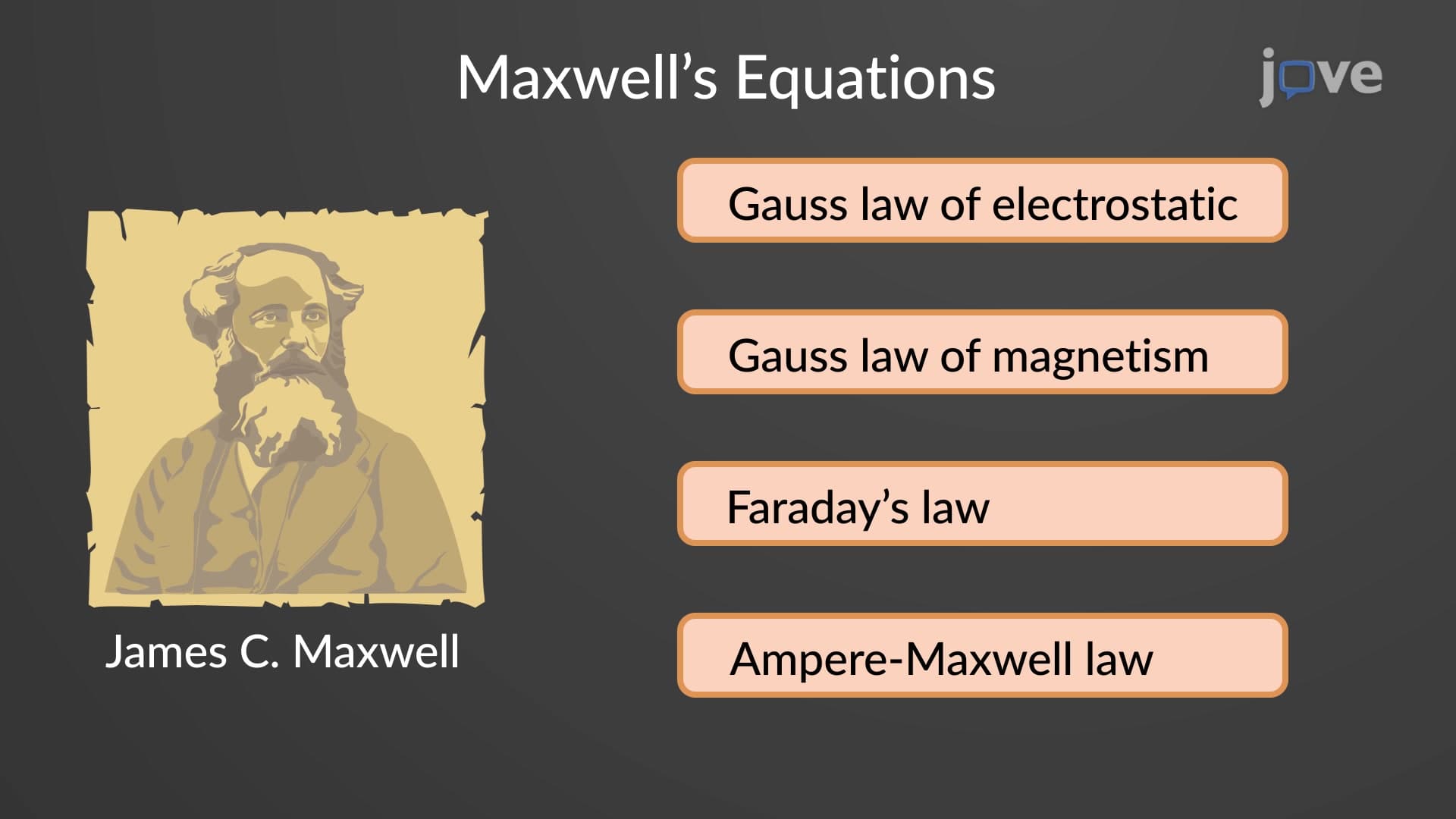
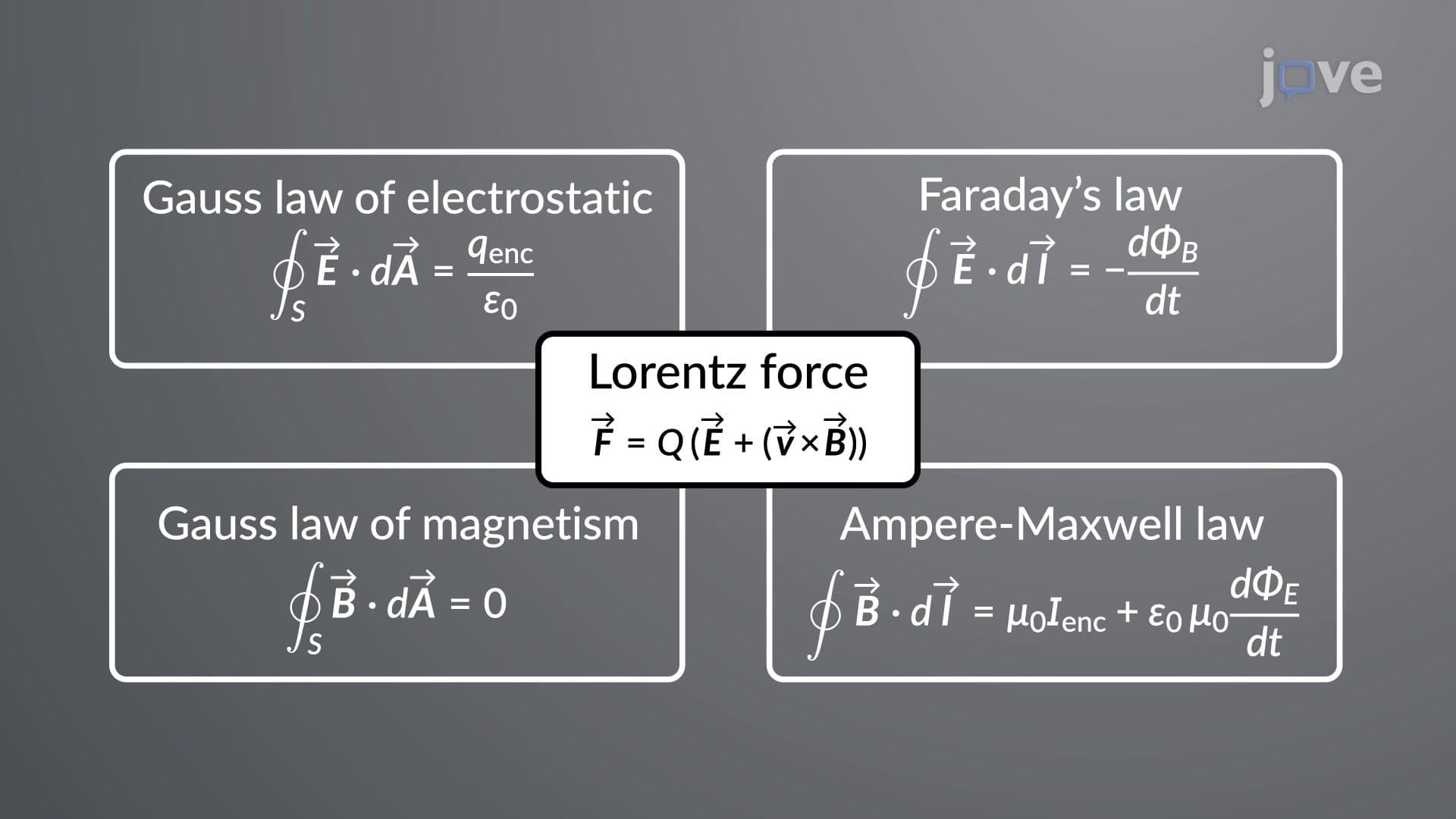
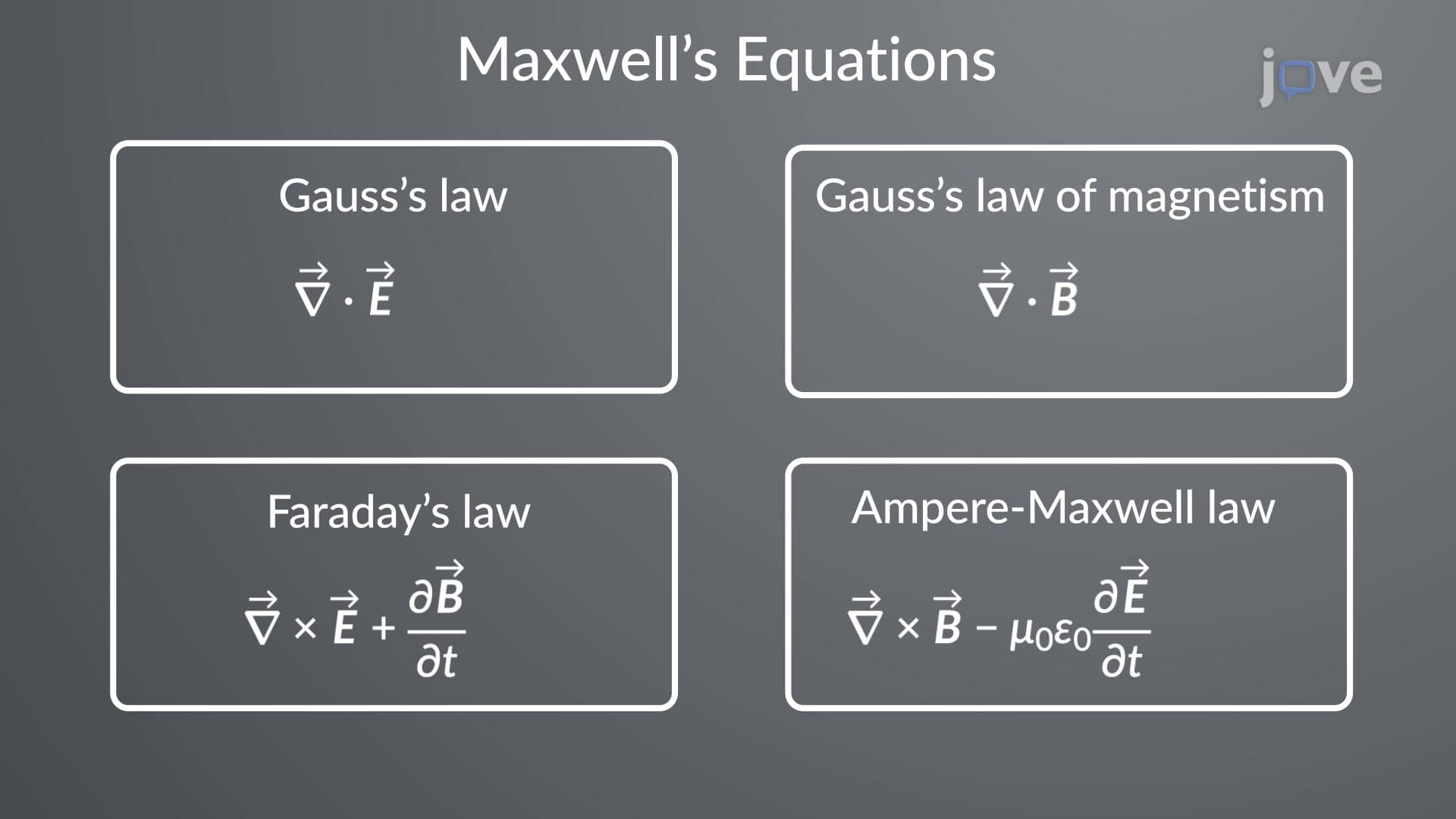
Maxwell's modification of Ampère's law, now called the Ampère-Maxwell law, includes both conventional current and displacement current terms. This generalized law states that magnetic circulation equals the permeability of free space times the sum of conventional current plus displacement current. This unified approach resolved theoretical inconsistencies and predicted the existence of electromagnetic waves decades before their experimental confirmation.
Frequently Asked Questions
Displacement current is a "fictitious" current that represents the magnetic effects of changing electric fields, unlike regular current which involves actual moving charges. It occurs in regions like capacitor gaps where no physical charges flow, but changing electric fields still produce magnetic effects. This concept explains electromagnetic phenomena in vacuum and dielectric materials.
For AP Physics C, displacement current equals ε₀ times the rate of change of electric flux through a surface. It appears prominently in free-response questions involving capacitor circuits and electromagnetic field problems. Students must understand both its mathematical definition and physical significance for explaining electromagnetic wave propagation.
The MCAT tests displacement current concepts through electromagnetic wave propagation and medical imaging technology questions. Students encounter problems involving MRI machines, radio waves, and electromagnetic radiation where understanding displacement current helps explain how these technologies function. Focus on conceptual understanding rather than complex mathematical derivations.
Wireless charging stations at Starbucks and airports across America rely on displacement current principles to transfer energy without physical connections. Radio and television broadcasting, GPS navigation systems, and medical MRI scanners all depend on electromagnetic wave propagation made possible by displacement current effects.
No, the basic concept requires only understanding rates of change and electric field fundamentals. While Maxwell's complete equations use vector calculus, introductory physics courses focus on conceptual understanding and simple mathematical relationships. High school students can grasp displacement current through capacitor charging examples and qualitative explanations.
Focus on understanding the conceptual breakthrough Maxwell achieved rather than memorizing formulas. Practice problems involving charging capacitors, electromagnetic wave properties, and Ampère's law modifications. Create concept maps connecting displacement current to electromagnetic waves, modern technology applications, and historical physics developments.
Displacement current understanding prepares you for Maxwell's complete equations, electromagnetic wave theory, and advanced electromagnetism courses. Consider exploring topics like electromagnetic radiation, antenna theory, and quantum electrodynamics. These concepts are fundamental for electrical engineering, physics, and related STEM fields.
Maxwell's displacement current concept unified electricity and magnetism into a single electromagnetic theory, resolving major inconsistencies in 19th-century physics. This breakthrough predicted electromagnetic waves before their discovery, leading to modern technologies like radio, television, and wireless communications that define American technological infrastructure today.
Related Micro-courses
Related Subjects
 Math Fundamentals 11 micro-courses›
 Statistics 17 micro-courses›