Loading…
Loading video…

61,788 views
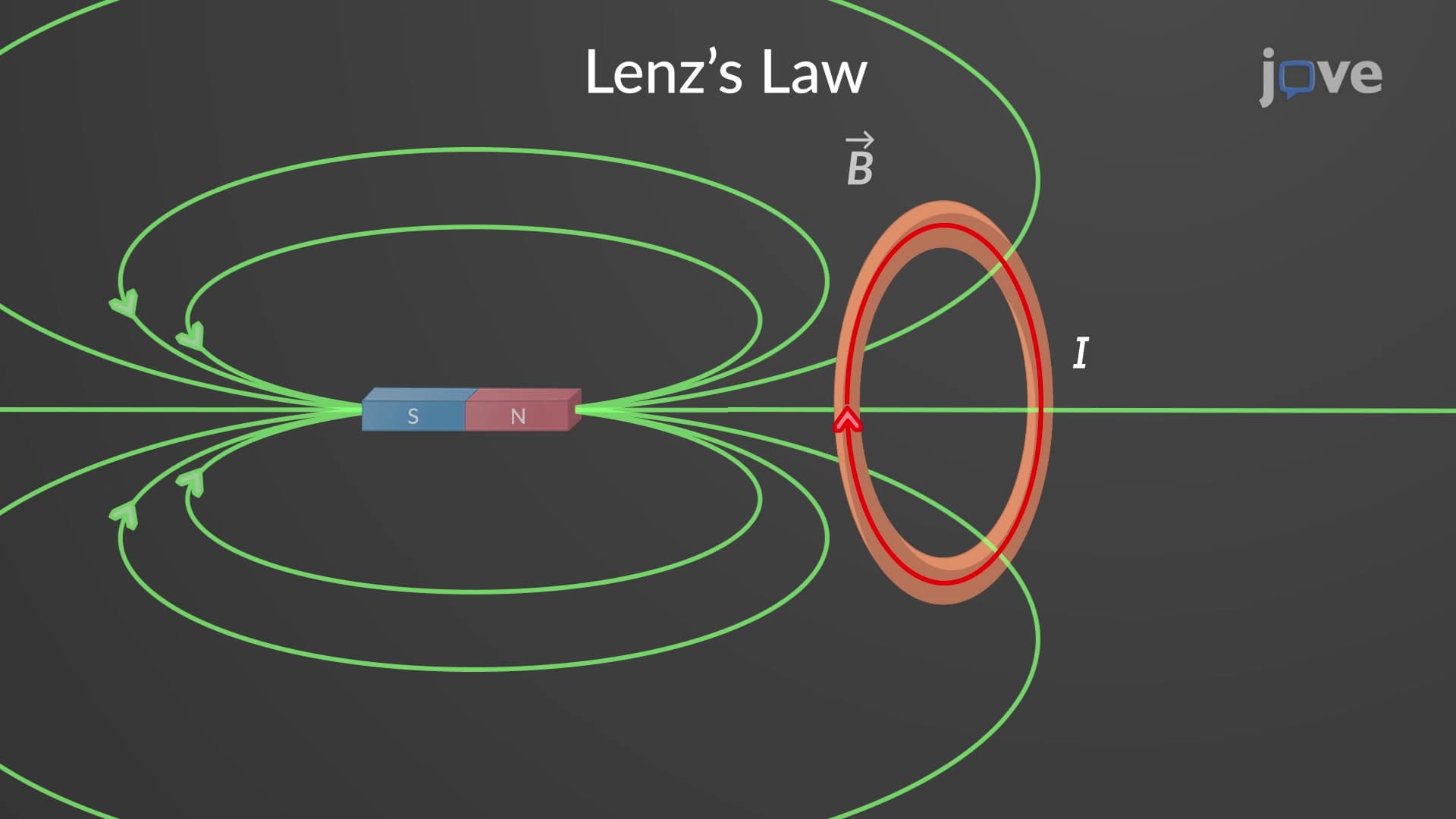
Ever notice how your smartphone's wireless charger heats up during charging? That's Lenz's law in action—the induced current automatically opposes the magnetic changes causing it, creating resistance and heat. This fundamental electromagnetic principle governs everything from Tesla's regenerative braking systems to the eddy current dampers in San Francisco's Millennium Tower. What is Lenz's Law becomes clearer when you see how nature inherently resists electromagnetic changes through opposing currents. Watch the full video on JoVE Coach to master this concept with expert-led visuals and step-by-step explanations.
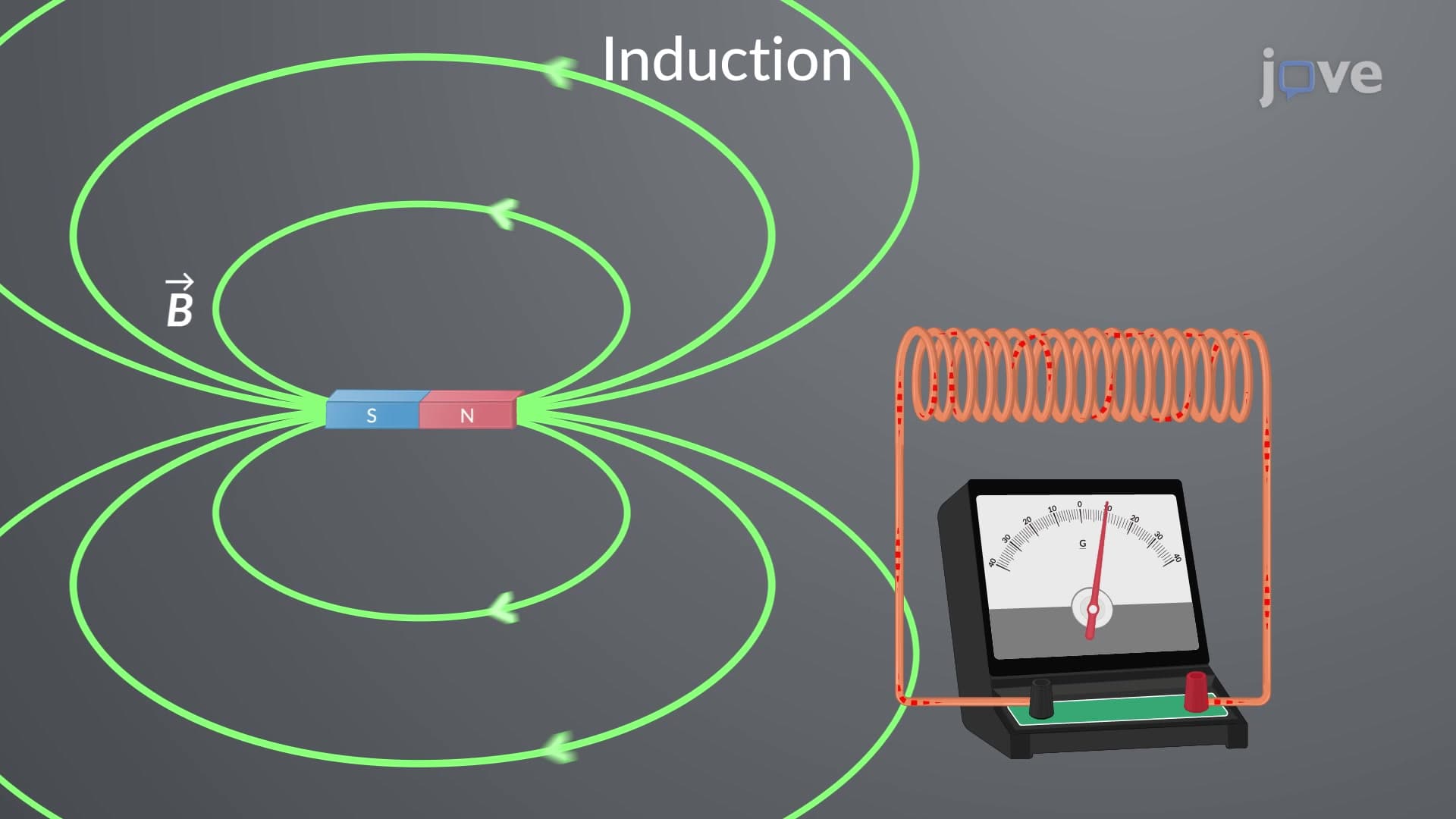
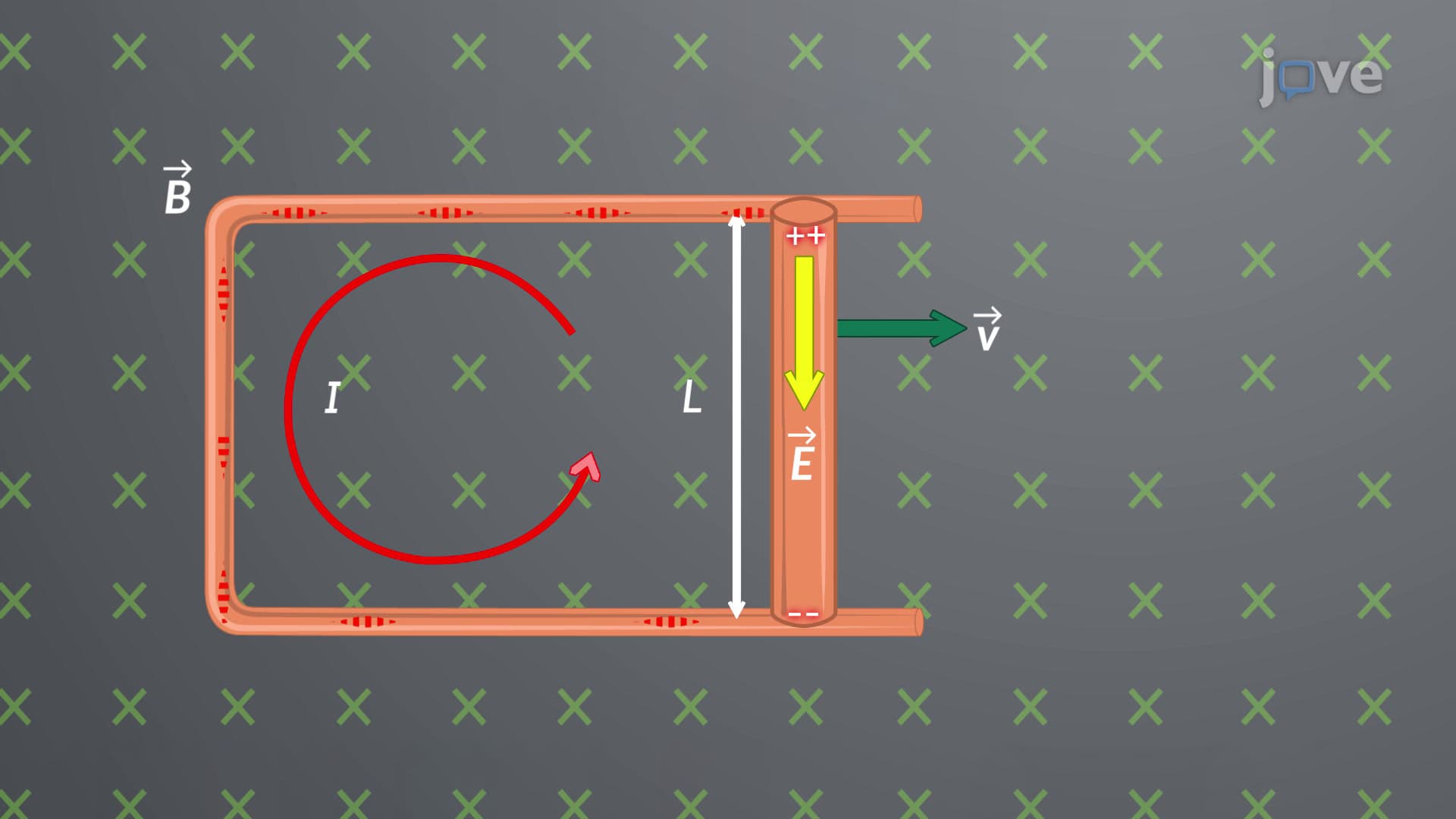
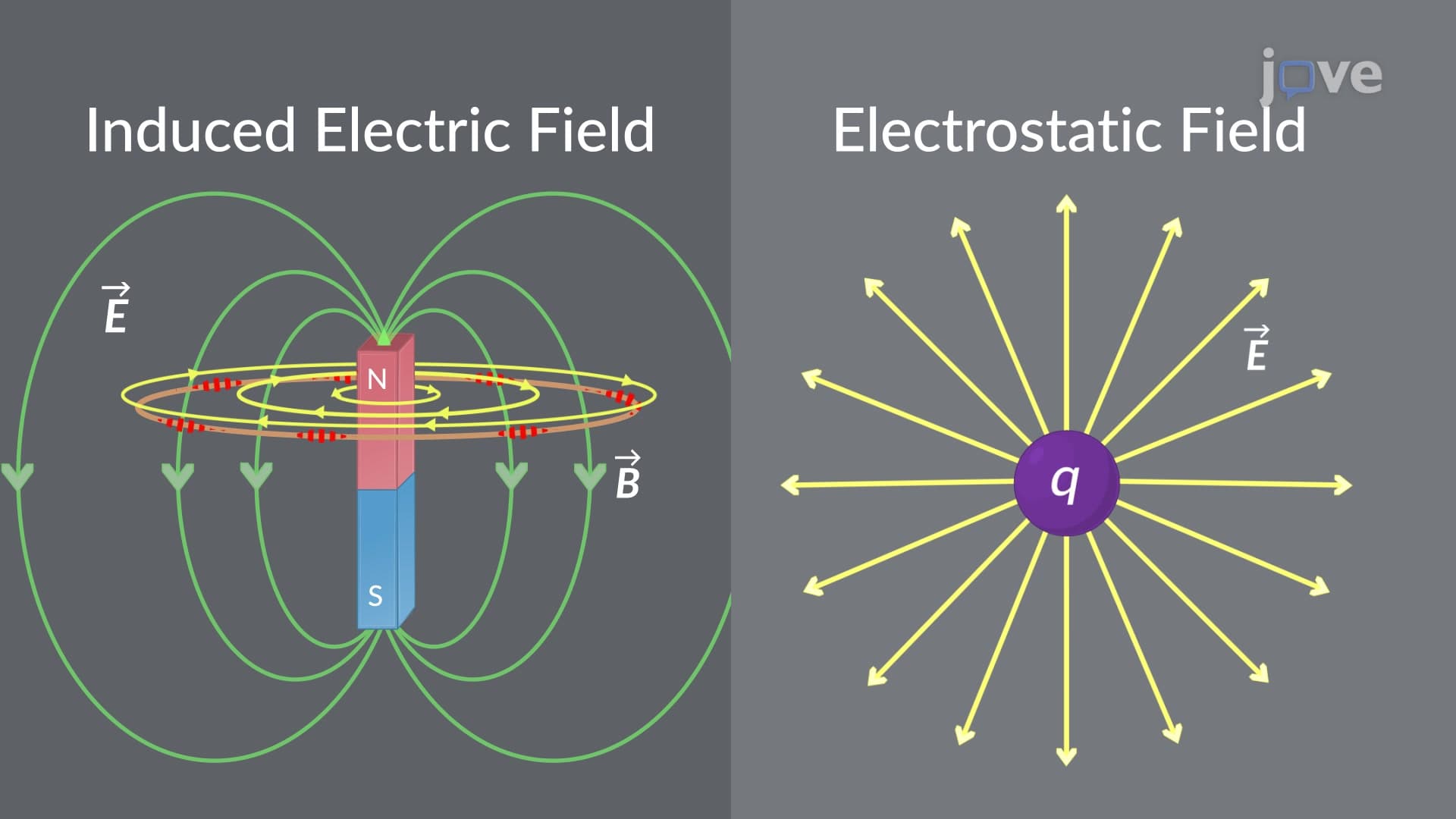
Lenz's law represents one of the most elegant principles in electromagnetism: induced currents always flow in a direction that opposes the change causing them. Named after Russian physicist Heinrich Lenz, this law explains why electromagnetic systems naturally resist flux changes through self-regulation. When magnetic flux through a conductor changes—whether from moving magnets, changing current, or conductor motion—the resulting induced current creates its own magnetic field that opposes the original change.
This opposition isn't arbitrary; it reflects energy conservation. If induced currents enhanced rather than opposed changes, we could create perpetual motion machines, violating thermodynamics. Instead, Lenz's law ensures that work must be done against electromagnetic forces, maintaining energy balance in all induction processes.
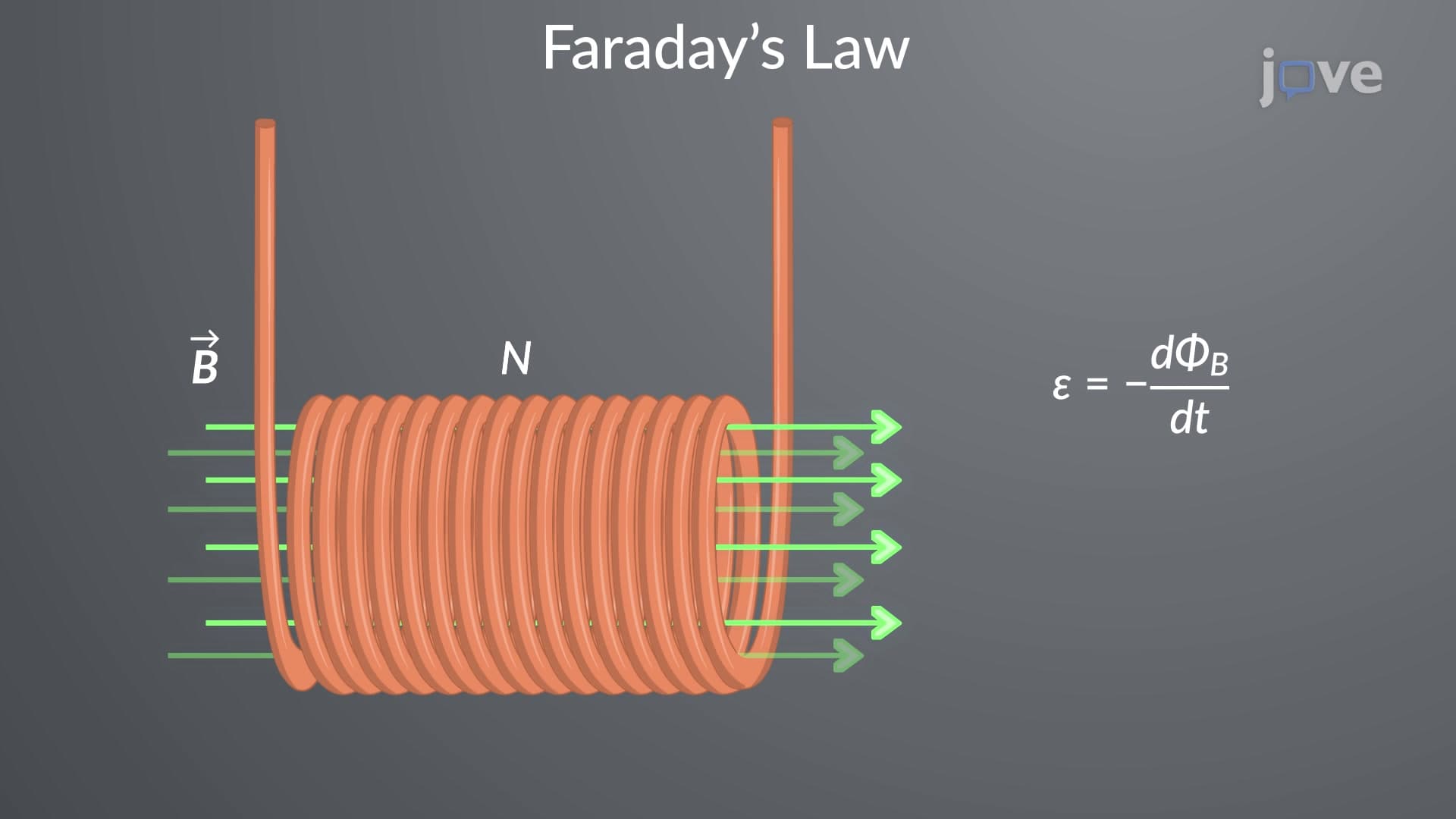
The Lenz's law definition builds upon Faraday's law of induction. While Faraday's law calculates induced voltage magnitude (ε = -dΦ/dt), Lenz's law explains the negative sign's physical meaning. The induced electromotive force opposes flux change, requiring external work to maintain motion or field variation.
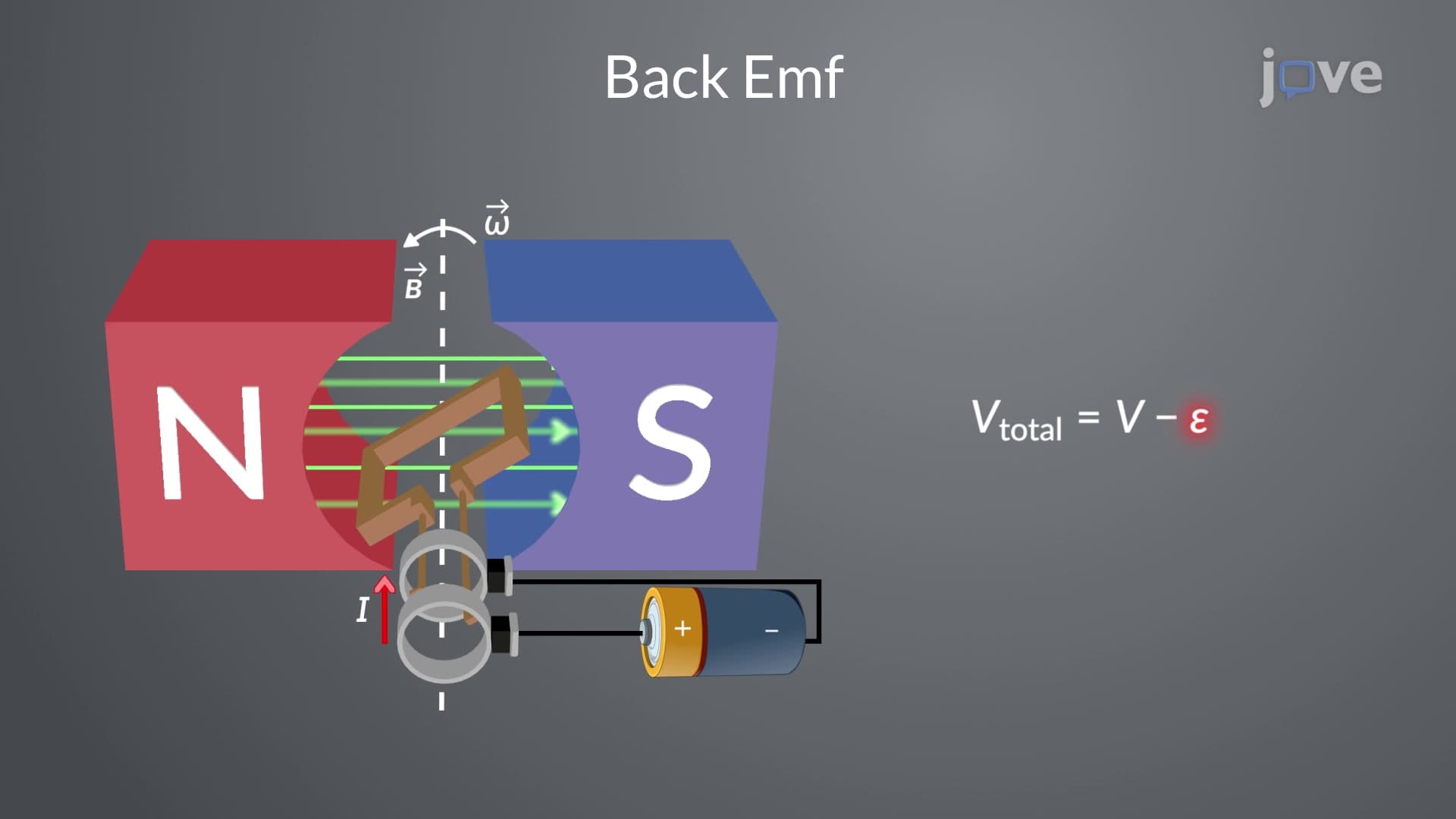
For AP Physics and college courses, understanding this opposition helps solve complex electromagnetic problems. Students applying to engineering programs or taking the MCAT must grasp how Lenz's law governs transformer operation, motor back-EMF, and eddy current formation. The mathematical treatment involves vector analysis, where induced current direction follows right-hand rule applications that oppose flux changes.
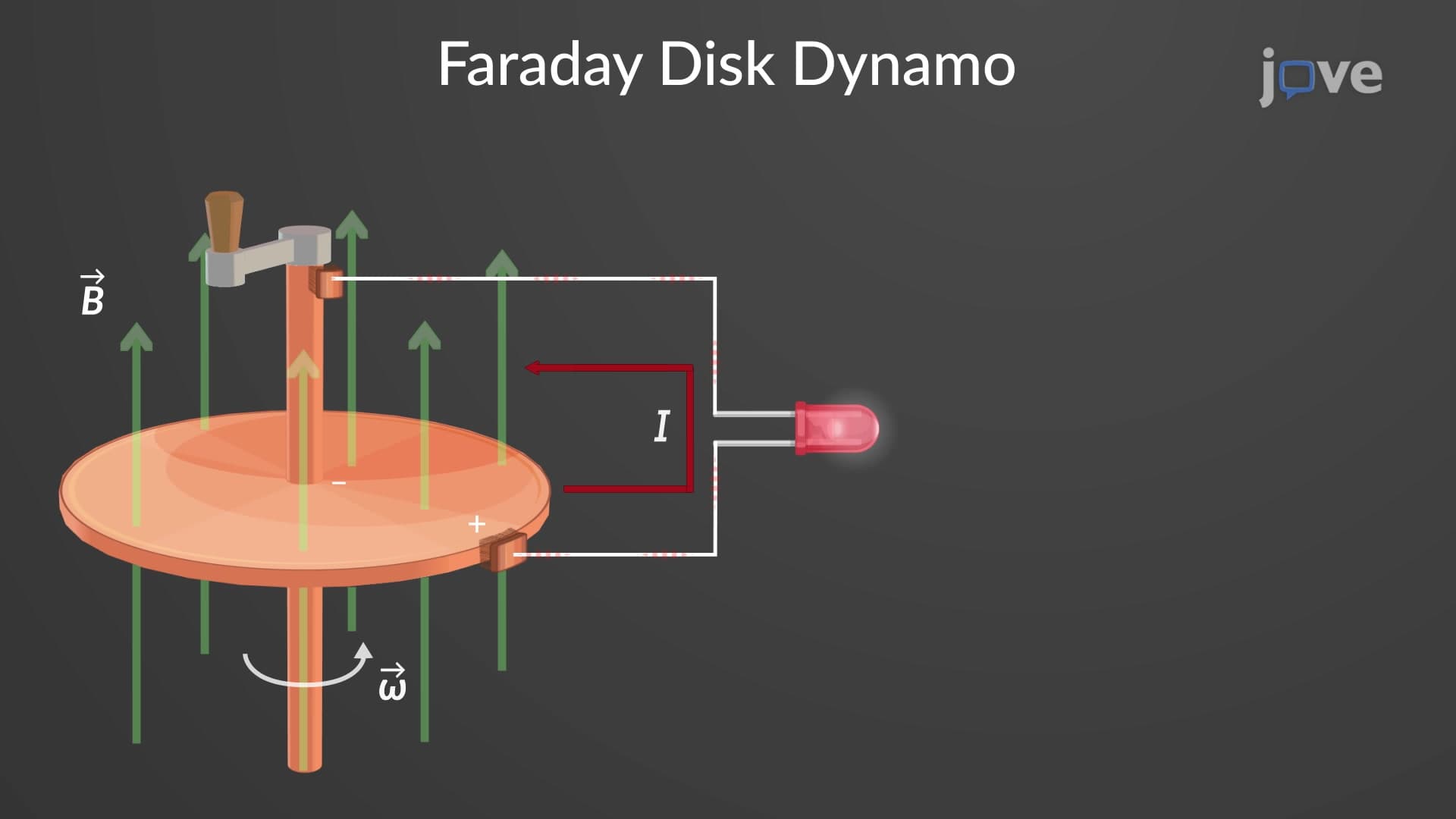
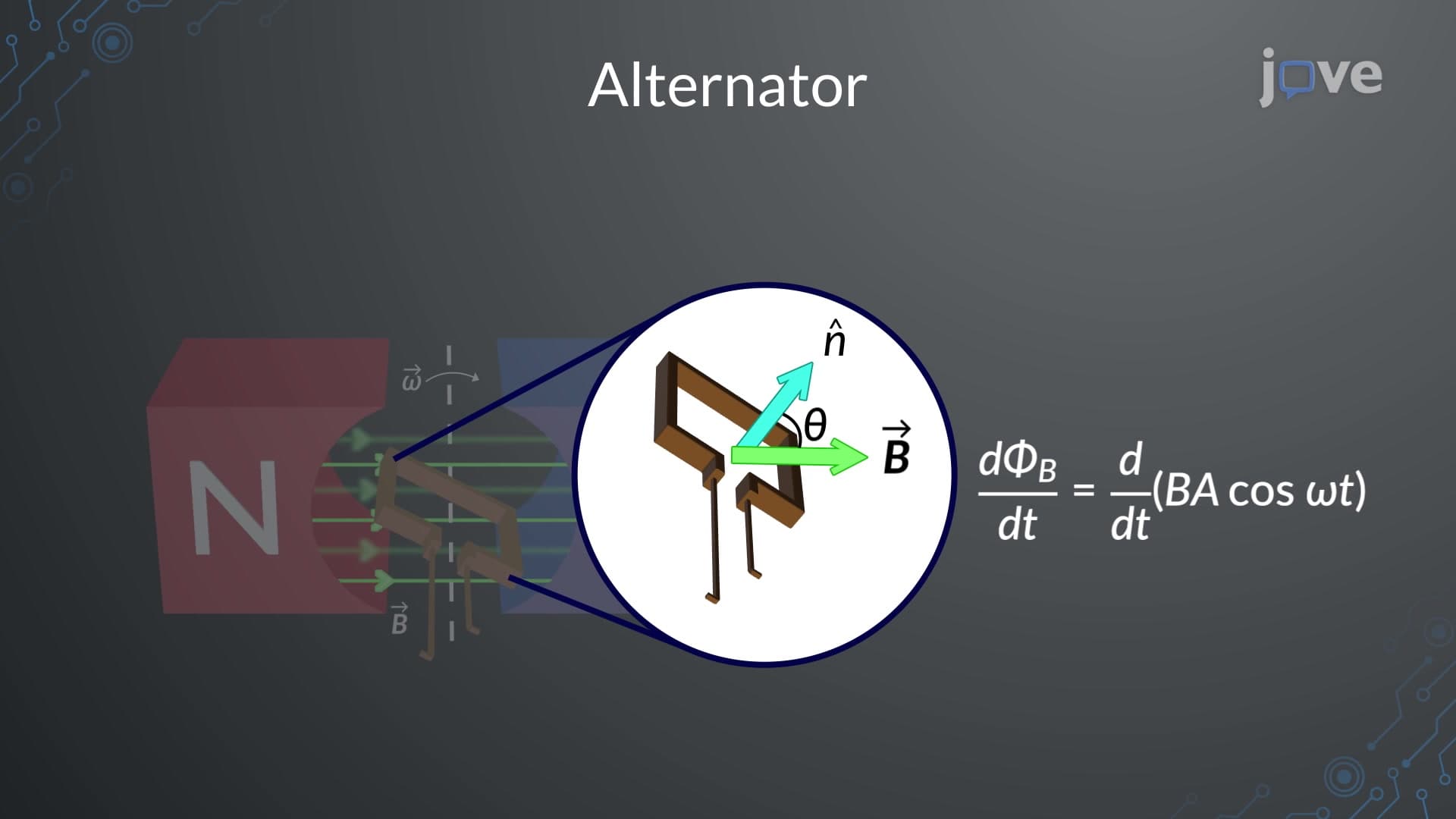
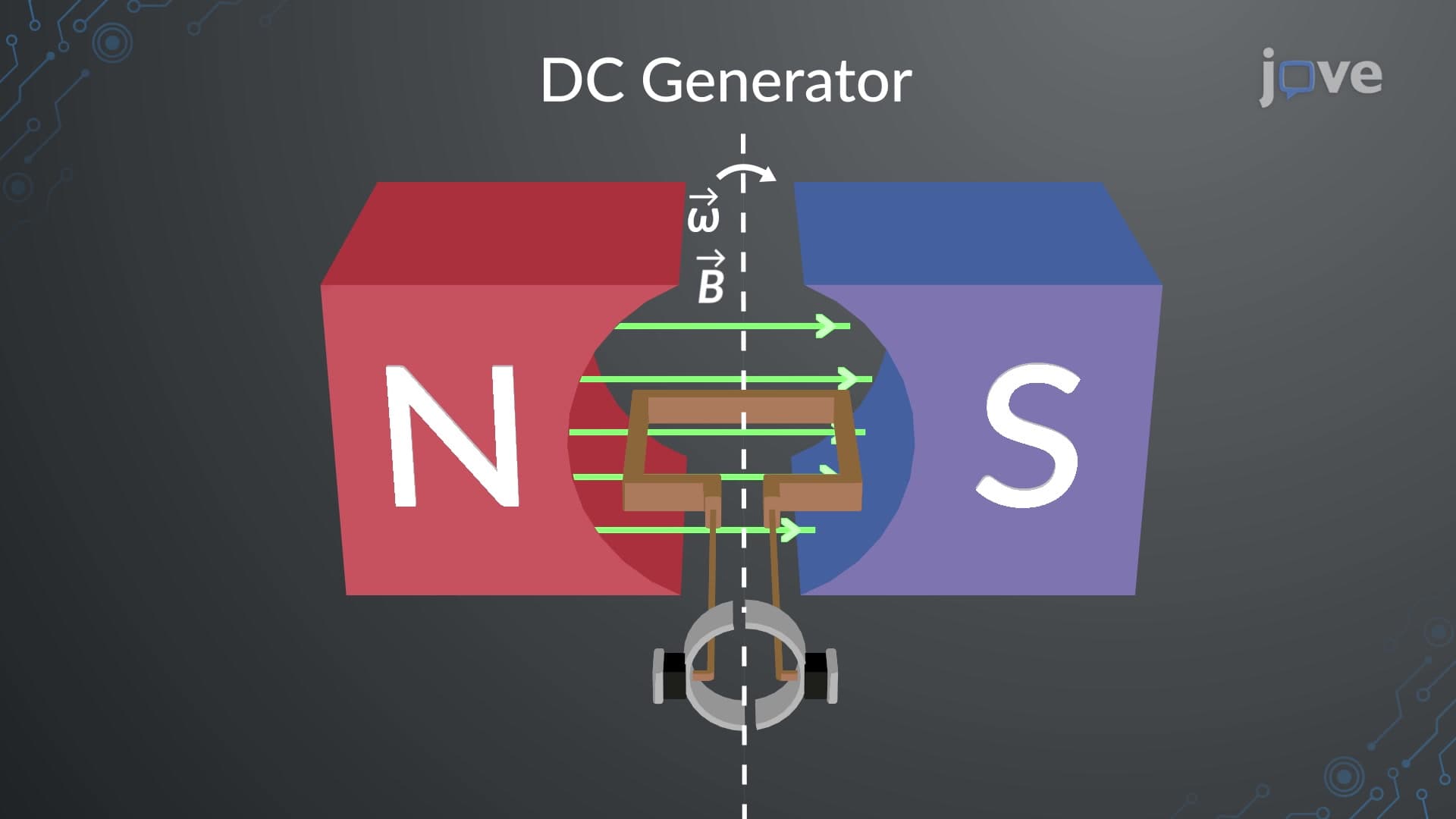
What is Lenz's law in detail becomes apparent through everyday applications. Electric utility companies rely on Lenz's law for generator operation—as turbines rotate in magnetic fields, induced currents oppose rotation, requiring continuous energy input. This opposition creates the electrical resistance that transfers mechanical energy to electrical energy.
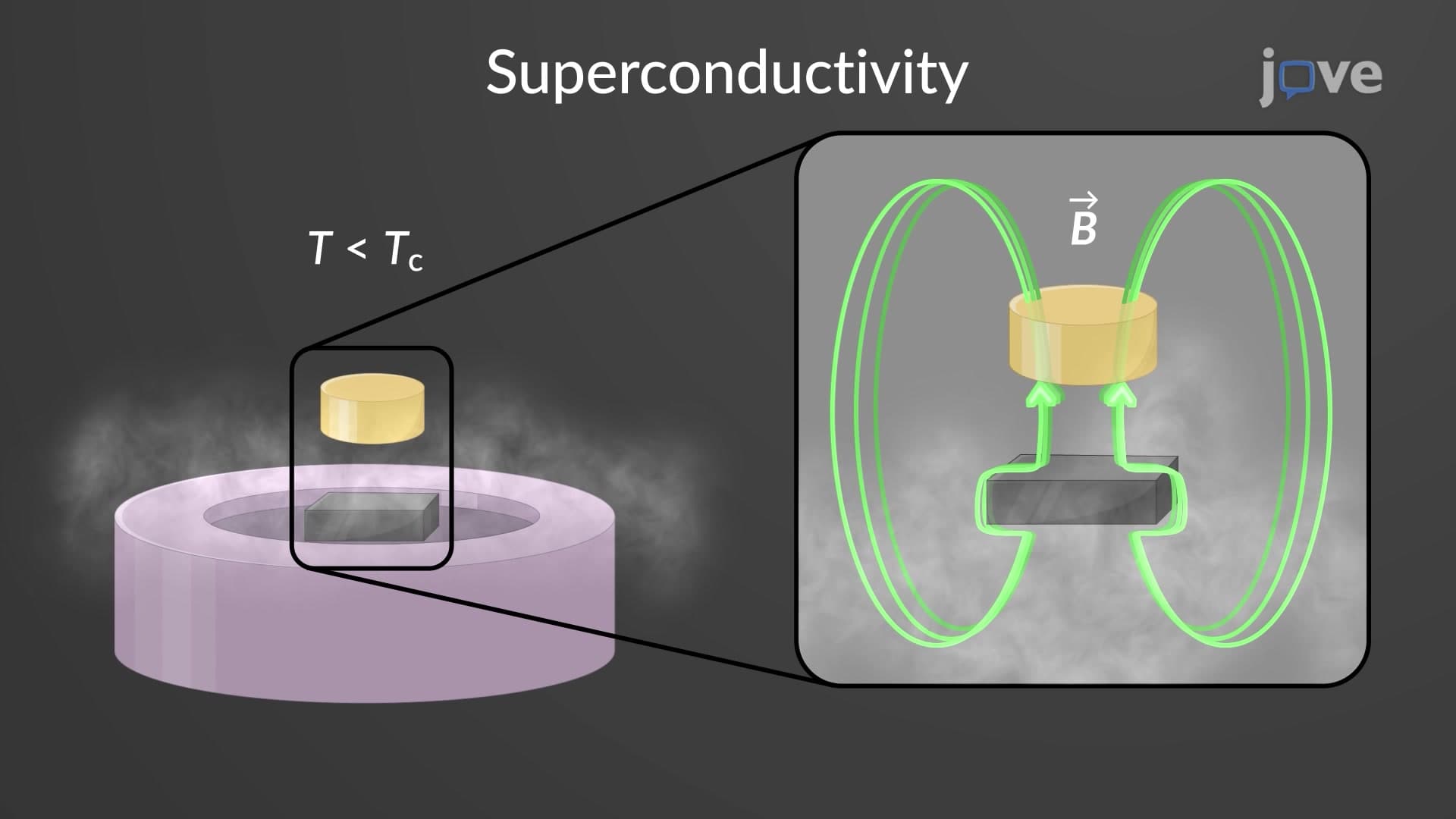
In hybrid vehicles like the Toyota Prius, regenerative braking systems exploit Lenz's law. When braking, wheel motion drives generators, inducing currents that oppose motion while charging batteries. Similarly, magnetic levitation trains use Lenz's law through eddy current interactions, creating smooth, contactless levitation and propulsion systems deployed in experimental US transit projects.
For standardized tests including AP Physics C and college physics courses, Lenz's law problems typically involve determining induced current directions. Students must identify flux change sources, apply right-hand rules, and predict resulting magnetic field orientations. Common scenarios include falling magnets through conducting loops, rotating coils in magnetic fields, and changing solenoid currents.
Success requires visualizing three-dimensional field interactions and understanding energy conservation implications. Practice problems often connect Lenz's law to circuits, requiring students to calculate induced voltages, current magnitudes, and power dissipation in electromagnetic systems relevant to electrical engineering applications.
Frequently Asked Questions
Lenz's law states that induced electrical currents always oppose the magnetic change that created them. When you move a magnet near a coil, the induced current creates its own magnetic field pointing opposite to your magnet's field. This opposition is nature's way of resisting change and conserving energy in electromagnetic systems.
AP Physics C and college physics exams frequently test Lenz's law through current direction problems and energy conservation scenarios. You'll encounter questions about falling magnets, rotating loops, and changing solenoids where you must determine induced current directions using right-hand rules. Understanding the opposition principle helps solve complex electromagnetic induction problems worth significant points.
Faraday's law calculates the magnitude of induced voltage (ε = -dΦ/dt), while Lenz's law explains the negative sign's meaning—current direction opposes flux change. For MCAT success, remember that Faraday's law gives you "how much" induced voltage, while Lenz's law tells you "which way" current flows. Both concepts appear in physics and general chemistry sections.
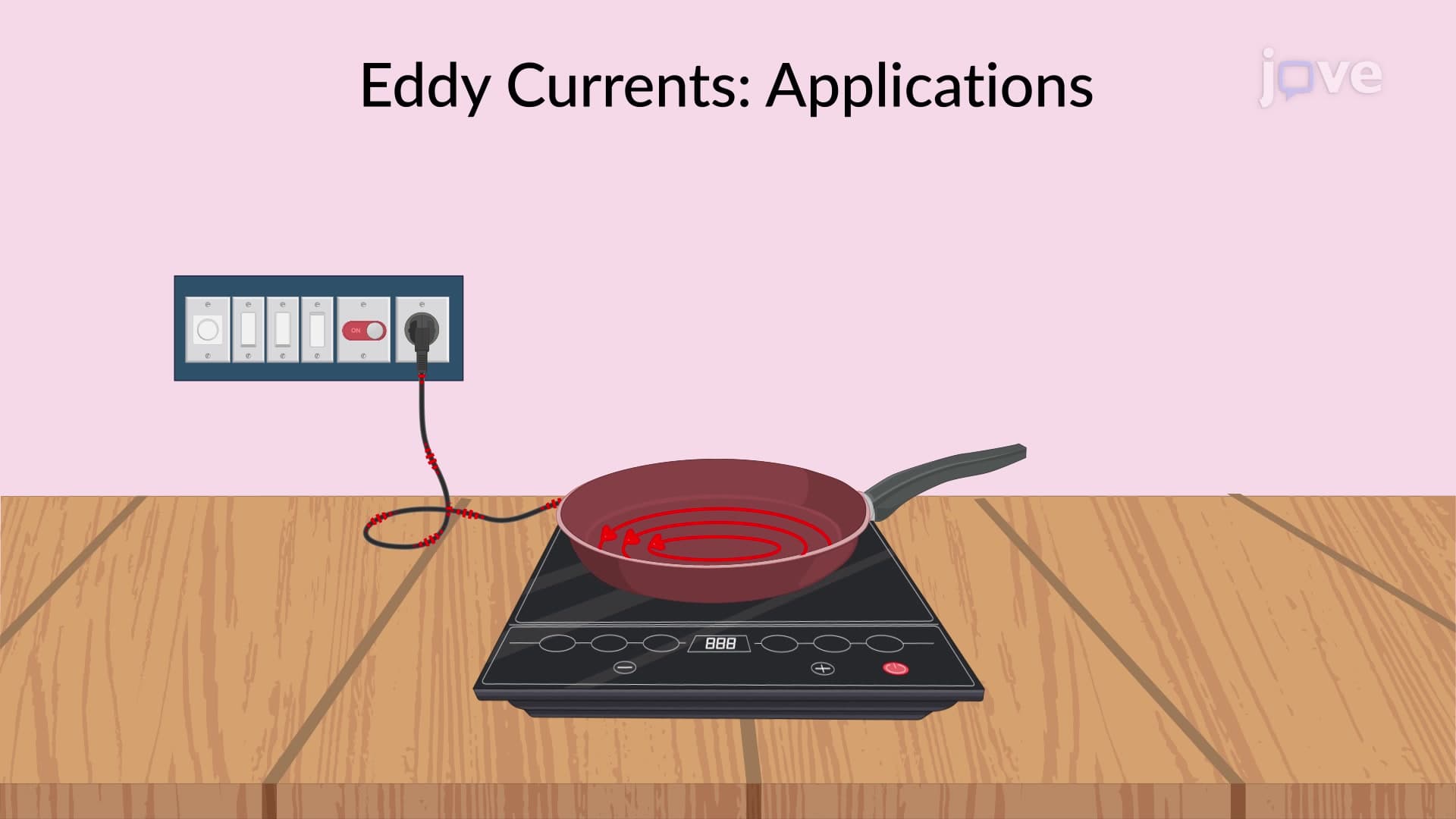
Lenz's law powers many US technologies including electric car regenerative braking (Tesla, GM), wireless phone chargers, and power plant generators. When your iPhone charges wirelessly, the heating occurs because induced currents in the coils oppose magnetic field changes. Even metal detectors at airports use Lenz's law—eddy currents in metal objects create opposing magnetic fields that trigger detection systems.
Lenz's law builds naturally on concepts you already know like magnetism and energy conservation. If you understand that magnets have poles and energy can't be created from nothing, you can grasp Lenz's law. The key insight is simple: nature resists change. Start with basic examples like moving magnets near coils before tackling complex problems.
Focus on visual problem-solving using right-hand rules and energy reasoning. Practice determining current directions in various scenarios: moving magnets, changing solenoids, and rotating conductors. Create flashcards connecting Lenz's law to energy conservation, and work through past AP Physics or college exam problems. Drawing magnetic field diagrams helps cement the opposition concept.
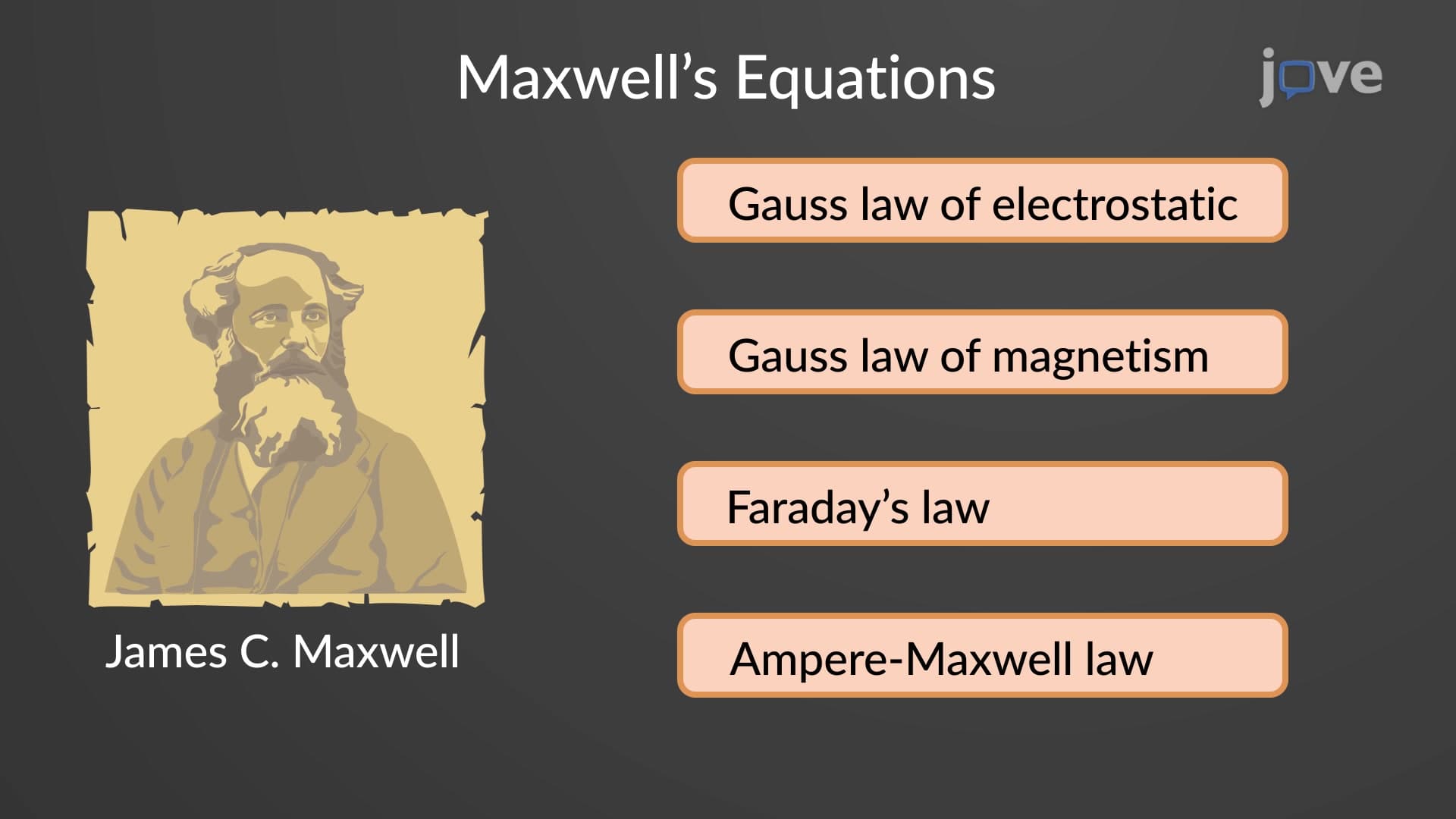
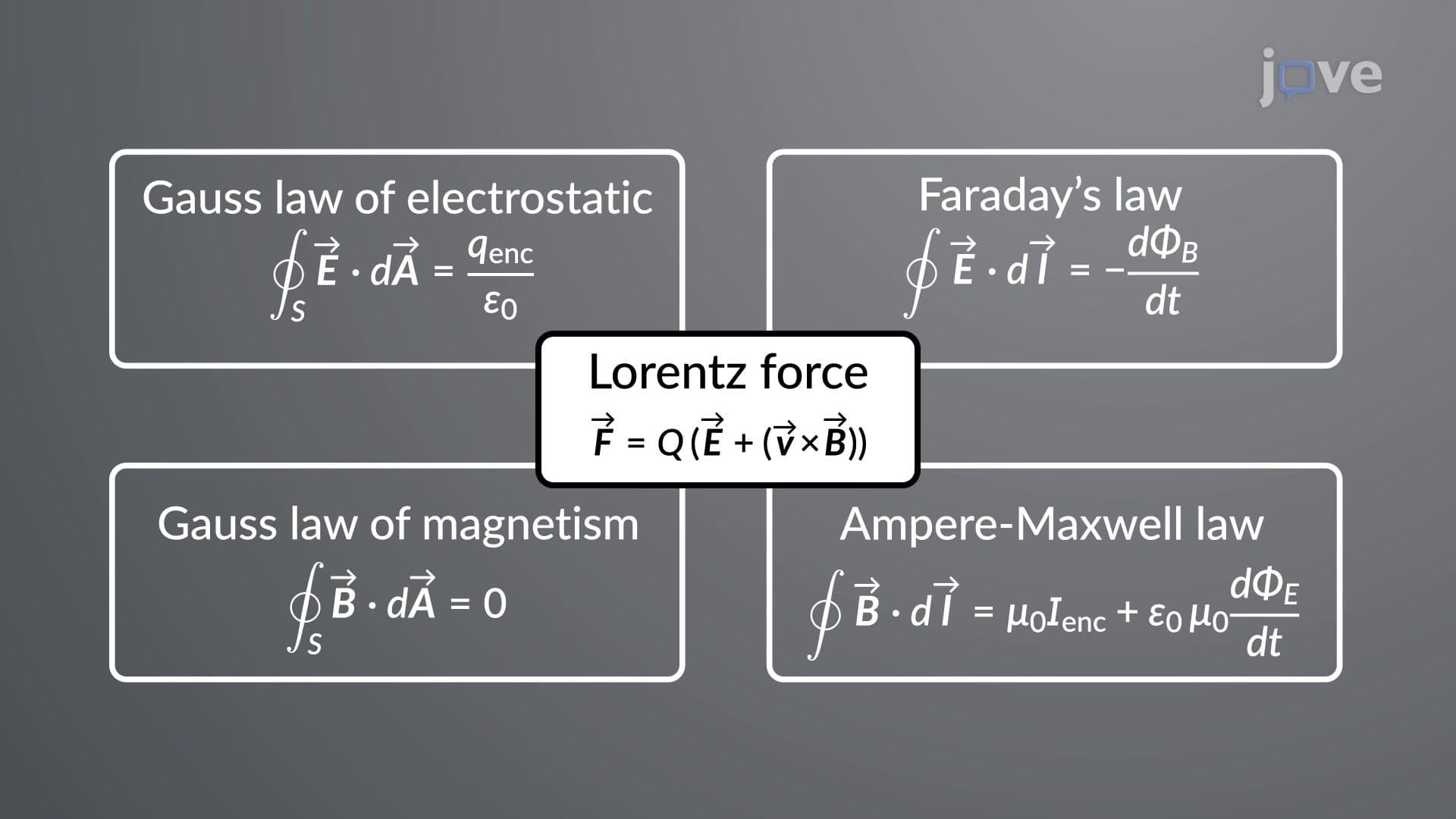
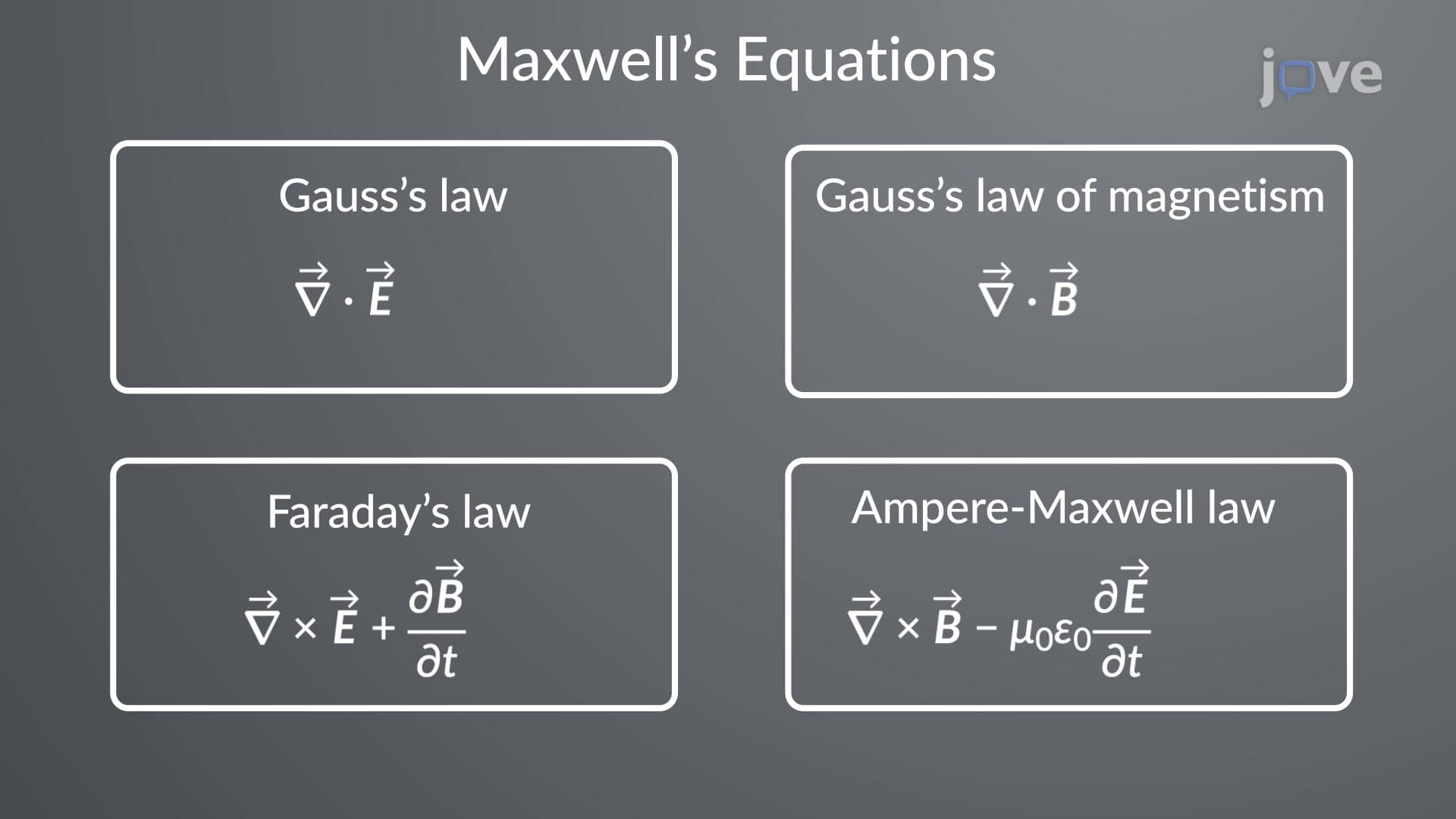
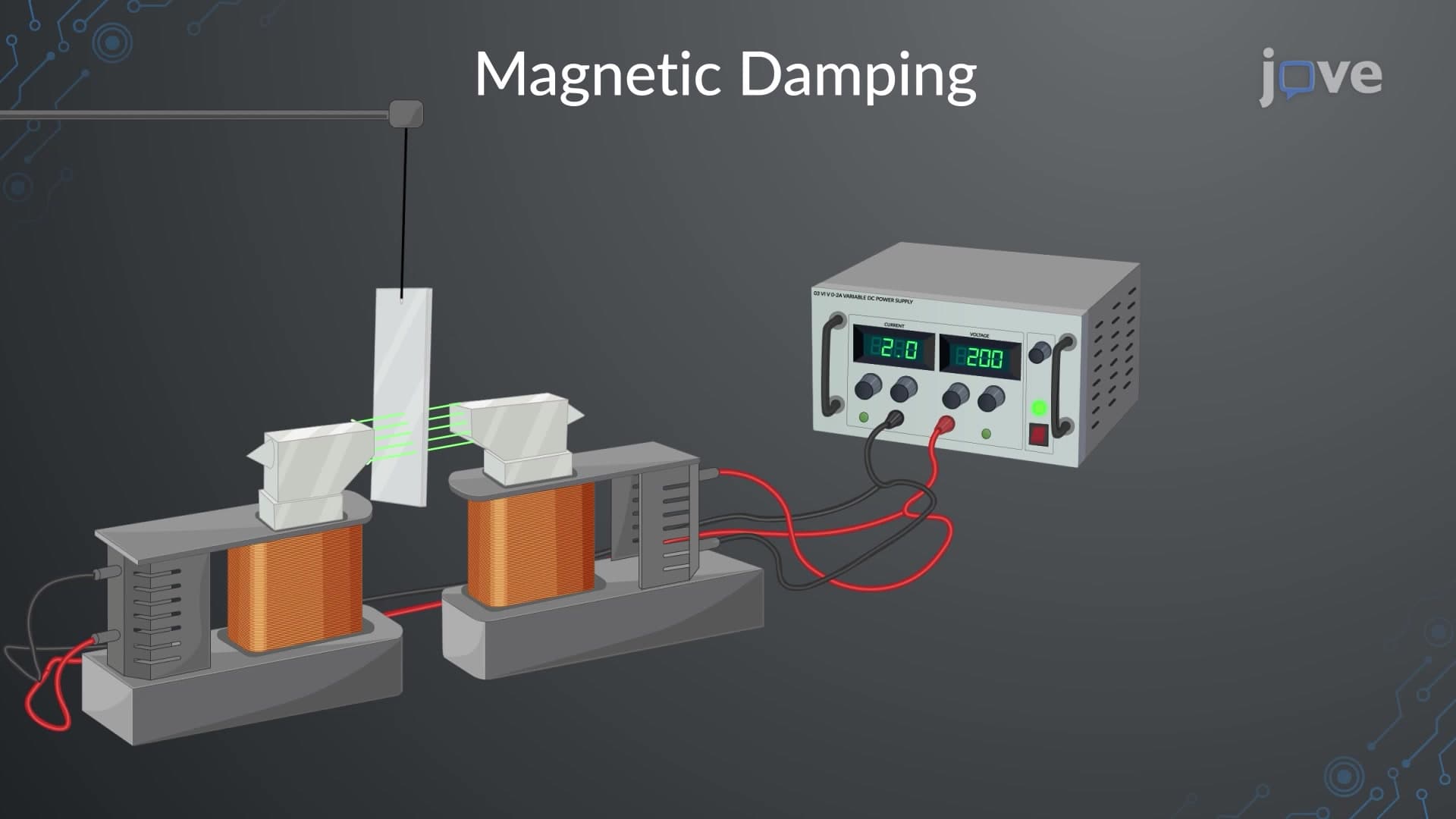
After mastering Lenz's law, explore Maxwell's equations, transformer design, and AC circuit analysis. These topics build on Lenz's law foundations for electrical engineering applications. Advanced physics courses cover eddy current damping, magnetic levitation systems, and electromagnetic wave propagation where Lenz's law principles govern field interactions.
Engineering applications from power systems to electric motors rely on Lenz's law principles. Electrical engineers design generators and transformers using opposition effects, while mechanical engineers work with eddy current brakes and magnetic dampers. Understanding Lenz's law provides foundational knowledge for renewable energy systems, electric vehicle technology, and industrial automation—all growing fields in the US job market.
Related Micro-courses
Related Subjects
 Math Fundamentals 11 micro-courses›
 Statistics 17 micro-courses›