Loading…
Loading video…

61,788 views
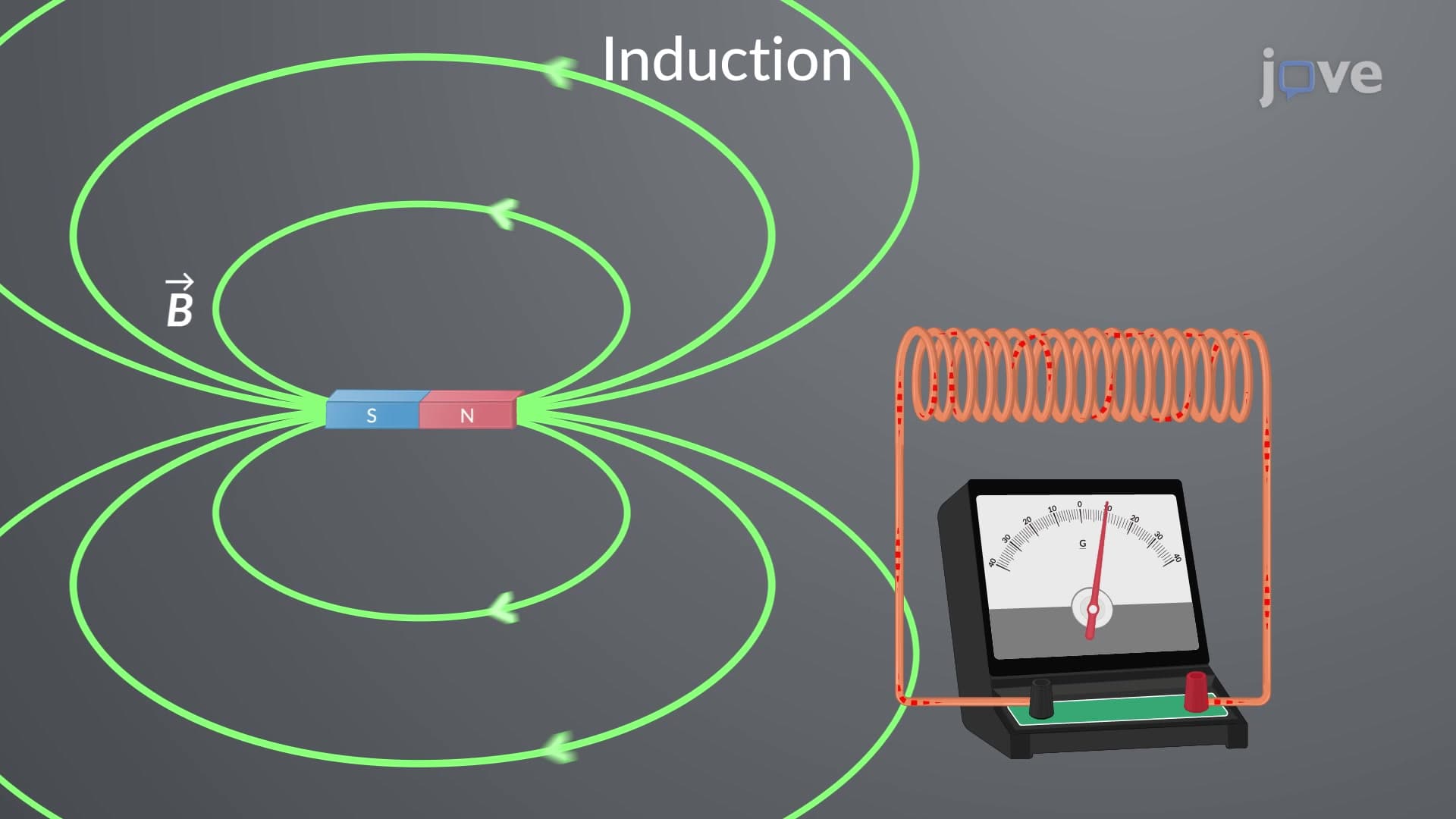
Ever wondered how your smartphone charges wirelessly or how transformers power entire neighborhoods? Induction occurs when a changing magnetic field creates an electric current in nearby conductors without direct contact. From Tesla's wireless charging stations across the US to the massive transformers at Hoover Dam, this fundamental physics principle powers countless technologies we use daily. What is induction and how does it create electricity from magnetism? Watch the full video on JoVE Coach to master this concept with expert-led visuals and step-by-step explanations.
What is induction in physics represents one of the most elegant demonstrations of the interconnection between electricity and magnetism. At its core, electromagnetic induction describes the process by which a changing magnetic field produces an electric current in a conductor. This phenomenon, discovered by Michael Faraday in 1831, revolutionized our understanding of electromagnetism and laid the groundwork for modern electrical technology.
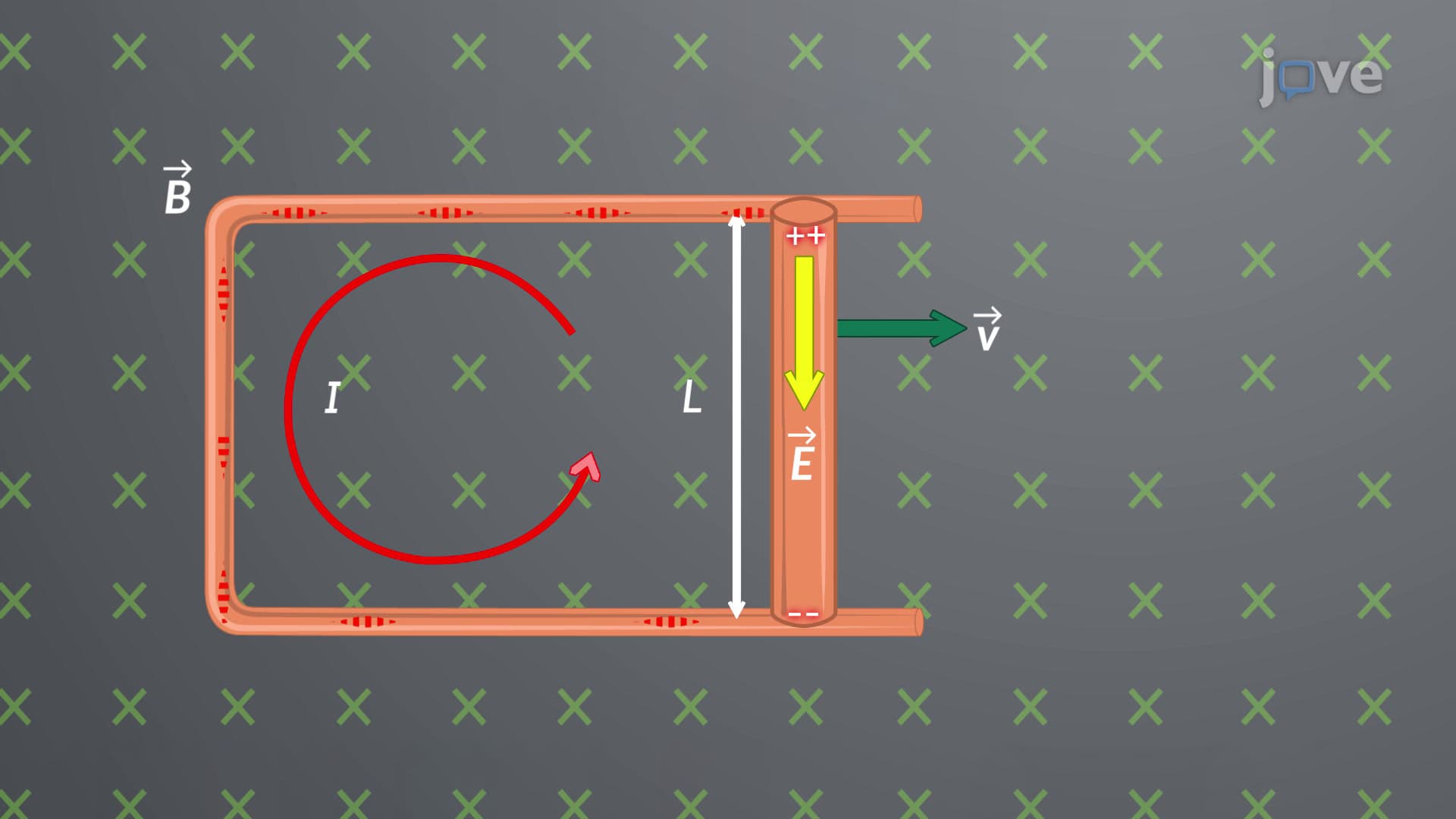
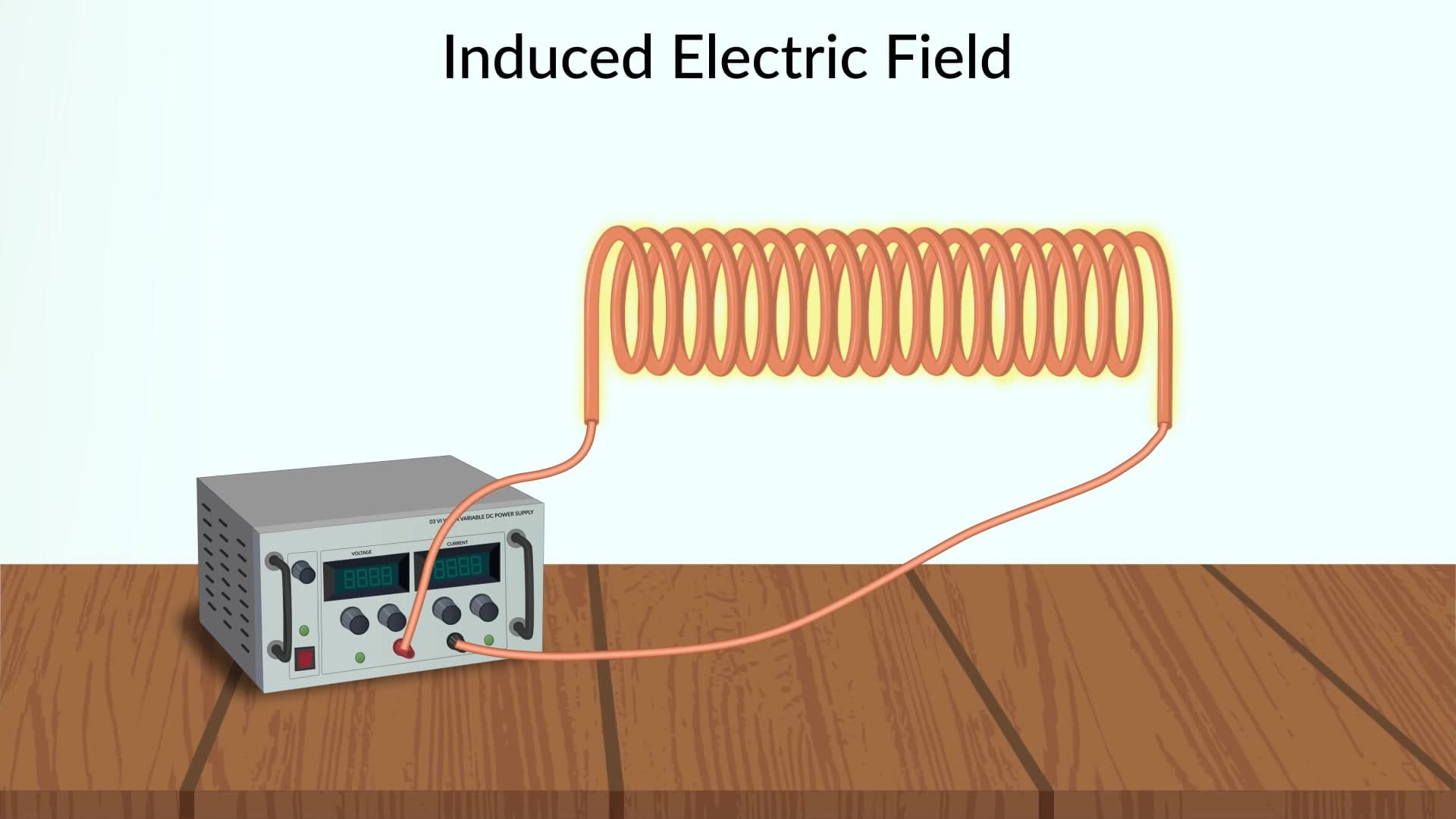
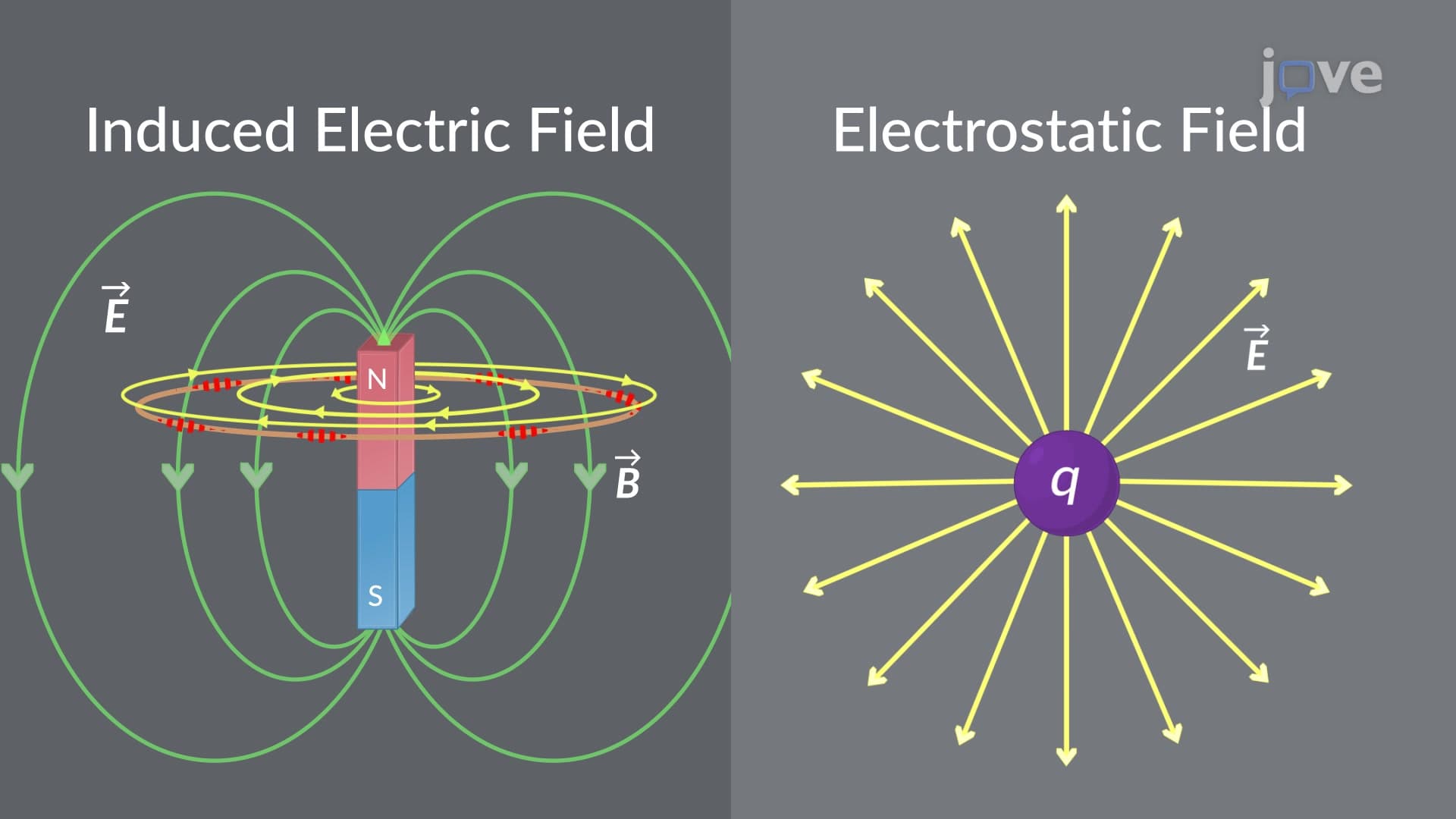
The induction definition centers on a simple yet powerful concept: whenever the magnetic field through a conductor changes, an electromotive force (EMF) is induced, potentially driving current through the circuit. This change can occur through three primary mechanisms: moving a magnet near a stationary conductor, moving a conductor through a magnetic field, or changing the strength of a magnetic field near a conductor.
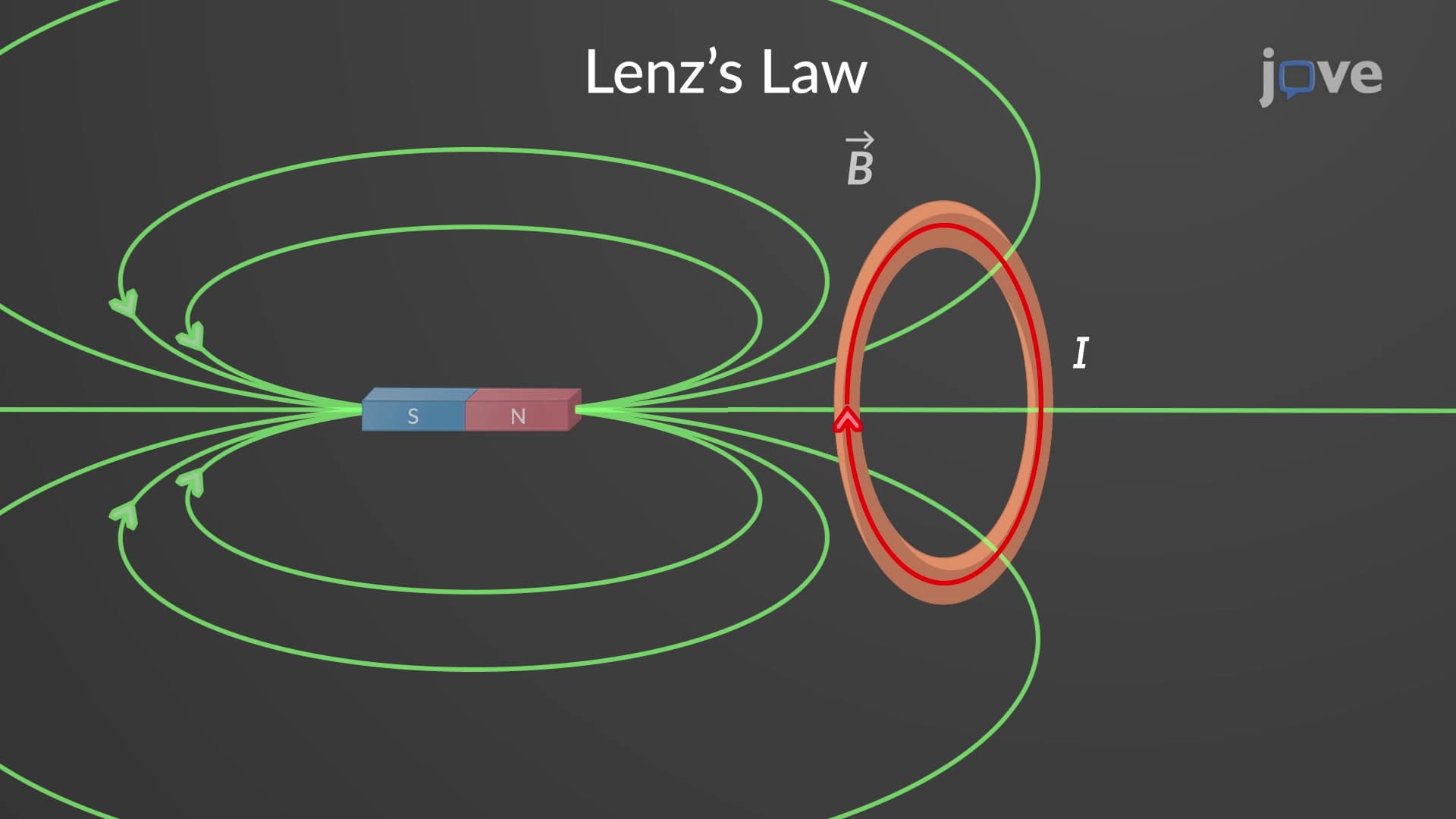
To truly grasp the induction concept, consider what happens at the atomic level. When a magnetic field changes near a conductor, it creates a force on the free electrons within the material. This force pushes electrons in a specific direction, creating a flow of charge we observe as current. The direction of this induced current follows Lenz's law, which states that the induced current will flow in a direction that opposes the change causing it.
The magnitude of induced EMF depends on three critical factors: the rate of change of magnetic field, the area of the conductor loop, and the angle between the magnetic field and the conductor's surface. Students preparing for AP Physics or college-level courses should remember that faster changes in magnetic field strength produce larger induced currents.
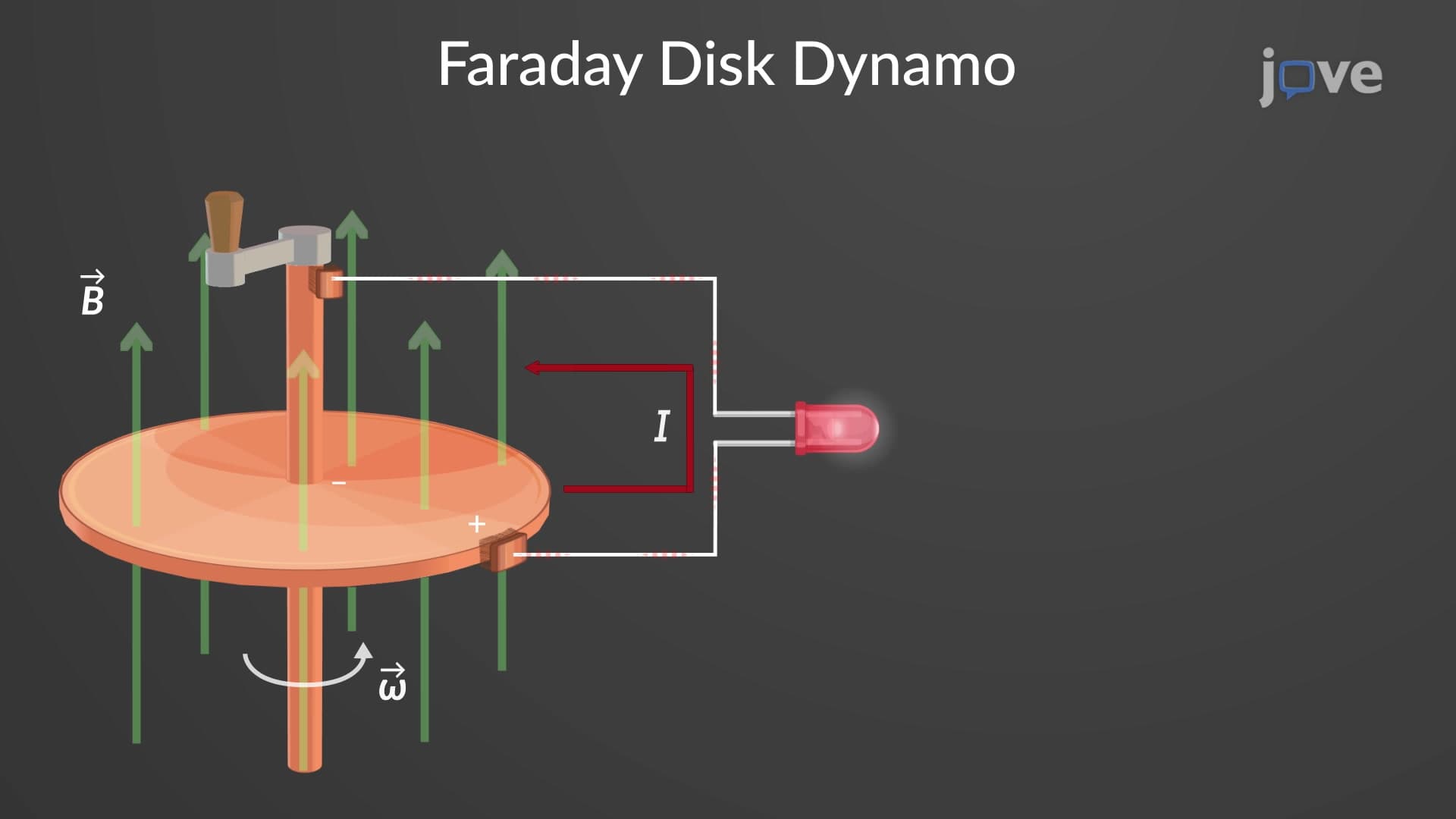
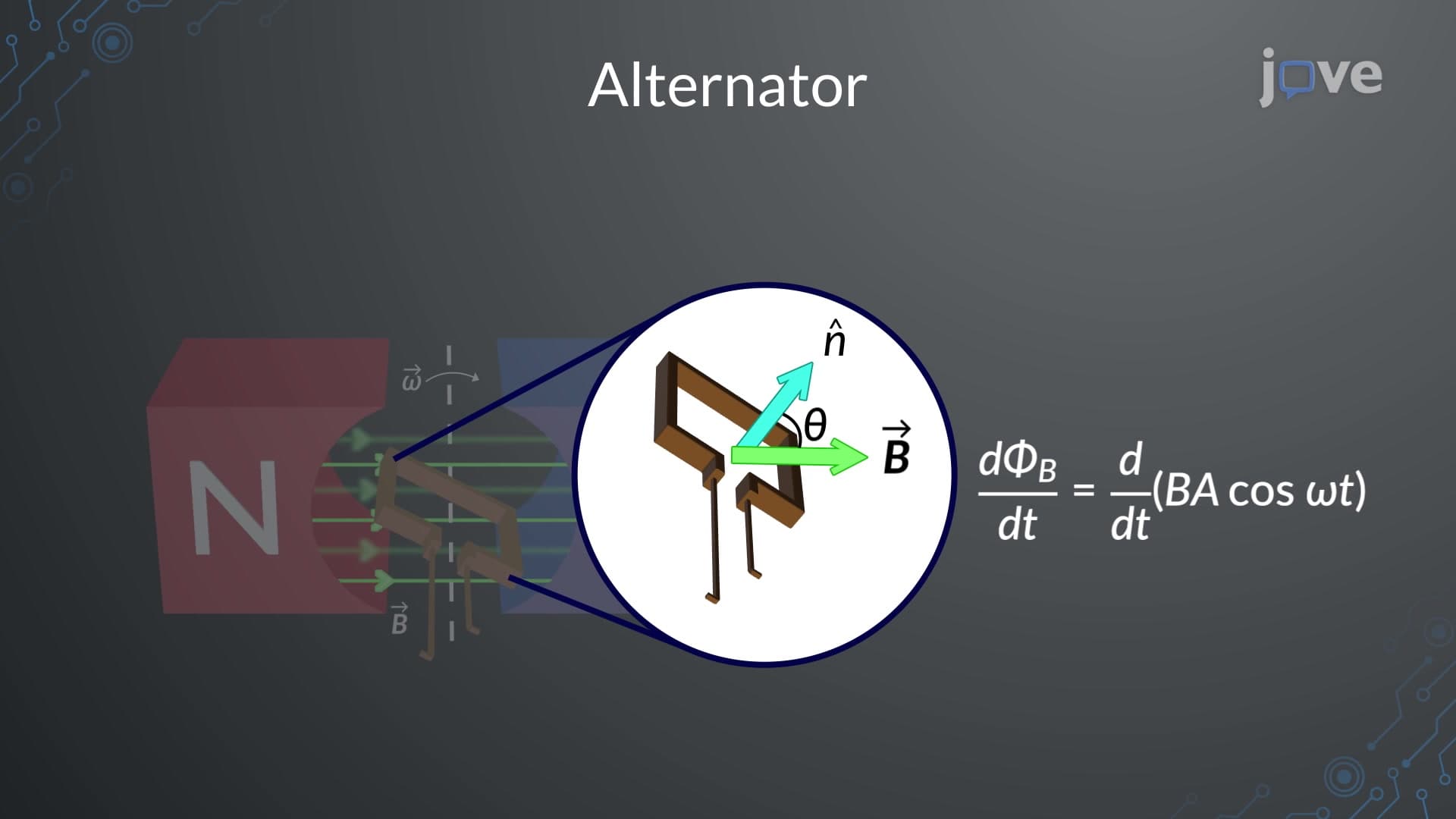
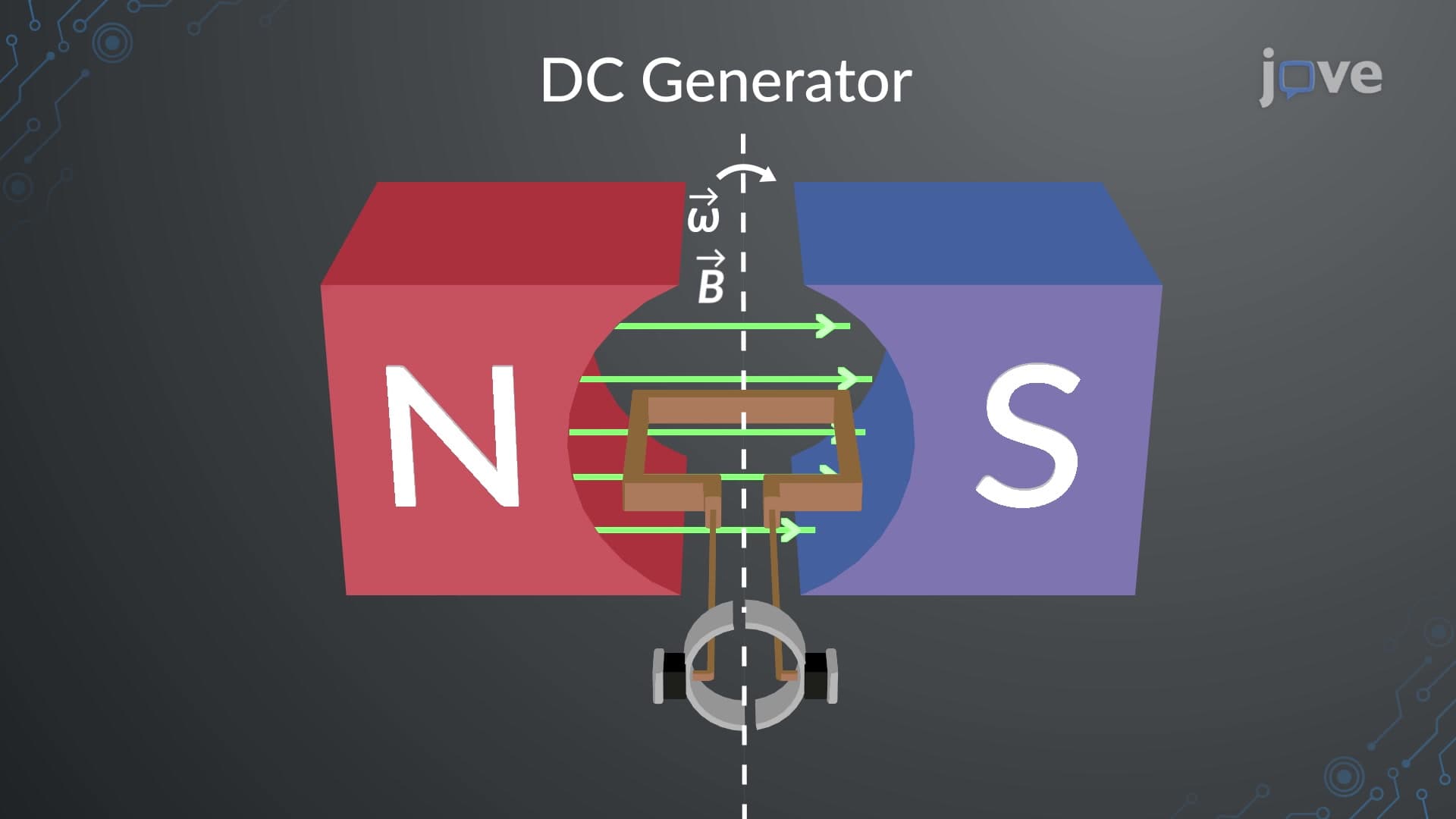
Understanding the induction overview becomes crucial when examining everyday technologies. Electric generators in power plants across the United States operate on this principle, with rotating coils in magnetic fields producing the alternating current that powers our homes. Similarly, the regenerative braking systems in Tesla vehicles use induction to convert kinetic energy back into electrical energy, improving efficiency.
For students tackling SAT Subject Tests or MCAT physics sections, induction problems frequently appear in contexts involving transformers, motors, and generators. These exam questions often test your ability to apply Faraday's law mathematically and predict current directions using Lenz's law. The induction study guide approach should emphasize both conceptual understanding and problem-solving techniques, as both appear prominently in standardized assessments.
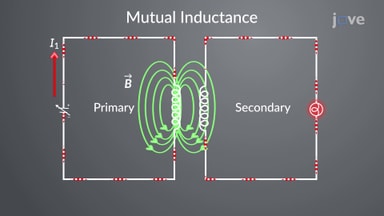
Understanding induction extends beyond basic magnetic field interactions to encompass complex phenomena like mutual inductance and self-inductance. Mutual inductance explains how transformers efficiently transfer electrical energy between circuits without direct connection, enabling the power grid systems that distribute electricity across vast distances in the United States. Self-inductance, meanwhile, describes how changing currents in a coil can induce EMF in the same coil, a principle crucial for designing efficient electrical circuits and motors.
Frequently Asked Questions
Induction is the process where changing magnetic fields create electric currents in nearby conductors without physical contact. Think of it like invisible magnetic forces pushing electrons through wires, similar to how a magnet can move metal objects without touching them. This principle powers everything from your phone's wireless charger to massive electrical generators.
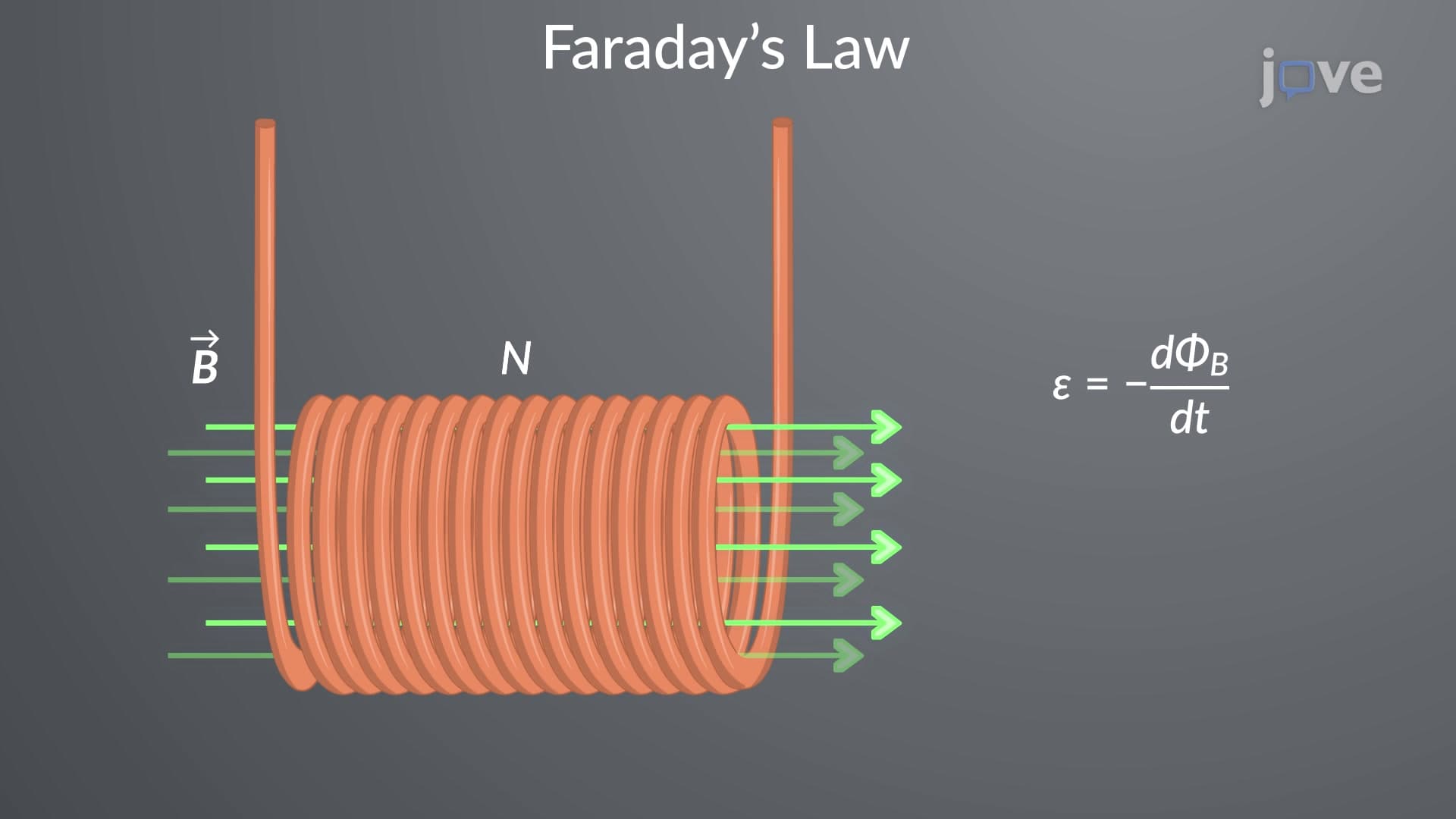
Induction involves the generation of electromotive force (EMF) when magnetic flux through a conductor changes over time. The induced EMF equals the negative rate of change of magnetic flux, described by Faraday's law: EMF = -dΦ/dt. The direction of induced current opposes the flux change according to Lenz's law, ensuring energy conservation in electromagnetic systems.
AP Physics frequently tests induction through quantitative problems involving Faraday's law calculations and qualitative questions about current direction using Lenz's law. Students encounter scenarios with moving conductors in magnetic fields, changing magnetic field strengths, and transformer applications. Practice problems often involve calculating induced EMF and determining energy transfers in electromagnetic systems.
Yes, MCAT physics includes electromagnetic induction concepts, particularly in passages about medical imaging technologies like MRI machines. Test-takers should understand how changing magnetic fields induce currents in biological tissues and metal implants. Questions typically focus on conceptual understanding rather than complex mathematical derivations, emphasizing practical applications in healthcare settings.
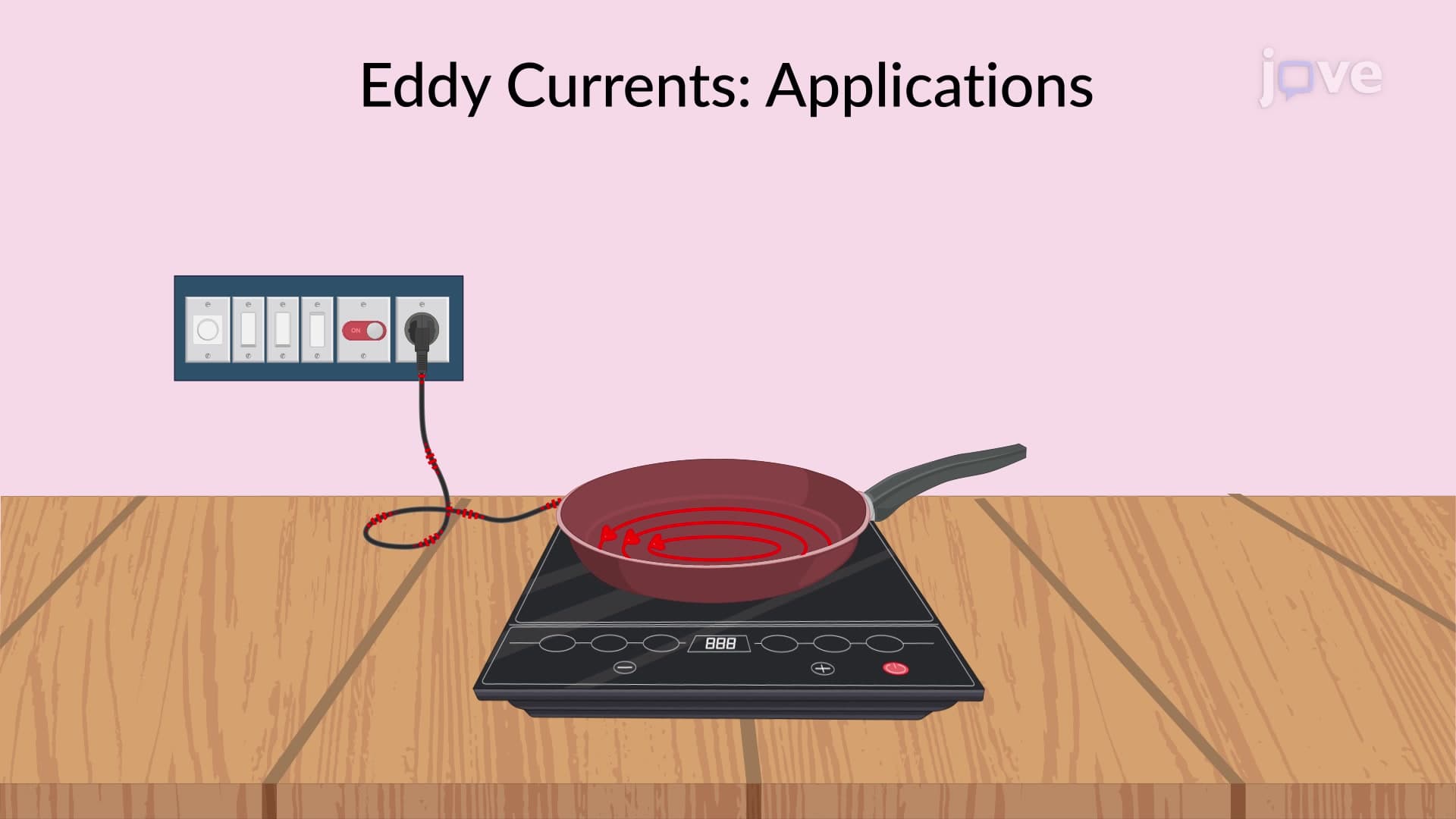
Induction powers numerous technologies across the United States, from Tesla's wireless charging stations to the transformers on utility poles in every neighborhood. Your car's alternator uses induction to charge the battery while driving, and induction cooktops in modern kitchens heat pots by inducing currents directly in the cookware. Even credit card readers use electromagnetic induction to detect card swipes.
Induction concepts are very manageable for students with basic algebra and an understanding of magnetic fields. The key is visualizing how magnetic field changes create electron movement rather than memorizing complex formulas. Start with simple scenarios like moving magnets near coils, then progress to more sophisticated applications once you grasp the fundamental cause-and-effect relationship.
Focus on understanding the physical mechanism first: changing magnetic fields push electrons through conductors. Practice sketching magnetic field lines and current directions for different scenarios, then work through quantitative problems using Faraday's law. Create comparison charts showing different ways to induce currents (moving magnets, moving coils, changing field strength) to organize your knowledge effectively.
After understanding fundamental induction, explore AC generators and motors, transformer theory, and electromagnetic wave propagation. These topics build directly on induction principles and appear in advanced placement courses and college physics sequences. Consider studying mutual inductance in circuit analysis and the role of induction in electromagnetic radiation for comprehensive understanding.
Related Micro-courses
Related Subjects
 Math Fundamentals 11 micro-courses›
 Statistics 17 micro-courses›