Loading…
Loading video…

61,788 views
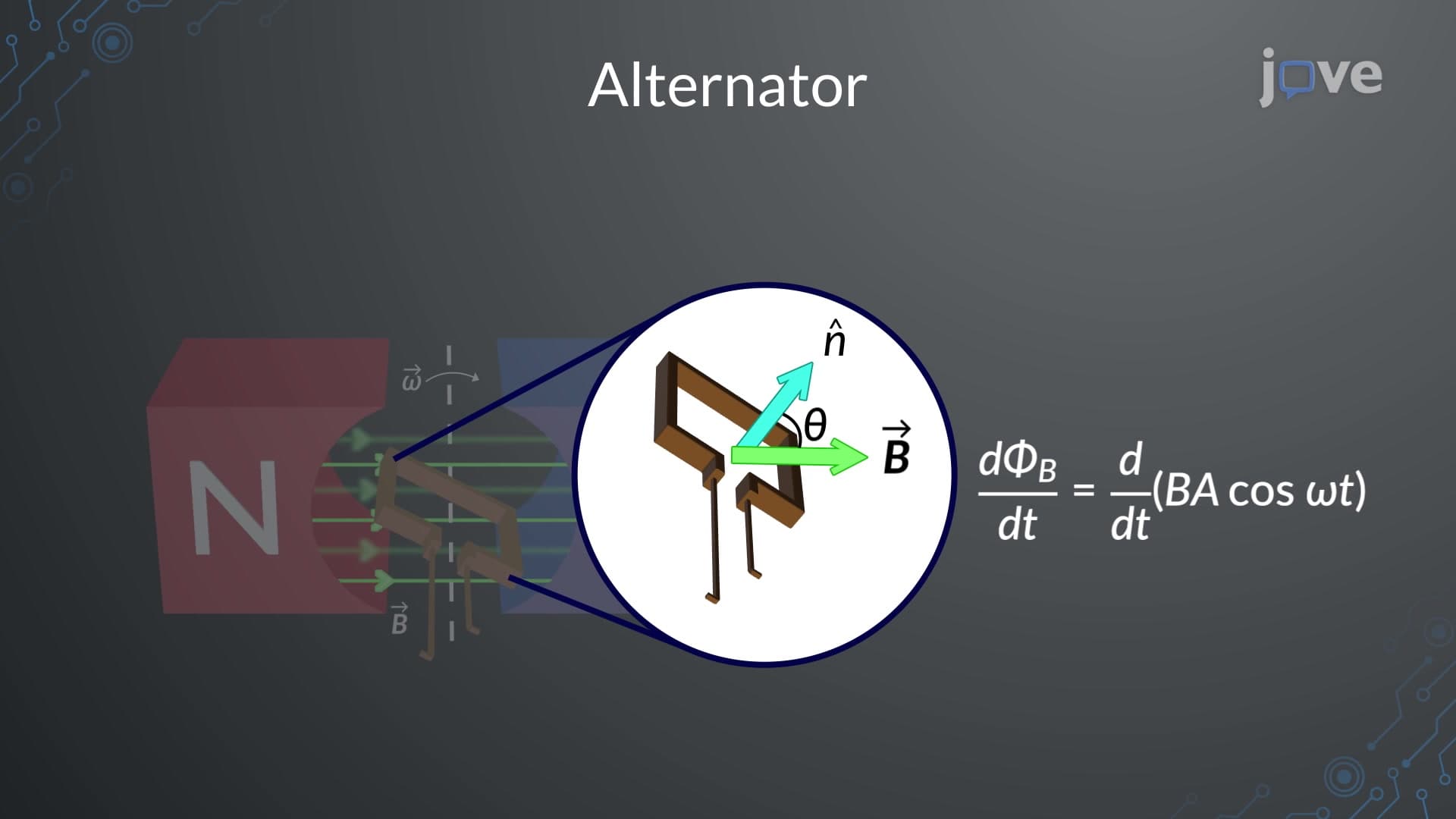
Ever wondered how your smartphone gets power from a wall outlet? An electric generator alternator is the fundamental device that converts mechanical energy into the electrical energy powering everything from your home to Tesla's Supercharger stations across America. This rotating conducting loop system uses magnetic flux changes to generate electricity through electromagnetic induction. From wind turbines in Texas to hydroelectric dams at Niagara Falls, alternators are the backbone of US power generation. Watch the full video on JoVE Coach to master this concept with expert-led visuals and step-by-step explanations.
An electric generator alternator represents one of the most elegant applications of electromagnetic induction in modern technology. At its core, this device transforms mechanical motion into electrical energy through the systematic rotation of a conducting loop within a magnetic field. Unlike batteries that store chemical energy, alternators create electricity on-demand, making them essential for large-scale power generation from coal plants in West Virginia to solar farms in California.
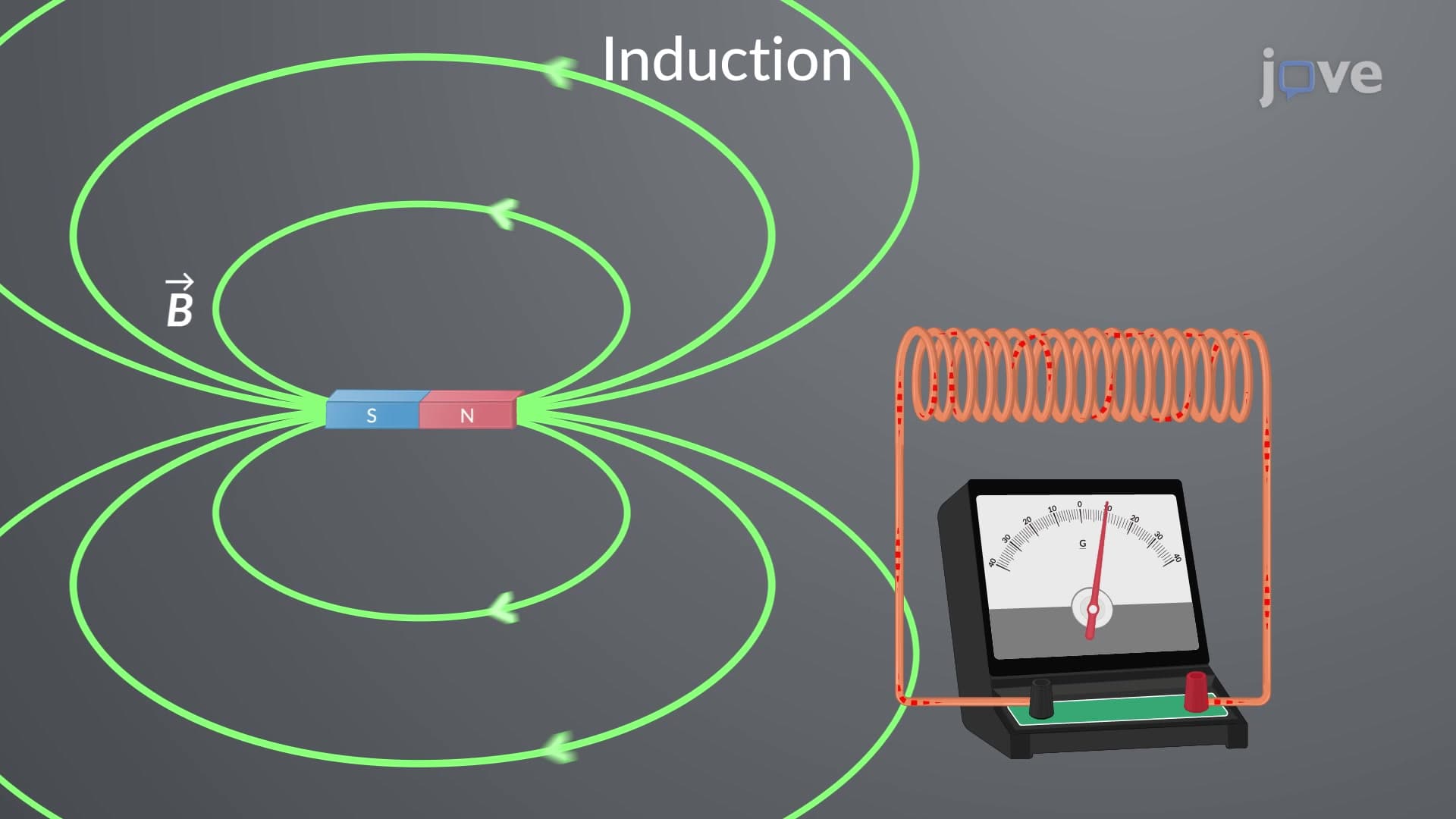
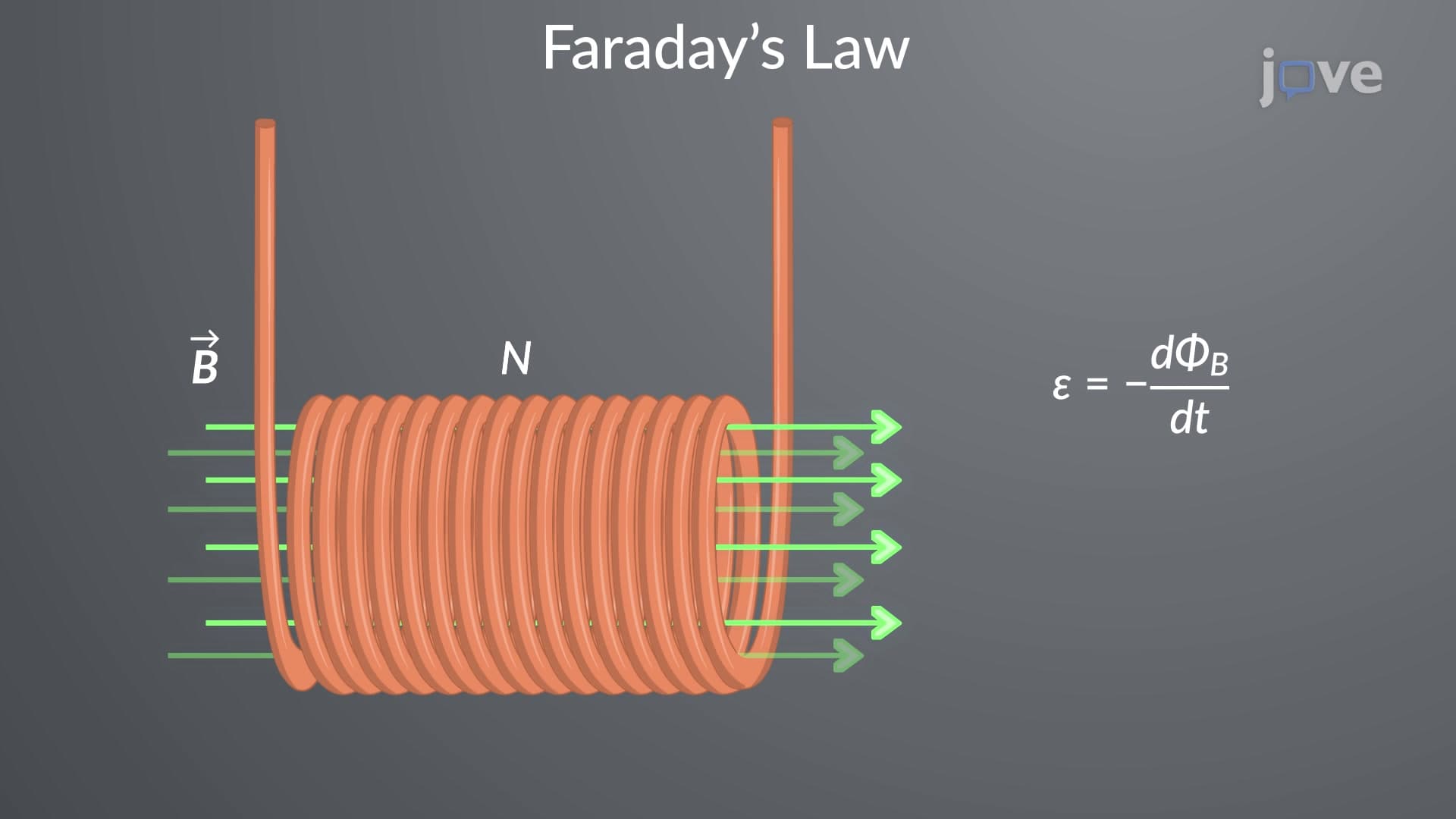
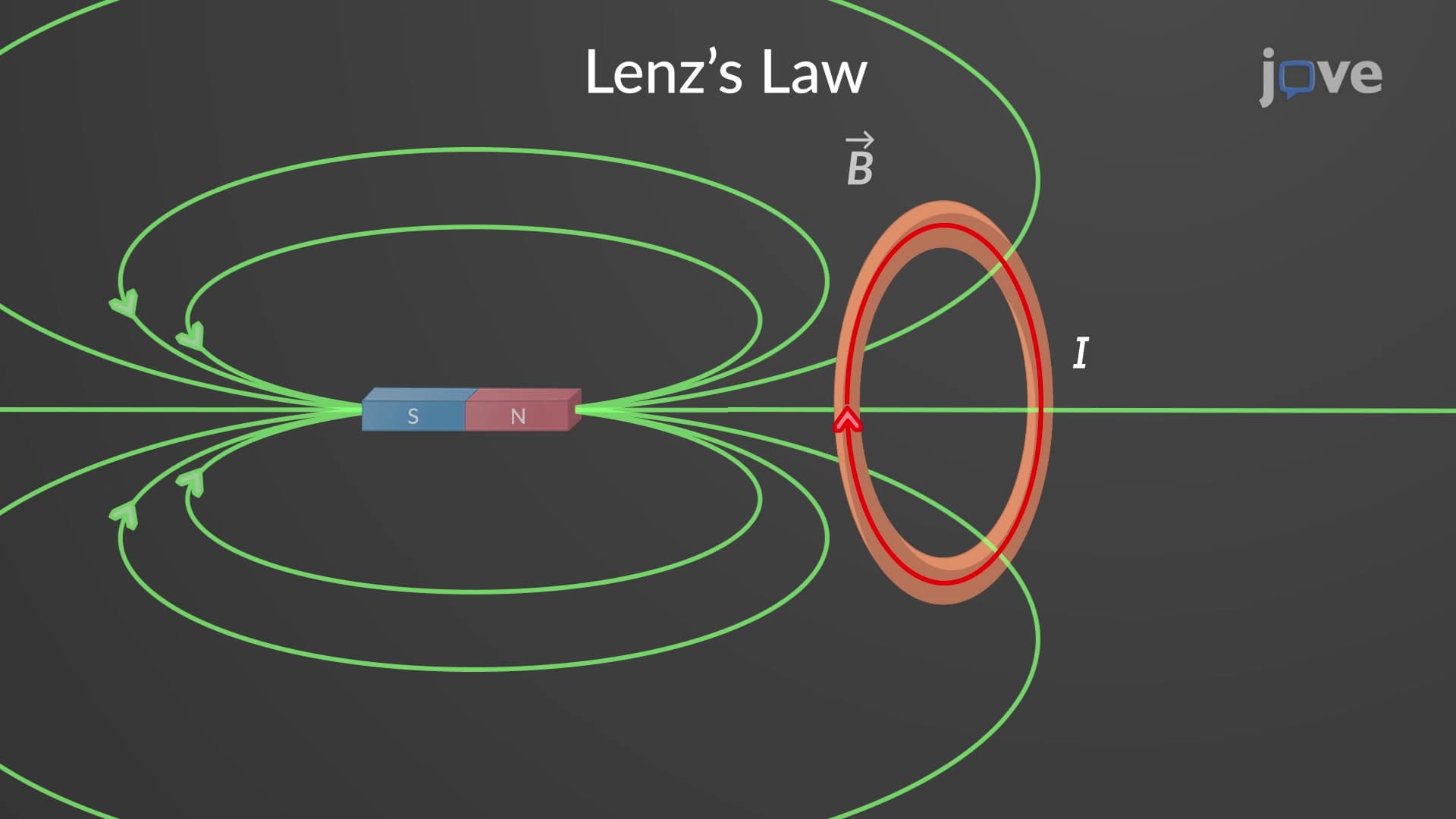
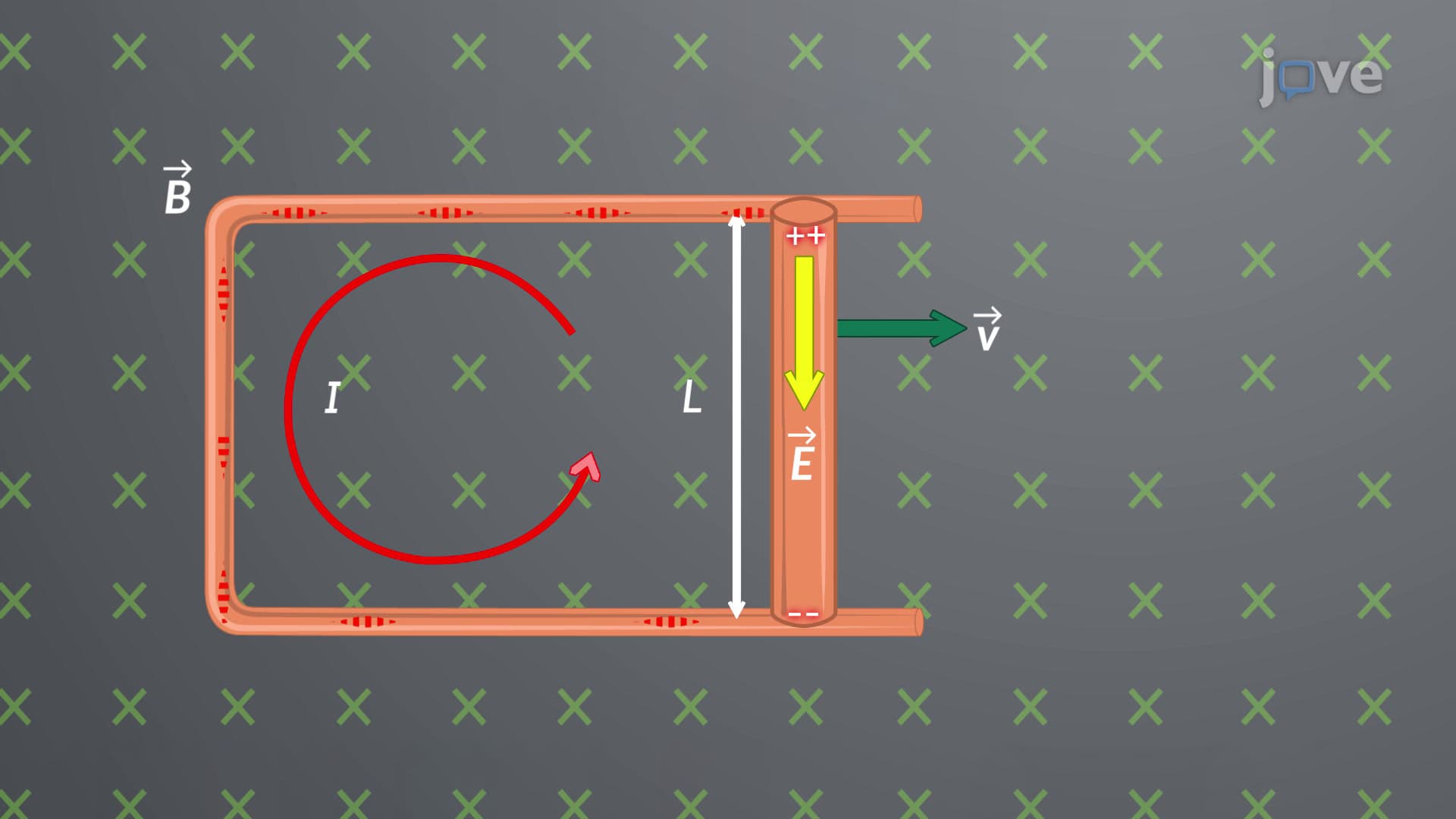
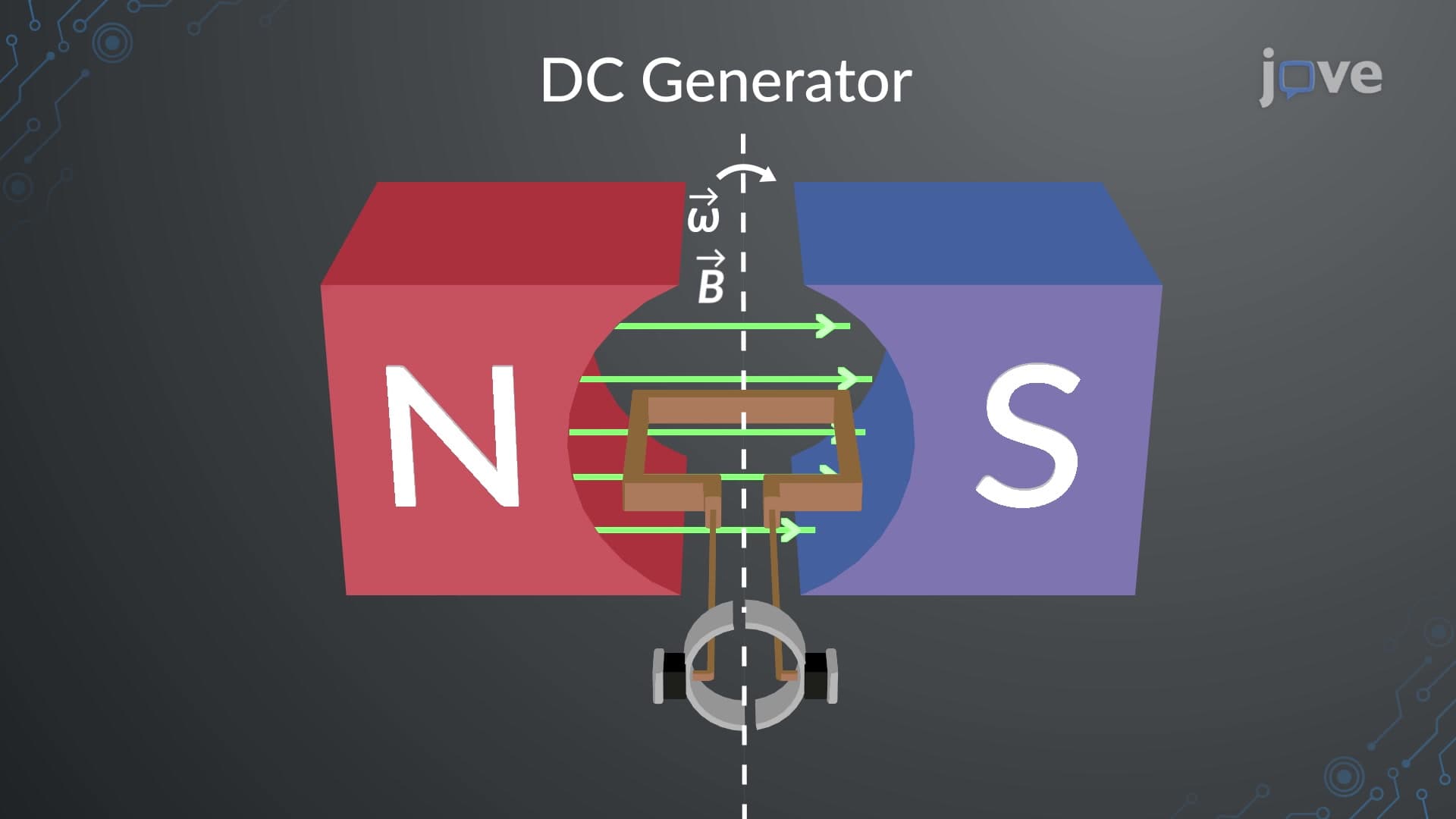
The alternator operates on Faraday's law of electromagnetic induction, which states that a changing magnetic flux through a conductor induces an electromotive force (EMF). As the conducting loop rotates at constant angular velocity ω, the angle θ between the loop's area vector and the magnetic field continuously changes according to θ = ωt. This rotation causes the magnetic flux Φ = BA cos(θ) to vary sinusoidally with time.
The induced EMF follows the relationship EMF = -dΦ/dt = BAω sin(ωt), creating the alternating current that powers our electrical grid. Students preparing for AP Physics exams should note that when the flux is maximum (loop parallel to field), the EMF equals zero, while maximum EMF occurs when flux is zero (loop perpendicular to field).
Three key parameters maximize alternator output for practical applications. First, increasing magnetic field strength B enhances the flux change rate—this is why industrial generators use powerful electromagnets rather than permanent magnets. Second, enlarging the loop area A directly increases flux magnitude, explaining why commercial wind turbines feature massive rotor diameters. Third, higher angular velocity ω increases the rate of flux change, which is why hydroelectric turbines at facilities like Hoover Dam operate at carefully optimized speeds.
Real alternators connect to external circuits through slip rings and carbon brushes, allowing continuous electrical contact despite rotation. This design enables power transfer to transmission lines that distribute electricity across states. For college physics students, understanding this slip ring mechanism is crucial for MCAT preparation, as it demonstrates how rotational motion translates to practical electrical power delivery in everything from car alternators to massive utility-scale generators serving millions of American homes.
Frequently Asked Questions
An electric generator alternator is a device that converts mechanical energy into electrical energy using electromagnetic induction. It consists of a conducting loop rotating in a magnetic field, where the changing magnetic flux induces an EMF that generates alternating current. The rotation causes sinusoidal variations in both flux and voltage output.
An alternator specifically produces alternating current (AC) through rotating loops in magnetic fields, while the term "generator" can refer to both AC alternators and DC generators. Alternators are more common in power plants and automotive applications because AC can be easily transformed to different voltages.
AP Physics C and college physics exams frequently test Faraday's law applications, EMF calculations using EMF = BAω sin(ωt), and energy conversion principles. Students should practice graphing flux vs. time relationships and calculating maximum EMF values for different rotational scenarios.
For MCAT success, first master basic electromagnetic concepts including magnetic fields, flux calculations, and Faraday's law. Review trigonometric functions since alternator outputs follow sine/cosine patterns. Understanding energy conservation helps explain mechanical-to-electrical energy conversion efficiency.
Alternators power virtually all US electricity generation, from natural gas plants in Texas to nuclear facilities like Diablo Canyon in California. Car alternators charge vehicle batteries, while wind farms across the Midwest use massive alternators to supply renewable energy to the national grid.
Not at all! While the math involves trigonometry and calculus concepts, the basic principles are very visual and intuitive. Most students successfully learn alternator concepts in AP Physics or introductory college courses with proper step-by-step instruction and practice problems.
Practice drawing flux vs. time and EMF vs. time graphs for different rotational positions. Master the key equations EMF = BAω sin(ωt) and work through problems involving different magnetic field strengths, loop areas, and rotation speeds to build confidence.
Consider studying transformers (which use alternator output), motor principles (reverse of generators), and RLC circuits that process alternating current. These topics frequently appear together on standardized exams and provide deeper understanding of electrical power systems.
Related Micro-courses
Related Subjects
 Math Fundamentals 11 micro-courses›
 Statistics 17 micro-courses›