Loading…
Loading video…

61,788 views
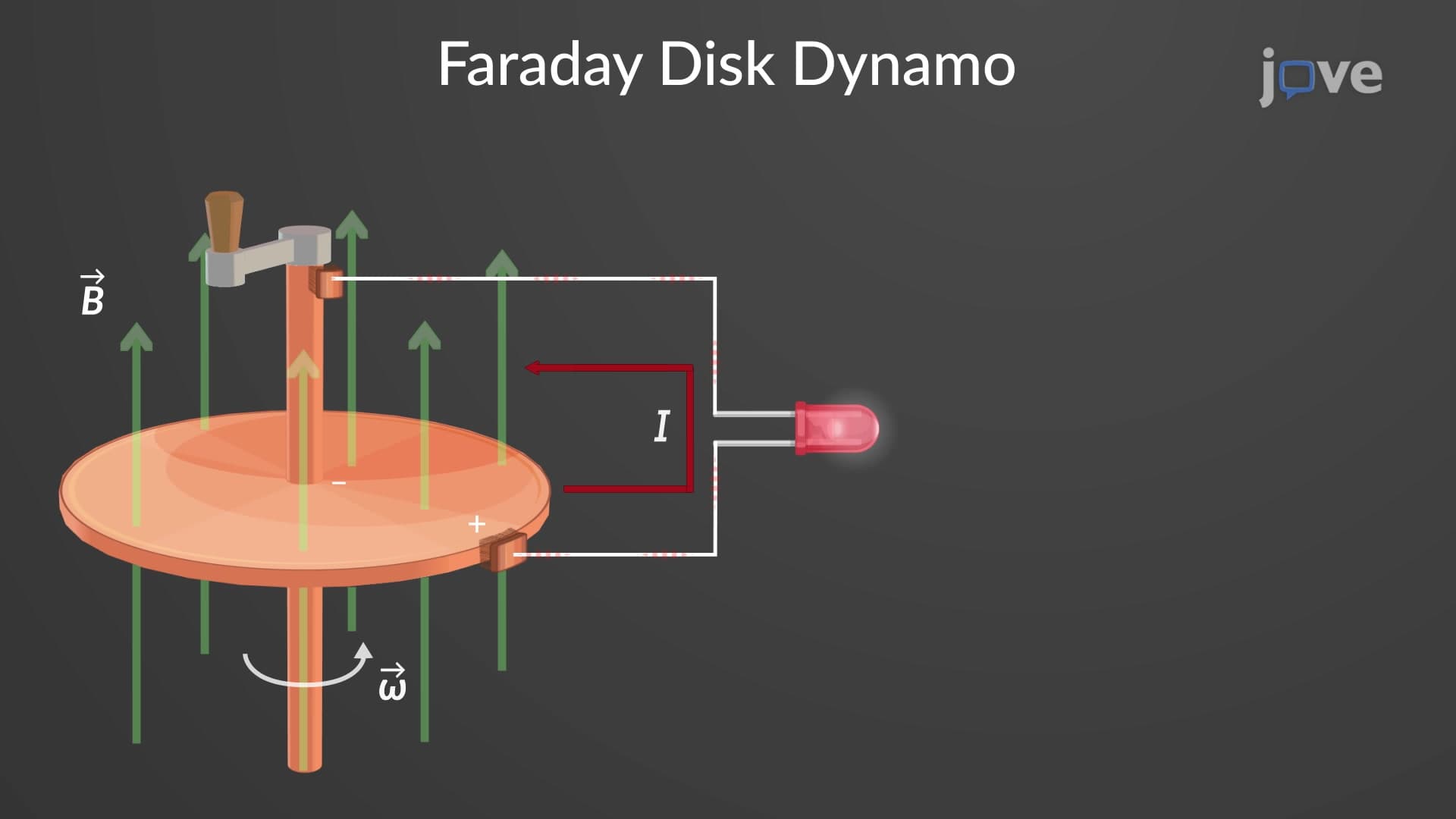
Ever wonder how the generators at Hoover Dam convert mechanical rotation into electrical power? The faraday disk dynamo represents one of the simplest yet most elegant electromagnetic generators, discovered by Michael Faraday in 1831. This direct current generator transforms rotational motion into electricity through electromagnetic induction, forming the foundation for modern power generation systems used across American electrical grids. Watch the full video on JoVE Coach to master this concept with expert-led visuals and step-by-step explanations.
The faraday disk dynamo stands as one of the most instructive examples of electromagnetic induction in action. Named after Michael Faraday, who demonstrated this principle in 1831, this device converts mechanical rotational energy directly into electrical energy. Unlike complex alternating current generators found in power plants like those at Niagara Falls or Grand Coulee Dam, the faraday disk produces steady direct current, making it invaluable for understanding basic electromagnetic principles.
The device consists of a conducting disk mounted on a shaft, positioned perpendicular to a uniform magnetic field. When the disk rotates, free electrons within the conductor experience a magnetic force that drives charge separation, creating an electrical potential difference between the center and rim.
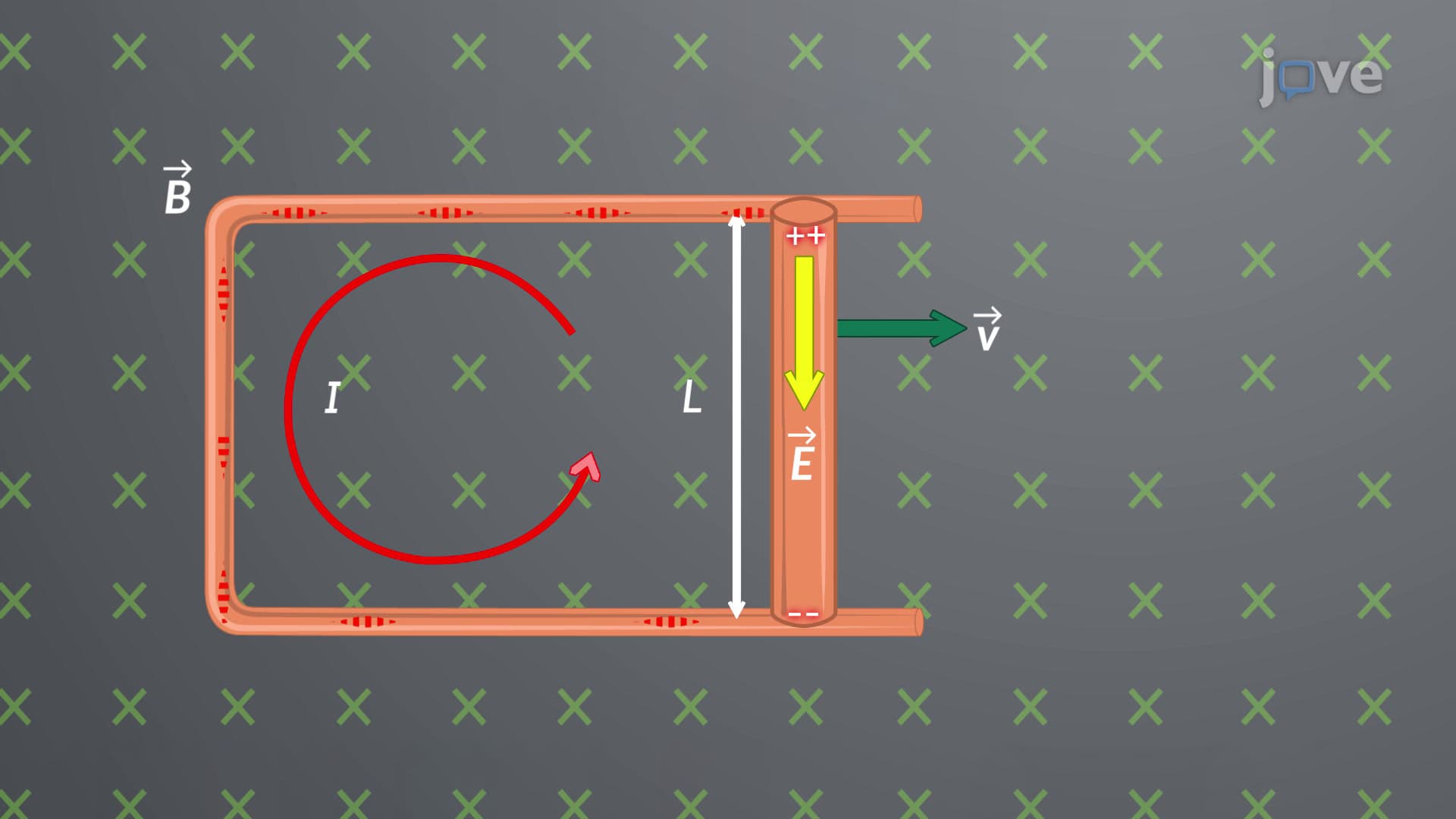
As the conducting disk rotates through the magnetic field, each point on the disk moves with a tangential velocity proportional to its distance from the center. This motion creates what physicists call motional EMF (electromotive force). The magnetic force acts radially on charge carriers, pushing positive charges toward the outer rim and negative charges toward the center.
The magnitude of induced EMF can be calculated using: EMF = (1/2) × B × ω × R², where B represents magnetic field strength, ω is angular velocity, and R is the disk radius. This relationship appears frequently on AP Physics C exams and college-level electromagnetic coursework, demonstrating how geometry and motion parameters directly influence electrical output.
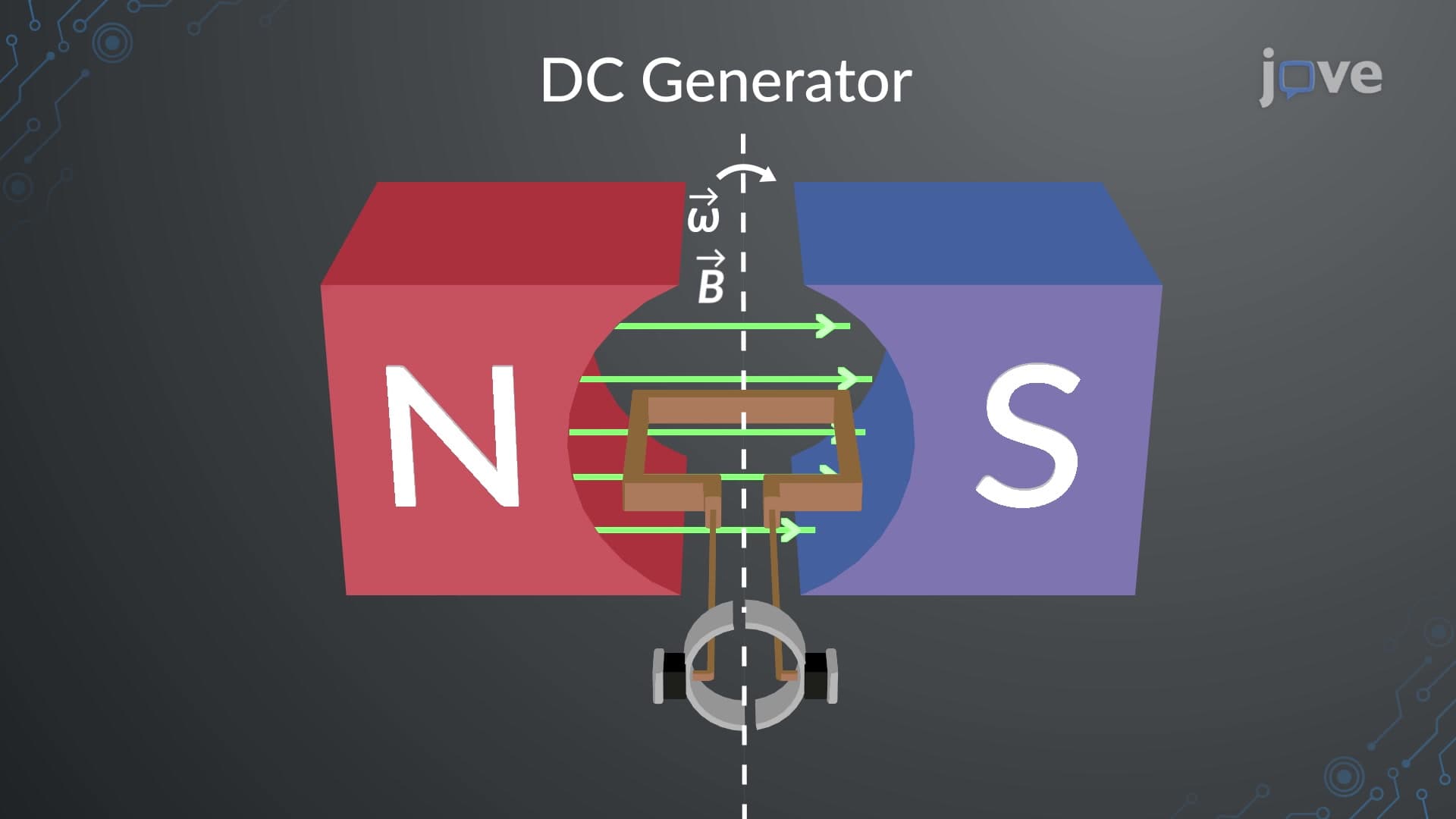
To extract useful electrical energy, the faraday disk dynamo employs stationary brushes that maintain electrical contact with both the center and rim of the rotating disk. One brush contacts the conducting shaft at the center, while another touches the disk's outer edge. These brushes complete the external circuit, allowing current to flow and power external loads.
The current flows radially through the disk from center to rim (or vice versa, depending on rotation direction and magnetic field orientation), then through the external circuit back to the starting point. This radial current flow distinguishes the faraday disk from conventional generators where current flows in coils or windings.
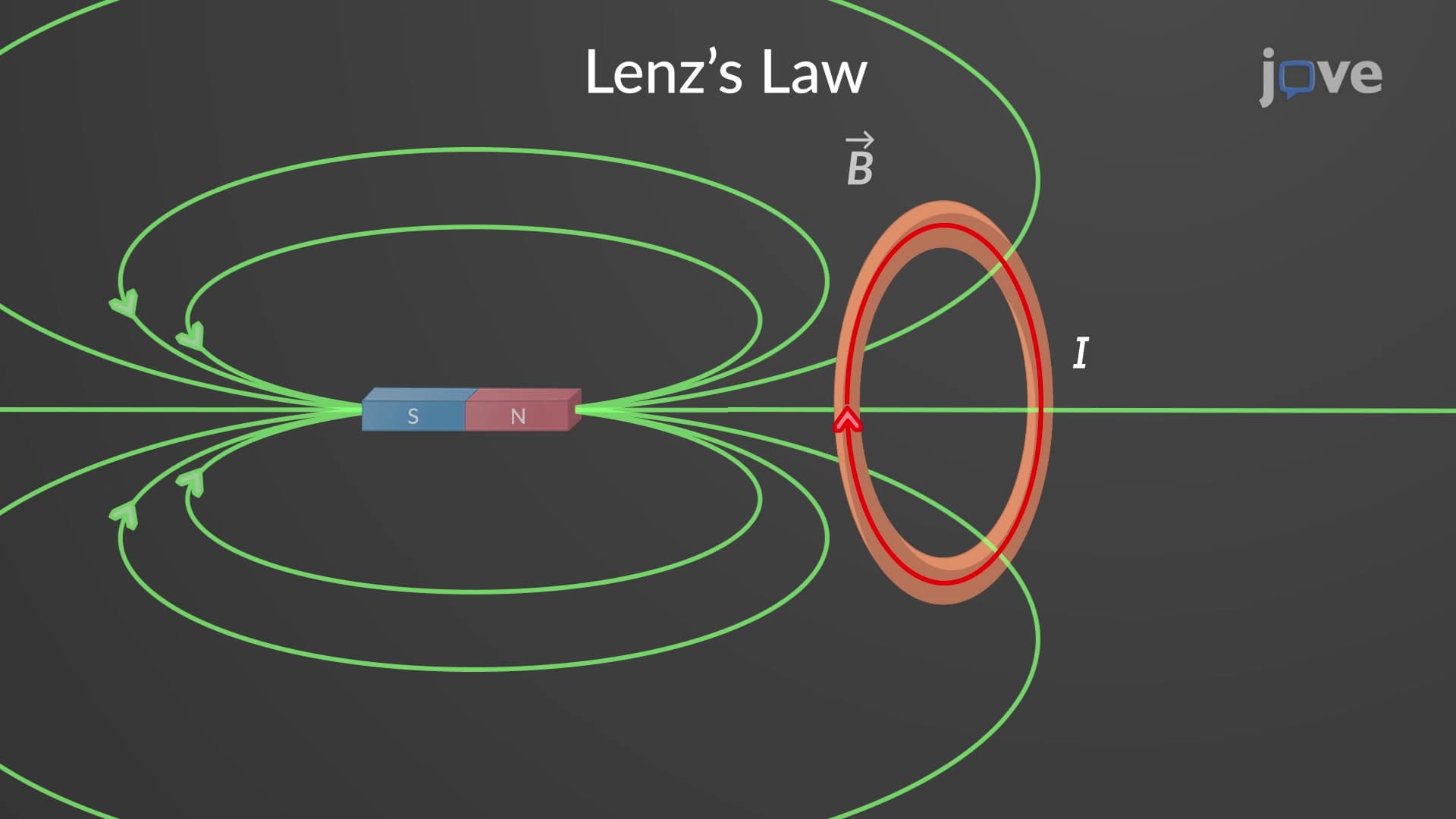
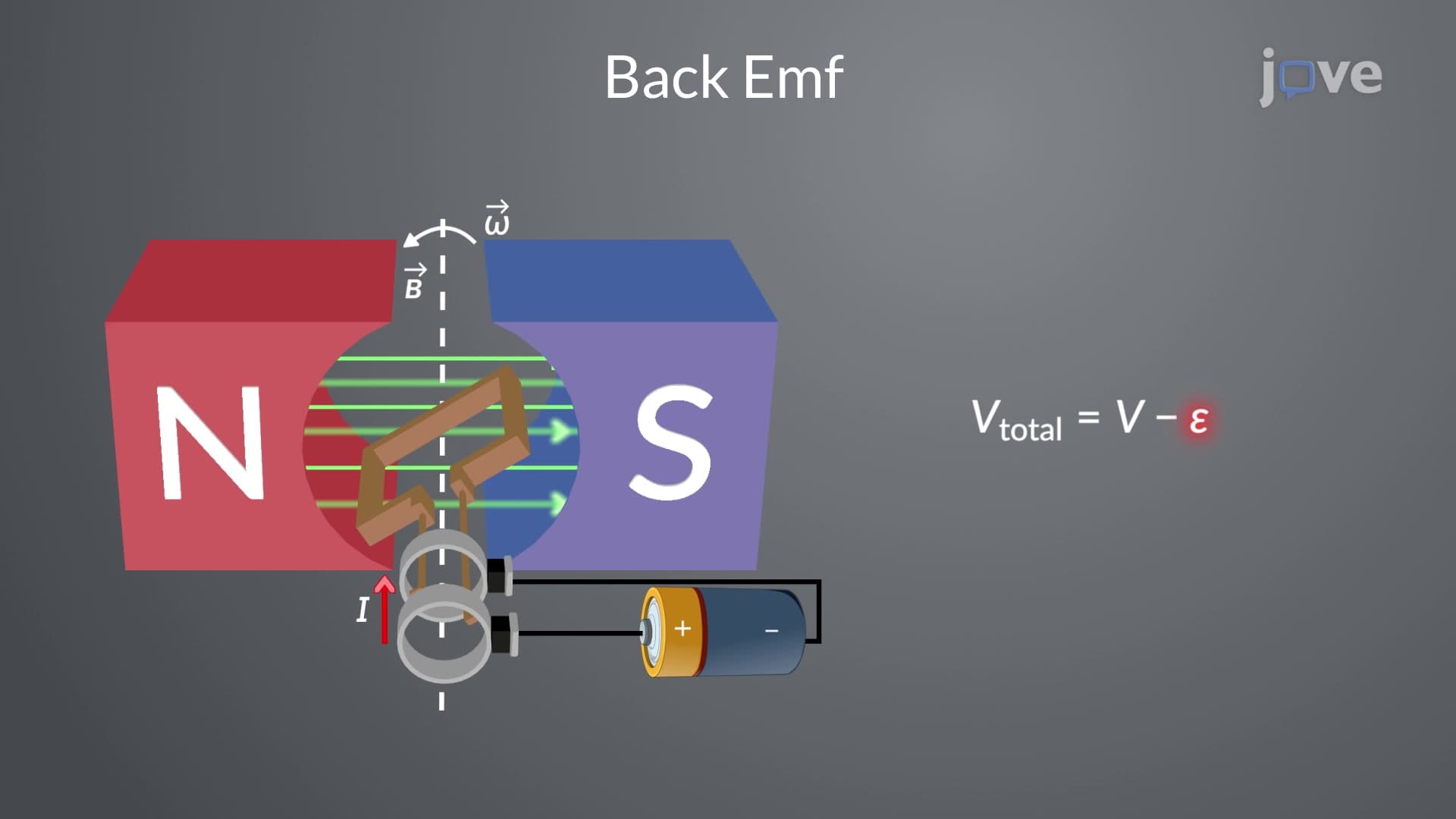
According to Lenz's law—a fundamental principle emphasized in MCAT physics sections—the induced current creates its own magnetic field that opposes the change causing it. In the faraday disk dynamo, this manifests as a magnetic force that opposes the disk's rotation. Consequently, maintaining constant angular velocity requires continuous external work, demonstrating energy conservation: mechanical energy input equals electrical energy output plus losses.
This principle explains why generators in power plants require constant fuel input or water flow to maintain electricity production, connecting classroom physics to real-world energy infrastructure across the United States.
Frequently Asked Questions
A faraday disk dynamo is a direct current generator that uses a rotating conducting disk in a magnetic field to produce electricity through electromagnetic induction. As the disk spins, magnetic forces separate charges radially, creating voltage between the center and rim that can power external circuits.
AP Physics C frequently tests this concept through EMF calculations, Lenz's law applications, and energy conservation problems. Students typically solve for induced voltage using motional EMF formulas, analyze force relationships, or calculate required input power to maintain rotation against magnetic opposition.
Yes, MCAT physics sections often include electromagnetic induction questions featuring rotating conductors. Understanding the faraday disk helps you tackle similar problems involving motional EMF, magnetic forces on moving charges, and energy conservation in electromagnetic systems.
Modern applications include electromagnetic brakes in trains and roller coasters, eddy current sensors in automotive systems, and specialized DC generators for research facilities. The Tesla Gigafactory uses similar electromagnetic principles in their battery testing equipment and quality control systems.
Basic algebra and introductory calculus concepts suffice for most faraday disk problems. The key mathematical relationships involve direct proportionality and simple integration, making this topic accessible to high school physics students who understand vectors and basic electromagnetic concepts.
Practice identifying the direction of induced current using right-hand rules, memorize the motional EMF formula, and work through energy conservation problems. Focus on connecting Lenz's law to the physical setup and understanding why external work is always required.
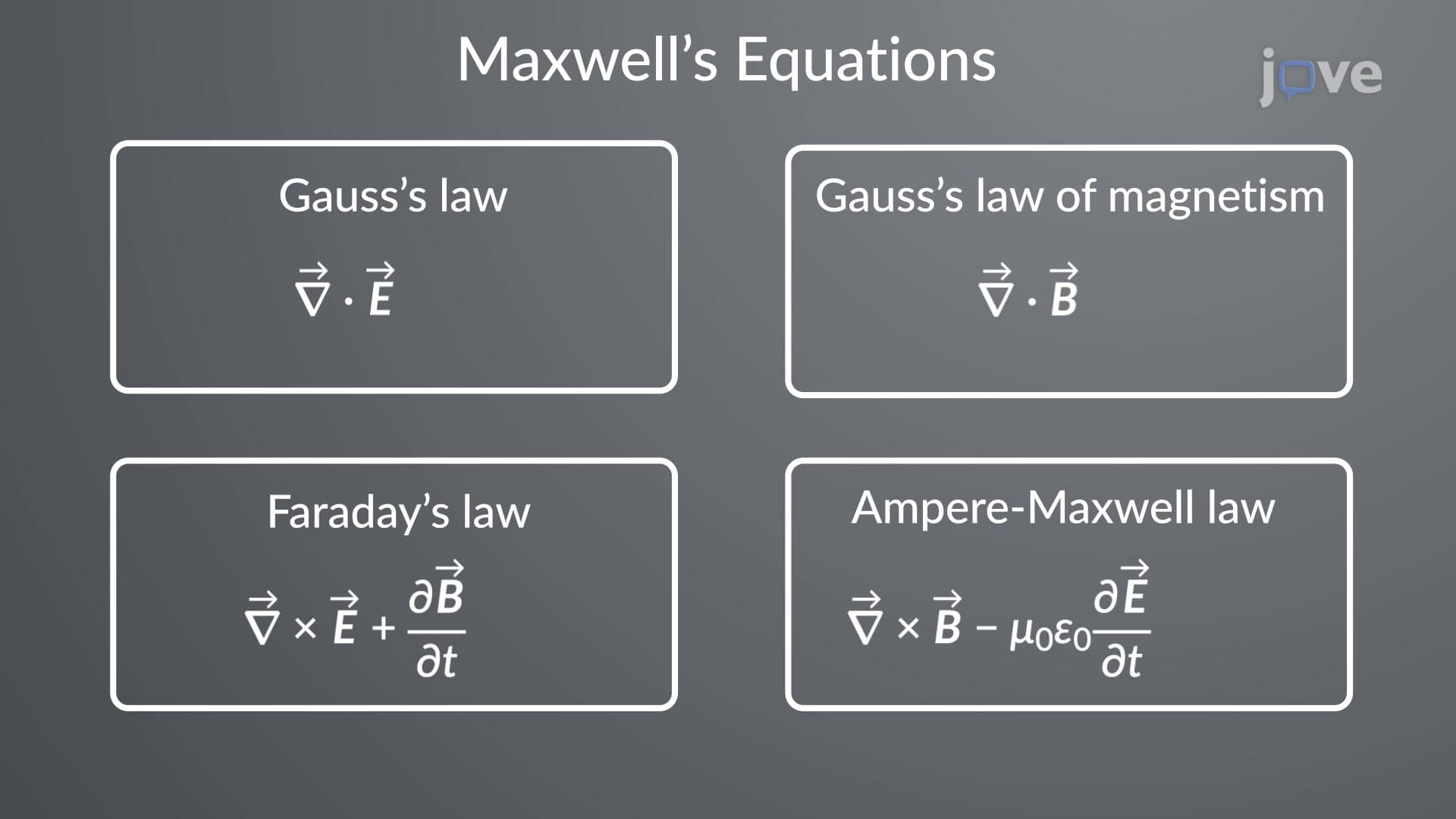
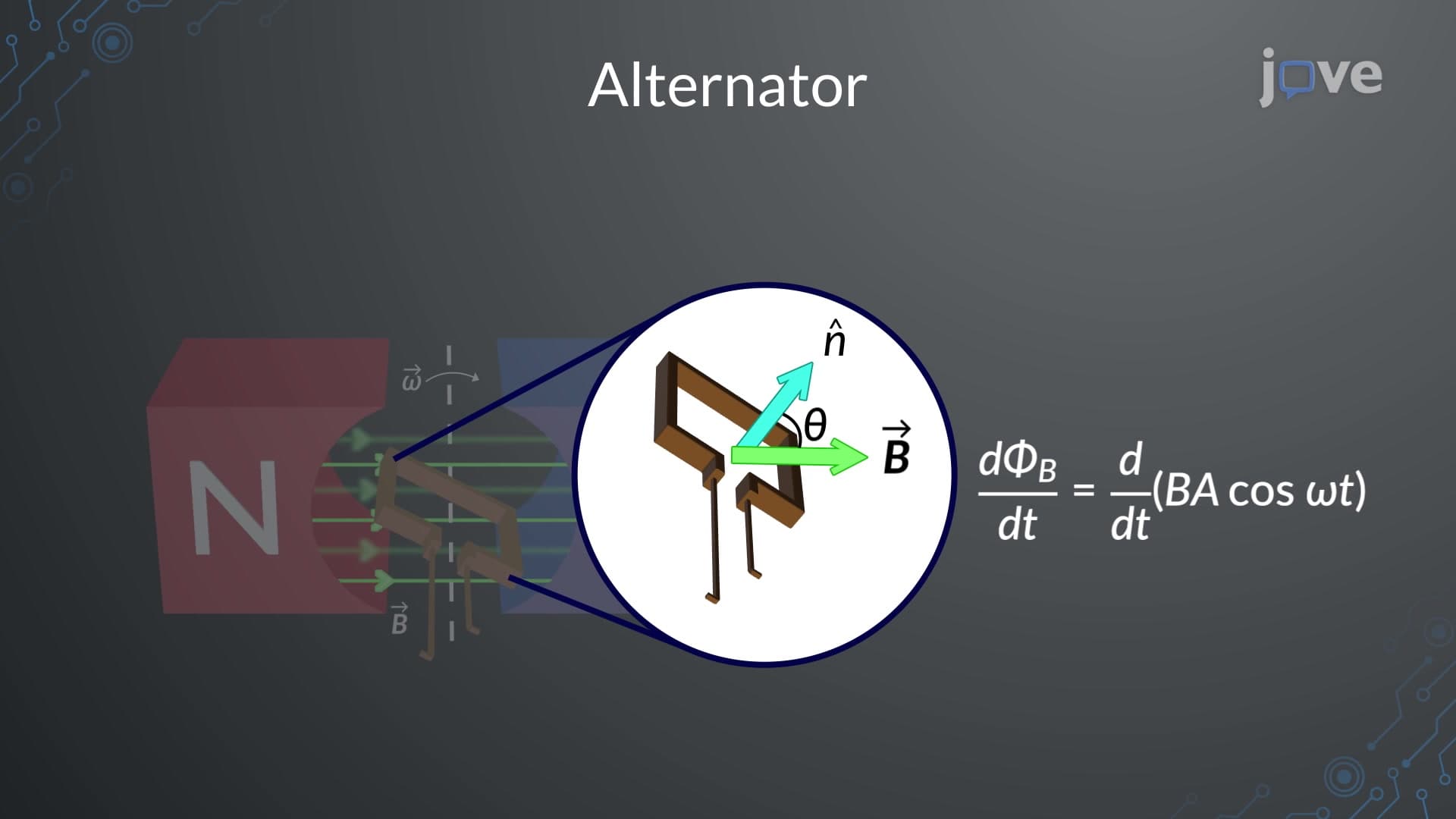
Progress to AC generators, transformers, and electromagnetic motors, which build upon these induction principles. Advanced topics include Maxwell's equations and electromagnetic wave propagation, commonly covered in upper-level physics courses and engineering programs.
Related Micro-courses
Related Subjects
 Math Fundamentals 11 micro-courses›
 Statistics 17 micro-courses›