Loading…
Loading video…

61,788 views
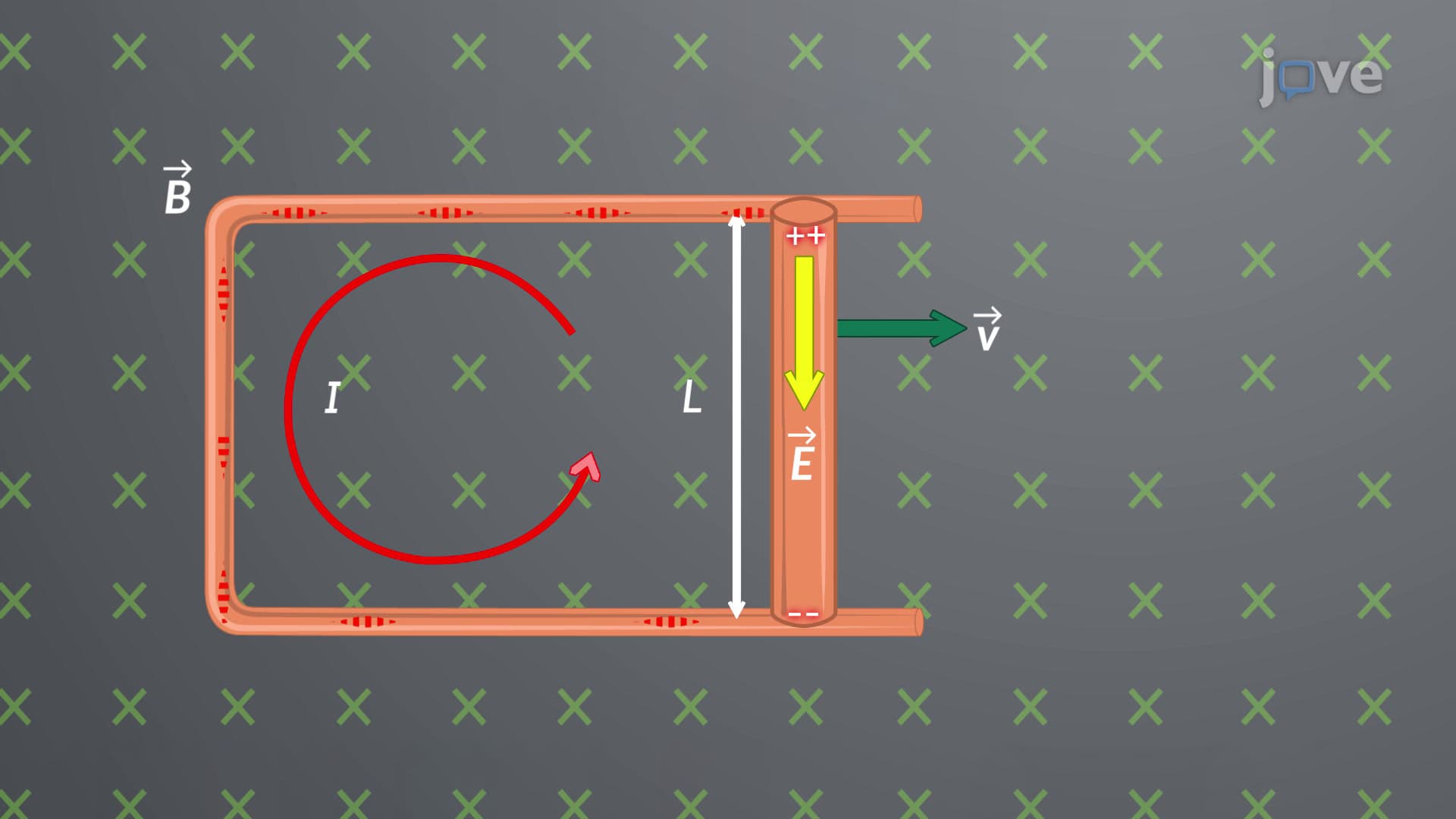
Ever wondered how hybrid cars generate electricity while braking? Motional emf creates electrical energy when conductors move through magnetic fields—the same principle powering regenerative braking systems in Tesla vehicles across American highways. When a conducting rod moves through a magnetic field, it generates an electromotive force that can drive current through closed circuits. This fundamental electromagnetic phenomenon bridges the gap between mechanical motion and electrical energy. Watch the full video on JoVE Coach to master this concept with expert-led visuals and step-by-step explanations.
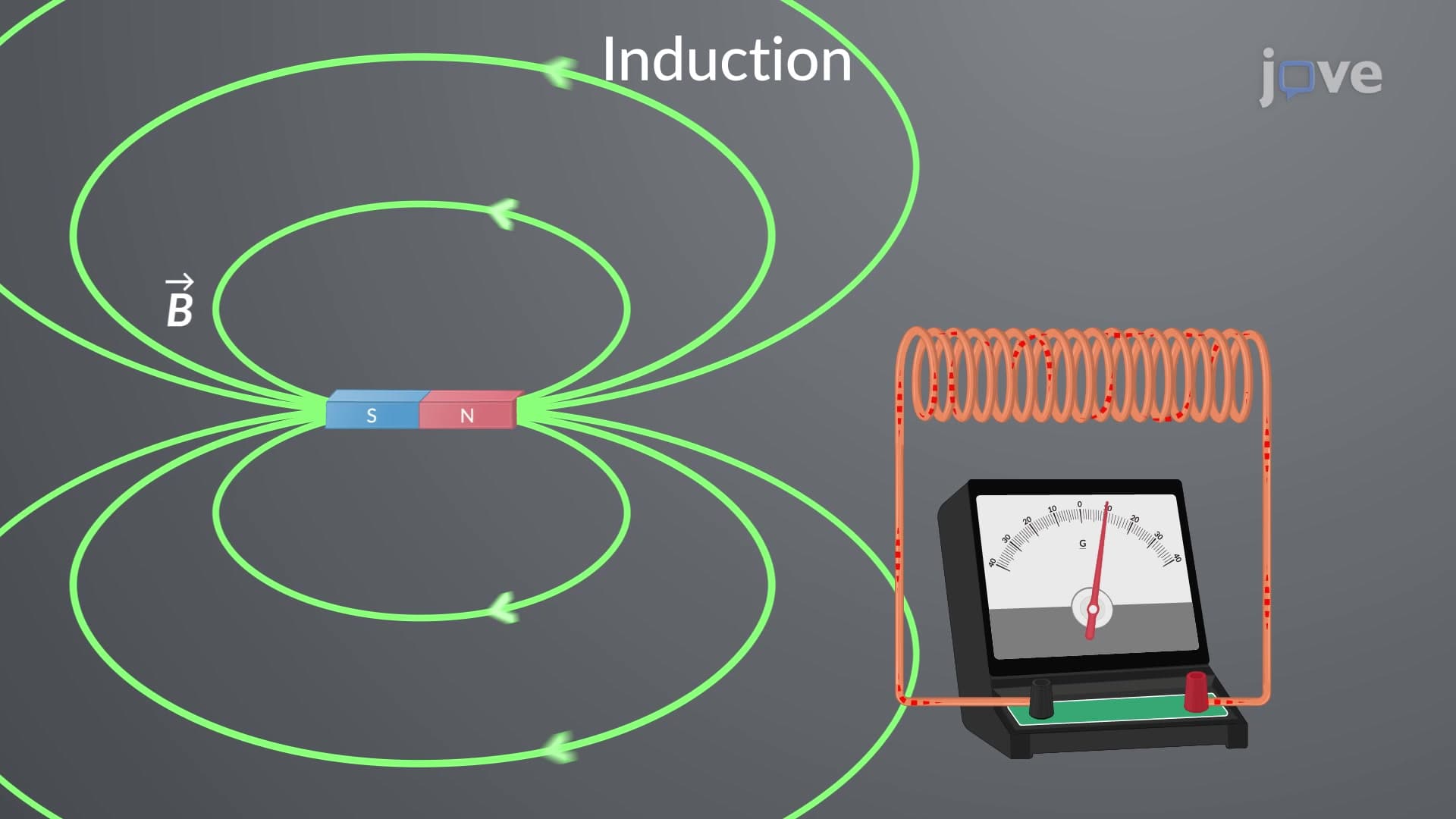
Motional emf represents the electromotive force generated when a conductor moves through a magnetic field, creating a potential difference that can drive electrical current. This phenomenon occurs because moving charges within the conductor experience magnetic forces that redistribute them along the conductor's length, establishing an electric field.
When a conducting rod of length L moves with velocity v perpendicular to a uniform magnetic field B, the motional emf magnitude equals BLv. This relationship demonstrates how mechanical energy converts to electrical energy through electromagnetic induction—a principle essential for understanding modern power generation and electric motor technology.
As the conductor moves through the magnetic field, mobile charges experience magnetic forces according to the Lorentz force law: F = q(v × B). Positive charges accumulate on one end while negative charges gather on the opposite end, creating an internal electric field that opposes further charge movement. Equilibrium occurs when the electric force balances the magnetic force, establishing a steady potential difference across the conductor.
This charge separation process explains why motional emf persists only during motion. Once the conductor stops moving, the driving magnetic force disappears, and charges redistribute to eliminate the potential difference. This temporary nature distinguishes motional emf from battery-generated emf, which remains constant regardless of external motion.
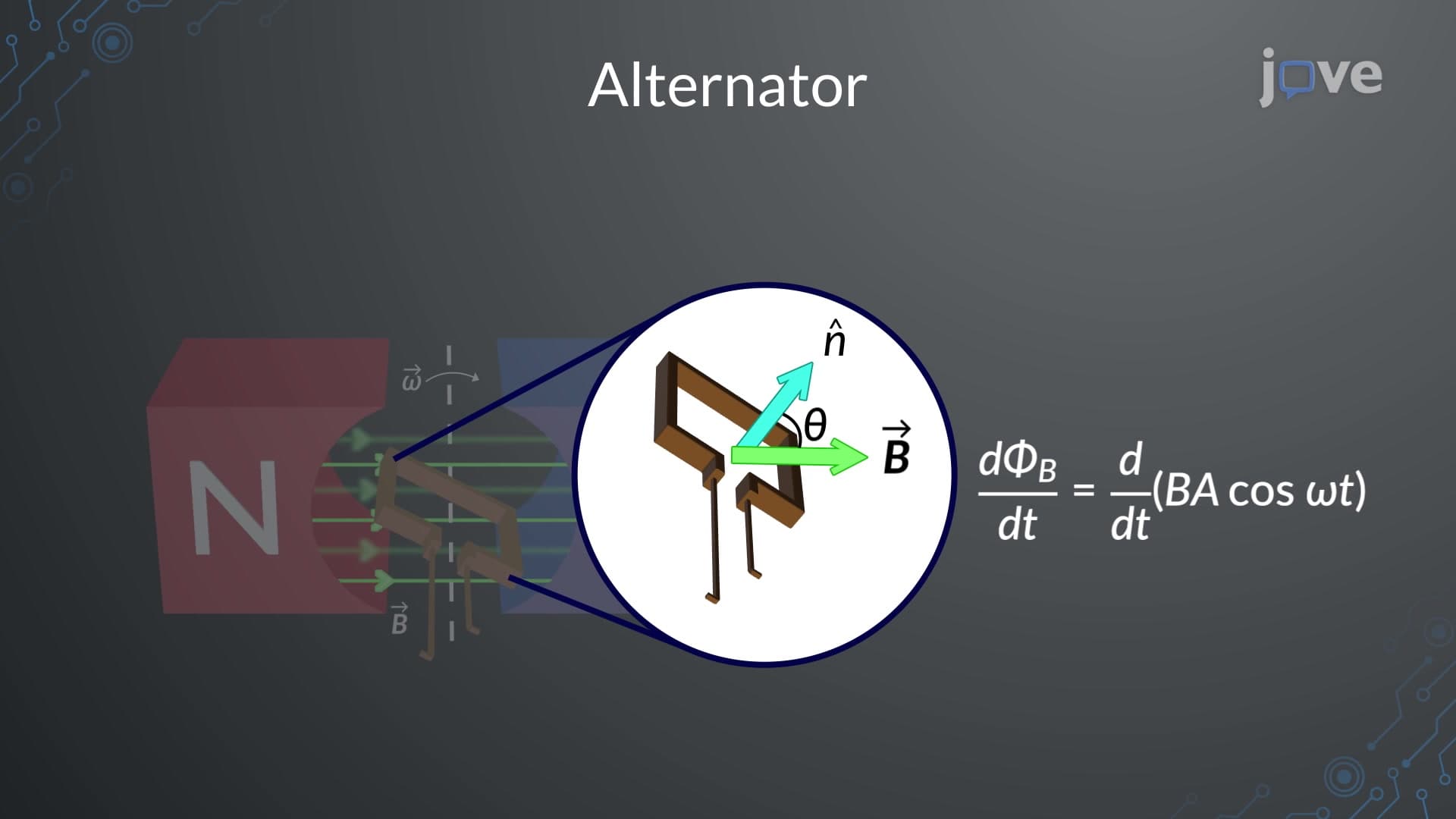
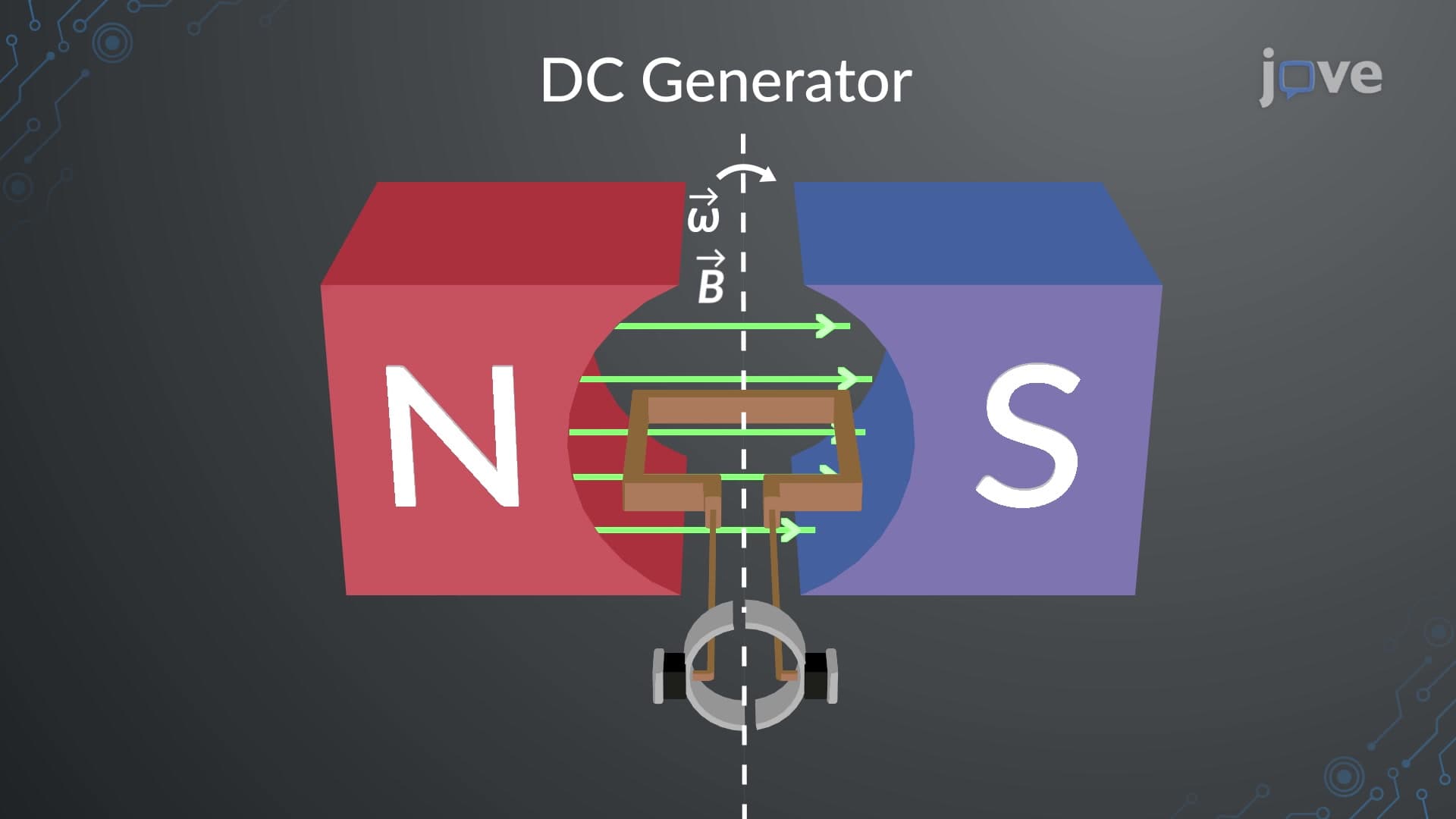
Motional emf principles power numerous technologies throughout American infrastructure. Electric utilities use massive generators where rotating coils move through magnetic fields to produce electricity for millions of homes. Wind turbines across Texas and California convert wind energy into electrical energy through motional emf generation in their rotating generators.
Transportation systems extensively utilize motional emf concepts. Regenerative braking in electric vehicles converts kinetic energy back into stored electrical energy, improving efficiency and extending battery life. Railroad systems use electromagnetic brakes that rely on motional emf to create opposing forces for smooth, wear-free stopping.
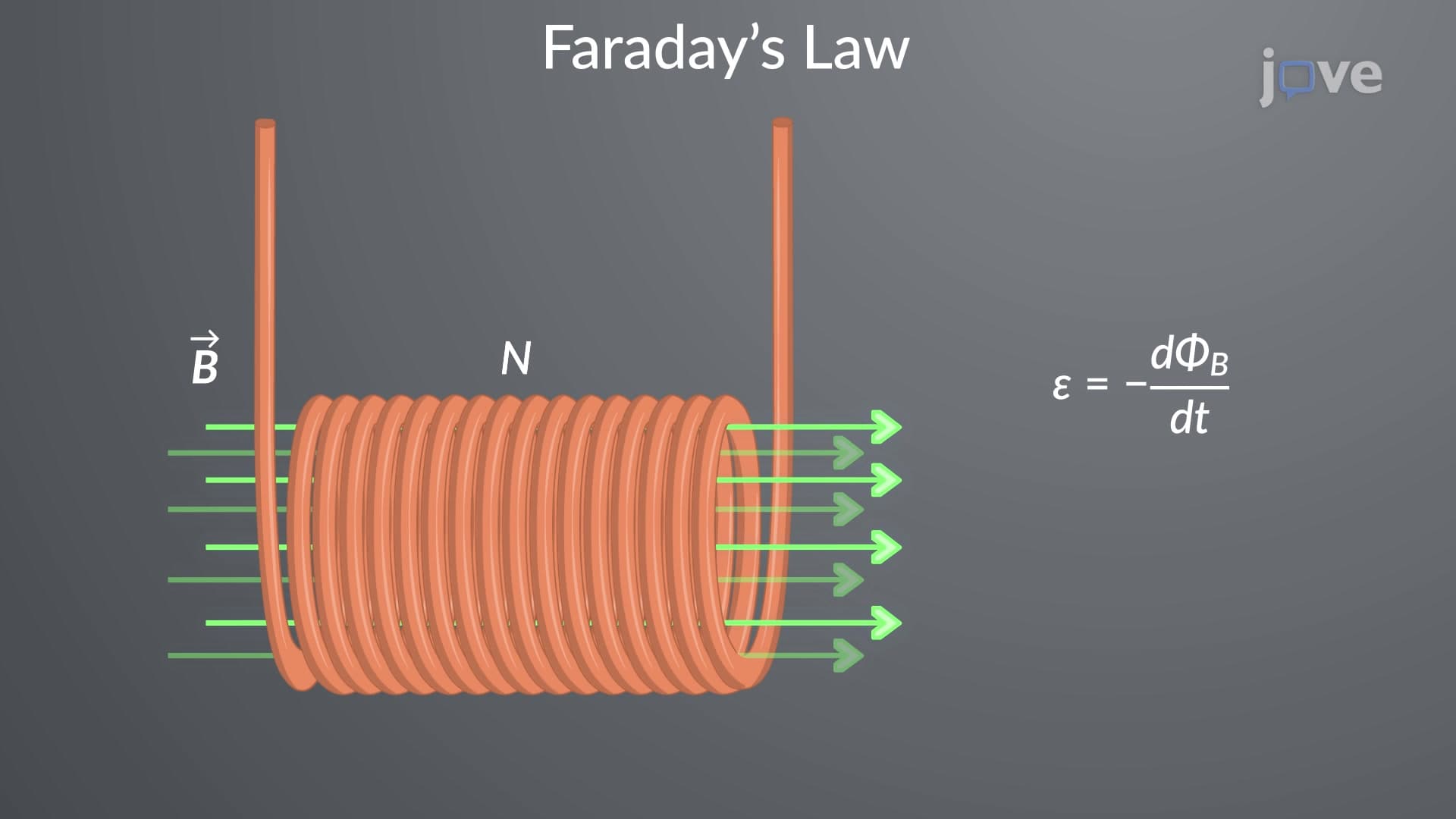
AP Physics exams frequently test motional emf calculations using Faraday's law: ε = -dΦ/dt, where magnetic flux Φ = BA. Students must recognize that changing flux can result from varying magnetic field strength, loop area, or orientation. College physics courses emphasize connecting motional emf to conservation of energy principles, demonstrating how mechanical work converts to electrical energy.
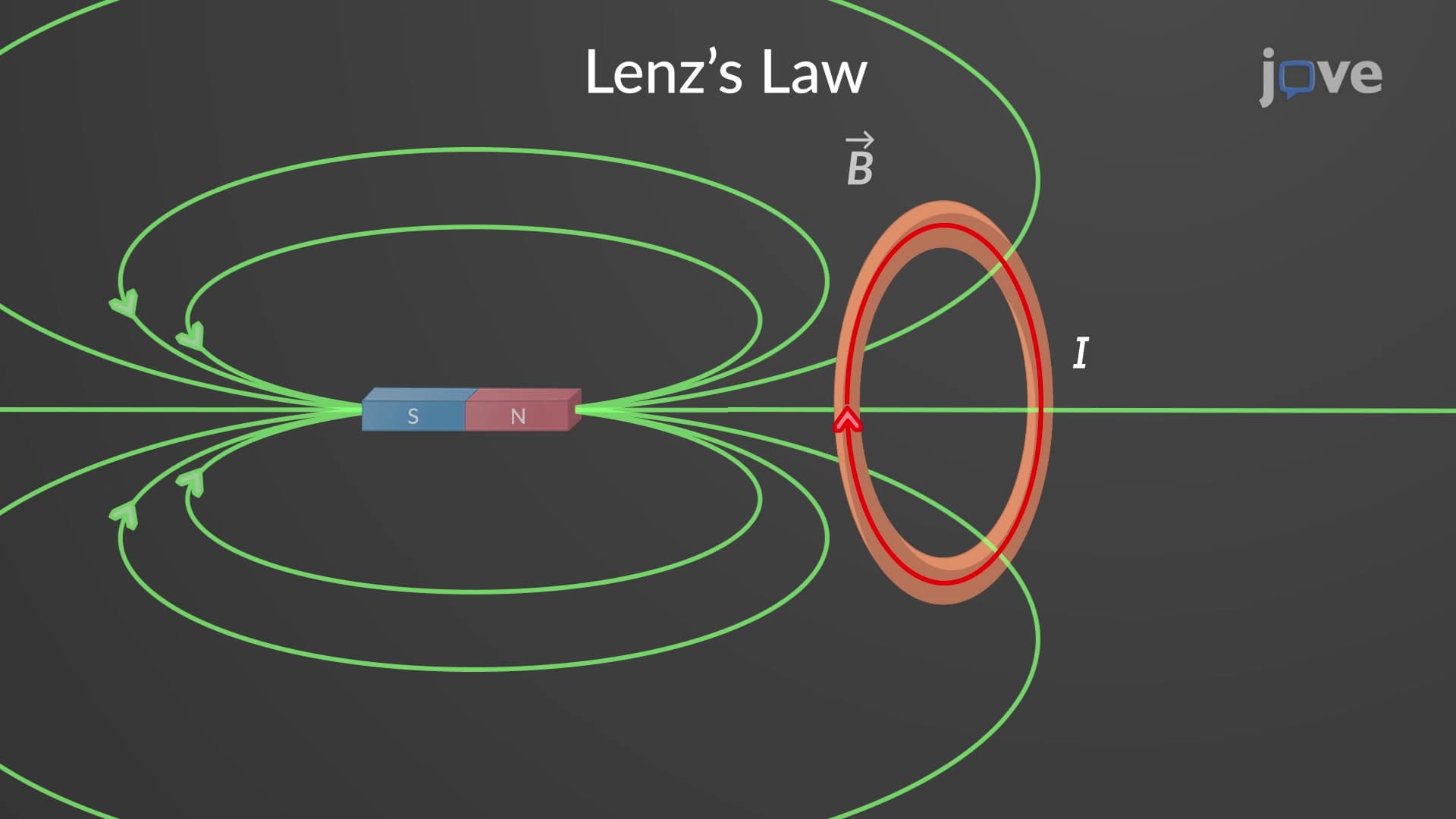
Successful problem-solving requires identifying the geometry, determining velocity components perpendicular to the magnetic field, and applying appropriate sign conventions. Understanding Lenz's law helps predict induced current direction, ensuring complete analysis of electromagnetic induction scenarios.
Frequently Asked Questions
Motional emf is the voltage generated when a conductor moves through a magnetic field, unlike battery emf which comes from chemical reactions. It only exists during motion and disappears when the conductor stops moving. Both create potential differences, but motional emf requires continuous mechanical energy input while battery emf provides steady voltage from stored chemical energy.
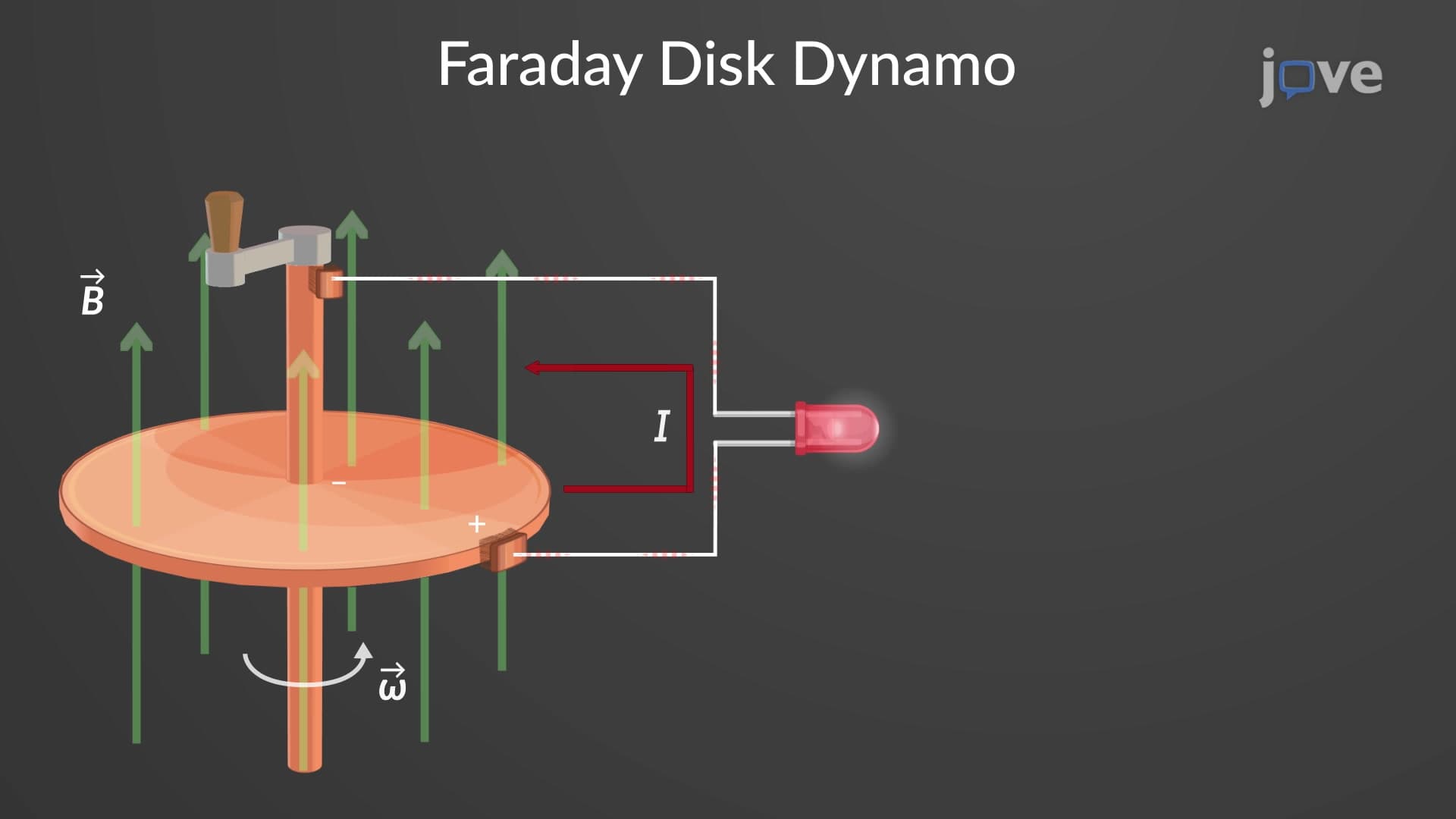
The motional emf equals BLv for a straight conductor, where B is magnetic field strength, L is conductor length, and v is velocity perpendicular to the field. For rotating systems, ε = ½BωL² applies, where ω represents angular velocity. These formulas derive from Faraday's law by calculating the rate of magnetic flux change through the moving conductor's path.
AP Physics C exams typically include motional emf problems involving sliding rods on conducting rails, rotating loops in magnetic fields, and electromagnetic induction calculations. Students must apply Faraday's law, calculate induced currents using Ohm's law, and analyze energy conservation. Expect both conceptual questions about Lenz's law and quantitative problems requiring integration or differentiation.
Electric power plants across the US use massive generators based on motional emf principles to produce electricity for homes and businesses. Tesla and other electric vehicles employ regenerative braking systems that convert motion into electrical energy. Additionally, electromagnetic railguns developed by the US Navy use motional emf concepts to accelerate projectiles using magnetic forces.
Motional emf builds naturally on concepts you already know—basic electricity, magnetism, and forces. The key insight is recognizing that moving charges in magnetic fields experience forces, leading to charge separation and voltage generation. With proper visualization and practice problems, most students master this concept by connecting it to familiar electromagnetic principles.
Focus on understanding Faraday's law applications and practice sketching magnetic field directions, conductor motion, and resulting current flow. Master both BLv calculations for straight conductors and flux derivative methods for complex geometries. Work through problems involving energy conservation, connecting mechanical power input to electrical power output.
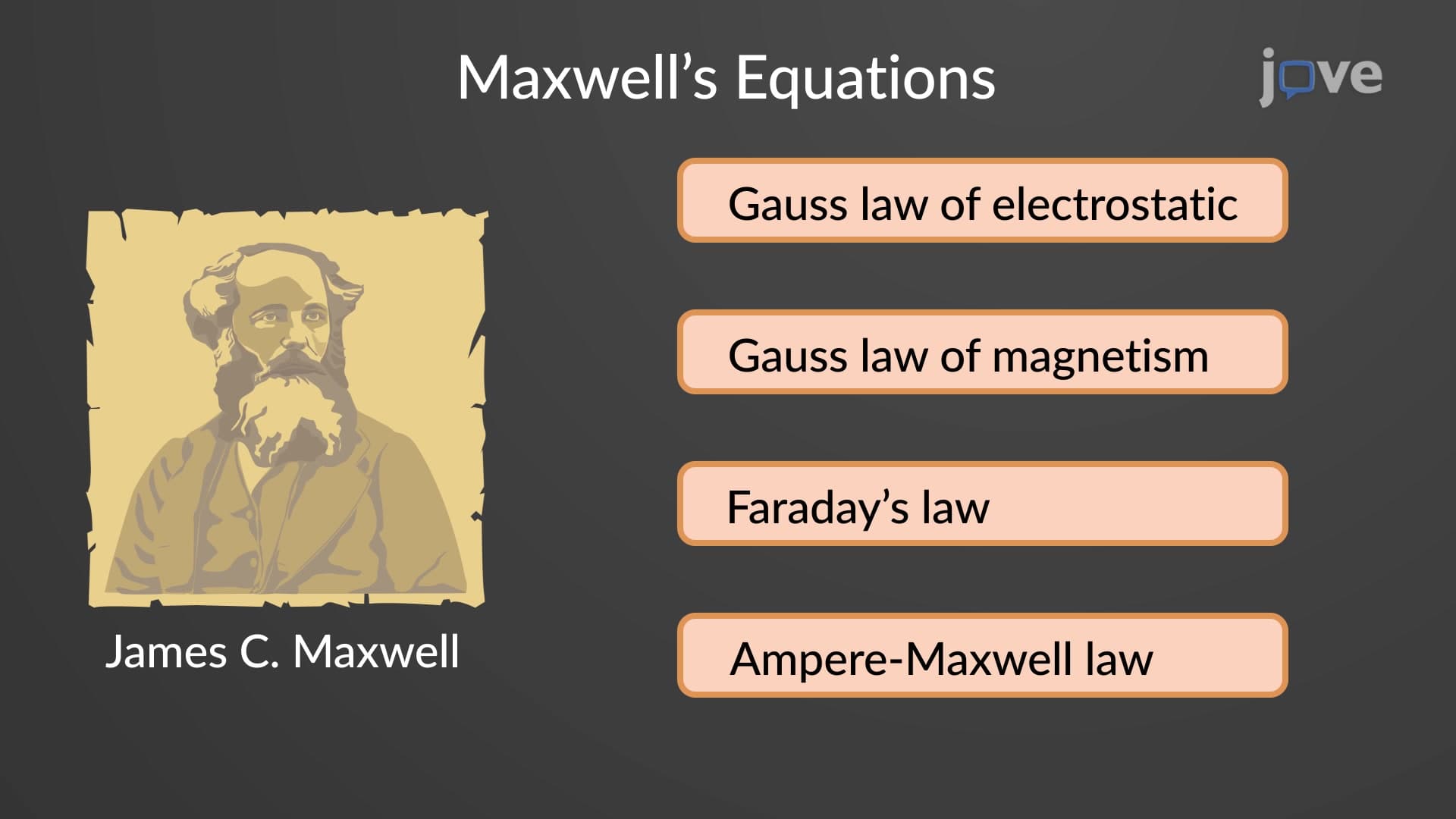
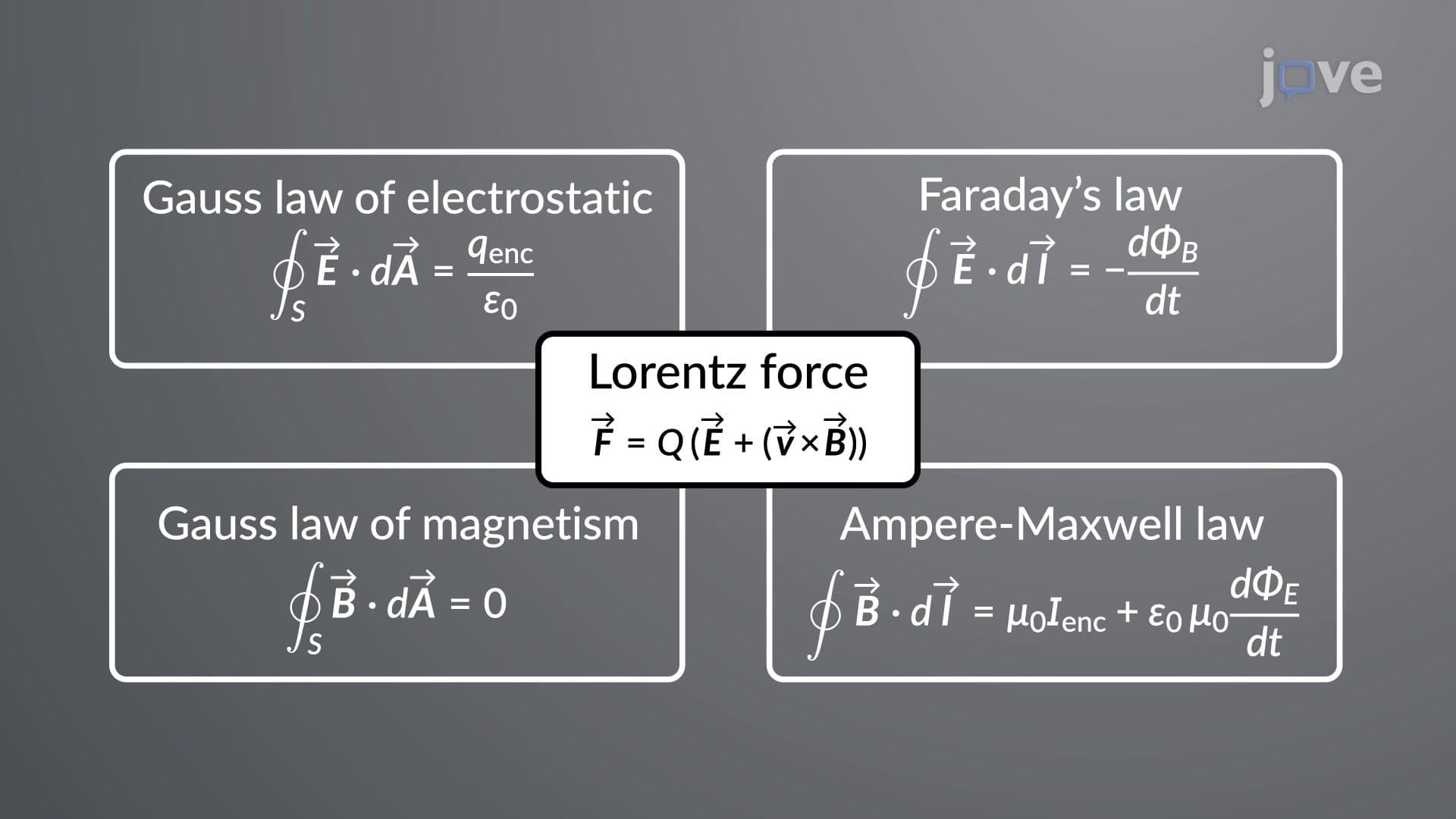
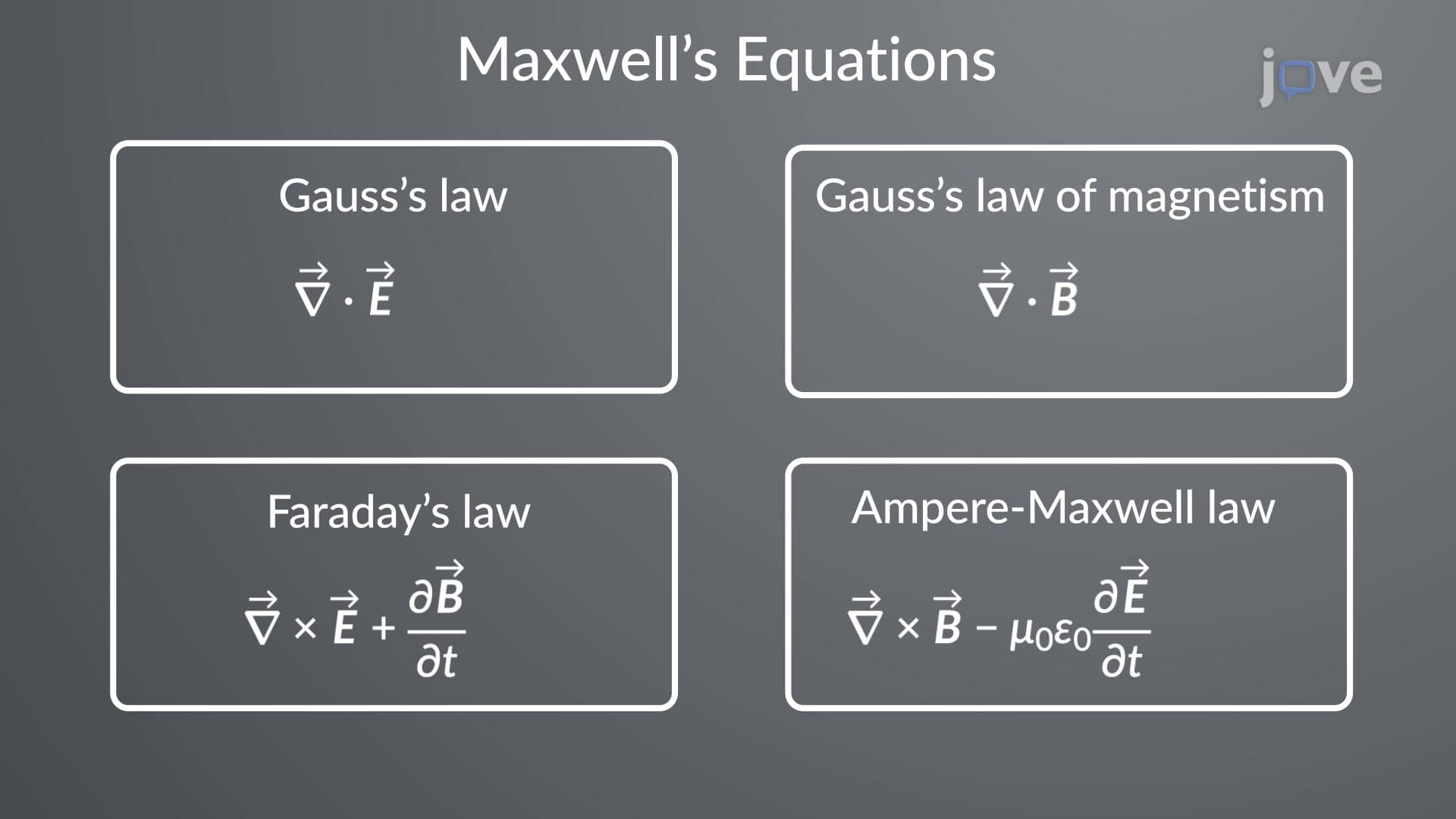
Advanced electromagnetic theory explores Maxwell's equations, where motional emf appears as a consequence of the electric field curl equation. Engineering applications include AC generator design, transformer theory, and electromagnetic compatibility. Quantum mechanics provides deeper insight into charge behavior in electromagnetic fields through the Lorentz force law derivation.
Yes, MCAT Physics sections include electromagnetic induction questions featuring motional emf scenarios. Test-takers encounter problems about medical imaging equipment like MRI machines, which use electromagnetic principles including motional emf. Focus on conceptual understanding rather than complex calculations, as MCAT emphasizes applying physics principles to biological and medical contexts.
Typical homework problems involve conducting rods sliding on rails, rotating wheels in magnetic fields, and electromagnetic braking scenarios. These exercises develop problem-solving skills by combining kinematics, electromagnetism, and energy conservation. Success requires systematic approaches: identify given information, sketch the situation, apply relevant equations, and check units and reasonableness of answers.
Related Micro-courses
Related Subjects
 Math Fundamentals 11 micro-courses›
 Statistics 17 micro-courses›