Loading…
Loading video…

101,500 views
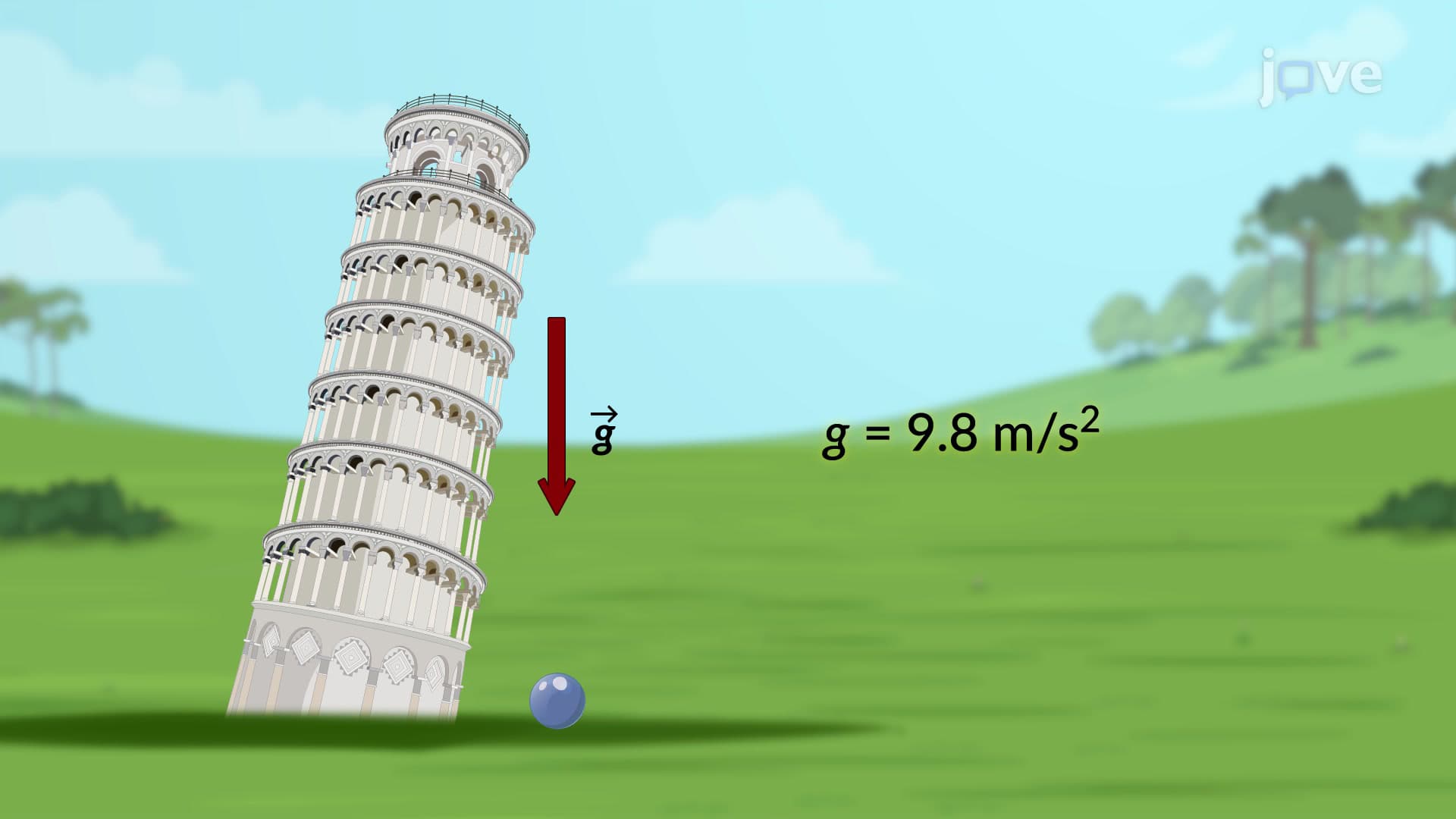
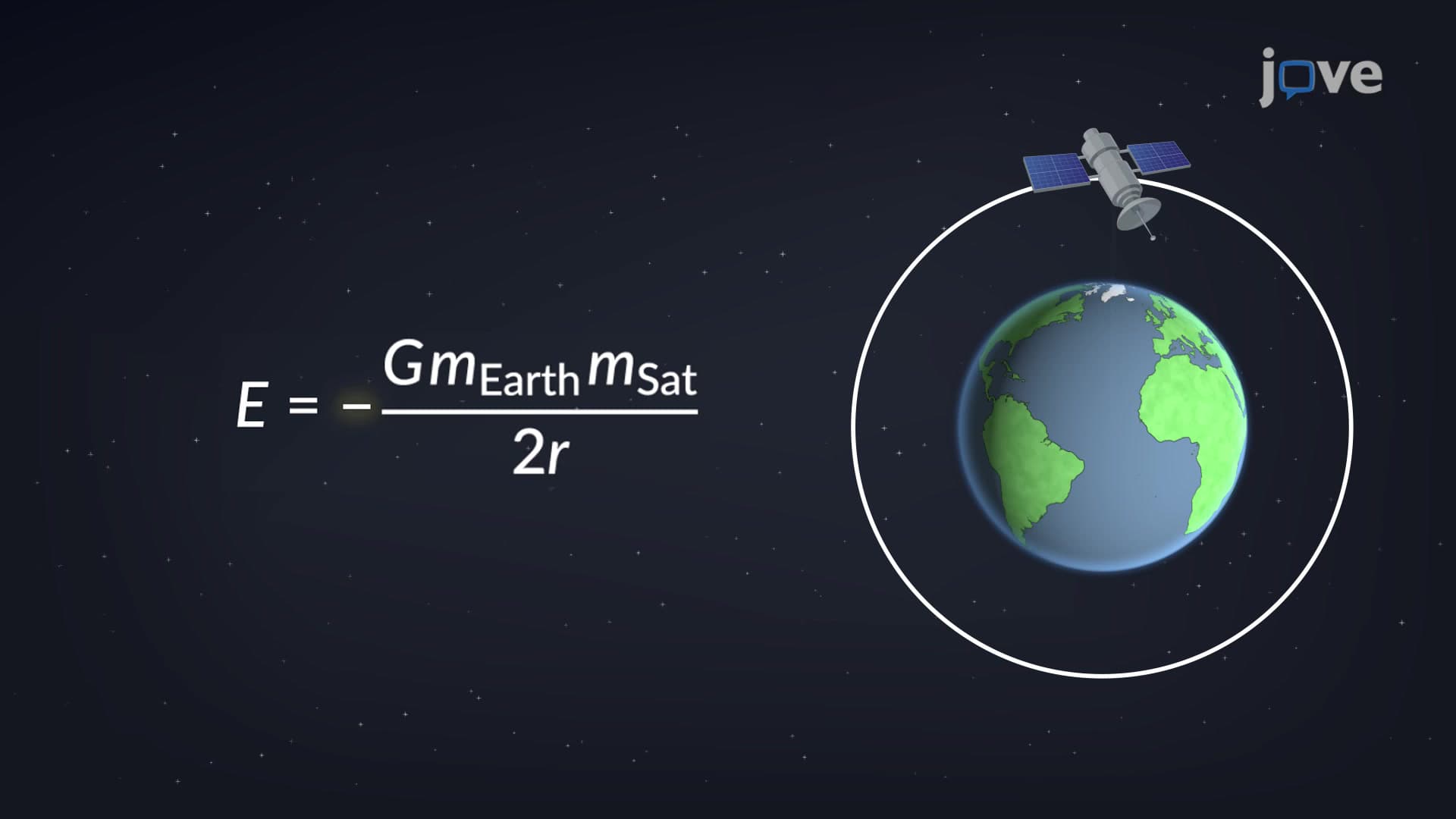
Ever wondered why a feather and a hammer would hit the ground simultaneously if dropped from the Empire State Building in a vacuum? The acceleration due to gravity on earth creates this fascinating phenomenon, pulling all objects downward at exactly 9.8 m/s² regardless of their mass. This fundamental physics principle explains why astronauts during NASA's Apollo 15 moon landing could demonstrate identical falling rates with a hammer and feather. Understanding acceleration due to gravity on earth explained reveals the invisible force shaping everything from skydiving to satellite orbits. Watch the full video on JoVE Coach to master this concept with expert-led visuals and step-by-step explanations.
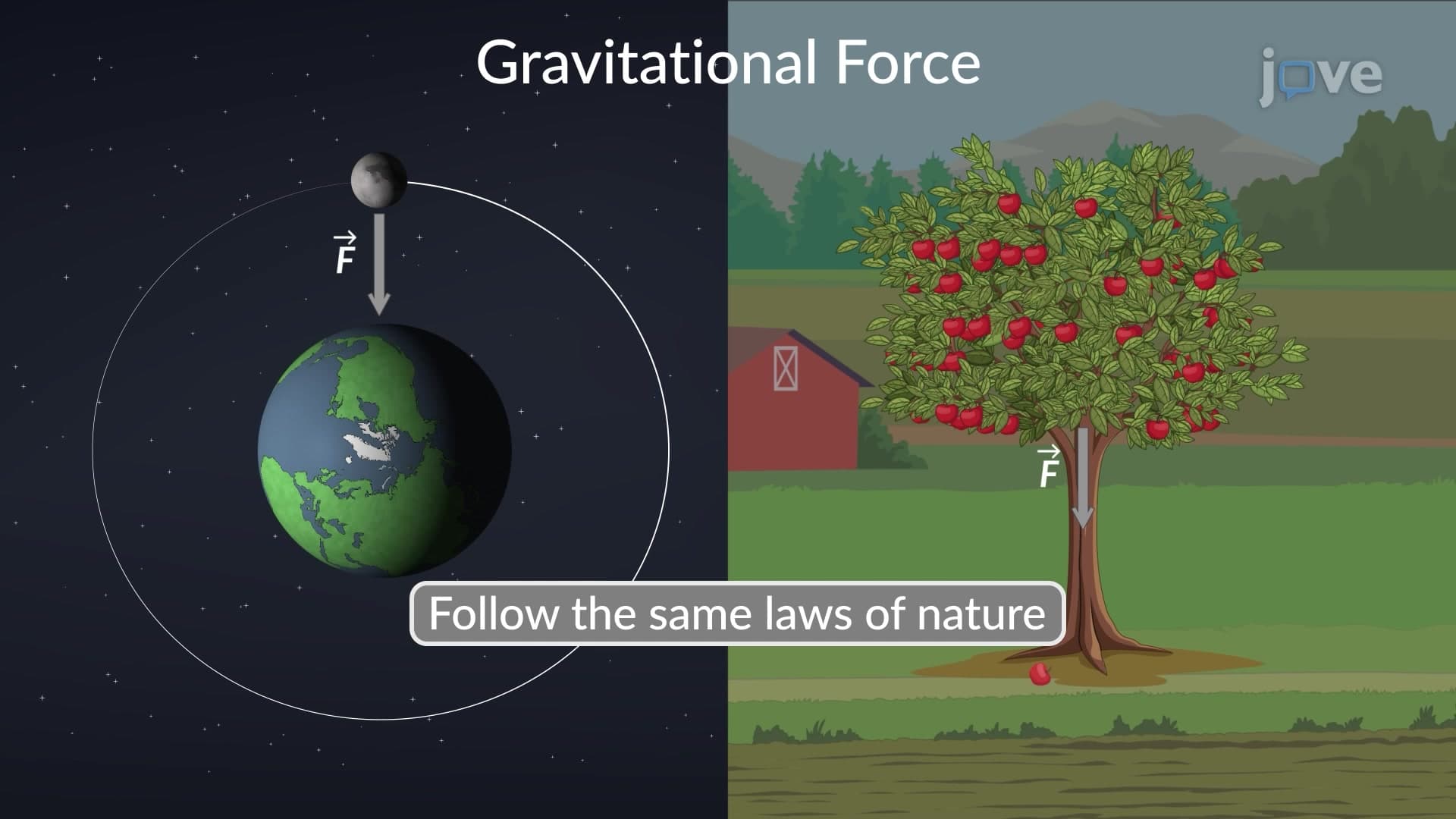
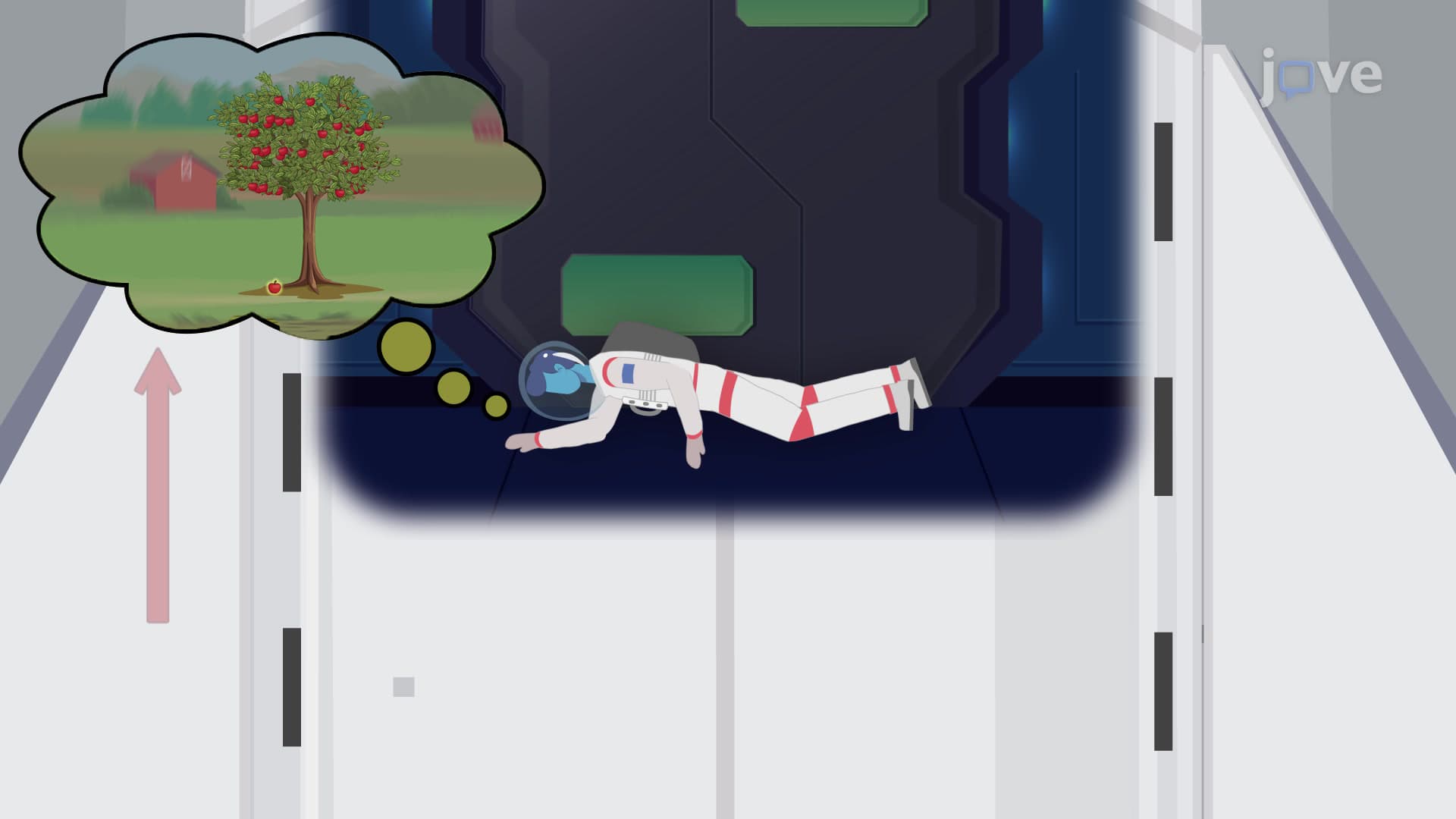
Acceleration due to gravity on earth represents one of physics' most fundamental constants, governing how objects move in Earth's gravitational field. When we observe a falling apple or watch a basketball player's jump shot, we're witnessing this 9.8 m/s² acceleration in action. This universal constant affects every mass equally—from dust particles to massive boulders—creating the counterintuitive reality that all objects fall at identical rates in the absence of air resistance.
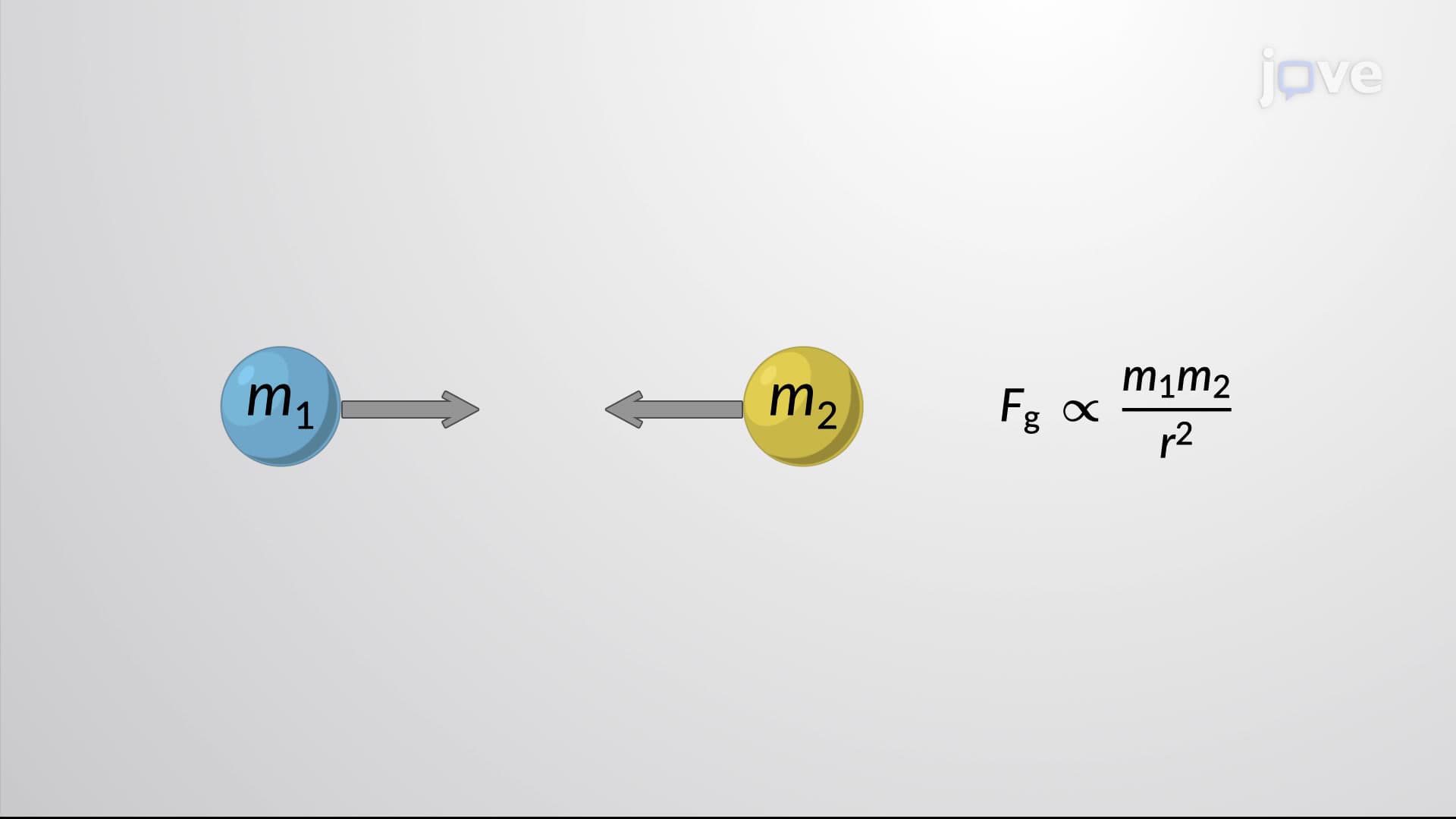
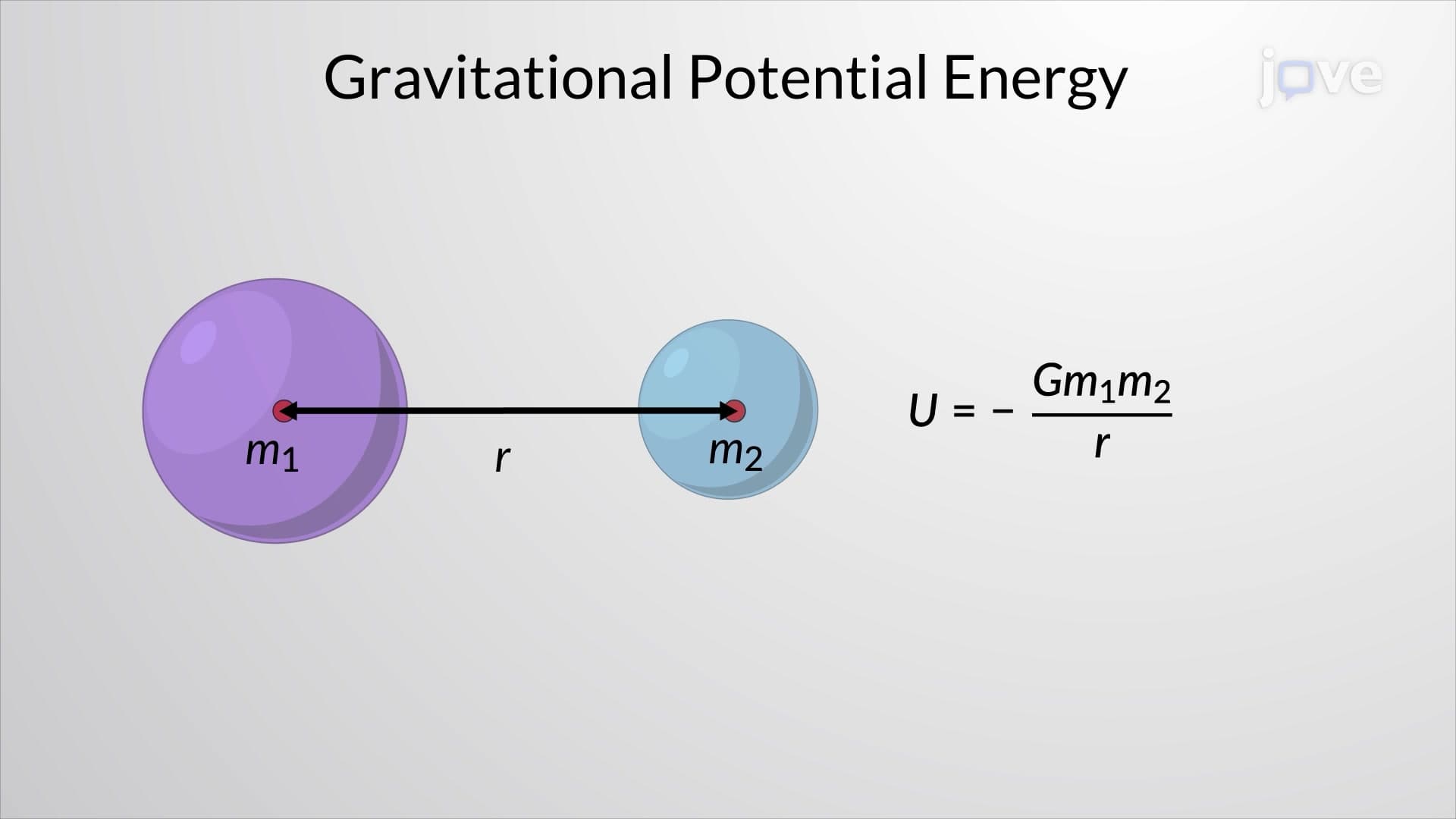
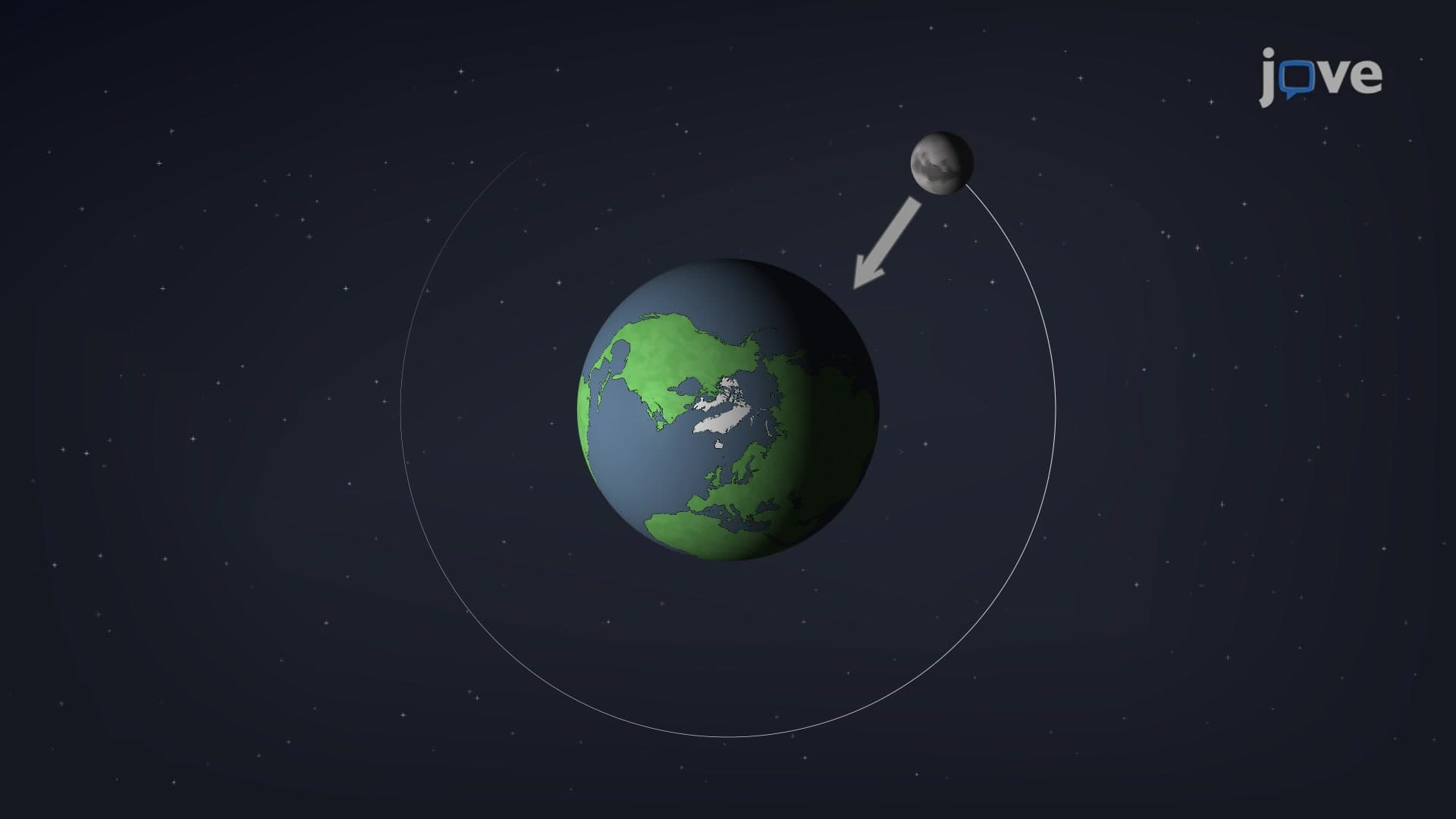
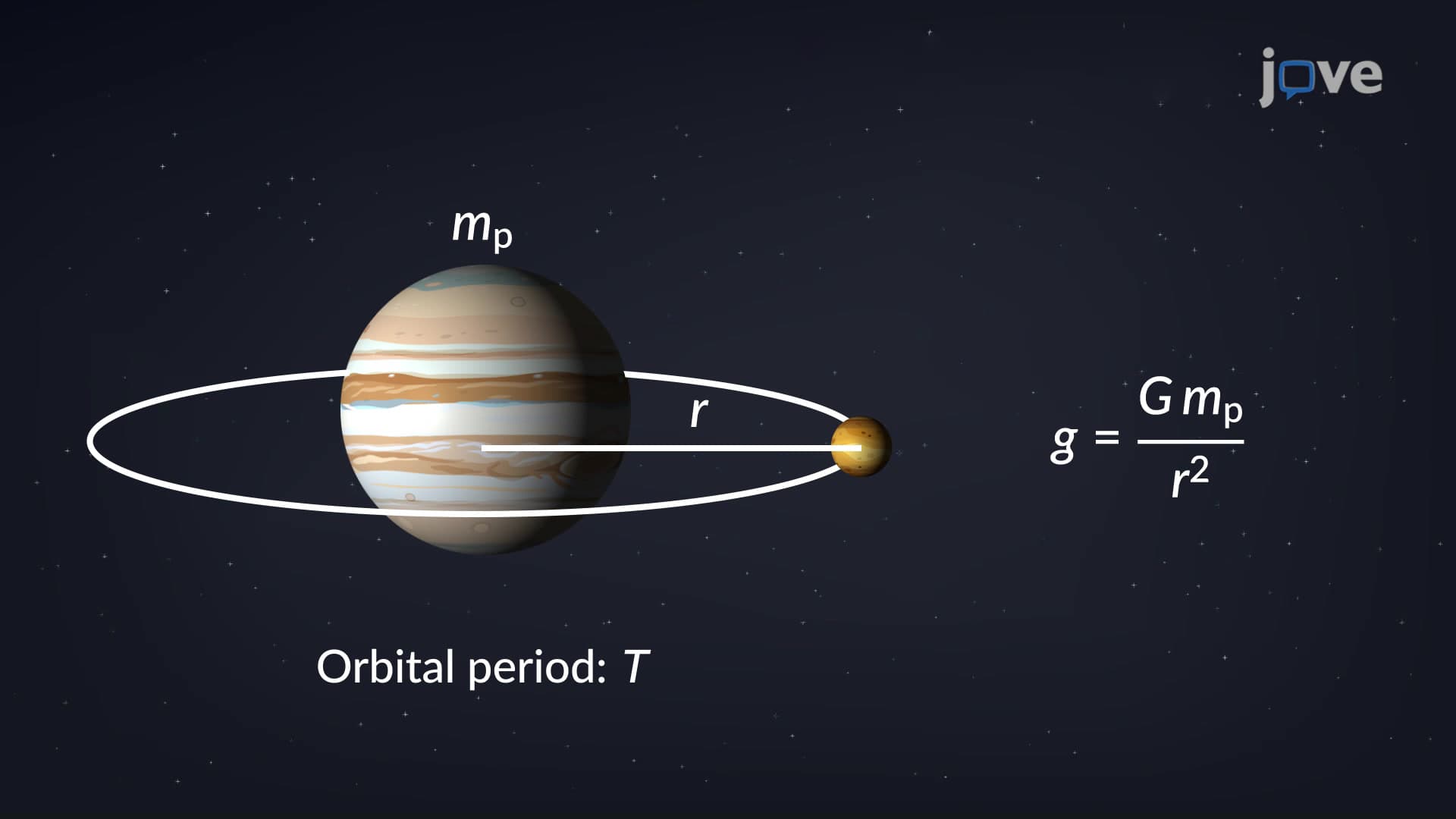
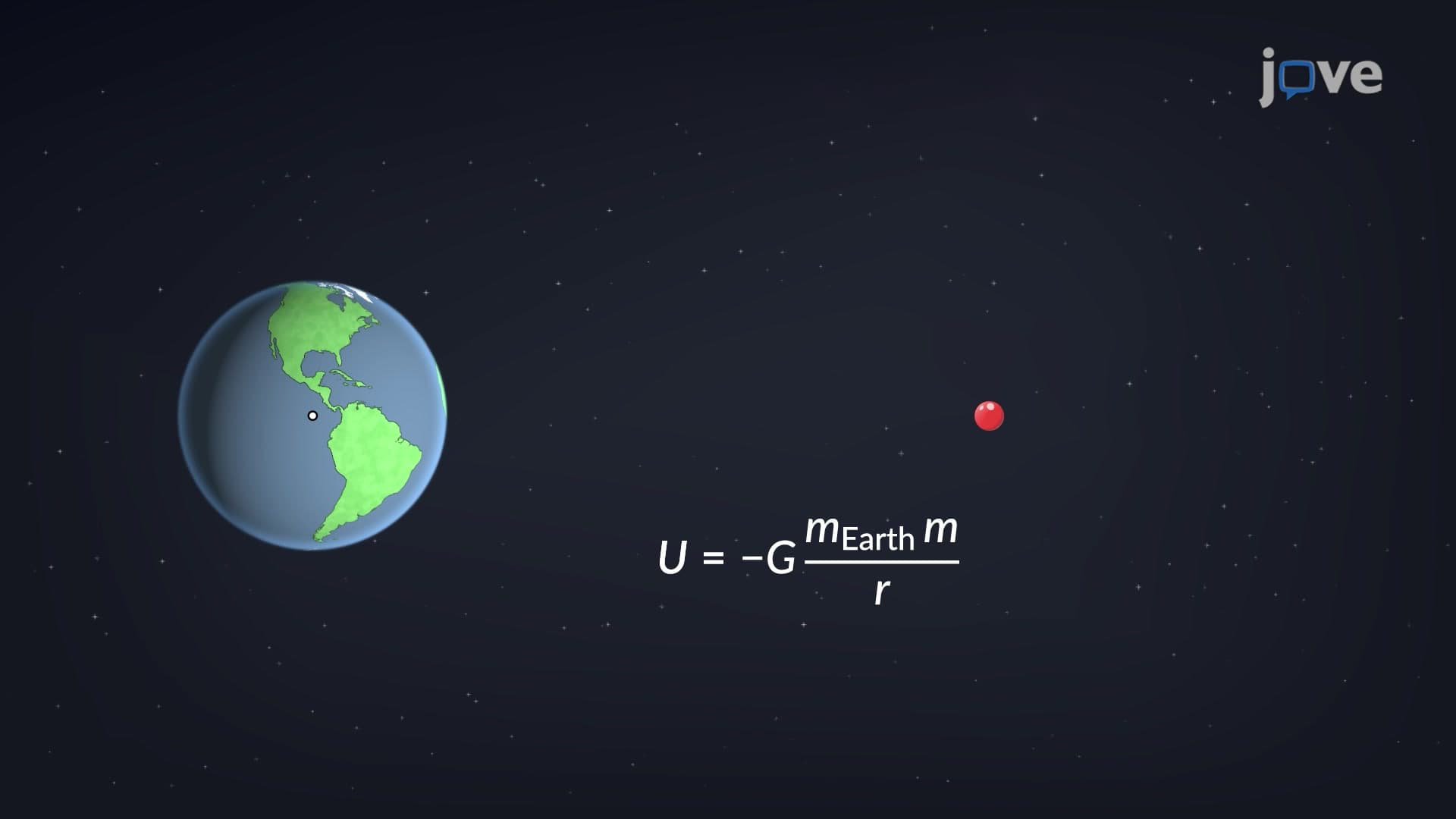
The mathematical foundation rests on Newton's second law and universal gravitation. When an object experiences free fall, Earth's gravitational force provides the only acting force, creating the equation F = mg = G(M×m)/r². Here, G represents the gravitational constant (6.67 × 10⁻¹¹ N⋅m²/kg²), M equals Earth's mass, m represents the falling object's mass, and r indicates the distance from Earth's center. The remarkable insight emerges when we solve for acceleration: g = GM/r². Notice how the falling object's mass cancels out entirely, explaining why a penny and a bowling ball fall identically.
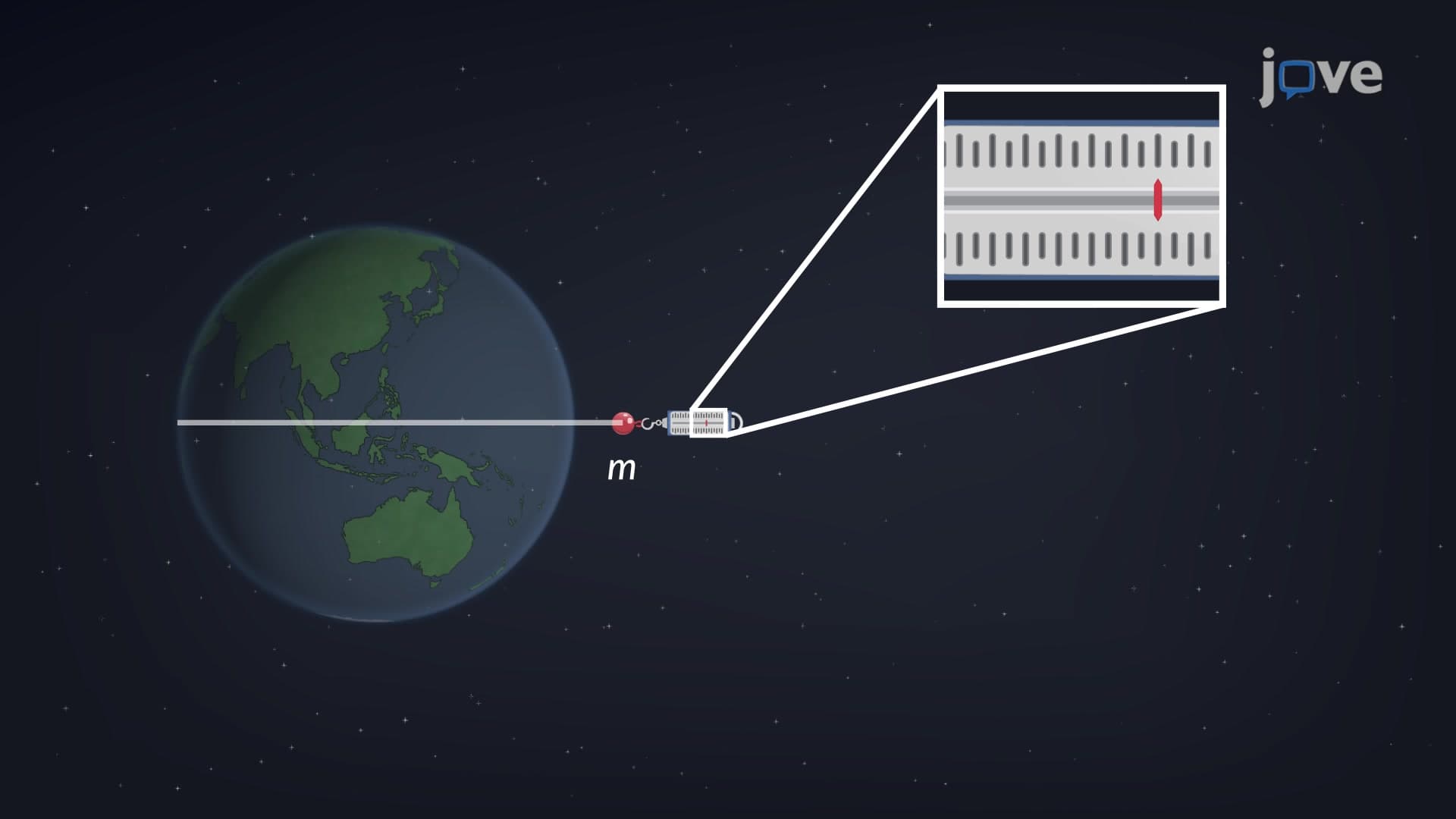
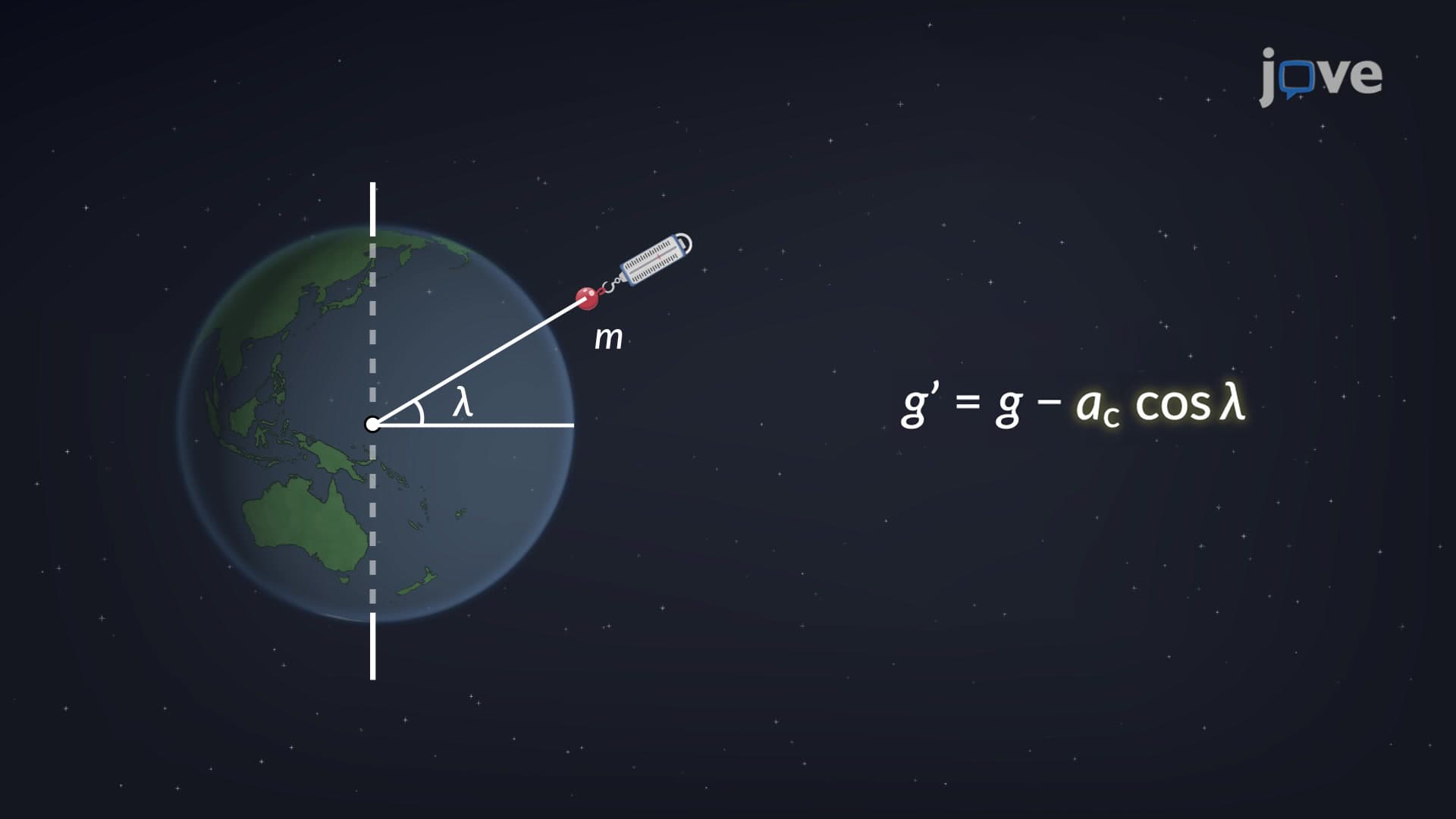
How acceleration due to gravity on earth works becomes evident in countless practical scenarios. NASA engineers calculate rocket trajectories using precise gravitational values, while civil engineers design bridges accounting for gravitational stress. The value g = 9.8 m/s² serves as an approximation—actual measurements vary slightly with location. Denver's high altitude yields g ≈ 9.796 m/s², while sea-level measurements in Florida approach g ≈ 9.804 m/s². These variations matter for precision applications like GPS satellites and ballistic calculations.
Students encounter gravitational acceleration across multiple academic levels. AP Physics courses emphasize conceptual understanding alongside mathematical applications, while college-level mechanics courses delve deeper into derivations and advanced applications. SAT Subject Tests frequently feature gravitational problems involving projectile motion and energy conservation. The concept bridges introductory physics with advanced topics like orbital mechanics and general relativity, making thorough understanding essential for STEM career preparation.
This foundational knowledge supports more complex topics including circular motion, energy conservation, and planetary physics, establishing gravitational acceleration as a cornerstone concept in physics education.
Frequently Asked Questions
Acceleration due to gravity on earth is the uniform downward acceleration of 9.8 m/s² that all objects experience when falling freely near Earth's surface. It affects all objects equally because gravitational force depends on mass, but acceleration equals force divided by mass—so mass cancels out mathematically. This explains why a feather and hammer fall at identical rates in vacuum conditions, as famously demonstrated during NASA's Apollo missions.
Gravitational acceleration appears in approximately 15-20% of AP Physics 1 problems, particularly in kinematics, energy, and projectile motion sections. Mastering g = 9.8 m/s² calculations helps solve free-fall problems, pendulum motion, and energy conservation scenarios. Students should practice applying both g and the universal gravitation equation G(M×m)/r² for comprehensive exam readiness.
College midterms typically emphasize gravitational force derivations, weight versus mass distinctions, and applications involving variable gravity with altitude. Expect problems combining Newton's laws with gravitational equations, orbital velocity calculations, and gravitational potential energy scenarios. Understanding g = GM/r² helps tackle advanced problems involving planetary masses and satellite mechanics.
MCAT physics sections feature gravitational acceleration in passages about projectile motion, circular motion, and energy conservation within biological contexts. Questions often combine gravitational concepts with biomechanics, such as analyzing jumping mechanics or blood flow under gravitational influence. Strong foundational understanding enables quick problem recognition and efficient solution strategies.
Aerospace engineers at companies like SpaceX and Boeing use gravitational calculations for rocket trajectories and satellite orbital mechanics. Civil engineers account for gravitational loads in structural designs, while sports analysts apply projectile motion principles to optimize athletic performance. Geophysicists use gravitational variations to locate underground resources and study Earth's internal structure.
No advanced calculus is required for fundamental gravitational acceleration concepts. Basic algebra and geometry suffice for most introductory applications involving g = 9.8 m/s² and kinematic equations. However, calculus becomes valuable for deriving gravitational formulas and solving complex orbital mechanics problems in advanced courses.
Focus on identifying free-fall scenarios versus other motion types, then systematically apply kinematic equations with g = 9.8 m/s². Create concept maps connecting gravitational force, weight, and acceleration relationships. Practice diverse problem types from projectile motion to energy conservation, emphasizing when to use g versus the full gravitational equation G(M×m)/r².
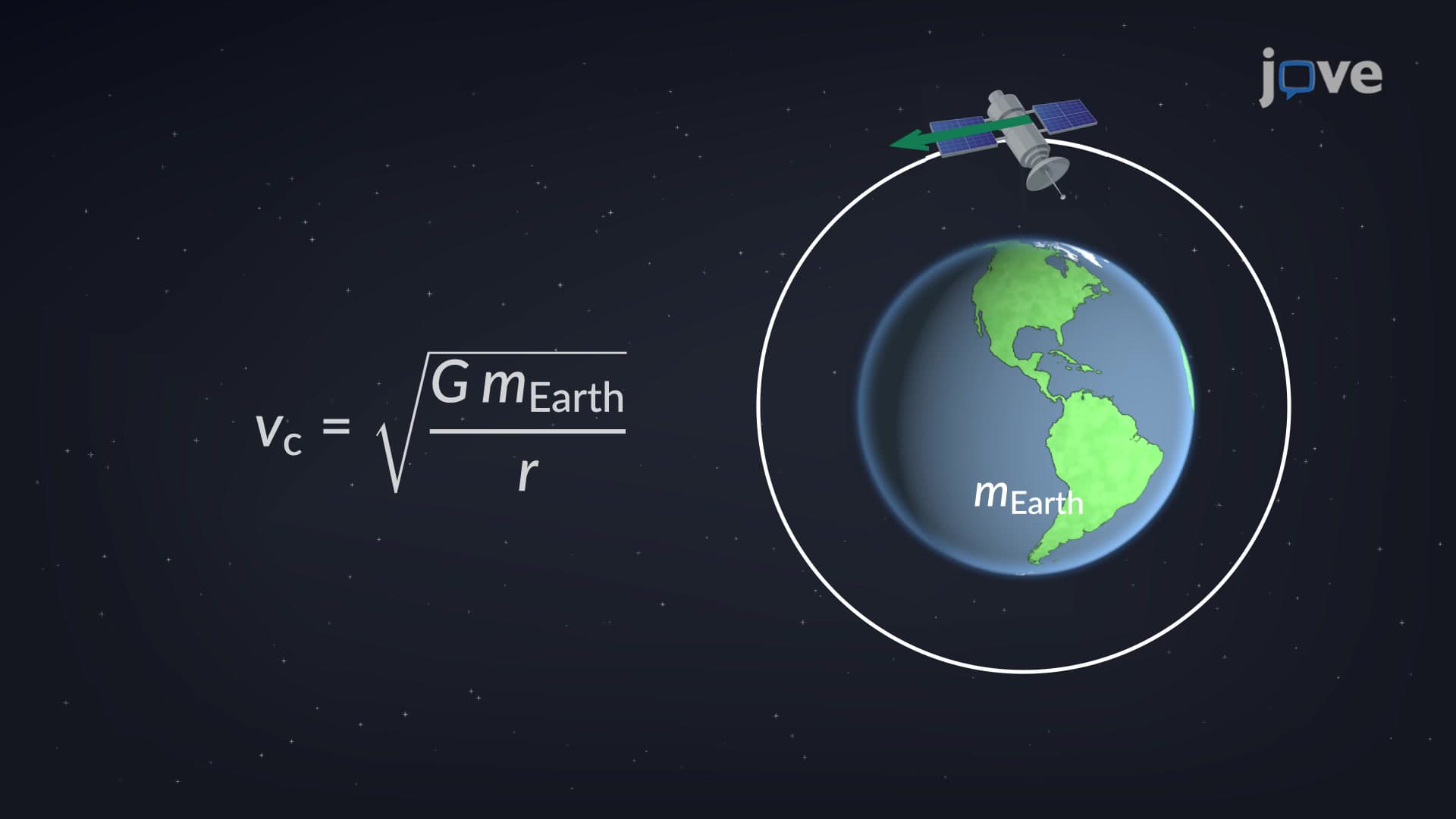
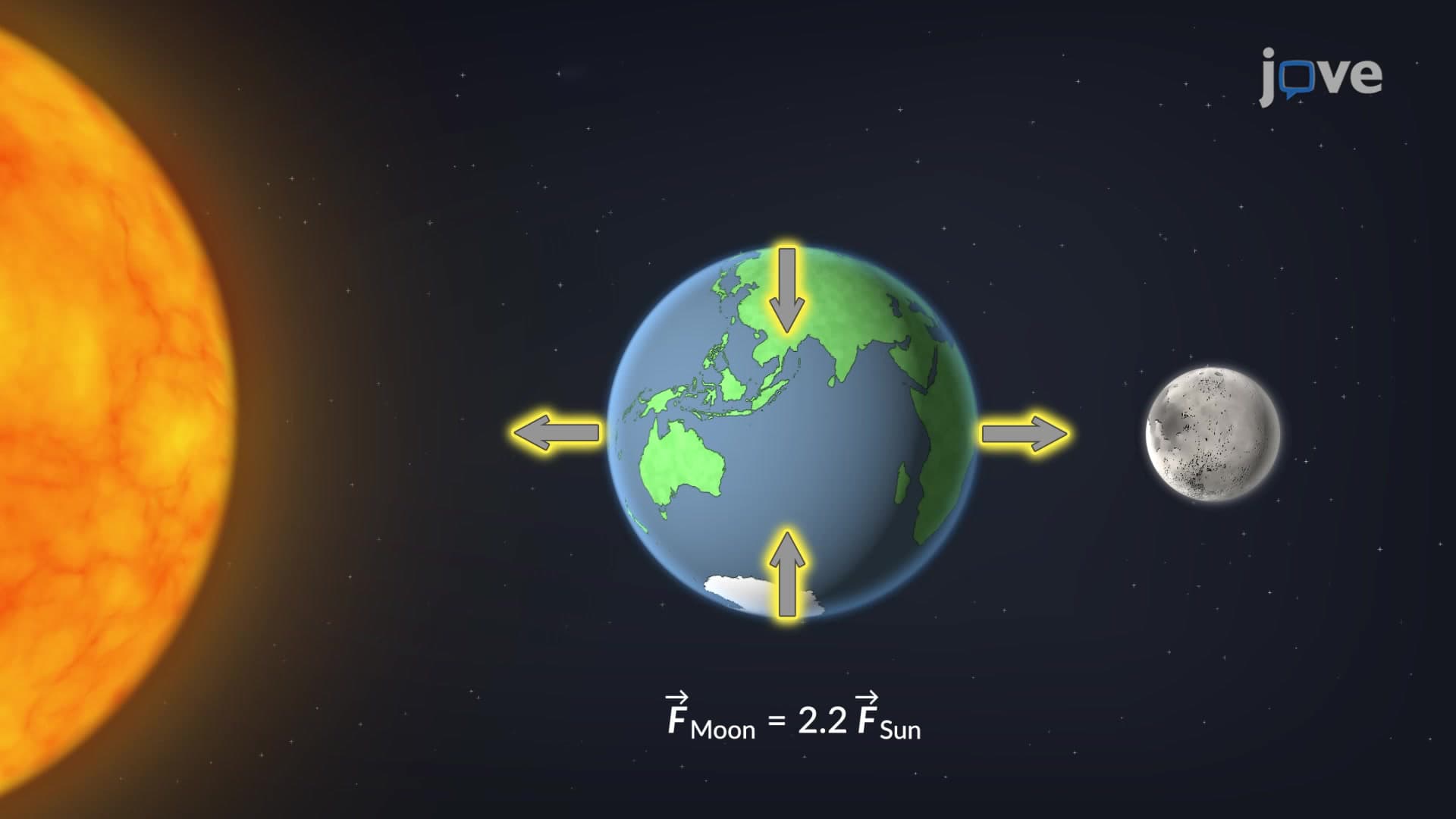
Build upon gravitational foundations by exploring circular motion and centripetal acceleration, gravitational potential energy, and orbital mechanics. Advanced students can investigate general relativity concepts, tidal forces, and gravitational waves. These connections deepen understanding of gravity's role throughout classical and modern physics.
SAT Physics Subject Tests emphasize conceptual understanding over complex calculations, featuring multiple-choice questions about mass independence, free-fall scenarios, and basic gravitational force relationships. Problems typically involve straightforward applications of g = 9.8 m/s² within kinematics contexts rather than advanced derivations or orbital mechanics calculations.
Related Micro-courses
Related Subjects
 Math Fundamentals 11 micro-courses›
 Statistics 17 micro-courses›