Loading…
Loading video…

101,500 views
Ever wonder why NASA's Kennedy Space Center in Florida was strategically chosen for rocket launches? The variation in acceleration due to gravity plays a crucial role—Earth's rotation creates centripetal forces that reduce apparent weight at the equator compared to the poles. This phenomenon of Variation in Acceleration Due To Explained demonstrates how our planet's spinning motion and oblate shape create measurable differences in gravitational acceleration across different latitudes. Watch the full video on JoVE Coach to master this concept with expert-led visuals and step-by-step explanations.
The variation in acceleration due to gravity across Earth's surface results from two primary factors: our planet's rotational motion and its non-spherical shape. Unlike the simplified model often presented in introductory physics courses, Earth's gravitational field isn't uniform—it varies predictably based on latitude and local geological features.
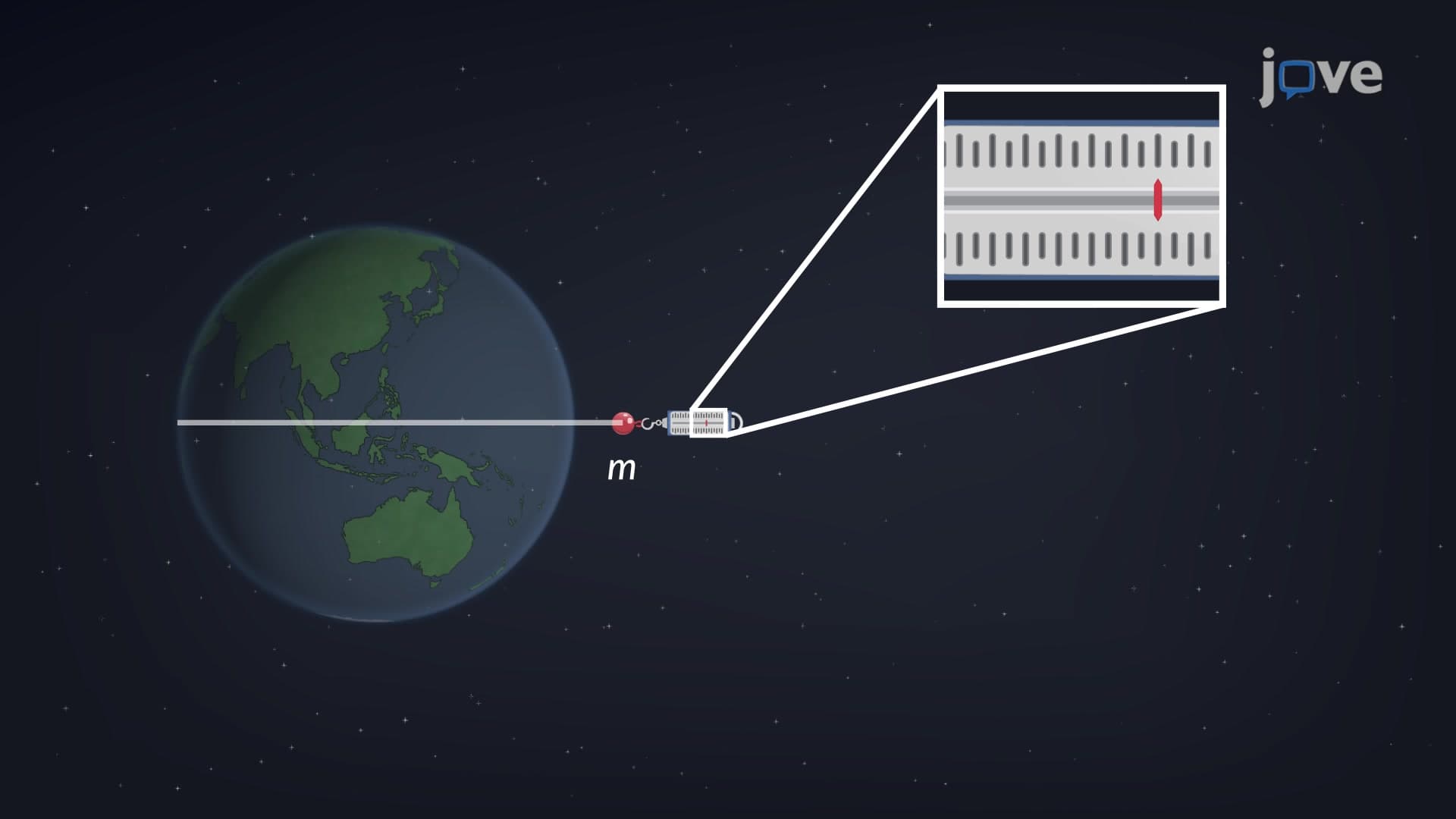
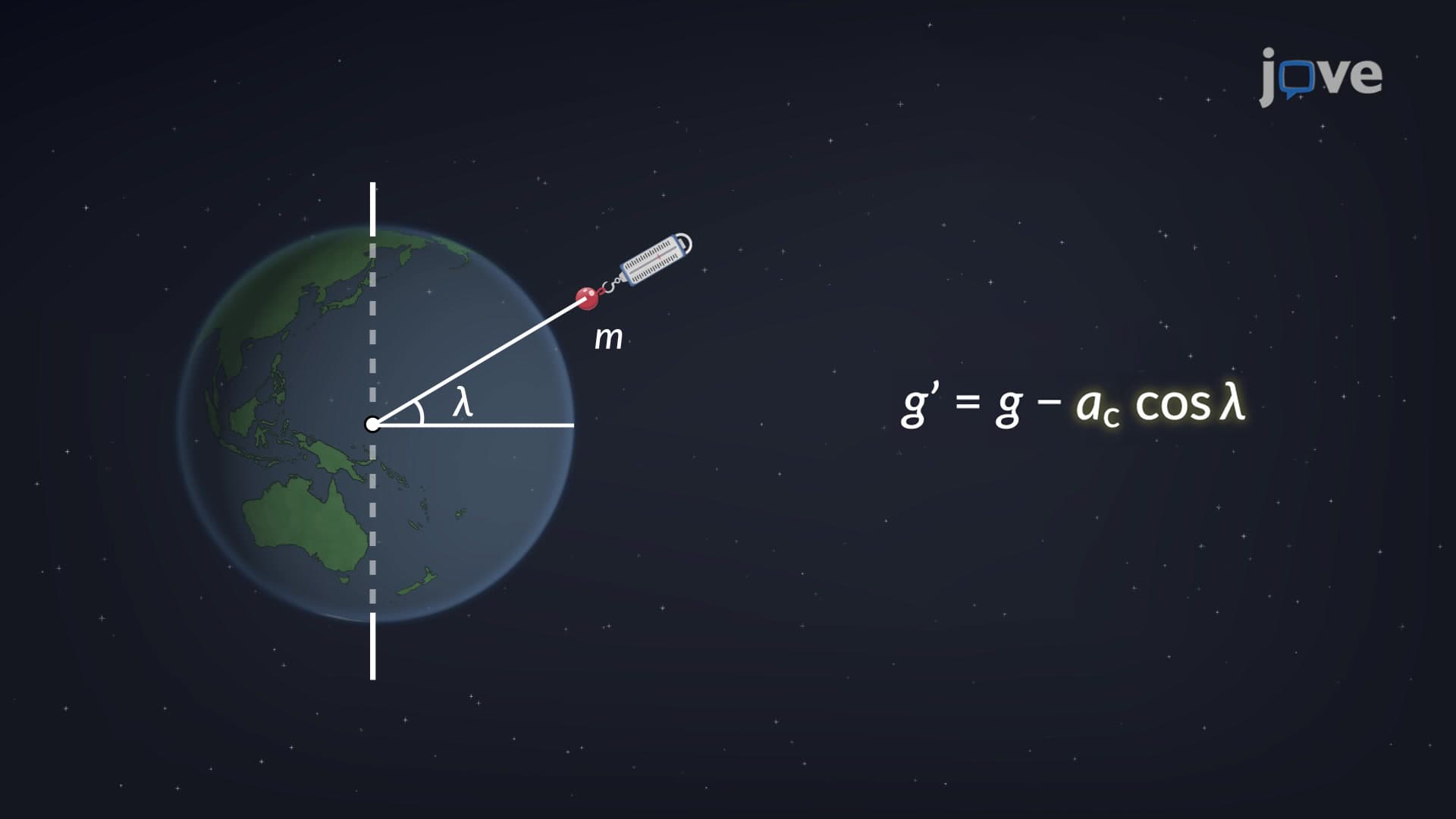
When you stand on a bathroom scale, you're measuring apparent weight, not true gravitational force. Earth's 24-hour rotation creates a centripetal acceleration that effectively reduces the scale reading, especially at lower latitudes. At the equator, this centripetal acceleration reaches approximately 0.034 m/s², directed toward Earth's rotational axis. This means a 150-pound person would weigh about 0.5 pounds less at the equator compared to the North Pole—a small but measurable difference that precision instruments can detect.
The mathematical relationship involves vector components: apparent weight equals true weight minus the component of centripetal force directed away from Earth's center. At intermediate latitudes like those of Chicago or Denver, only the cosine component of centripetal force affects the apparent weight measurement, creating a gradual variation between equatorial and polar values.
Earth isn't a perfect sphere—it's an oblate spheroid, flattened at the poles and bulging at the equator. The equatorial radius exceeds the polar radius by approximately 21 kilometers. This shape difference means objects at the equator are farther from Earth's center of mass than objects at the poles, resulting in weaker gravitational field strength according to Newton's inverse square law.
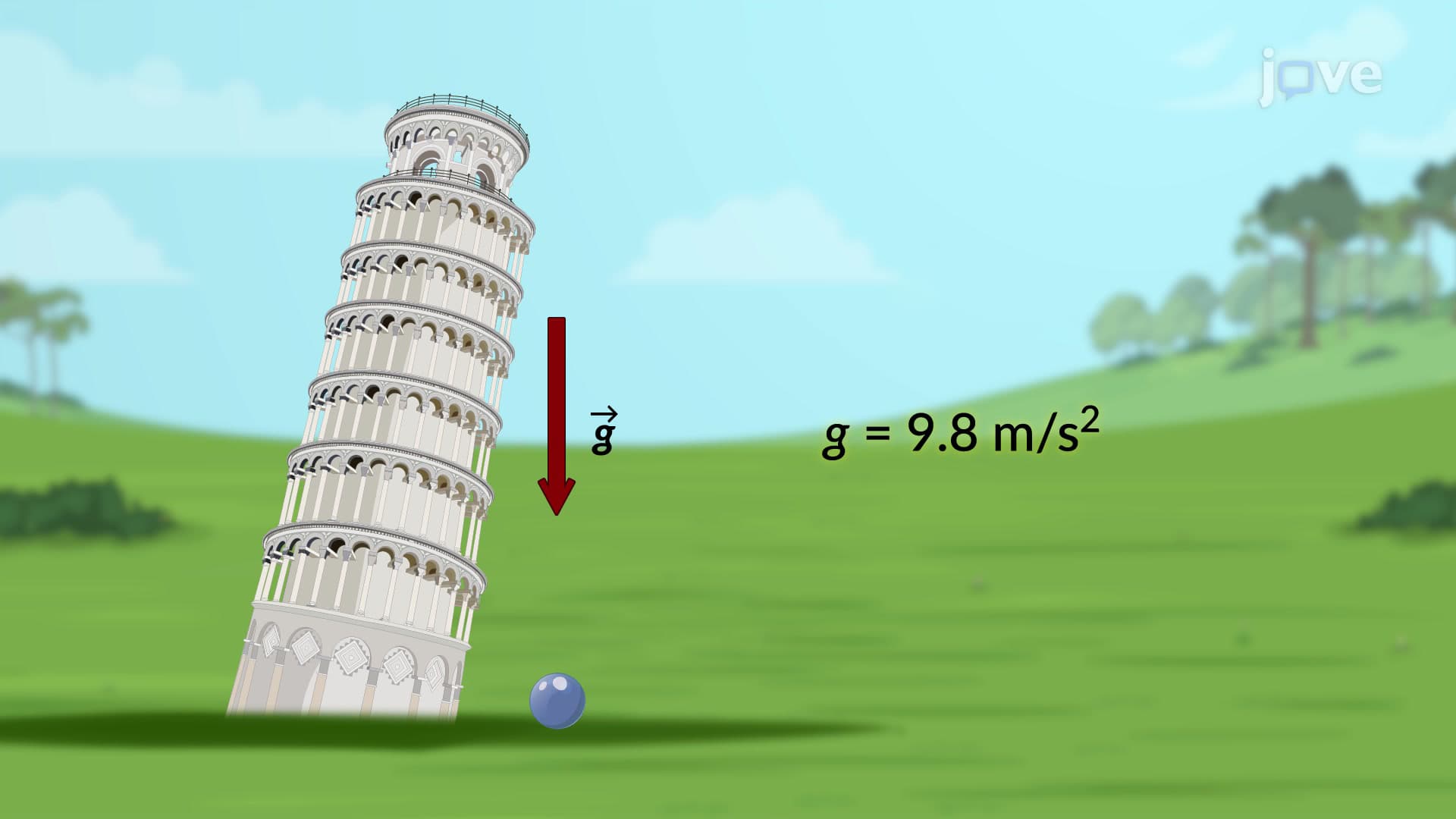
This concept frequently appears on AP Physics exams and college-level mechanics courses, particularly in problems involving circular motion and gravitational fields. Students should understand that g = 9.8 m/s² represents an average value—actual measurements range from about 9.78 m/s² at the equator to 9.83 m/s² at the poles. NASA engineers must account for these variations when calculating rocket trajectories, and precision manufacturing requires gravitational corrections for extremely sensitive measurements.
Frequently Asked Questions
Variation in acceleration due to gravity refers to the measurable differences in gravitational field strength across Earth's surface. These differences result from Earth's rotation creating centripetal forces and its oblate shape placing different locations at varying distances from the planet's center. The acceleration ranges from about 9.78 m/s² at the equator to 9.83 m/s² at the poles.
AP Physics C and college mechanics courses often test this through problems involving apparent weight, circular motion, and gravitational field calculations. Students typically solve for apparent weight at different latitudes or calculate the centripetal acceleration component. Expect questions asking you to compare scale readings at different Earth locations or analyze vector components of forces.
You should be comfortable with basic vector addition, circular motion concepts, and Newton's laws. Understanding centripetal acceleration (v²/r) and how to resolve vectors into components will help significantly. Most high school physics students can grasp this concept after covering rotational motion and gravitational fields.
NASA's Kennedy Space Center location takes advantage of Earth's rotation for rocket launches, gaining extra velocity from the equatorial bulge. Precision manufacturing companies use gravitational correction factors for sensitive measurements. GPS satellites must account for gravitational variations to maintain accurate positioning data across different latitudes.
While not a primary focus, MCAT physics sections occasionally include gravitational field problems that test understanding of forces and circular motion. The concept might appear in passages about space medicine or physiological effects of altered gravity. Focus on understanding the underlying physics principles rather than memorizing specific numerical values.
Create vector diagrams showing forces at different latitudes, practice calculating centripetal acceleration components, and work through numerical problems comparing apparent weights. Use real examples like comparing your weight in Florida versus Alaska to make the concept concrete and memorable.
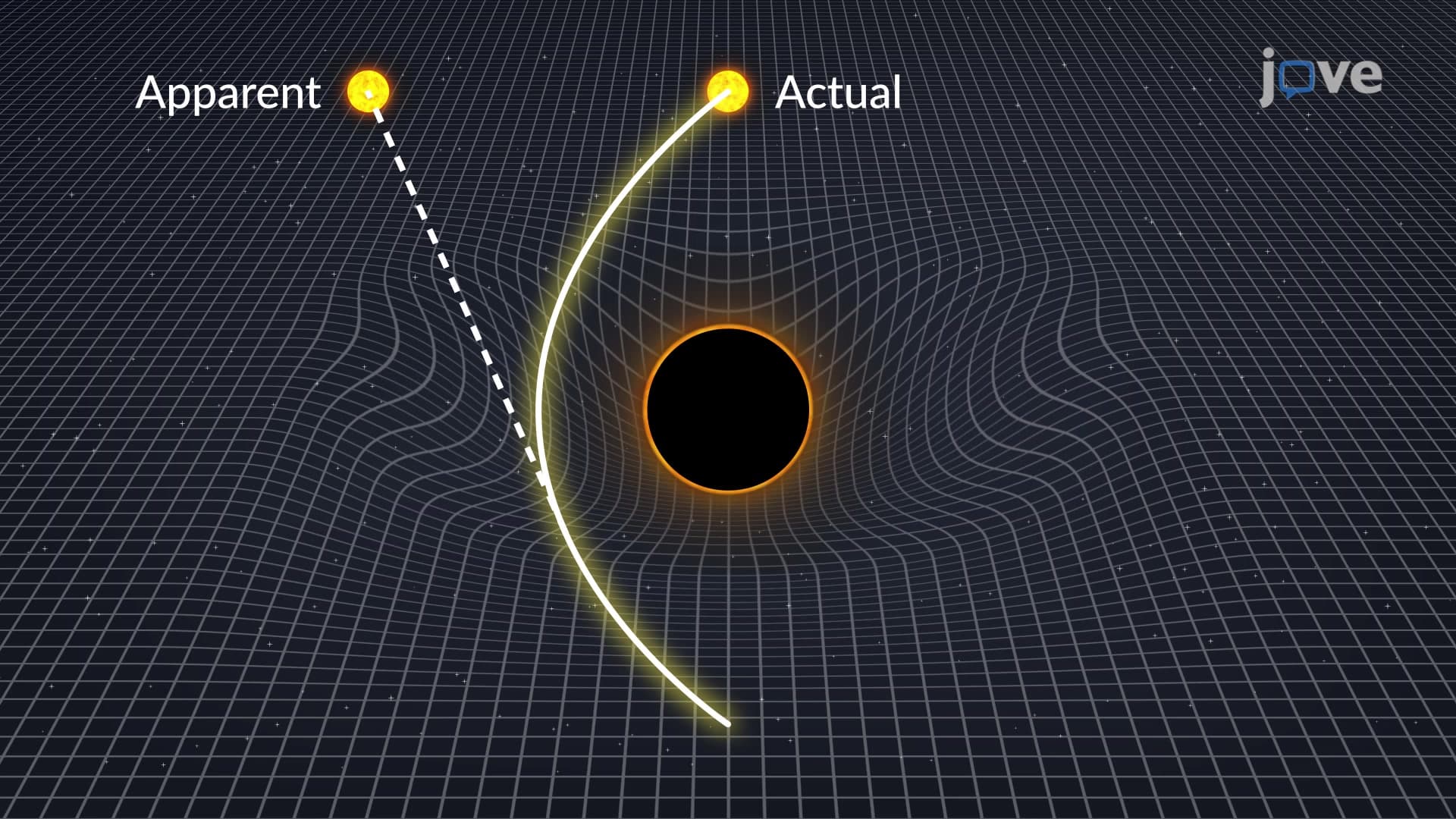
This concept leads naturally to Einstein's general relativity, where gravity isn't a force but spacetime curvature. It also connects to geophysics studies of Earth's interior structure and satellite orbital mechanics. Advanced students might explore how local geological features create additional gravitational anomalies used in oil and mineral exploration.
Related Micro-courses
Related Subjects
 Math Fundamentals 11 micro-courses›
 Statistics 17 micro-courses›