Loading subject page…


101,501 views

Video Summary: What Is Detection of Black Holes
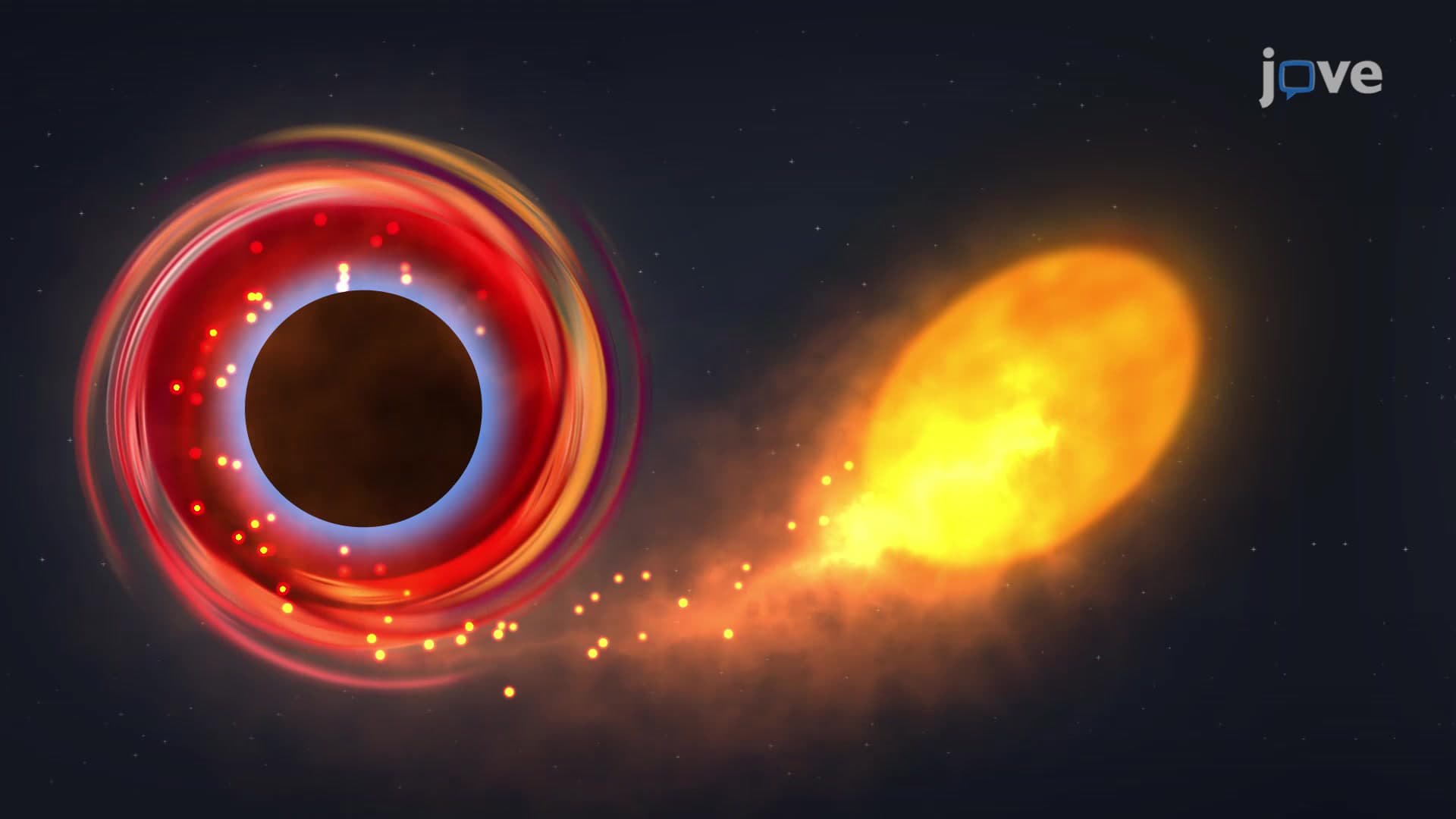
Black holes remain invisible to direct observation, yet NASA's Chandra X-ray Observatory has detected thousands of them across our galaxy. Detection of black holes relies on observing the superheated matter spiraling into these cosmic giants, which emits powerful X-rays detectable by space telescopes. When astronomers studied the supermassive black hole at the center of our Milky Way galaxy, they tracked stars orbiting at incredible speeds to confirm its presence. What is detection of black holes becomes clearer when we understand that we're essentially looking for the gravitational fingerprints these invisible objects leave behind. Watch the full video on JoVE Coach to master this concept with expert-led visuals and step-by-step explanations.
Detection of black holes represents one of astronomy's greatest detective challenges. Since black holes trap light within their event horizons, astronomers must rely on indirect evidence to confirm their existence. The detection of black holes definition centers on identifying the gravitational and electromagnetic signatures these invisible objects create in their surrounding environment.
The primary method for detection of black holes involves observing X-ray emissions from superheated matter. As material spirals toward a black hole, it forms an accretion disk where particles accelerate to nearly the speed of light. This relativistic motion generates friction and magnetic field interactions, heating the disk to temperatures exceeding 100 million degrees Celsius. At these extreme temperatures, the matter emits high-energy X-rays that penetrate space and reach Earth-based detectors.
NASA's Chandra X-ray Observatory and the European Space Agency's XMM-Newton telescope have revolutionized our understanding detection of black holes by mapping these X-ray signatures across the cosmos. The intensity and variability of X-ray emissions provide crucial data about the black hole's mass, spin rate, and feeding behavior. For students preparing for AP Physics or college astronomy courses, understanding this relationship between gravitational energy conversion and electromagnetic radiation is fundamental.
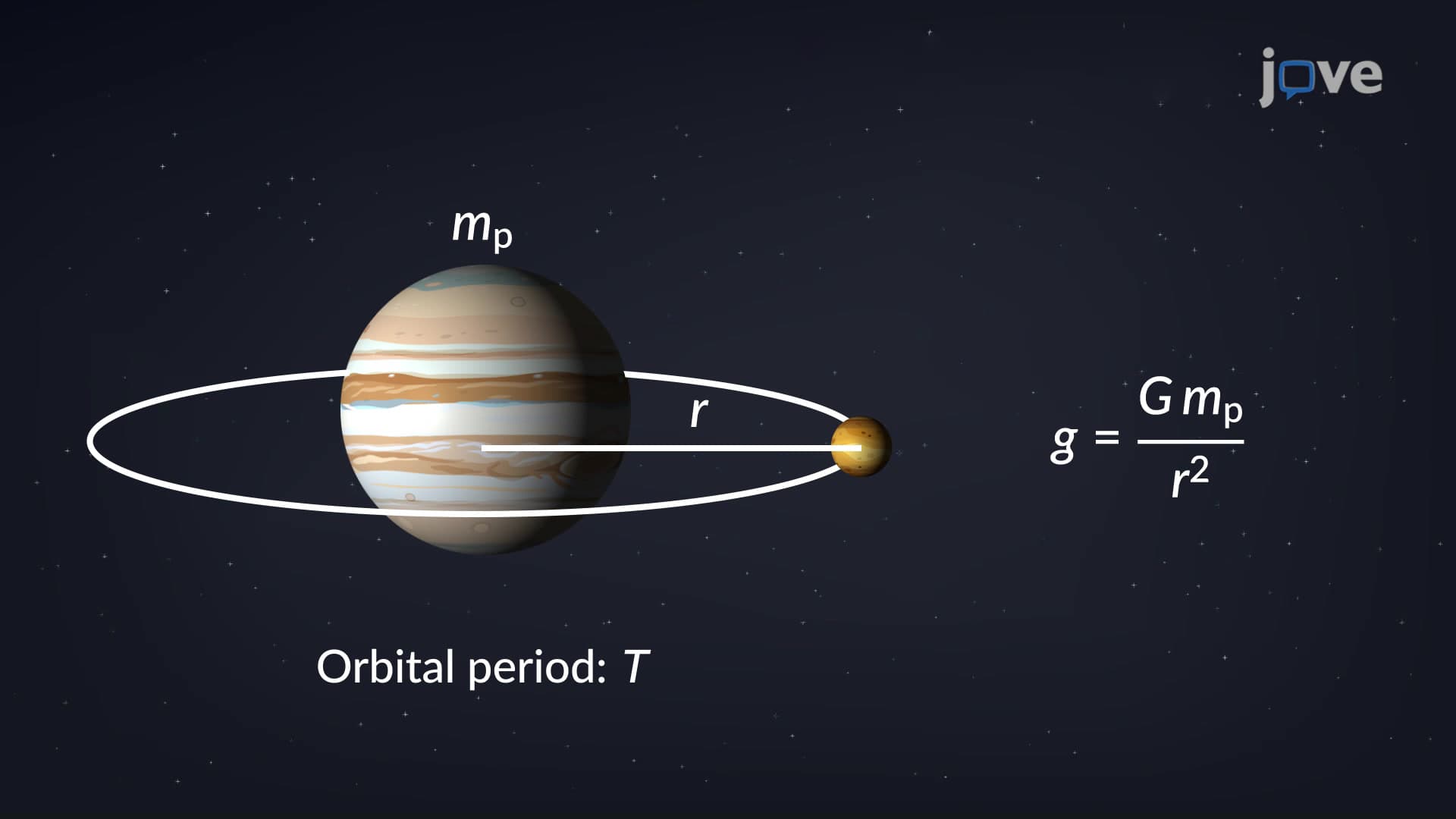
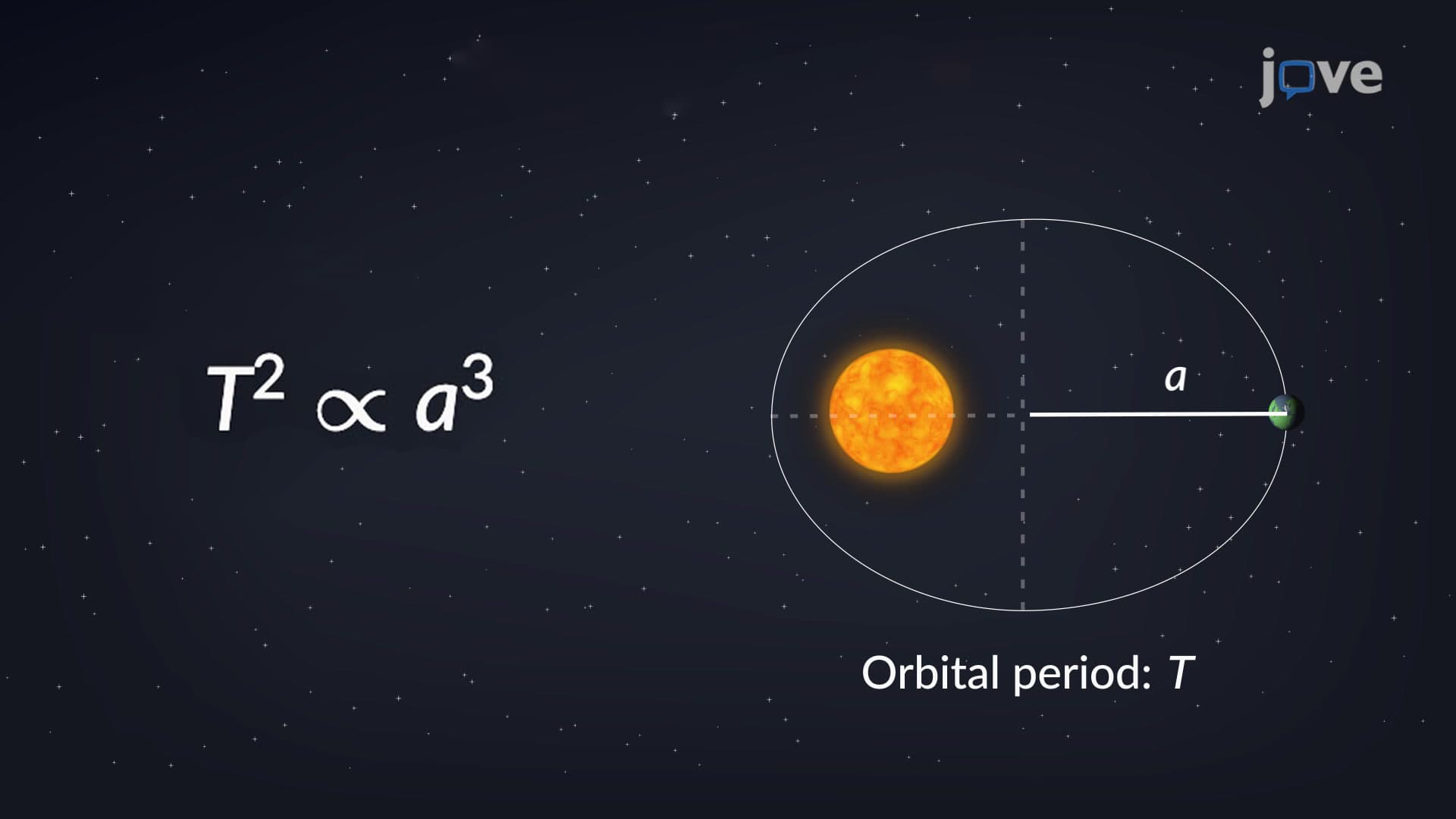
Supermassive black holes at galactic centers are detected through their gravitational influence on nearby stars. The detection of black holes study guide approach here involves precise measurements of stellar velocities and orbital periods. Using Kepler's third law (T² ∝ a³/M), astronomers can calculate the central mass causing these rapid stellar orbits.
The Milky Way's central black hole, Sagittarius A*, was confirmed through decades of tracking stars orbiting at distances closer than Neptune's orbit around our Sun, yet moving at speeds reaching 7,000 kilometers per second. This detection of black holes concept demonstrates how gravitational physics principles learned in introductory courses scale to extreme cosmic environments.
Contemporary detection of black holes overview includes gravitational wave astronomy, pioneered by LIGO's detection of merging black hole pairs. This breakthrough opened an entirely new observational window, allowing direct detection of black hole collisions occurring billions of years ago. Students studying for the MCAT or advanced physics courses should understand how these multi-messenger astronomy approaches combine electromagnetic, gravitational, and particle detection methods to provide comprehensive black hole characterization.
Related Micro-courses