Loading subject page…

- Physics
- Gravitation
- The Principle of Superposition and the Gravitational Field
Micro-course: Gravitation
101,500 views
Learn key concepts and earn your certificate.
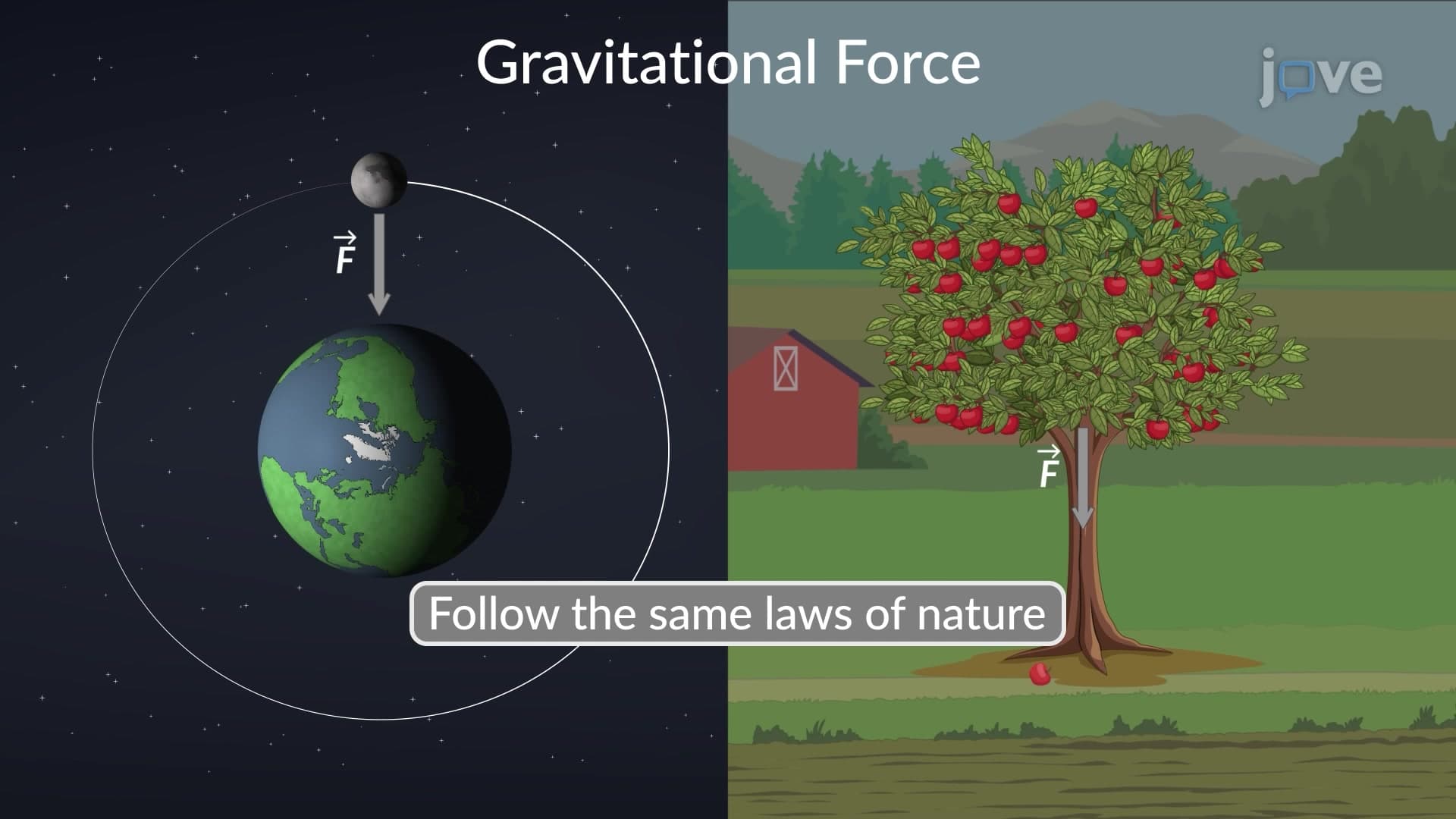

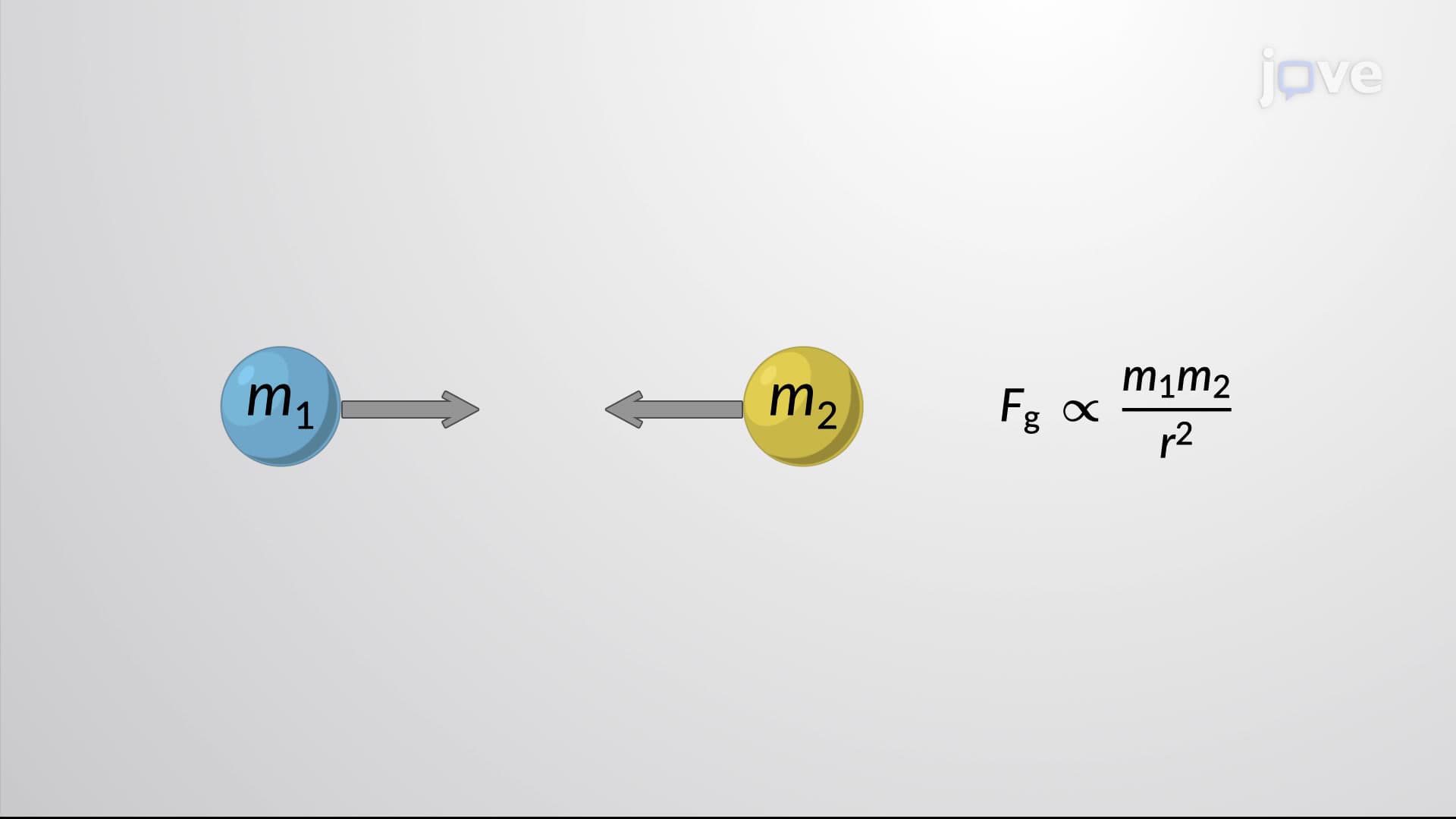
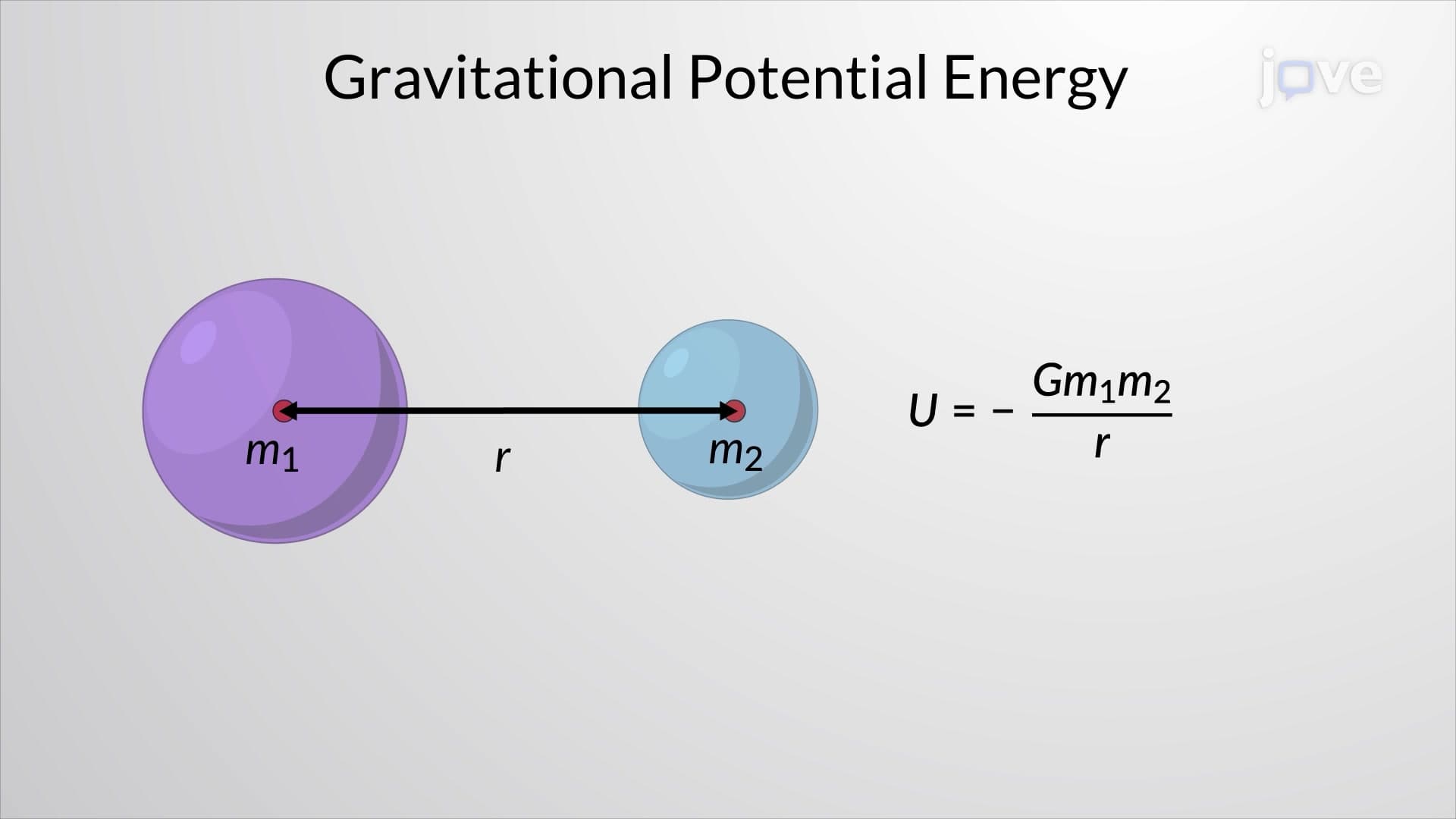
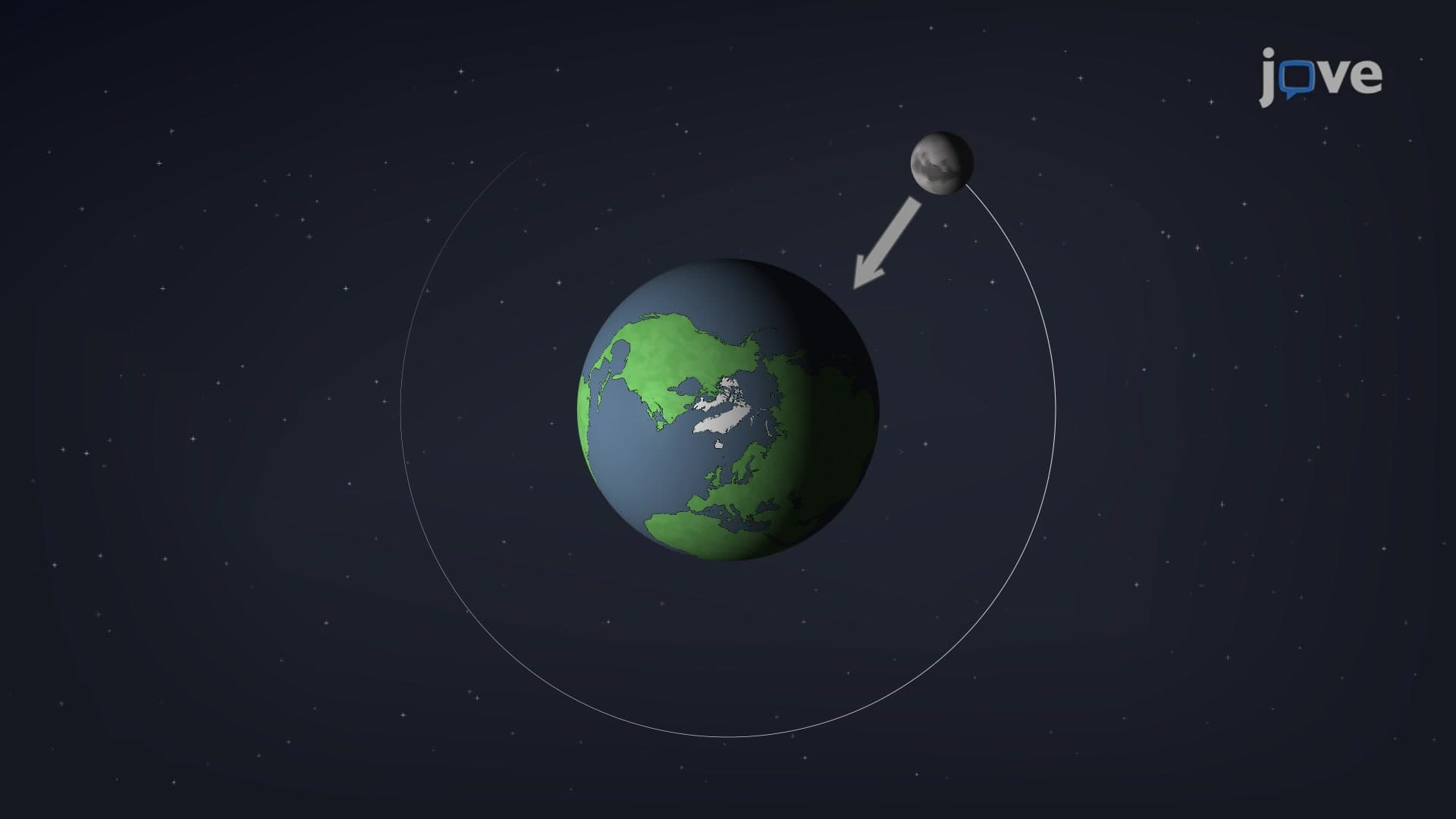
The Principle of Superposition and the Gravitational Field

00:00
01:17
Video Summary: The Principle of Superposition and Explained
Ever wonder how NASA calculates the gravitational pull on satellites orbiting Earth while influenced by both Earth and the Moon simultaneously? The principle of superposition and gravitational field analysis makes this complex calculation possible by treating each gravitational source independently, then combining their effects. For instance, when the International Space Station orbits Earth, engineers must account for gravitational forces from Earth, the Moon, and even the Sun using The Principle of Superposition And Explained methodology. Watch the full video on JoVE Coach to master this concept with expert-led visuals and step-by-step explanations.
- Understand The Principle of Superposition And Explained concept and how it applies to calculating net gravitational fields from multiple sources
- Identify how individual gravitational fields combine vectorially to produce resultant field effects in complex systems
- Analyze differential mass elements within extended objects and apply integration techniques to determine total gravitational field contributions
- Apply superposition principles to solve problems involving spherical objects with uniform density distributions
- Recognize how the superposition method simplifies complex gravitational calculations by treating extended objects as collections of point masses
- Evaluate real-world scenarios where multiple gravitational sources affect particle motion simultaneously
- Compare gravitational field calculations for point masses versus extended objects using superposition techniques
- Explore mathematical integration methods used to determine net gravitational effects from continuous mass distributions
Understanding The Principle of Superposition And Its Foundation
The principle of superposition and gravitational field theory represents one of physics' most elegant problem-solving approaches. This fundamental concept states that when multiple gravitational sources exist, the net gravitational field at any point equals the vector sum of individual gravitational fields produced by each source acting independently. This principle proves invaluable for analyzing complex systems where multiple masses influence particle motion simultaneously.
The mathematical foundation relies on gravitational field definition: g = F/m, where gravitational field (g) equals gravitational force (F) divided by test particle mass (m). When multiple masses exist, each produces its own gravitational field, and these fields combine according to vector addition rules.
Applying Superposition to Extended Objects
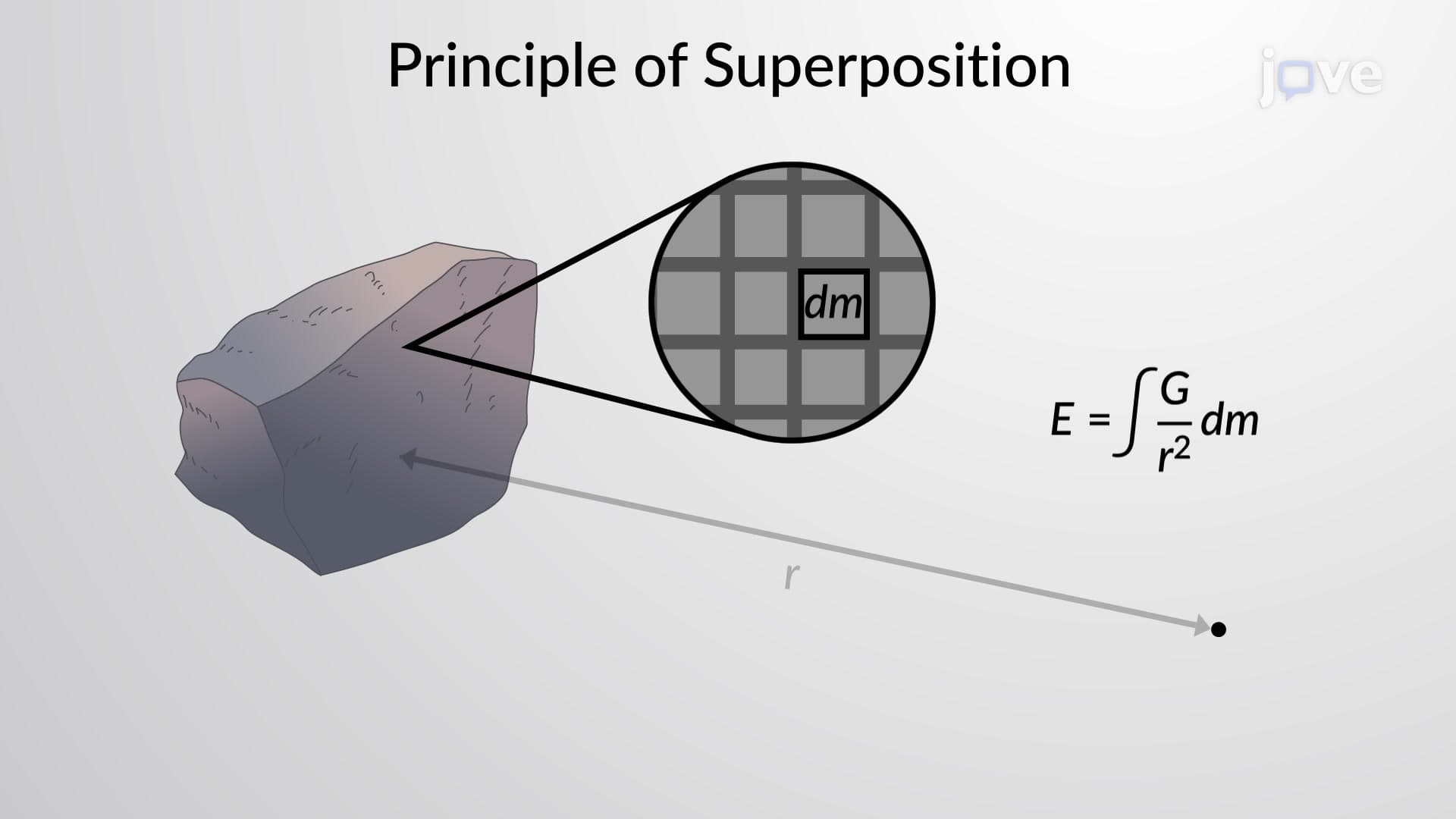
Real objects possess definite shapes and mass distributions, making direct point-mass calculations insufficient. The principle of superposition and integration techniques solve this challenge by dividing extended objects into infinitesimal mass elements. Each differential mass element dm produces a differential gravitational field dg at specified distances.
Consider analyzing a uniform sphere - a common scenario in AP Physics and college mechanics courses. Engineers divide the sphere into concentric spherical shells, each with differential mass dm = ρ × dV, where ρ represents density and dV represents differential volume. The superposition principle requires integrating these differential field contributions over the entire object's volume.
Real-World Applications and Problem-Solving
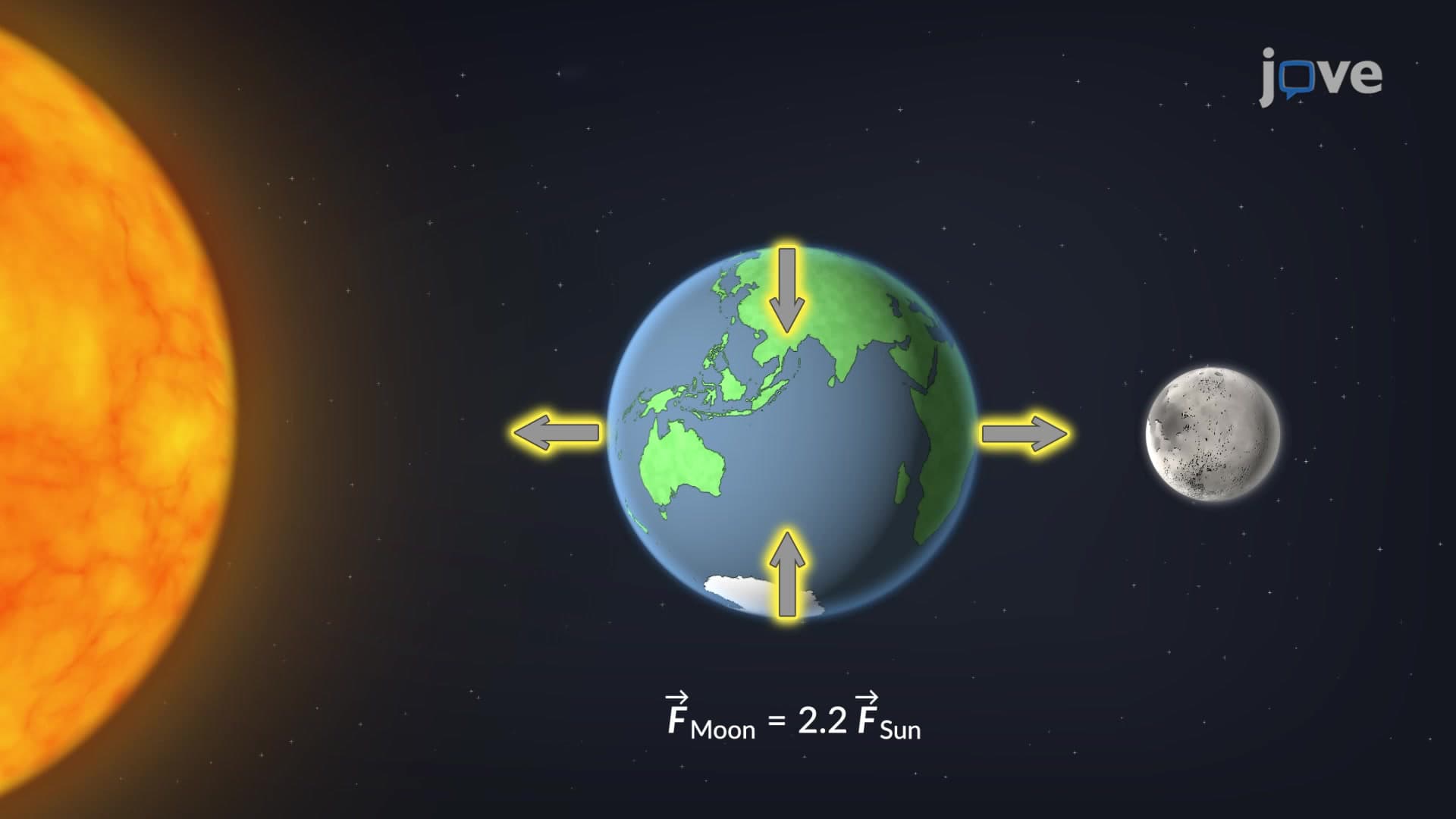
NASA engineers routinely apply the principle of superposition and gravitational analysis when planning spacecraft trajectories. During Apollo missions, trajectory calculations required accounting for Earth's gravitational field, lunar gravitational effects, and solar gravitational influences simultaneously. Each celestial body's gravitational contribution was calculated independently, then vectorially combined using superposition principles.
For college physics students preparing for MCAT or AP Physics exams, superposition problems typically involve calculating net gravitational fields from multiple point masses or extended objects. The key insight: treat each mass source independently, calculate individual field contributions, then combine results using vector addition.
Mathematical Integration and Practical Results
The integration process for spherical objects with uniform density yields a remarkable result. When integrating differential field contributions from r = 0 to r = R (sphere radius), the mathematical result equals the gravitational field produced by an equivalent point mass located at the sphere's center. This outcome simplifies complex calculations and explains why planetary gravitational fields can be approximated using point-mass models for distant observations.
This mathematical elegance appears frequently in standardized exams, where students must recognize when complex extended objects can be treated as simple point masses using superposition principles.
Frequently Asked Questions
The principle of superposition states that the net gravitational field at any point equals the vector sum of gravitational fields from individual mass sources. Each mass contributes independently to the total field, allowing complex multi-body problems to be solved by calculating individual contributions separately, then combining them vectorially.
AP Physics C and college mechanics exams frequently test superposition through problems involving multiple point masses or extended objects creating gravitational fields. Students must identify individual field contributions, apply correct vector addition techniques, and often use integration for continuous mass distributions. MCAT physics sections also include superposition applications in gravitational and electric field contexts.
Mathematical integration using superposition principles proves that uniform spherical objects produce identical gravitational fields to point masses located at their centers. This simplification allows students to solve complex planetary motion problems without complicated integration calculations, focusing instead on vector addition and force analysis skills tested on standardized exams.
NASA's Jet Propulsion Laboratory uses superposition daily for spacecraft navigation, calculating trajectories influenced by multiple celestial bodies simultaneously. Weather satellites maintain stable orbits by accounting for Earth's primary gravitational pull plus perturbations from lunar and solar gravitational fields, all analyzed using superposition techniques.
Students comfortable with vector addition and basic calculus can master superposition concepts effectively. The principle builds naturally on familiar physics concepts like force addition and field theory. Most difficulty stems from vector mathematics rather than conceptual understanding, making practice with vector problems essential preparation.
Focus on systematic problem-solving approaches: identify all mass sources, calculate individual field contributions using appropriate formulas, then combine results using vector addition rules. Practice drawing field vector diagrams and master integration techniques for extended objects. Work through progressively complex problems from point masses to continuous distributions.
Both gravitational and electric fields follow identical superposition principles, since both represent inverse-square law phenomena. Students mastering gravitational superposition develop skills directly applicable to electrostatics problems in advanced physics courses. This conceptual bridge proves valuable for MCAT preparation and upper-level physics coursework.
Superposition principles extend to electromagnetic field theory, quantum mechanics wave functions, and fluid dynamics applications. Students planning engineering or physics majors will encounter superposition in courses covering Maxwell's equations, wave interference phenomena, and advanced mechanics topics like gravitational potential energy calculations.
Related Micro-courses


