Loading…
Loading video…

101,500 views
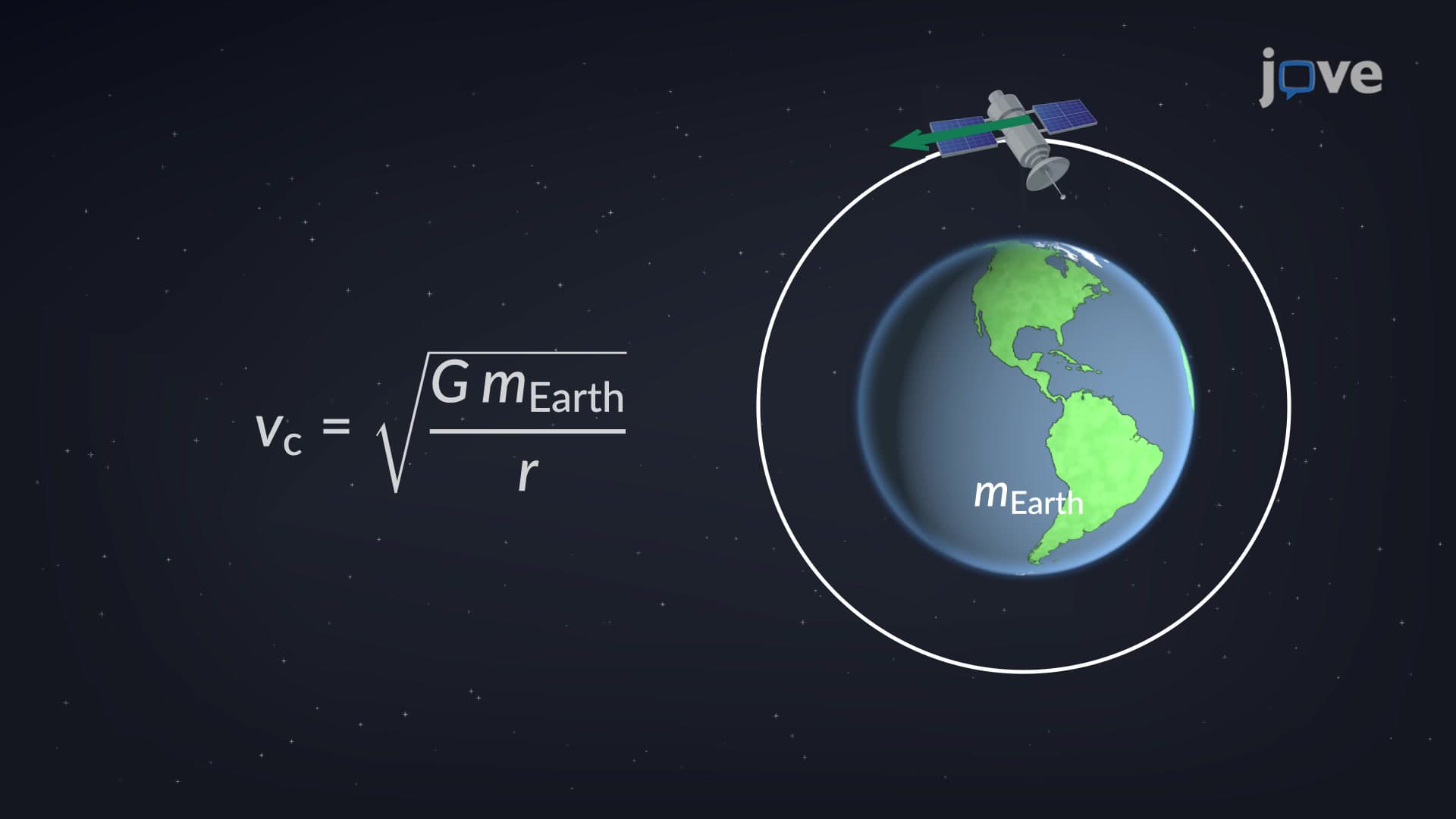
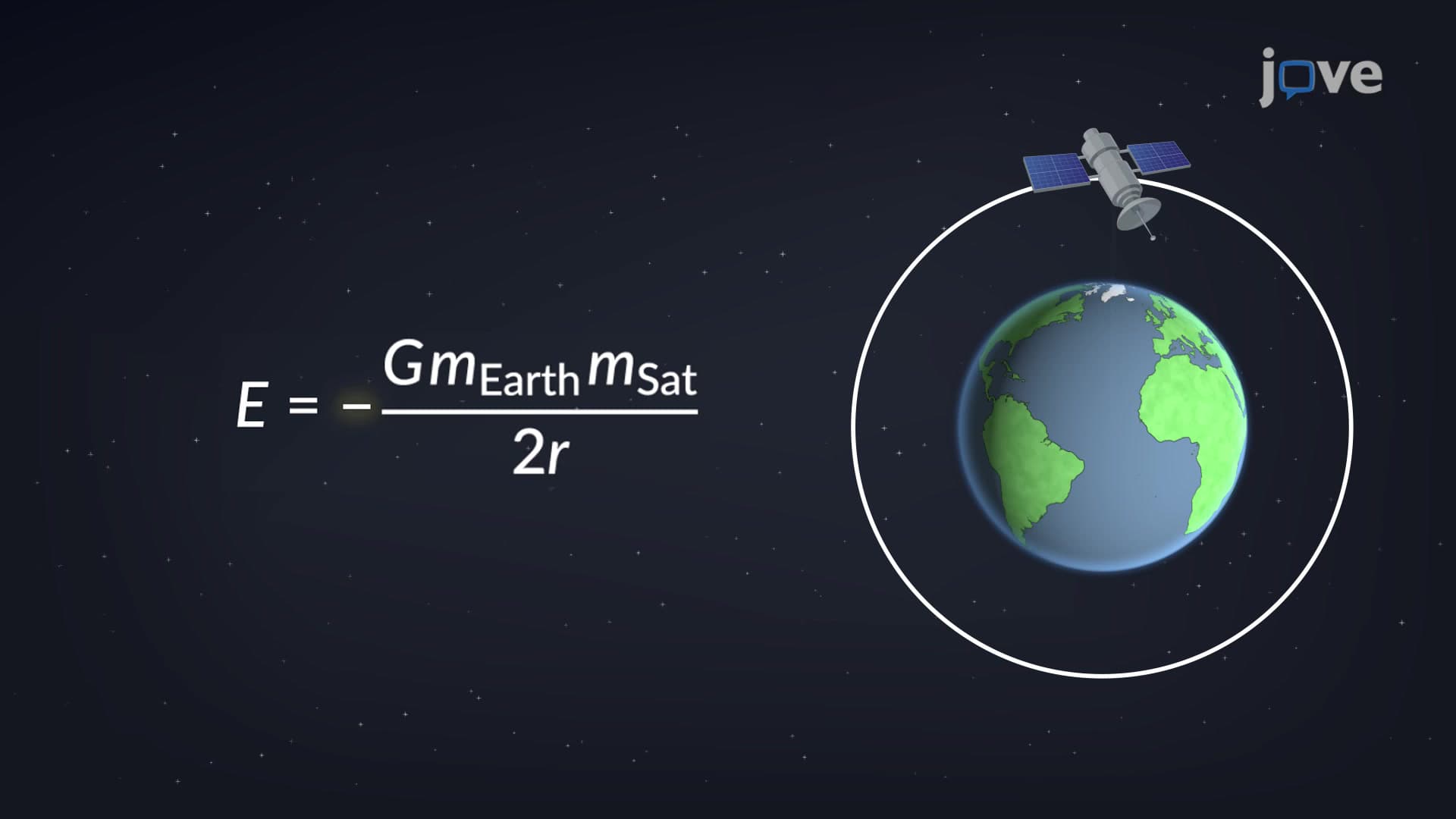
Ever wonder how the International Space Station stays perfectly positioned 250 miles above Earth without falling? Circular orbits and critical velocity represent the precise balance between gravitational pull and forward motion that keeps satellites like NASA's Hubble Space Telescope in stable paths around our planet. This fundamental physics concept explains why objects need exactly the right speed to maintain Circular Orbits And Critical Velocity Explained trajectories. Watch the full video on JoVE Coach to master this concept with expert-led visuals and step-by-step explanations.
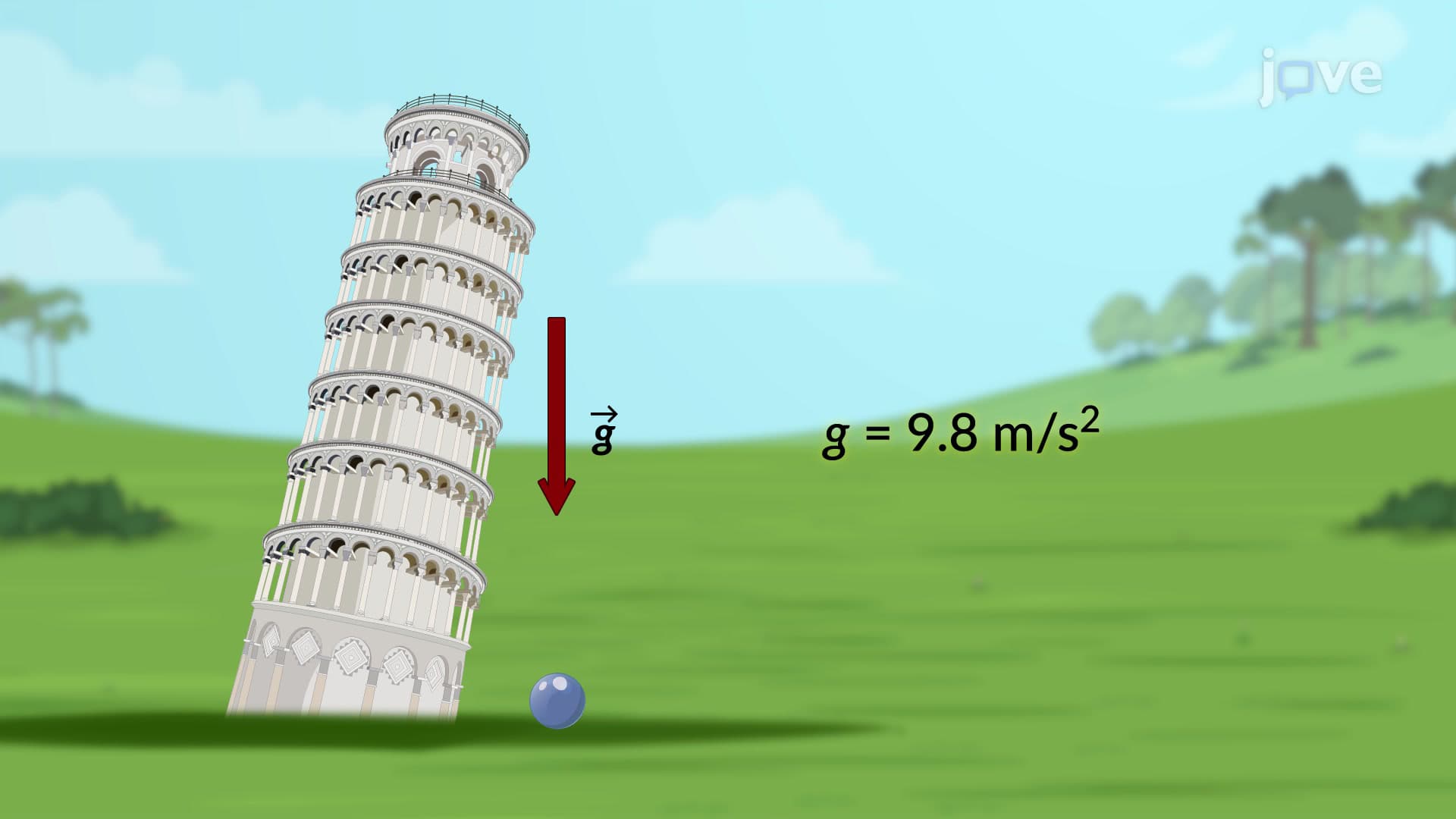
The transition from projectile motion to orbital mechanics represents one of physics' most elegant concepts. When an object is launched horizontally from a height, it follows a parabolic path under Earth's gravitational influence. However, as we increase the launch velocity, something remarkable happens—the trajectory extends further and further until reaching a critical threshold where the object never hits the ground.
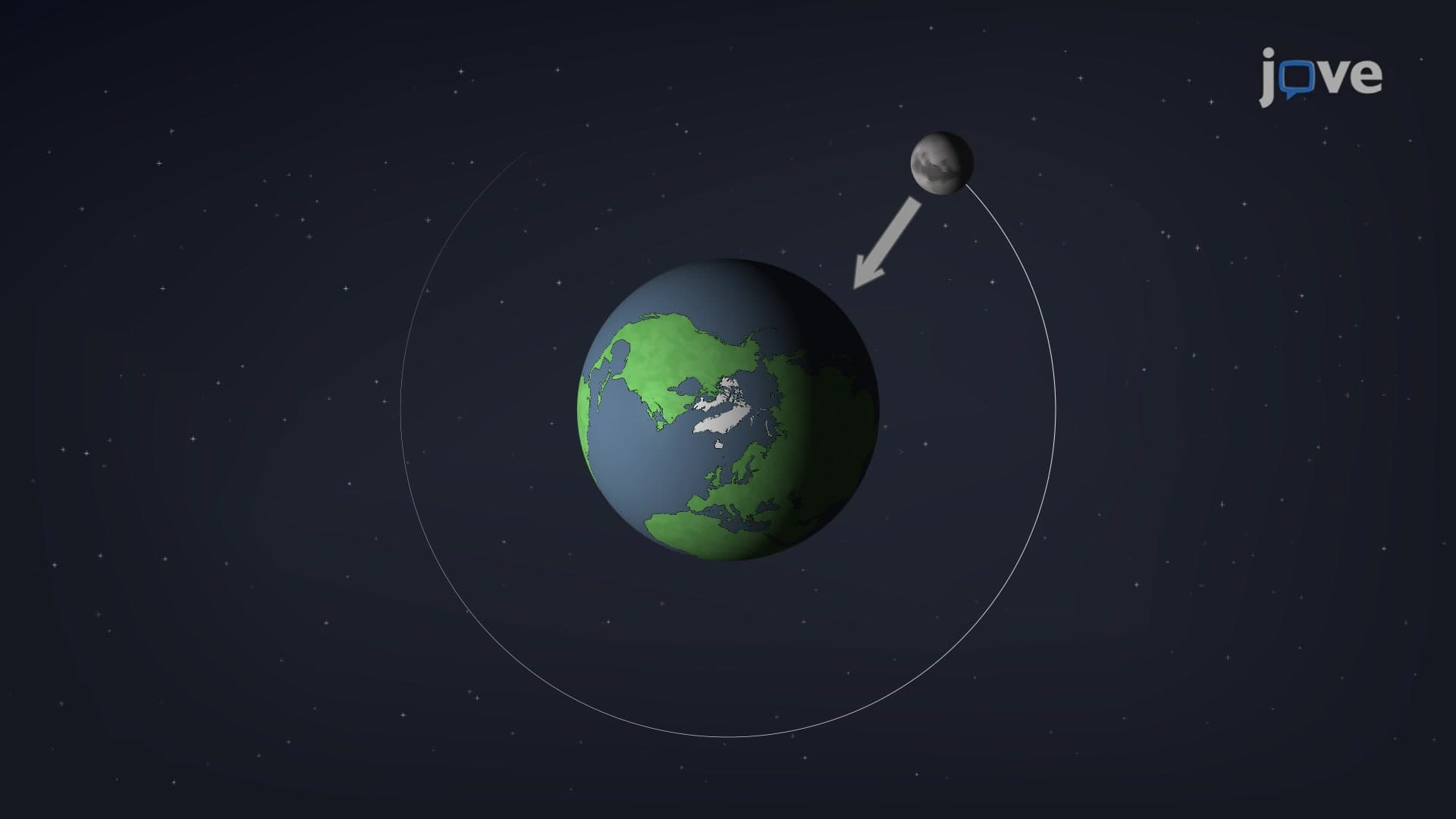
This critical velocity represents the minimum speed needed to achieve a stable circular orbit. At this precise velocity, the gravitational force pulling the object toward Earth's center exactly equals the centripetal force required to maintain circular motion. NASA engineers use this principle when calculating launch velocities for satellites, ensuring they achieve the correct orbital altitude and speed.
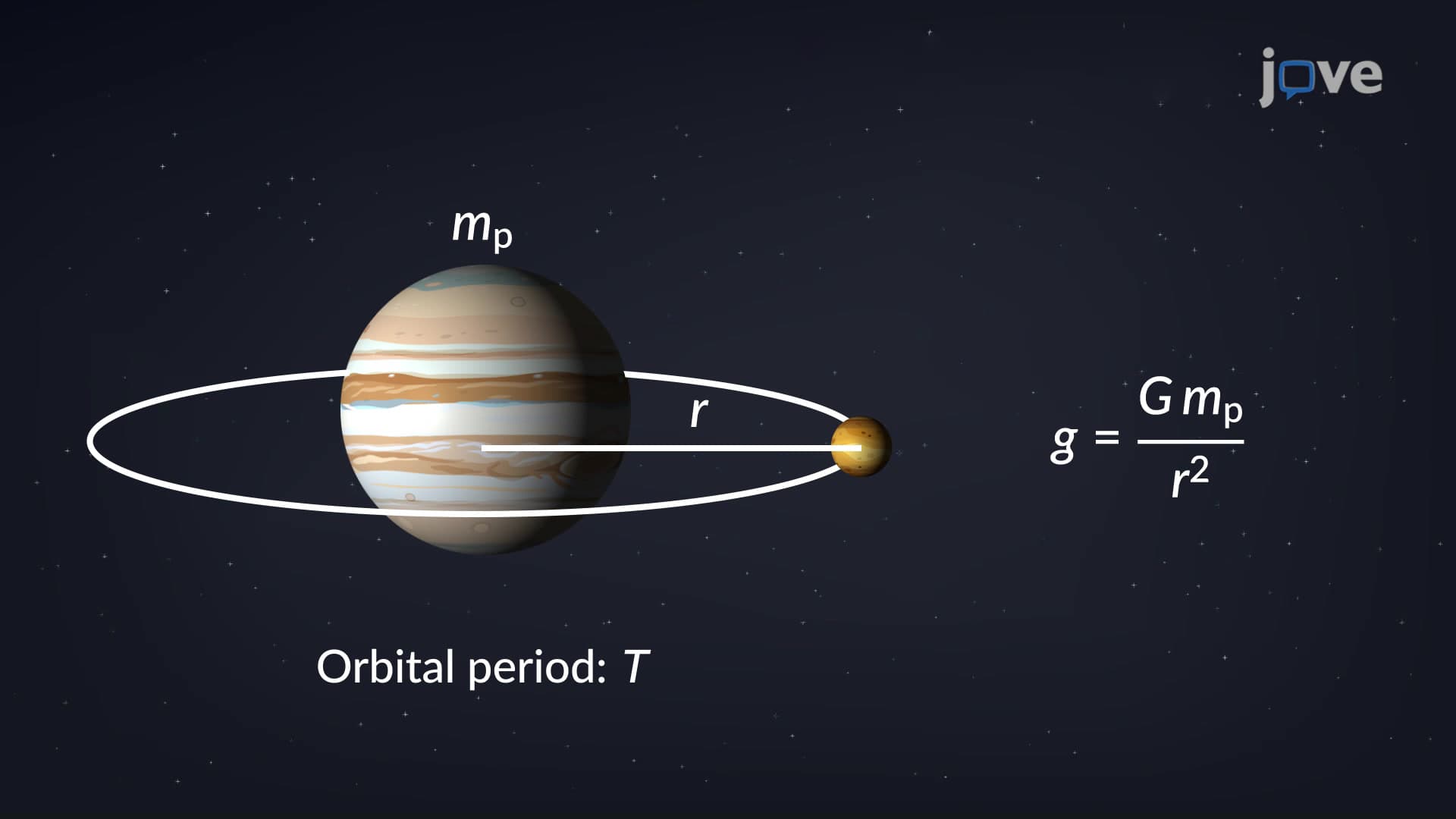
For circular orbits, the centripetal acceleration must equal gravitational acceleration: a(c) = g. Since centripetal acceleration equals v²/r and gravitational acceleration equals GM/r², we can derive the critical velocity formula: v(c) = √(GM/r). Here, G represents the universal gravitational constant (6.67 × 10⁻¹¹ m³/kg·s²), M equals Earth's mass (5.97 × 10²⁴ kg), and r represents the total distance from Earth's center.
This relationship explains why the International Space Station orbits at approximately 17,500 mph at its altitude of 250 miles above Earth's surface. Students preparing for AP Physics or college-level mechanics courses frequently encounter this formula on exams, particularly when analyzing satellite motion or comparing orbital velocities at different altitudes.
Understanding critical velocity proves essential for space mission planning. SpaceX engineers must calculate precise launch velocities for Starlink satellites, ensuring each reaches its designated orbital altitude. Weather satellites like GOES-16 require specific velocities to maintain geostationary orbits 22,236 miles above Earth's equator.
The concept also appears frequently on standardized exams. AP Physics C students encounter circular orbit problems requiring critical velocity calculations, while MCAT test-takers see related questions about centripetal force and gravitational interactions. College physics courses typically dedicate entire units to orbital mechanics, building from basic projectile motion through complex multi-body gravitational systems.
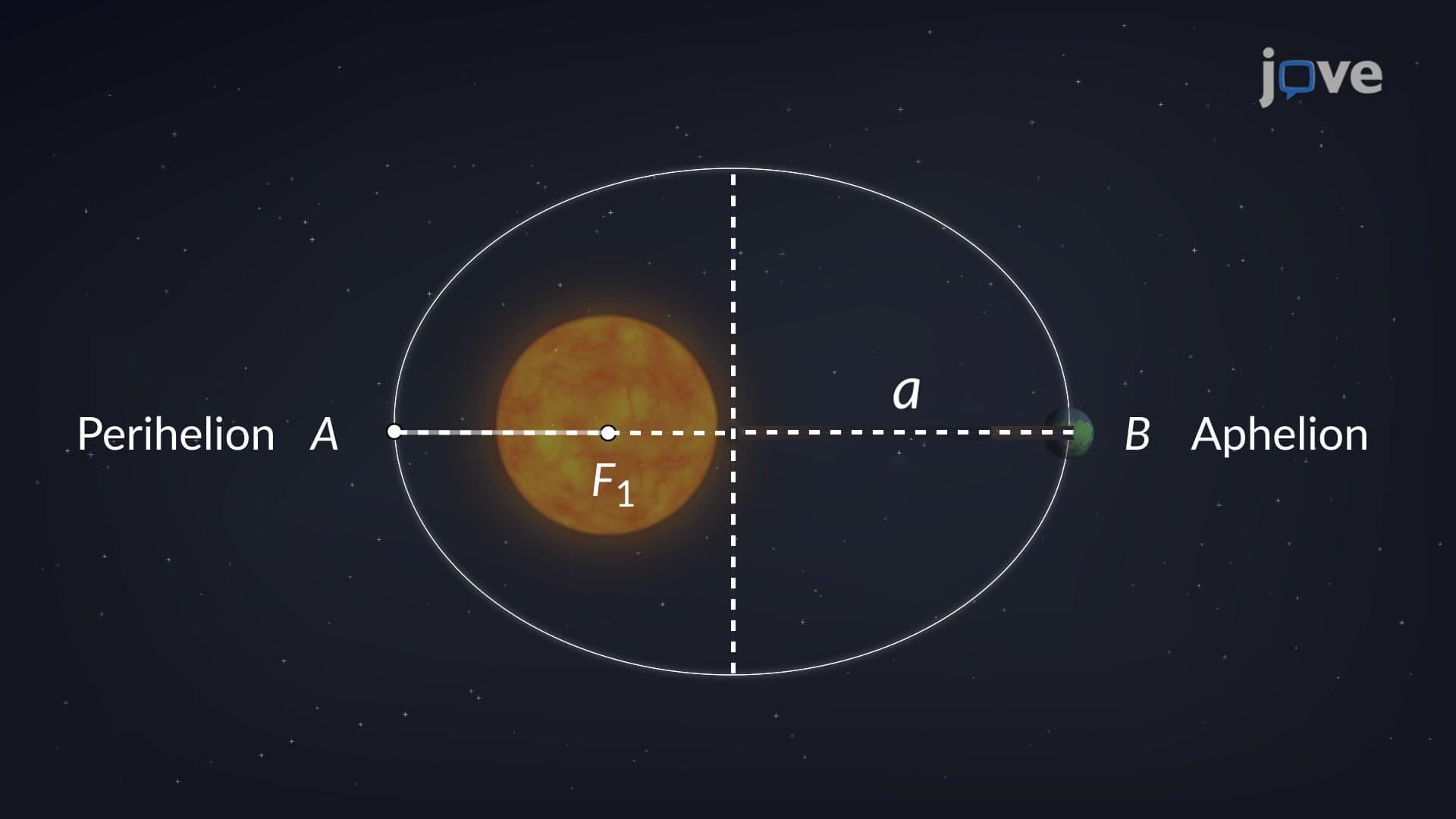
When launch velocity exceeds the critical value, objects follow elliptical rather than circular paths. This principle governs comet trajectories and interplanetary missions. NASA's Parker Solar Probe, for example, uses carefully calculated elliptical orbits to approach the Sun while maintaining sufficient velocity to escape its intense gravitational field.
Frequently Asked Questions
Circular orbits and critical velocity describe the exact speed needed for objects to orbit Earth in perfect circles without falling or escaping. It's the balance point where gravity's inward pull equals the centripetal force keeping the object moving in a curved path. This concept explains how satellites maintain stable positions around Earth.
Critical velocity is the minimum horizontal speed required for an object to achieve a stable circular orbit around Earth. At this velocity, gravitational acceleration equals centripetal acceleration, creating equilibrium. The formula v(c) = √(GM/r) calculates this speed based on Earth's mass and the orbital radius.
AP Physics C exams frequently include free-response questions requiring critical velocity calculations for satellites at various altitudes. Students must derive relationships between orbital radius, velocity, and gravitational force. Multiple-choice questions often compare orbital periods or velocities at different distances from Earth's center.
MCAT physics sections include circular orbit questions focusing on centripetal force relationships and energy conservation. Test-takers encounter scenarios comparing satellite velocities, calculating orbital periods, or analyzing gravitational potential energy changes. Understanding the v = √(GM/r) formula proves essential for these physics passages.
Introductory mechanics courses (Physics I) introduce basic orbital concepts, while intermediate classical mechanics classes explore advanced applications. Astronomy courses provide practical context through real satellite examples. Engineering physics programs emphasize computational approaches for mission planning and trajectory analysis.
NASA uses critical velocity calculations for every satellite launch, from the Hubble Space Telescope to Mars rovers during interplanetary transfers. Mission planners calculate precise velocities needed for desired orbital altitudes, ensuring satellites maintain stable positions for communication, weather monitoring, and scientific observation without constant course corrections.
Basic algebra and understanding of square roots suffices for fundamental circular orbit problems. Students comfortable with quadratic equations and simple trigonometry can master most applications. The key lies in recognizing when centripetal acceleration equals gravitational acceleration, then applying the standard formulas systematically.
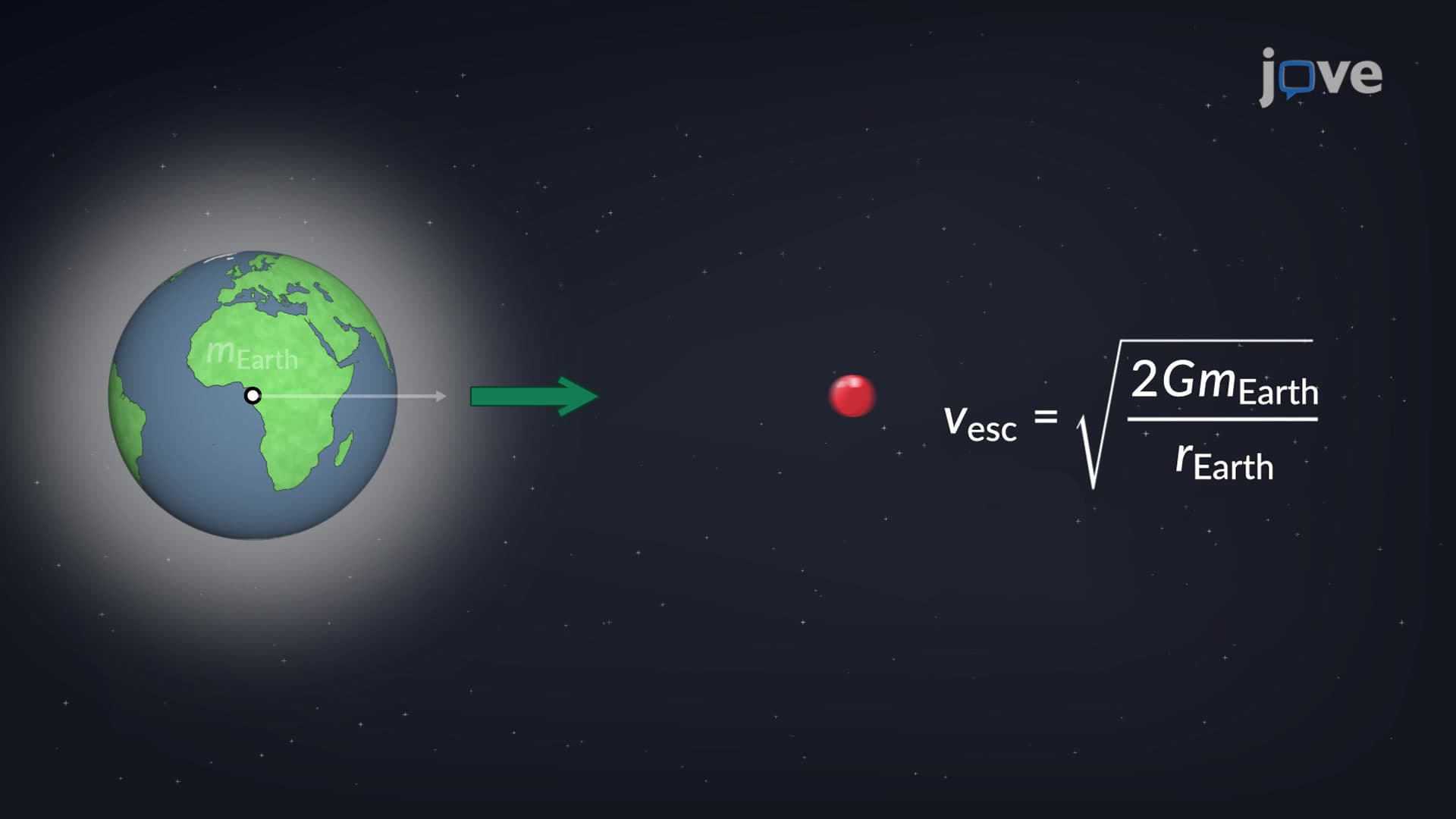
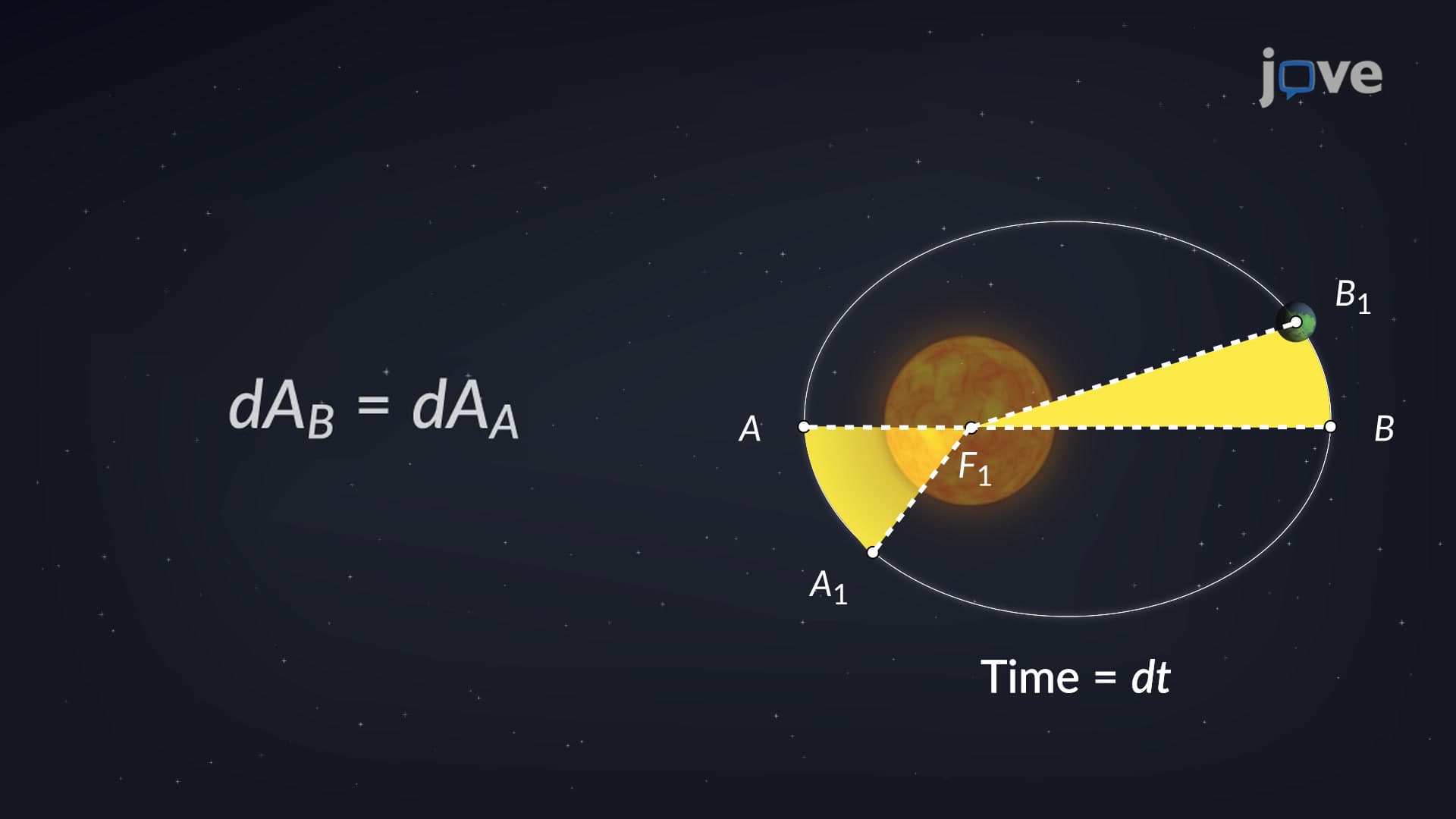
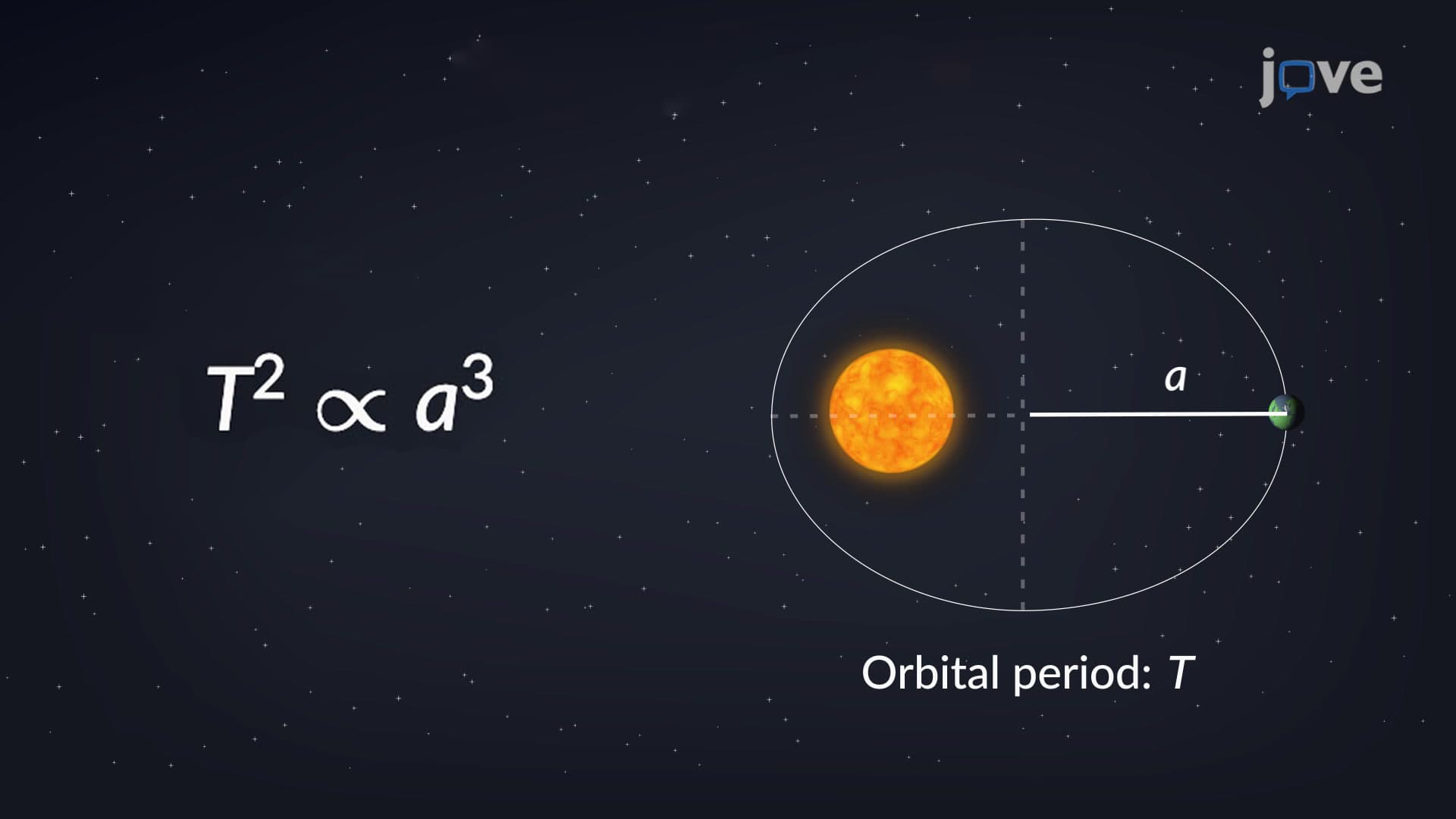
Progress to elliptical orbits, Kepler's laws, and gravitational potential energy. Advanced topics include orbital transfers, escape velocity, and multi-body gravitational systems. Students planning aerospace careers benefit from studying orbital mechanics, mission design, and computational methods for complex gravitational interactions.
Practice deriving the critical velocity formula from centripetal force principles rather than memorizing it. Work through problems involving different orbital altitudes and compare velocities systematically. Focus on understanding the physical meaning behind mathematical relationships, particularly why faster speeds create elliptical rather than circular orbits.
Related Micro-courses
Related Subjects
 Math Fundamentals 11 micro-courses›
 Statistics 17 micro-courses›