Loading subject page…

- Physics
- Gravitation
- Newton's Law of Gravitation
Micro-course: Gravitation
101,500 views
Learn key concepts and earn your certificate.
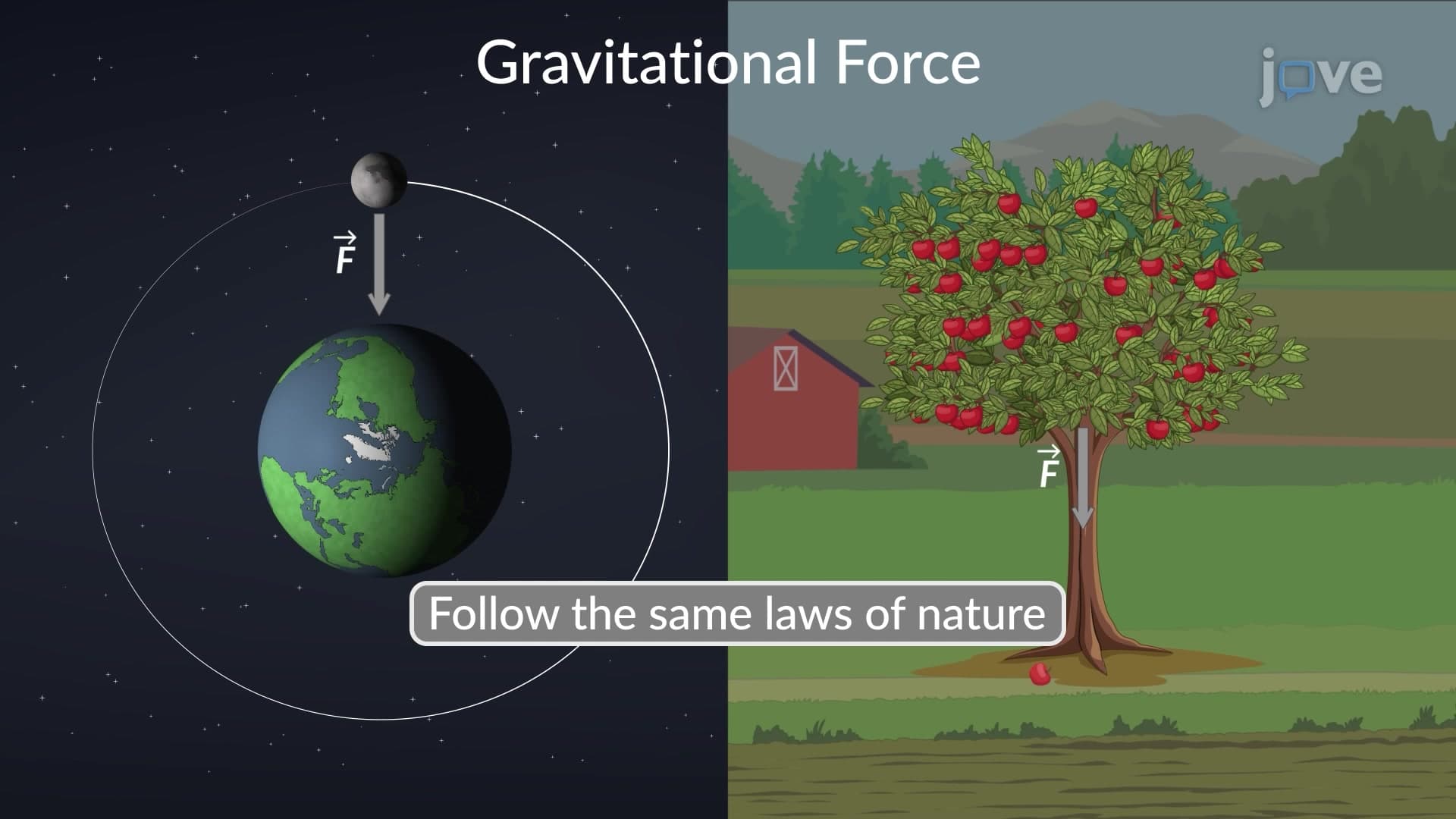

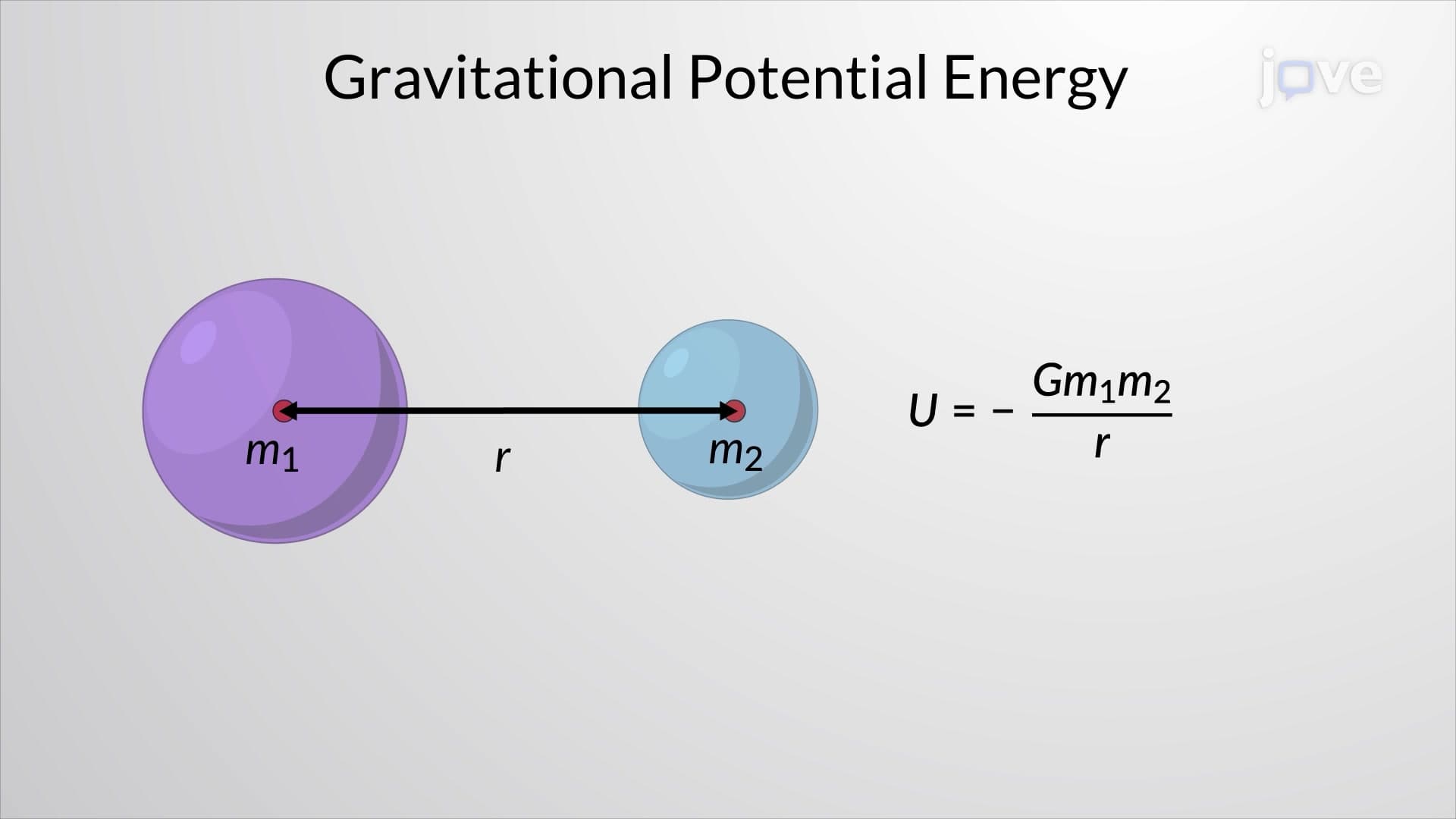
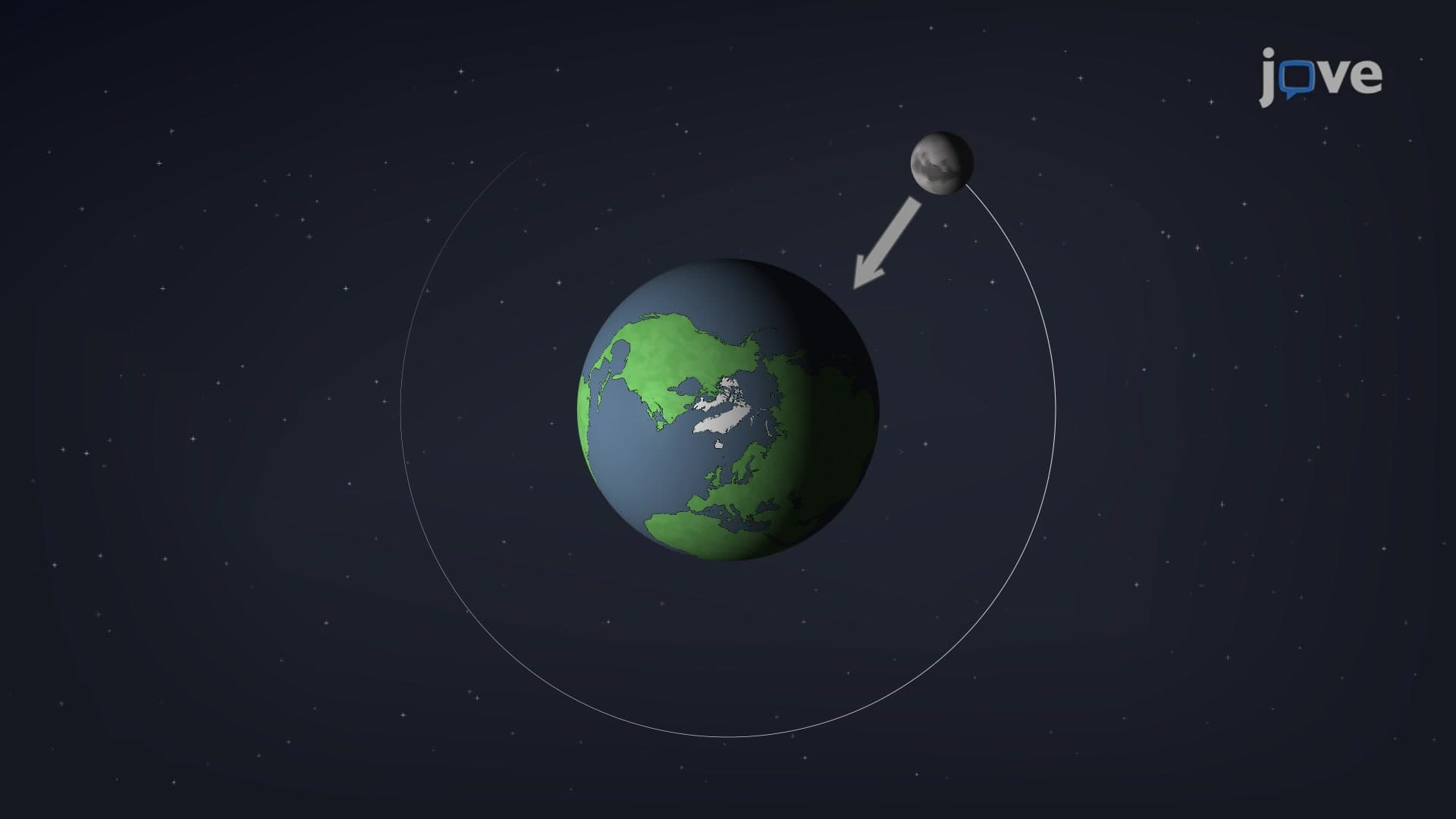
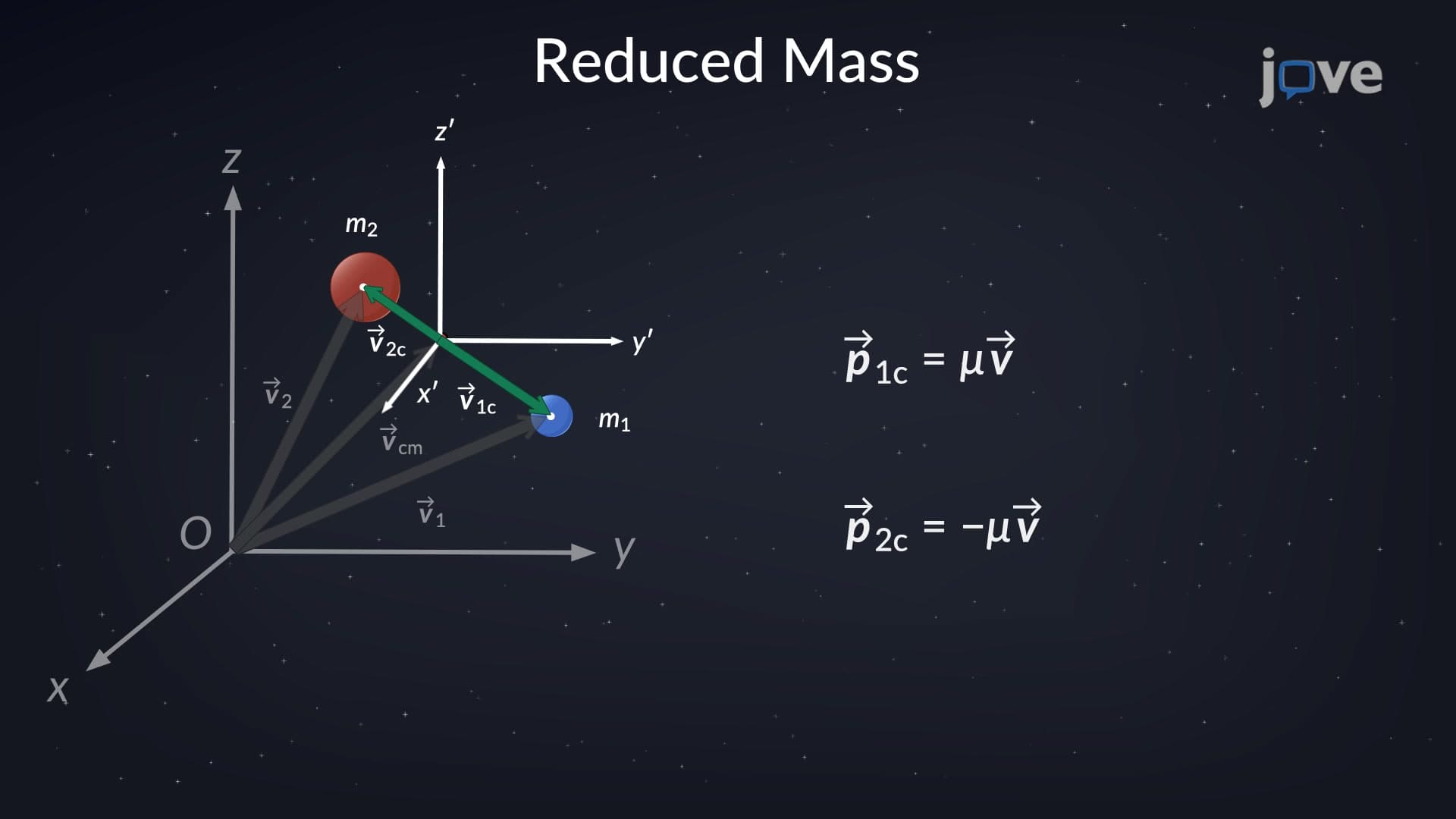
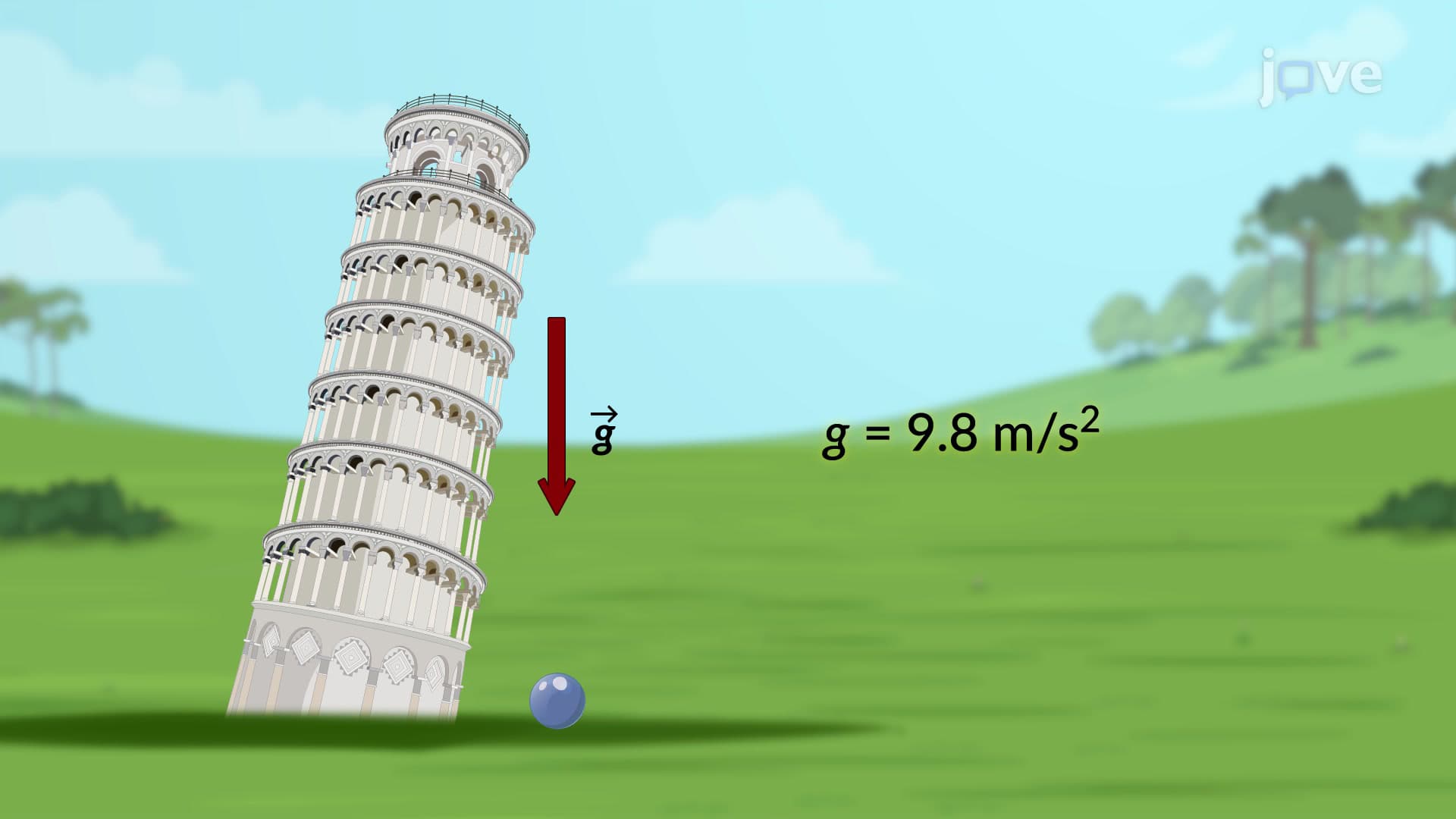
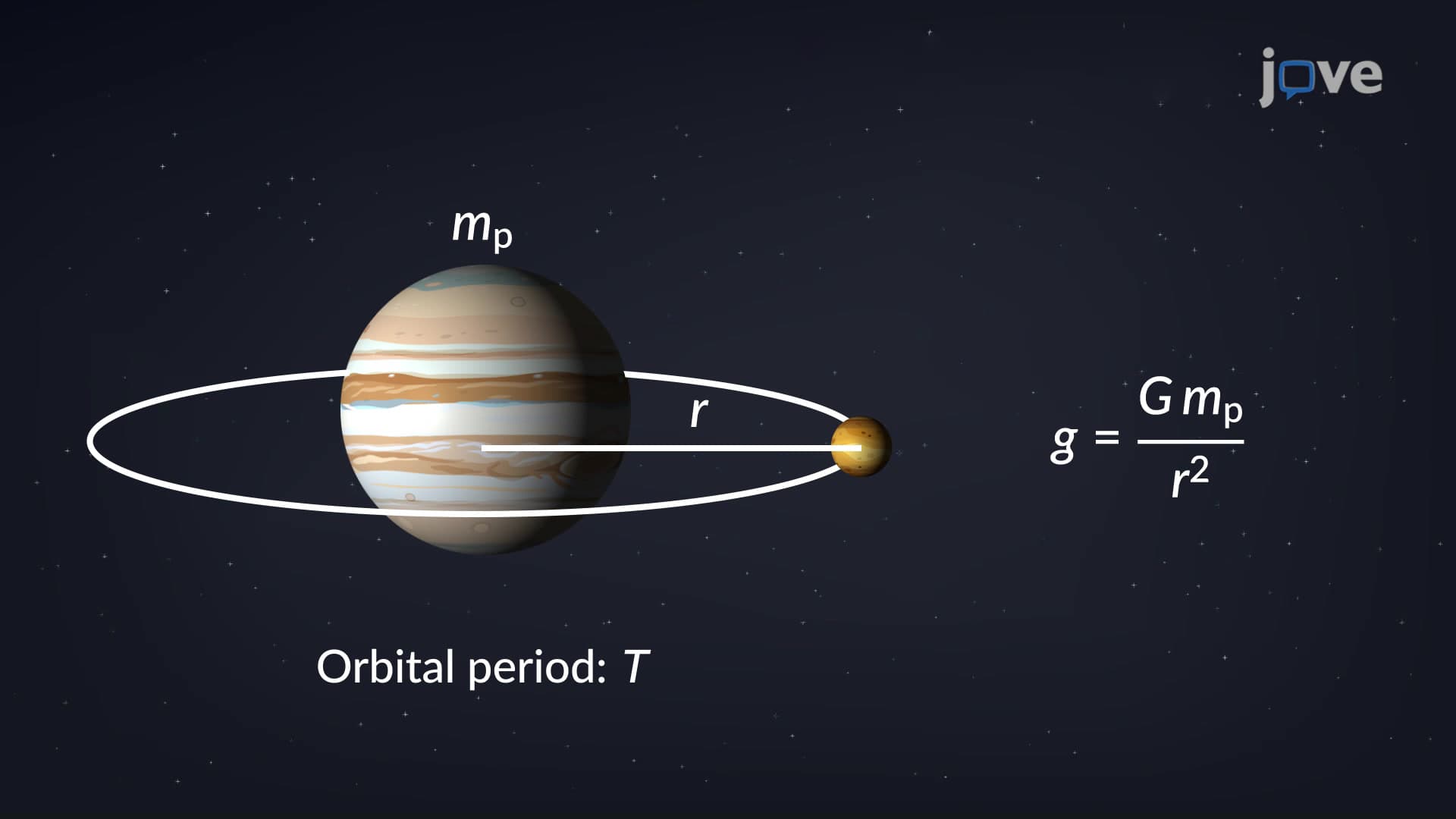
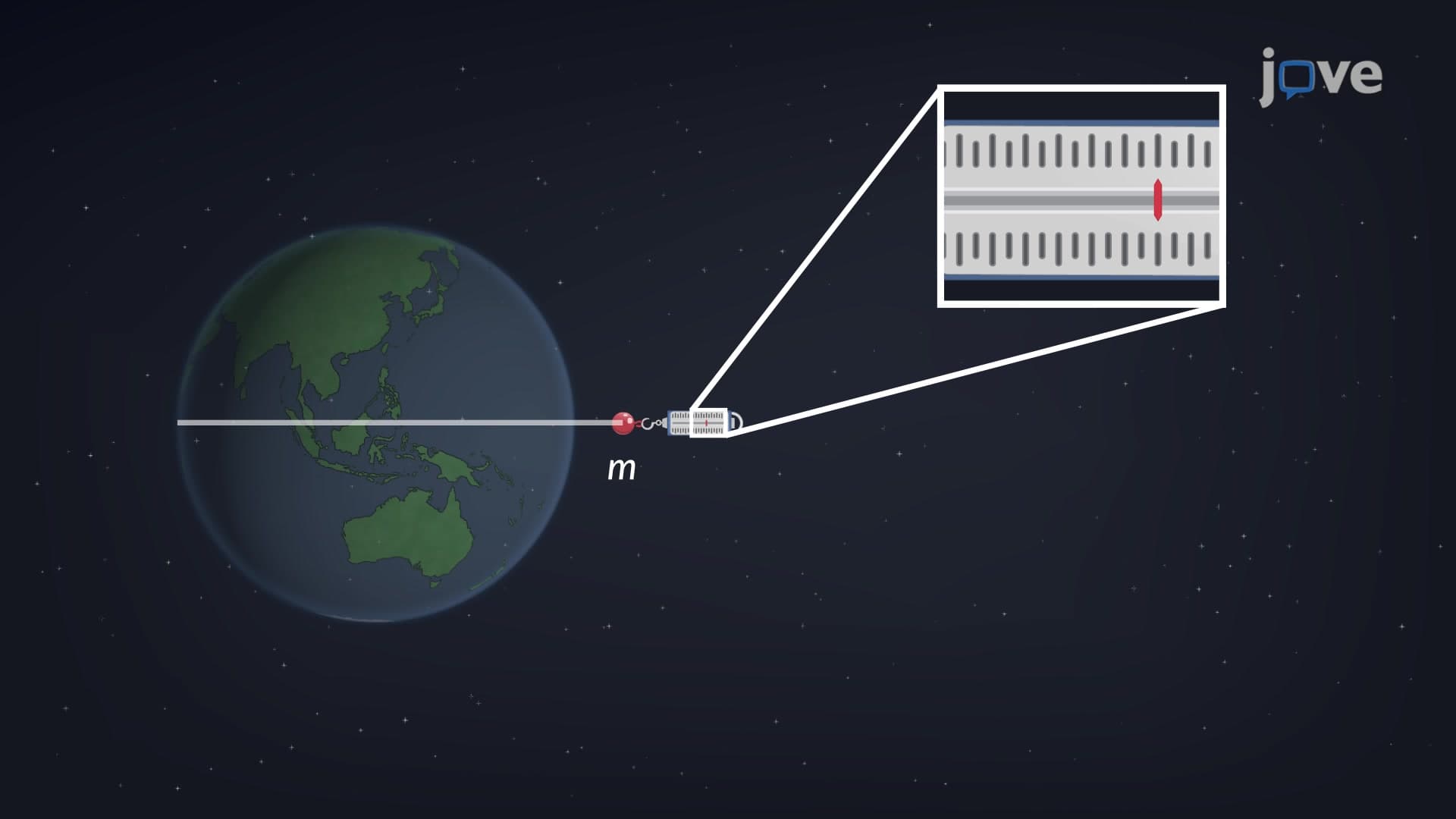
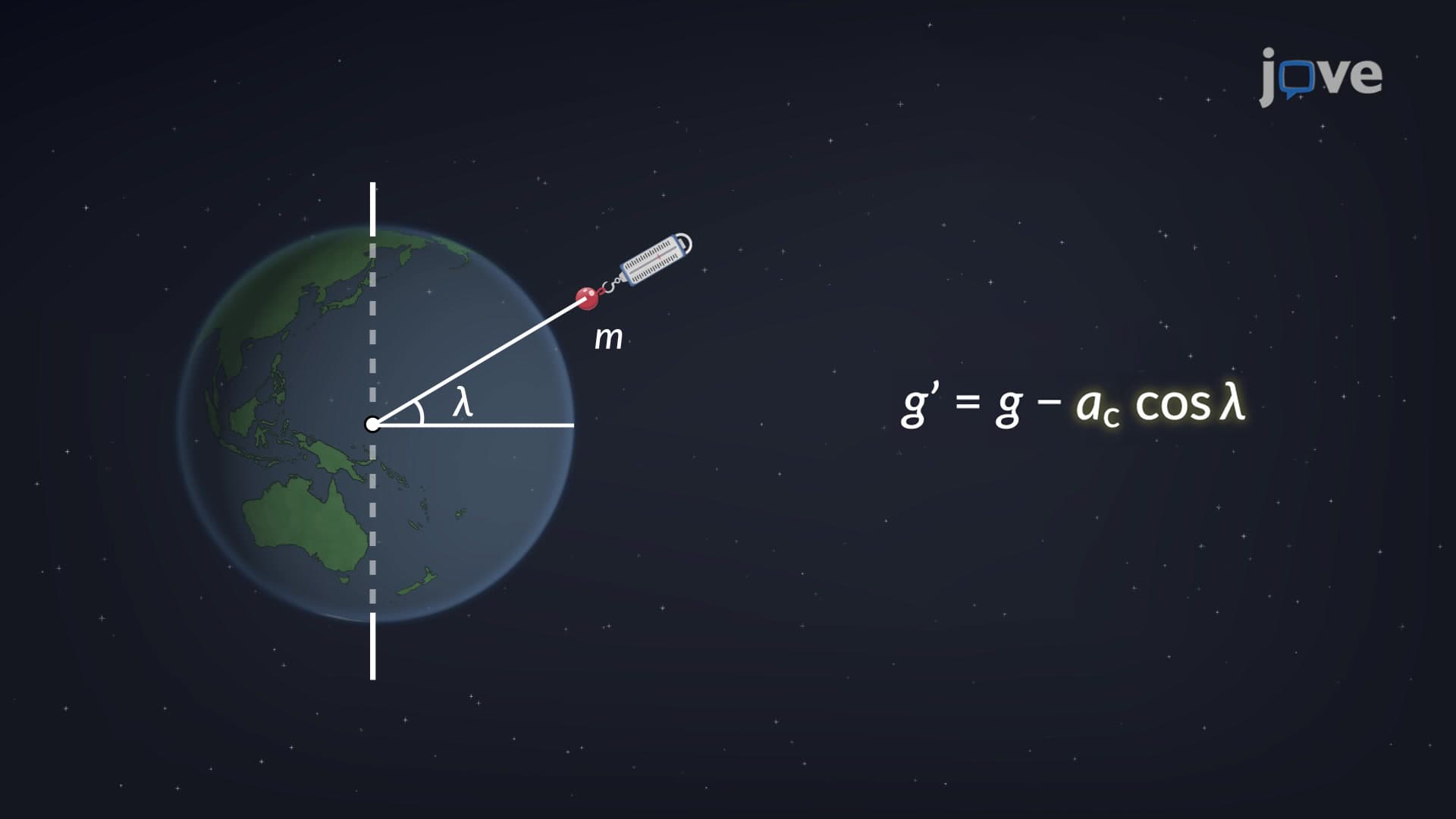
Newton's Law of Gravitation

00:00
01:15
Video Summary: Newtons Law of Gravitation Explained
Ever wonder why astronauts at the International Space Station don't float away into deep space? Newton's Law of Gravitation governs this fundamental force that keeps everything from apples to satellites in predictable motion. This universal principle explains how NASA calculates spacecraft trajectories and why the Moon orbits Earth with mathematical precision. Watch the full video on JoVE Coach to master this concept with expert-led visuals and step-by-step explanations.
- Understand Newton's Law of Gravitation and its role as a fundamental force governing all matter in the universe
- Identify the key components of the gravitational force equation, including masses, distance, and the universal gravitational constant
- Analyze how gravitational force varies with changes in mass and distance between objects
- Apply the inverse square law principle to calculate gravitational attractions in various scenarios
- Recognize action-reaction pairs in gravitational interactions and why both objects experience equal forces
- Evaluate why gravitational effects are more noticeable with massive objects like planets and stars
- Compare gravitational forces at different distances and between objects of varying masses
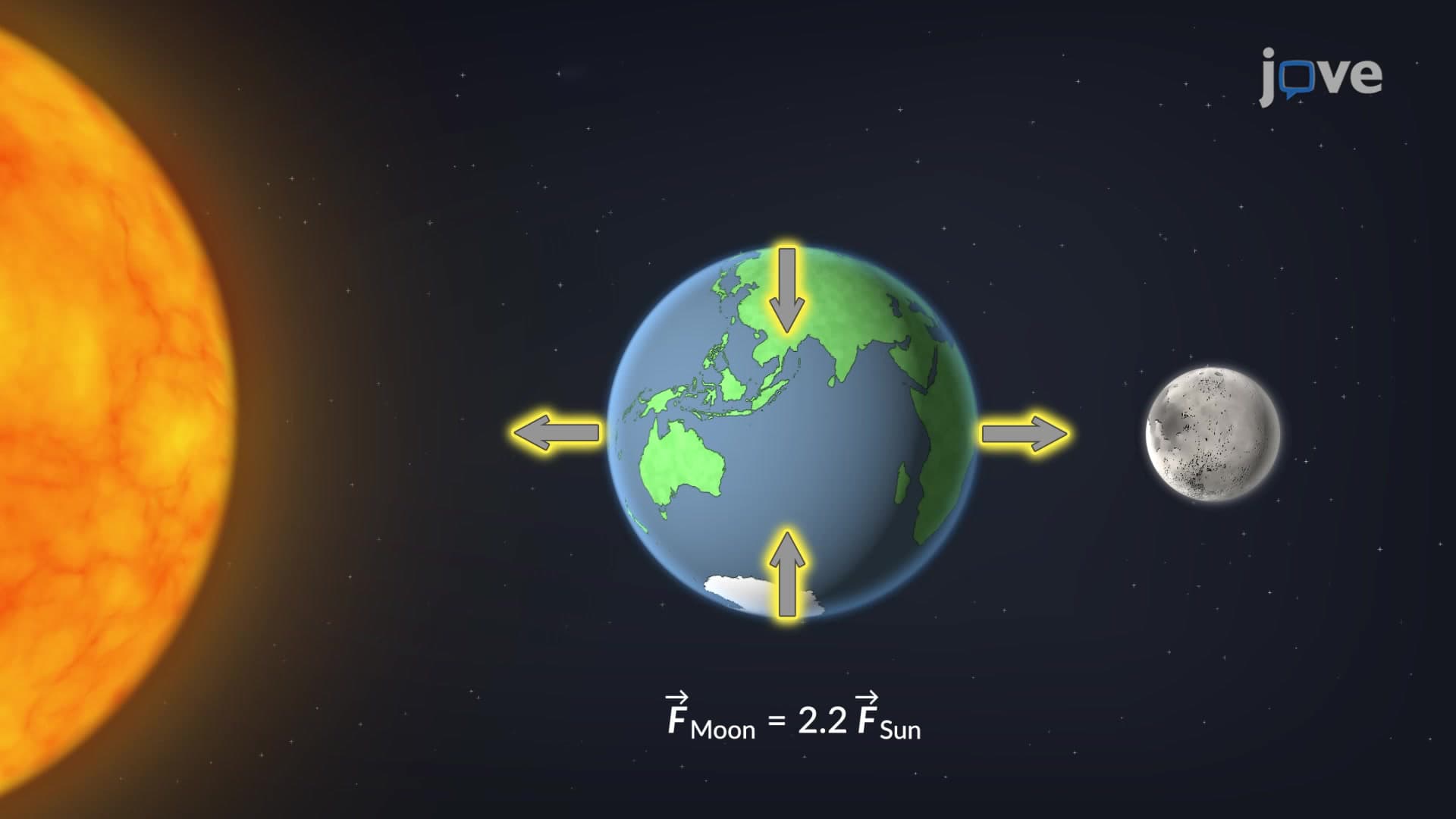
- Explore real-world applications from satellite orbits to tidal forces affecting Earth's oceans
Understanding Newton's Law of Gravitation Fundamentals
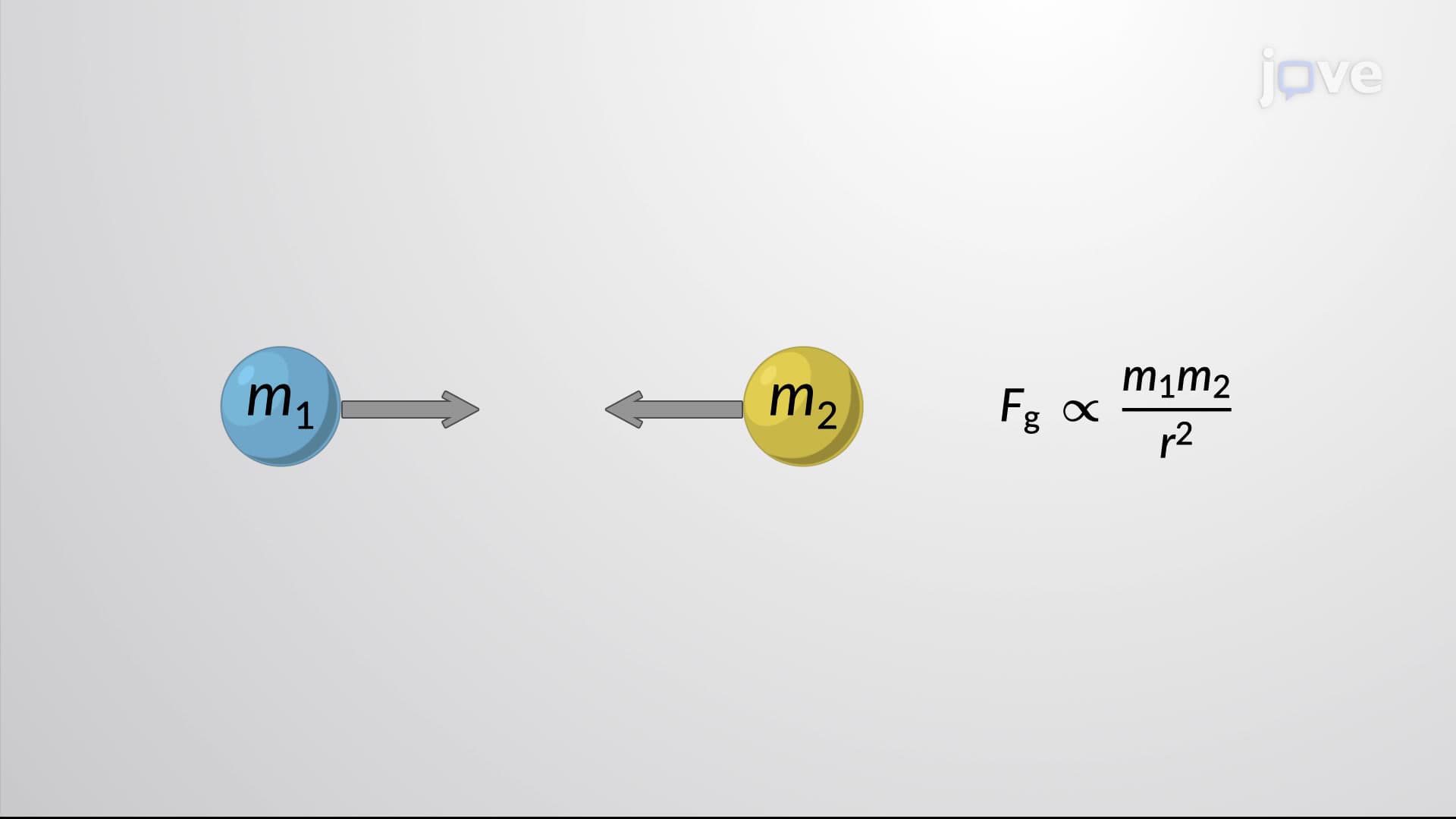
Newton's Law of Gravitation represents one of physics' most elegant and powerful principles. This universal law states that every particle of matter attracts every other particle with a force directly proportional to the product of their masses and inversely proportional to the square of the distance separating them. The mathematical expression is: F = G(m₁m₂)/r², where G represents the universal gravitational constant (6.67 × 10⁻¹¹ N⋅m²/kg²).
The Universal Gravitational Constant and Its Significance
The gravitational constant G represents nature's fundamental "strength" of gravity. Measured precisely through experiments like those conducted at NIST (National Institute of Standards and Technology), this constant ensures gravitational calculations work consistently across the universe. Students preparing for AP Physics or college mechanics courses must understand that G's small value explains why gravitational forces only become significant with astronomical masses.
Action-Reaction Pairs in Gravitational Systems
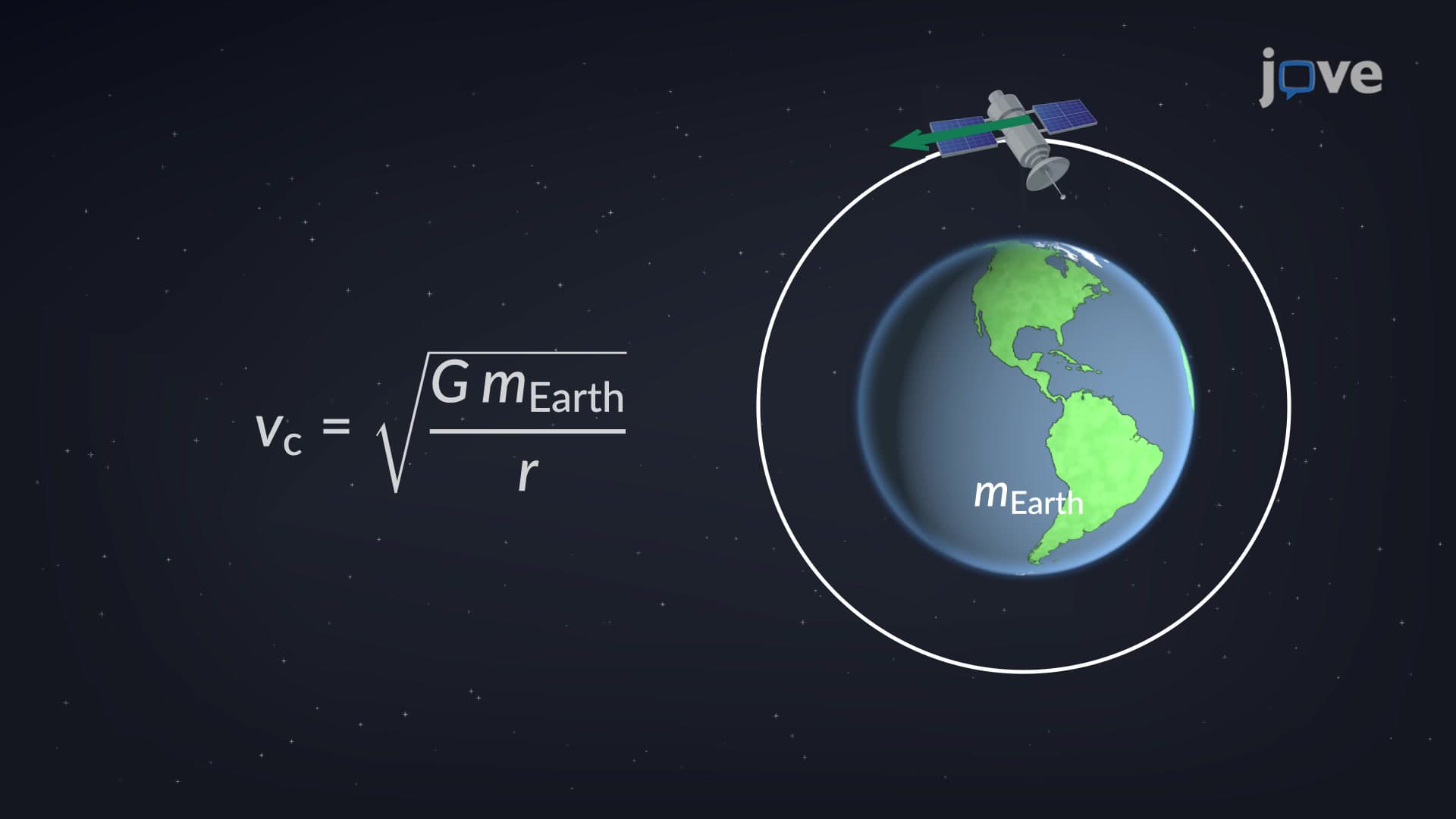
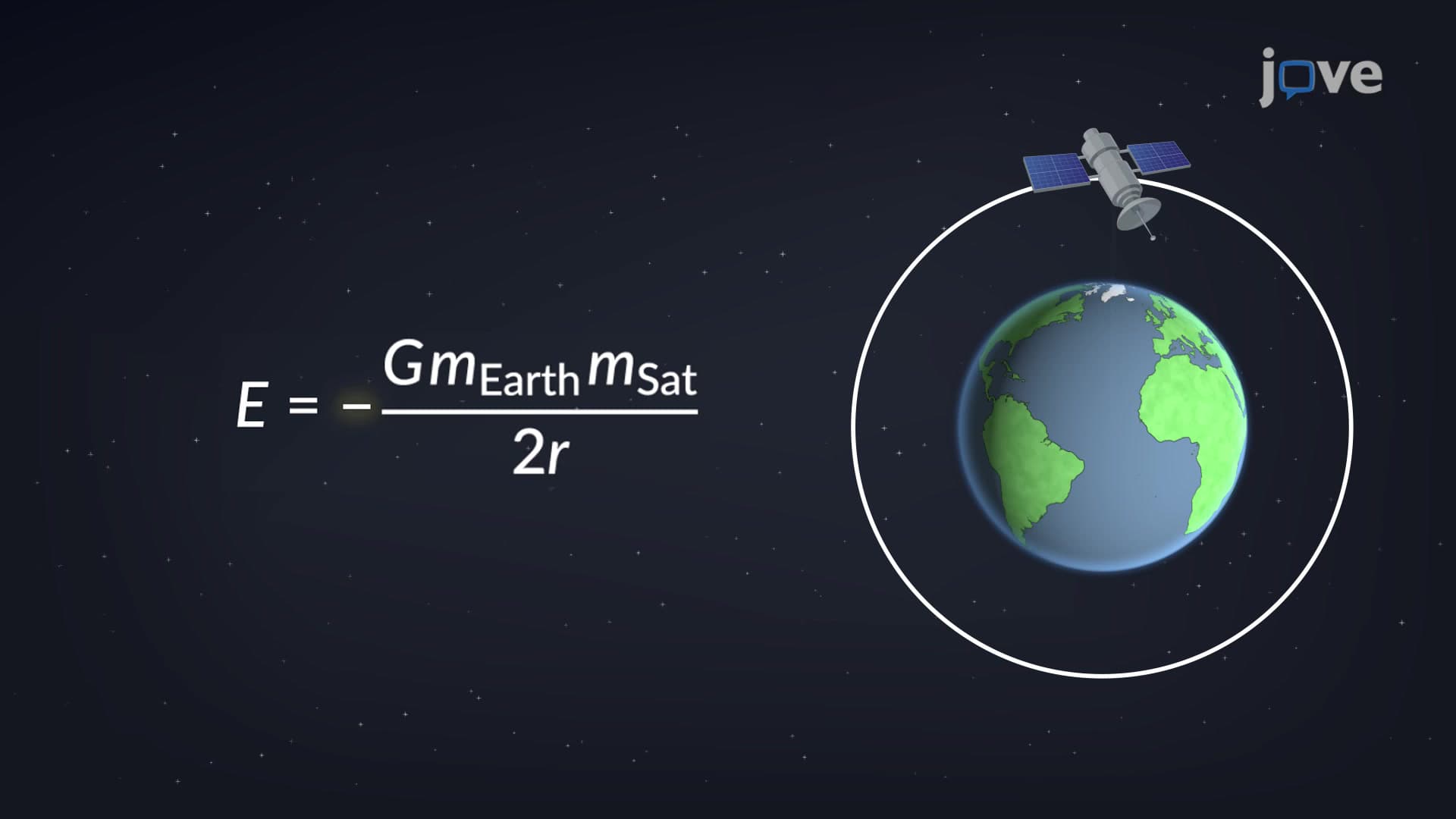
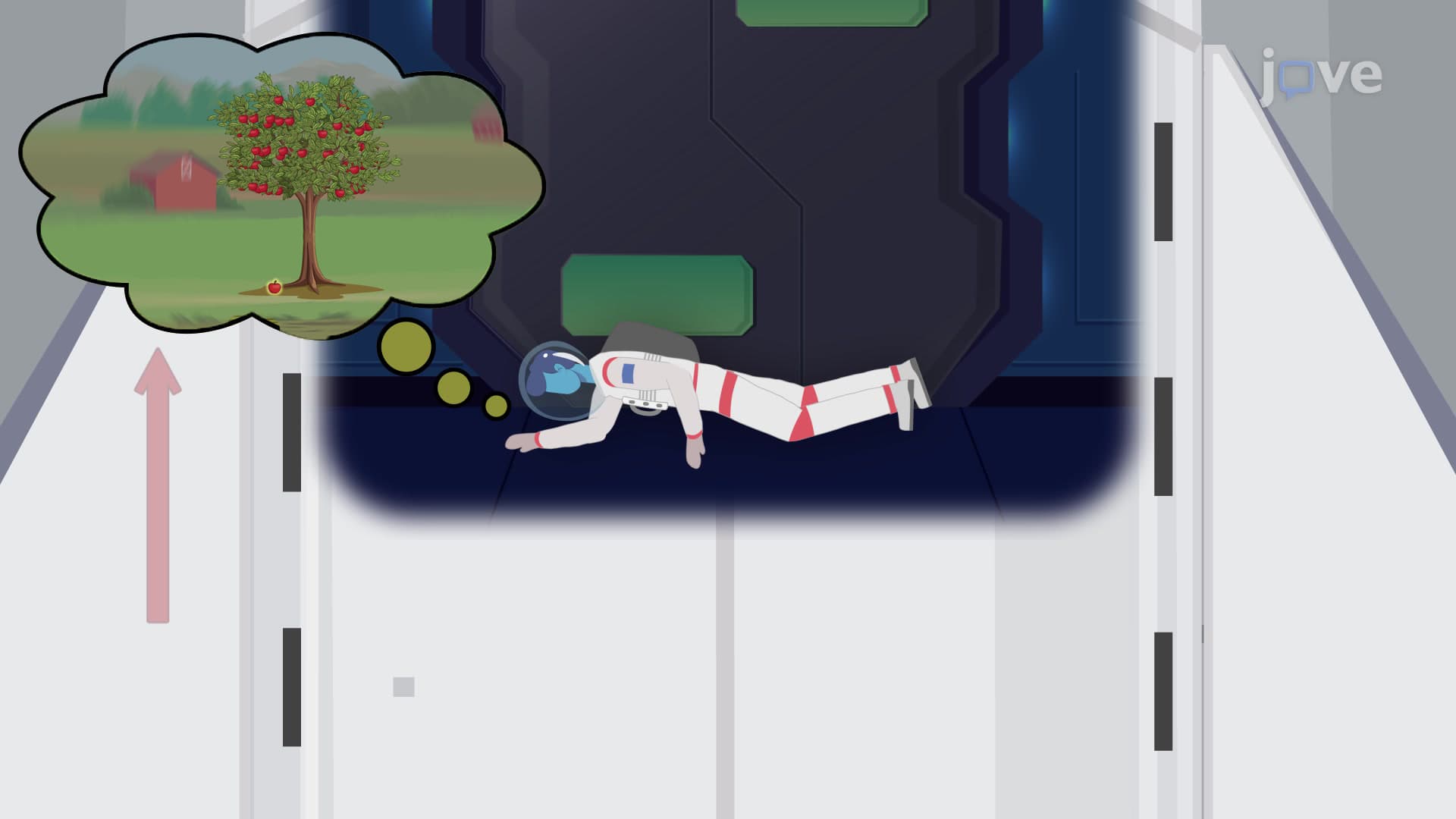
Newton's Third Law applies powerfully to gravitation. When Earth pulls an apple downward with gravitational force, the apple simultaneously pulls Earth upward with equal magnitude. However, Earth's enormous mass (5.97 × 10²⁴ kg) compared to an apple's tiny mass means Earth's acceleration toward the apple is imperceptible. This principle helps explain why satellites orbit Earth rather than crashing down-they're continuously "falling" while moving forward, creating stable orbital paths that NASA engineers calculate for missions to the International Space Station.
Real-World Applications and Exam Relevance
Gravitational concepts frequently appear on standardized tests including the MCAT physics section, AP Physics C examinations, and college midterms. Students encounter problems involving planetary motion, satellite mechanics, and tidal forces. For instance, understanding how gravitational force decreases with the square of distance helps explain why astronauts experience microgravity in orbit-they're far enough from Earth's center that gravitational acceleration reduces significantly, though it never reaches zero.
Frequently Asked Questions
Newton's Law of Gravitation describes how every object with mass attracts every other object with mass through an invisible force. The larger the objects and the closer they are, the stronger this attractive force becomes. This law explains everything from why objects fall to Earth to how planets orbit the Sun.
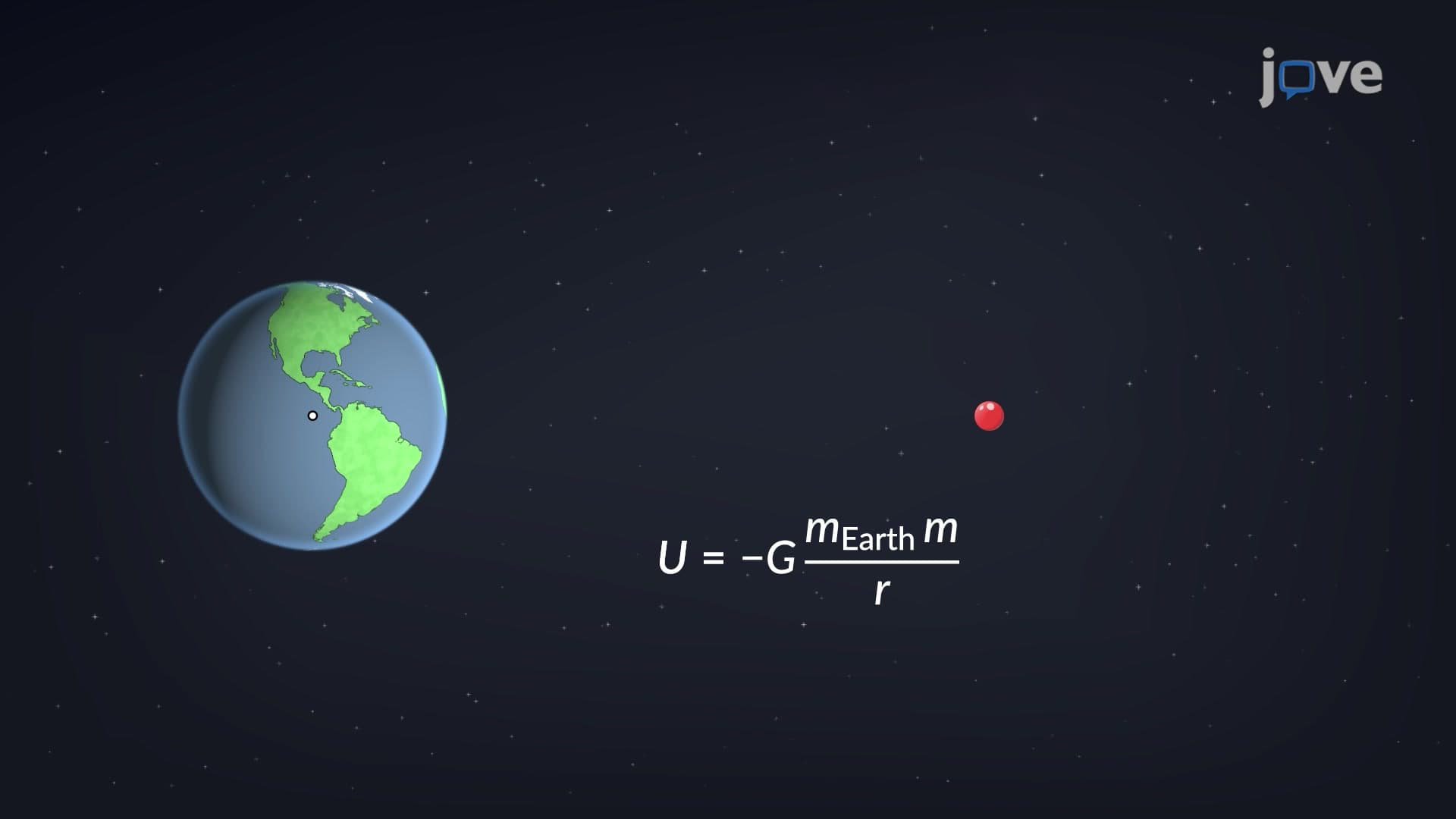
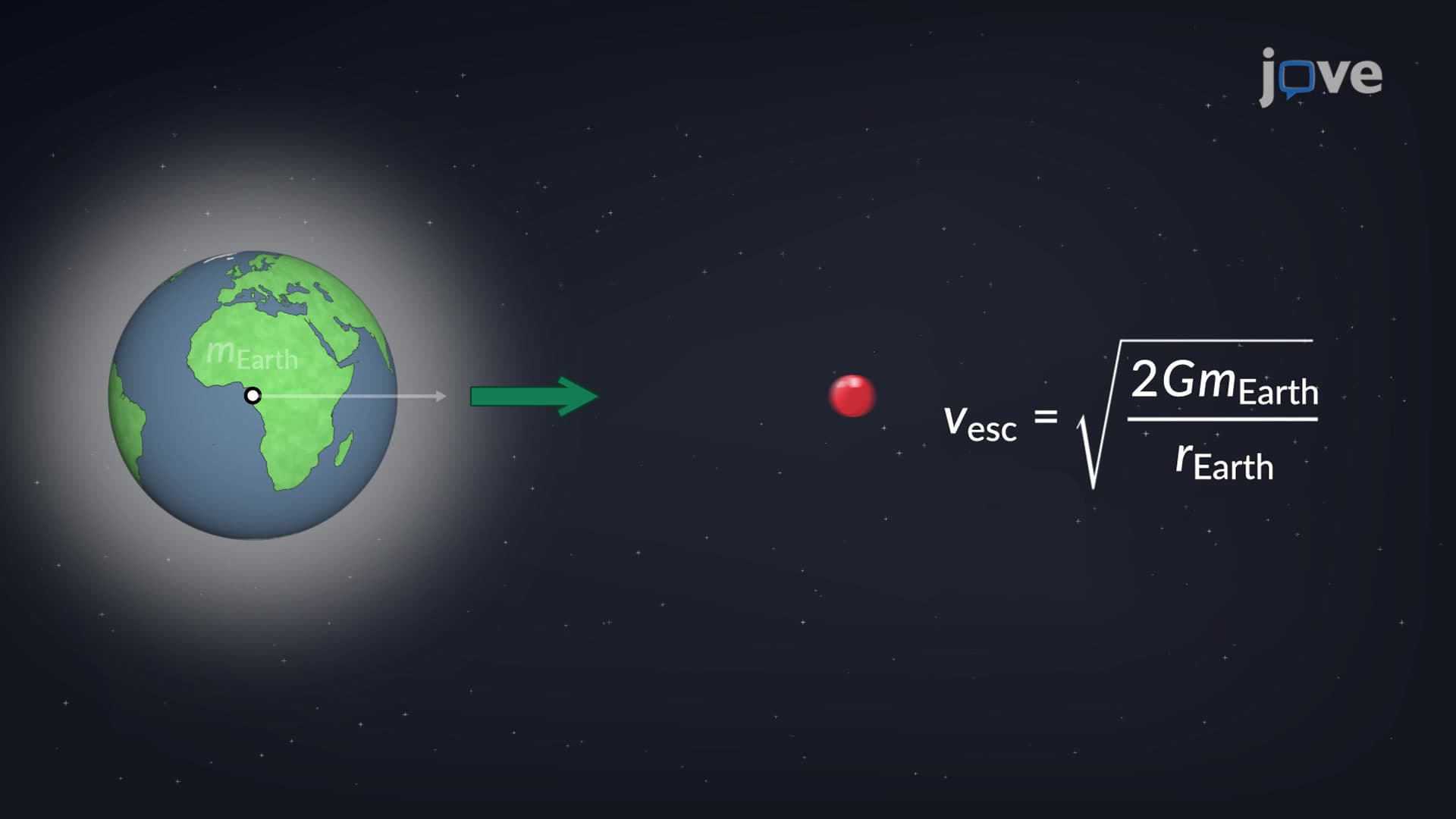
AP Physics C frequently tests gravitational concepts through orbital mechanics problems, satellite motion calculations, and planetary system analysis. Students must apply the inverse square law, calculate escape velocities, and analyze gravitational potential energy. Practice problems often involve comparing gravitational forces at different altitudes or between celestial bodies.
Yes, MCAT physics sections include gravitational concepts, particularly in passages about planetary motion, satellite technology, or astronomical phenomena. Focus on understanding the relationship between force, mass, and distance rather than memorizing complex derivations. The test emphasizes conceptual understanding and problem-solving applications.
NASA engineers apply gravitational principles to calculate spacecraft trajectories, orbital insertions, and gravity-assist maneuvers. For example, the Voyager probes used gravitational slingshot effects around Jupiter and Saturn to reach outer planets. Understanding these concepts helps explain how mission planners achieve precise interplanetary navigation.
Not at all! While the mathematics can seem intimidating, the underlying concept is intuitive-objects with mass attract each other. Start with qualitative understanding before tackling calculations. Many students successfully master these concepts in honors physics or AP courses with consistent practice and visual aids.
Practice identifying given variables (masses, distances) and required solutions systematically. Create a formula sheet with common variations like surface gravity and orbital velocity equations. Work through progressively challenging problems, starting with simple two-body systems before advancing to complex orbital mechanics scenarios.
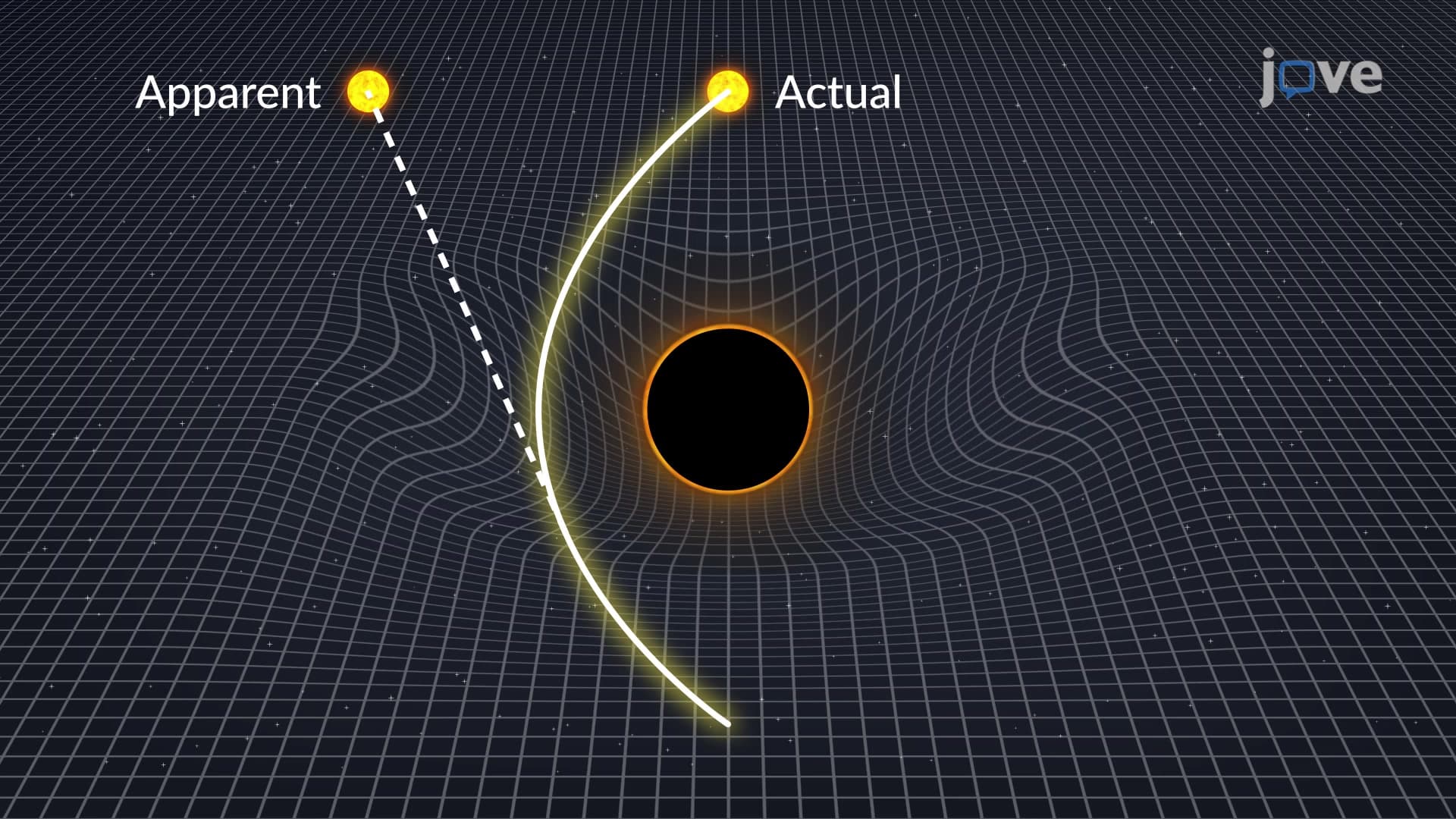
Gravity operates as a field force, meaning it acts through empty space without direct contact. This "action at a distance" puzzled even Newton, but modern physics explains gravity through spacetime curvature. For introductory courses, focus on calculating gravitational effects rather than the underlying mechanism of gravitational field transmission.
Build on gravitational foundations by exploring orbital mechanics, gravitational potential energy, and Kepler's laws of planetary motion. Advanced students can investigate general relativity concepts, tidal forces, and gravitational waves. These topics frequently appear in upper-level physics courses and graduate school entrance examinations.
Related Micro-courses


