Loading subject page…

Micro-course: Newton's Laws of Motion
274,837 views
Learn key concepts and earn your certificate.







Force

00:00
01:06
Video Summary: Force Definition Types and Applications
Why does a baseball change direction mid-flight when hit by a bat, yet continue moving in a straight line when no contact occurs? Force: definition, types, and applications explains the fundamental interactions that govern all motion around us. From the gravitational pull that keeps NASA astronauts tethered during spacewalks to the magnetic forces powering MRI machines in US hospitals, understanding forces is essential for grasping how our physical world operates. Watch the full video on JoVE Coach to master this concept with expert-led visuals and step-by-step explanations.
- Understand the fundamental definition of force and recognize how force: definition, types, and applications forms the foundation of classical mechanics
- Identify vector quantities and distinguish between scalar and vector properties in force analysis
- Analyze the superposition principle and calculate net forces when multiple forces act simultaneously on objects
- Apply force resolution techniques to break down complex forces into horizontal and vertical components
- Evaluate real-world scenarios involving gravitational, contact, and applied forces in everyday situations
- Compare different types of forces and their characteristic behaviors in various physical systems
- Recognize the relationship between forces and motion as described by Newton's fundamental laws
- Explore practical applications of force concepts in engineering, sports, and medical technology
Understanding Force: Definition, Types, and Applications in Physics
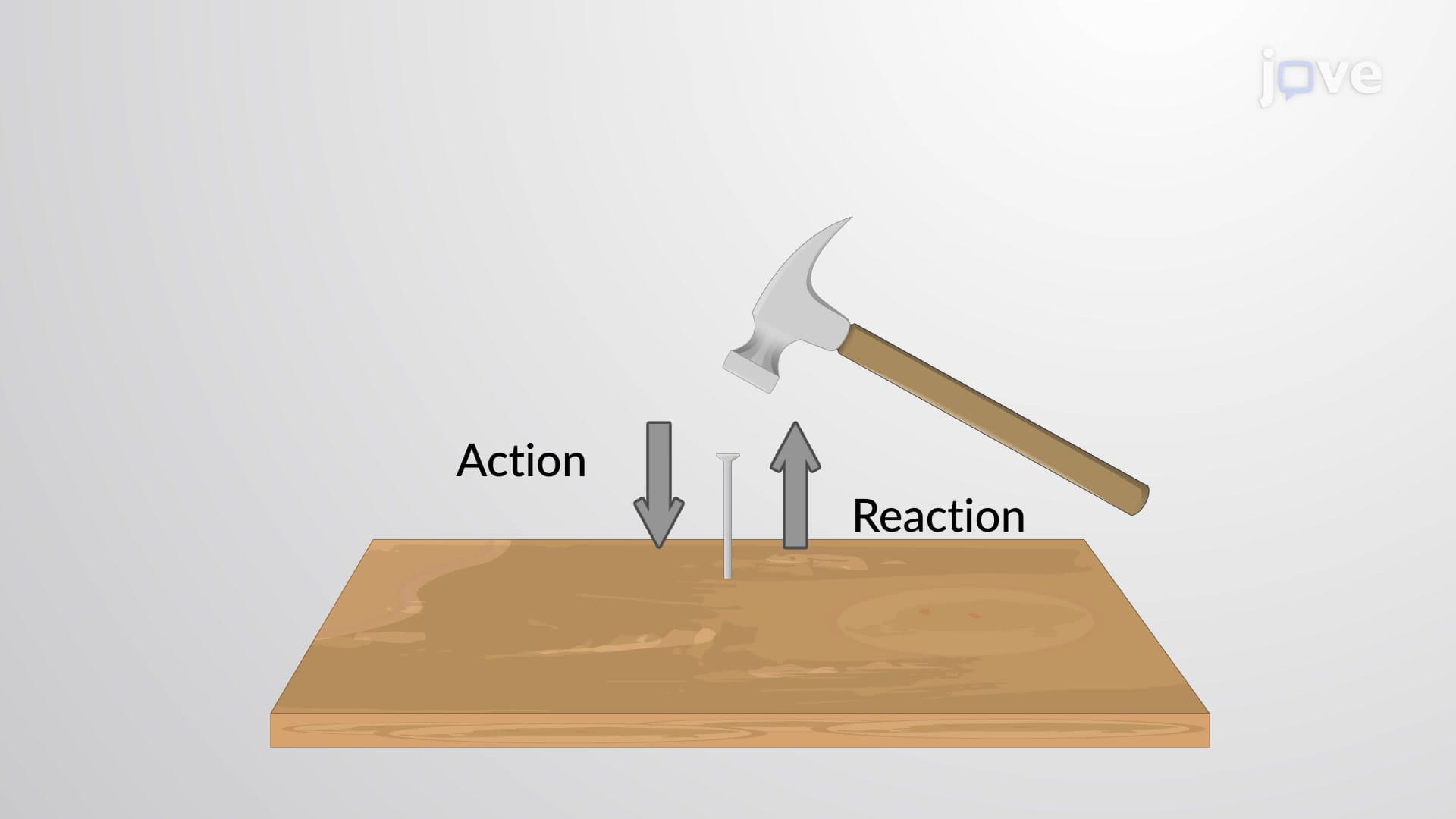
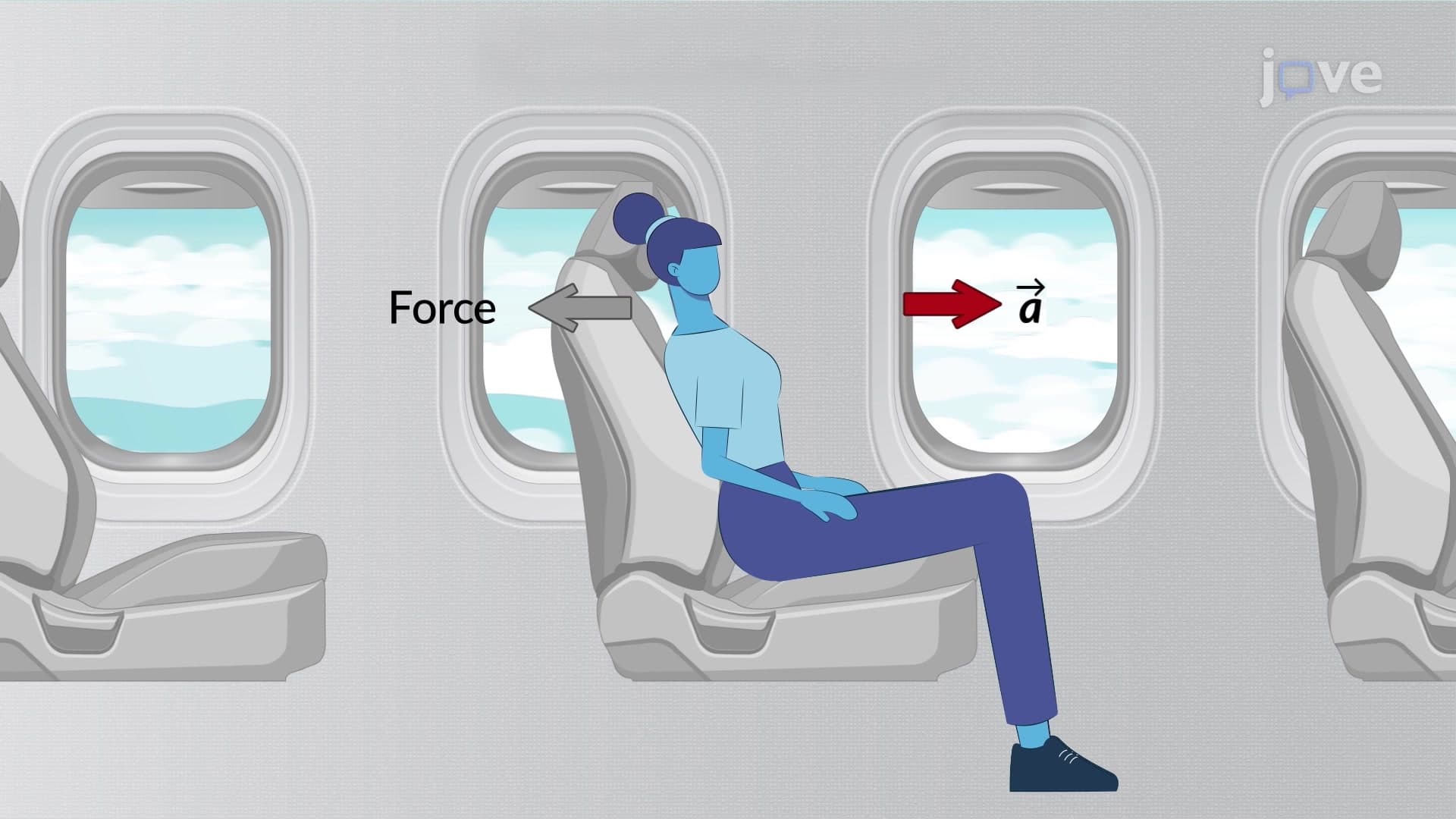
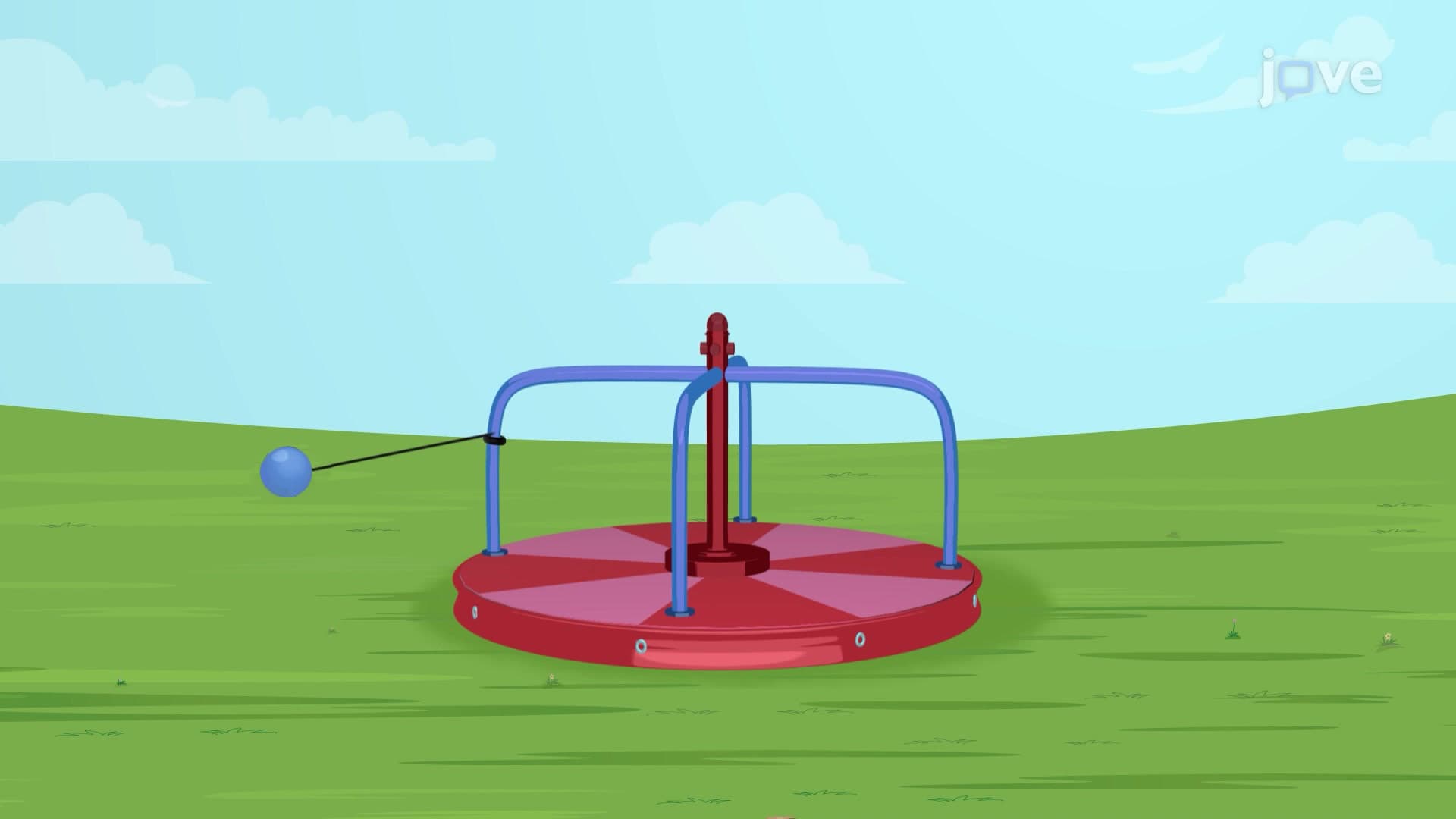
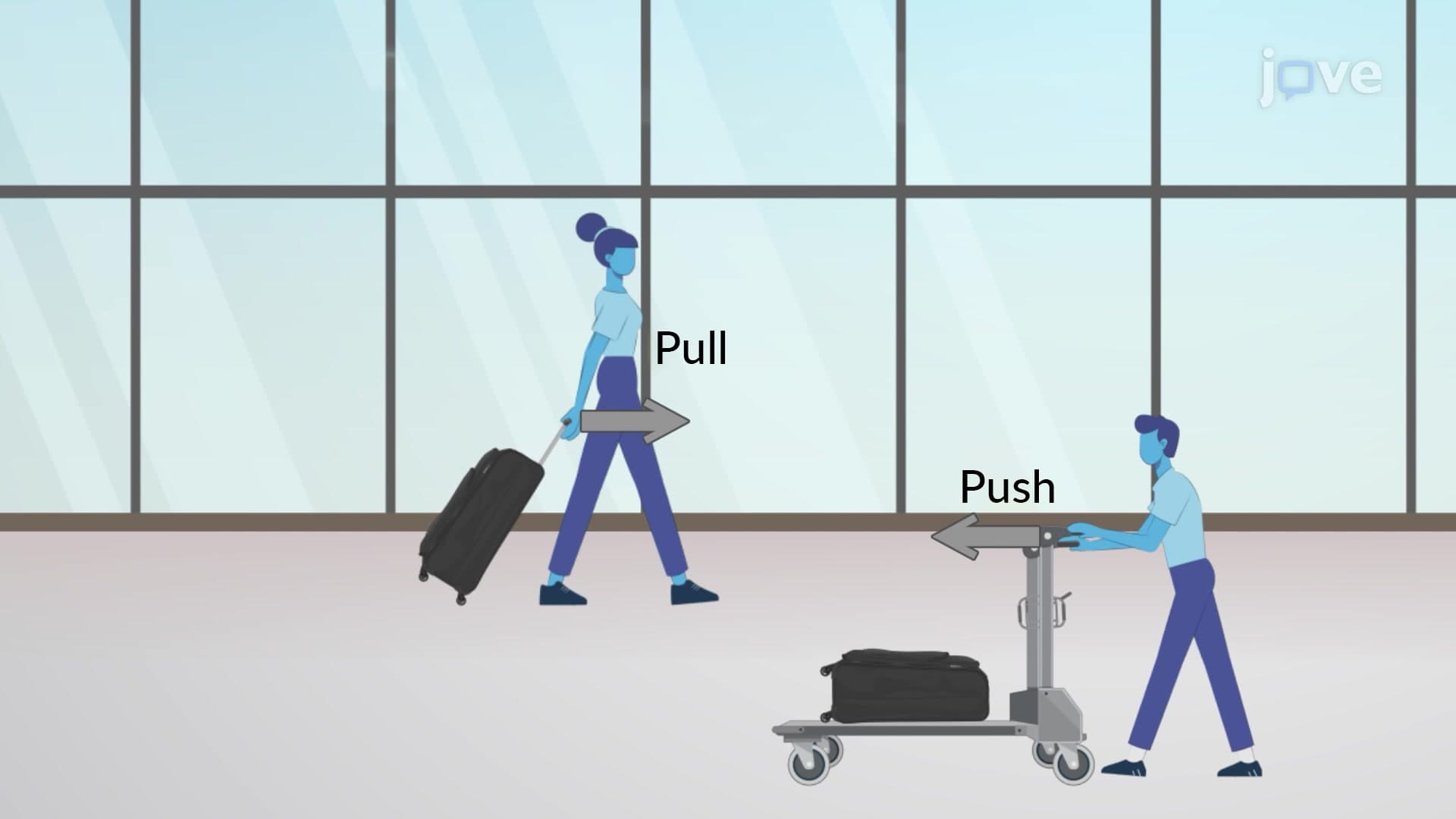
Force: definition, types, and applications represents one of the most fundamental concepts in physics, serving as the bridge between static objects and dynamic motion. A force is defined as any push or pull that can cause an object to accelerate, deform, or change its state of motion. This interaction occurs between objects or between an object and its environment, making force an essential component of every physical phenomenon we observe.
Vector Nature and Mathematical Representation
Forces possess both magnitude and direction, classifying them as vector quantities measured in newtons (N) in the International System of Units. This vector characteristic means that a 50-newton force pushing eastward differs significantly from a 50-newton force pushing westward, even though their magnitudes are identical. In practical applications, engineers at companies like Boeing must account for both the strength and direction of aerodynamic forces when designing aircraft that can safely navigate through varying wind conditions.
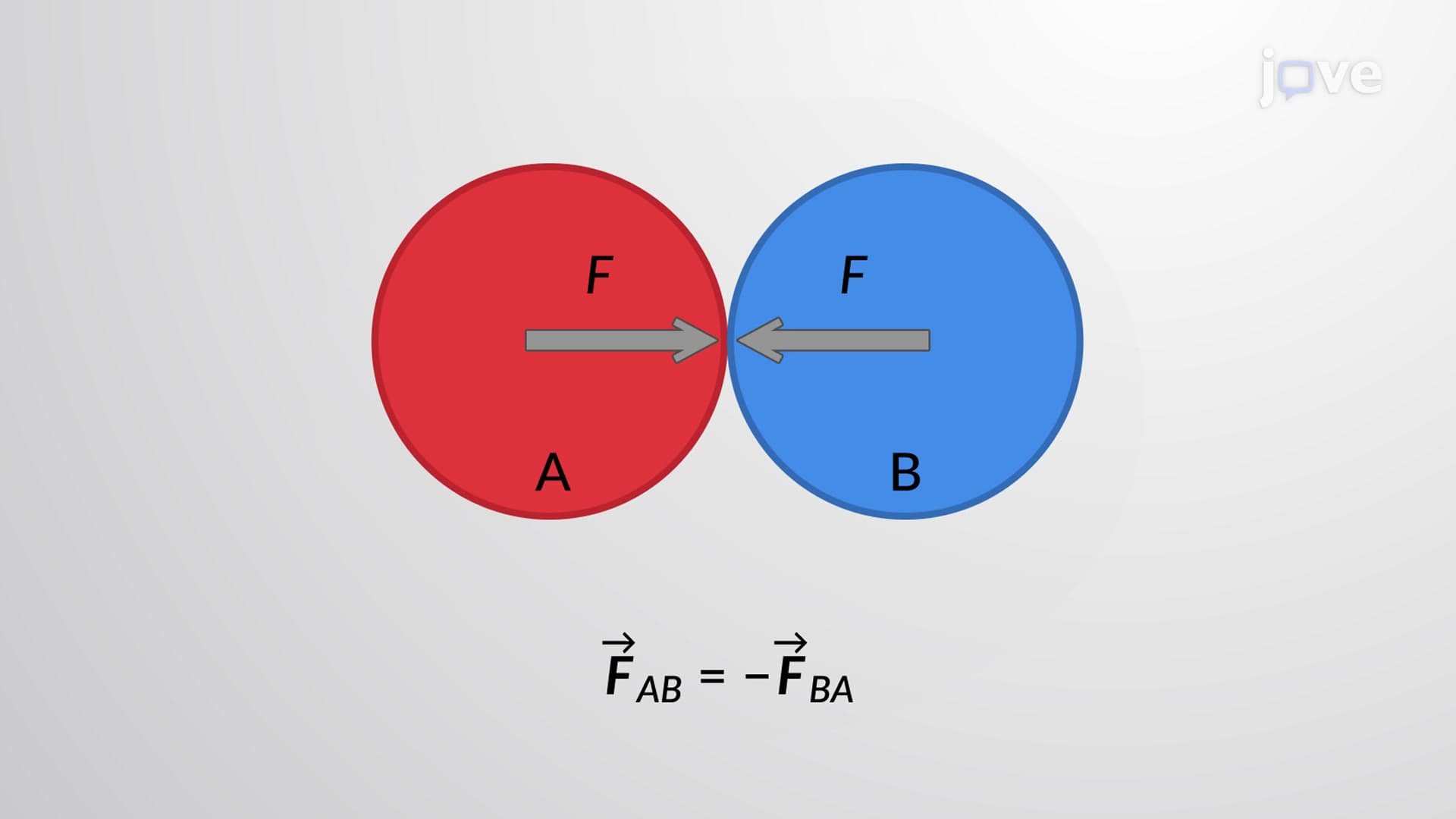
The mathematical representation of forces follows vector addition rules, where the resultant force equals the vector sum of all individual forces acting on an object. This principle, known as the superposition principle, allows physicists and engineers to predict complex behaviors by analyzing simpler component forces. For instance, when analyzing the forces on a suspension bridge like San Francisco's Golden Gate Bridge, structural engineers must consider gravitational forces pulling downward, wind forces acting horizontally, and tension forces within the cables.
Force Resolution and Component Analysis
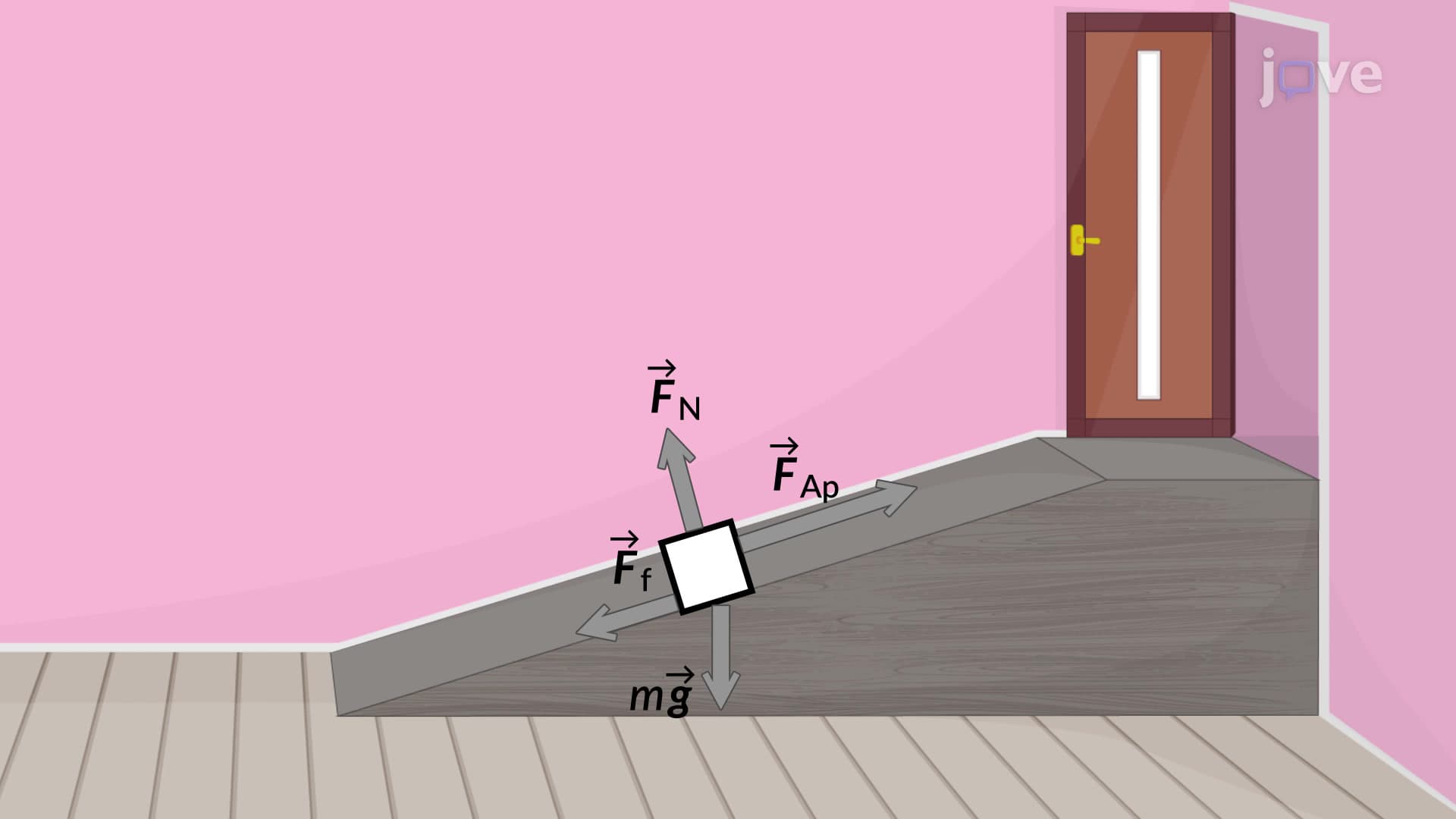
Any force can be resolved into perpendicular components, typically horizontal and vertical directions. This resolution technique proves invaluable in solving real-world problems where forces act at angles. Consider a firefighter pulling a hose up a ladder at a 30-degree angle-the total force can be broken down into a vertical component that lifts the hose against gravity and a horizontal component that moves it laterally.
Students preparing for AP Physics exams frequently encounter problems requiring force resolution, particularly in projectile motion and inclined plane scenarios. Mastering these concepts proves essential for success on standardized tests like the SAT Subject Test in Physics, where force analysis questions regularly appear in multiple-choice and free-response sections.
Types and Classifications of Forces
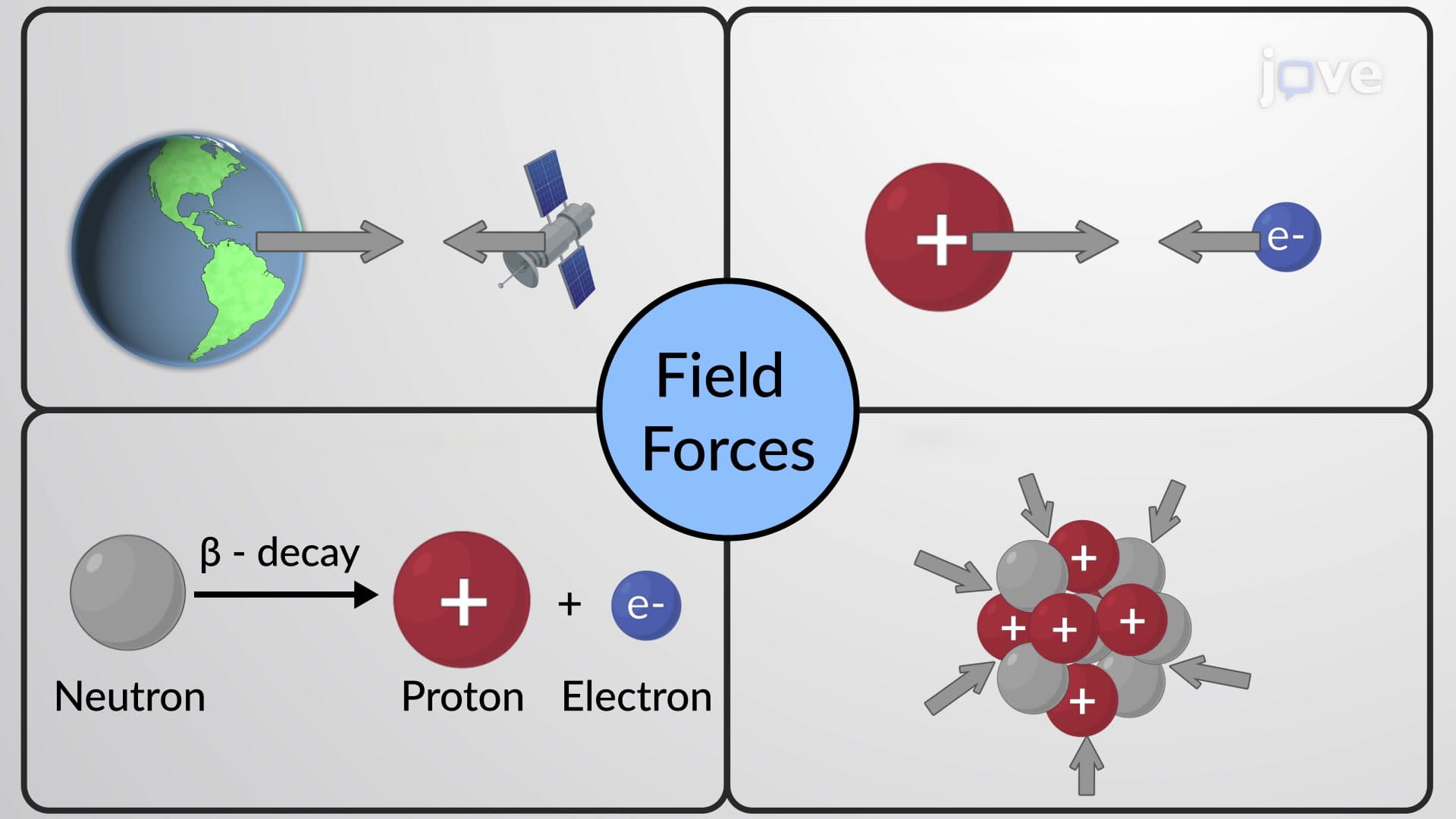
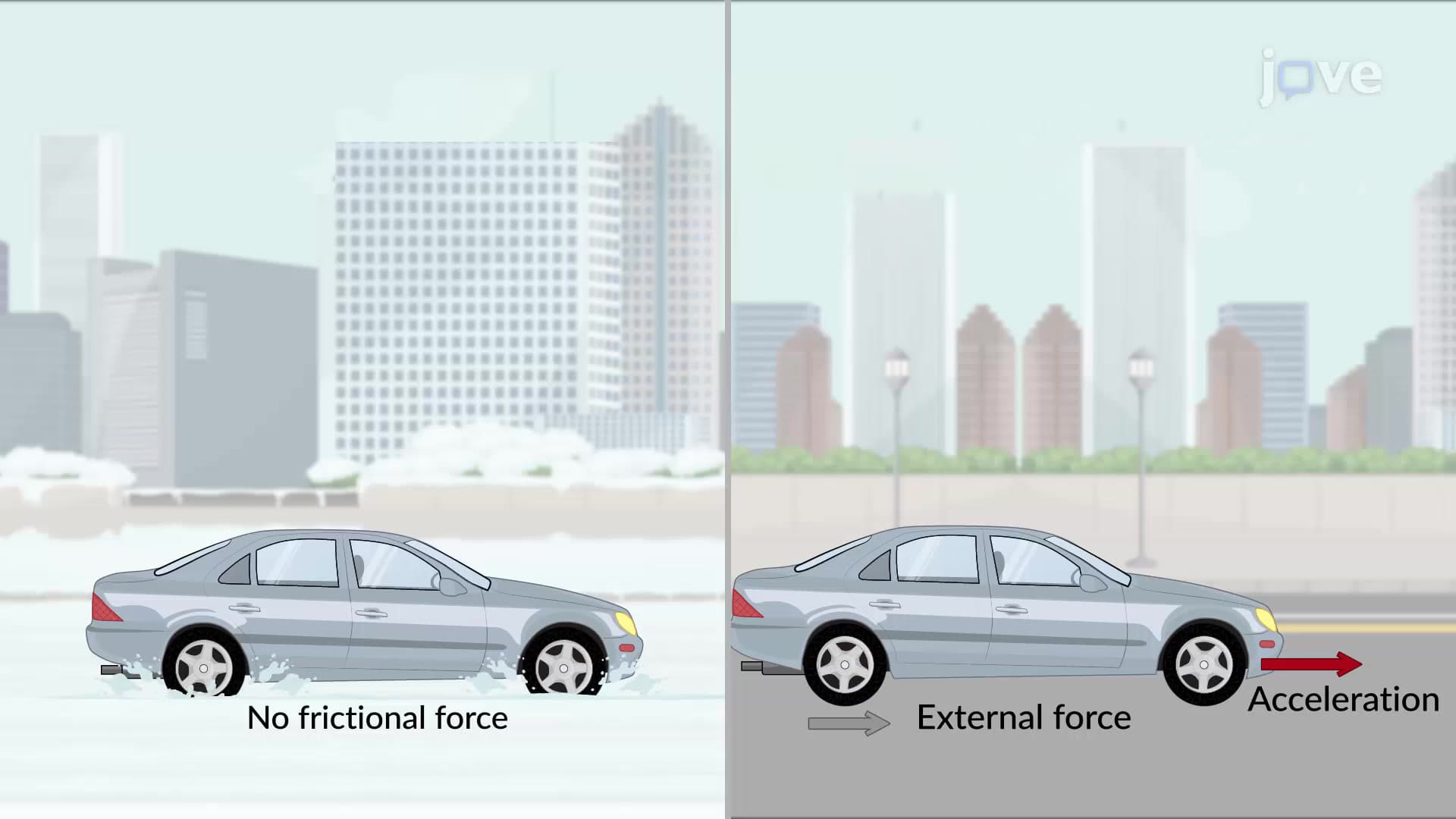
Forces are broadly categorized into contact forces (friction, normal force, tension) and non-contact forces (gravitational, electromagnetic, nuclear). Contact forces require physical interaction between objects, while non-contact forces can act across distances. Gravitational force, for example, keeps satellites in orbit around Earth without any physical connection, while friction forces require direct surface contact between objects.
Understanding these classifications helps students tackle complex problems in introductory college physics courses, where force analysis forms the foundation for more advanced topics like energy, momentum, and rotational dynamics.
Frequently Asked Questions
Force is any push or pull that can change an object's motion, shape, or state of rest. The main types include contact forces (like friction and tension) and non-contact forces (like gravity and magnetism). Applications range from engineering design and sports biomechanics to medical devices and space exploration, making force concepts essential for understanding how our physical world operates.
Force concepts appear in approximately 25-30% of AP Physics 1 exam questions, including free-response problems worth significant points. Mastering force analysis, vector addition, and the superposition principle provides the foundation for tackling complex scenarios involving multiple objects, inclined planes, and circular motion. Strong force concept understanding directly correlates with higher exam scores.
Yes, force analysis is fundamental to MCAT physics success, particularly in mechanics and biomechanics contexts. Questions often involve human body applications like joint forces during movement, muscle tension calculations, and cardiovascular pressure dynamics. Understanding force: definition, types, and applications helps students connect physics principles to medical scenarios tested on the exam.
Forces govern countless daily activities, from the friction between car tires and highways that enables safe driving to the electromagnetic forces powering smartphones and computers. In sports, understanding force helps explain why a baseball curves when pitched with spin, how gymnasts control their rotations, and why proper technique reduces injury risk in activities from football tackles to rock climbing.
Basic force understanding requires only algebra and basic trigonometry for component resolution. While calculus enhances deeper analysis, high school students can successfully master fundamental force concepts using vector addition, the Pythagorean theorem, and simple trigonometric functions. Most introductory applications use straightforward mathematical relationships accessible to students with Algebra II backgrounds.
Newton's laws of motion provide the natural next step, as they establish the mathematical relationships between forces and motion. Subsequently, explore energy and momentum concepts, which offer alternative approaches to solving mechanics problems. This progression leads naturally to rotational dynamics, oscillations, and eventually advanced topics like fluid dynamics and electromagnetic field theory.
Focus on drawing clear free-body diagrams for every problem, as this visualization technique prevents errors and clarifies thinking. Practice resolving forces into components systematically, and work through diverse problem types including inclined planes, pulleys, and multi-object systems. Regular practice with timed problems builds confidence and speed essential for exam success.
Related Micro-courses

10 Concepts
15 Concepts

12 Concepts