Loading subject page…

- Physics
- Newton's Laws of Motion
- Internal and External Forces
Micro-course: Newton's Laws of Motion
274,843 views
Learn key concepts and earn your certificate.
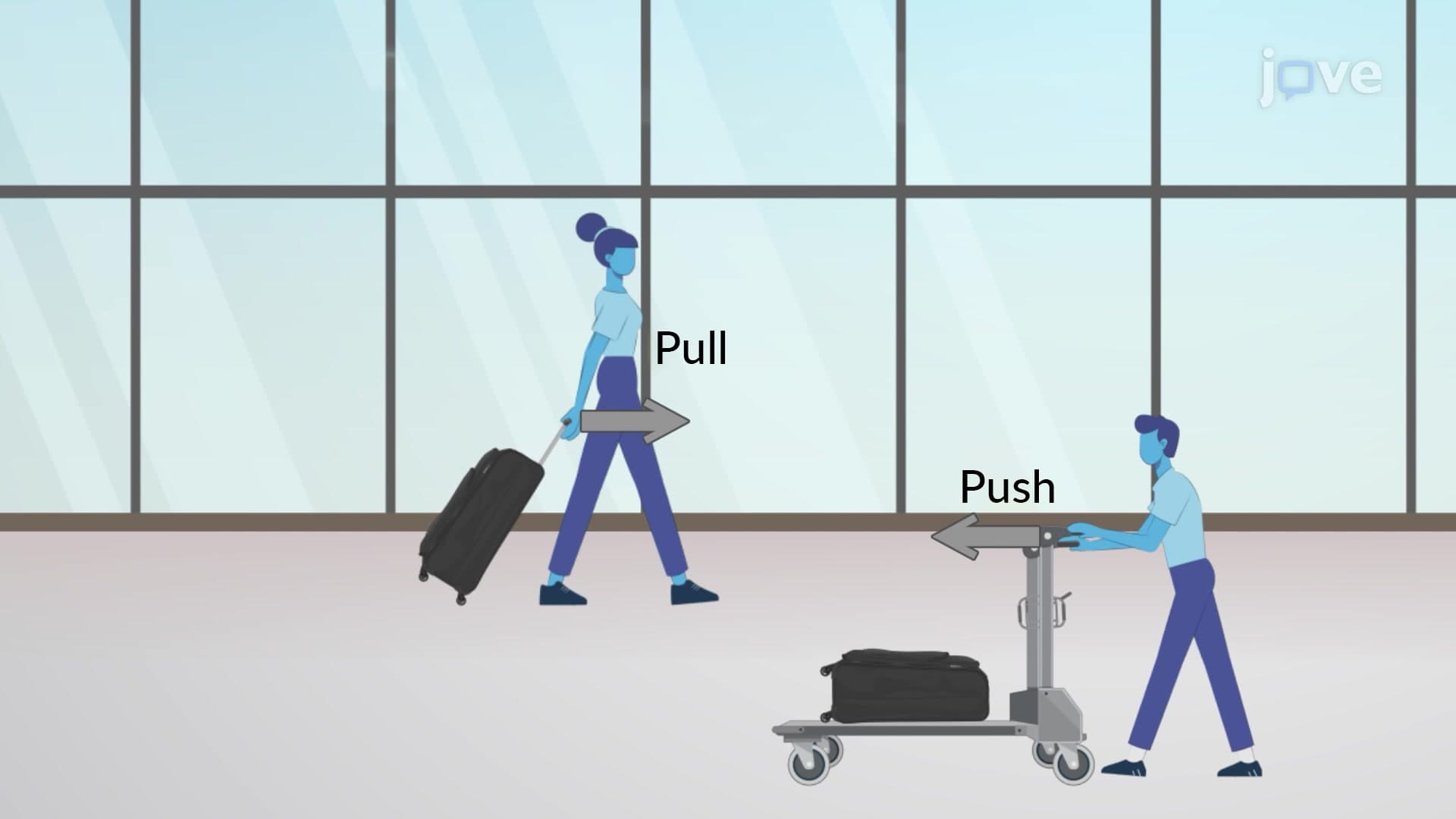

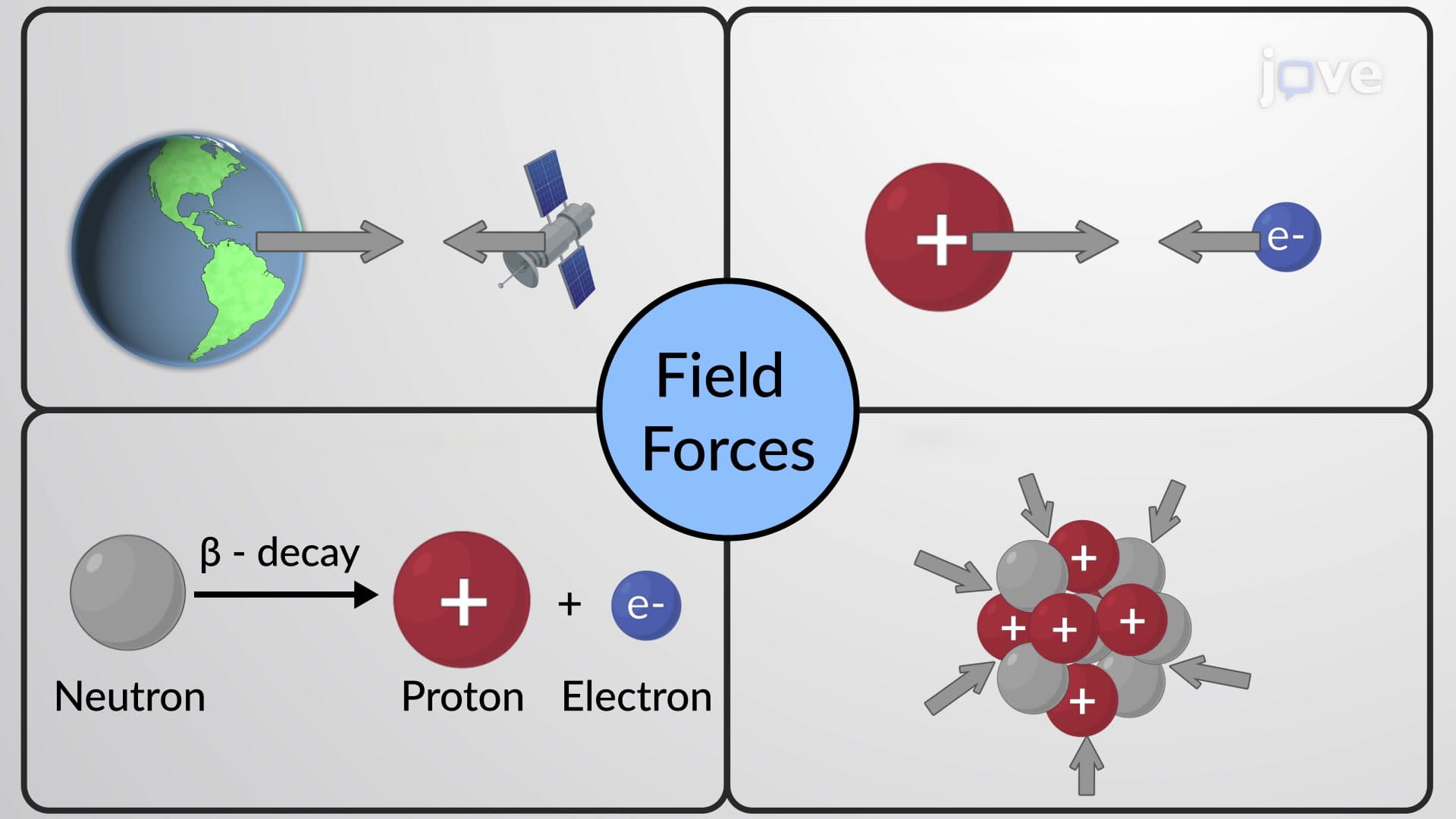


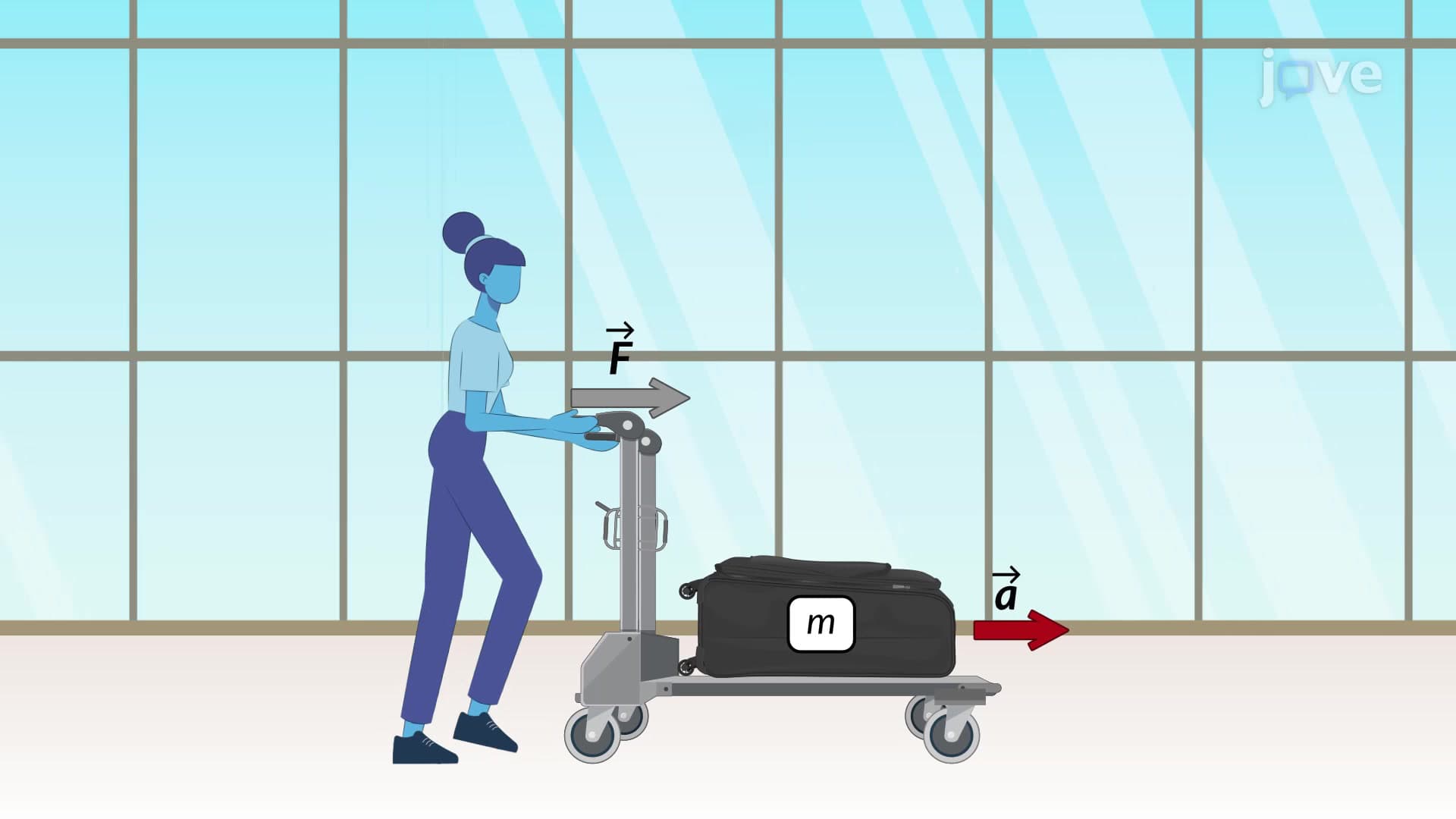
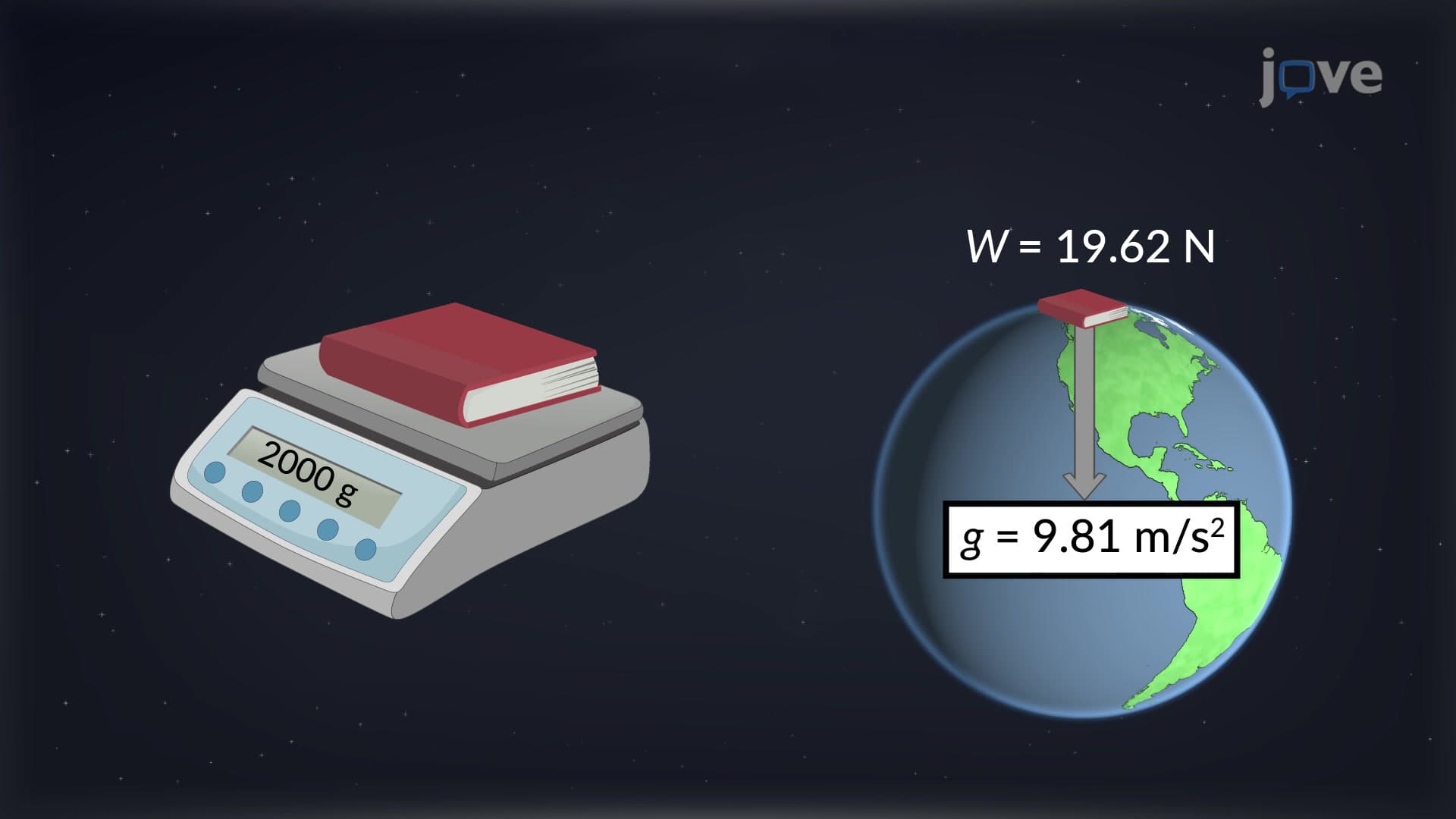


Internal and External Forces

00:00
01:12
Video Summary: What are Internal and External Forces
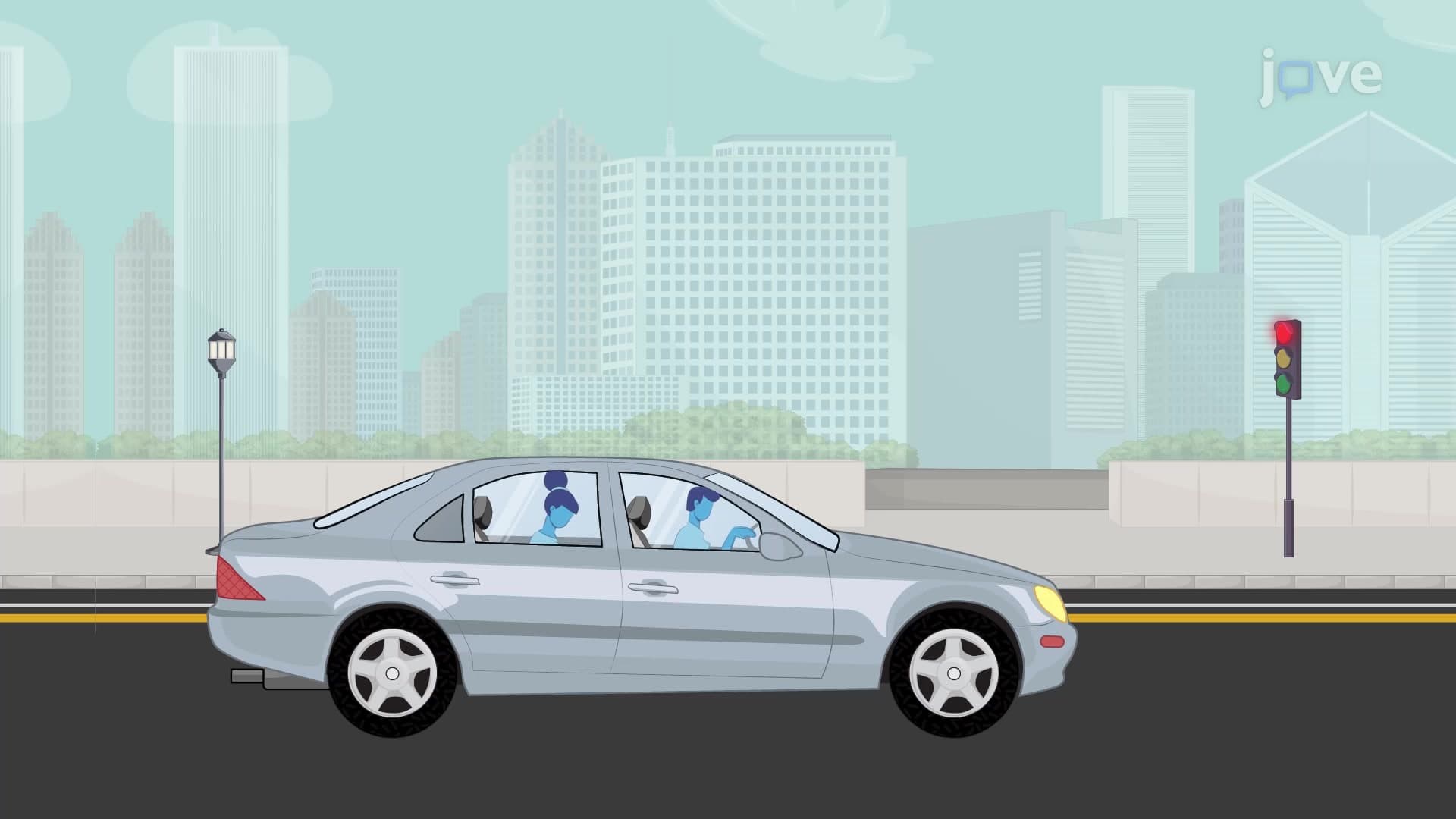
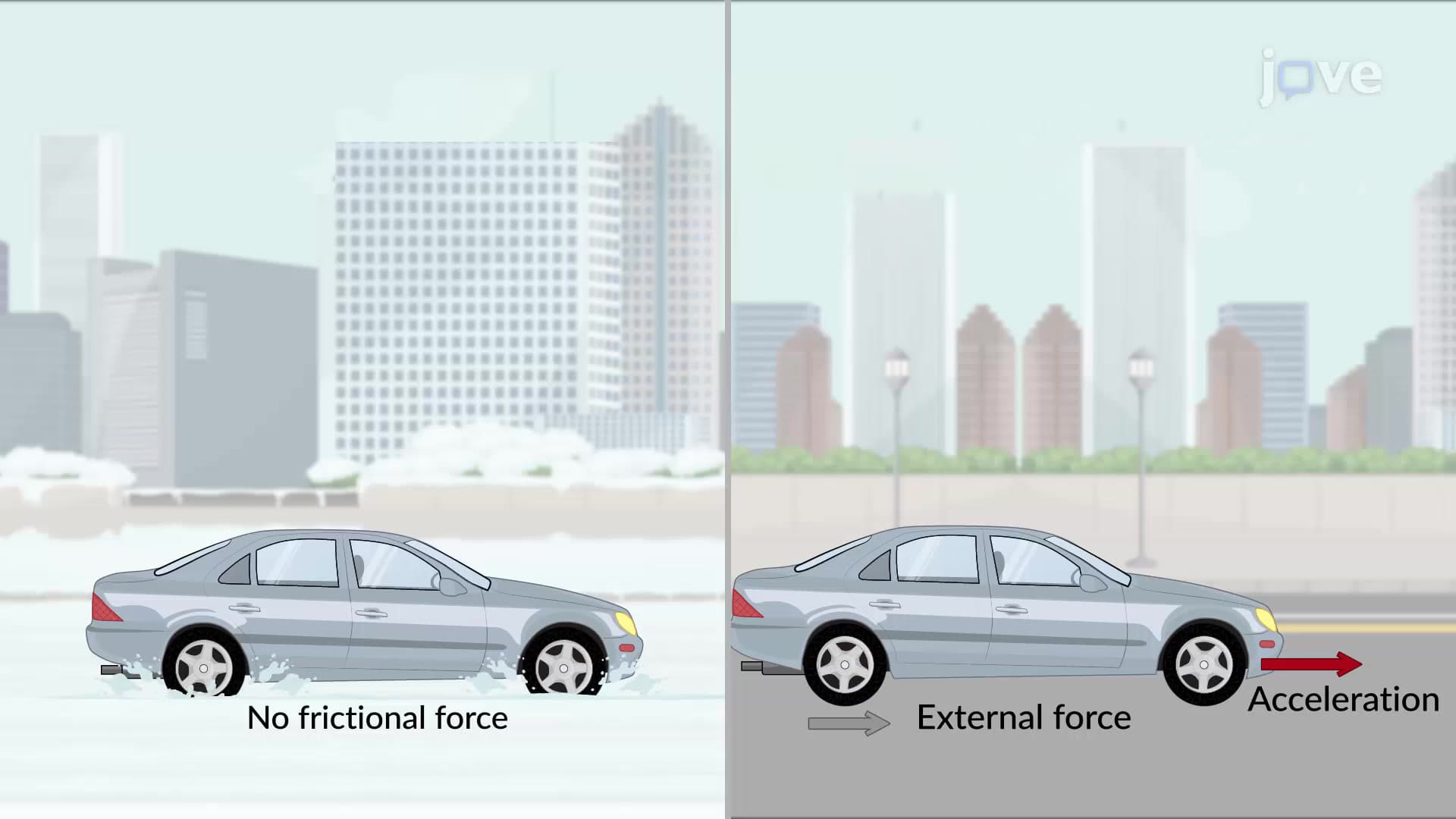
Why does a car stuck on ice spin its wheels without moving forward? The answer reveals the fundamental difference between internal and external forces, while the engine creates internal force within the car's mechanical system, only the external frictional force from the road surface actually accelerates the vehicle. Consider how a NASCAR driver on the Daytona International Speedway relies entirely on tire-road friction to maintain those high-speed turns. Watch the full video on JoVE Coach to master this concept with expert-led visuals and step-by-step explanations.
- Understand what are internal and external forces and how they differ in their effects on object motion
- Identify which forces originate within a system versus those applied from outside the system boundaries
- Analyze why only external forces can change an object's state of motion according to Newton's laws
- Compare internal forces (like engine torque) with external forces (like road friction) in automotive systems
- Evaluate real-world scenarios to determine whether forces are internal or external to a given system
- Apply force analysis principles to solve physics problems involving multiple interacting components
- Recognize how internal forces cancel out within isolated systems while external forces create net acceleration
- Explore the connection between force classification and Newton's first and second laws of motion
Understanding Internal and External Forces in Physics
The classification of forces as internal or external depends entirely on how you define your system boundaries. This fundamental concept in mechanics determines whether forces can change an object's motion, a principle that appears throughout AP Physics courses and college-level mechanics.
Defining System Boundaries and Force Classification
When analyzing any physical situation, physicists first establish a "system", the collection of objects under study. Internal and external forces are then classified relative to this system boundary. Internal forces occur between components within the system, while external forces originate from sources outside the defined system.
Consider a baseball player swinging a bat in Yankee Stadium. If our system includes only the bat, the player's hands apply external force. However, if our system includes both player and bat, the hand-bat interaction becomes internal, while gravity and air resistance remain external forces.
Types of Internal and External Forces in Practice
Types of internal and external forces vary significantly across different scenarios. In automotive systems, internal forces include engine pistons pushing against cylinders, transmission gears meshing together, and drive shafts rotating wheels. External forces include road friction, air resistance, and gravitational pull.
For structural engineering applications, crucial for students preparing for engineering programs at institutions like MIT or Stanford, internal forces within a bridge include tension in cables and compression in support beams. External forces include vehicle weights, wind loads, and seismic activity.
Why Only External Forces Change Motion
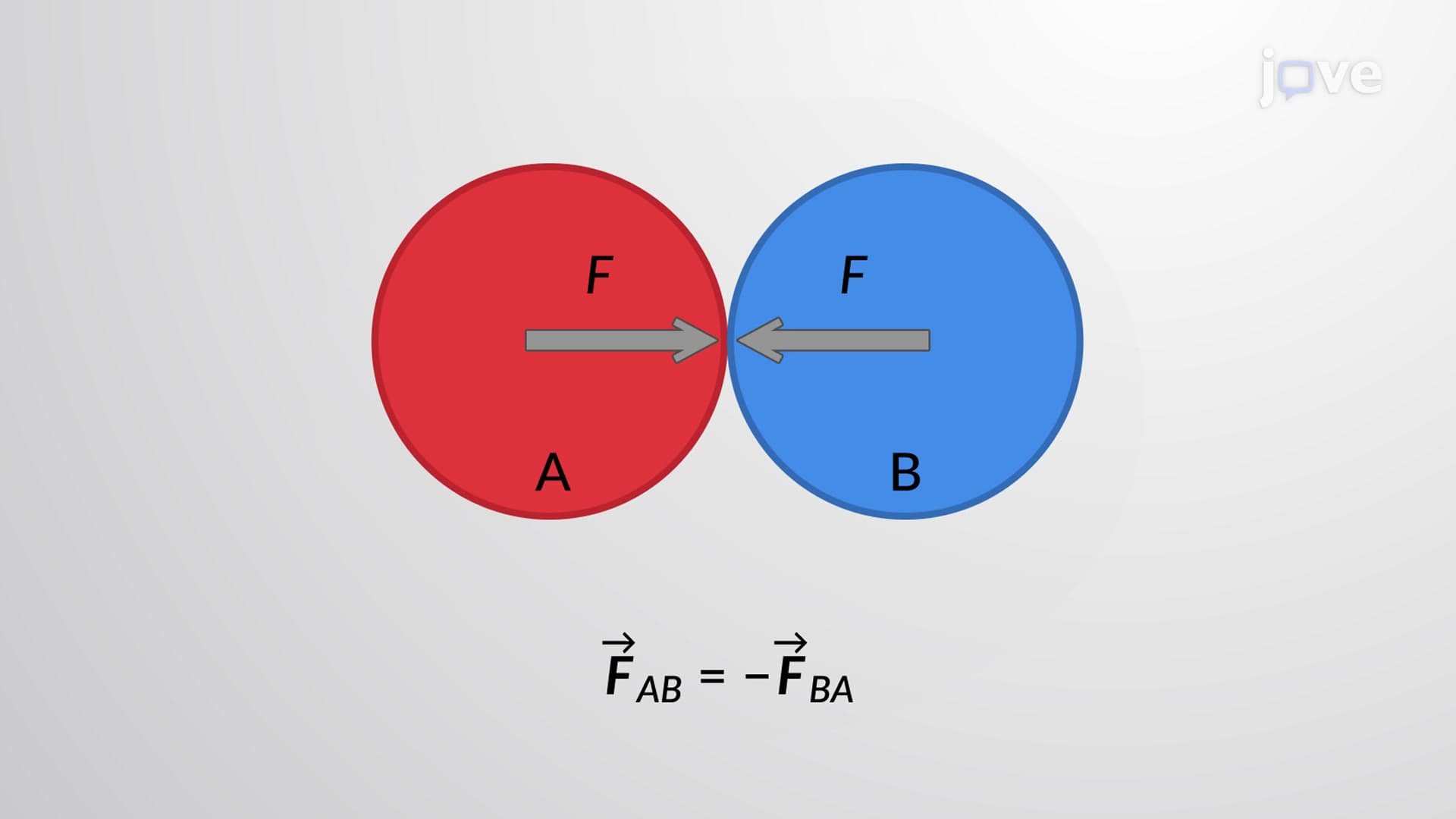
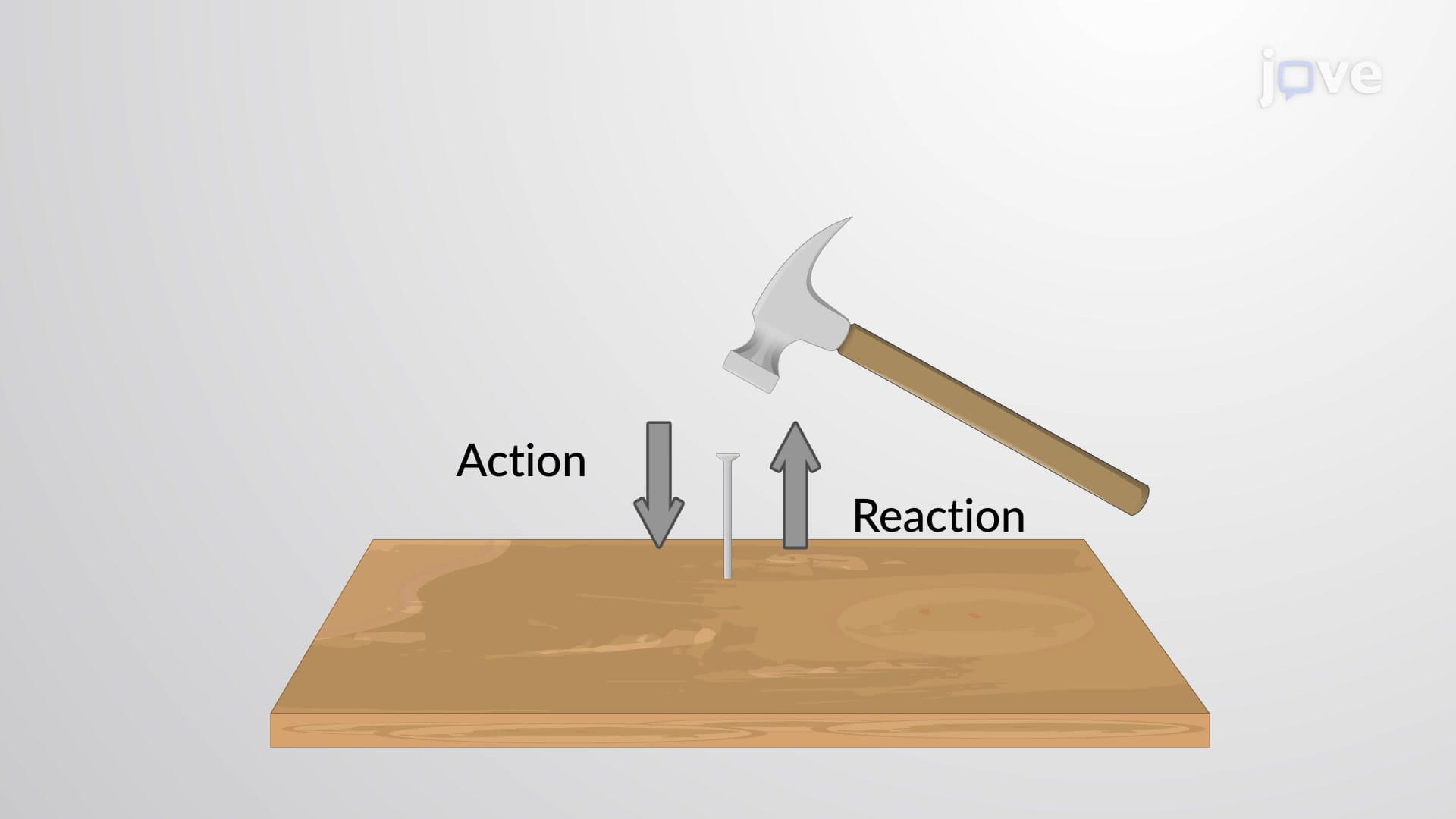
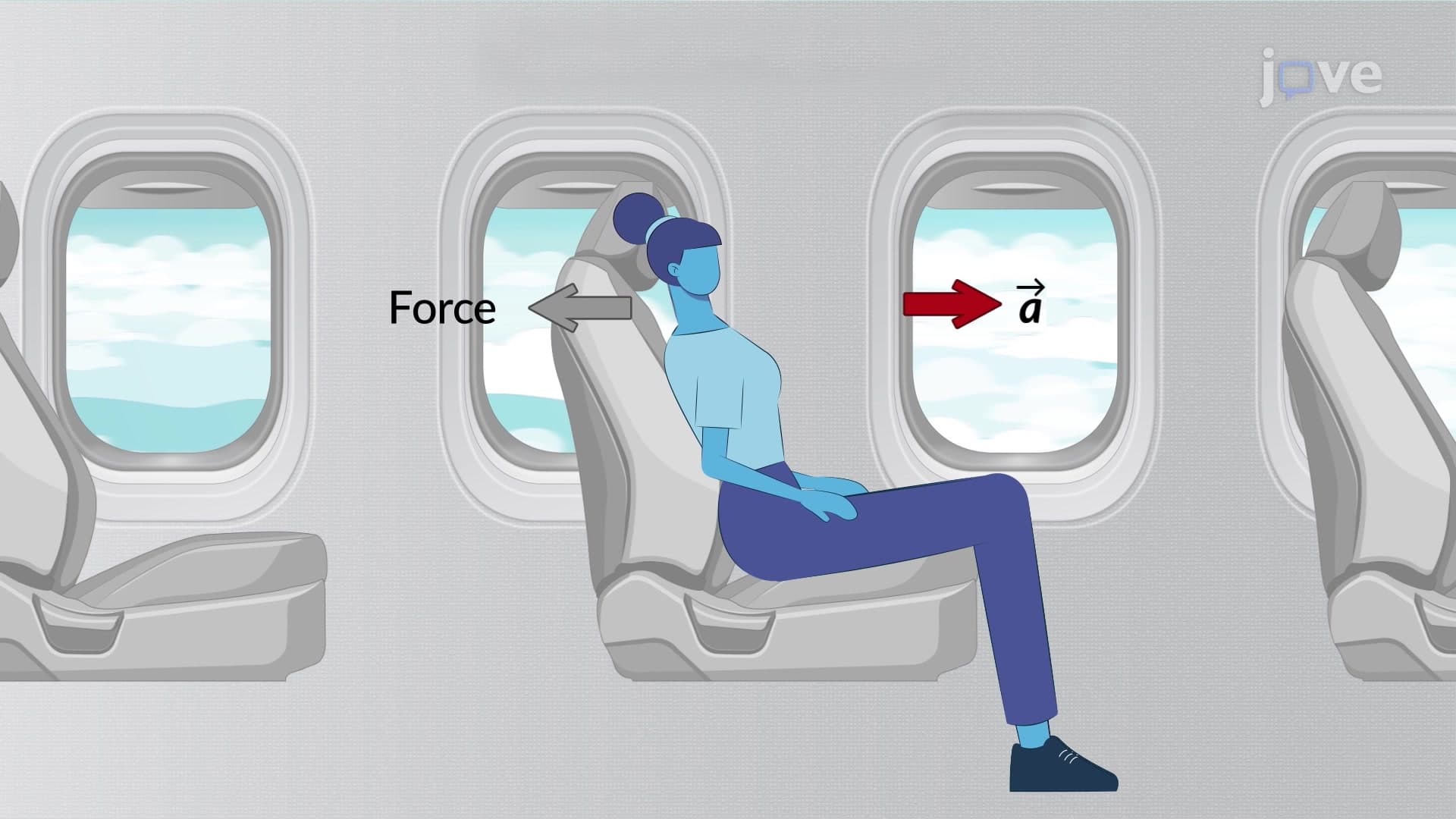
Newton's third law explains why internal forces cannot accelerate a system. Every internal force has an equal and opposite reaction force within the same system, creating zero net force. When a rocket's engine burns fuel, the internal combustion forces cancel out. Only the external force of expelled gases pushing against the rocket (Newton's third law pair) creates acceleration.
This principle appears frequently on MCAT physics sections and AP Physics C exams, where students must identify which forces contribute to an object's acceleration versus those that create internal stress without motion change.
Applications in Problem-Solving and Exam Success
Understanding what are internal and external forces overview proves essential for success in physics coursework. College physics professors often test this concept through multi-body problems where students must carefully define systems and classify forces accordingly.
For example, in analyzing a truck pulling a trailer, students must recognize that the truck-trailer connection force is internal if both vehicles comprise the system, but external if analyzing each vehicle separately. This distinction determines whether the connecting force appears in acceleration calculations, a common source of errors on standardized tests.
Frequently Asked Questions
Internal forces act between parts within a defined system and cannot change the system's overall motion. External forces originate outside the system and can accelerate or decelerate objects. Think of internal forces as "pushes and pulls within" while external forces come "from the outside environment."
Internal forces occur within your chosen system boundaries, like a car's engine pushing its pistons. External forces come from outside, like road friction on the car's tires. The key difference is that only external forces can change an object's velocity or direction of motion.
AP Physics frequently tests force classification through multi-object problems requiring careful system definition. Students must identify which forces are internal (cancel out) versus external (cause acceleration). Practice problems often involve connected objects like elevators with counterweights or cars towing trailers.
MCAT physics sections commonly feature force analysis in biological contexts, such as muscle forces (internal to limb systems) versus ground reaction forces (external). Students must apply Newton's laws correctly by distinguishing which forces contribute to body acceleration during human movement.
Basic knowledge of Newton's three laws provides sufficient foundation for mastering force classification. Students comfortable with vector addition and free-body diagrams can easily learn this concept. Most high school physics courses introduce these ideas alongside Newton's laws.
Use the "boundary test", draw an imaginary box around your system. Forces crossing the boundary from outside are external (can cause acceleration). Forces entirely within the boundary are internal (create zero net effect). Practice defining different system boundaries for the same scenario.
Mechanical engineers analyze internal stresses in machine components while considering external loads from operating conditions. Civil engineers design structures to handle internal forces (beam compression) and external forces (earthquake loads). Aerospace engineers balance internal propulsion forces with external aerodynamic forces.
Progress to Newton's laws applications, free-body diagram construction, and multi-object system analysis. Advanced topics include rotational dynamics, where internal and external torques follow similar classification principles. These concepts build toward momentum conservation and energy methods in mechanics.
Related Micro-courses

10 Concepts
15 Concepts

12 Concepts