Loading subject page…


274,846 views

Video Summary: What are Types of Forces
Ever wonder why you don't fall through your chair or how GPS satellites stay in orbit? The types of forces governing our universe fall into two fundamental categories that explain everything from a baseball's trajectory at Yankee Stadium to the nuclear reactions powering our Sun. Contact forces require physical touch between objects, while field forces act across empty space without direct contact. Watch the full video on JoVE Coach to master this concept with expert-led visuals and step-by-step explanations.
Types of forces represent one of physics' most fundamental concepts, forming the backbone of mechanics that students encounter from introductory courses through advanced college physics. Every interaction in our physical world-from the simple act of writing with a pencil to the complex dynamics of space exploration-involves forces that fall into two distinct categories.
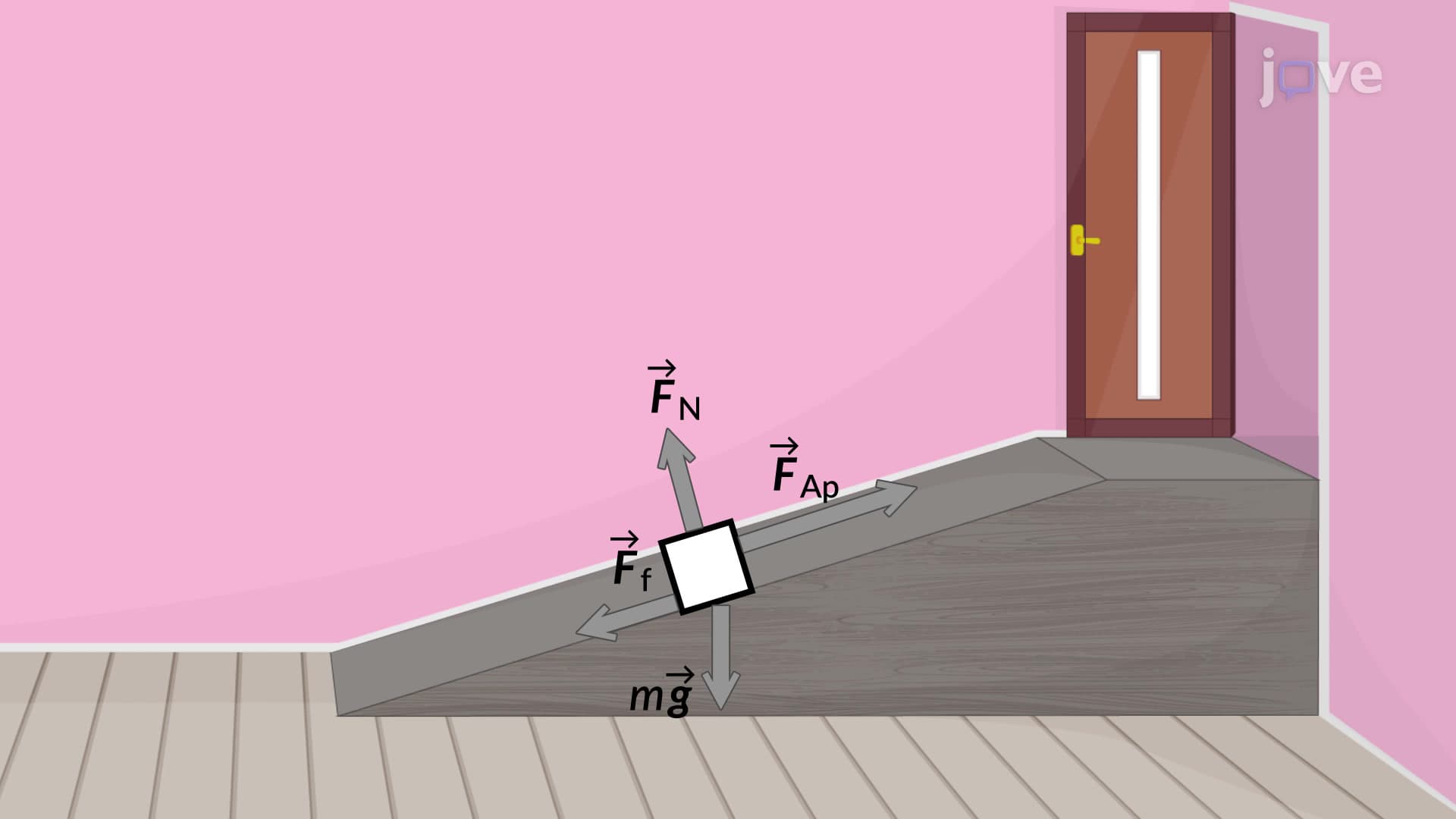
Contact forces occur when objects physically interact through direct touch. The normal force prevents you from sinking through your desk chair by providing an upward push equal to your weight. This perpendicular force appears whenever surfaces press against each other, whether it's a book resting on a table or a car's tires gripping the road.
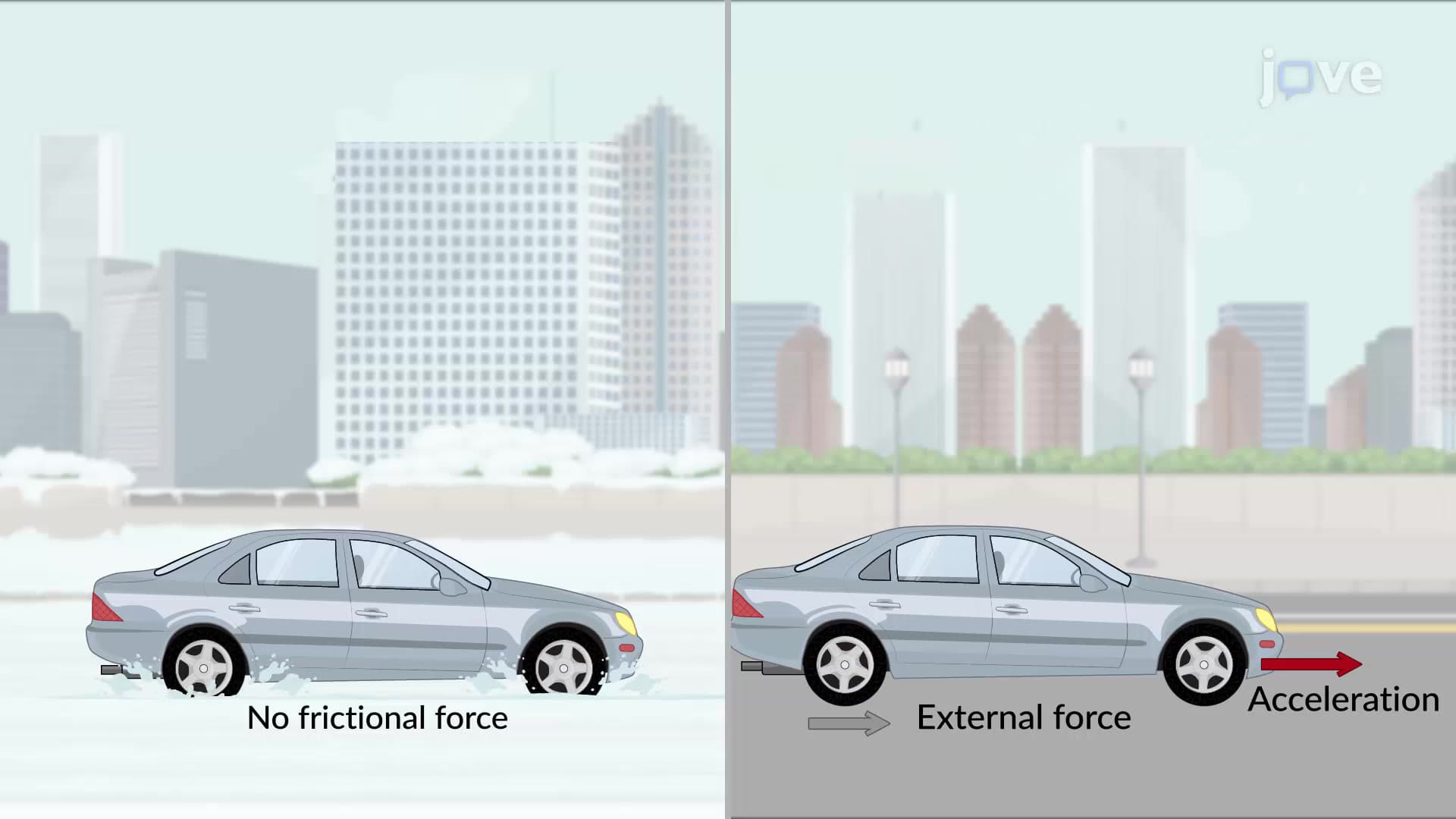
Friction force opposes motion between surfaces in contact. Static friction keeps your textbooks from sliding off an inclined desk, while kinetic friction slows down a hockey puck gliding across ice. Engineers at companies like Ford and Tesla carefully consider friction coefficients when designing brake systems and tire treads for optimal vehicle performance.
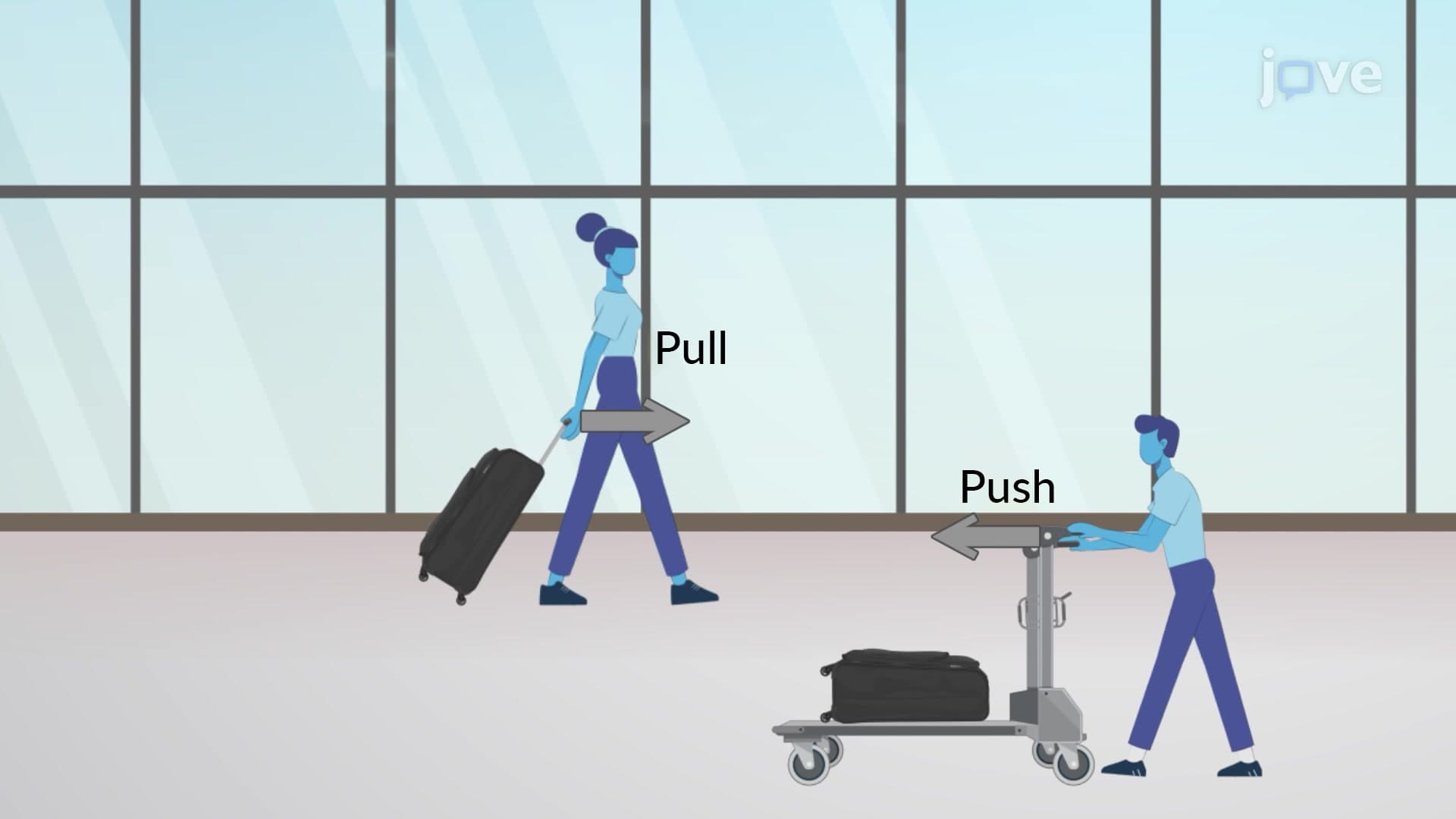
Tension force transmits pulling forces through flexible connectors like ropes, cables, or springs. Bridge designers rely on tension calculations when planning suspension bridges like San Francisco's Golden Gate Bridge, where massive cables support the entire structure's weight through distributed tension forces.
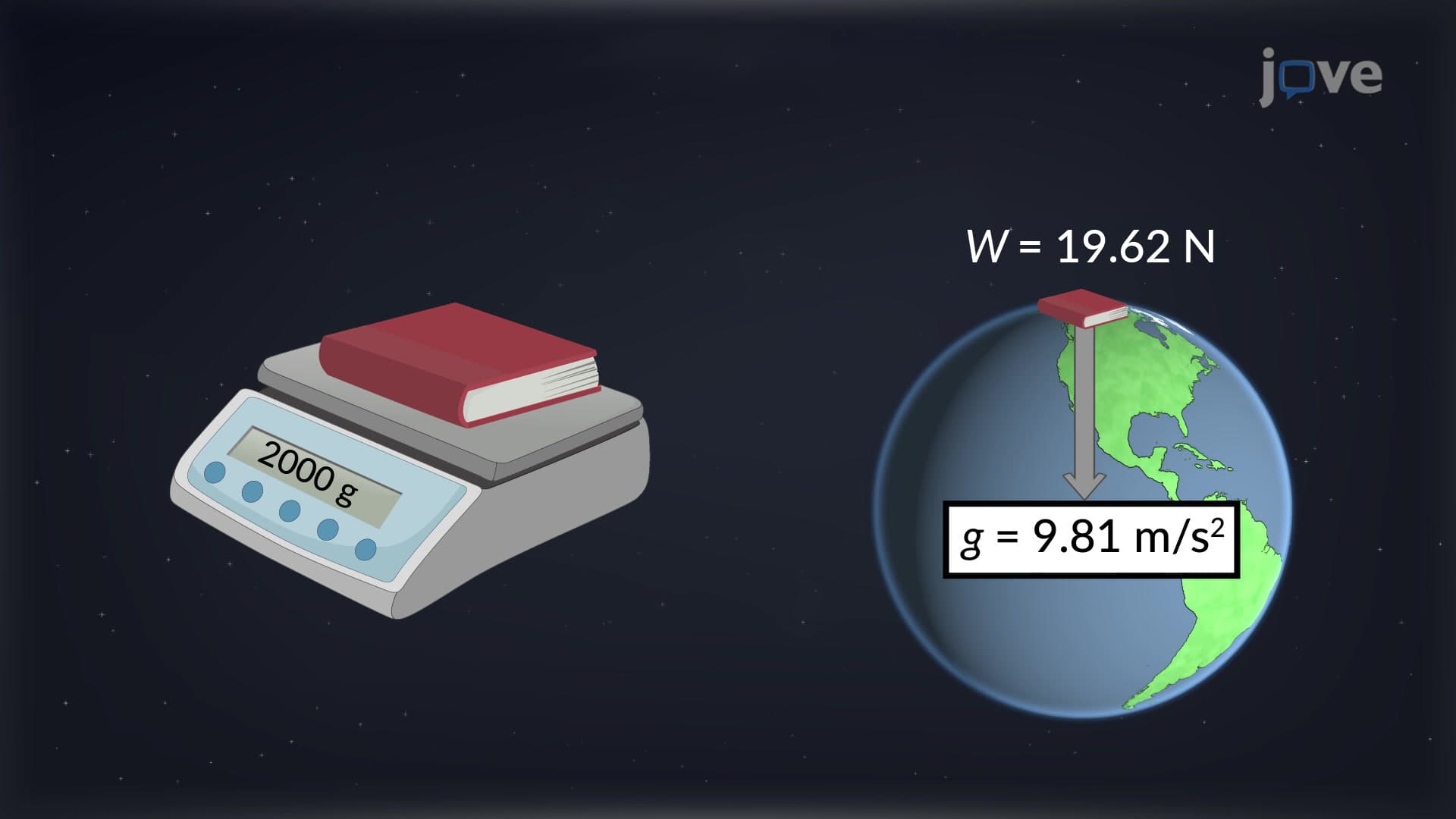
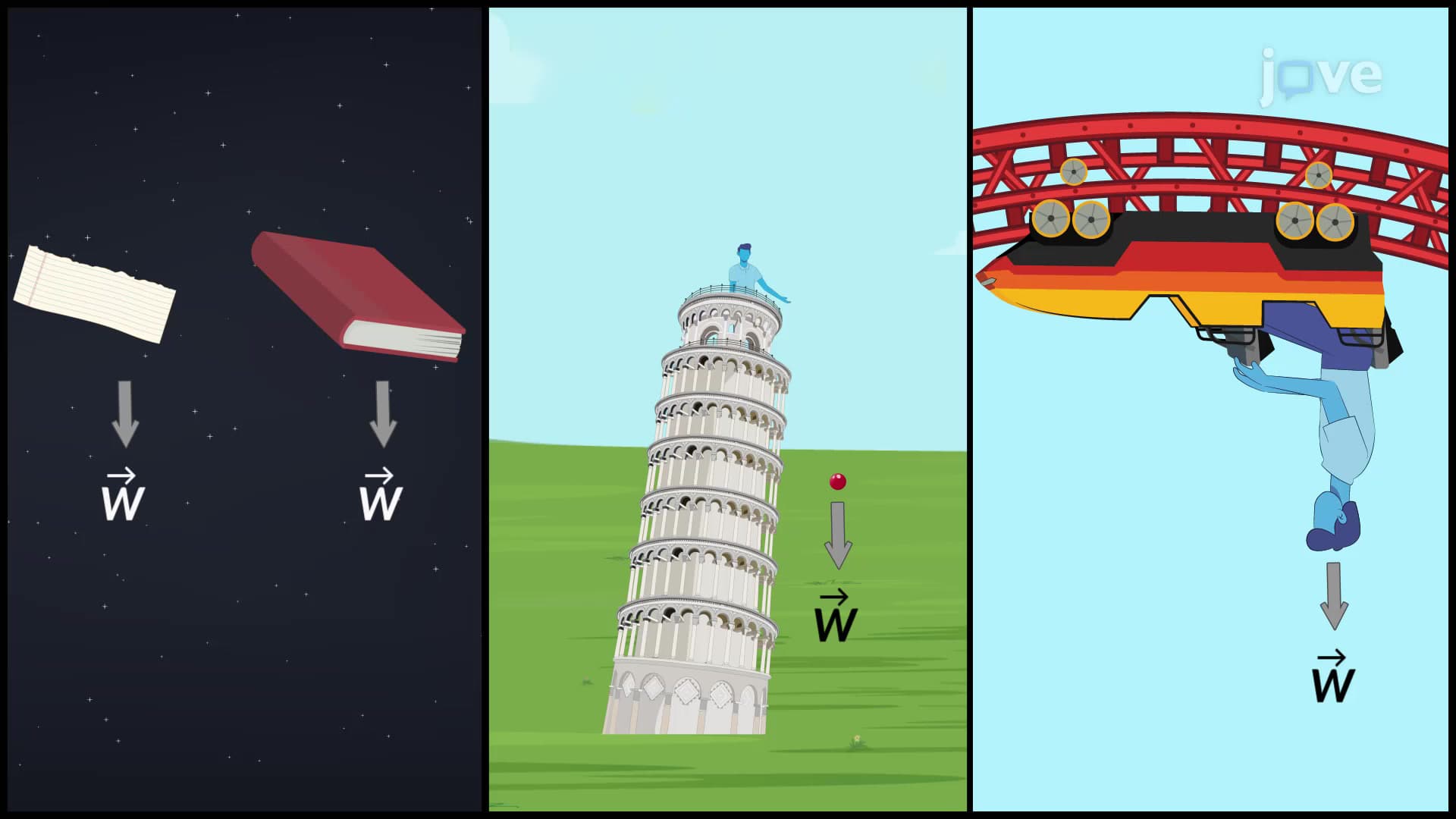
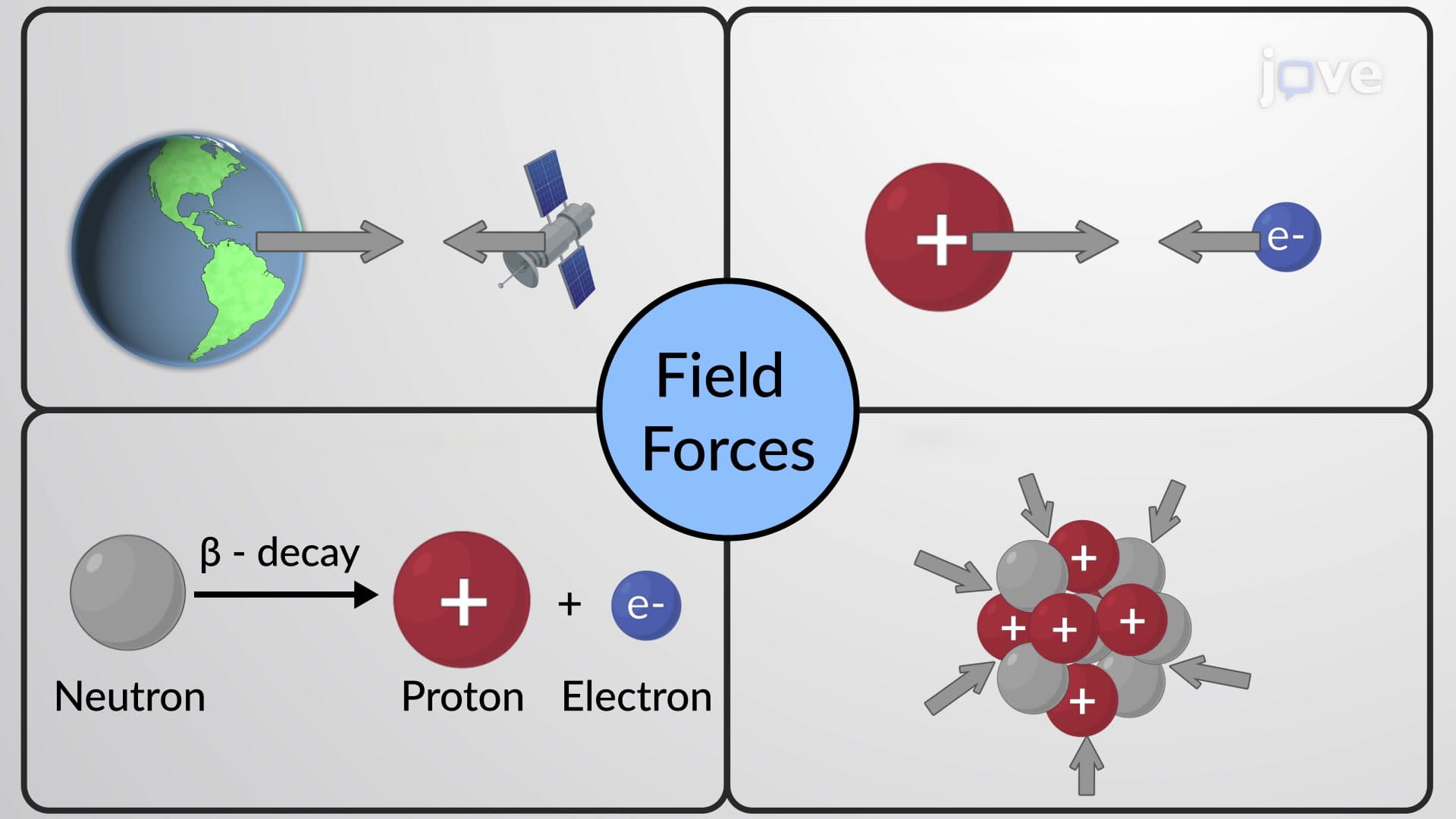
Field forces operate without direct physical contact, acting through invisible force fields that permeate space. Gravitational force governs everything from apple falls to planetary orbits. NASA engineers precisely calculate gravitational interactions when planning satellite trajectories and Mars rover landings, considering how Earth's, the Moon's, and the Sun's gravitational fields influence spacecraft motion.
Electromagnetic force encompasses both electric and magnetic interactions between charged particles. This force powers our electrical grid, enables MRI machines in hospitals like Johns Hopkins, and explains how computer hard drives store data magnetically. Lightning strikes demonstrate electromagnetic force's dramatic effects when electrical charges build up in storm clouds.
The strong nuclear force binds protons and neutrons within atomic nuclei, overcoming the electromagnetic repulsion between positively charged protons. Nuclear power plants like those operated by Duke Energy harness this force's tremendous binding energy. Meanwhile, the weak nuclear force governs radioactive decay processes used in medical imaging and carbon dating techniques employed by archaeologists studying ancient American civilizations.
Understanding types of forces proves essential for success on standardized tests like the AP Physics exams, SAT Subject Tests, and college placement exams. Students frequently encounter force analysis problems requiring them to identify which forces act on objects and calculate resulting motion or equilibrium conditions.
Related Micro-courses