Loading subject page…

- Physics
- Newton's Laws of Motion
- Apparent Weight
Micro-course: Newton's Laws of Motion
274,840 views
Learn key concepts and earn your certificate.



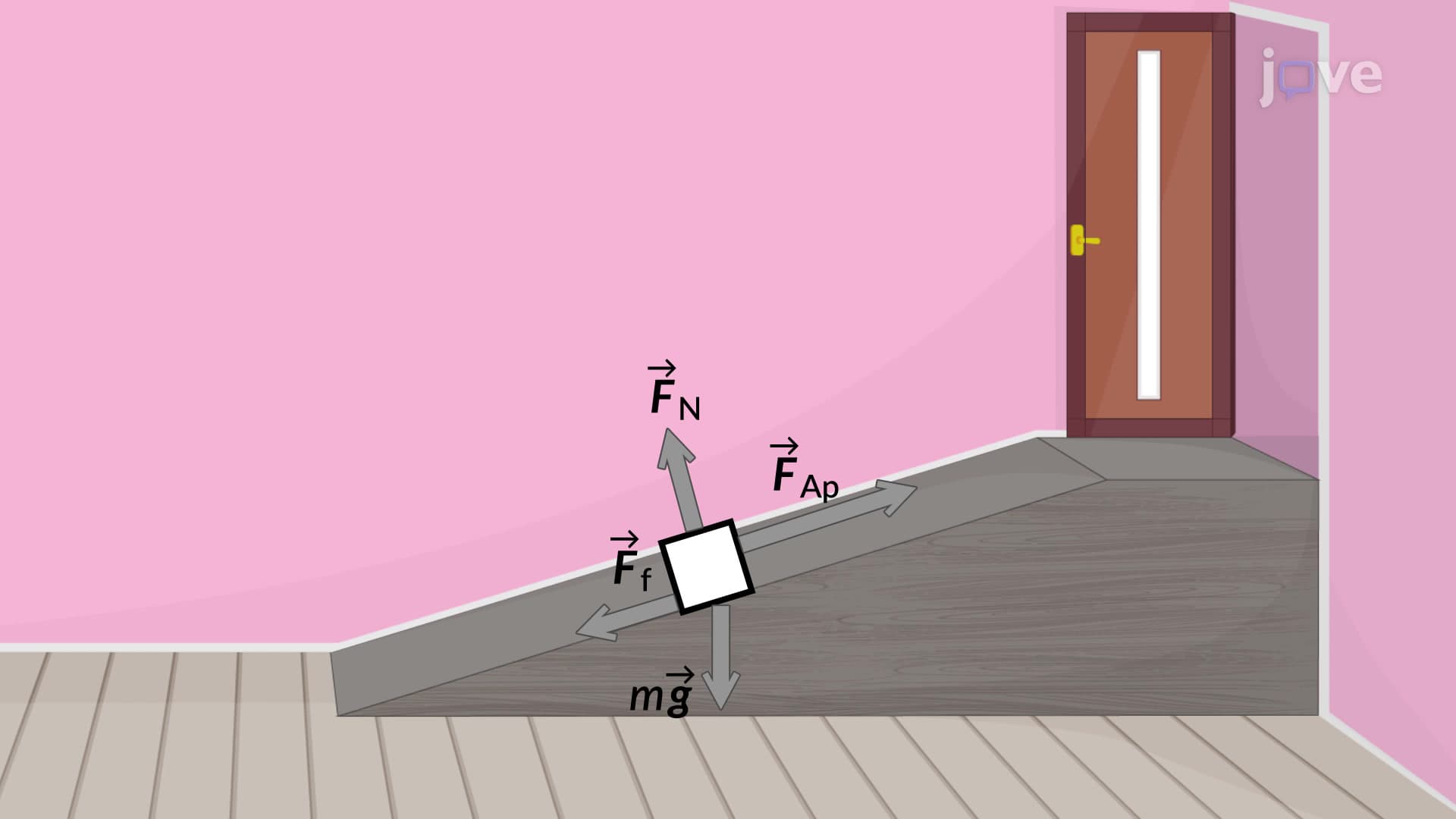


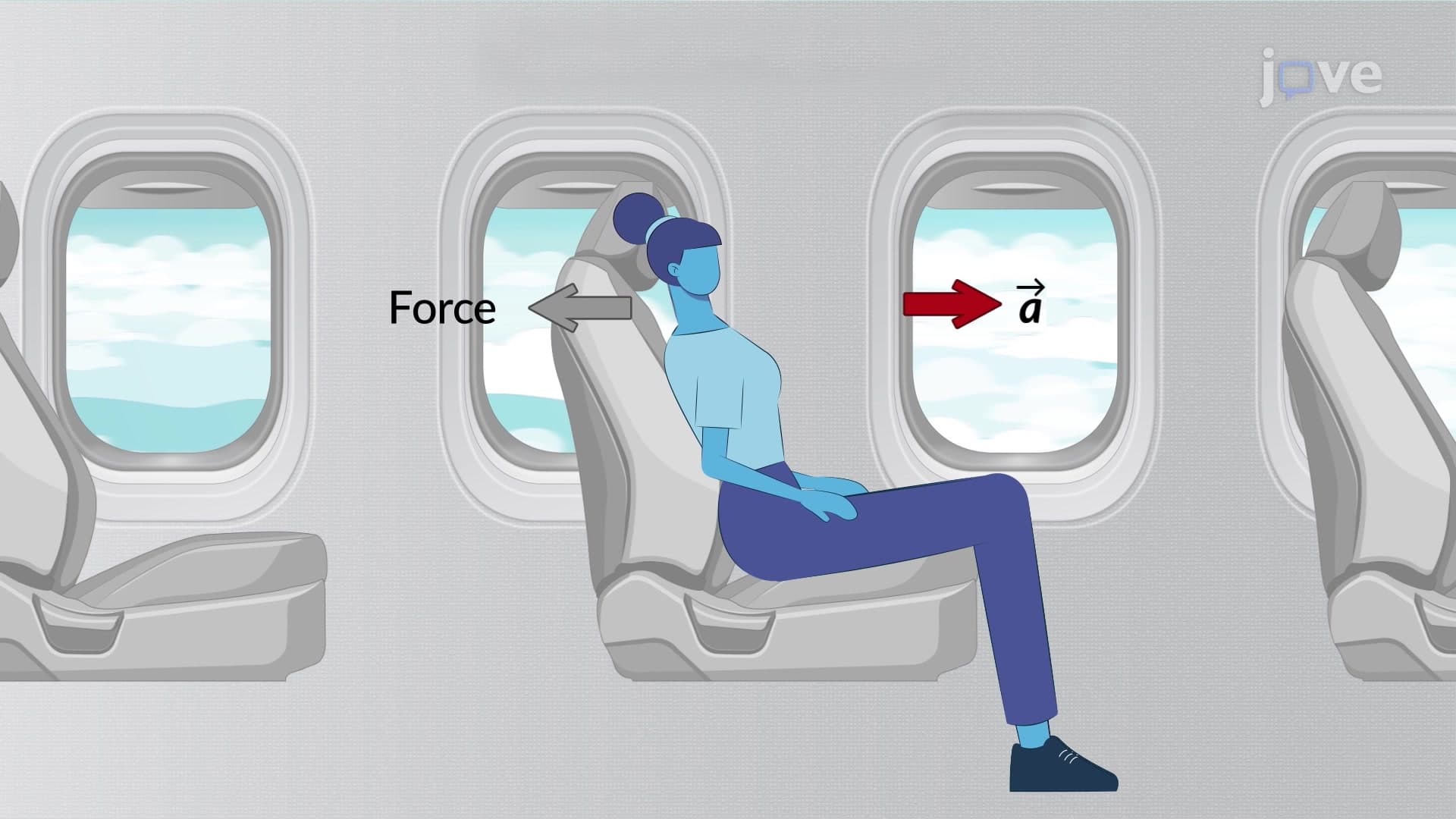
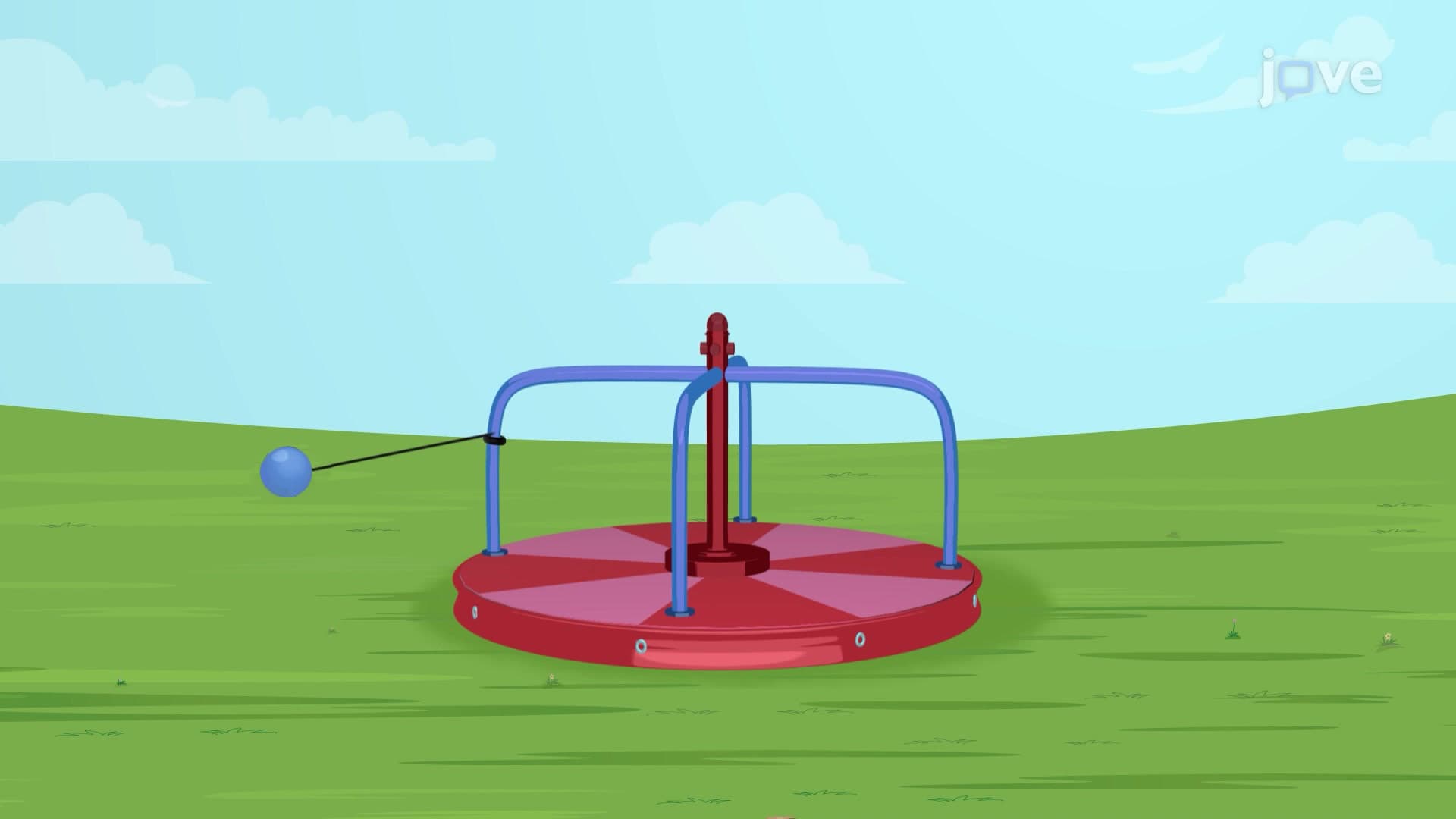
Apparent Weight

00:00
01:09
Video Summary: What Is Apparent Weight
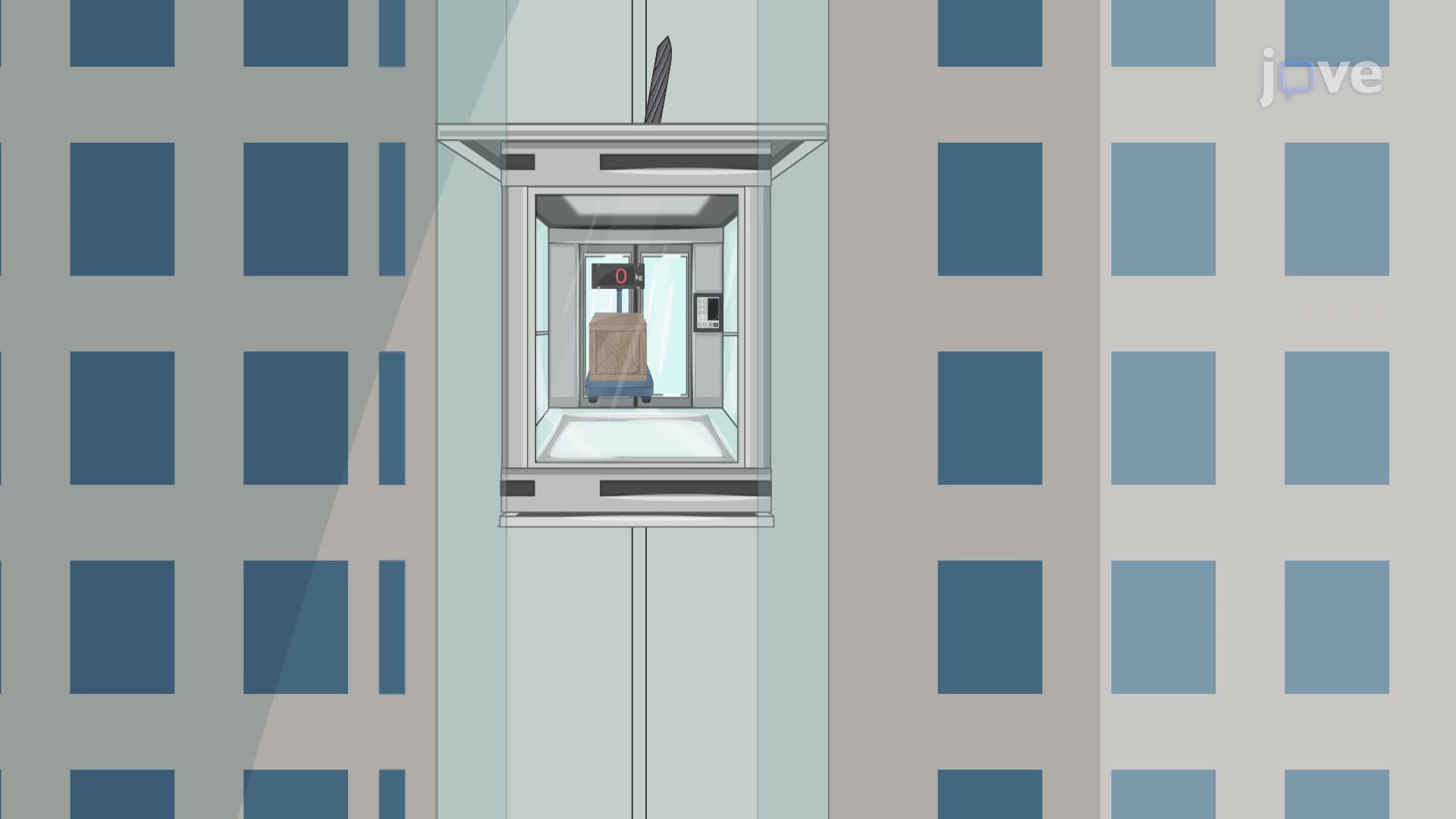
Ever wondered why you feel lighter when an elevator drops or heavier when it shoots upward? Apparent weight changes dramatically based on acceleration, creating fascinating physics phenomena that astronauts experience during NASA shuttle launches. Unlike true weight (which remains constant), apparent weight varies with motion-from feeling superhuman strength in a plummeting elevator to complete weightlessness in free fall. This fundamental concept explains everything from roller coaster sensations to spacecraft dynamics. Watch the full video on JoVE Coach to master this concept with expert-led visuals and step-by-step explanations.
- Understand what is apparent weight and how it differs fundamentally from true gravitational weight
- Identify the relationship between acceleration, normal force, and apparent weight measurements in various scenarios
- Analyze how elevator motion affects scale readings through Newton's second law applications
- Compare apparent weight values during upward acceleration, downward acceleration, and free fall conditions
- Evaluate real-world examples of apparent weight changes in amusement park rides and space missions
- Apply apparent weight calculations to solve physics problems involving accelerating reference frames
- Recognize the conditions that create apparent weightlessness in orbiting spacecraft and falling elevators
- Explore the mathematical relationship between net force, acceleration, and apparent weight measurements
Understanding What is Apparent Weight
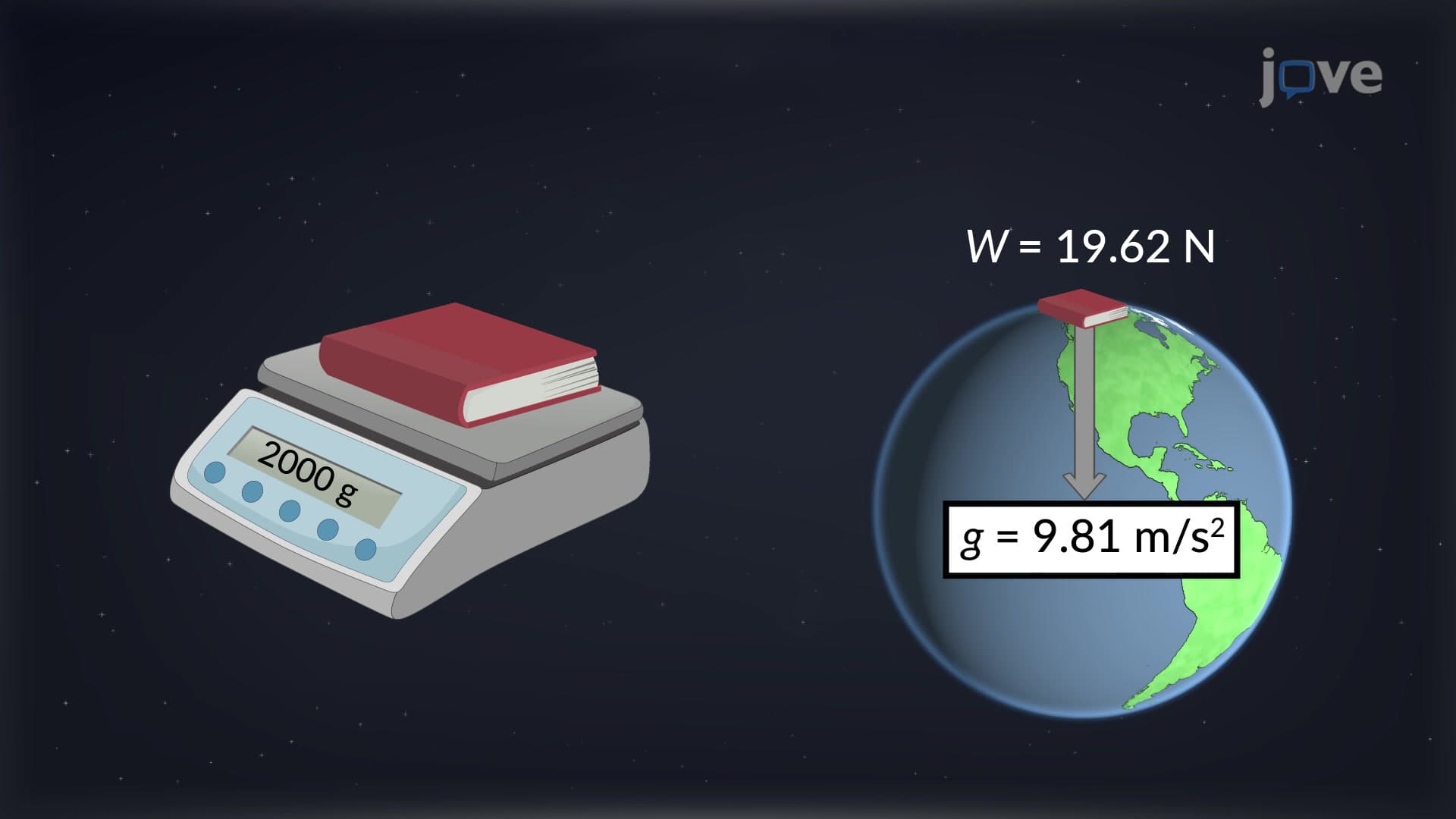
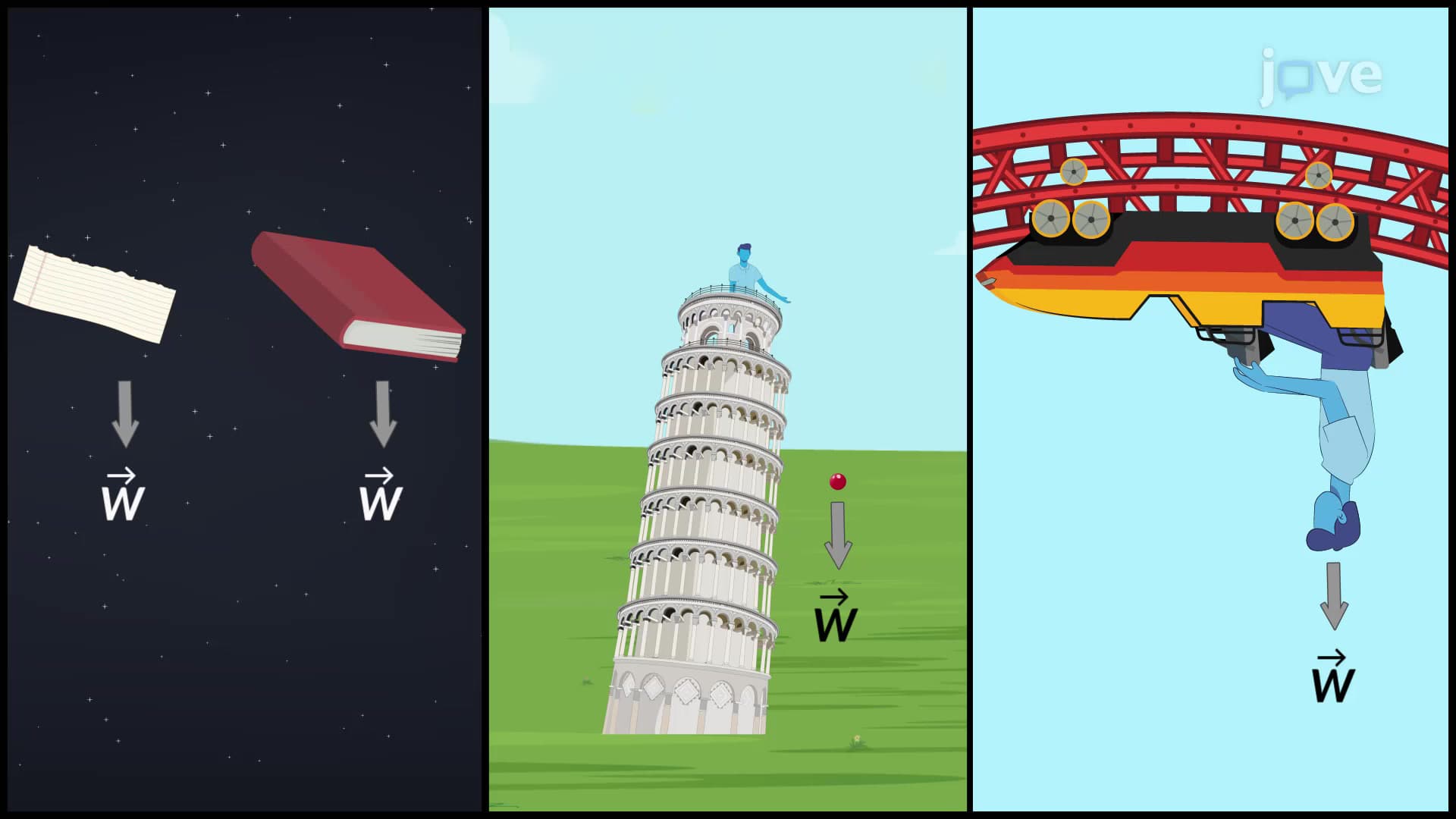
What is apparent weight represents one of physics' most intuitive yet profound concepts. Unlike true weight-the gravitational force Earth exerts on an object-apparent weight measures what a scale actually reads when both the object and scale experience acceleration together. This distinction becomes crucial in engineering applications, from designing elevator safety systems to calculating astronaut training protocols at NASA's Johnson Space Center.
The Physics Behind Apparent Weight Changes
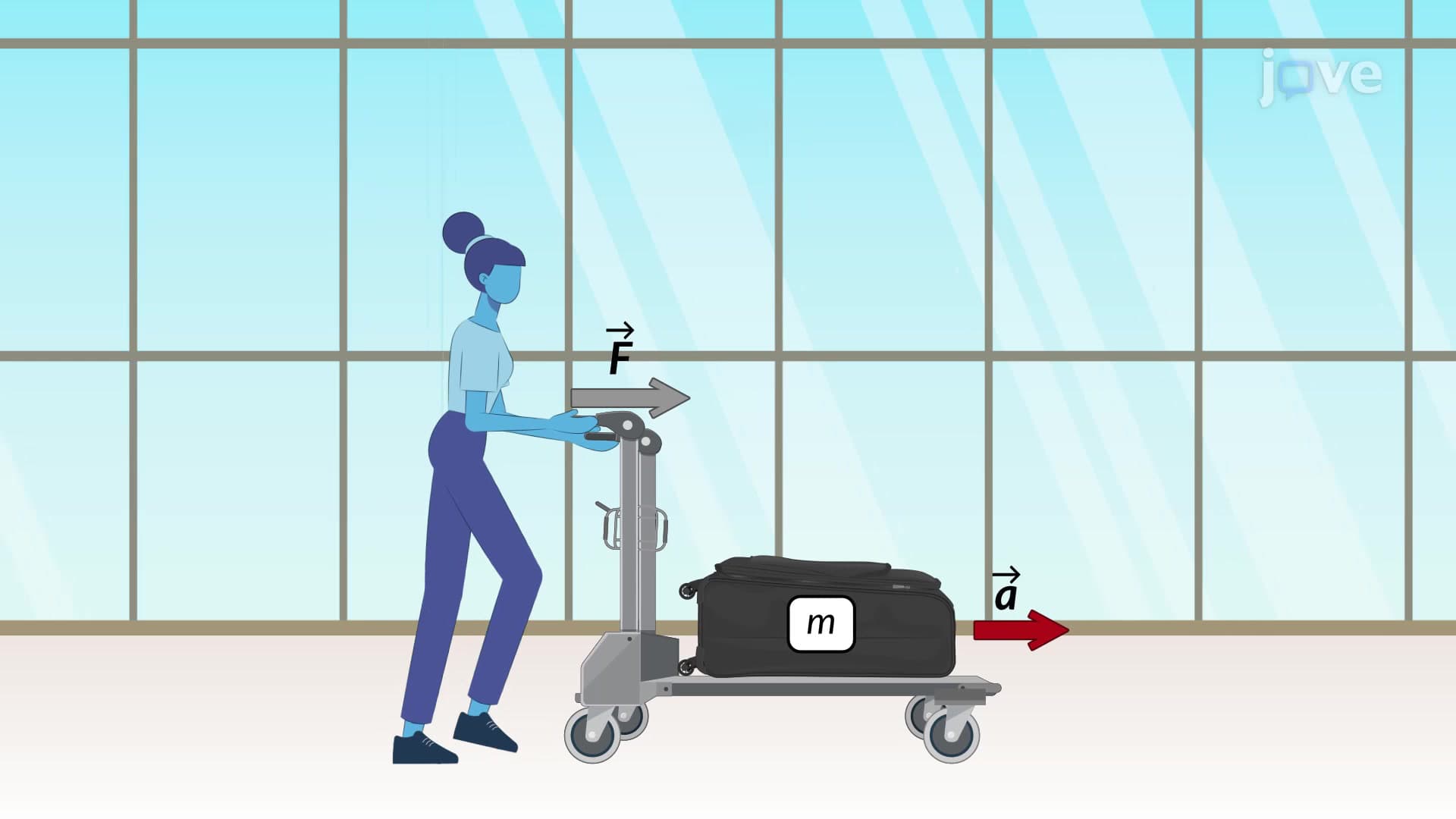
When analyzing apparent weight, we must consider Newton's second law within accelerating reference frames. In a stationary elevator, the scale reading equals true weight because the normal force perfectly balances gravitational force (net force = zero). However, during acceleration, this equilibrium breaks down dramatically.
During upward acceleration, the scale must provide additional normal force beyond gravitational compensation, creating apparent weight greater than true weight. Conversely, downward acceleration reduces the required normal force, making objects appear lighter. The mathematical relationship follows: Apparent Weight = True Weight + (mass × acceleration), where acceleration can be positive or negative depending on direction.
Real-World Applications and Examples
Apparent weight phenomena manifest throughout American infrastructure and entertainment. Theme park designers at Walt Disney World and Six Flags strategically engineer roller coasters to create specific apparent weight sensations-from the crushing g-forces of launch coasters to the floating sensation over hills. Similarly, NASA utilizes apparent weight principles in astronaut training, using parabolic flight patterns to simulate Martian gravity (38% Earth's gravity) and lunar conditions.
Mastering Apparent Weight for Academic Success
Students encounter apparent weight extensively in AP Physics courses, SAT Subject Tests, and introductory college mechanics. Typical exam problems involve elevator scenarios, pendulum motion in accelerating vehicles, or analyzing forces during spacecraft launch sequences. The key to success lies in identifying the reference frame, drawing proper free-body diagrams, and applying Newton's laws systematically. Understanding apparent weight also provides foundational knowledge for advanced topics like general relativity and non-inertial reference frames in upper-level physics coursework.
Frequently Asked Questions
Apparent weight is the force reading on a scale when both the object and scale are accelerating together, while actual weight is the constant gravitational force Earth exerts on an object. Apparent weight changes with acceleration, but true weight remains constant regardless of motion.
AP Physics frequently tests apparent weight through elevator problems, inclined plane scenarios, and circular motion questions. Students must calculate normal forces during acceleration and explain apparent weightlessness conditions. Expect free-response questions requiring force diagrams and mathematical analysis of accelerating reference frames.
Astronauts and the ISS continuously fall toward Earth together while moving fast enough horizontally to "miss" the planet. This creates a state of free fall where both astronauts and their environment accelerate at identical rates, resulting in zero apparent weight despite Earth's gravity still acting on them.
Absolutely! Apparent weight concepts require only basic algebra and understanding of Newton's laws. Students need to grasp force vectors, acceleration relationships, and simple mathematical operations. The physics principles are intuitive-most people naturally sense apparent weight changes in elevators and vehicles.
Start by identifying the acceleration direction and drawing a free-body diagram showing all forces. Apply Newton's second law (F = ma) with careful attention to sign conventions. Practice with elevator scenarios first, then progress to more complex applications like banked curves and pendulum motion.
Engineers use apparent weight calculations to ensure rider safety and optimize thrill experiences. They design loops, hills, and drops to create specific g-force sensations while keeping apparent weight within safe limits (typically 3-4 times body weight maximum). This prevents injury while maximizing excitement.
No-apparent weight changes affect all objects proportionally regardless of mass. A feather and bowling ball in the same accelerating elevator experience identical apparent weight ratios. This occurs because both gravitational force and inertial effects scale directly with mass, canceling each other out.
Apparent weight provides the foundation for studying non-inertial reference frames, general relativity's equivalence principle, and rotational dynamics. Students later encounter these principles in courses covering orbital mechanics, electromagnetic field theory, and Einstein's theories of relativity in advanced undergraduate and graduate physics programs.
Related Micro-courses

10 Concepts
15 Concepts

12 Concepts